

Chapters:

Need help with your trip?
Our support team is available 24/7. Request a callback or call us directly at (833) 619-0908
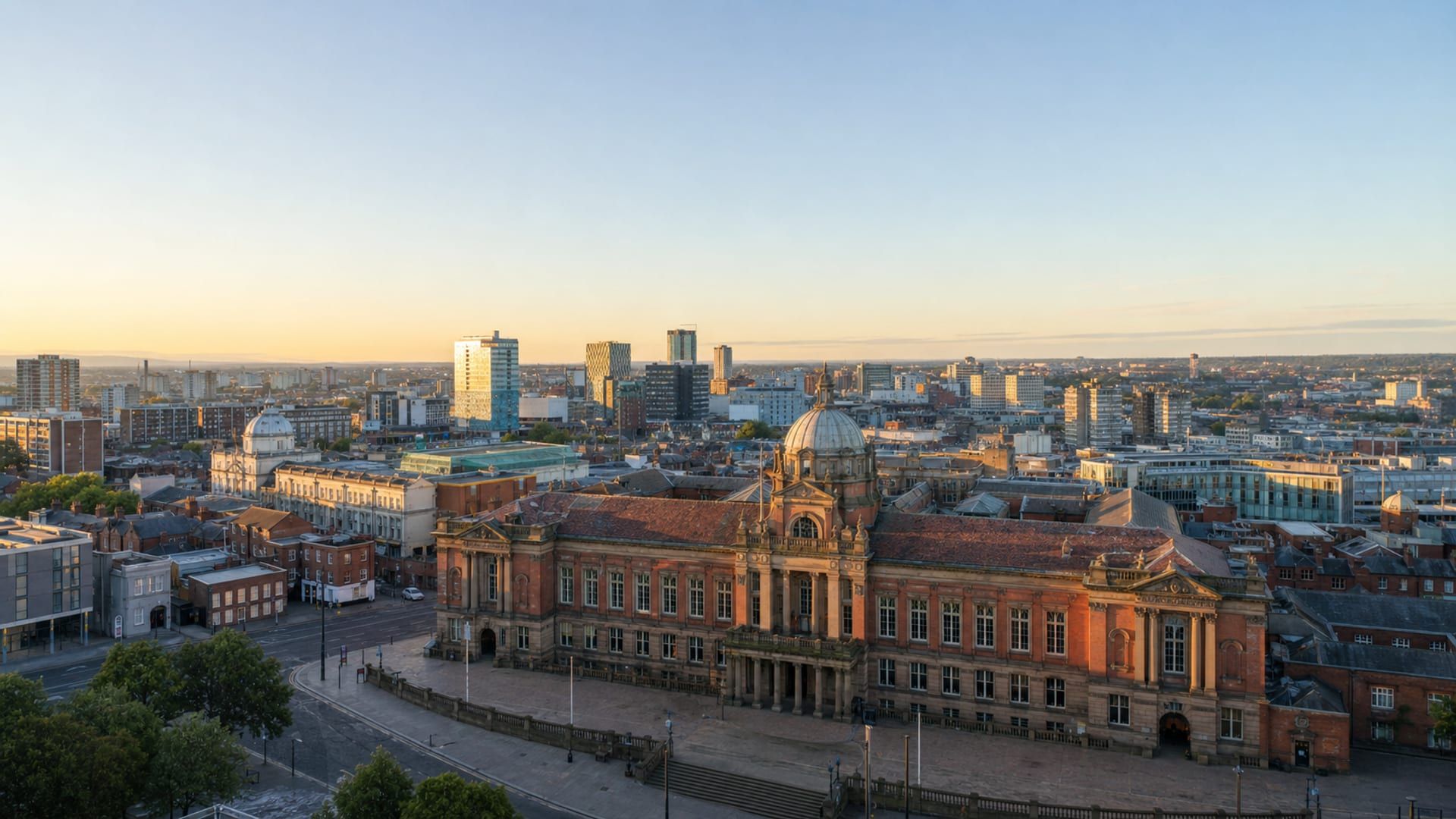
Birmingham’s appeal comes from the contrast between its civic center, industrial history, canals, and distinct neighborhoods. Around Victoria Square and Chamberlain Square, major museums and public buildings sit close to New Street and the Bullring, while the Jewellery Quarter still has working workshops alongside restaurants, bars, and independent shops.
South of the center, Bournville traces the city’s Cadbury history, and Edgbaston adds gardens, historic homes, and quieter residential streets. Birmingham’s food scene also reflects its large South Asian community, with the local balti remaining one of the city’s best-known dishes.
Five days give you enough time to see these areas without rushing between them. This guide covers where to stay, what to see, how to get around, when to visit, and how to plan the trip from the US.
Useful things to know

Main language(s): English

Currency: Pound sterling (GBP, £)

Cash and cards: Cards and contactless payments are widely accepted. Visa and Mastercard are the most accepted cards; keep some cash for smaller businesses.

Tipping: Check the bill for a service charge first. If none is included, 10%–15% is customary in restaurants. Taxi fares are often rounded up.

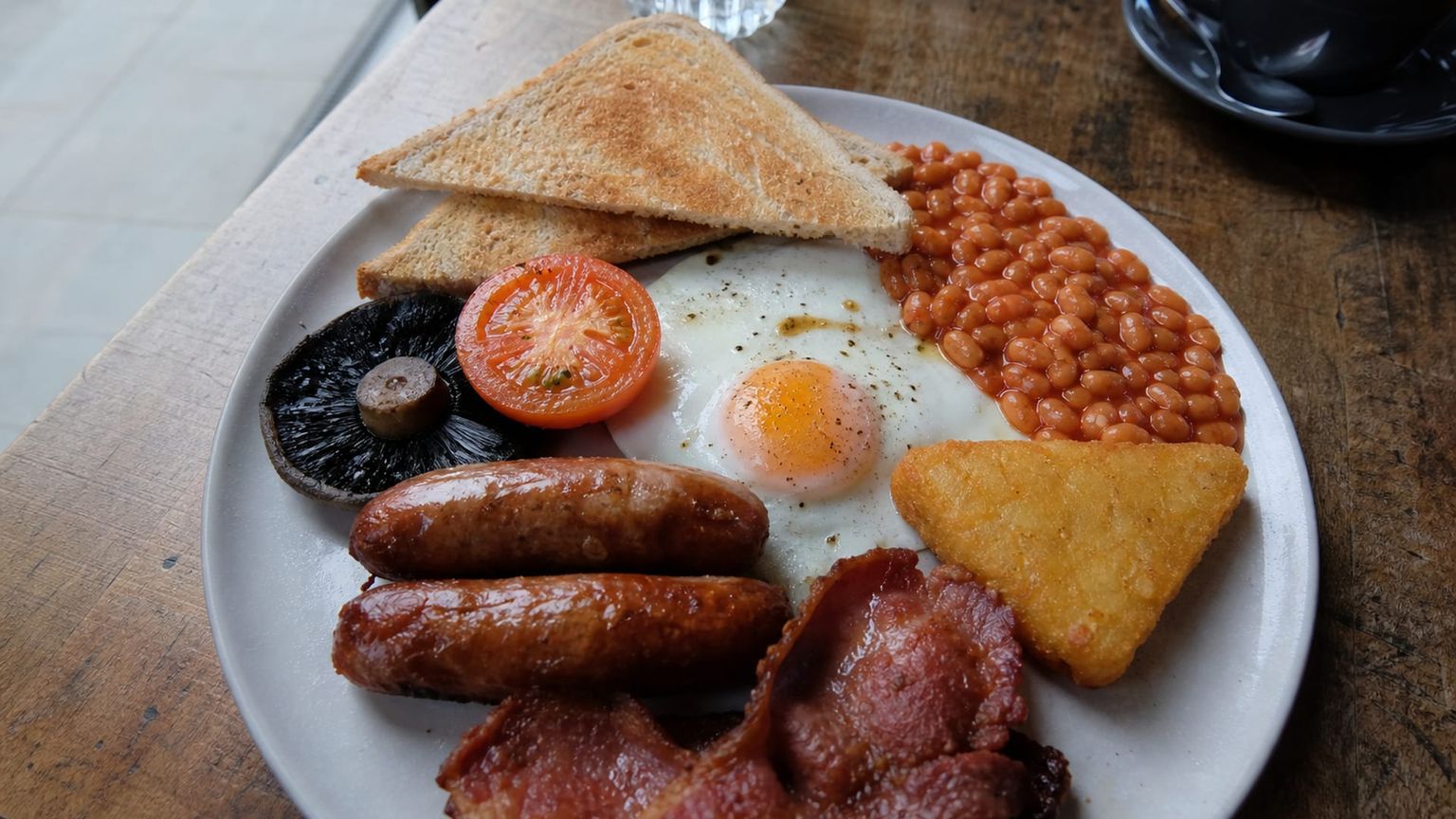
Traditional food: Birmingham balti, Birmingham soup, Brummie bacon cake, and faggots with peas are local or regional specialties.

Water and coffee costs: A 16.9-ounce (500 ml) bottle of water costs £1.10–£1.50 ($1.45–$2), while an espresso is usually £2.20–£2.70 ($2.90–$3.60).

Taxis and ride apps: Uber and Bolt operate in Birmingham. At Birmingham Airport (BHX), official black cabs wait outside the terminal, with private-hire services also available.

Plug and voltage: Type G sockets use a 230V, 50Hz supply. US travelers need a plug adapter and should check whether their devices support 230V.

Dining and shop opening hours: Dining and shop opening hours: Breakfast is often served from 7:00 am to 11:00 am, lunch from 12:00 pm to 3:00 pm, and dinner from 5:00 pm to 10:00 pm. Many city-center restaurants stay open later on weekends.

Emergency number: Call 999 or 112 for police, fire, ambulance, or other emergencies.
Where to stay in Birmingham
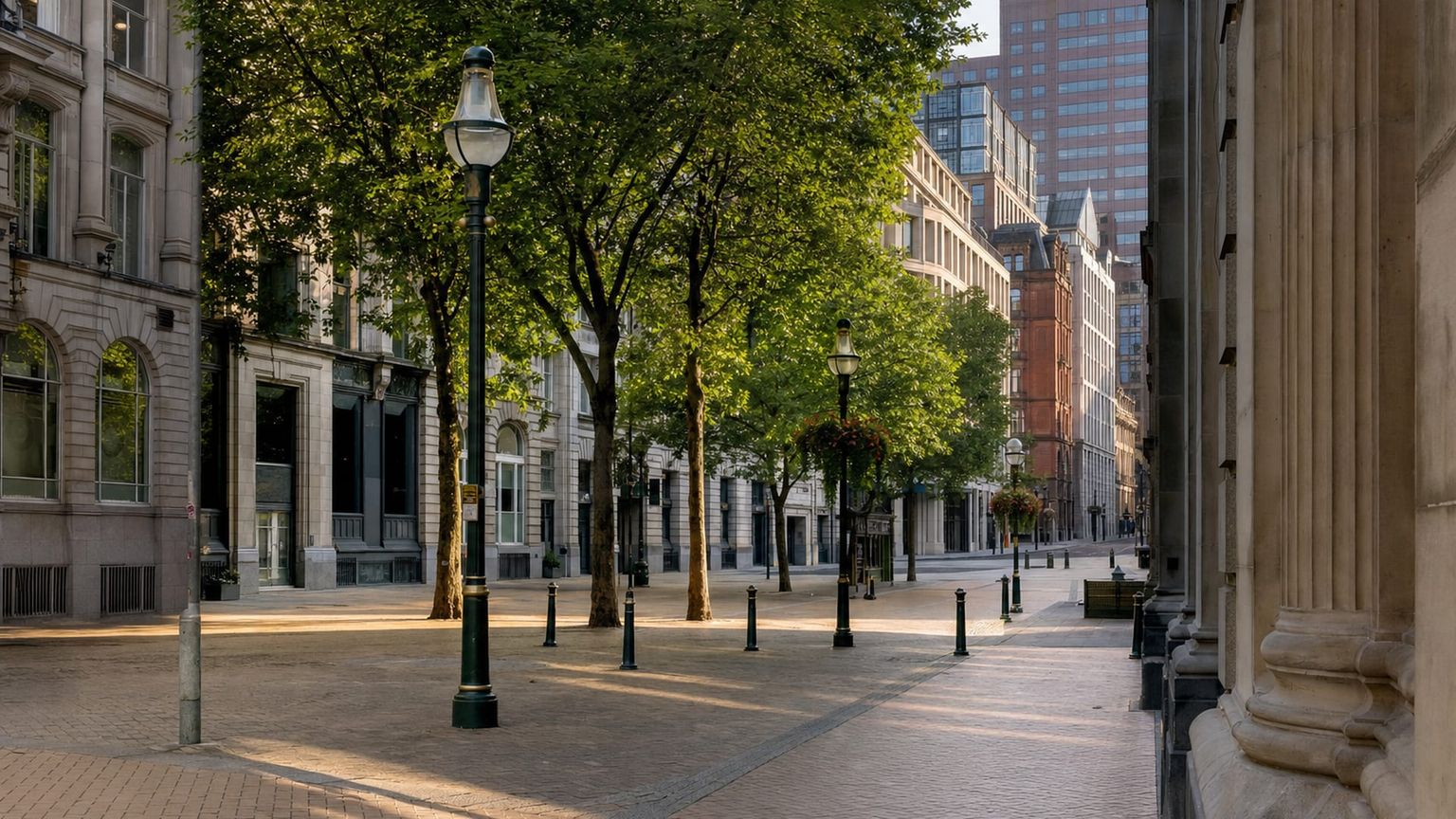
Birmingham’s city center covers the main shopping, business, and cultural core, including New Street, Colmore Row, Victoria Square, and the Bullring. Hotels here keep major museums, restaurants, rail stations, and tram stops within a short walk, which is useful on a first visit to Birmingham.
Best for: First-time visits, transit access, dining, and short stays
What to expect: Busy streets by day, steady foot traffic into the evening, and the most activity near the main stations and retail streets.
Hotel prices: Usually about £110 to £220 (~$145 to ~$290) per night for well-rated stays
Distance to major sights: 10 to 20 minutes on foot to Birmingham New Street, about 15 minutes by transit to the Jewellery Quarter
Quietness: Lively through the day and into the evening, with quieter side streets after shops close.
Main trade-off: You will pay more for central locations, and some blocks pick up noise from traffic, trams, and nightlife.
Good to know: Hotels near New Street simplify rail arrivals, and the Grand Central tram stop is directly outside the station entrance on Stephenson Street.
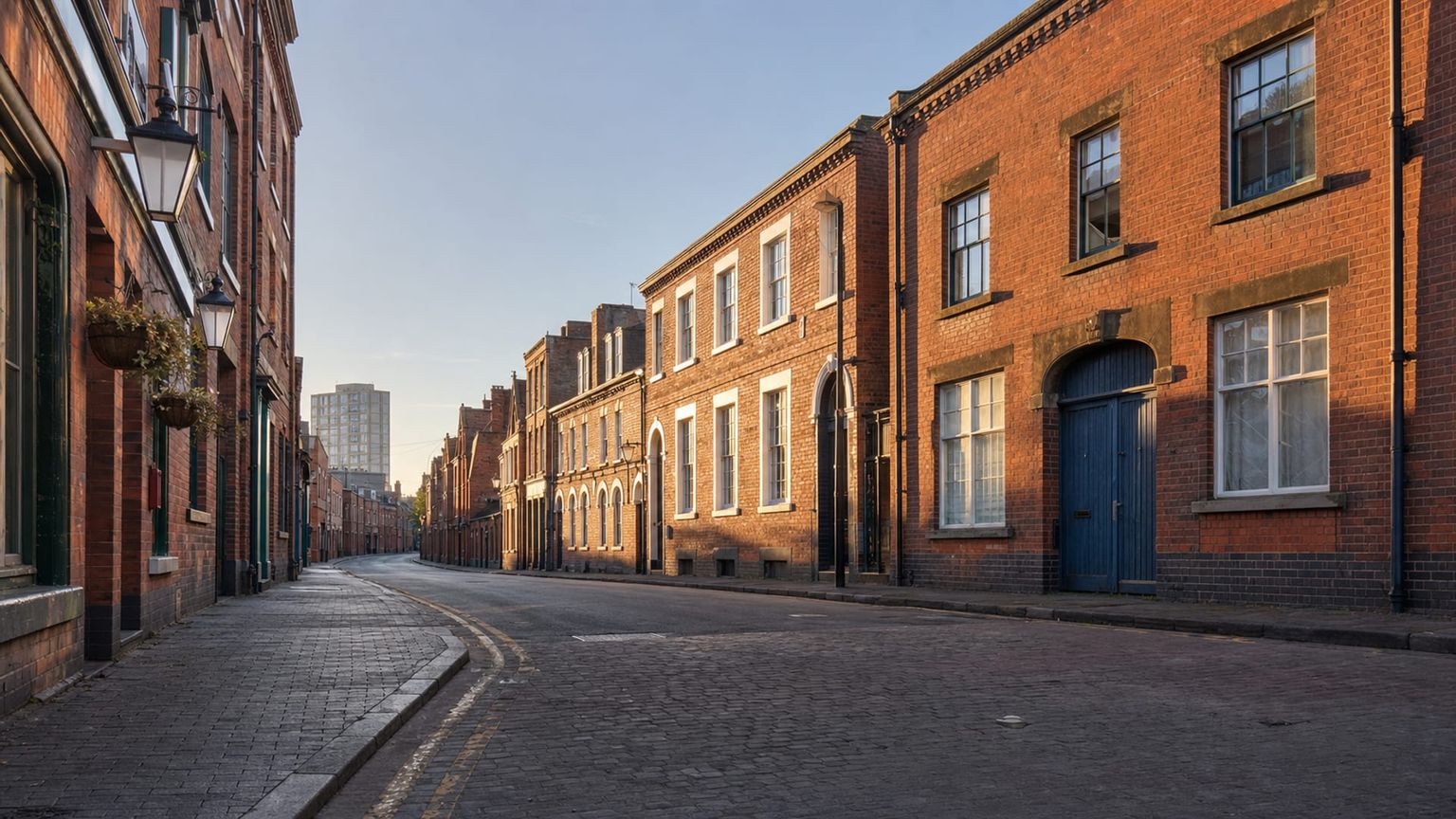
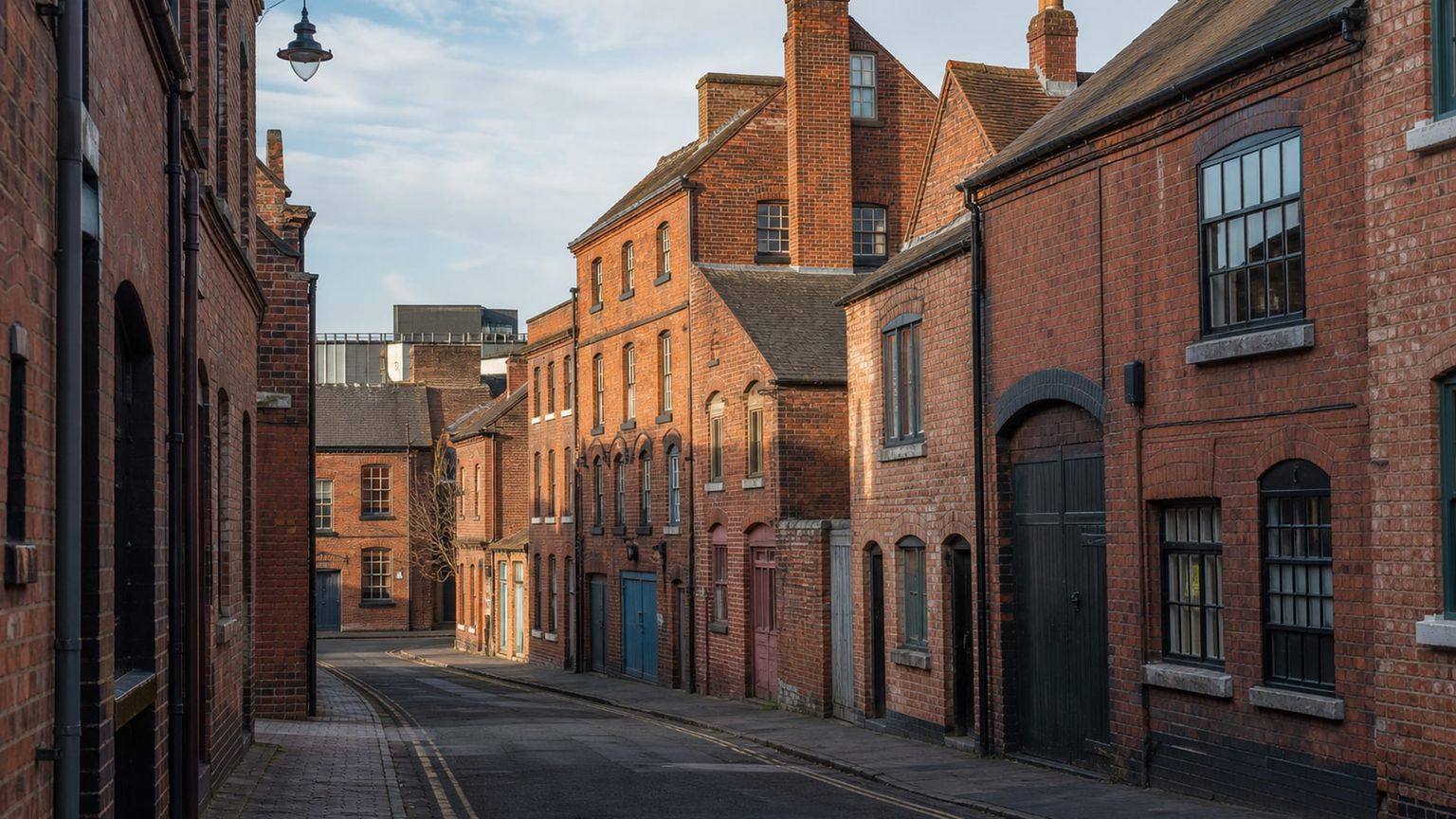
The Jewellery Quarter is a historic district northwest of the city center, known for working jewellery workshops, listed buildings, independent restaurants, and bars. Its tram and rail station keeps central Birmingham close, while the district has its own museums, shops, and evening venues.
Best for: Independent dining, design shops, and visitors who want a characterful base
What to expect: Calmer streets than the center, with a mix of local pubs, studios, and restaurant traffic that builds after work.
Hotel prices: Usually about £100 to £190 (~$130 to ~$250) per night for well-rated stays
Distance to major sights: About 10 minutes by tram or 20 minutes on foot to Birmingham New Street, about 15 minutes on foot to the Museum and Art Gallery area
Quietness: Quieter in the morning and late at night, with a noticeable uptick on restaurant and bar streets in the evening.
Main trade-off: Nightlife is concentrated on a few streets, so some corners are much livelier than others.
Good to know: Check the exact street before booking. A hotel near Jewellery Quarter or St Paul’s tram stop cuts the trip into central Birmingham.
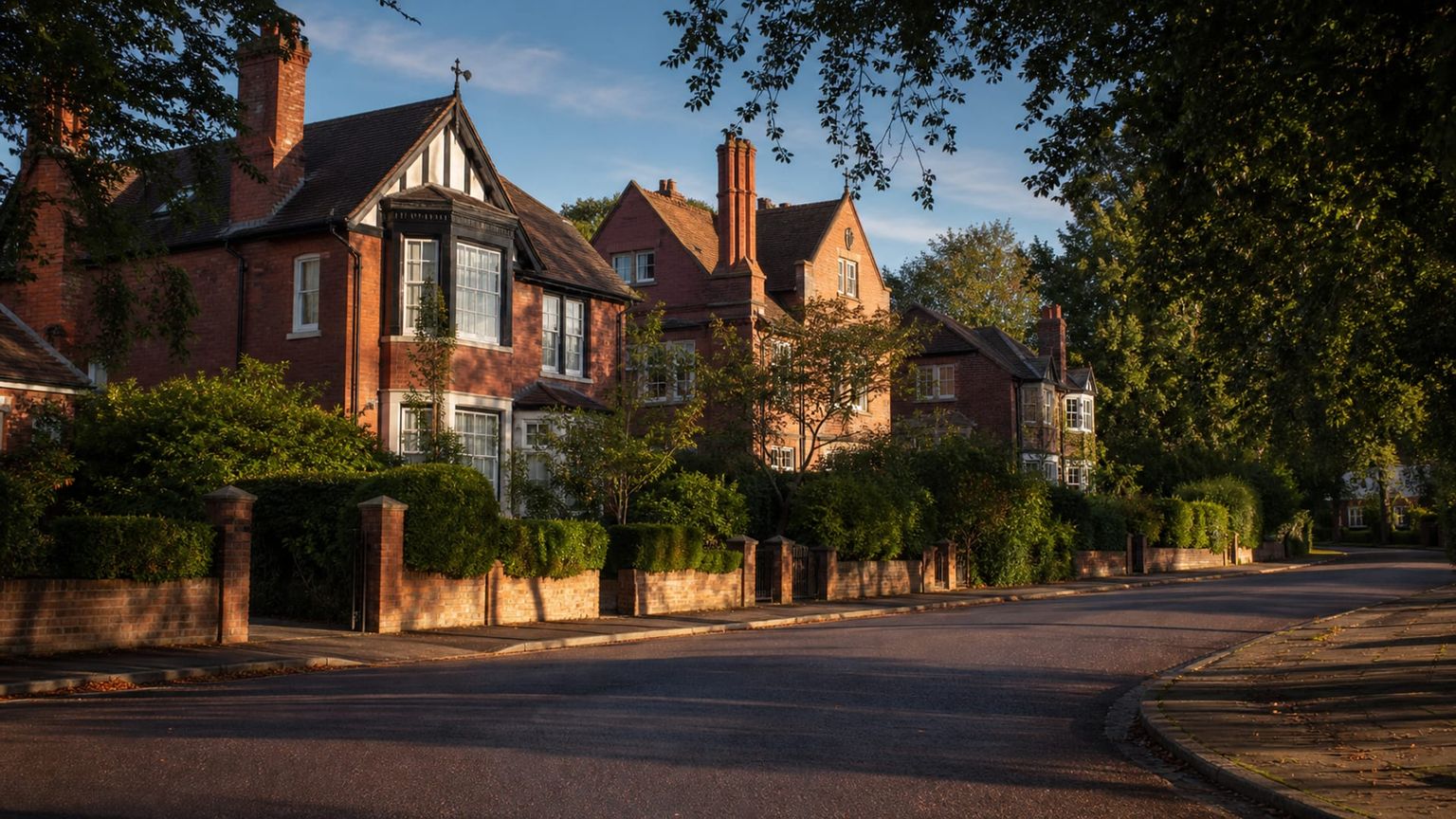
Edgbaston stretches southwest of the city center, with Georgian and Victorian homes, Birmingham Botanical Gardens, Edgbaston Stadium, and university sites nearby. Hotels here suit travelers who prefer residential streets, while the tram and buses keep central Birmingham within easy reach.
Best for: Quieter stays, families, and travelers who prefer a residential setting
What to expect: Broader streets, more housing than shops, and lighter evening foot traffic except near the main roads and venues.
Hotel prices: Usually about £90 to £170 (~$120 to ~$225) per night for well-rated stays
Distance to major sights: About 15 to 25 minutes by bus to Birmingham New Street, about 10 minutes by taxi to Broad Street
Quietness: Quiet by day and usually calmer at night, apart from main roads and event days near the cricket ground.
Main trade-off: You will depend more on buses or taxis, and dining choices are thinner than in the center.
Good to know: Check the distance from your hotel to Edgbaston Village tram stop or your event venue, as the district covers a fairly broad area.
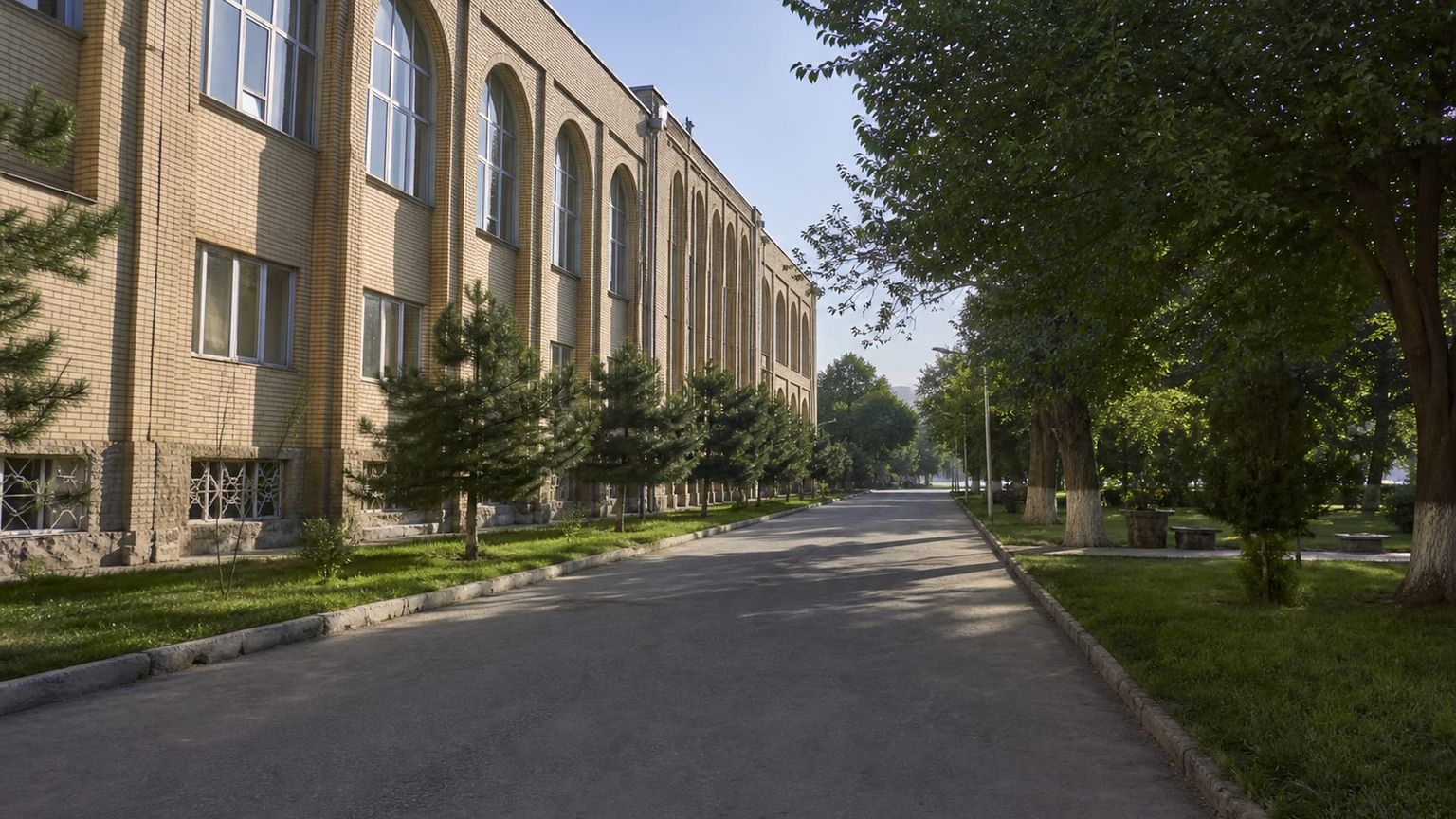
Moseley is a south Birmingham neighborhood centered on its village high street, with independent cafés, pubs, restaurants, and small shops. Moseley Park and Pool and the reopened Moseley Village station add green space and a direct rail link to Birmingham New Street in the city center.
Best for: Cafe culture, local dining, and travelers who prefer a neighborhood atmosphere
What to expect: A busy high street, local shoppers, and evening activity centered on pubs and restaurants rather than major attractions.
Hotel prices: Usually about £85 to £160 (~$115 to ~$210) per night for well-rated stays
Distance to major sights: About 25 to 35 minutes by bus to Birmingham New Street, about 15 minutes by taxi to Edgbaston Cricket Ground
Quietness: Active on the high street during the day and evenings, but quieter on residential side streets.
Main trade-off: You trade central convenience for a longer ride into the core and fewer hotel choices.
Good to know: Choose lodging near Moseley Village station or the high street if you want direct rail access and restaurants within a short walk.
For central sightseeing, Alum Rock and outer Erdington add more daily travel than the city’s main visitor areas. Digbeth is close to Bullring and New Street, but some streets stay lively late, so check the hotel’s exact location before booking.
Hotel deals
How to get around Birmingham efficiently
Birmingham’s trains, buses, trams, and taxis cover most visitor trips, with rail giving the quickest public transport link from the airport to the city center.

Train
for airport transfers and rail-served areas
The free Air-Rail Link connects Birmingham Airport with Birmingham International station, where direct trains reach New Street in about 10 minutes. Standard fares start from £3.50 ($4.60) one way, making rail useful for airport transfers and rail-served districts.

Bus and tram
for city and cross-town trips
Buses cover the wider city, while West Midlands Metro serves Edgbaston, the Jewellery Quarter, West Bromwich, and Wolverhampton. A bus single ticket costs up to £3 ($4), a day ticket £5.50 ($7.30), and a tram single ticket is £2.50 ($3.30). Buy tram tickets before boarding.

Taxi and private hire
for direct trips, luggage, and late hours
Black cabs suit late arrivals, luggage, and direct trips between districts. The standard meter starts at £3.20 ($4.20), while an airport-to-city ride is about £30–£35 ($40–$46). Private-hire cars must be booked in advance and can be priced before travel.
*Prices are based on rates updated as of October 2026 and may change at the time of travel.
Use trains for the airport and rail-served areas, buses and trams for city travel, and taxis or private hire for luggage, late nights, or direct trips.
Iconic landmarks
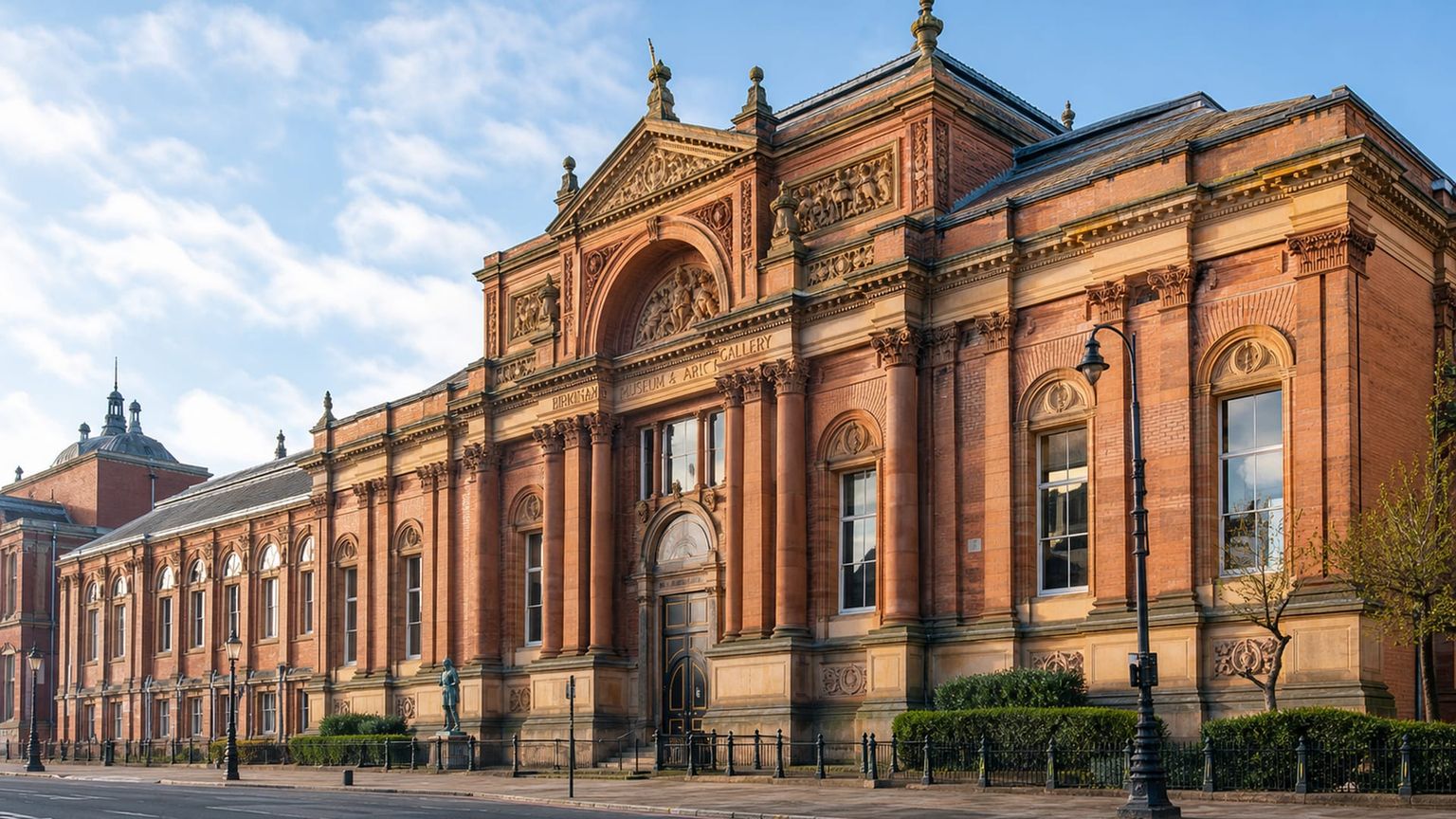
Birmingham Museum & Art Gallery
Birmingham Museum & Art Gallery fills a historic building on Chamberlain Square in the city center. Following its reopening, visitors can see the Pre-Raphaelite galleries, Staffordshire Hoard, Birmingham history displays, Industrial Gallery, Round Room, and changing exhibitions.
Time needed: About 2 to 3 hours
Entry: Free to access, with some special exhibitions and events priced separately Visit the official site for details.
Tip: Check the current gallery list before visiting, as not every historic gallery is open.
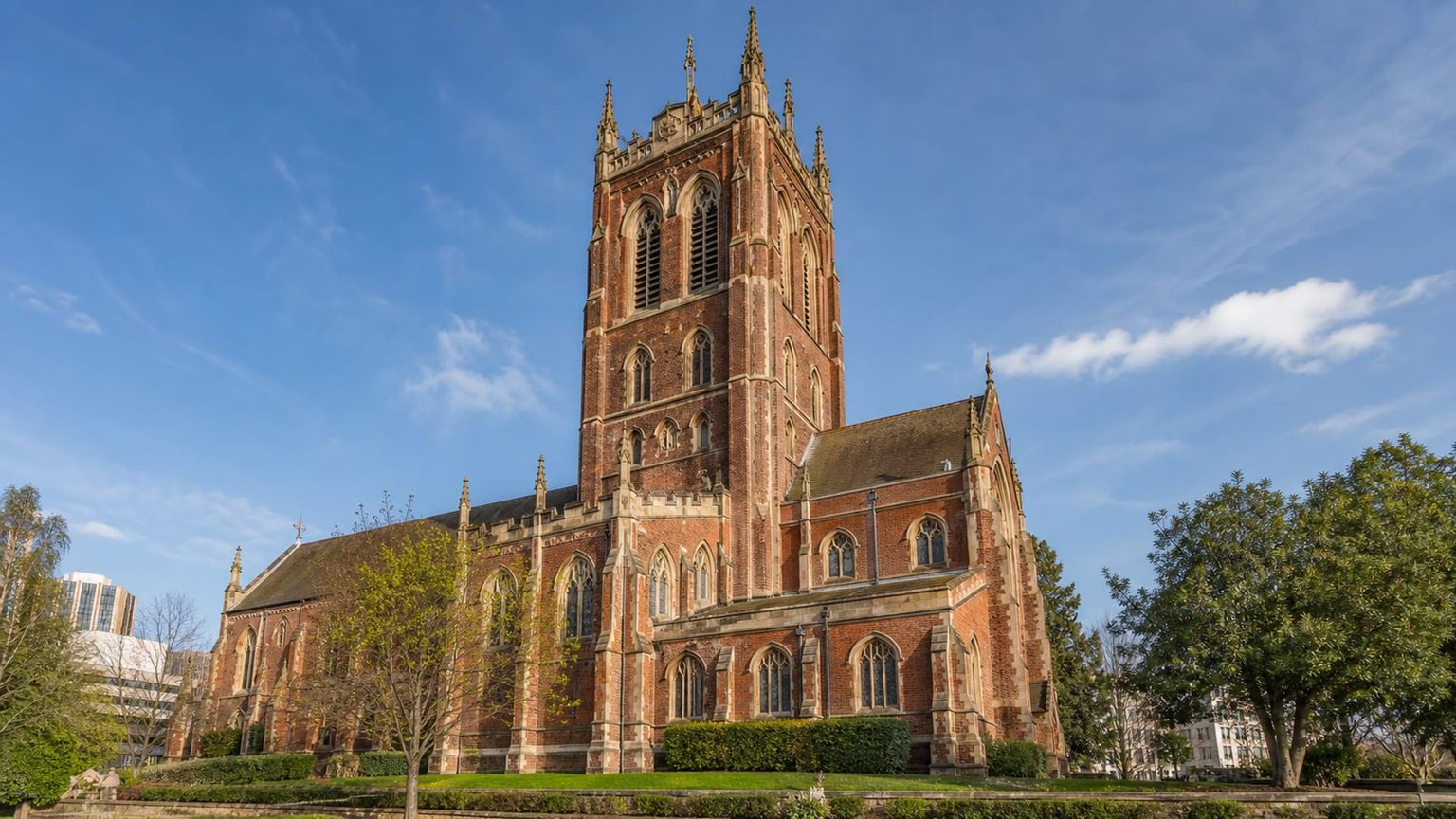
Library of Birmingham
The Library of Birmingham is a striking Centenary Square landmark wrapped in metal filigree, with a vast book rotunda, two garden terraces, skyline views, and the restored Shakespeare Memorial Room at the top. Its modern design has become part of the city’s visual identity.
Time needed: About 45 minutes to 1 hour
Entry: Free to access, with donations welcome and paid concerts or tours priced separately Visit the official site for details.
Tip: Leave time for the upper terraces and the restored Shakespeare Memorial Room.
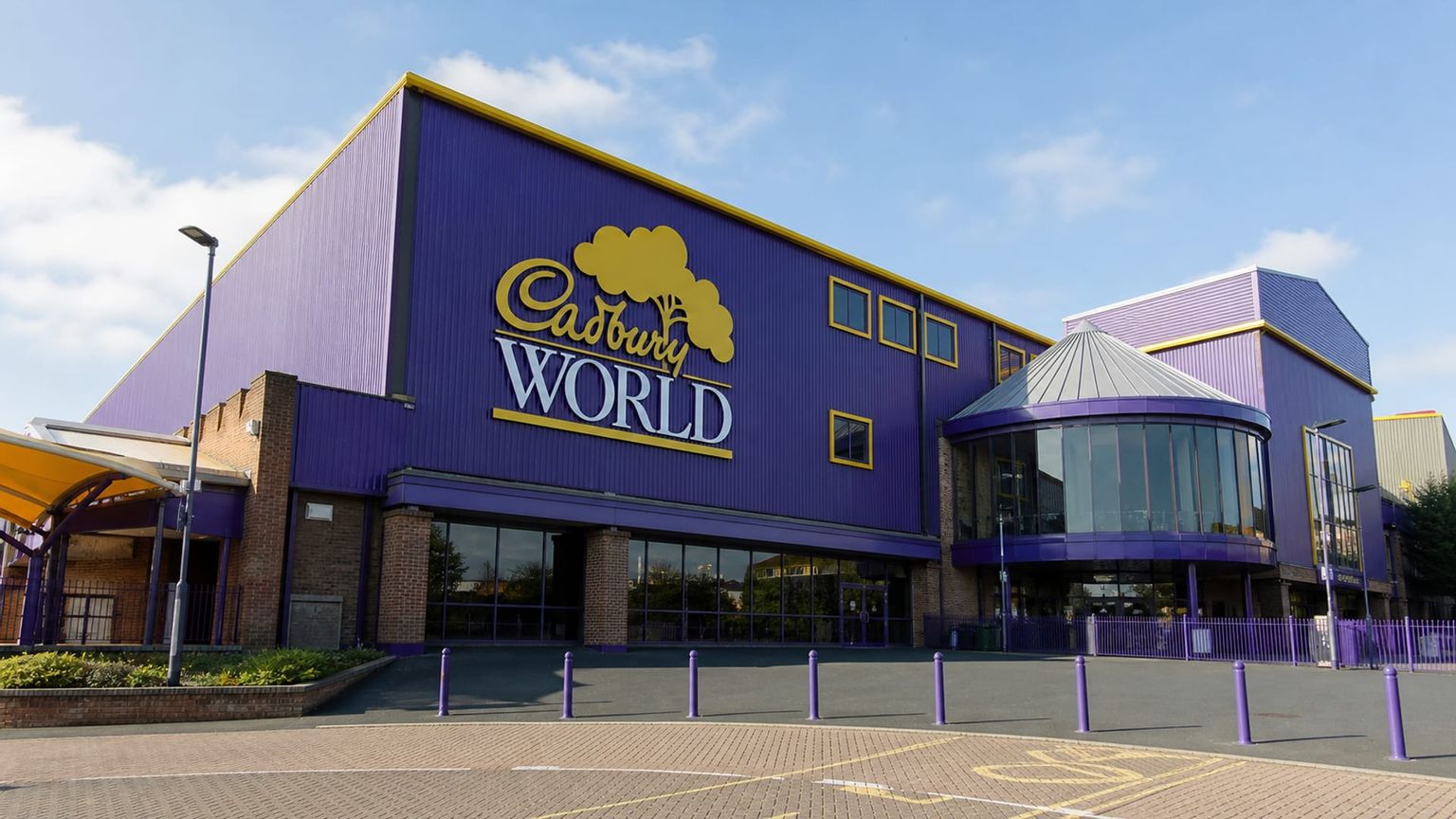
Cadbury World
Cadbury World in Bournville explores Birmingham’s chocolate-making history through interactive zones, demonstrations, tastings, and the Cadbury Chocolate Quest ride. It is a visitor attraction instead of a factory tour, set beside the historic Cadbury site and model village.
Time needed: About 2 to 3 hours
Entry: Standard tickets cost about $24 to $32 (£19 to £25), depending on date and visitor age Visit the official site for details.
Tip: Bournville station is a 15-minute walk away, following signs through the Cadbury grounds.
Overlooked sites worth visiting

Pen Museum
The Pen Museum in the Jewellery Quarter traces Birmingham’s once-dominant steel pen trade through machinery, nibs, and hands-on activities, including demonstrations on Victorian fly presses.
Time needed: About 1 to 2 hours
Entry: Standard tickets cost about $11 to $16 (£9 to £13) for adults, with reduced rates for children, students, and seniors; guided talks sometimes carry a small extra charge. Visit the official site for details.
Tip: Visit Thursday to Saturday for the broadest choice of daytime entry slots.

Winterbourne House and Garden
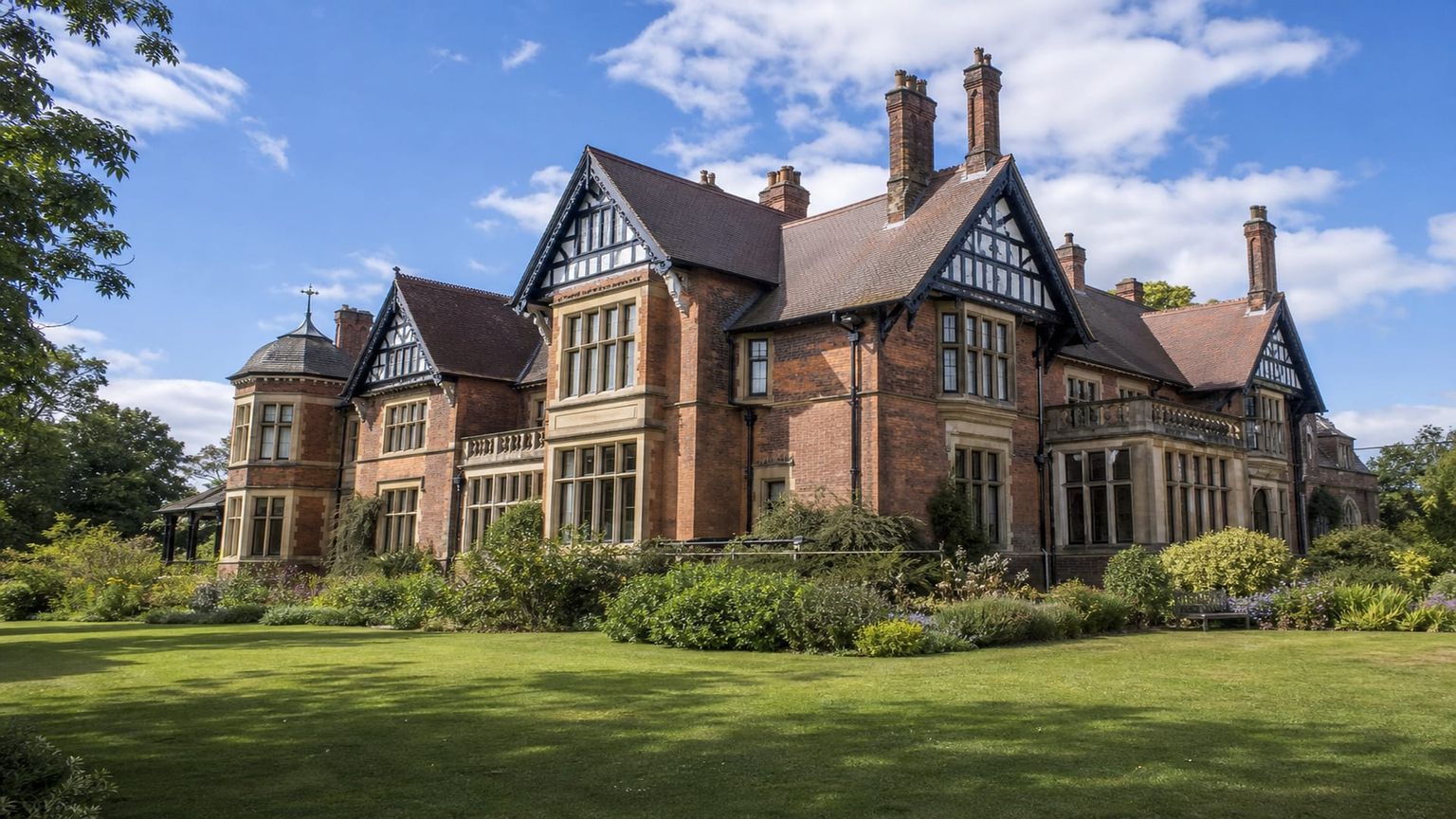
Winterbourne is a preserved Arts and Crafts villa in Edgbaston, with period rooms, a 7.5-acre botanic garden with more than 6,000 plant species, plus glasshouses and a walled garden.
Time needed: About 1.5 to 2.5 hours
Entry: Admission costs about $14 to $18 (£12 to £15) for adults, about $8 ($6) for children, and discounted tickets for students and concessions; some seasonal events are priced separately. Visit the official site for details.
Tip: Leave time for the walled garden, glasshouses, and Japanese-inspired rock garden.
Traditional food
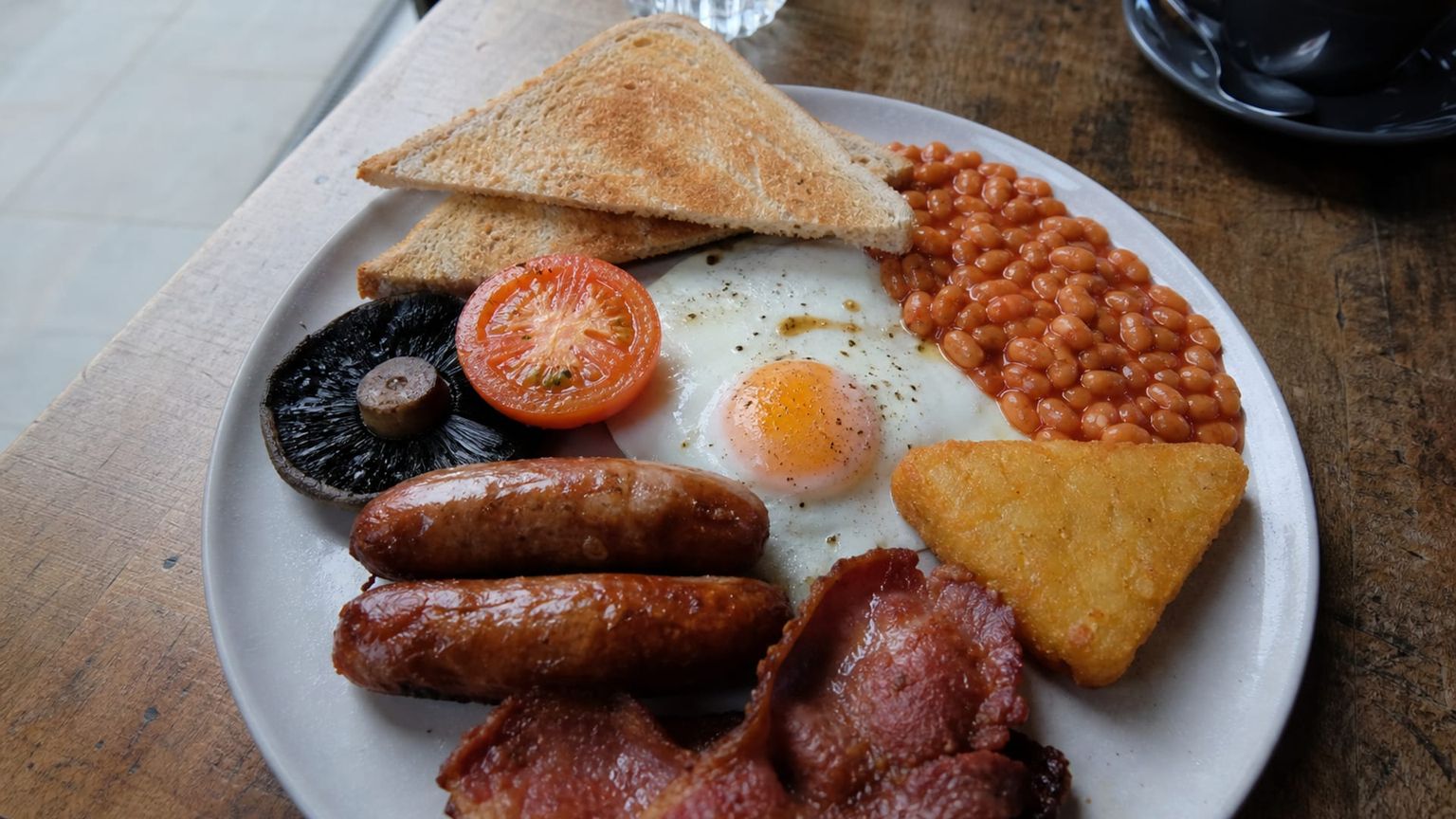
Birmingham’s local food reflects the city and wider West Midlands, from its own high-heat balti and Brummie bacon cakes to pub staples such as faggots with peas and pork scratchings.
Birmingham balti
Birmingham balti cooks meat or vegetables with fresh spices over high heat in a thin steel bowl, then reaches the table in the same pan. Shababs on Ladypool Road still prepares authentic baltis this way, with chicken, lamb, or vegetables.
Brummie bacon cake
Brummie bacon cake is a savory cheese-and-bacon scone flavored with tomato ketchup and Worcestershire sauce. B:Eats Restaurant at Symphony Hall calls itself the home of the Brummie Bacon Cake and serves the original version warm, usually with butter.
Faggots and peas
Faggots are seasoned pork and offal meatballs traditionally served with gravy and peas, often with mash or chips. Jaceys Cafe in Erdington serves faggots with chips and peas, keeping this long-standing West Midlands dish on a simple café menu.
Black Country pork scratchings
Pork scratchings are crisp pieces of seasoned pork rind closely associated with Black Country and West Midlands pub culture. The Wellington in Birmingham city center keeps proper Black Country pork scratchings among its regular bar snacks.
Best time to visit Birmingham
Spring and early summer bring Birmingham’s mildest days and longest daylight, while fall and winter are wetter with shorter days.
Best for: Gardens, canal walks, outdoor sights, and longer afternoons across the city
What you get: March starts cool, while May can reach 62°F (17°C); rainfall is relatively low, and daylight increases steadily through the season.
Trade-offs: Early spring can still feel chilly, and showers mean a light jacket and flexible outdoor plans are useful.
Best for: Parks, canals, festivals, outdoor dining, and long evenings across the city
What you get: June to August usually brings highs near 68°F–71°F (20°C–22°C), with long daylight, mild nights, and the warmest weather of the year.
Trade-offs: Rain can interrupt outdoor plans, and major events or school holidays can push up hotel demand on some dates.
Best for: Galleries, heritage sites, restaurant time, and walks before daylight shortens
What you get: September can still reach 65°F (18°C), but by November highs fall near 50°F (10°C) as rain becomes more frequent and daylight fades.
Trade-offs: Later fall is wetter and darker, so gardens and canal walks need earlier starts and more flexible timing.
Best for: Indoor attractions, festive events, shopping, theatre, and shorter city days
What you get: December to February stays cool, with highs near 45°F–46°F (7°C–8°C), frequent rain, limited sunshine, and the year’s shortest days.
Trade-offs: Cold rain and early darkness limit outdoor time, while Christmas events can make the center busier.
A realistic 5-day plan in Birmingham
Five days in Birmingham give you time for the city center, Jewellery Quarter, Bournville, and Edgbaston without crisscrossing the city. Keep arrival and departure light, and group nearby museums, historic streets, gardens, and food stops together.
After landing at Birmingham Airport (BHX), take the free Air-Rail Link to Birmingham International, then a direct train to New Street. The rail leg takes about 9–12 minutes, with fares from £3.50 ($4.60). Check in near the city center or Jewellery Quarter, have dinner close to the hotel, and keep the evening simple with a short walk along Colmore Row for a first look at central Birmingham after the flight.
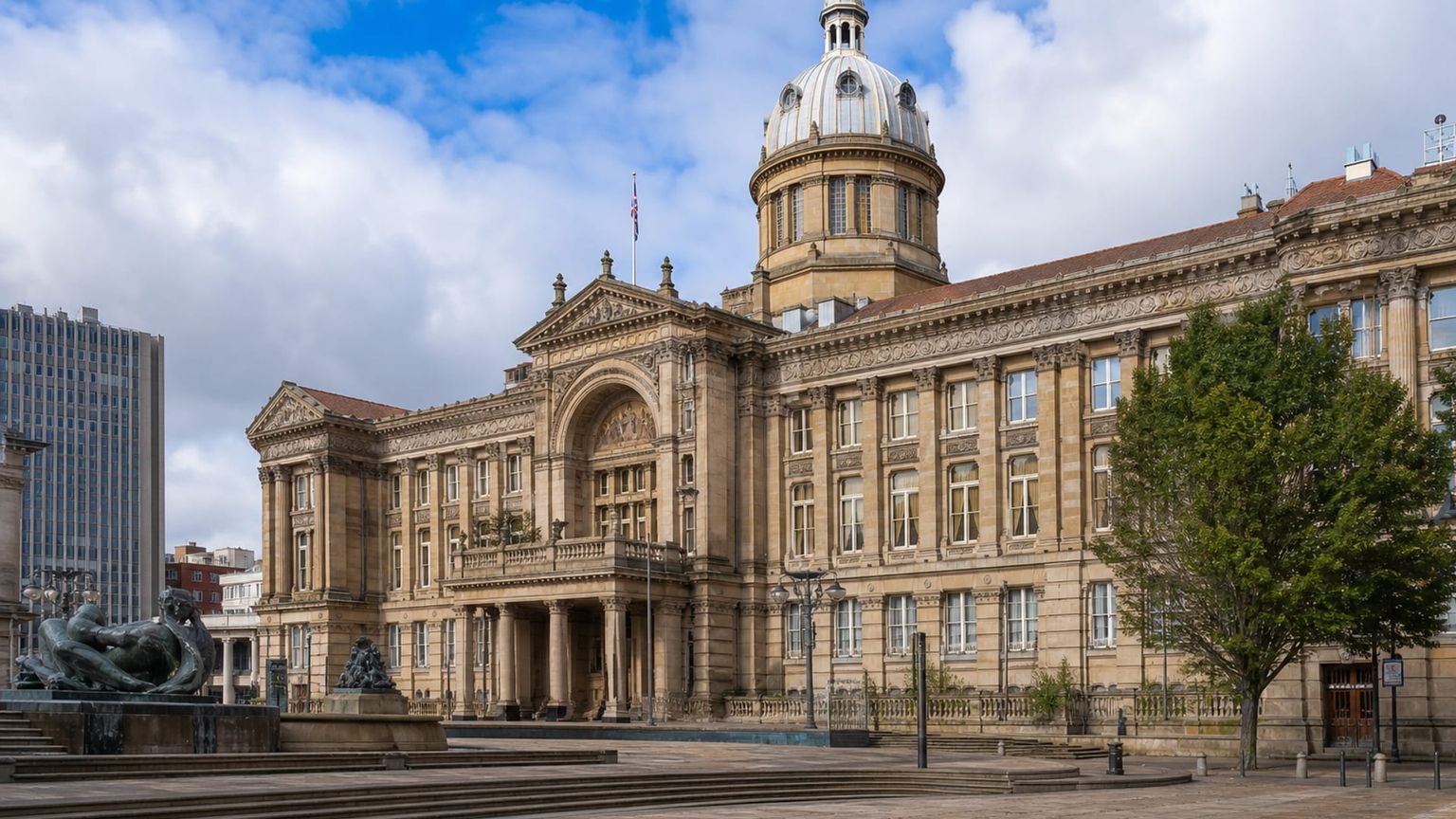
Give the morning to Birmingham Museum & Art Gallery, where the Pre-Raphaelite galleries, Staffordshire Hoard, and Birmingham history displays introduce the city’s art and industrial past. From Chamberlain Square, walk to Birmingham Cathedral to see the Burne-Jones windows, then continue toward the Bullring for lunch and time among the central shopping streets. Plan this day Tuesday–Sunday in term time, when BMAG is open. Finish with dinner nearby.
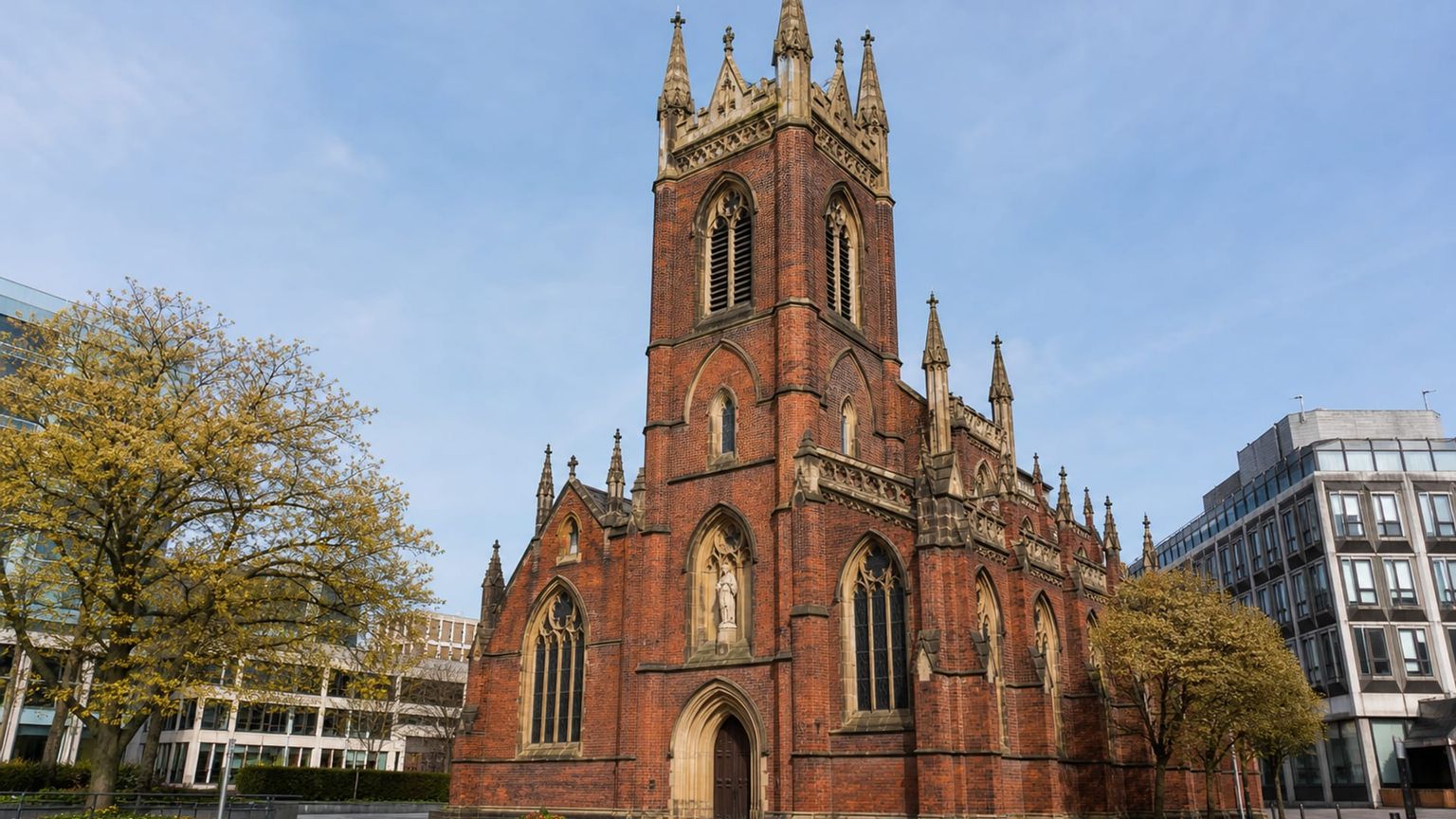
Place this day between Thursday and Sunday, when the Pen Museum is open. Spend the morning learning how Birmingham became a global center for steel pen manufacturing, then explore the Jewellery Quarter’s working studios, jewelry shops, and historic streets. Pause for lunch near St Paul’s Square, browse a few independent stores in the afternoon, and stay in the district for dinner instead of heading back across the city again.
Book an early Cadbury World slot and take the train to Bournville for at least two hours among the chocolate-making exhibits, demonstrations, tastings, and Cadbury Chocolate Quest ride. After lunch, take a taxi to Winterbourne House and Garden in Edgbaston for its Arts and Crafts rooms, glasshouses, walled garden, and 7.5-acre grounds. From November to February, Winterbourne closes at 4:00 pm, so keep the Cadbury visit early. Have dinner nearby afterward.
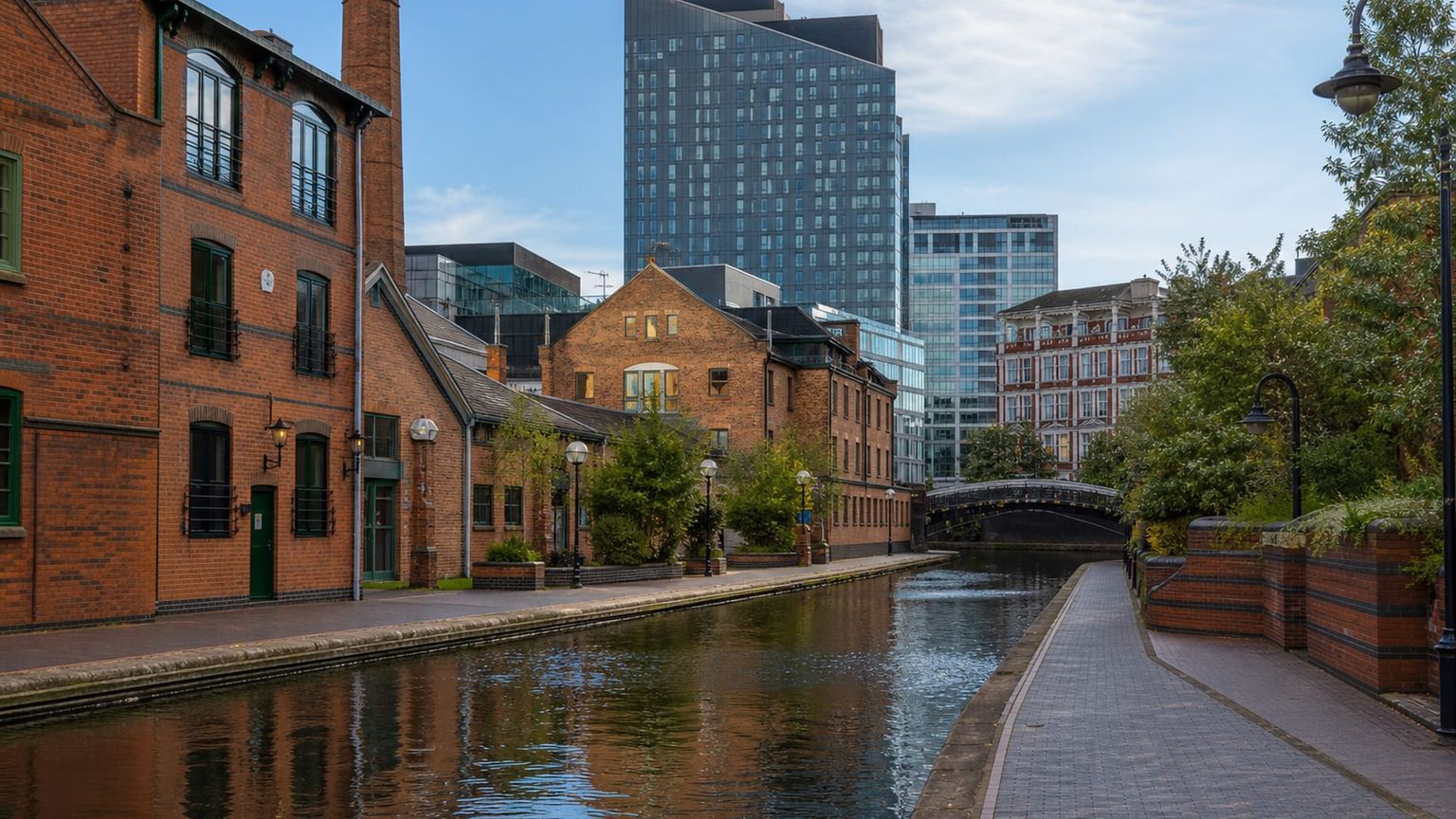
Keep the last morning close to central Birmingham. Visit the Library of Birmingham on Monday–Saturday for its book rotunda, upper terraces, and views over Centenary Square, then walk through Brindleyplace beside the canals for coffee or an early lunch. If it is Sunday, spend the morning at Brindleyplace instead. Collect your luggage and take a direct train from New Street to Birmingham International, followed by the free Air-Rail Link to the airport.
Business-class flights from the US to Birmingham
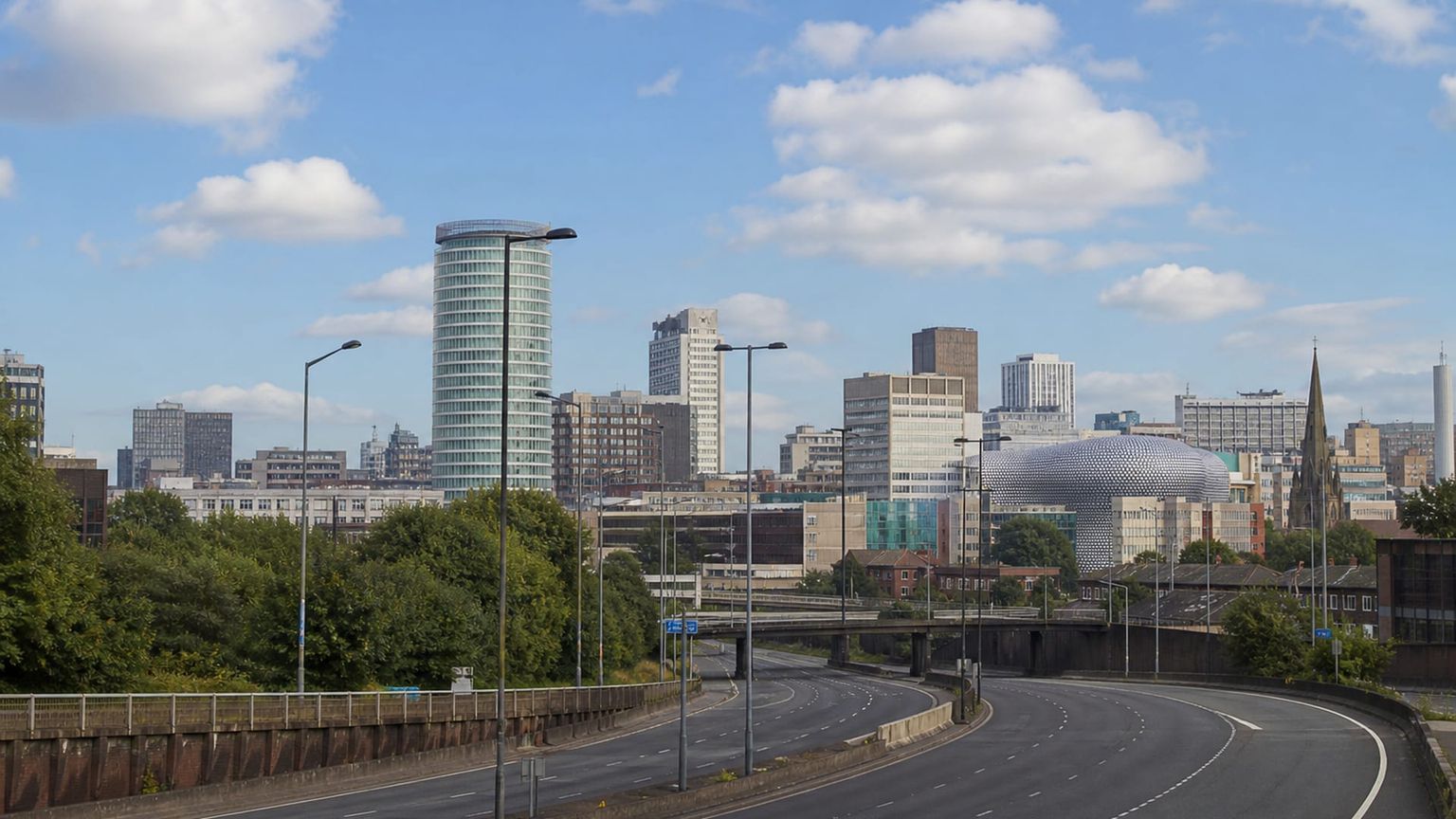
Business-class trips from New York and Los Angeles to Birmingham require one stop, with several European hubs giving both coasts a broad choice.
New York (JFK) to Birmingham (BHX)
There are no nonstop flights from New York John F. Kennedy International Airport (JFK) to Birmingham Airport (BHX). Aer Lingus connects through Dublin (DUB), KLM through Amsterdam (AMS), Turkish Airlines through Istanbul (IST), Lufthansa through Frankfurt (FRA), and Air France through Paris Charles de Gaulle (CDG). Total travel time ranges from 10 to 16 hours, with round-trip business-class fares typically ranging from $4,300 to $8,800.
Los Angeles (LAX) to Birmingham (BHX)
Los Angeles International Airport (LAX) has no nonstop service to Birmingham Airport (BHX), but it has a larger set of one-stop flights. SWISS flies via Zurich (ZRH), Lufthansa via Frankfurt (FRA), Air France via Paris Charles de Gaulle (CDG), Aer Lingus via Dublin (DUB), Turkish Airlines via Istanbul (IST), KLM via Amsterdam (AMS), and SAS via Copenhagen (CPH). Journey times range from 13 to 39 hours, while round-trip business-class fares typically range from $4,300 to $11,400.
Give Birmingham enough time
Birmingham is easier to explore when each day has a clear focus instead of trying to cover too much at once. Keep the city center, Jewellery Quarter, Bournville, and Edgbaston on separate days, and leave enough space for meals and slower stops. For the travel side of the trip, AranGrant can help you compare business-class flights and hotel options that fit the schedule you have in mind.







