


Chapters:

Need help with your trip?
Our support team is available 24/7. Request a callback or call us directly at (833) 619-0908
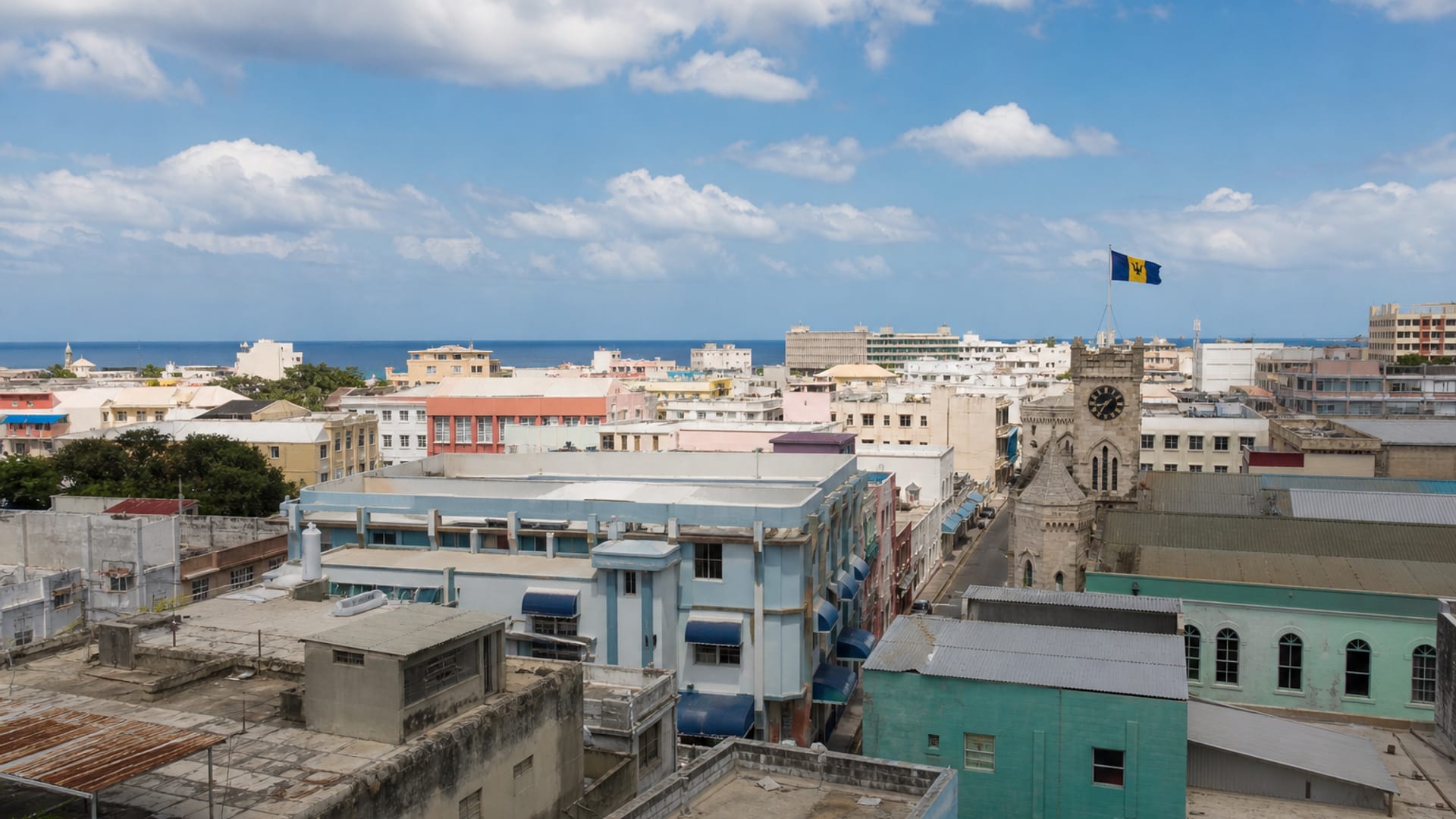
Bridgetown is Barbados’s capital and main city, built around the Careenage on the island’s southwest coast. It developed as a port during the colonial period, while the Garrison grew just south of the center as an important British military complex. Today, the historic center and Garrison form a UNESCO World Heritage Site, and the city continues south toward the beaches and residential neighborhoods of Hastings and Worthing.
Since Barbados has so much to offer, it is useful to get your bearings before you arrive. This guide covers where to stay, what to eat, how to get around, when to visit, which landmarks to see, and how to plan five days in Bridgetown.
Useful things to know

Main language(s): English

Currency: Barbadian dollar (BBD). The currency has a fixed exchange rate of BBD 2 to $1. Many shops and restaurants accept US dollars.

Cash and cards: Cards and contactless are widely accepted. Carry small amounts of cash for bus tickets, markets, and smaller purchases.

Tipping: Check the bill before adding a tip because many restaurants include a service charge of 10% to 15%.

Traditional food: Flying fish, cou-cou, macaroni pie, Bajan pepperpot

Water and coffee costs: Tap water is safe to drink. A small bottle of water can cost BBD 3 ($1.50), while an espresso is often BBD 8 ($4).

Taxis and ride apps: Licensed taxis operate across Barbados. Uber is available, and pickUP Barbados connects passengers with licensed taxi drivers and accepts cash or card payments.

Plug and voltage: Barbados uses flat-blade Type A and B plugs. Electricity is supplied at 115/230V and 50Hz, so North American appliances usually do not need a plug converter.

Dining and shop opening hours: Many Bridgetown shops open at 8:30 or 9:00 am and close between 5:00 and 5:30 pm. Restaurants commonly serve lunch from about 11:00 am and dinner from 6:00 pm to 10:00 pm; hours vary by restaurant.

Emergency number: Call 211 for police, 311 for fire, and 511 for an ambulance. You can also call 911 for emergencies.
Where to stay in Bridgetown
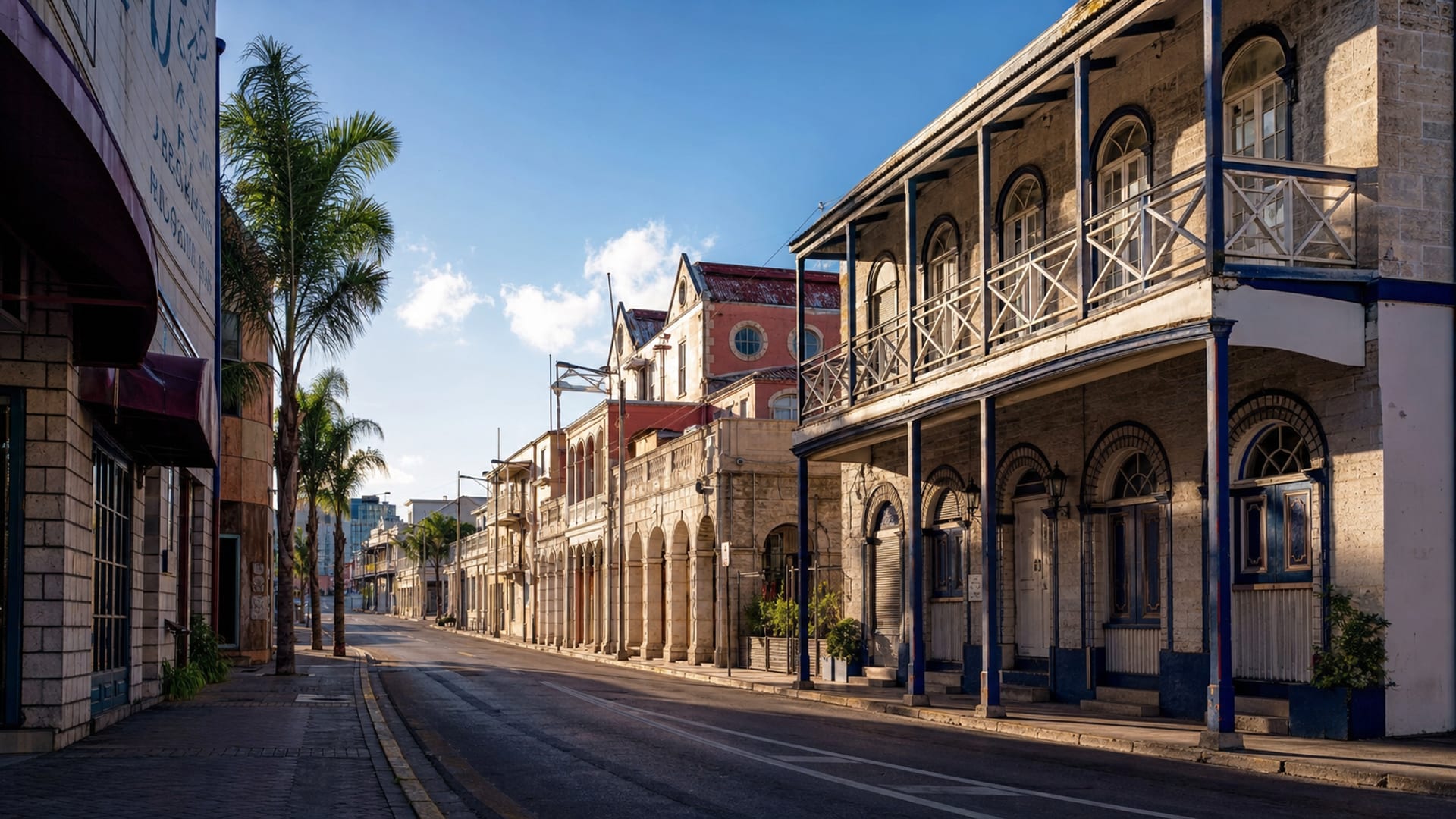
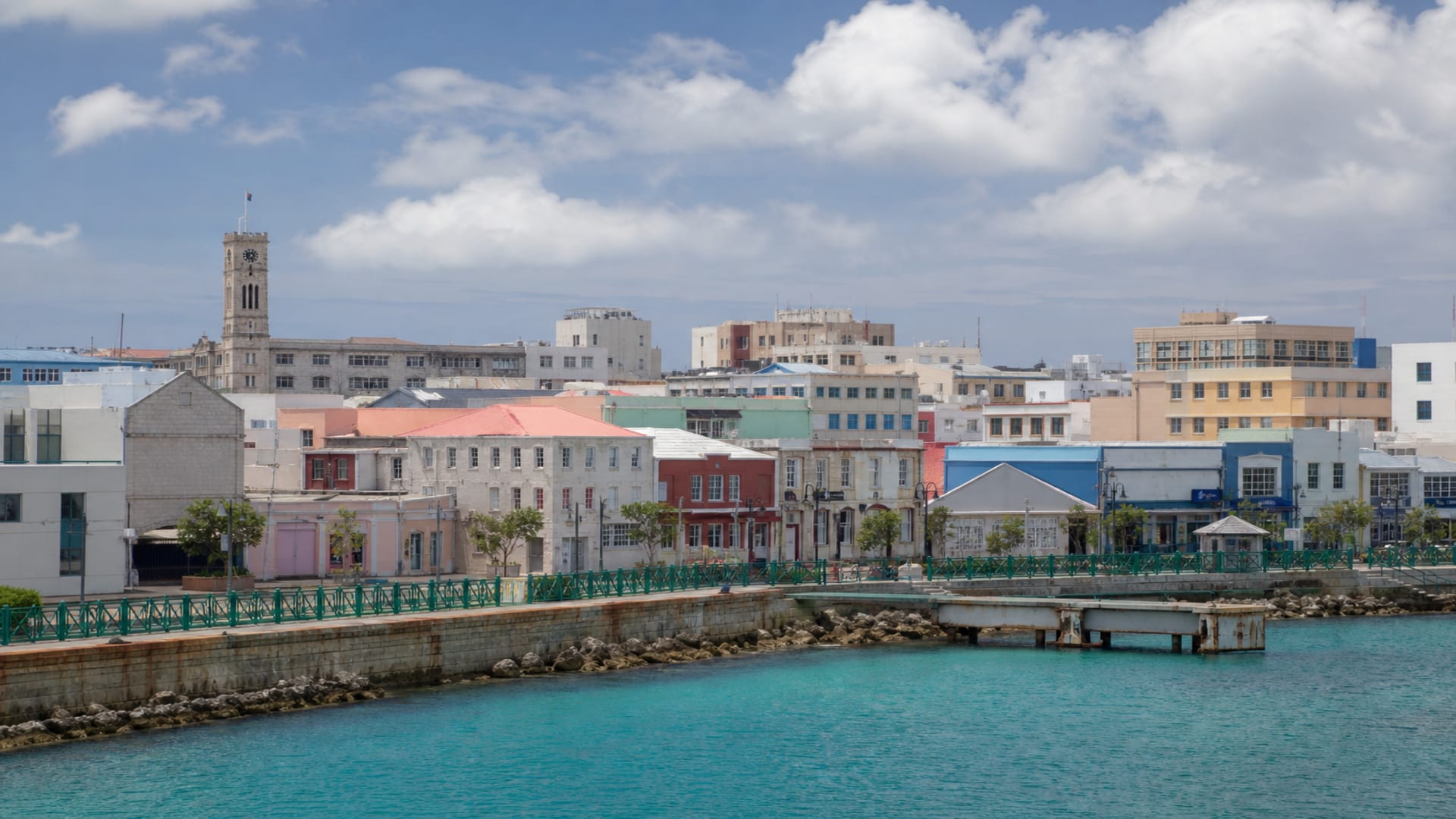
Historic Bridgetown grew around the Careenage, the narrow harbor that shaped the city’s early trade. The district is low-rise and closely built, with narrow streets and older buildings near the waterfront.
Best for: Sightseeing, short walks, and easy access to the capital’s main landmarks
What to expect: Busy daytime streets, government offices, tour groups, and a steady flow of cars and minibuses.
Hotel prices: Usually about $140 to $260 per night for well-rated stays
Distance to major sights: 5 to 10 minutes on foot to Heroes Square and Parliament Buildings, about 10 minutes by taxi to Carlisle Bay
Quietness: Busier in the day, calmer after office hours once the civic traffic drops.
Main trade-off: The central setting comes with more traffic and fewer character hotels than the waterfront.
Good to know: Swan Street is pedestrianized, while Broad Street is one of Bridgetown’s main shopping streets.
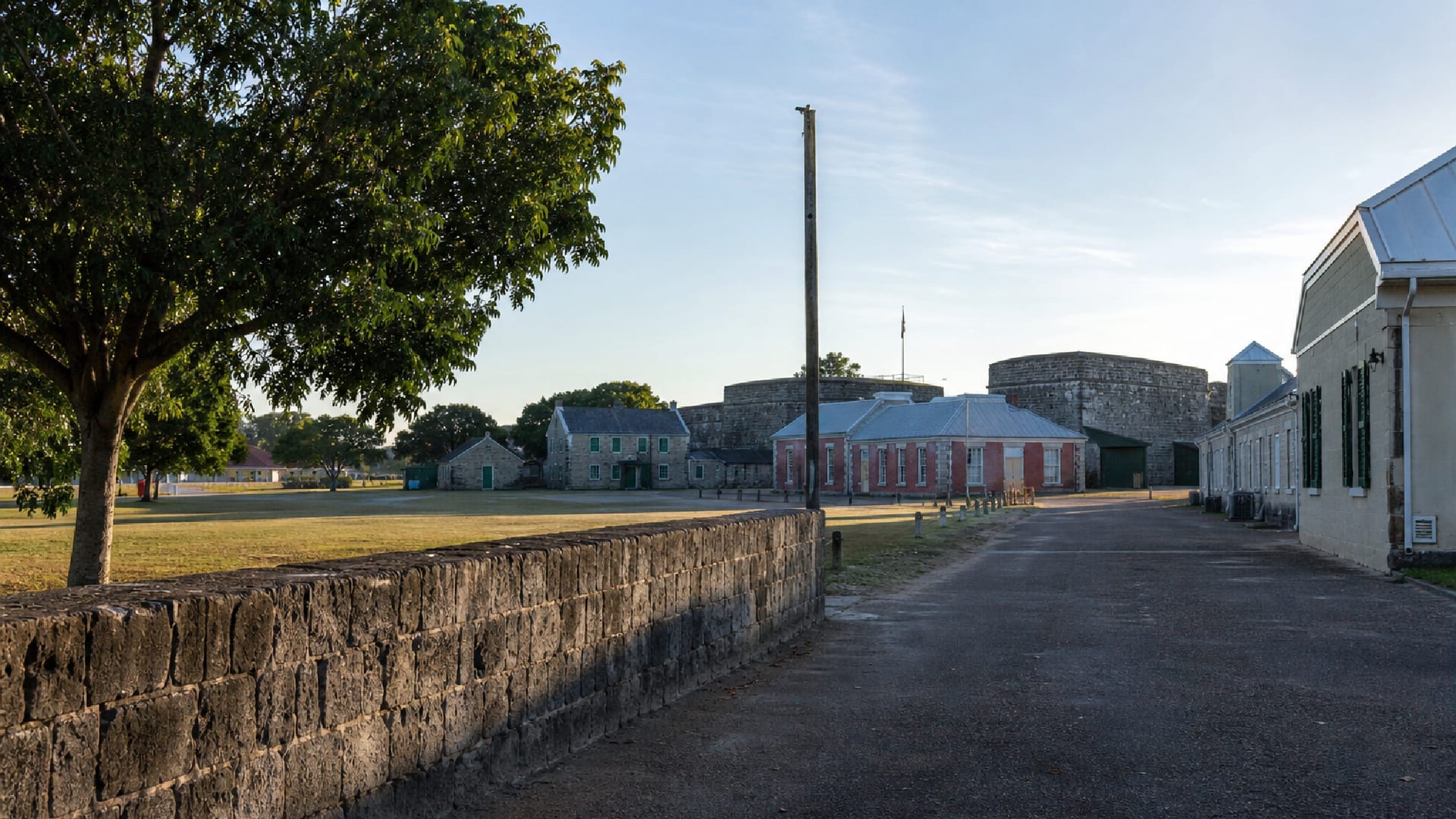
Garrison is a historic district south of Bridgetown, defined by the broad open space of Garrison Savannah. Old military buildings around the Savannah reflect the area’s past as an important British garrison.
Best for: Beach time, historic sights, and travelers who prefer larger hotels
What to expect: Hotel guests, beach traffic, and a spread-out layout that feels less compact than central Bridgetown.
Hotel prices: Usually about $160 to $320 per night for well-rated stays
Distance to major sights: About 10 minutes by taxi to Bridgetown Historic District, about 5 minutes on foot to the Garrison Savannah
Quietness: Quieter than the center in the day, with livelier stretches near the beach road in the evening.
Main trade-off: You will depend more on taxis or rental cars for meals and nightlife outside the hotel zone.
Good to know: Garrison Savannah is also used for horse racing, so race days bring extra traffic and activity to the area.
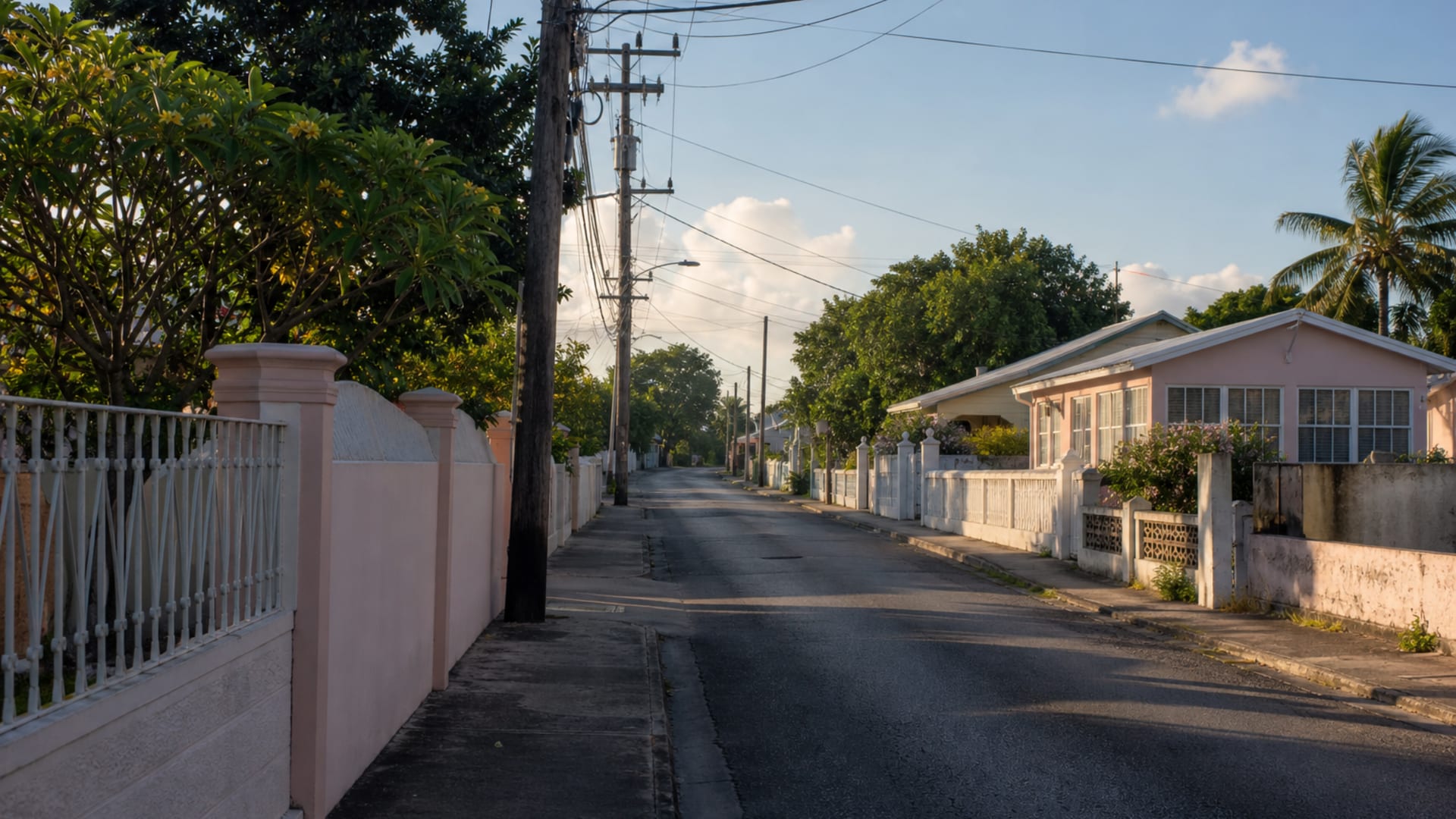
Worthing is a residential part of the south coast built close to a long sandy beach. The area feels informal and lived-in, with homes and small properties extending inland from the coast.
Best for: Longer stays, beach access, and travelers who want self-catering options
What to expect: Moderate foot traffic, mixed local and visitor use, and an active road corridor by day.
Hotel prices: Usually about $120 to $240 per night for well-rated stays
Distance to major sights: About 15 minutes by taxi to Bridgetown Historic District, about 10 minutes on foot to Worthing Beach
Quietness: Active along the main road in the day, quieter on side streets and later at night.
Main trade-off: You trade direct access to the historic core for a more residential setting near the coast.
Good to know: Worthing has several apartment hotels with kitchens, as well as supermarkets nearby, which makes self-catering a solid dining option for a stay in this area.
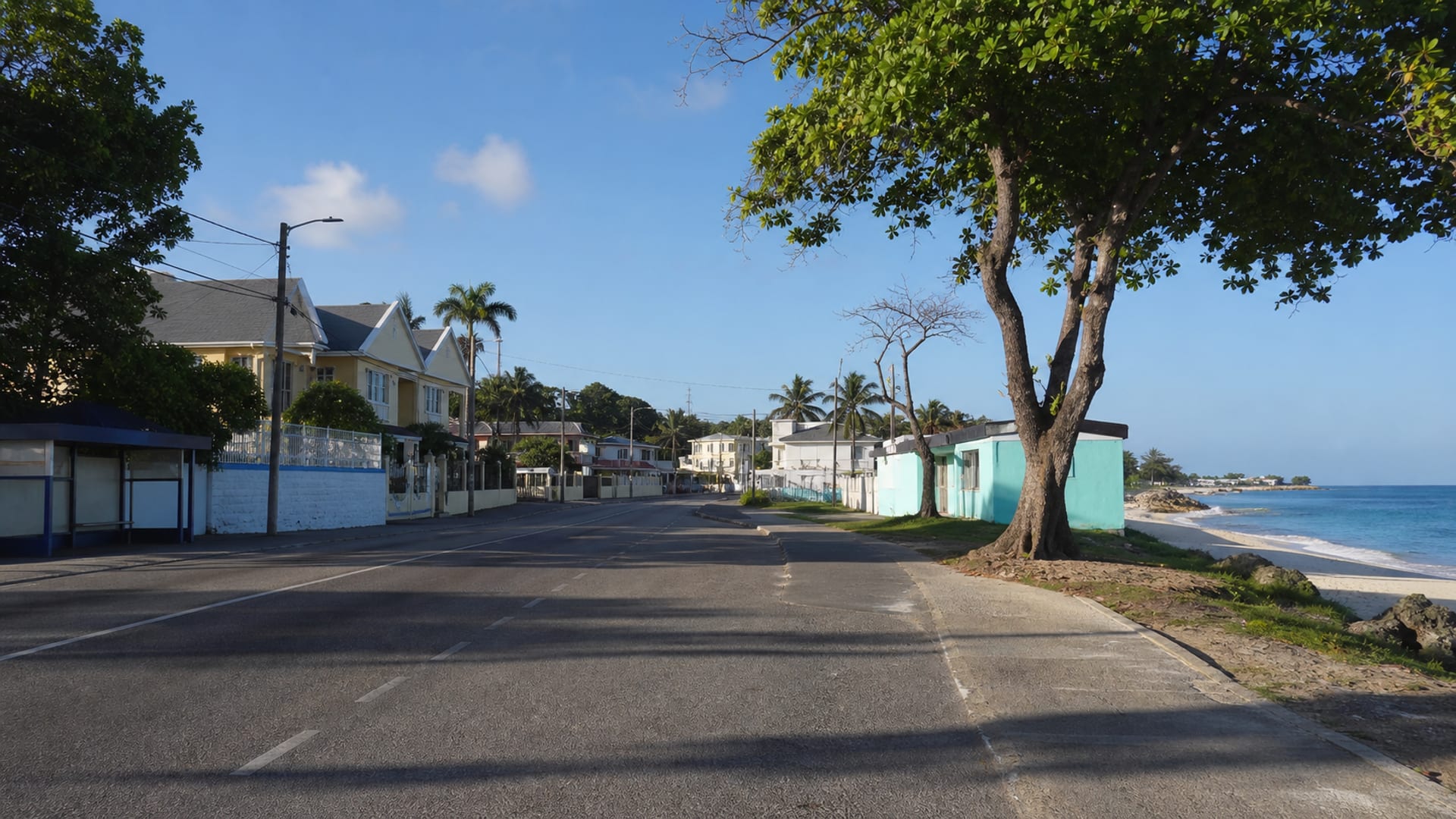
Hastings developed along the south coast between Bridgetown and the beach districts farther east. The shoreline is a defining part of the area, especially where the boardwalk follows the sea past low-rise buildings and open stretches of coast.
Best for: Coastal walks, ocean views, and visitors who want a quieter waterfront base
What to expect: Promenade walkers, casual diners, hotel guests, and steady daytime movement along the coast road.
Hotel prices: Usually about $150 to $300 per night for well-rated stays
Distance to major sights: About 10 to 15 minutes by taxi to Bridgetown Historic District, about 5 minutes on foot to the boardwalk
Quietness: Lively near the coast road in the day, quieter on residential streets after sunset.
Main trade-off: The shoreline setting often comes with higher rates than inland stays of similar size.
Good to know: The Richard Haynes Boardwalk extends for about 1 mile (1.6 km) along this part of the coast.
For most visitors, the industrial waterfront near the cruise port is not a practical place to stay. There are fewer hotels and restaurants there, and you will spend more time traveling to the historic center and south coast.
Hotel deals
How to get around Bridgetown efficiently
Bridgetown has no urban rail system. Government buses, private minibuses, ZR vans, taxis, and app-based rides cover the city and the rest of Barbados.

Government bus
for rides on main routes
Transport Board buses travel from Bridgetown to destinations across the island. A single journey costs BBD 3.50 ($1.75), and you need the exact fare because drivers do not give change. Official schedules are available on the Transport Board Route Finder website.

Minibus and ZR van
for frequent local trips
Private minibuses are yellow with a blue stripe, while ZR vans are white with a maroon stripe. Both follow fixed routes, and they are especially useful along busy streets between Bridgetown and the south coast. Minibuses charge BBD 3.50 ($1.75), the same fare as government buses.

Taxi and rideshare services
for late hours and direct trips
Traditional taxis in Bridgetown do not use onboard meters, so confirm the fare before leaving. Airport fares are BBD 46 ($23) to Bridgetown and BBD 37 ($18.50) to Garrison. Uber and pickUP Barbados are also available through licensed taxi operators.
*Prices are based on rates updated as of September 2026 and may change at the time of travel.
Use buses or ZR vans for daytime trips between Bridgetown and the south coast. Choose a taxi when you have luggage, are traveling after dinner, or need to reach the airport or an attraction at a specific time.
Iconic landmarks
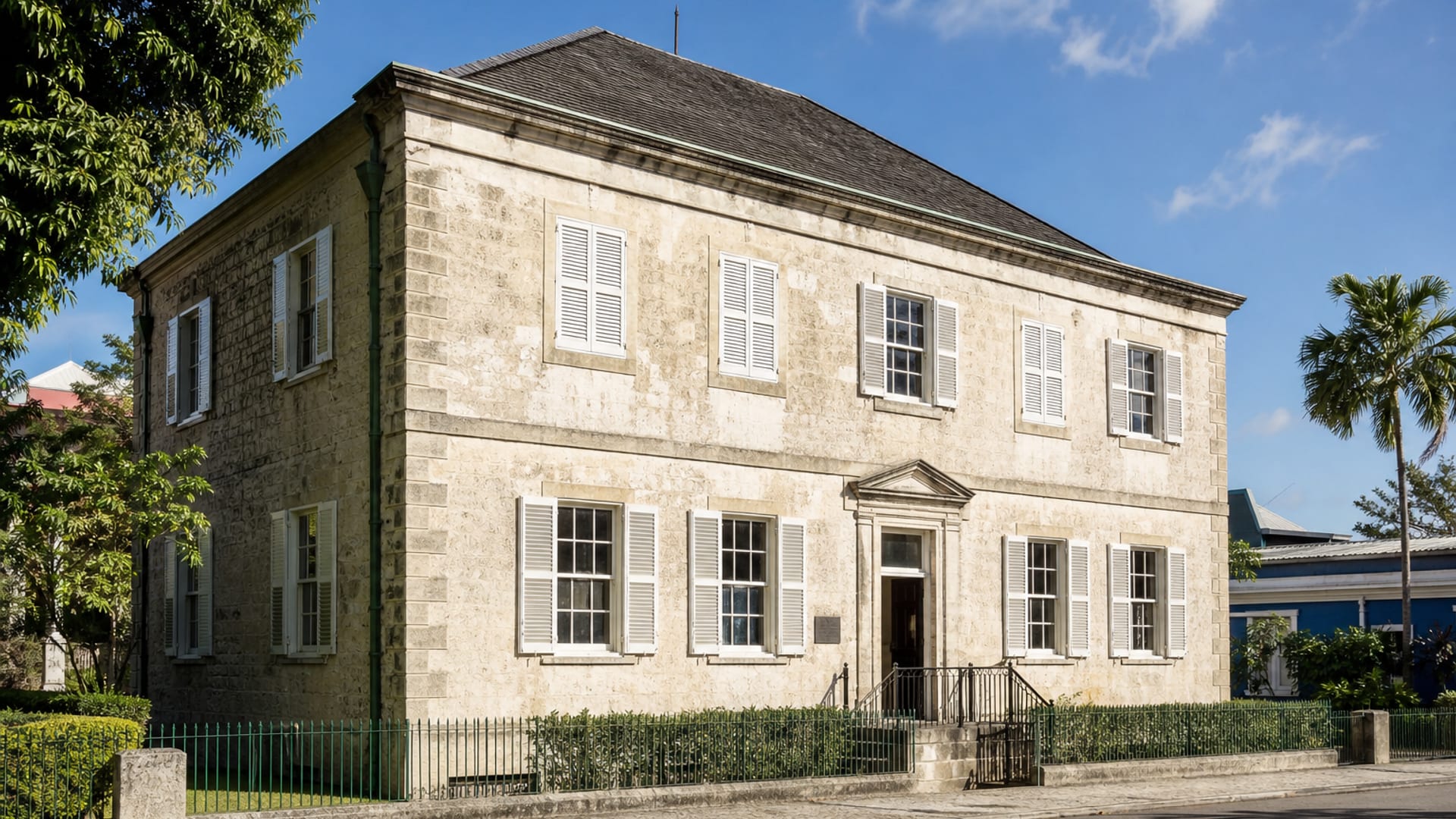
George Washington House
George Washington House is an early-18th-century residence in the Garrison where George Washington lived for several weeks in 1751. The restored house focuses on that visit and the property’s history.
Time needed: About 1 to 2 hours
Entry: Admission costs $20 ($40 BBD) for adults, with lower rates for children and seniors. Visit the official site for details.
Tip: Visit before lunch, then continue across Garrison Savannah toward the Barbados Museum.
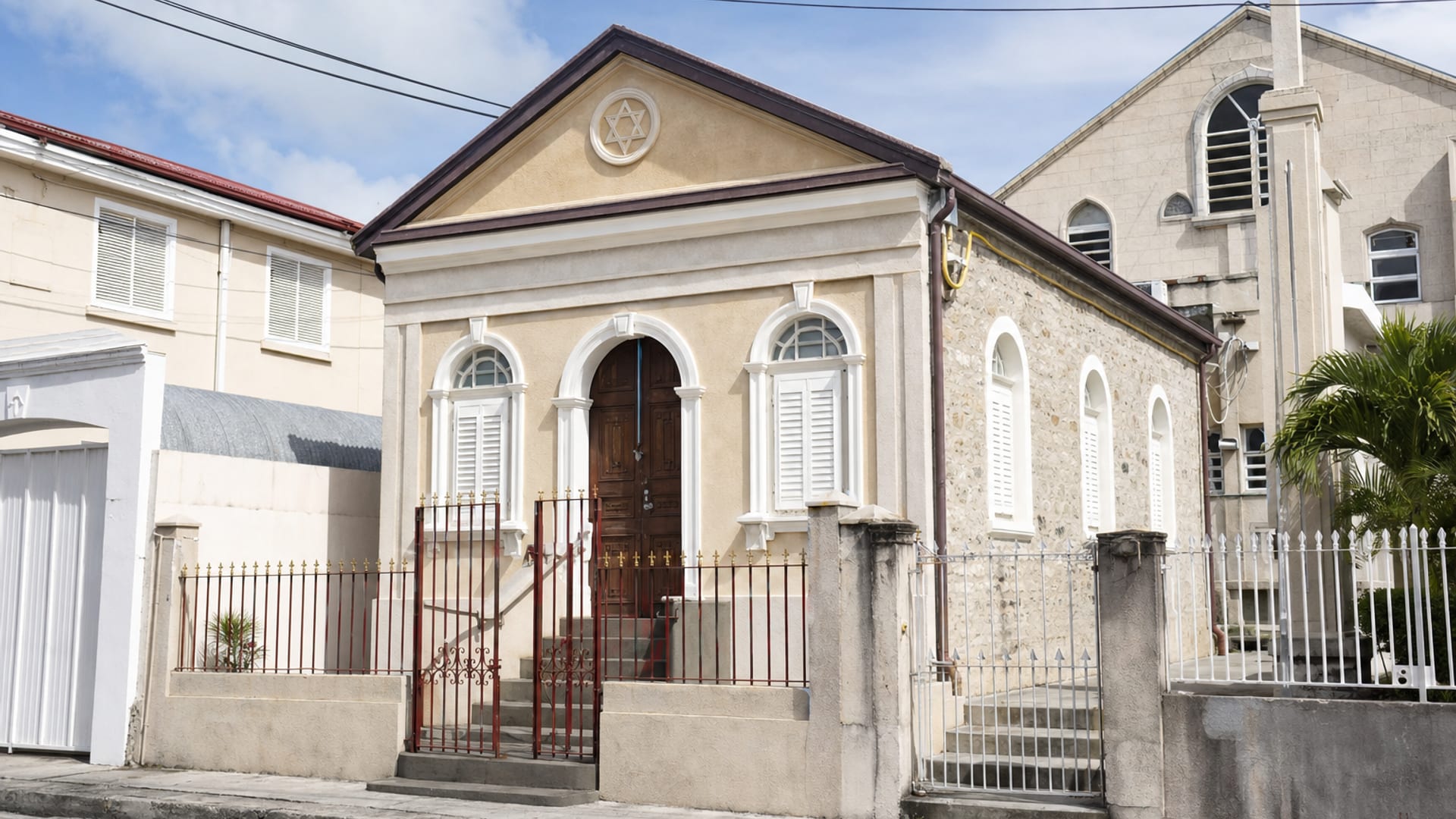
Nidhe Israel Synagogue and Museum
Nidhe Israel Synagogue traces its congregation to Bridgetown’s 17th-century Jewish community. The site also includes the old cemetery and a 17th-century mikvah uncovered during archaeological research.
Time needed: About 1 to 2 hours
Entry: Admission costs $15 ($30 BBD) for adults, with reduced prices for children and students. Visit the official site for details.
Tip: Allow time for the museum and cemetery, as well as the synagogue itself.
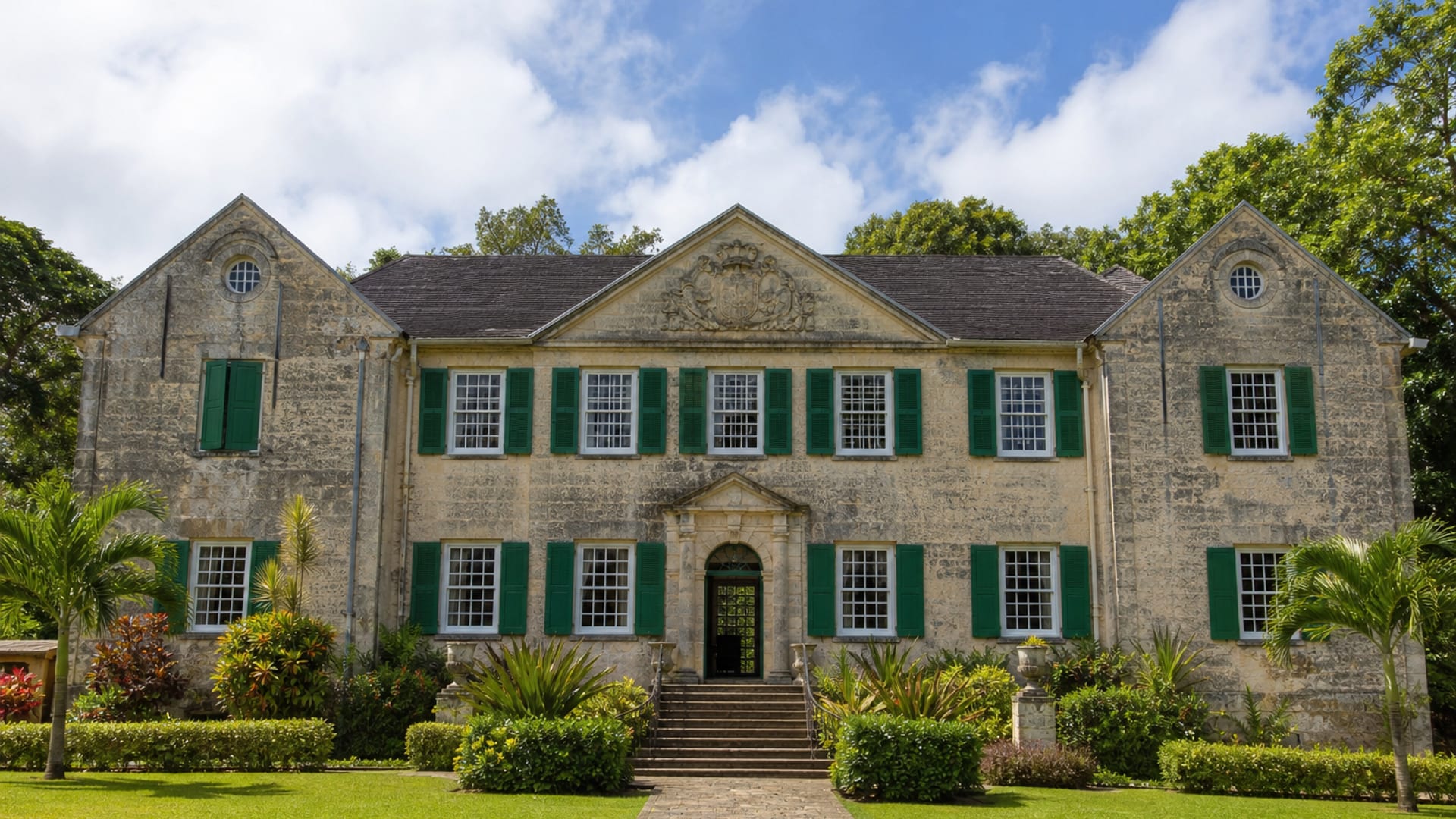
St. Nicholas Abbey
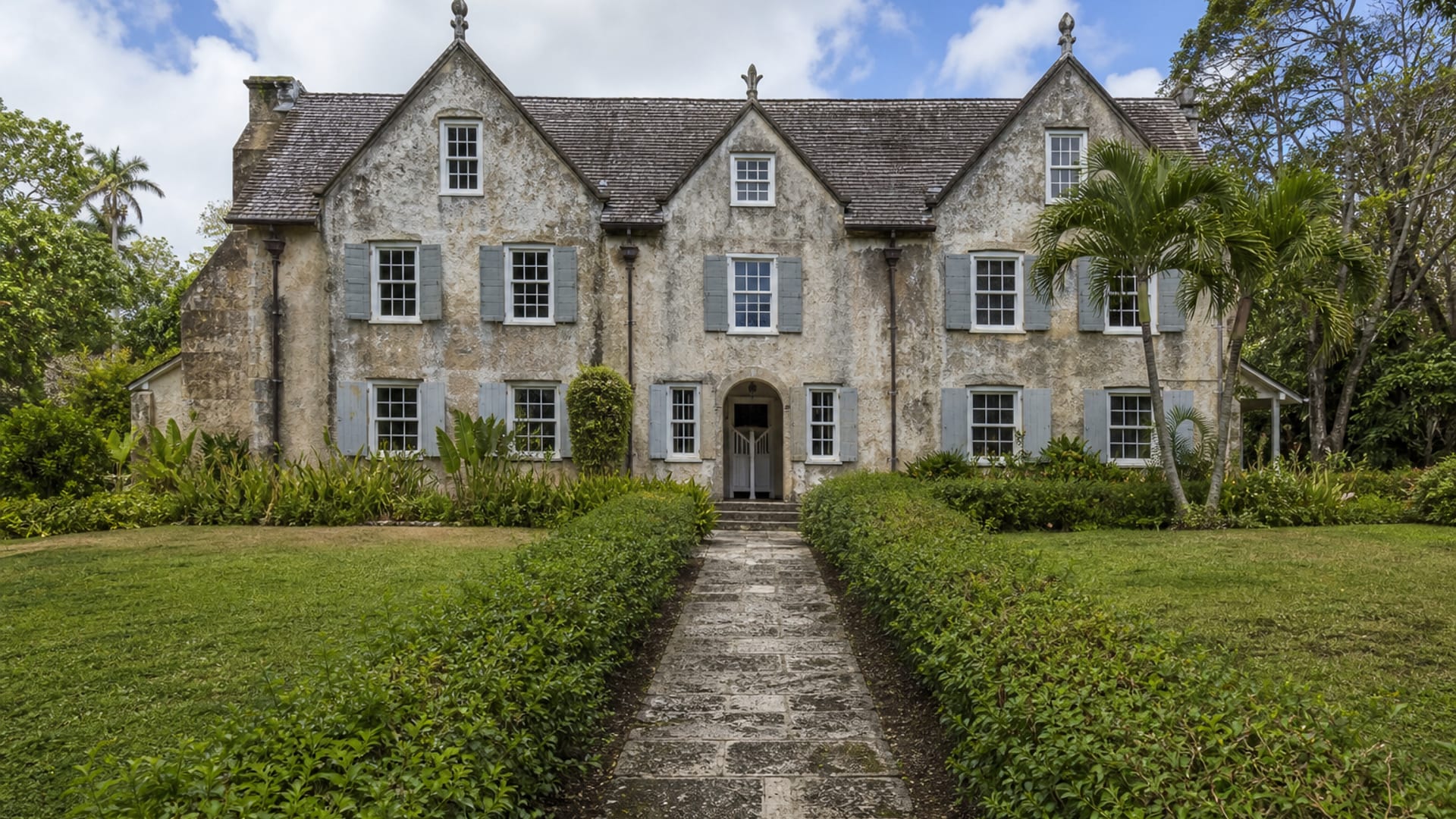
St. Nicholas Abbey is a 17th-century plantation estate in St. Peter, centered on a Jacobean great house built in 1658. Its curved gables and tall chimneys give the property a distinctive appearance.
Time needed: About 2 to 3 hours
Entry: Admission costs $25 ($50 BBD) for adults, with bundled rates for house, grounds, and rum tasting. Visit the official site for details.
Tip: Check train times on the St. Nicholas Abbey Heritage Railway website and arrive at least 20 minutes before departure.
Overlooked sites worth visiting

Andromeda Botanic Gardens
Andromeda Botanic Gardens began in the 1950s as horticulturist Iris Bannochie’s private garden near Bathsheba. Its paths descend through dense tropical planting on sloping ground above the east coast.
Time needed: About 1 to 2 hours
Entry: Admission is BDS $35 to $50 (about $17 to $25), with prices varying by season and whether a guided visit is added; check the gate for current rates before you go. Children and residents may qualify for lower pricing.
Tip: Wear shoes with good grip because several paths cross sloping ground and steps.

Barbados Museum & Historical Society
The Barbados Museum occupies a former 19th-century military prison beside Garrison Savannah. Its coral-stone buildings now house exhibitions on Barbados from early history through the modern period.
Time needed: About 45 minutes to 1 hour
Entry: Grounds viewing is free, and the adjacent museum or guided access may carry a small charge, often about $5 to $10 ($10 to $20) depending on the access offered that day; confirm hours before arriving. Visit the official site for details.
Tip: Visit after George Washington House, since the two attractions are on opposite sides of the Garrison area.
Traditional food
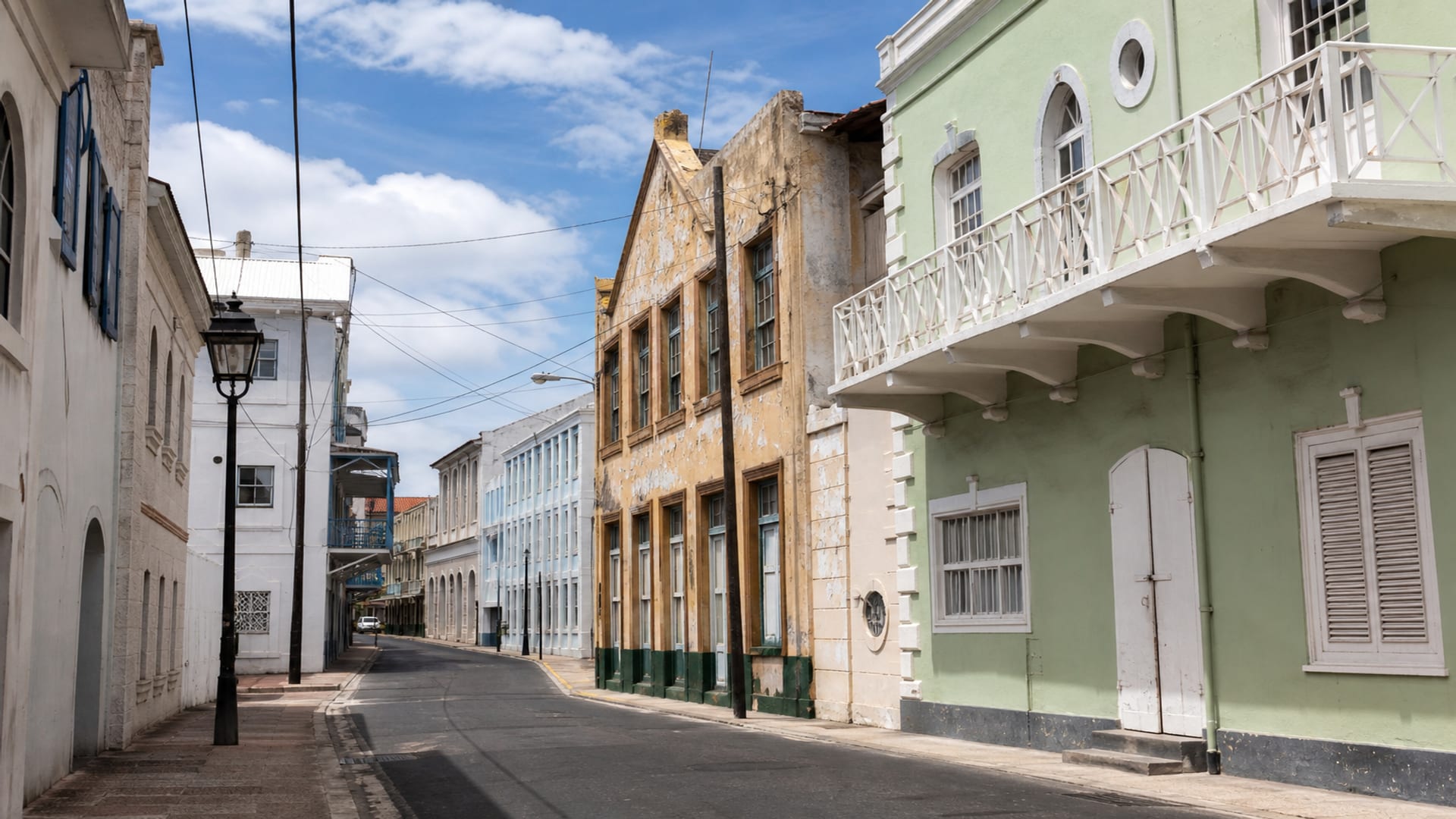
Barbadian cooking uses local fish, cornmeal, okra, rice, meat, root vegetables, and strong seasonings.
Flying fish and cou-cou
Cou-cou is made from cornmeal and okra and served with seasoned flying fish. Mustor’s Restaurant in Bridgetown offers flying fish and cou-cou, so you can order the two together as a traditional local lunch.
Macaroni pie
Bajan macaroni pie is baked until firm and is usually seasoned before going into the oven. Blakey’s in Hastings offers macaroni pie as a side with several of its main dishes.
Bajan pepperpot
Pepperpot is a slow-cooked meat stew with a rich, heavily seasoned sauce. Belle Pepper Restaurant is a good place to try it.
Cutter sandwich
A cutter is made with a salt-bread roll and a savory filling such as fish, ham, or cheese, usually with local pepper sauce. Cuz’s Fish Stand near Pebbles Beach is known for fish cutters and is a convenient stop near the Garrison.
Best time to visit Bridgetown
Bridgetown has a tropical climate with warm temperatures year-round. Days are usually hot and humid, with steady trade winds near the coast.
Best for: Historic sightseeing, Garrison walks, beaches, and full days outdoors
What you get: Average daytime highs of 84°F (29°C), with lower rainfall in January and February
Trade-offs: December through February is a popular travel period, so hotels and restaurants can fill up earlier.
Best for: Walking through Bridgetown, garden visits, beach time, and longer island outings
What you get: Average highs of 86°F (30°C), with March and April among the driest months
Trade-offs: Humidity and rainfall begin to rise in May.
Best for: Beach days, Crop Over events, and plans that mix indoor and outdoor stops
What you get: Average highs of 86°F (30°C), with more rainfall than in spring
Trade-offs: Heavy rains become more frequent, and Atlantic hurricane season begins in June.
Best for: Cultural events, indoor attractions
What you get: Average highs of 88°F (31°C), with October and November among the wettest months
Trade-offs: Rain can affect outdoor plans, and hurricane season continues through November.
A realistic 5-day plan in Bridgetown
Five days give you time for Historic Bridgetown and the Garrison, two longer trips elsewhere on Barbados, and a final morning on the south coast.
After arriving at Grantley Adams International Airport (BGI), take a taxi to your hotel and keep the first afternoon light. Head to Hastings for a walk along the Richard Haynes Boardwalk, which follows the shoreline past beaches and open stretches of coast. Continue to Worthing for dinner nearby, keeping the evening close to the hotel after the flight.
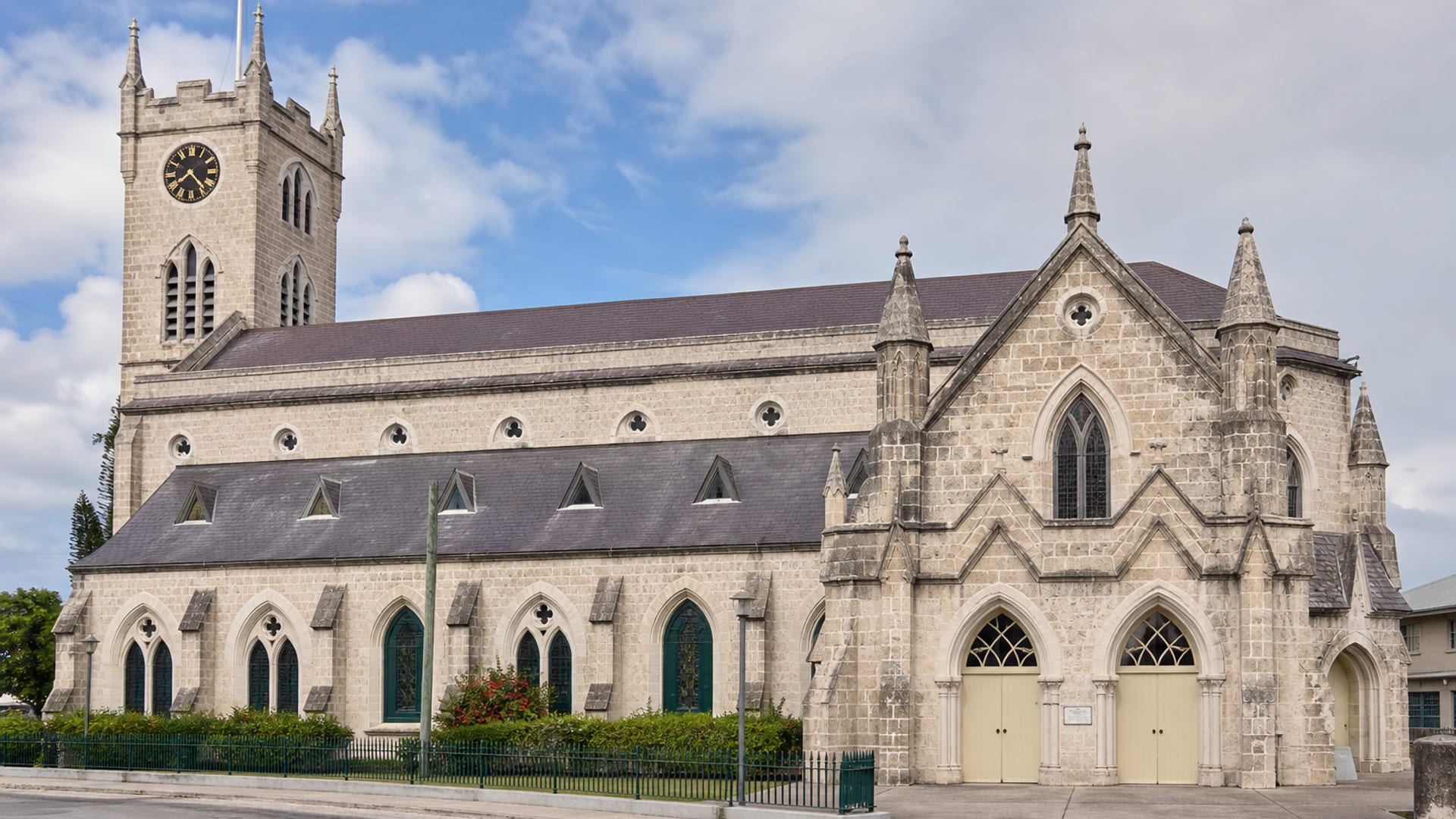
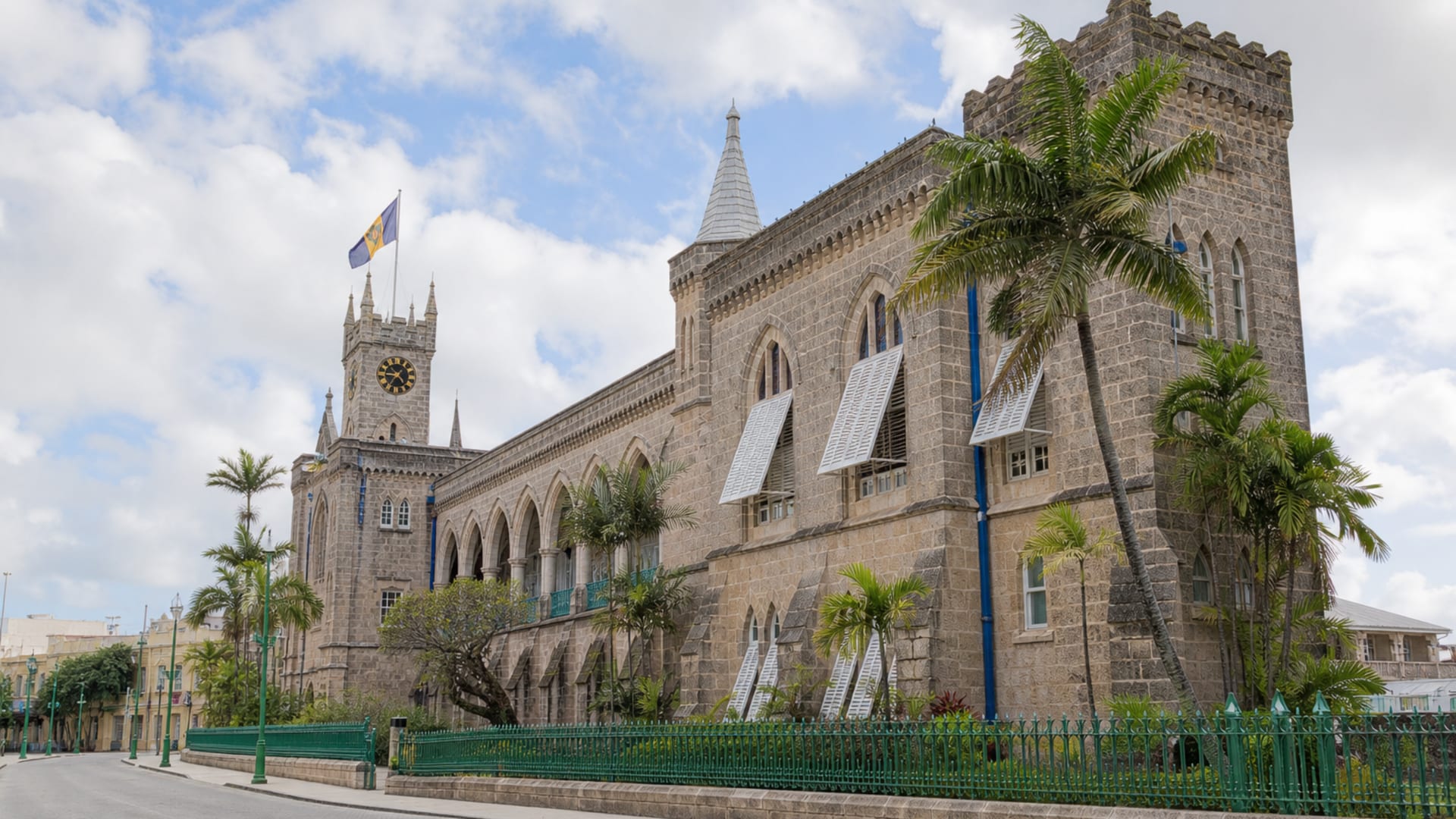
Begin at Nidhe Israel Synagogue and Museum, then walk through Historic Bridgetown toward the Careenage and Parliament Buildings. After lunch, take a short taxi or bus ride south to the Garrison and visit George Washington House, then cross Garrison Savannah to the Barbados Museum & Historical Society. The museum gives you more context for the island’s history after seeing the buildings and streets where much of that history took place.
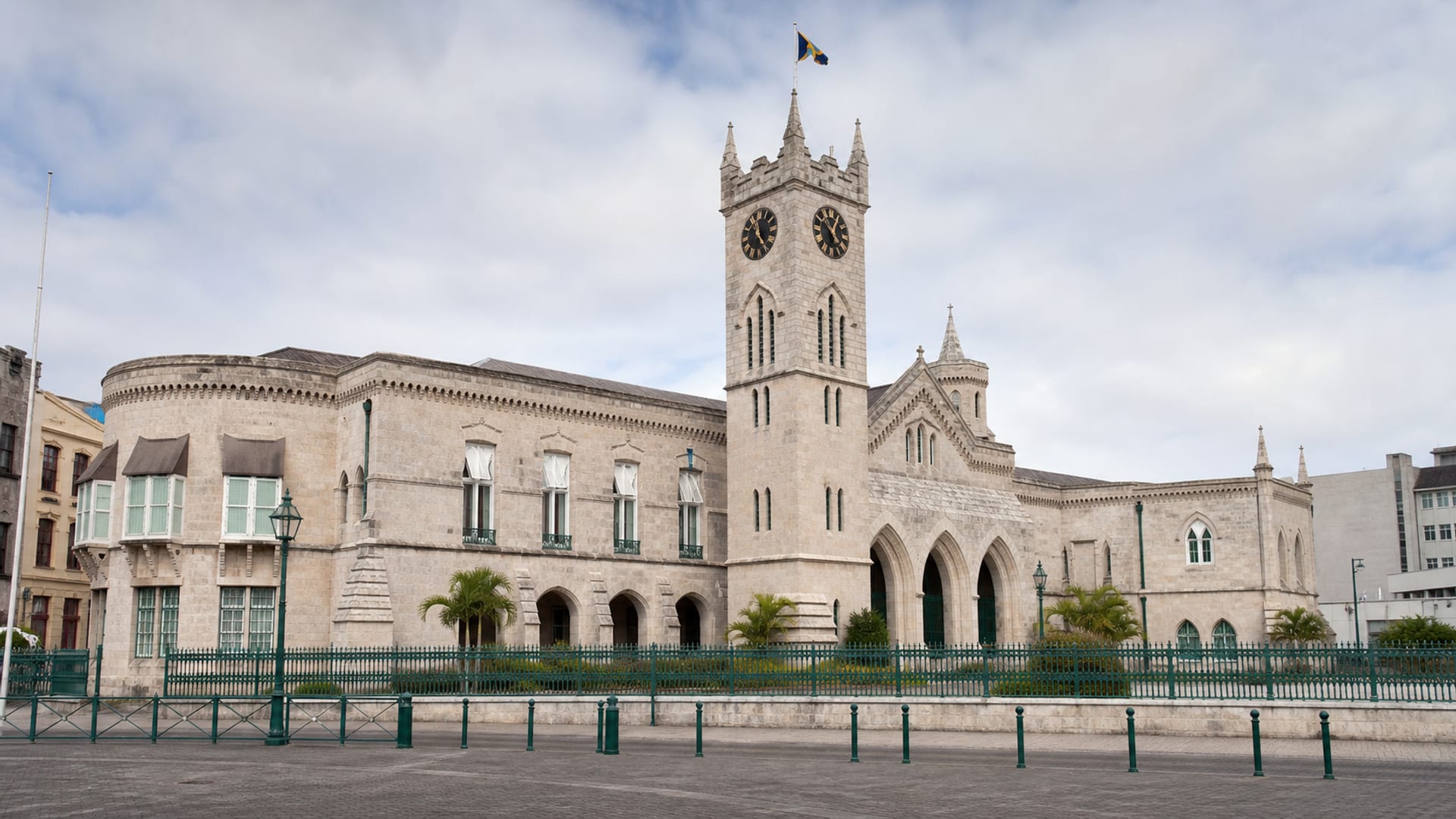
Travel to Andromeda Botanic Gardens in the morning and allow about two hours to walk the paths and explore the tropical plant collections. Bathsheba is nearby, so continue there for lunch, then spend part of the afternoon on the Atlantic coast before returning to Bridgetown. For this day trip, you can take the Bathsheba bus from Bridgetown or use a taxi or rental car for the full route. Keeping both stops on the east side of the island avoids repeating the cross-island drive.
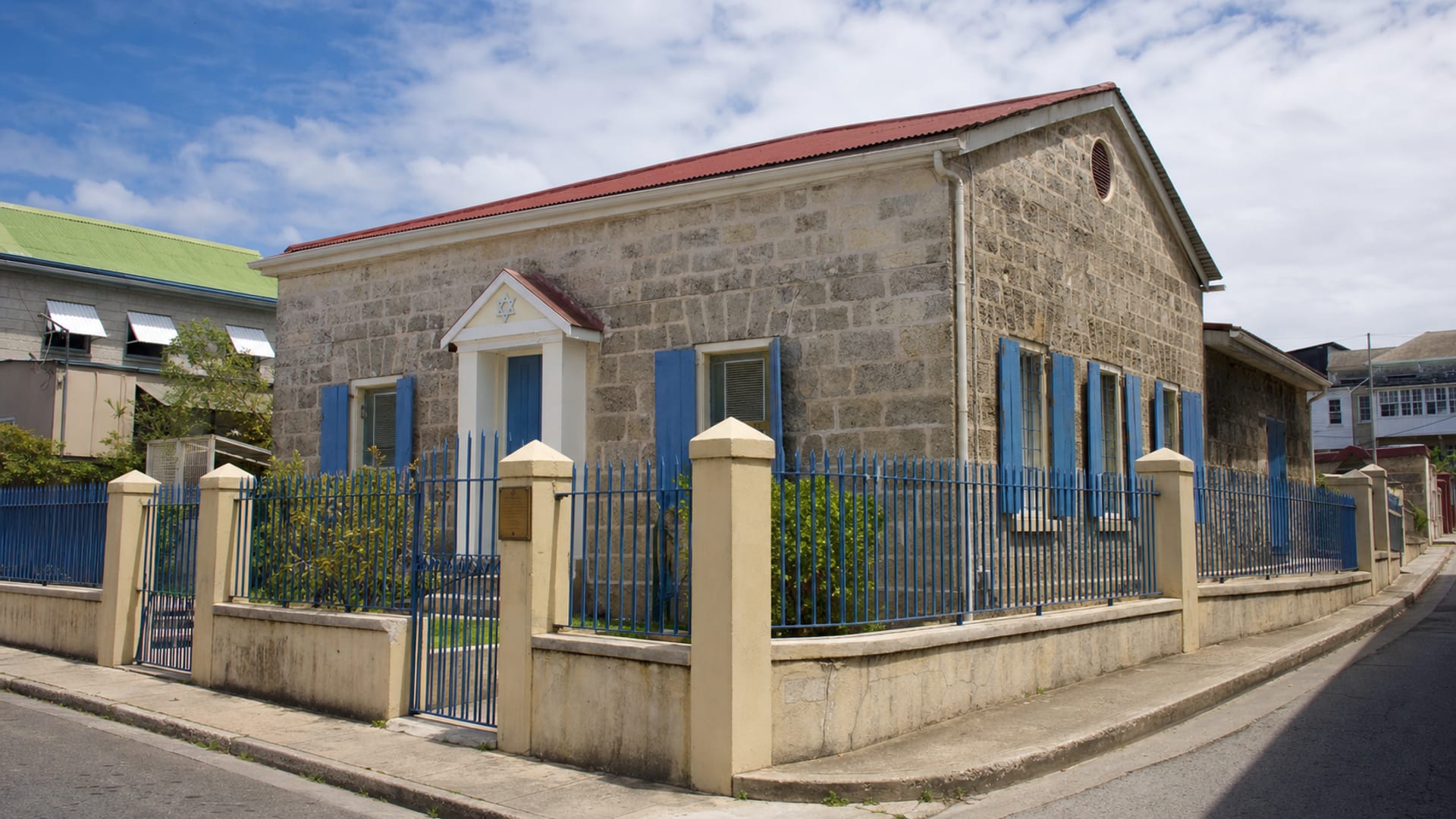
Leave Bridgetown in the morning for St. Nicholas Abbey and spend two to three hours exploring the Great House, distillery, and grounds. Continue west to Speightstown afterward for lunch and a walk through the town and along the waterfront, then head back south. For this day trip, a taxi or rental car is the simplest way to travel between Bridgetown, St. Nicholas Abbey, and Speightstown. Both places are in northern Barbados, so they fit naturally into the same day trip.
Start the morning at the Barbados Museum & Historical Society, where the galleries cover the island’s social, military, natural, and cultural history. Afterward, return to the coast for a final walk in Hastings or spend time at Worthing Beach before collecting your luggage and leaving for the airport. This keeps the final day close to Bridgetown and the main road toward Grantley Adams International Airport.
Business-class flights from the US to Bridgetown
Flights to Bridgetown usually connect through major U.S. and European hubs, and the best choice depends on whether you are starting in New York or Los Angeles. The examples below focus on longer premium itineraries, since those are the ones travelers compare most closely.
From New York, American Airlines, British Airways, JetBlue, Virgin Atlantic, and Air Canada all appear on the route list. A nonstop takes about 5 to 5.5 hours, while one-stop options commonly route through MIA, CLT, LHR, YYZ, or YUL, and round-trip fares usually start at $1,600 and can climb to $3,500.
Los Angeles trips usually connect rather than fly nonstop, and the route list typically includes American Airlines, United Airlines, Air Canada, and British Airways. Expect about 9 to 14 hours with a stop, often through MIA, CLT, YYZ, or LHR, and round-trip fares usually run about $1,900 to $4,200.
Bridgetown at an easy pace
Barbados is a small island, so even a short trip gives you time to see Bridgetown, spend a few hours on the coast, and take day trips without rushing. Keep the pace easy, leave room for the beach and long lunches, and enjoy the relaxed island rhythm. When you are ready to visit Barbados, AranGrant can help you find a business-class itinerary that gets the trip off to a comfortable start.







