

Chapters:

Need help with your trip?
Our support team is available 24/7. Request a callback or call us directly at (833) 619-0908
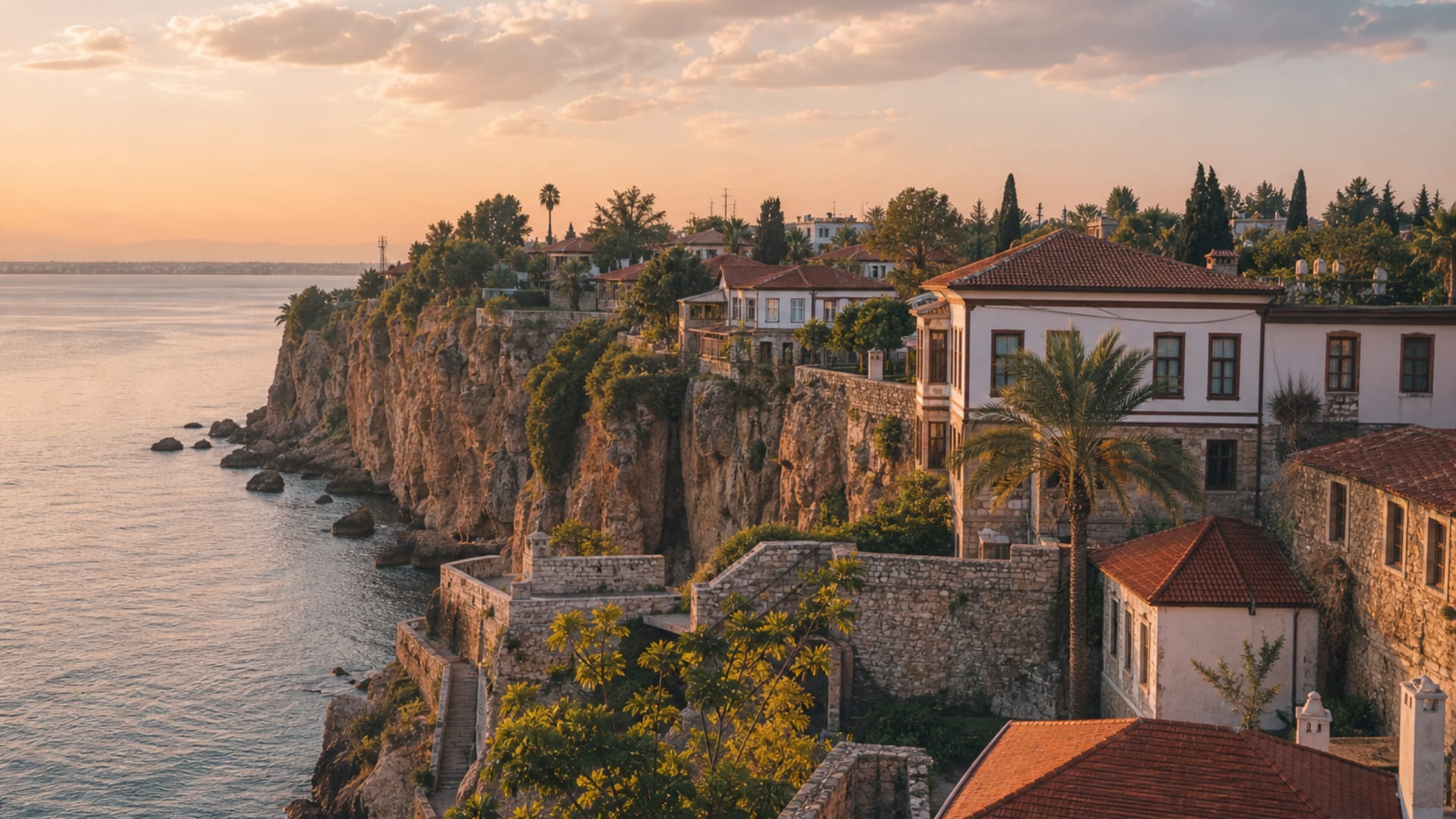
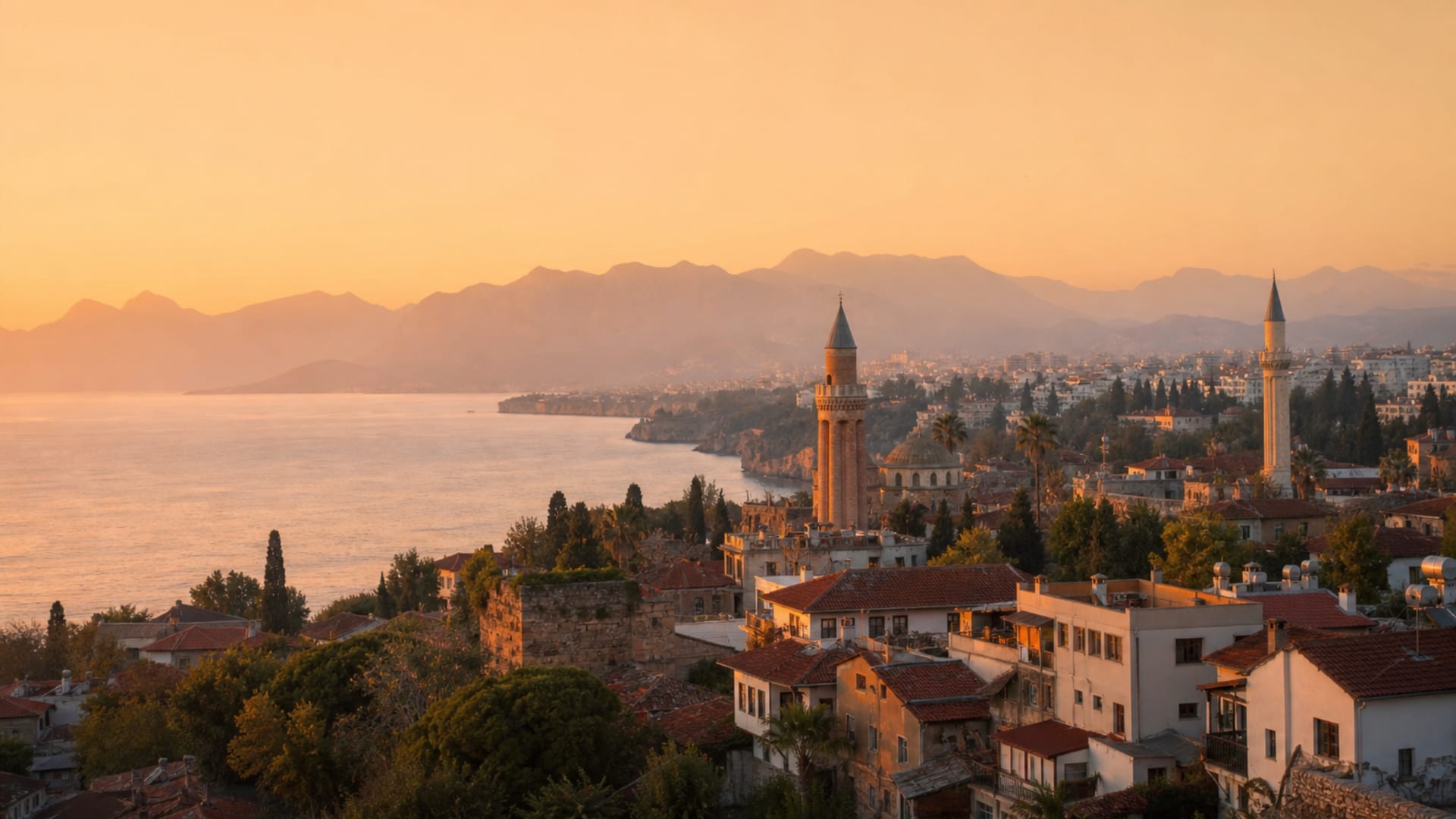
Antalya is both a major Mediterranean city and the name of the wider province around it. The province includes well-known resort areas such as Kemer, Belek, Side, and Alanya, while Antalya city itself is much more than a resort destination.
The city has a historic old town, large residential districts, shopping areas, public beaches, universities, and a long stretch of urban coastline. Much of Antalya is modern and residential, with the tourist areas forming only part of the city.
This guide covers where to stay, what to eat, how to get around, when to visit, which places to see, and how to plan five days in Antalya.
Useful things to know

Main language(s): Turkish
Merhaba (mehr-hah-bah) – Hello
Lütfen (loot-fen) – Please
Teşekkür ederim (teh-shehk-kur eh-deh-reem) – Thank you
İngilizce konuşuyor musunuz? (in-gil-iz-jeh koh-nuh-shoo-yor moo-suh-nooz) – Do you speak English?
Ne kadar? (neh kah-dar) – How much does it cost?

Currency: Turkish lira (TRY, ₺)

Cash and cards: Most hotels, restaurants, and larger shops accept cards and contactless payments. Keep some cash for small businesses, markets, and taxis.

Tipping: Round up taxi fares. In restaurants, it is common to leave 5% to 10% when the bill does not already include a service charge.

Traditional food: Antalya-style piyaz, şiş köfte, hibeş, and kabak tatlısı

Water and coffee costs: A bottle of water usually costs ₺20 to ₺40 ($0.40 to $0.85), while an espresso is often ₺80 to ₺120 ($1.65 to $2.50).

Taxis and ride apps: Uber and BiTaksi both operate in Antalya and let you request local taxis through the app.

Plug and voltage: Type C/F socket, 230V

Dining and shop opening hours: Breakfast places often open around 7:00 or 8:00 am. Restaurants become busiest from noon for lunch and again from about 7:00 pm for dinner. Shopping centers generally stay open until around 10:00 pm.

Emergency number: 112 for police, fire, and ambulance.
Where to stay in Antalya
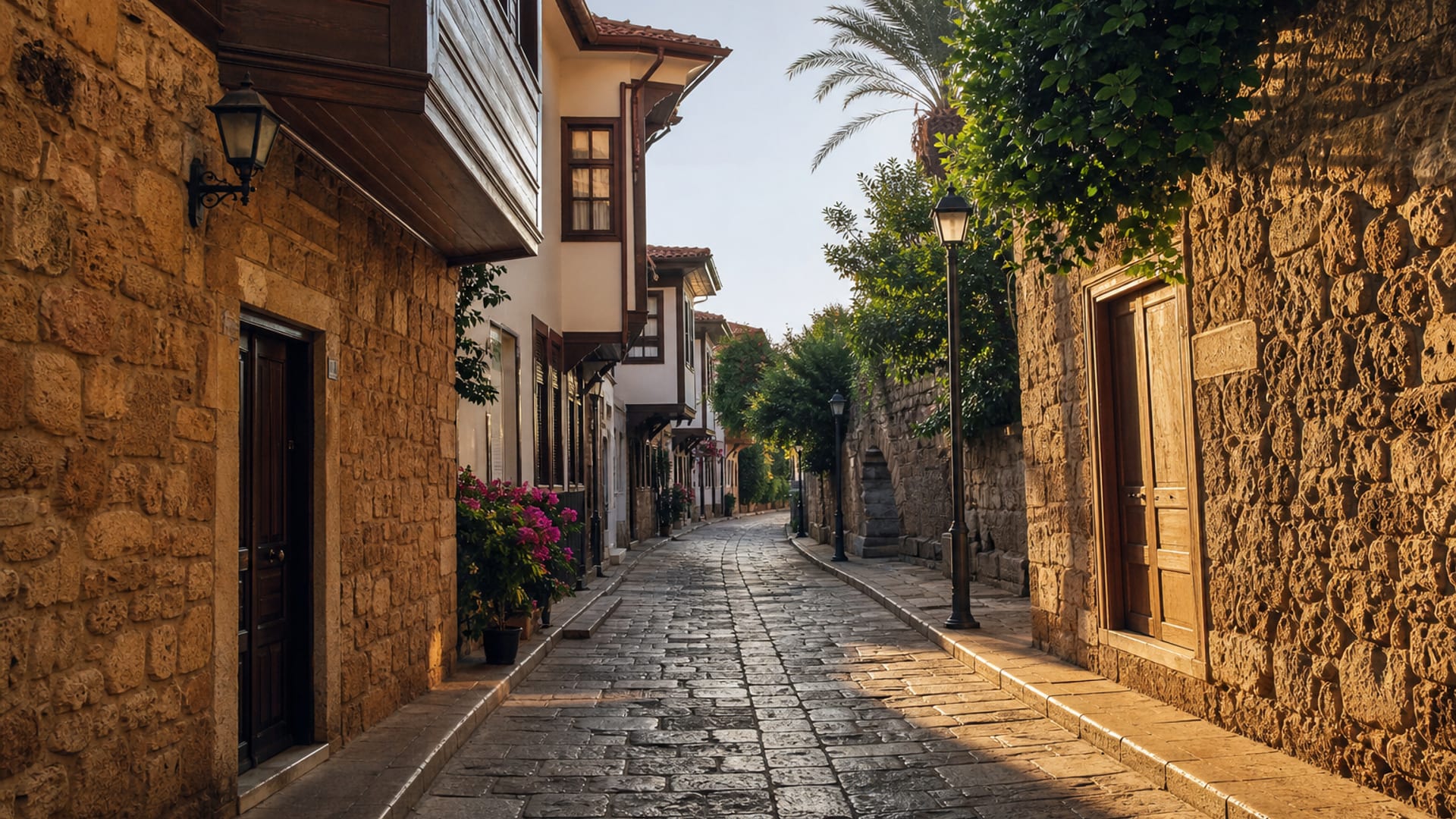
Kaleiçi is Antalya’s historic old town. It is a compact neighborhood with narrow streets, Ottoman-era houses, Roman structures, small hotels, restaurants, and a harbor at the foot of the hill.
Best for: First-time visits, sightseeing, and travelers who want to stay near the old port
What to expect: Narrow streets, boutique hotels, and steady evening foot traffic from diners and bar-hoppers.
Hotel prices: Usually about 70€ to 180€ (~77$ to ~198$) per night for well-rated stays
Distance to major sights: 5 to 10 minutes on foot to Hadrian’s Gate and the Old Harbor
Quietness: Busy through the day and livelier after dark, especially near bars and cafes.
Main trade-off: Rooms can be smaller and street noise rises at night, particularly on weekends.
Good to know: Check the hotel’s exact entrance and taxi access before arrival if you have several bags.
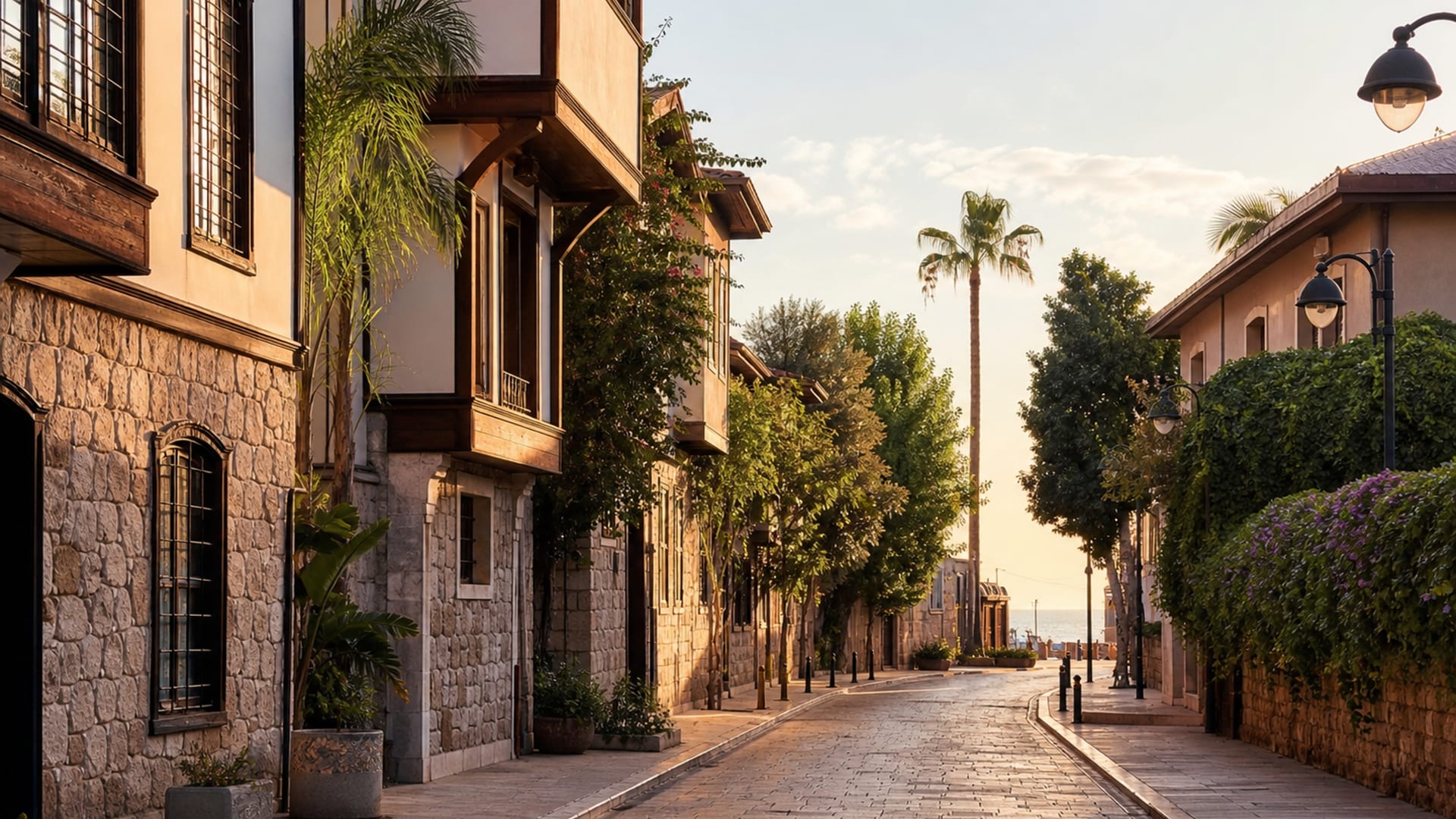
Lara stretches east of central Antalya along the coast, with modern residential areas, hotels, restaurants, parks, and beach clubs. The district feels newer and more spread out than the old town.
Best for: Beach holidays, resort stays, and travelers who want newer hotels with easy airport access
What to expect: Wide boulevards, hotel towers, private beach clubs, and heavier car traffic than in the old town.
Hotel prices: Usually about 80€ to 220€ (~88$ to ~242$) per night for well-rated stays
Distance to major sights: 25 to 35 minutes by taxi to Kaleiçi and about 20 minutes to Antalya Airport (AYT)
Quietness: Quieter in the morning and daytime, then active around hotel bars and seafront venues at night.
Main trade-off: You will spend more time reaching the historic center, and beach access often comes with resort pricing.
Good to know: Lara Beach and the coastal neighborhoods closer to central Antalya are separate parts of the district, so check the map before booking.

Konyaaltı follows Antalya’s western waterfront, with a long public beach, apartment blocks, hotels, cafes, and a broad promenade. Residential streets continue inland toward the mountains.
Best for: Long-stay travelers, beach walks, and visitors who want a residential base with sea access
What to expect: Wide avenues, a busy waterfront promenade, and a mix of locals, joggers, and families.
Hotel prices: Usually about 60€ to 160€ (~66$ to ~176$) per night for well-rated stays
Distance to major sights: 20 to 30 minutes by tram or taxi to Kaleiçi and about 15 minutes to Antalya Museum
Quietness: Quieter than central Antalya during the day, with more activity along the beach in the evening.
Main trade-off: The beach is a draw, but the far end of the district can feel distant from the old city.
Good to know: Check how far the hotel is from the beach and the main bus routes, since the district extends well inland.
For a short first visit, hotels deep in Kepez, Döşemealtı, Aksu, or the Kundu resort area can mean longer trips to central Antalya. These areas can suit specific plans, but they are less convenient if most of your time will be around Kaleiçi and the city waterfront.
Hotel deals
How to get around Antalya efficiently
Antalya has a tram network, extensive bus routes, and metered taxis. Together, they cover the airport, central districts, residential areas, and the main parts of the city visitors are likely to use.

Tram
for rides to the airport and city center
Antalya’s tram network is useful for both airport trips and travel through central parts of the city. The T1 AntRay line connects Antalya Airport (AYT) with central Antalya, the intercity bus terminal, and Fatih. A trip costs ₺42 ($0.87) with Antalyakart or ₺50 ($1.03) with a contactless bank card.

Bus
for the widest route coverage
Buses have the widest public transport coverage in Antalya and serve all main visitor areas, including Kaleiçi, Lara, Konyaaltı, Kepez, and the airport. A standard trip costs ₺42 ($0.87) with Antalyakart or ₺50 ($1.03) with a contactless bank card.

Taxi
for direct trips and late hours
Antalya has metered yellow taxis. You can hail one on the street, use a taxi rank, or book a ride through Uber or BiTaksi. A taxi from Antalya Airport (AYT) to central Antalya usually costs ₺900 to ₺1,400 ($19 to $29), depending on traffic and destination.
*Prices are based on rates updated as of June 2026 and may change at the time of travel.
Choose the tram for airport trips and central routes, buses for Lara, Konyaaltı, and areas beyond the tram network, and taxis when you have luggage or the trip requires several transfers.
Iconic landmarks
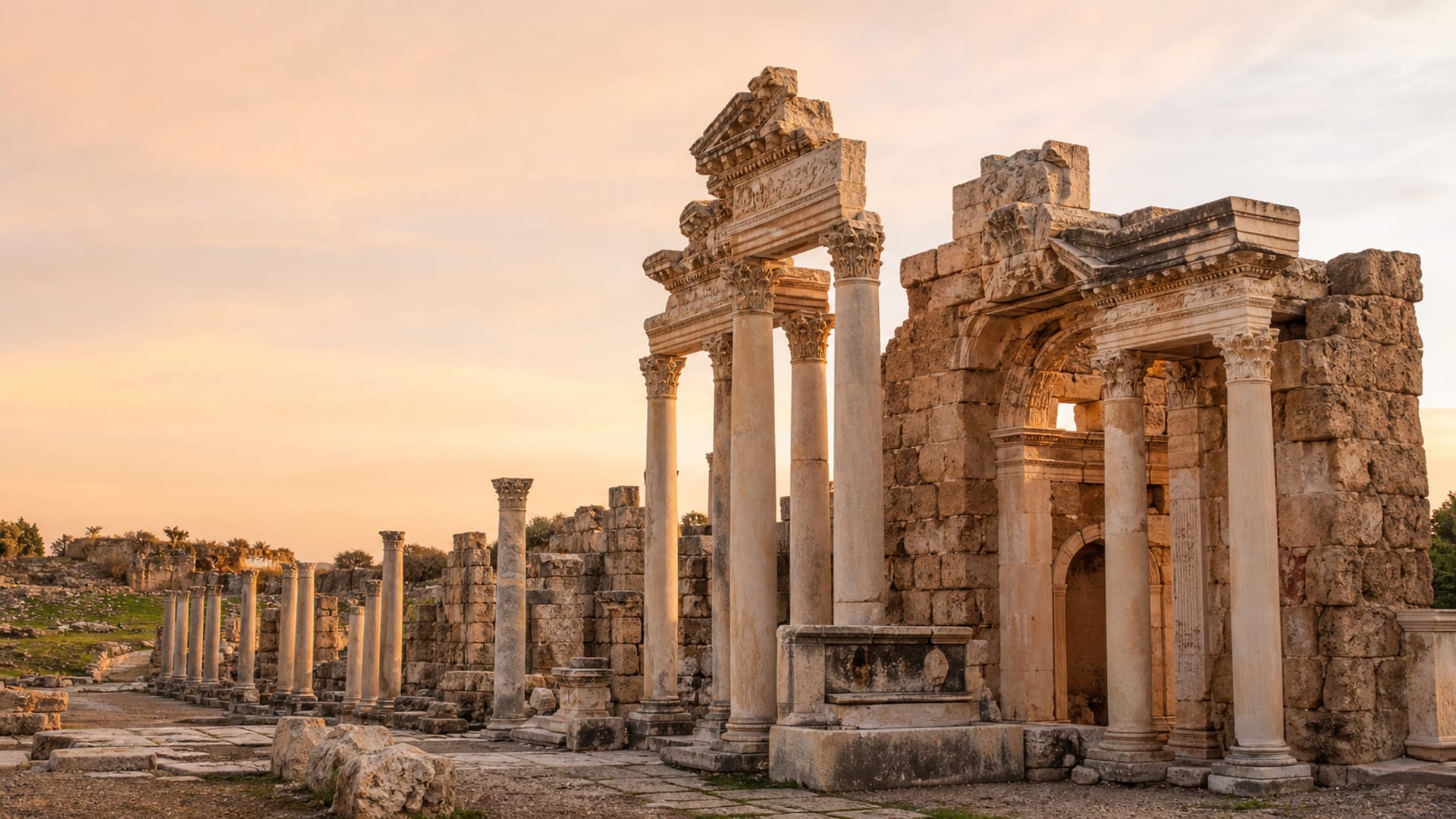
Kaleiçi
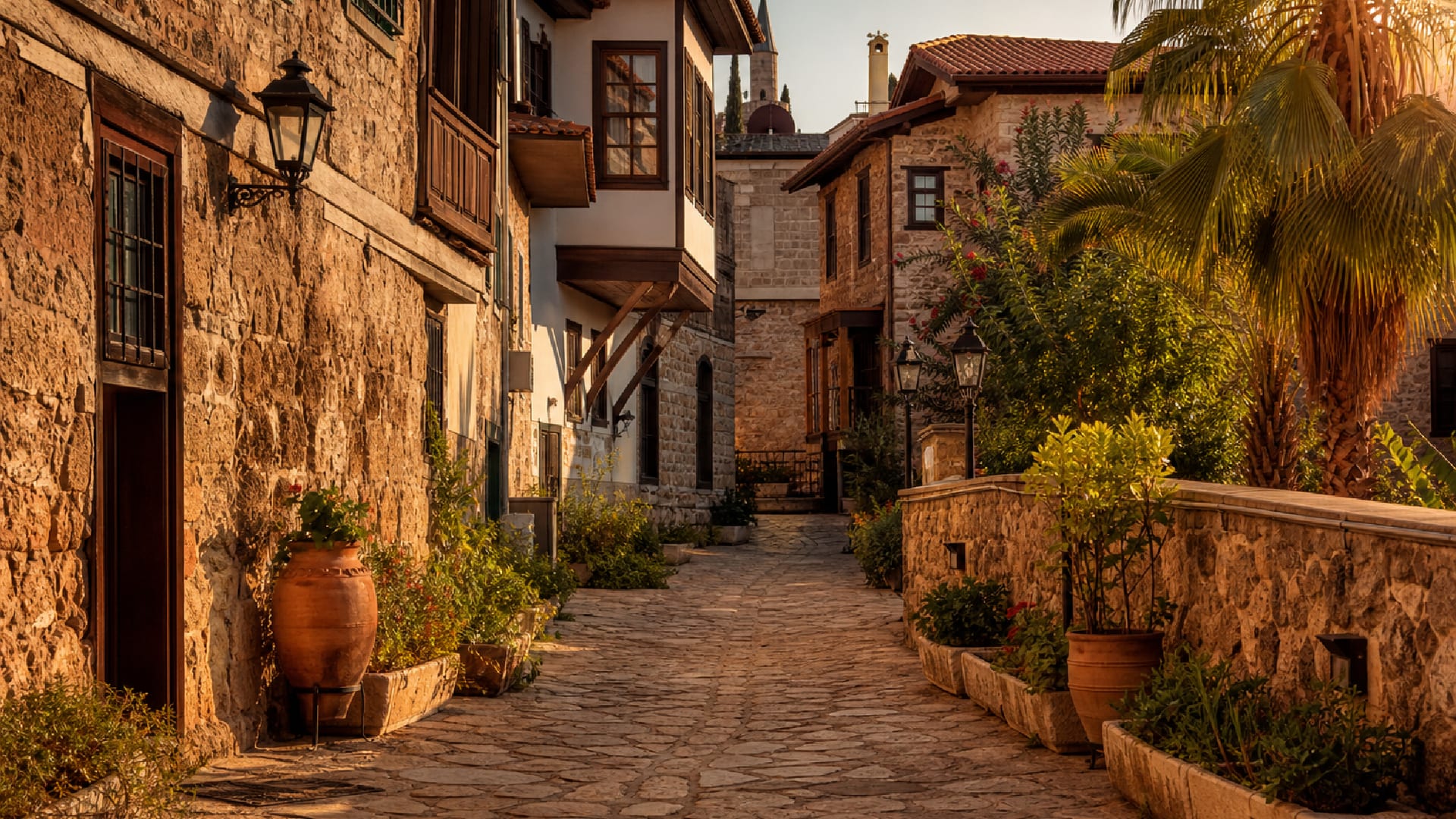
Kaleiçi developed around Antalya’s ancient harbor and still has structures from several periods of the city’s history. Among its main sights are Hadrian’s Gate, old mosques, Ottoman houses, and sections of the city walls.
Time needed: About 2 to 4 hours
Entry: Free to access, with separate paid entry for some museums and restored houses inside the district
Tip: Wear shoes with good grip, since many streets are steep and paved with smooth stone.
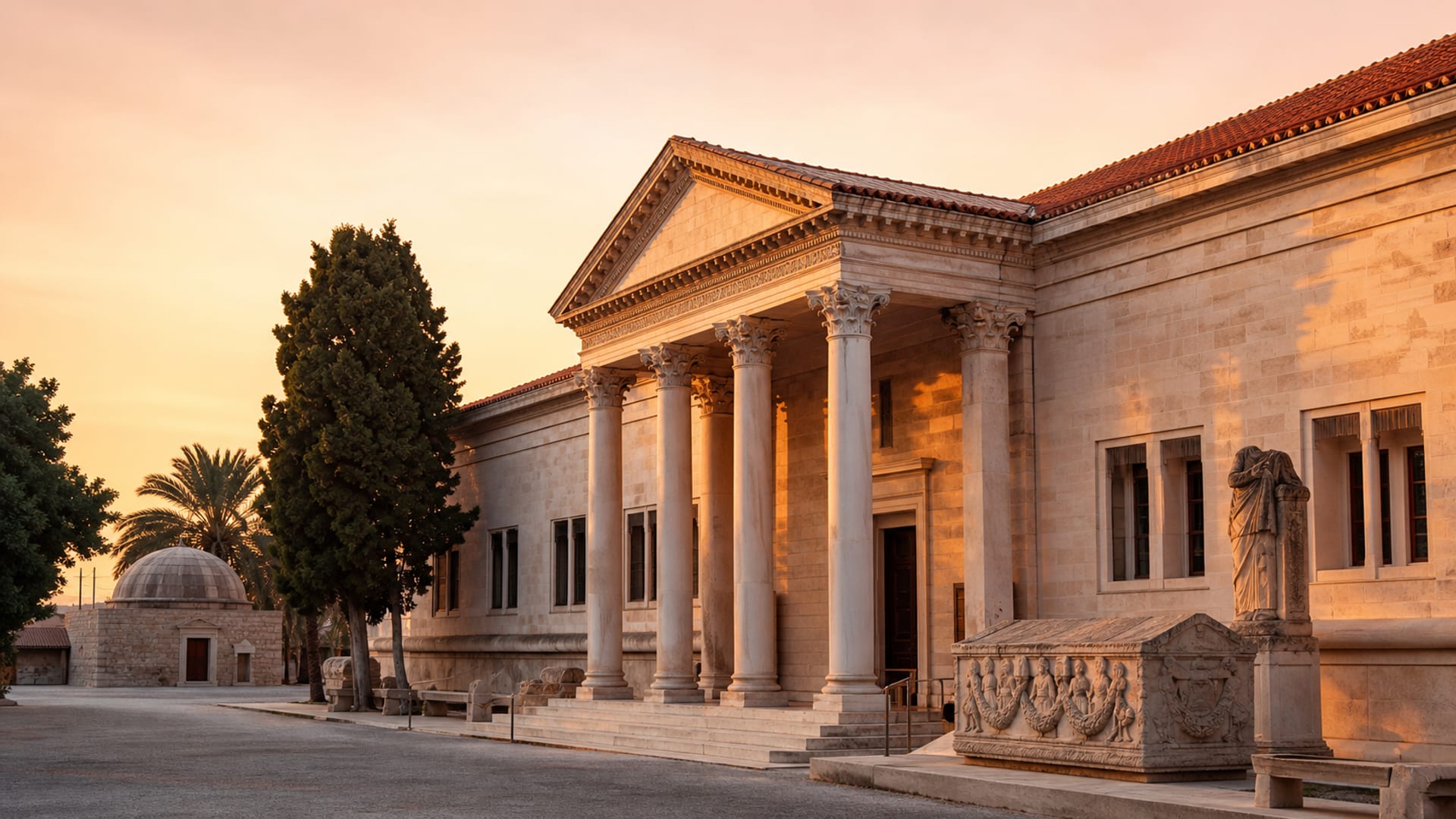
Lower Düden Waterfall
Lower Düden Waterfall drops from Antalya’s coastal cliffs directly into the Mediterranean, about 5 miles (8 km) east of the center. A clifftop park overlooks the 130-foot (40-meter) fall and the sea below.
Time needed: About 2 to 3 hours
Entry: Admission costs $12 to $16 (approximately 12€ to €15) for adults, with reduced rates for students and children Visit the official site for details.
Tip: Visit earlier in the day, when the clifftop paths are cooler, and the viewpoints are less crowded.
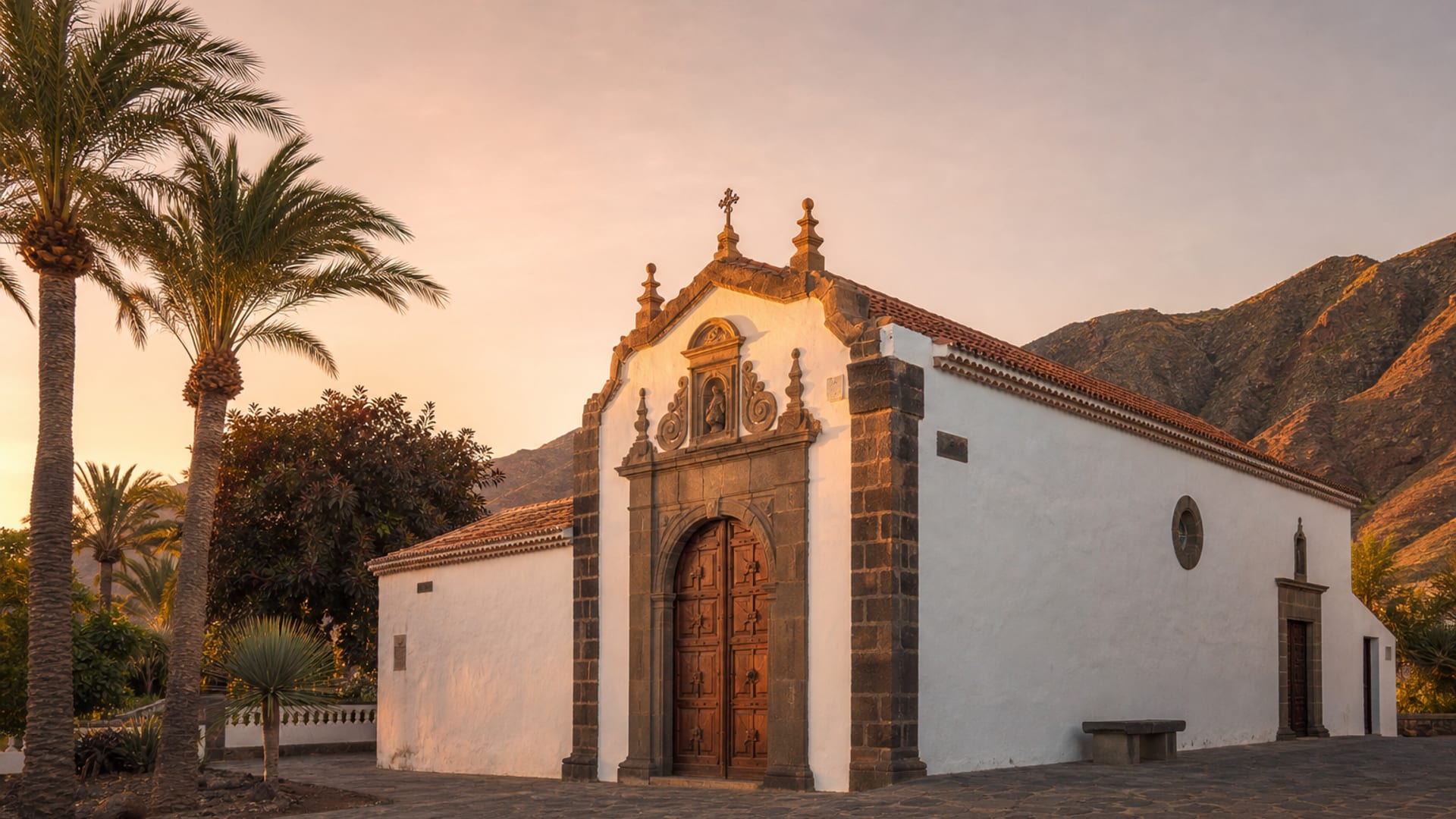
Perge
Perge lies about 11 miles (17 km) east of central Antalya and preserves the remains of a major ancient city. Visitors can walk among its gates, baths, colonnaded streets, stadium, and other Roman structures.
Time needed: About 2 to 3 hours
Entry: Standard tickets cost $12 to $15 (approximately 12€ to €14), with museum card access accepted for eligible visitors Visit the official site for details.
Tip: Restoration work currently keeps the ancient theater closed, but the stadium, streets, baths, and city gates are open.
Overlooked sites worth visiting

Karain Cave
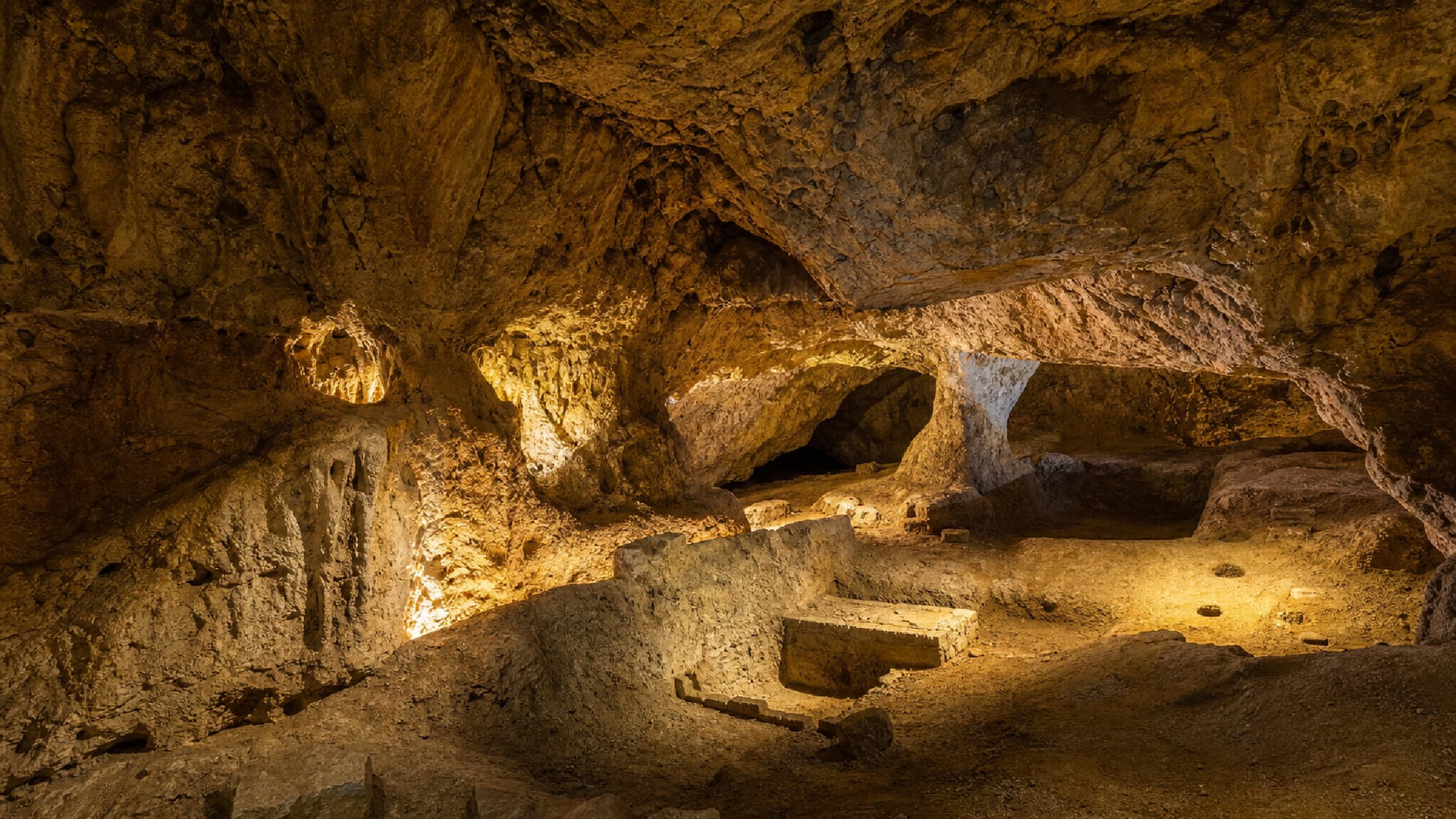
Karain Cave lies northwest of Antalya and has a very long history of human use. Archaeologists have found tools, bones, and other remains showing that people sheltered here hundreds of thousands of years ago.
Time needed: About 1 to 1.5 hours
Entry: Admission is about $3 to $5 (about 100 to 160 TRY) for adults, with lower rates for students or children when available. Hours can vary by season, and the final approach includes steps and uneven ground inside the cave area.
Tip: Wear shoes with good grip. The approach has many steps, and parts of the cave floor are uneven.

Atatürk House Museum
Antalya Atatürk House Museum recreates the house where Mustafa Kemal Atatürk stayed during visits to the city in 1930 and 1935. The rooms display photographs, documents, coins, and personal belongings linked to those visits.
Time needed: About 45 minutes to 1 hour
Entry: Entry is usually free, though hours can change on public holidays and during maintenance. The museum is run as a local public house museum, so plan for a short visit and check opening times before you go if you are pairing it with nearby sights.
Tip: Visit it before or after Kaleiçi, since the museum is close to the old town.
Traditional food
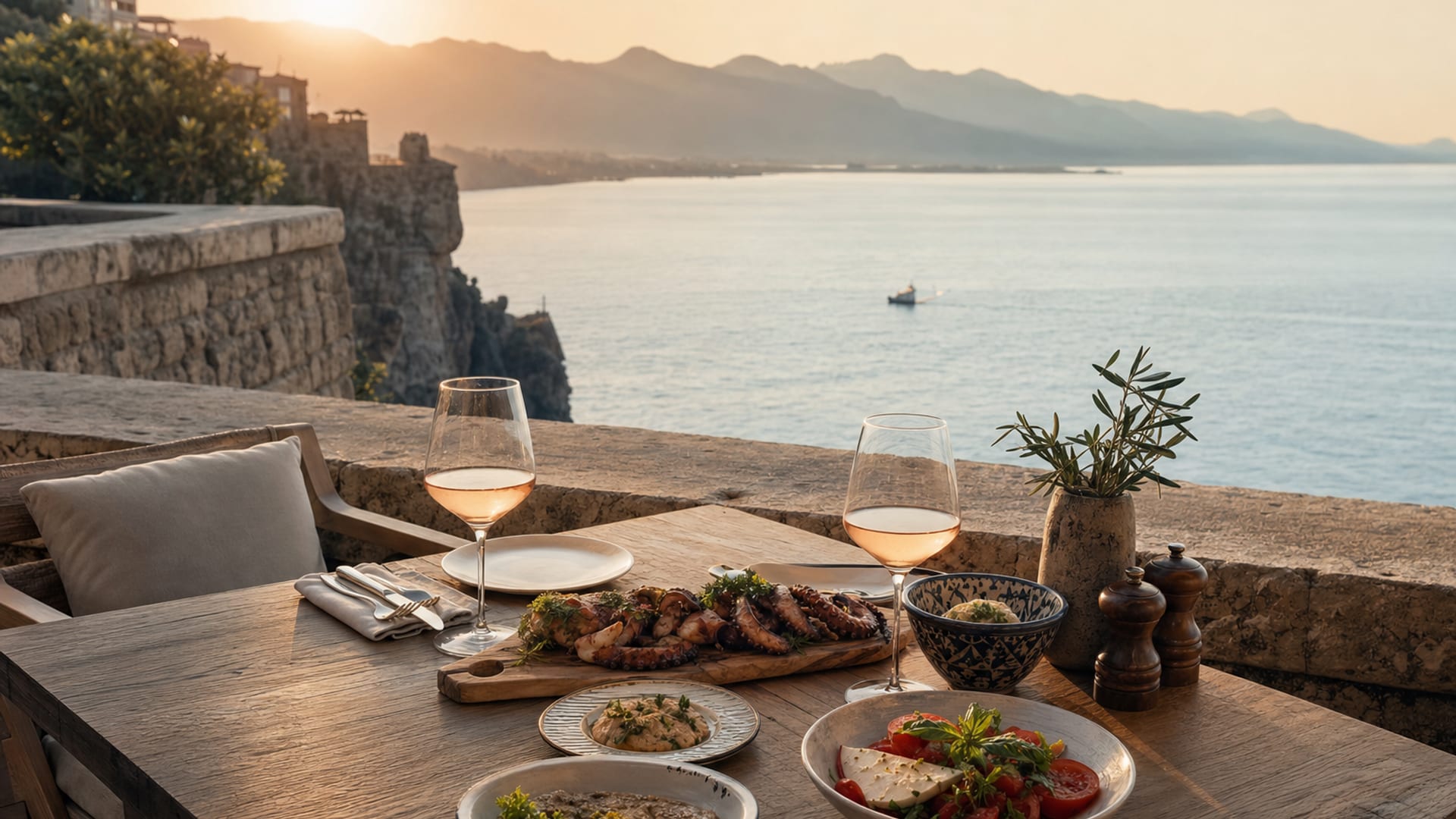
Antalya’s cuisine draws on Mediterranean and southern Turkish traditions, with olive oil, vegetables, grilled meat, yogurt, tahini, herbs, and seafood.
Piyaz
Antalya piyaz is a white-bean salad with tahini, egg, tomato, parsley, and onion. Şimşek Köfte Piyaz has served piyaz and köfte in Antalya since 1980.
Kabak tatlısı
Kabak tatlısı is a pumpkin dessert served with tahini and walnuts. Try it at Fatma Sultan Türk Mutfağı in central Antalya.
Şiş köfte
Şiş köfte consists of seasoned minced meat grilled on skewers and usually served with bread, vegetables, and piyaz. Antalya Şiş Köfte Piyaz Salonu specializes in both dishes.
Hibeş
Hibeş is a thick tahini-based meze with lemon, garlic, cumin, and spices. 7 Mehmet serves it alongside other Antalya and Mediterranean dishes.
Best time to visit Antalya
Antalya has hot, dry summers and mild, rainy winters. Spring warms quickly, while fall stays warm through October before winter rain begins.
Best for: Perge, Kaleiçi, Karain Cave, and open-air archaeological sites
What you get: March averages 64°F (18°C) by day, while May reaches 78°F (26°C). Rain is possible, especially during March and early April.
Trade-offs: March and April can bring rainy days, and evenings may feel chilly after sunset, especially near the coast.
Best for: Swimming at Konyaaltı and Lara beaches, resort stays, and coastal boat trips
What you get: Daytime highs reach 87°F to 94°F (31°C to 34°C), with strong sun, warm sea temperatures, long daylight, and very little rain.
Trade-offs: Midday heat can make Perge, Karain Cave, and long walks through Kaleiçi tiring, especially in July and August.
Best for: Swimming in September and October, Perge, Kaleiçi, and eating outdoors
What you get: September often reaches 88°F (31°C). October stays warm, while November averages 70°F (21°C) and brings regular rain.
Trade-offs: November can bring rainy days and occasional storms, so outdoor plans may need some flexibility.
Best for: Kaleiçi, museums, Perge, and long lunches or dinners at local restaurants
What you get: Daytime highs usually stay between 59°F to 62°F (15°C to 17°C), with mild afternoons, cool nights, regular rainfall, and short daylight hours.
Trade-offs: Rain can interrupt outdoor plans, and the sea is usually too cold for most visitors to go swimming.
A realistic 5-day plan in Antalya
For five days in Antalya, plan each day around one part of the city and keep the arrival and departure days light.
After arriving at Antalya Airport (AYT), take the T1 tram or a taxi to your hotel. If you are staying near Kaleiçi, the tram usually takes about 30 to 40 minutes, while a taxi takes about 20 to 30 minutes outside rush hour. Once you have checked in, keep the rest of the day simple and have dinner near your hotel. If your flight arrives early, you can walk around the neighborhood, but there is no need to start the main sightseeing on the first evening.
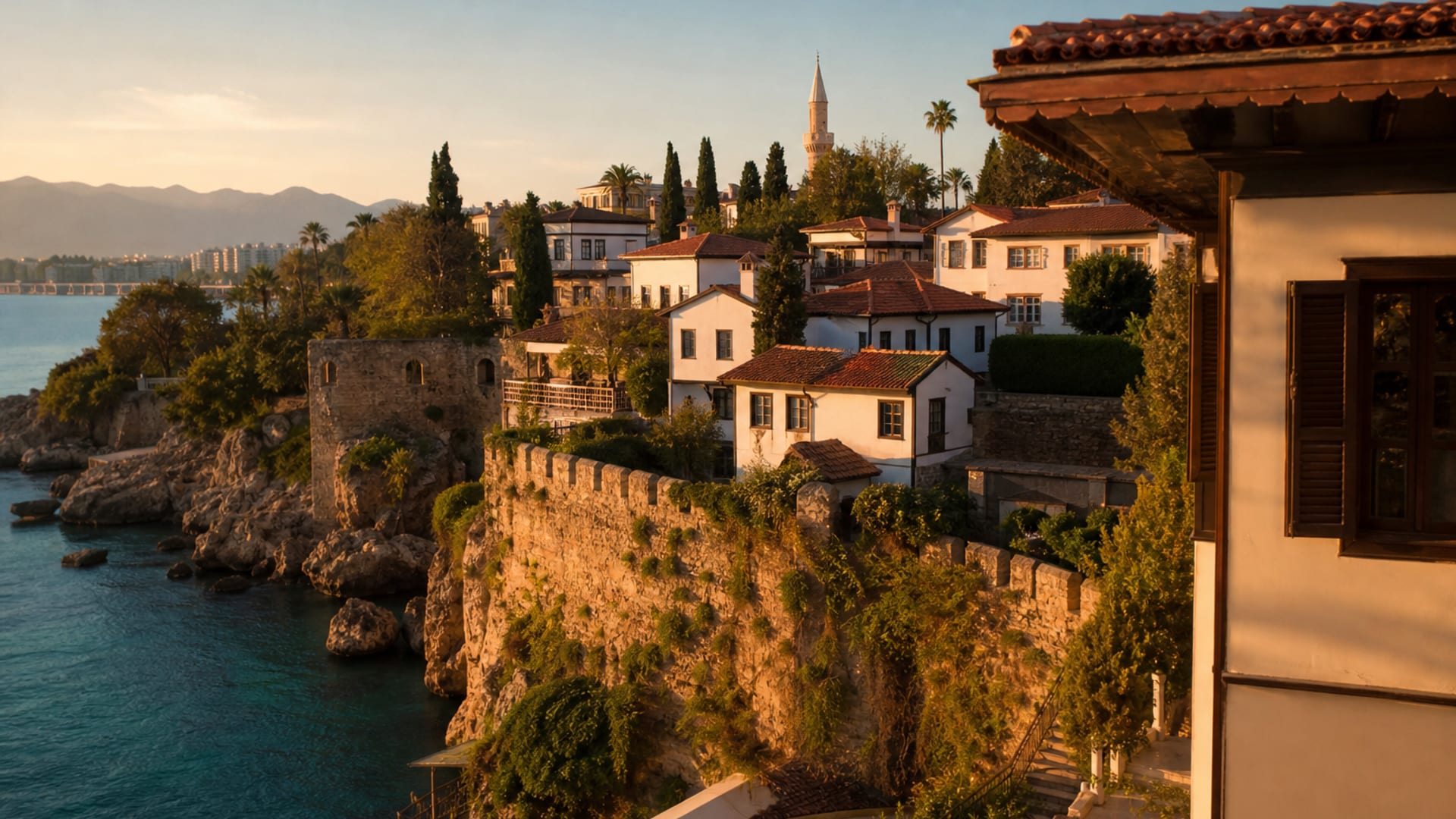
Spend the morning in Kaleiçi, starting at Hadrian’s Gate and following the old streets downhill toward the harbor. Antalya Ethnography Museum is on the way and opens at 8:30 am. Its two Ottoman-era houses display clothing, ceramics, household objects, and other items connected with life in Antalya. After the museum, continue through the old town, stop for lunch, and spend the afternoon around the harbor and nearby streets before having dinner in the same area.
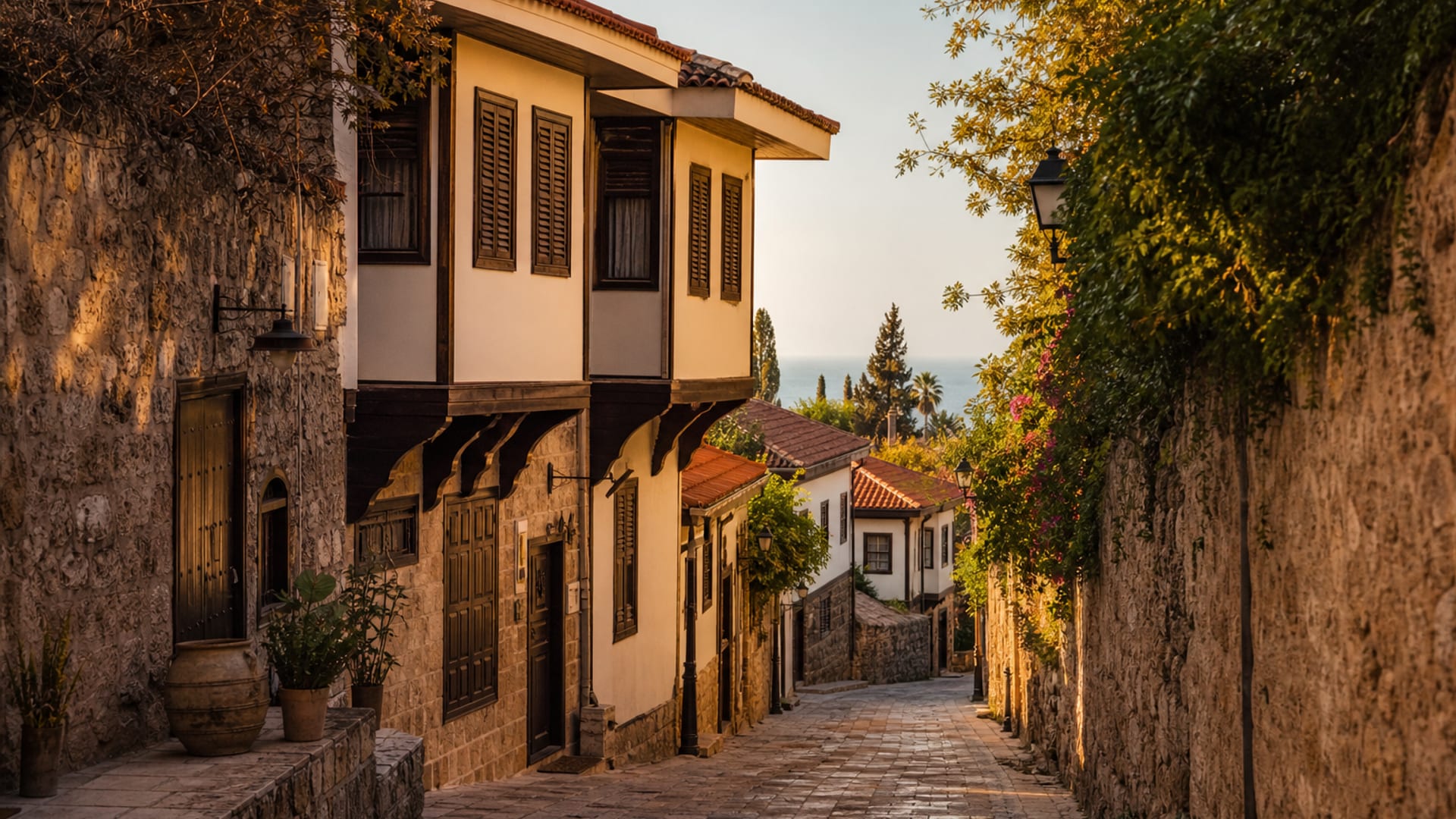
Perge is about 11 miles (17 km) east of central Antalya, so it makes sense to visit it first and spend 2 to 3 hours there in the morning. You can see the stadium, city gates, baths, and colonnaded streets, although the ancient theater is currently closed for restoration. Lower Düden Waterfall is back toward Antalya near Lara, so stop there on the return trip. The park takes about an hour to visit, and from the cliffs you can see the waterfall about 130 feet (40 meters) into the Mediterranean.
Karain Cave is about 17 miles (27 km) northwest of Antalya, so plan the morning around the drive and the cave itself. It opens at 8:00 am, and most visits take about 1 to 1.5 hours to explore it. Also, be prepared to climb a long flight of steps up the hillside to reach the entrance. When you return to Antalya, continue to Konyaaltı on the western side of the city. Spend the afternoon along the 4-mile (7-km) beach, stop for lunch or coffee, and have dinner there before heading back to your hotel.
If your flight leaves later in the day, spend the morning at Antalya Atatürk House Museum near Kaleiçi. It opens at 8:30 am, entry is free, and an hour is enough to see the photographs, documents, coins, and personal belongings connected with Atatürk’s visits to Antalya in 1930 and 1935. Karaalioğlu Park is nearby if you have time afterward. Have lunch, return to your hotel for your luggage, and then head to Antalya Airport (AYT).
Business-class flights from the US to Antalya
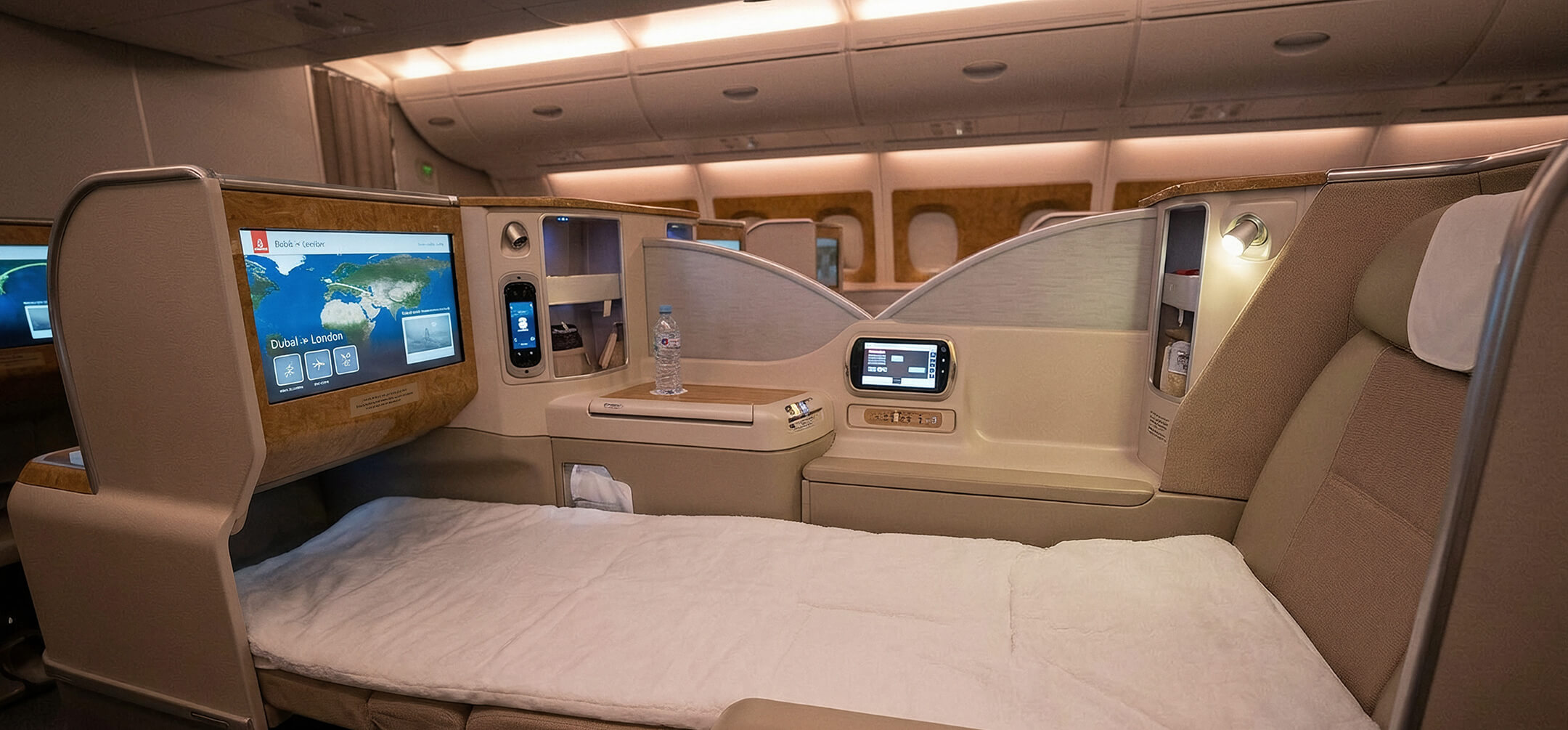
Long-haul flights to Antalya usually connect through one of a small set of European or Gulf hubs, and the best option often depends on where you start. The two examples below show how the East Coast and West Coast differ in timing and price.
From New York, Turkish Airlines, Qatar Airways, Lufthansa, Air France, British Airways, and Emirates all appear on the route map. Direct flying time is about 11 to 12 hours, while one-stop itineraries usually run through IST, DOH, FRA, CDG, LHR, or DXB and take about 14 to 19 hours total. Round-trip fares from New York to Antalya usually start at $3,200 and can reach about $6,500.
Los Angeles travelers usually see Turkish Airlines, Qatar Airways, Lufthansa, Emirates, British Airways, and Air France among the main choices. Expect about 14 to 15 hours nonstop when that option is available; otherwise, the route typically links through IST, DOH, FRA, CDG, LHR, or DXB and takes about 17 to 24 hours. From Los Angeles, round-trip fares usually begin at $3,600 and can climb to about $7,200.
Antalya beyond the beach
Antalya is one of those cities where a few days can cover very different places without turning the trip into a long list of stops. You can spend one day in the old town, another at Perge, another along the coast, and still have time for museums, local food, and nearby archaeological sites.
When you are ready to plan the trip, AranGrant can help you compare business-class flights from the US and choose a flight that fits your schedule.