

Chapters:

Need help with your trip?
Our support team is available 24/7. Request a callback or call us directly at (833) 619-0908
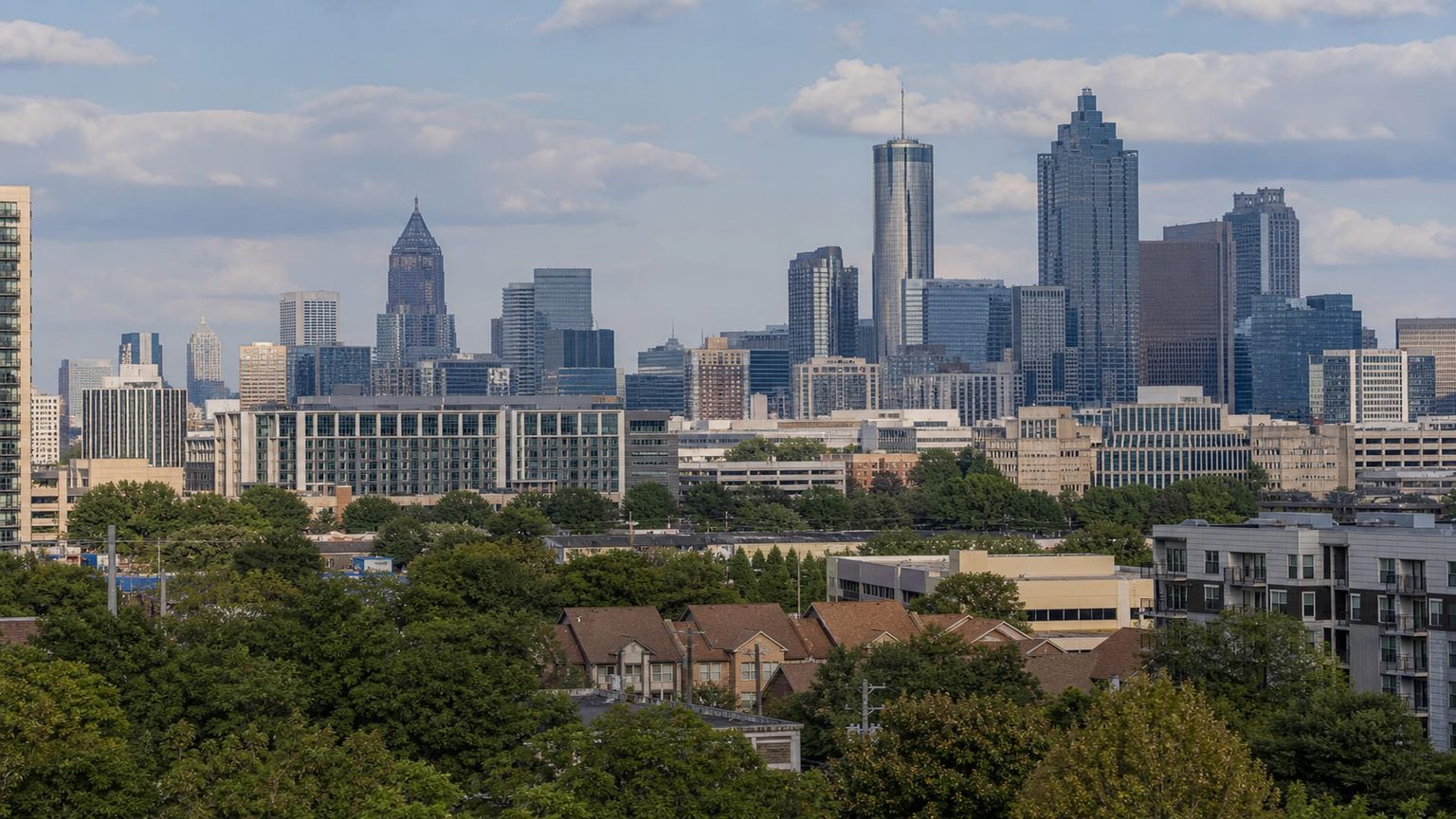
Atlanta trips often start with the same checklist, downtown landmarks, a MARTA ride, and one big museum stop, while the city’s neighborhood edges get less attention. Travelers who stay near the airport or on the wrong side of town often spend more time crossing the map than seeing it.
That matters here because the key sights sit in separate districts, and traffic can make short distances add up quickly. The BeltLine, Midtown, Buckhead, and downtown each reward a different pace, so a loose plan can turn into long rides and rushed meals.
This guide organizes the city by neighborhood and by day, so you can pair transit with the right stops, keep meal breaks in the right part of town, and see Atlanta in a sequence that matches how it actually works.
Useful things to know

Main language(s): English

Currency: The local currency is the US dollar (USD, $).

Cash and cards: Cards and contactless are widely accepted; carry about $20 in cash for tips, small buys, and transit gaps.

Tipping: Tip 15-20% at sit-down restaurants; round up for taxis and coffee.

Traditional food: fried chicken, shrimp and grits, peach cobbler, Brunswick stew

Water and coffee costs: Water about $2 ($2), bar espresso about $4 ($4).

Taxis and ride apps: Uber and Lyft operate here; match your car and plate before boarding.

Plug and voltage: Type A/B socket, 120V

Dining and shop opening hours: Breakfast 07:00-09:00, lunch 12:00-14:00, dinner 18:00-21:00. Many kitchen hours end by 22:00, and some spots close on Sunday.

Emergency number: 911 for police, fire, and medical emergencies.
Where to stay in Atlanta
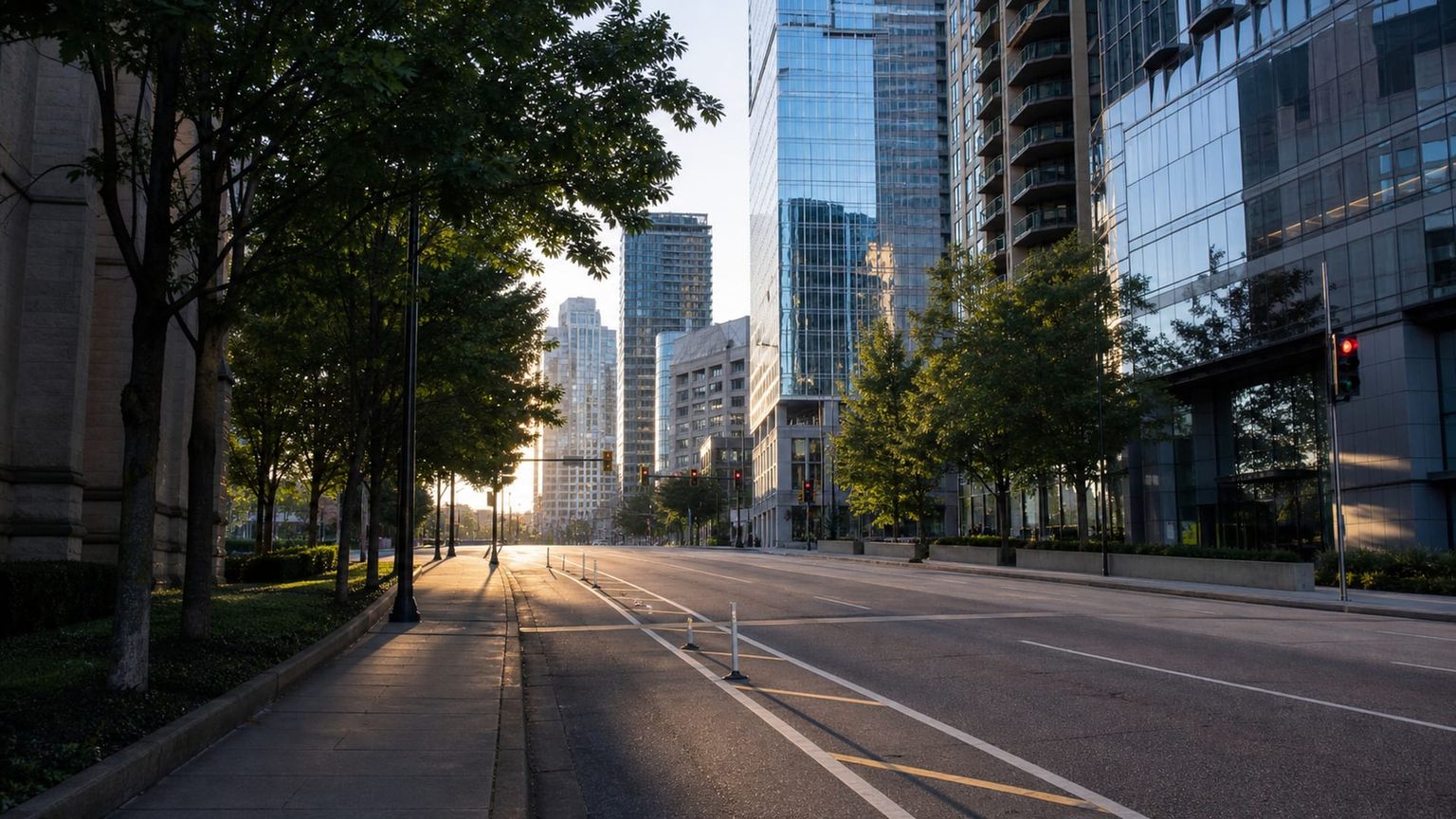
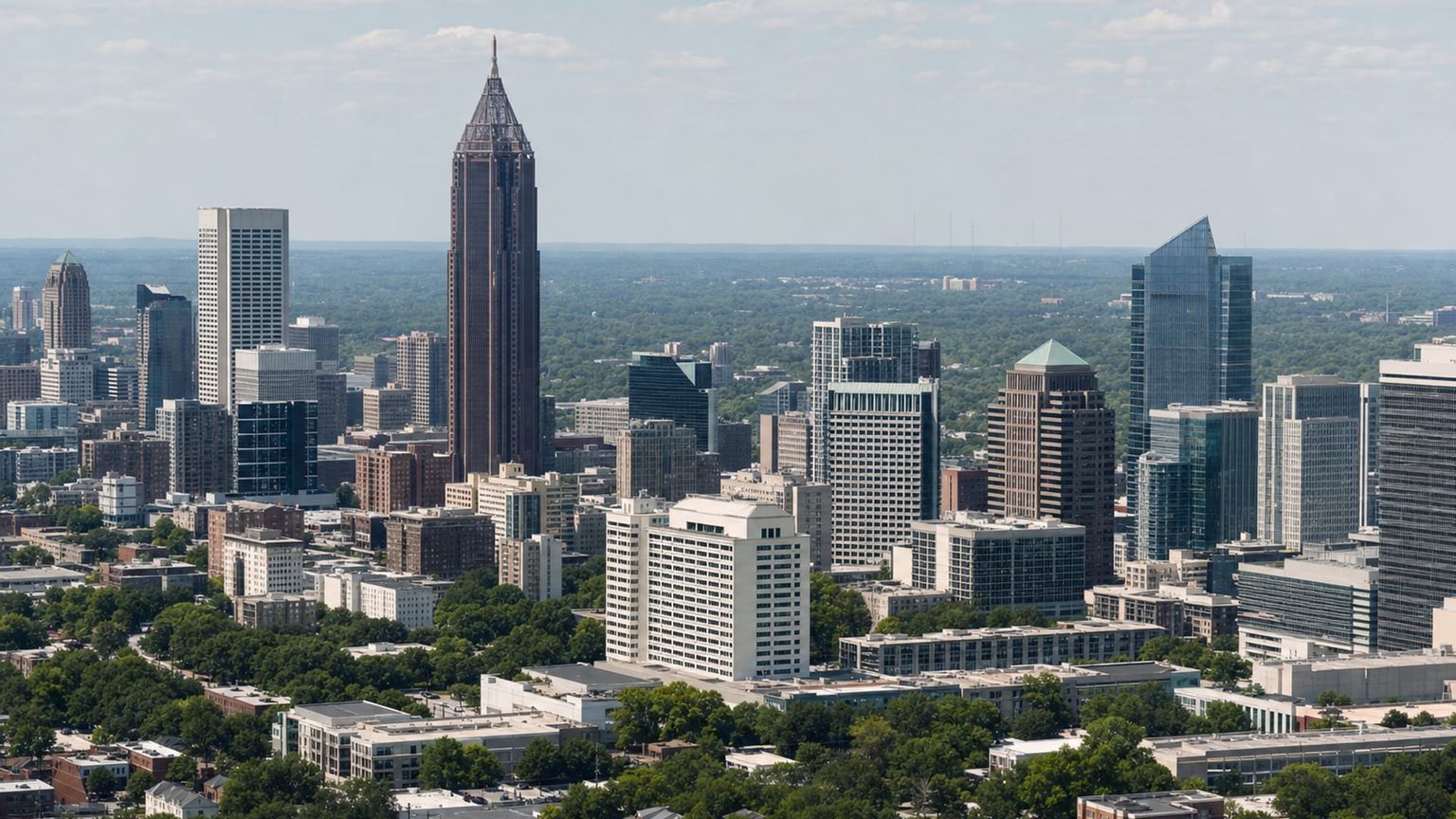
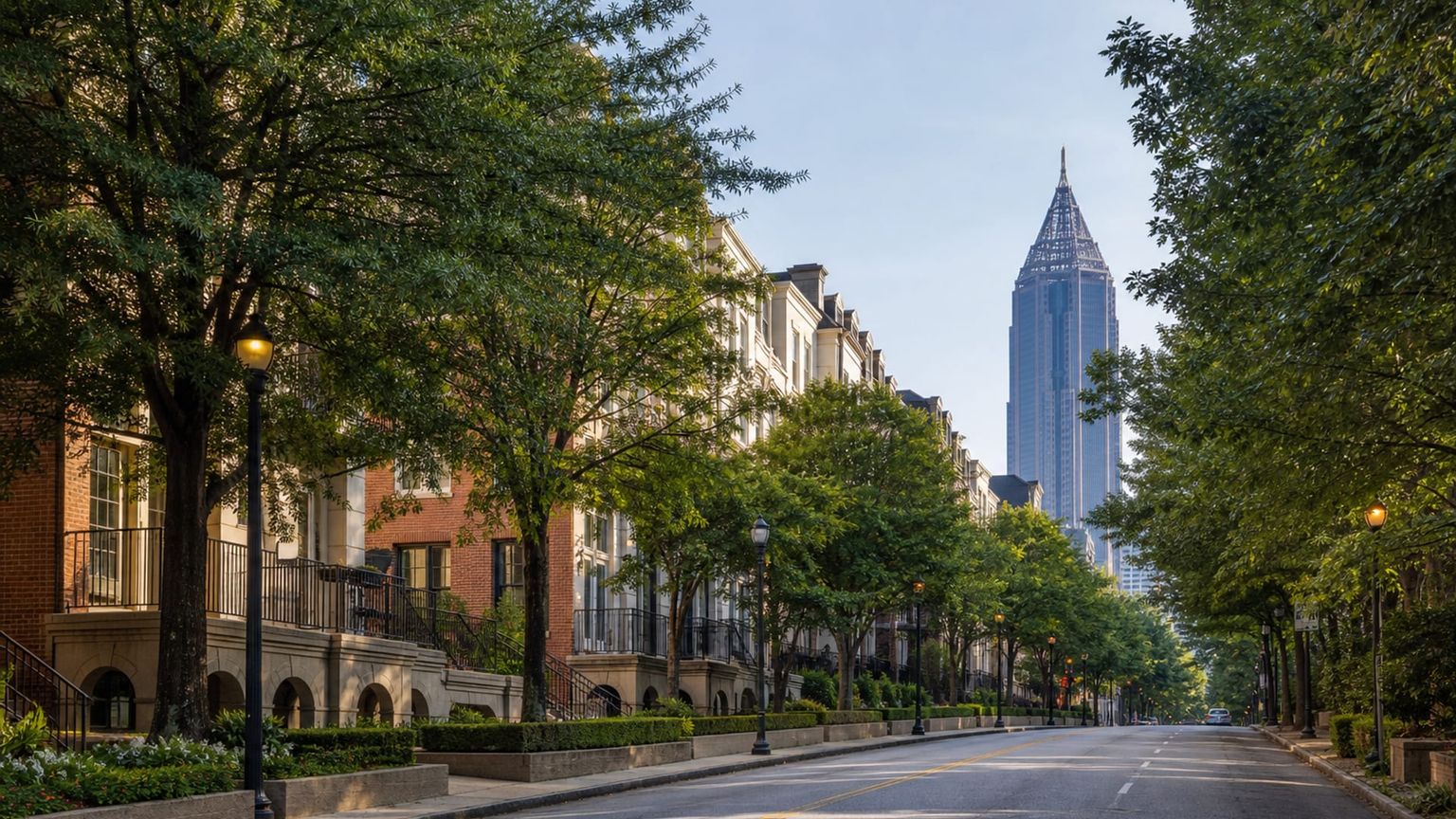
Atlanta’s high-rise core places you near major museums, parks, and MARTA rail. It suits visitors who want easy movement between attractions, dining, and business addresses without relying on long rides across town.
Best for: Museum visits, transit access, and travelers who want central positioning
What to expect: Busy sidewalks by day, especially near office towers and Piedmont Park, with a livelier restaurant scene at night.
Hotel prices: Usually about $180 to $320 per night for well-rated stays
Distance to major sights: About 10 to 15 minutes on foot to Piedmont Park, about 10 minutes by transit to the High Museum of Art
Quietness: Quieter on residential side streets at night, but main corridors stay active into the evening.
Main trade-off: Hotels cost more here than in outer neighborhoods, and the busiest blocks can feel traffic-heavy at peak hours.
Good to know: If you plan to use MARTA, staying near Arts Center or Midtown station cuts down on car use and airport transfers.
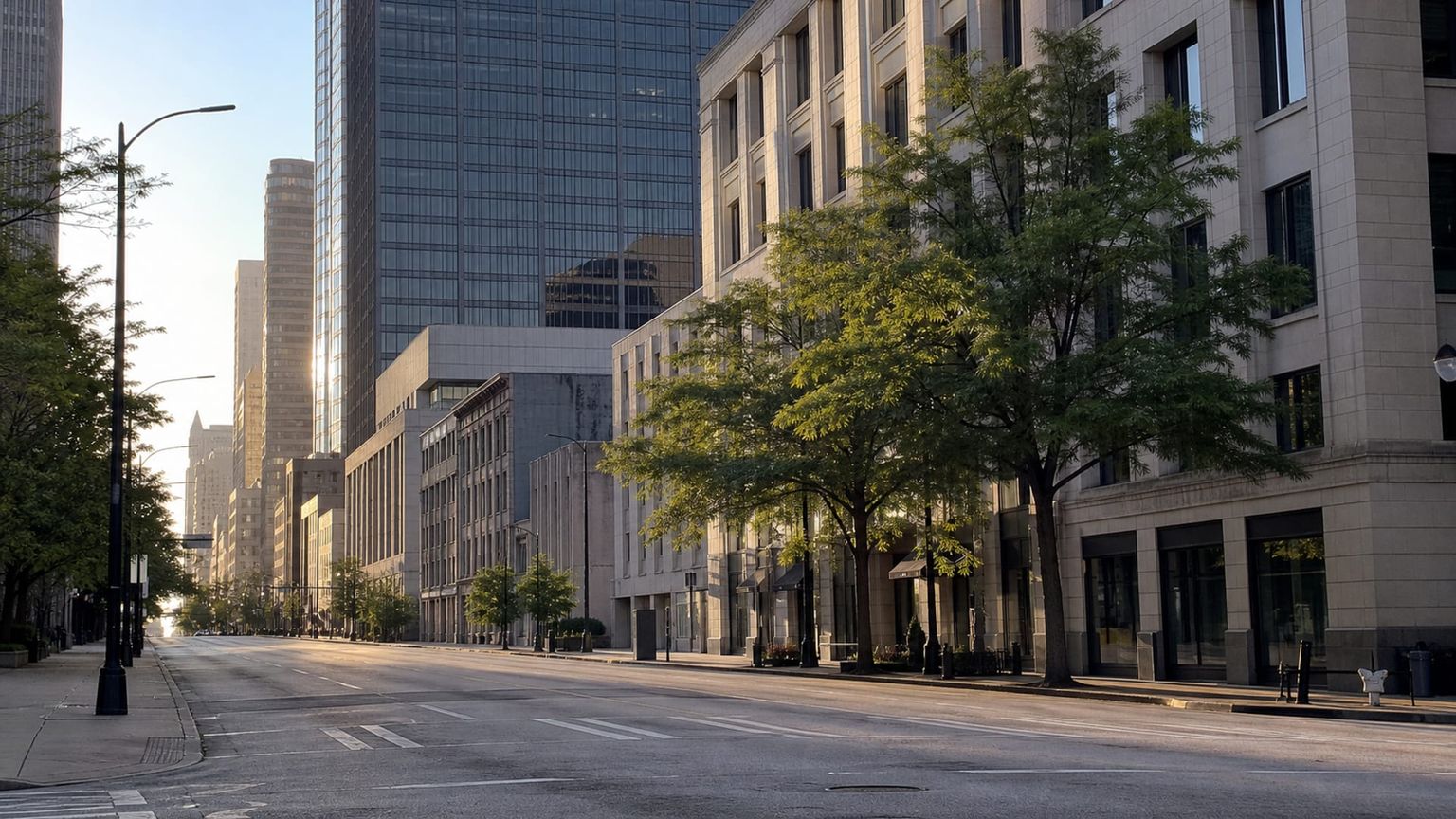
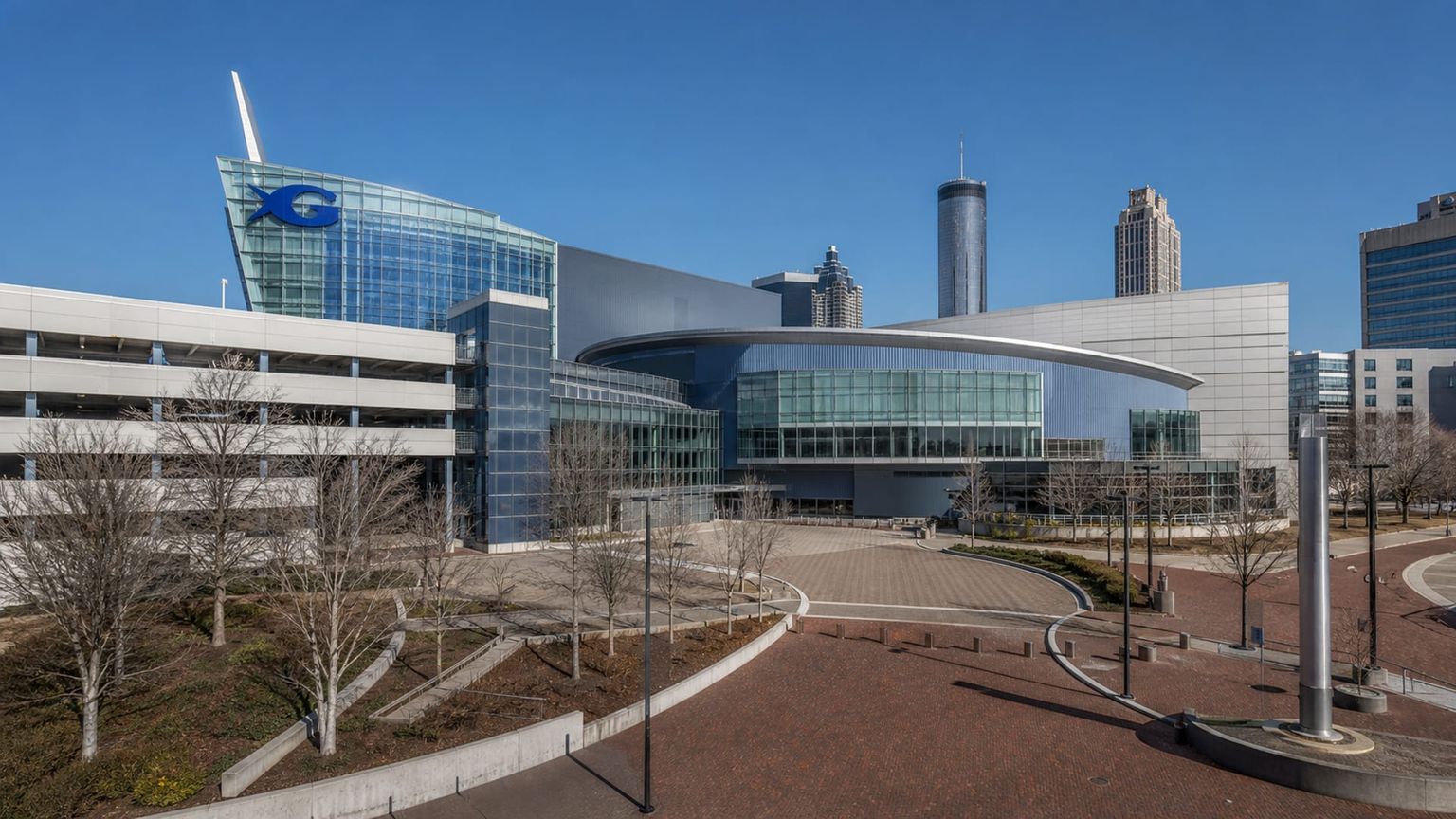
Downtown is Atlanta’s oldest central district, with the aquarium, convention halls, and major event venues clustered close together. It works well when your trip centers on big attractions, meetings, or a short stay with minimal cross-town travel.
Best for: Short stays, major attractions, convention travel, and event access
What to expect: Heaviest foot traffic near attractions and game days, with quieter stretches away from the main hotel and museum blocks.
Hotel prices: Usually about $150 to $280 per night for well-rated stays
Distance to major sights: About 10 minutes on foot to the Georgia Aquarium, about 15 minutes on foot to Centennial Olympic Park
Quietness: Daytime is active and tourist-heavy; evenings can thin out quickly once events end.
Main trade-off: The area is convenient for landmark visits, but some blocks feel empty after business hours and late-night dining choices are thinner.
Good to know: Check the exact block before booking, since a short walk can make a large difference in comfort after dark.
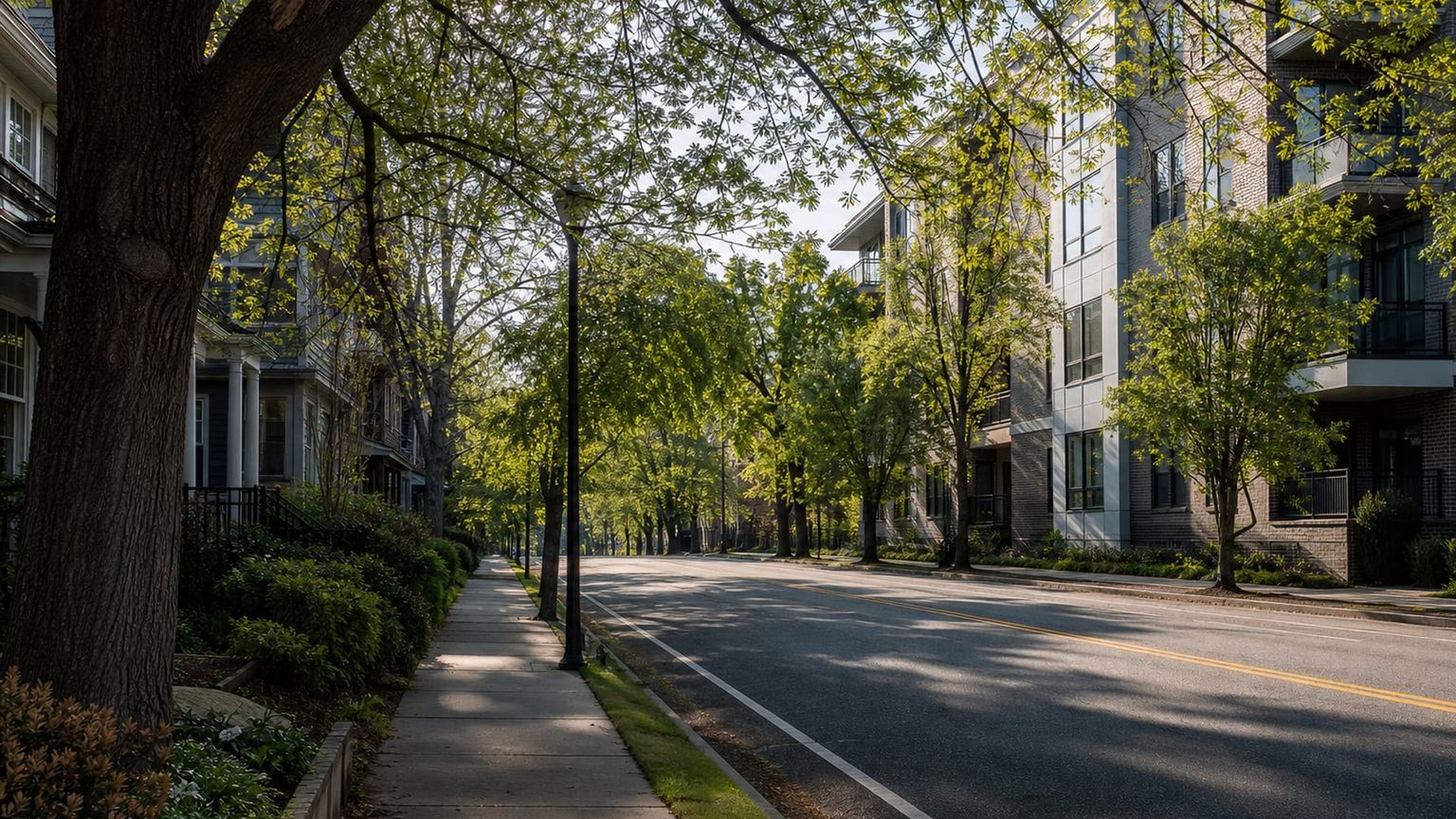
Old Fourth Ward mixes renovated warehouses, apartments, and a dense stretch of restaurants along the BeltLine. It matters for travelers who want a neighborhood feel near central attractions, with an easy walk to parks, bars, and casual dining.
Best for: Walking, dining, BeltLine access, and travelers who want a local neighborhood base
What to expect: Busy on BeltLine paths and restaurant streets, with more foot traffic in the evening and on weekends.
Hotel prices: Usually about $170 to $300 per night for well-rated stays
Distance to major sights: About 15 minutes by transit to Centennial Olympic Park, about 20 minutes on foot to Ponce City Market
Quietness: Livelier in the evening near bars and the BeltLine, while side streets away from those corridors are calmer.
Main trade-off: You may trade some quiet for walkability, and parking can be limited around the most popular blocks.
Good to know: Choose a place a few streets off the BeltLine if you want easier sleep without losing access to the dining strip.
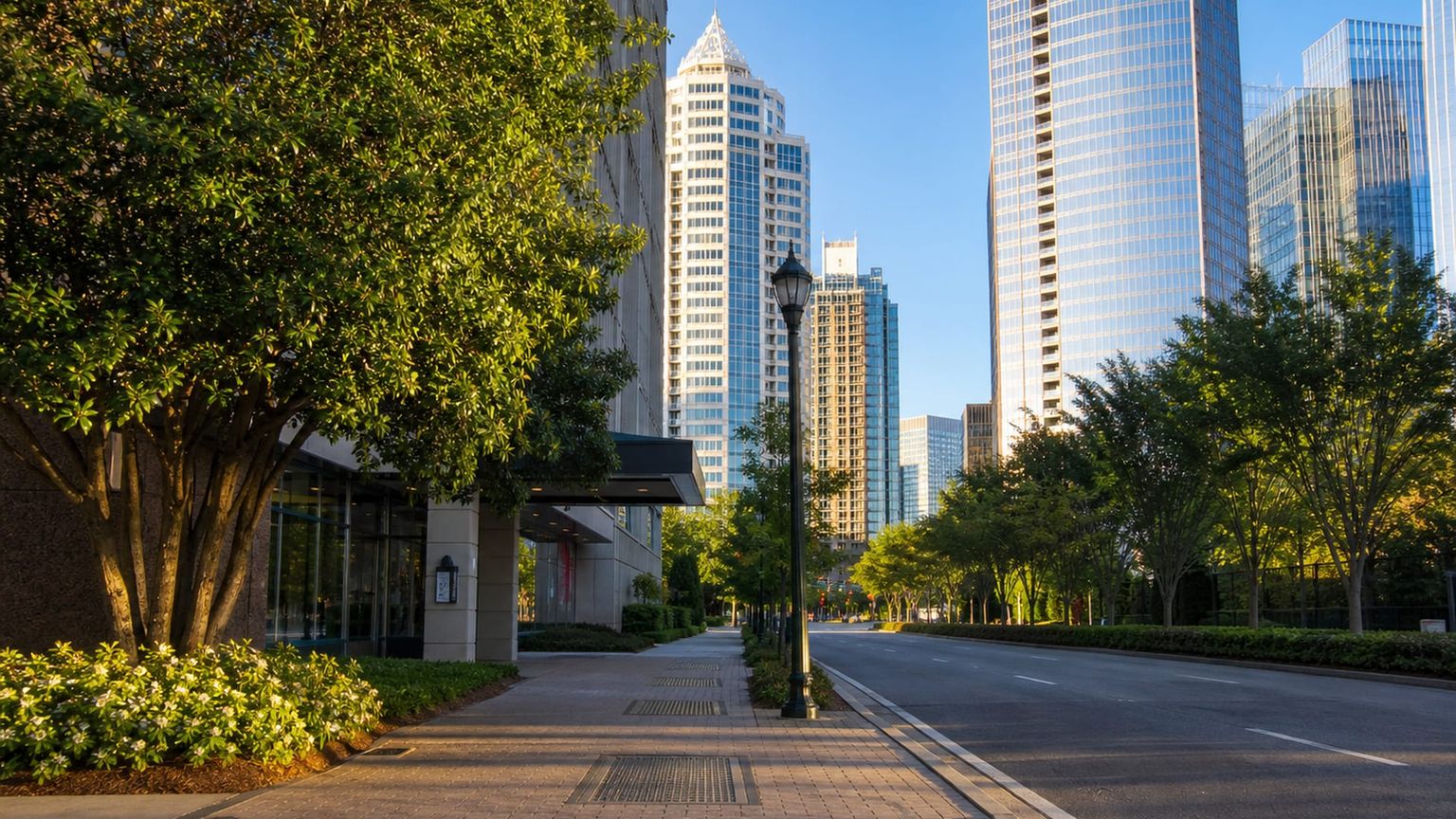
Buckhead is Atlanta’s upscale north side district, known for hotels, shopping centers, and a large concentration of restaurants. It suits travelers who want a polished hotel zone with quick access to malls, business meetings, and residential streets.
Best for: Shopping, upscale hotels, business trips, and travelers who prefer a northside base
What to expect: Busy around malls and commercial corridors, with heavy car traffic and a more spread-out street scene than central Atlanta.
Hotel prices: Usually about $190 to $360 per night for well-rated stays
Distance to major sights: About 20 to 30 minutes by MARTA to Midtown, about 25 minutes by car to the Georgia Aquarium
Quietness: Quieter on residential streets at night, while the main retail corridors stay active later.
Main trade-off: You gain hotel choice and dining variety, but you will spend more time on MARTA or rideshares to reach the main downtown sights.
Good to know: If your schedule includes meetings north of downtown, this area can cut cross-town travel better than staying near the core.
Travelers usually avoid staying in South Atlanta neighborhoods such as Lakewood, Campbellton Road, and parts of the West End, since they sit well south or west of the main visitor areas and have fewer hotel clusters near downtown, Midtown, and Buckhead. Parts of the airport corridor and suburban office districts like College Park and Perimeter Center can also be less convenient for sightseeing, because evenings often require longer rides to reach the city’s main attractions and dining streets.
Hotel deals
How to get around Atlanta efficiently
MARTA gives Atlanta a useful rail spine from Hartsfield-Jackson into downtown and Midtown, while buses, taxis, and ride apps fill the gaps between districts that sit farther apart.

Metro
for longer distances
MARTA’s rail system links Atlanta (ATL) Airport with downtown and Midtown on the Red and Gold lines, and a one-way fare is $2.50, valid for 3 hours. Trains run every few minutes at peak times, and the ride to Five Points takes about 18 minutes, while Midtown is roughly 25 to 30 minutes away. Use a Clipper-style reloadable Breeze card or the mobile app, then transfer within the validity window if you need a bus connection.

Bus and tram
for convenience
Atlanta’s bus network, also run by MARTA, fills the gaps that rail does not cover, with the 191 serving the airport and frequent routes reaching Buckhead, Midtown, and neighborhoods beyond the rail spine. A regular fare is $2.50, valid for 3 hours, and most routes run every 15 to 30 minutes on the core corridors, though headways thin in the evening and on Sundays. Pay with Breeze, tap in once, and check posted schedules because many suburban links stop well before late evening.

Taxi
for convenience or late hours
Atlanta taxis use metered fares rather than set airport tariffs, with a typical airport ride to downtown costing about $35 to $45 before tip, including the airport fee and surcharges, and Midtown often landing near $40 to $50. Licensed cabs queue at the airport taxi stand, street hails are less common outside the core, and most cars accept credit cards, though it helps to confirm before you leave the curb. Expect about 20 to 30 minutes to downtown in light traffic, longer in rush hour.
*Prices are based on rates updated as of June 2026 and may change at the time of travel.
Use MARTA for airport runs and core corridors, taxis or ride apps for point-to-point trips after dark, and walking for the BeltLine, Midtown blocks, and compact sightseeing days.
Iconic landmarks
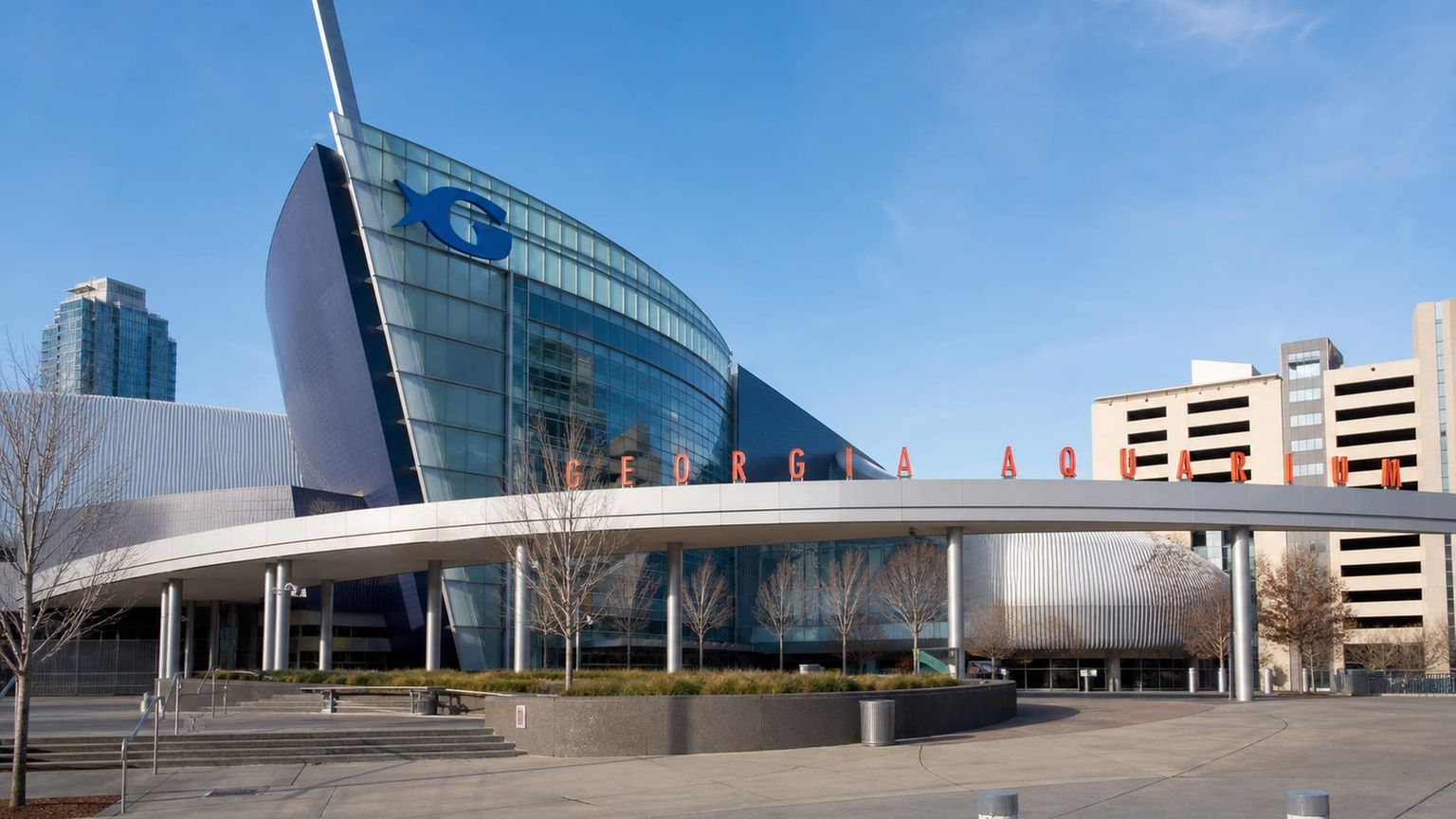
Georgia Aquarium
One of the world’s largest aquariums, Georgia Aquarium pairs whale sharks, beluga whales, and a huge open ocean gallery in downtown Atlanta. Plan extra time for the Ocean Voyager tunnel and the daily animal presentations.
Time needed: About 3 to 4 hours
Entry: Standard admission costs about $44.99 to $49.99 for adults, with lower prices for children and seniors; special exhibits cost extra. Visit the official site for details.
Tip: Arrive at opening if you want quieter galleries and better views at Ocean Voyager.
Martin Luther King Jr. National Historical Park
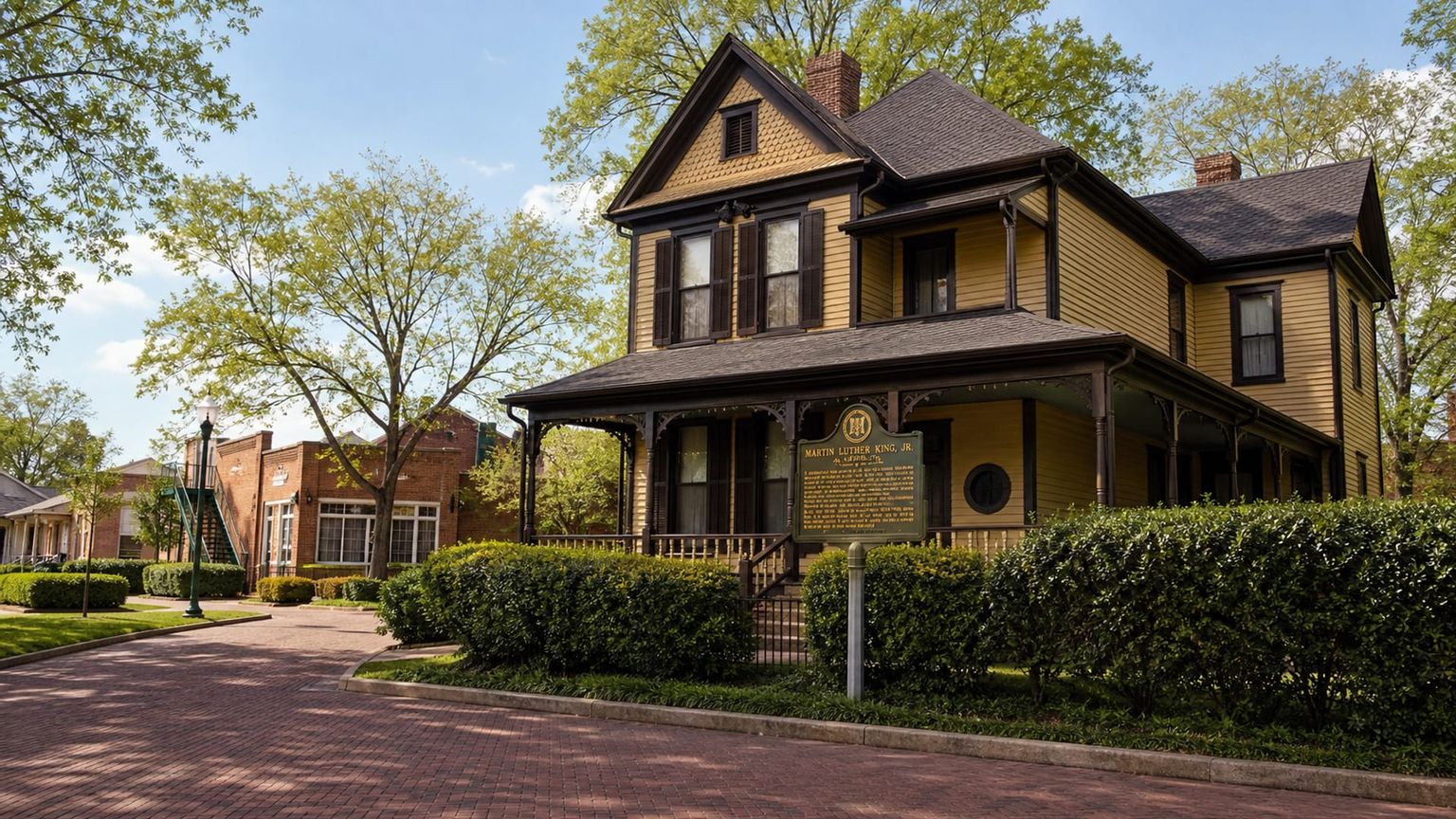
This historic district includes the Ebenezer Baptist Church, the King Center, and the preserved birth home of Dr. Martin Luther King Jr. The sites sit on Auburn Avenue, about 2 miles from downtown, and you can follow them on foot.
Time needed: About 2 to 3 hours
Entry: Free to access; some indoor sites use timed entry or ranger-led schedule limits, while parking and nearby tours may carry separate fees. Visit the official site for details.
Tip: Start early on weekdays, when the district is quieter and parking is easier to find.
Atlanta Botanical Garden
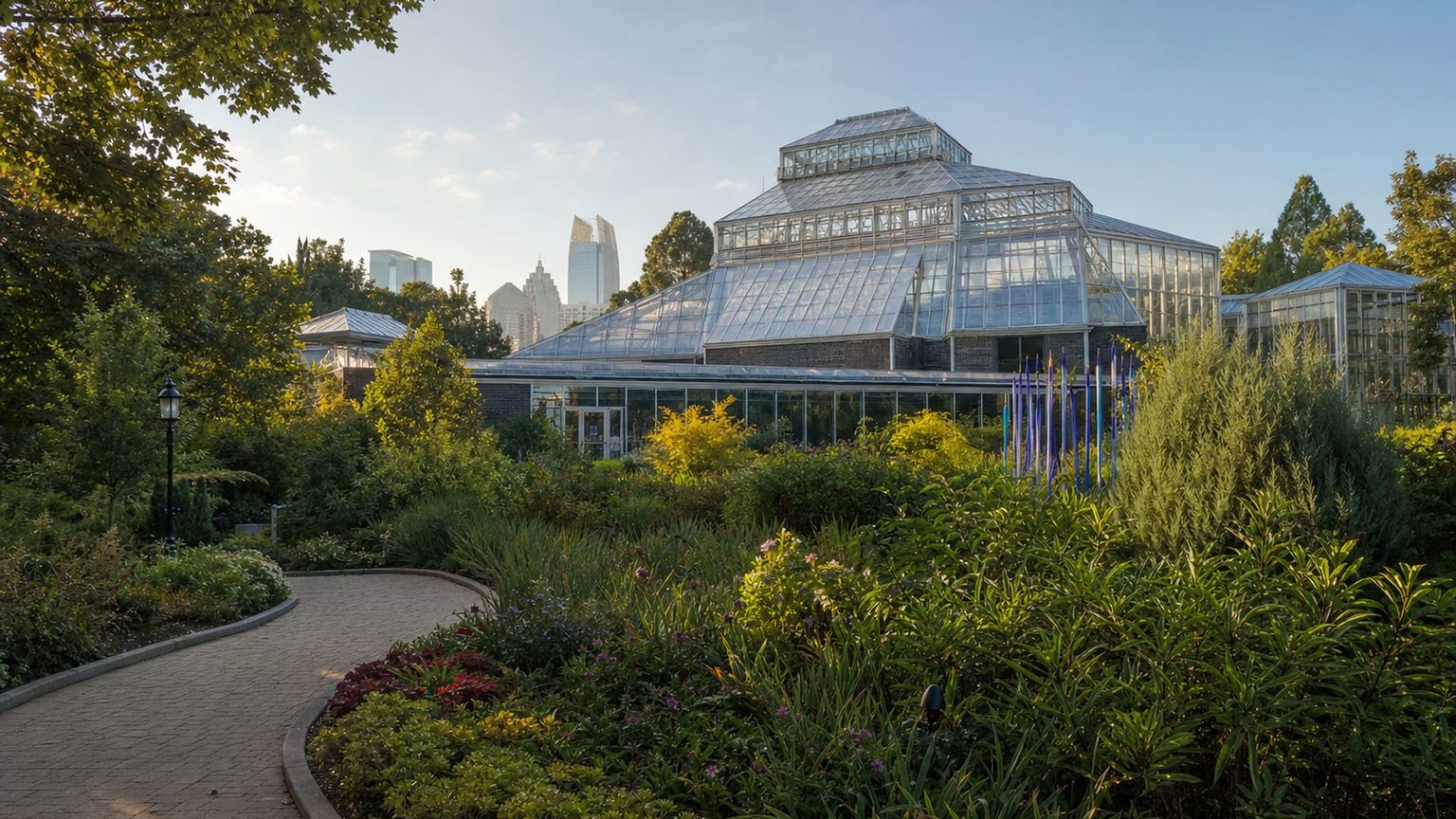
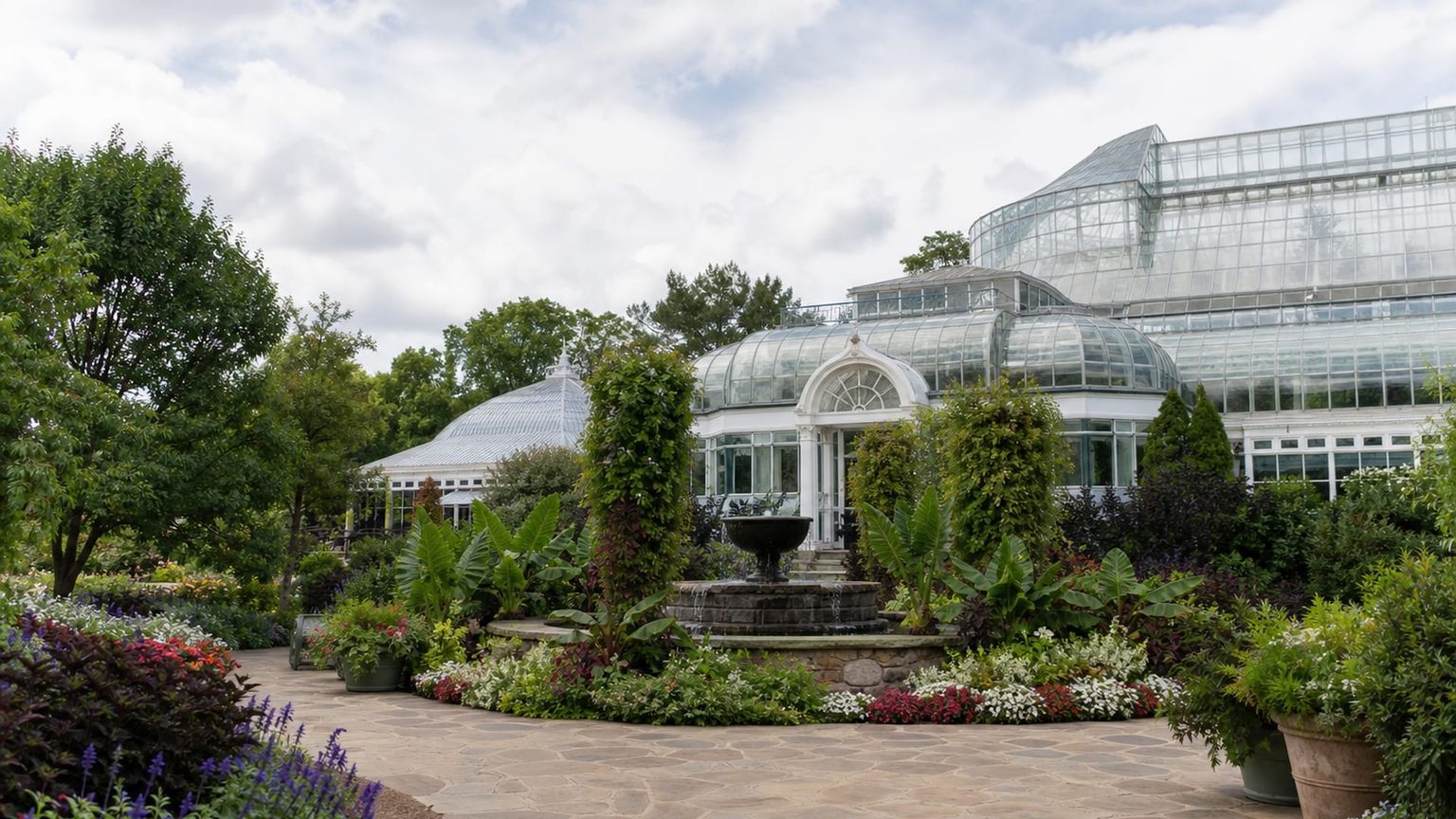
Atlanta Botanical Garden covers about 30 acres beside Piedmont Park, with glass conservatories, seasonal flower displays, and a suspension bridge through the treetops. It also hosts major art installations, so the experience changes with the calendar.
Time needed: About 2 to 3 hours
Entry: Tickets cost about $26.95 to $32.95 for adults, about $22.95 to $28.95 for children, and holiday nights can carry separate pricing. Visit the official site for details.
Tip: Go on a clear morning for softer light in the conservatories and on the canopy walk.
Overlooked sites worth visiting

Atlanta BeltLine Eastside Trail
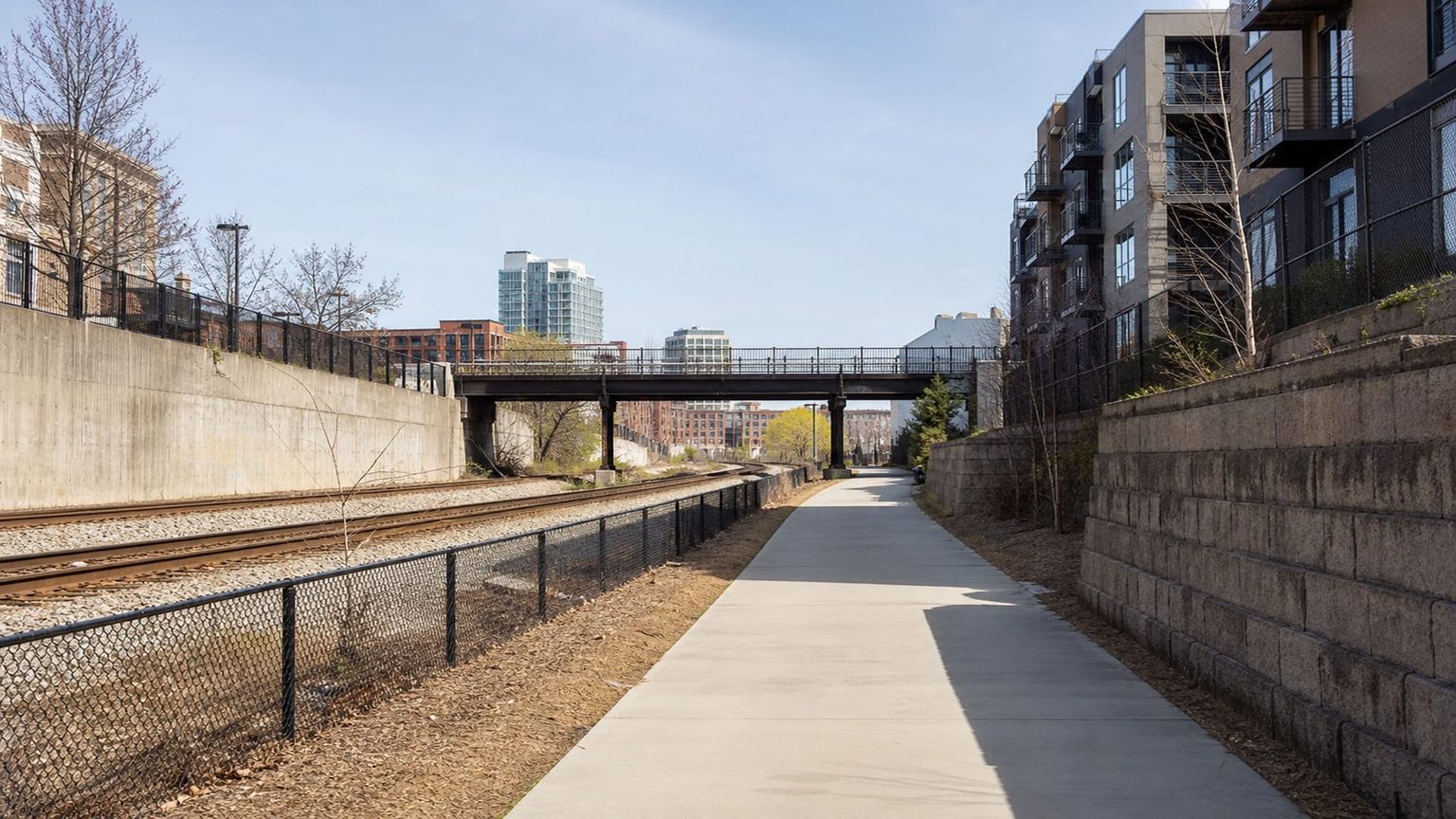
A shaded path links Ponce City Market, Historic Fourth Ward Park, and pocket parks with frequent murals along the way. Walk or bike early for cooler air and lighter foot traffic.
Time needed: About 1 to 2 hours
Entry: Free to access; bikes and scooters may be rented nearby, and nearby vendors, cafes, and restrooms are paid separately if you stop along the route.
Tip: Go near sunrise for softer light and fewer cyclists.

Atlanta Contemporary
This nonprofit museum in West Midtown shows rotating contemporary art in compact galleries, with installations that change often. It draws fewer visitors than Atlanta’s major museums and rewards a short, focused stop.
Time needed: About 1 hour
Entry: Suggested admission is $10 ($10), and pay-what-you-can entry is available; special events and some programs may carry separate fees, so check current listings before you go. Visit the official site for details.
Tip: Check current exhibitions before visiting, then plan one focused hour.
Traditional food
Atlanta food leans on Southern staples, with fried chicken, shrimp and grits, peach cobbler, and Brunswick stew showing up across both old-school counters and modern dining rooms.
Fried chicken
Crisp skin, seasoned crust, and juicy meat make fried chicken one of Atlanta’s most dependable comfort dishes. Busy local counters and chef-driven Southern rooms both treat it as a main event; Busy Bee Cafe is a classic place to start.
Shrimp and grits
Shrimp and grits balances corn, butter, and a savory pan sauce, which suits Atlanta’s Southern dining style well. South City Kitchen Midtown serves a widely respected version that anchors the dish in the city.
Peach cobbler
Peach cobbler brings baked fruit, syrup, and a biscuit or pastry topping to the table, often with vanilla ice cream on the side. The Colonnade has long been a reliable stop for a classic version in Atlanta.
Brunswick stew
Brunswick stew is a slow-cooked Southern staple with meat, vegetables, tomato, and a thick, hearty broth. Mary Mac’s Tea Room is a strong Atlanta choice for a bowl that fits the city’s traditional side of the menu.
Best time to visit Atlanta
Atlanta’s best months bring mild days and usable evenings, while summer pushes indoor plans and winter stays calm but cooler than many visitors expect.
Best for: Parks, gardens, and BeltLine walks
What you get: About 55°F to 80°F (13°C to 27°C), with comfortable crowds that rise during festival weekends
Trade-offs: April pollen can affect outdoor time
Best for: Museums, aquarium visits, and air-conditioned breaks
What you get: About 70°F to 92°F (21°C to 33°C), with heavier indoor crowds and frequent afternoon heat
Trade-offs: Humidity and thunderstorms can slow outdoor plans
Best for: Neighborhood dining, museum days, and clear walking weather
What you get: About 52°F to 82°F (11°C to 28°C), with moderate crowds outside major event dates
Trade-offs: Weekend traffic can rise around football and conventions
Best for: Museum-heavy itineraries and quieter city streets
What you get: About 34°F to 58°F (1°C to 14°C), with lighter crowds and occasional cold snaps
Trade-offs: Shorter daylight makes late outdoor walks less appealing
A realistic 5-day plan in Atlanta
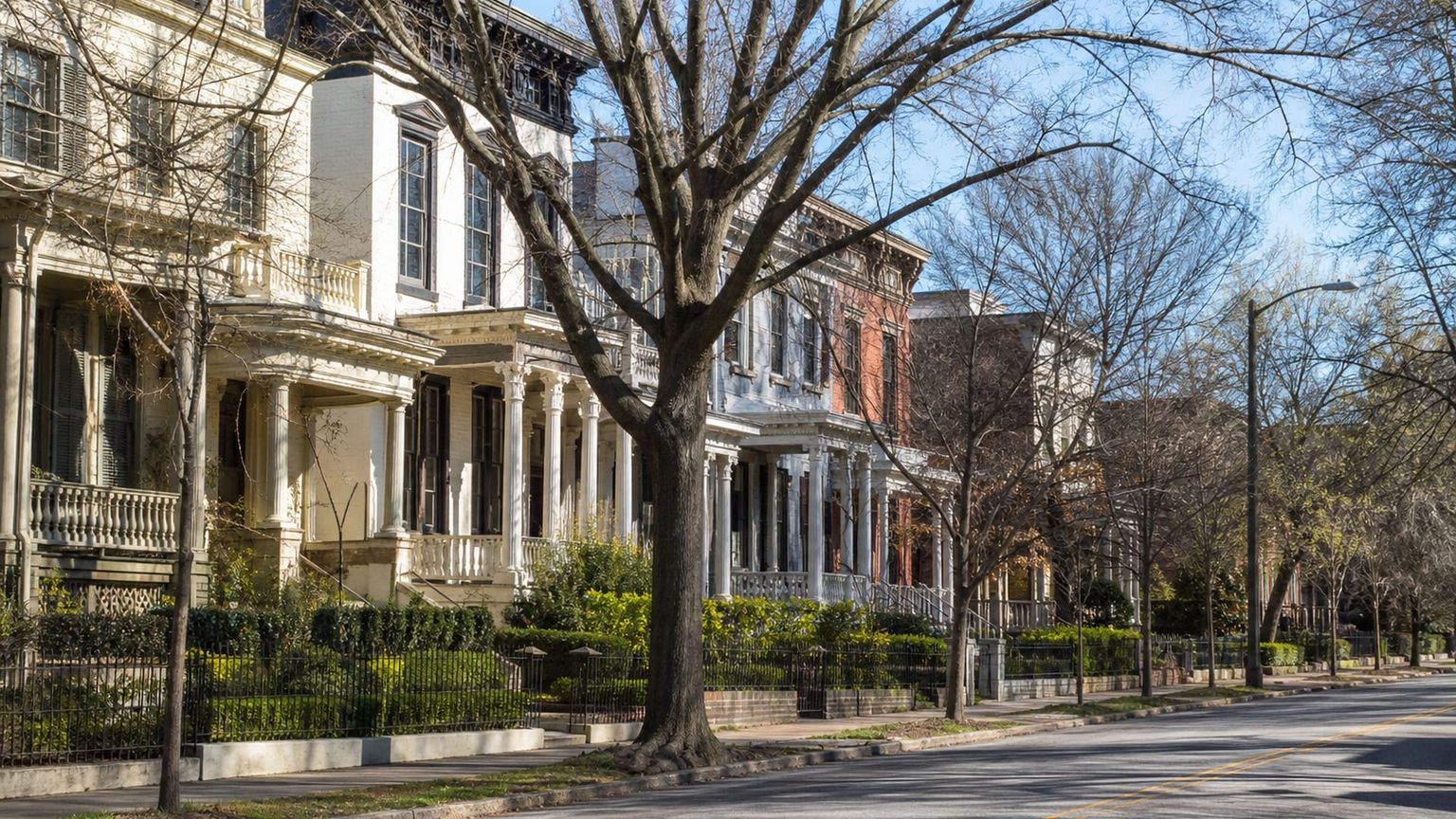
A good Atlanta plan groups the city by direction, not by wish list. Downtown, Midtown, Old Fourth Ward, and Buckhead each make more sense when you spend a full day in one area, then move on only when the next block of sights is nearby.
Land at Atlanta (ATL), then take a rideshare or MARTA into Midtown, roughly 20 to 30 minutes by car depending on traffic, or about 30 to 40 minutes by rail and a short walk; budget about $25 to $45 for a rideshare or about $3 for MARTA. Check in near Arts Center or Midtown station, drink water, and keep dinner close to the hotel at a neighborhood spot in Midtown so the first night stays easy after the flight.
Begin downtown at the Georgia Aquarium, where standard admission runs about $44.99 to $49.99 for adults and the visit takes about 3 to 4 hours. From there, walk about 10 minutes to Centennial Olympic Park for a break outdoors, then continue about 15 minutes on foot to the Martin Luther King Jr. National Historical Park, where the historic district deserves about 2 to 3 hours. If you want an unhurried finish, ride back to Old Fourth Ward in about 15 to 20 minutes by MARTA or rideshare for dinner along the BeltLine.
Start early on the Atlanta BeltLine Eastside Trail, especially near sunrise, then walk the shaded route for about 1 to 2 hours between Ponce City Market, Historic Fourth Ward Park, and the mural-lined stretches nearby. From Old Fourth Ward, it is about 20 minutes on foot to Ponce City Market, where you can break for lunch before moving on to the Atlanta Botanical Garden, about 10 to 15 minutes away by rideshare or roughly 25 minutes on foot through Midtown. Spend about 2 to 3 hours in the garden, including the conservatories and canopy walk, and time your visit for clearer light if the weather cooperates.
Head to the High Museum of Art if you want a museum-heavy morning in Midtown, then continue about 10 minutes away to Atlanta Contemporary for a shorter stop among rotating exhibitions. After lunch, go west to Buckhead for shopping and a late-afternoon walk through the district’s retail corridors, which usually take about 20 to 30 minutes by car from Midtown or about 30 to 40 minutes by MARTA. Finish with dinner in Buckhead, where hotel restaurants and standalone dining rooms give you plenty of late seating.
For a quieter last day, pair one final museum stop with a neighborhood café and a bit of shopping rather than a packed schedule. Atlanta Contemporary works well for a focused one-hour visit, and from there you can move back toward Midtown or Buckhead for a café lunch before a last browse through Buckhead’s malls or the smaller retail blocks near Midtown. Keep luggage storage close to your hotel, then head to the airport with enough time to clear security without rushing.
Business-class flights from the US to Atlanta
Atlanta’s long-haul options are clearest on the East Coast and from the West Coast, where one-stop itineraries can open up a wider fare spread than nonstop search results alone. The route shape matters as much as the airline name.
From New York, Delta Air Lines and United Airlines both post nonstop timings of about 2 to 2.5 hours, while Air Canada, Air France, Turkish Airlines, and Lufthansa also appear on one-stop options through AMS, CDG, FRA, IST, and LHR, with total travel often landing about 6 to 10 hours. From $1,200 to $2,800 round-trip.
Los Angeles itineraries usually run through Delta Air Lines, United Airlines, Air France, KLM, Lufthansa, or Turkish Airlines, and one-stop total travel can stretch about 8 to 13 hours through AMS, CDG, FRA, IST, or LHR, versus a nonstop trip of about 4 to 4.5 hours when available. Round-trip fares usually start at $1,500 and can reach $3,500.
Atlanta feels different when you slow down
The best Atlanta trip has a clear center of gravity: Midtown for museums and MARTA access, downtown for the aquarium and the King historic district, Old Fourth Ward for BeltLine walks, and Buckhead for a final dinner or shopping stop. That structure keeps the city legible without forcing every day into the same pattern. If you want help matching those neighborhoods to flights, hotels, or timing, the AranGrant experts can build the next step around your dates