

Chapters:

Need help with your trip?
Our support team is available 24/7. Request a callback or call us directly at (833) 619-0908
Many first-time visits to Kayseri follow the same shape, a quick stop by the castle, a meal built around mantı or pastırma, then a rush toward Erciyes. Travelers often miss how much time the city center, the bazaar, and the Seljuk monuments can fill if you slow down.
That approach can leave you crossing the same streets twice and compressing the day between airport transfers, short walks, and mountain planning. Kayseri rewards better timing than that, because distances are manageable but not trivial, and the old core works best when you move in order.
This guide sets out that order clearly, with where to stay, how to move, what to eat, and how to build five days without wasting daylight.
Useful things to know

Main language(s): Turkish
Merhaba (mehr-hah-bah) – Hello / good morning
Lütfen (loot-fen) – Please
Teşekkür ederim (teh-shehk-kur eh-deh-reem) – Thank you
İngilizce konuşuyor musunuz? (een-gi-leez-jeh koh-noo-shoo-yor moo-soo-nooz) – Do you speak English?
Ne kadar? (neh kah-dar) – How much does it cost?

Currency: The local currency is the Turkish lira (TRY, ₺).

Cash and cards: Cards and contactless are widely accepted; carry about 500 to 1,000 TRY ($15 to $30) in cash for taxis and small shops.

Tipping: Round up the bill, and leave about 5-10% in nicer restaurants if service is good.

Traditional food: Mantı, pastırma, yağlama, Kayseri tava

Water and coffee costs: Water about 20 TRY ($1), bar espresso about 80 TRY ($2.50).

Taxis and ride apps: BiTaksi and Uber operate here, though some rides are metered taxis linked in the app.

Plug and voltage: Type C/F socket, 230V

Dining and shop opening hours: Breakfast runs about 07:00-10:00, lunch 12:00-14:00, and dinner 19:00-22:00. Many places serve tea and dessert later, while some kitchens close between meals.

Emergency number: 112 covers police, fire, and ambulance.
Where to stay in Kayseri
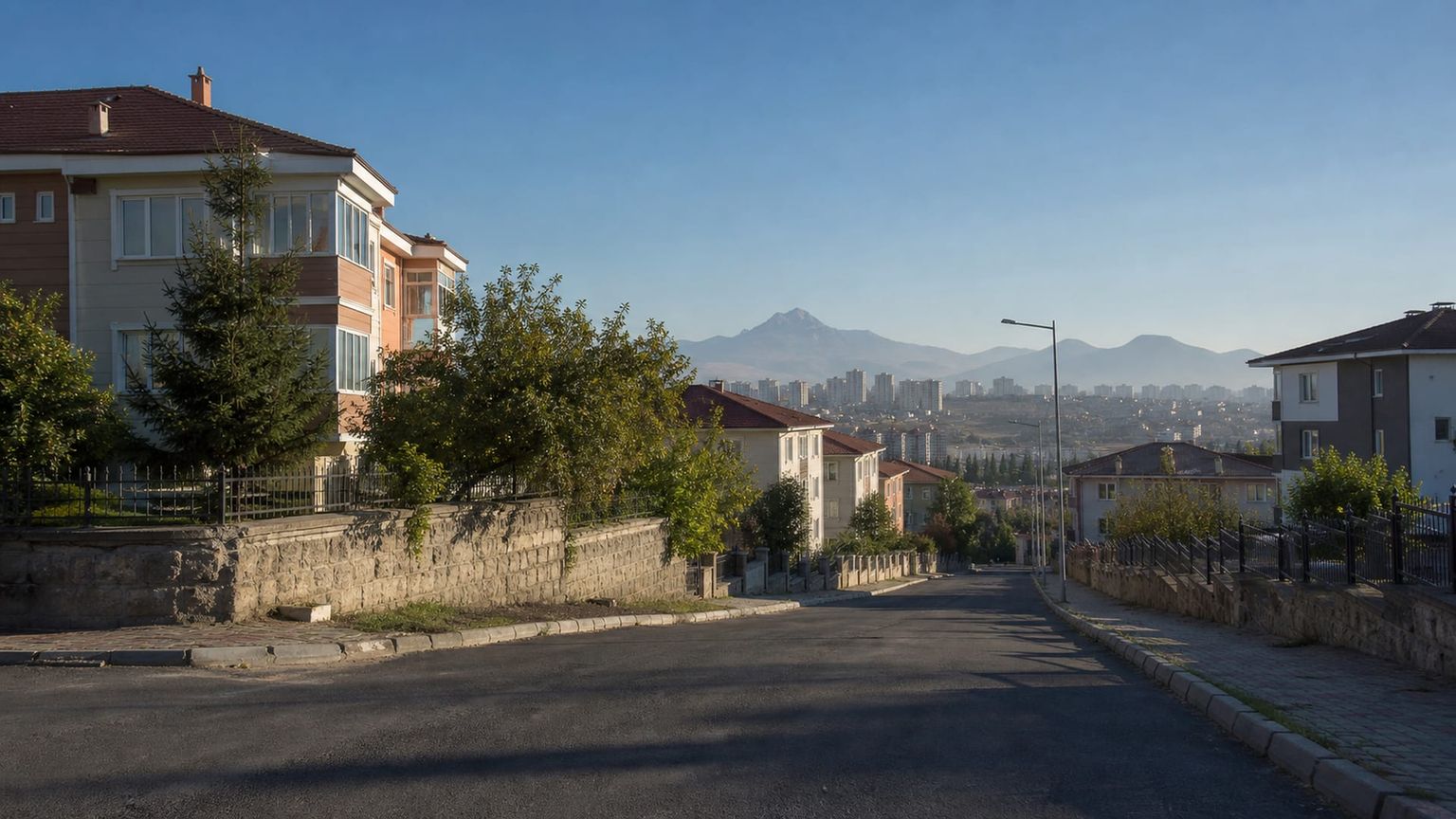
Kayseri’s western residential district has tree-lined streets, newer apartments, and a large student population. It gives you access to cafés, shopping centers, and an easy drive or bus ride into the historic core.
Best for: Longer stays, families, and travelers who prefer modern lodging with everyday amenities
What to expect: Expect apartment blocks, neighborhood bakeries, campus activity, and steady local traffic rather than a tourist crowd.
Hotel prices: Usually about $40 to $90 per night for well-rated stays
Distance to major sights: 20 to 30 minutes by bus or taxi to Kayseri Castle and the old bazaar
Quietness: Quieter in the evening than in the daytime, with more activity near main roads and shopping streets.
Main trade-off: You will spend more time getting to the Seljuk and Ottoman sights, and the most atmospheric evening streets are not in this district.
Good to know: Choose it if you want larger rooms and easier parking; just plan on taxi or bus rides for most sightseeing.
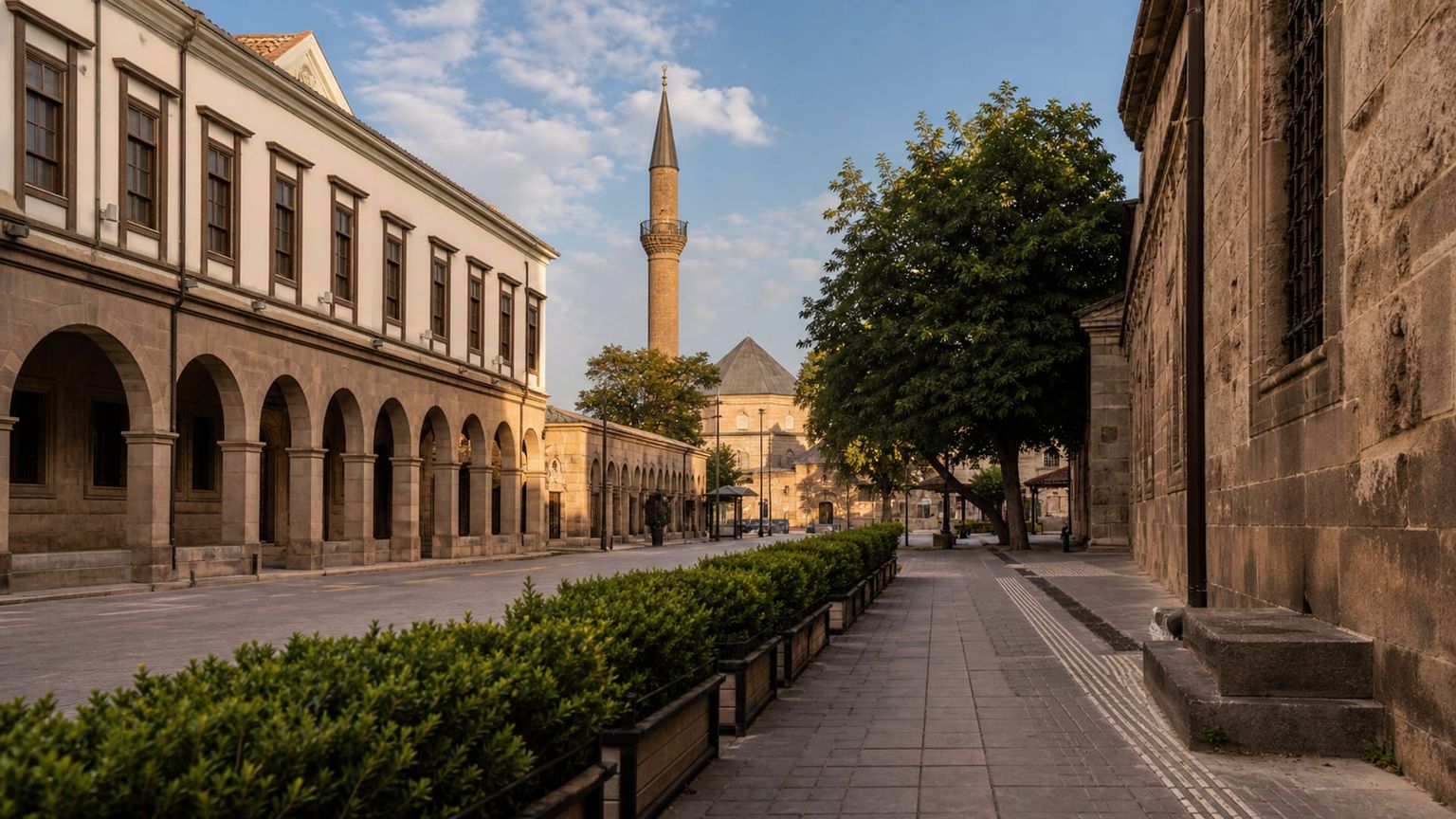
The center places you near Kayseri Castle, the old bazaar, and the city’s main commercial streets. It works well for short stays because many restaurants, shops, and transit links sit within an easy walk.
Best for: First-time visits, short stays, dining, and easy access to the main sights
What to expect: Expect active streets, frequent traffic, and the highest concentration of visitors, shops, and daily business.
Hotel prices: Usually about $45 to $110 per night for well-rated stays
Distance to major sights: 5 to 15 minutes on foot to Kayseri Castle and the old bazaar
Quietness: Busy during the day and still active in the evening, especially near the main avenues and market streets.
Main trade-off: Rooms near the core can cost more, and the busiest blocks bring traffic noise late into the day.
Good to know: If you plan early starts and late dinners, staying here cuts down on transit and makes it easier to return between outings.
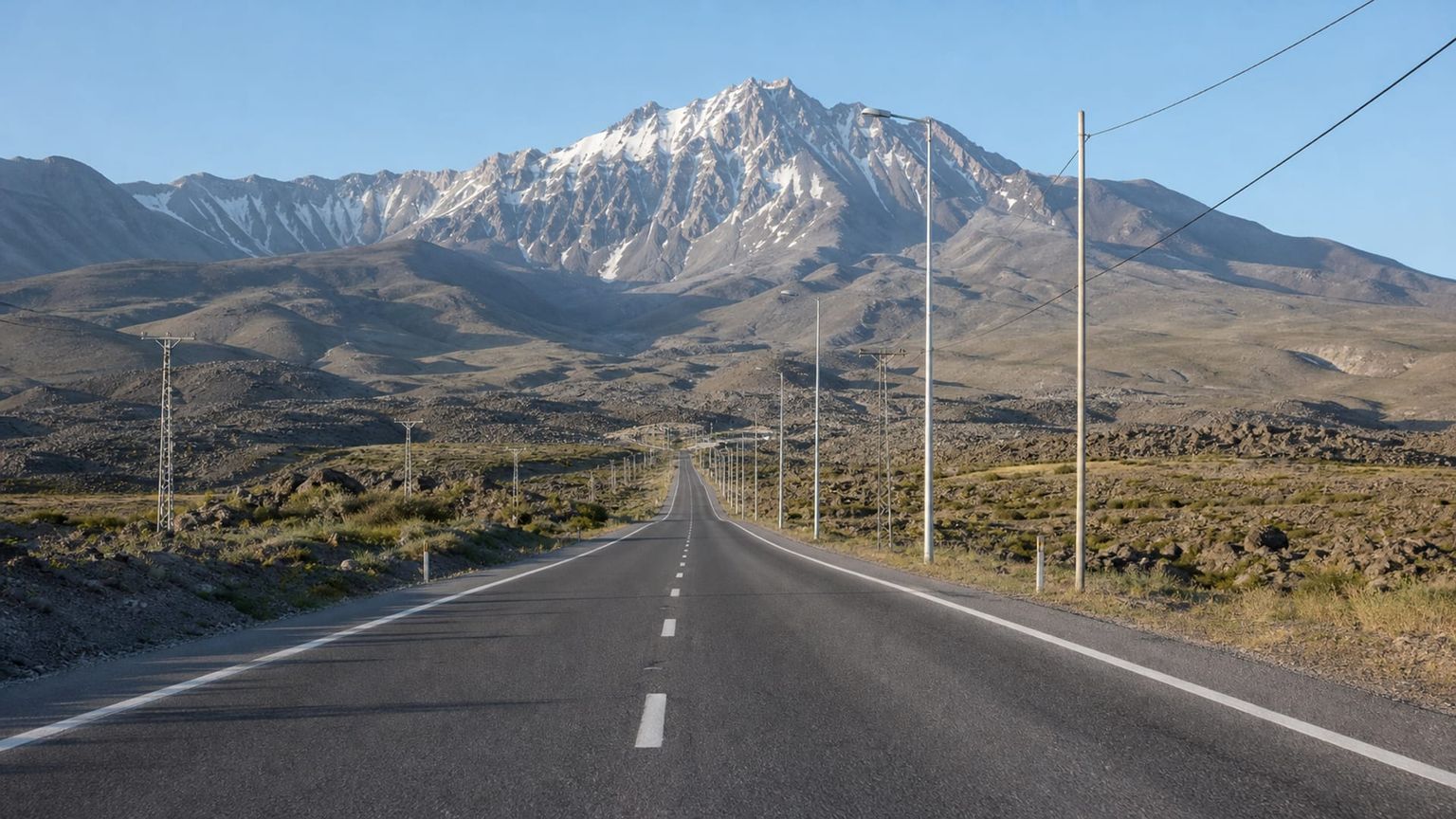
The corridor south of the center along the road toward Mount Erciyes has many hotels, resorts, and transit access for ski trips. It suits travelers who care more about the mountain than the city’s historic core.
Best for: Ski trips, mountain access, and travelers connecting quickly to Erciyes
What to expect: Expect roadside hotels, car traffic, and fewer evening options than in the central districts.
Hotel prices: Usually about $50 to $140 per night for well-rated stays
Distance to major sights: About 30 to 40 minutes by taxi to Kayseri Castle; roughly 35 to 50 minutes to Erciyes ski area transfer points
Quietness: Quieter after dark than the center, though the main road stays active with passing traffic.
Main trade-off: You gain easier access to the mountain but lose the convenience of walking to the old bazaar and central restaurants.
Good to know: Book here if your main plan is Erciyes, because the city center adds extra transfer time before and after ski days.
Travelers usually avoid Talas for a first stay because it sits outside the main city center, which makes evening trips to central sights less convenient. Mimarsinan, Erkilet, and Hacılar are also less convenient for visitors, since they are farther from the core sights and have fewer hotel, dining, and late-night transit options than central Kayseri.
Hotel deals
How to get around Kayseri efficiently
Kayseri’s tram line covers the main center-to-airport corridor, while buses and taxis fill the gaps once you move beyond the core streets.

Metro
for longer distances
Kayseri has no metro. The closest equivalent is the tram network, which links the city center with Talas, Kumsmall, and the airport corridor via key stops; a single ride typically costs about $0.25 to $0.35 (roughly ₺8 to ₺12), with reloadable cards and short transfer windows that vary by ticket type.

Bus and tram
for convenience
Trams and city buses cover the main travel corridors, with the tram line doing most of the heavy lifting between the center, university areas, and the airport side of town. Standard fares are usually about $0.25 to $0.35 (roughly ₺8 to ₺12) per ride, and fare cards are valid for the trip you load or for a brief transfer period depending on the product. Expect buses to fill in neighborhoods and districts that sit away from the rail line.

Taxi
for convenience or late hours
Licensed taxis are metered in Kayseri, and fares usually start at a flag drop of about $0.90 to $1.20 (roughly ₺30 to ₺40), then rise by distance and waiting time. A ride from Kayseri Airport (ASR) to the city center typically lands in the roughly $8 to $15 range, depending on traffic and the exact district. You can hail one on the street, use a rank, or ask your hotel to call one; cash is common, and some drivers accept cards, though it is best to confirm before departure.
*Prices are based on rates updated as of June 2026 and may change at the time of travel.
Use the tram for the center and airport corridor, buses for outer neighborhoods, and taxis when you need door-to-door timing for late arrivals or Erciyes day trips.
Iconic landmarks
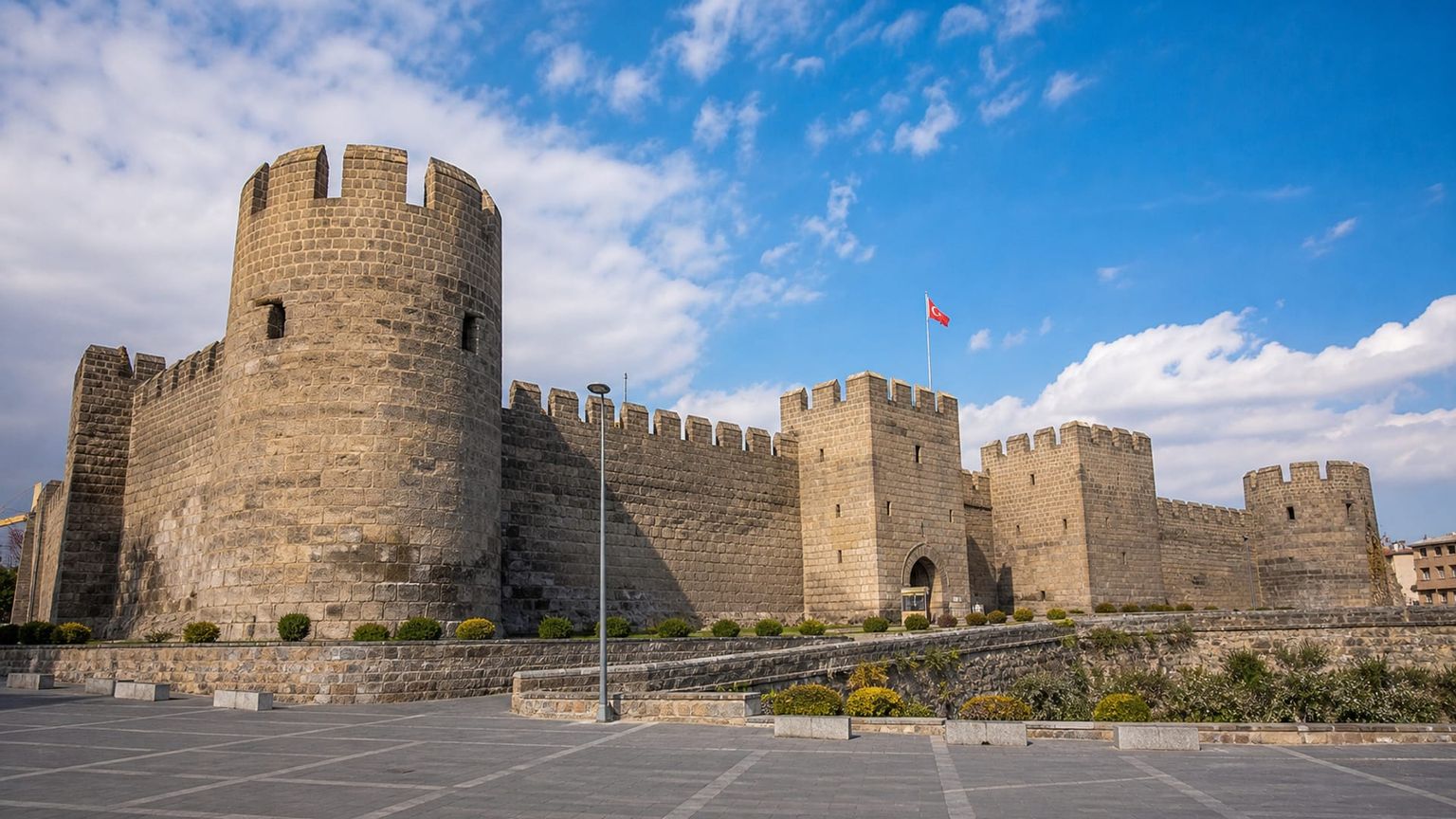
Kayseri Castle
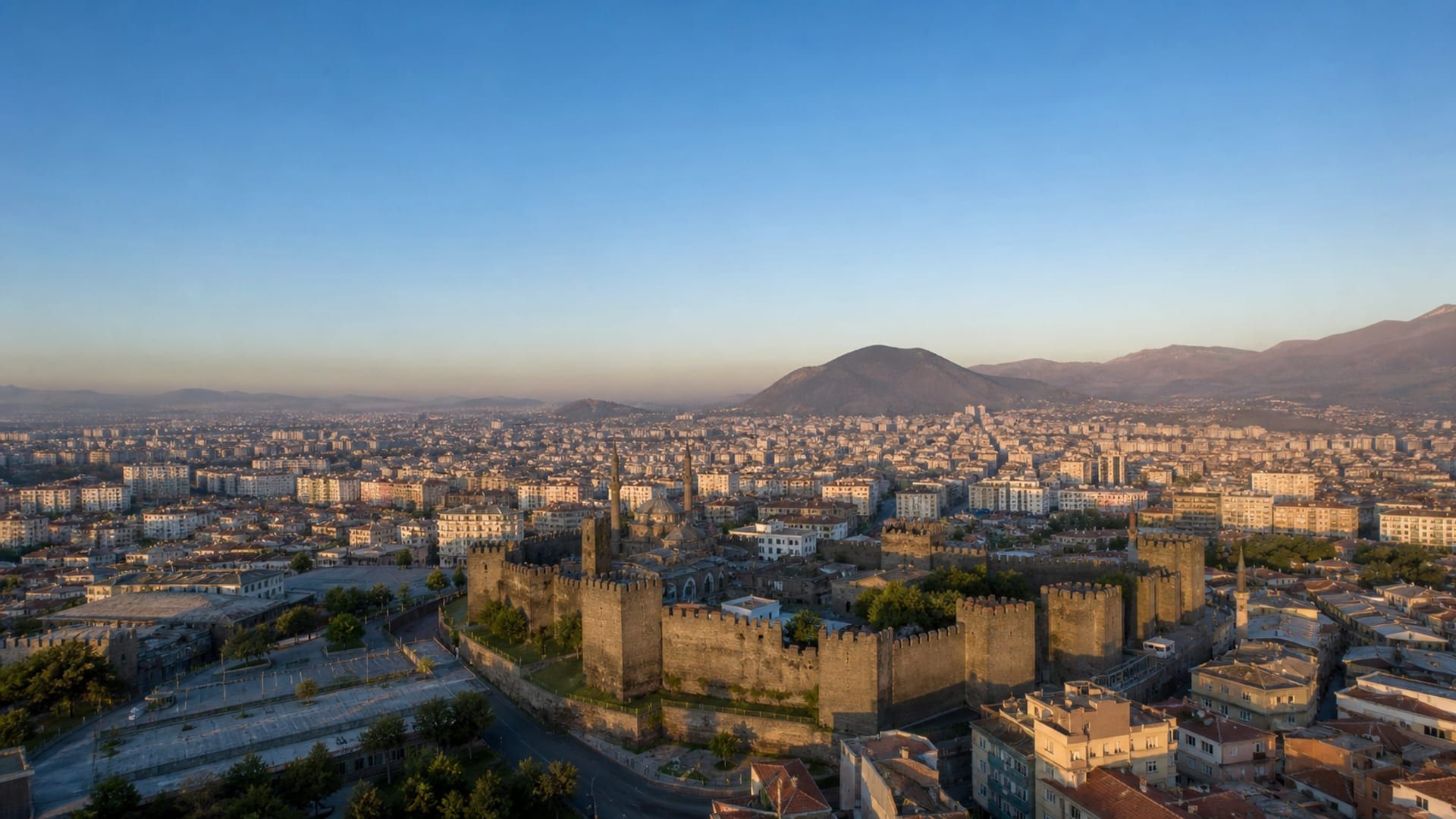
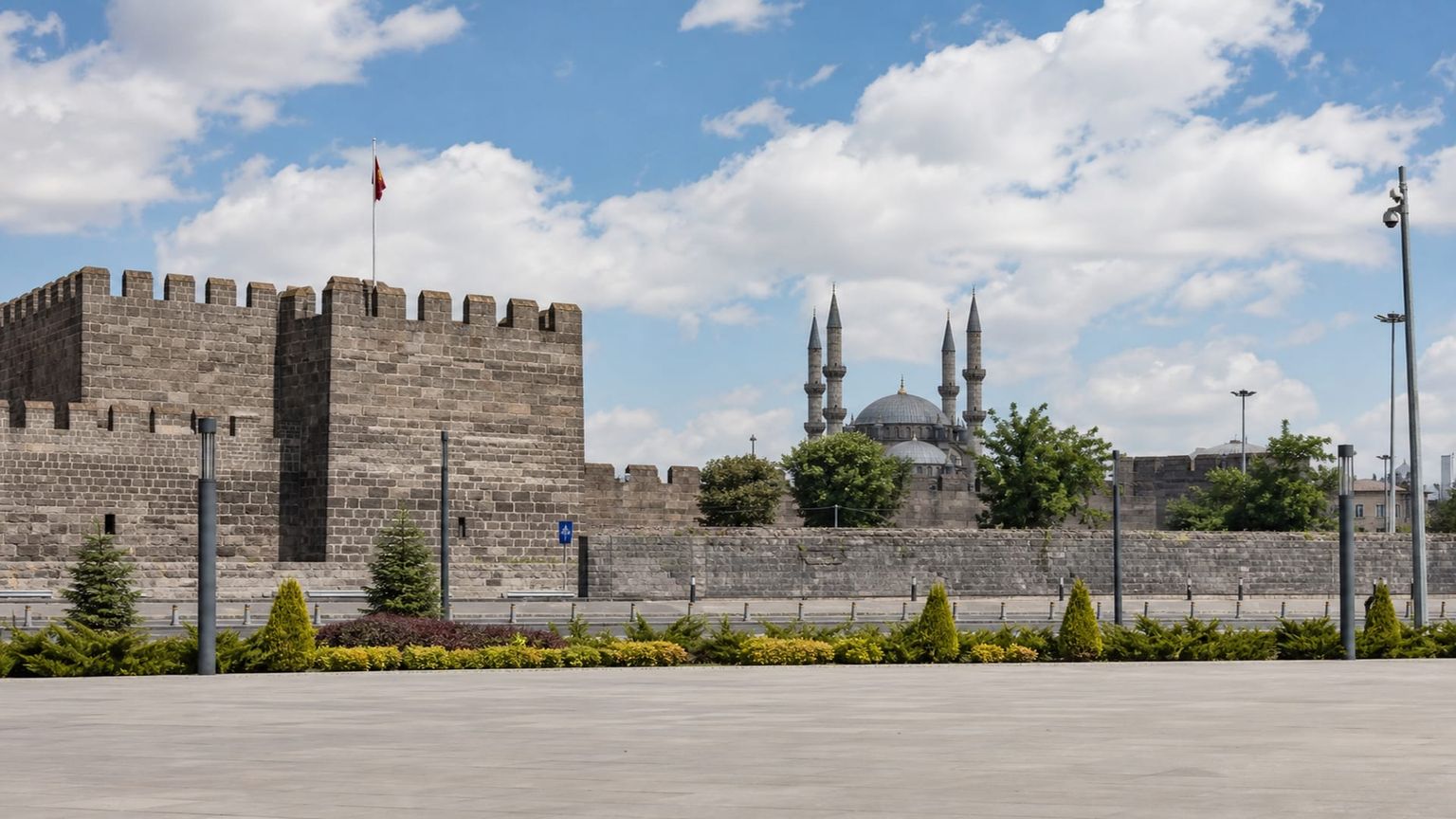
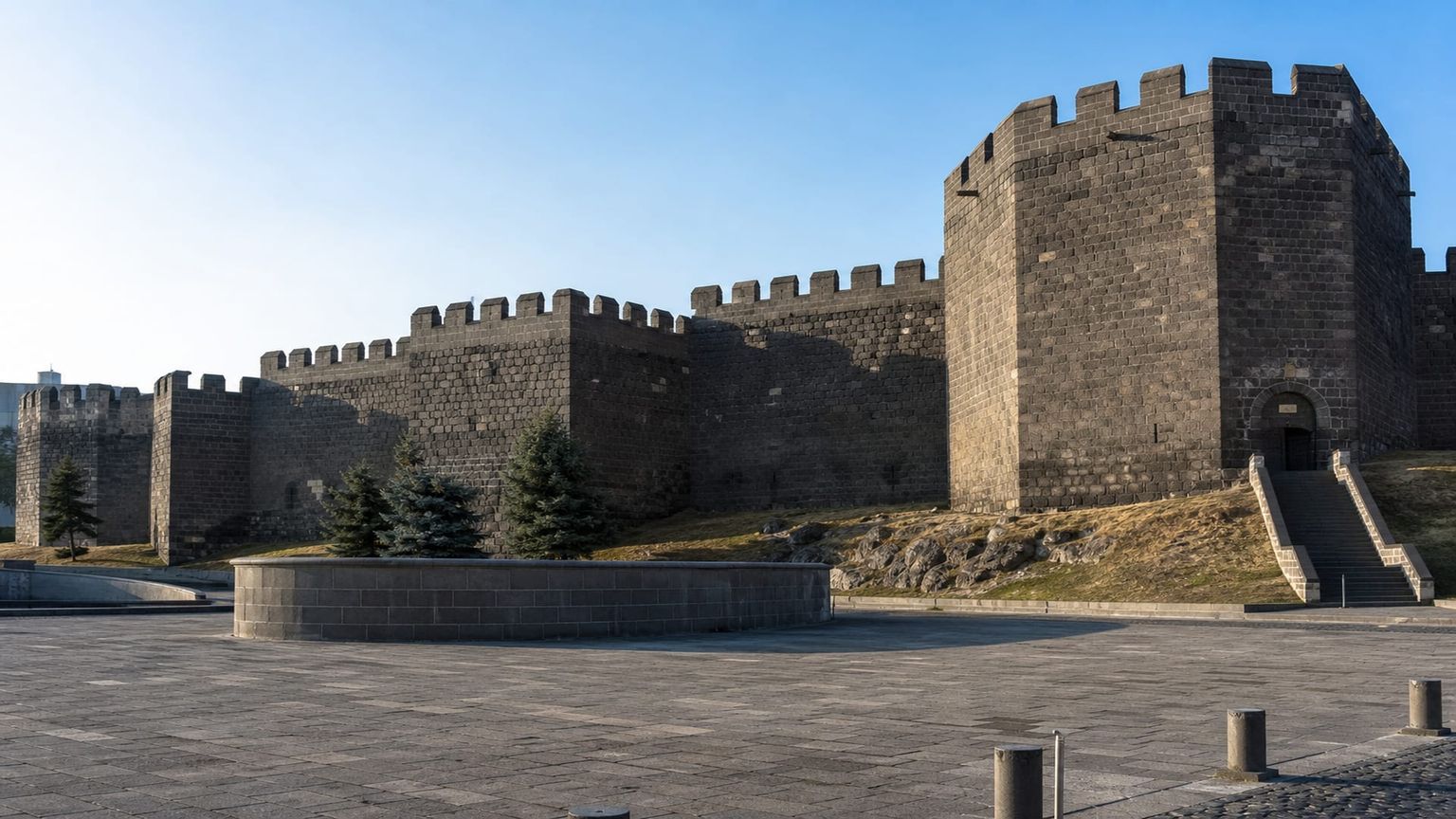
This Seljuk-era citadel anchors the old center with thick basalt walls, gated courtyards, and views over Cumhuriyet Square. The site links directly to the city’s layered history, from Roman foundations to Ottoman repairs and reuse.
Time needed: About 1 to 2 hours
Entry: Free to access; entry to the grounds does not require a ticket, and the outer walls and courtyards are open during normal daytime hours.
Tip: Visit in late afternoon for clearer light on the basalt walls and square.
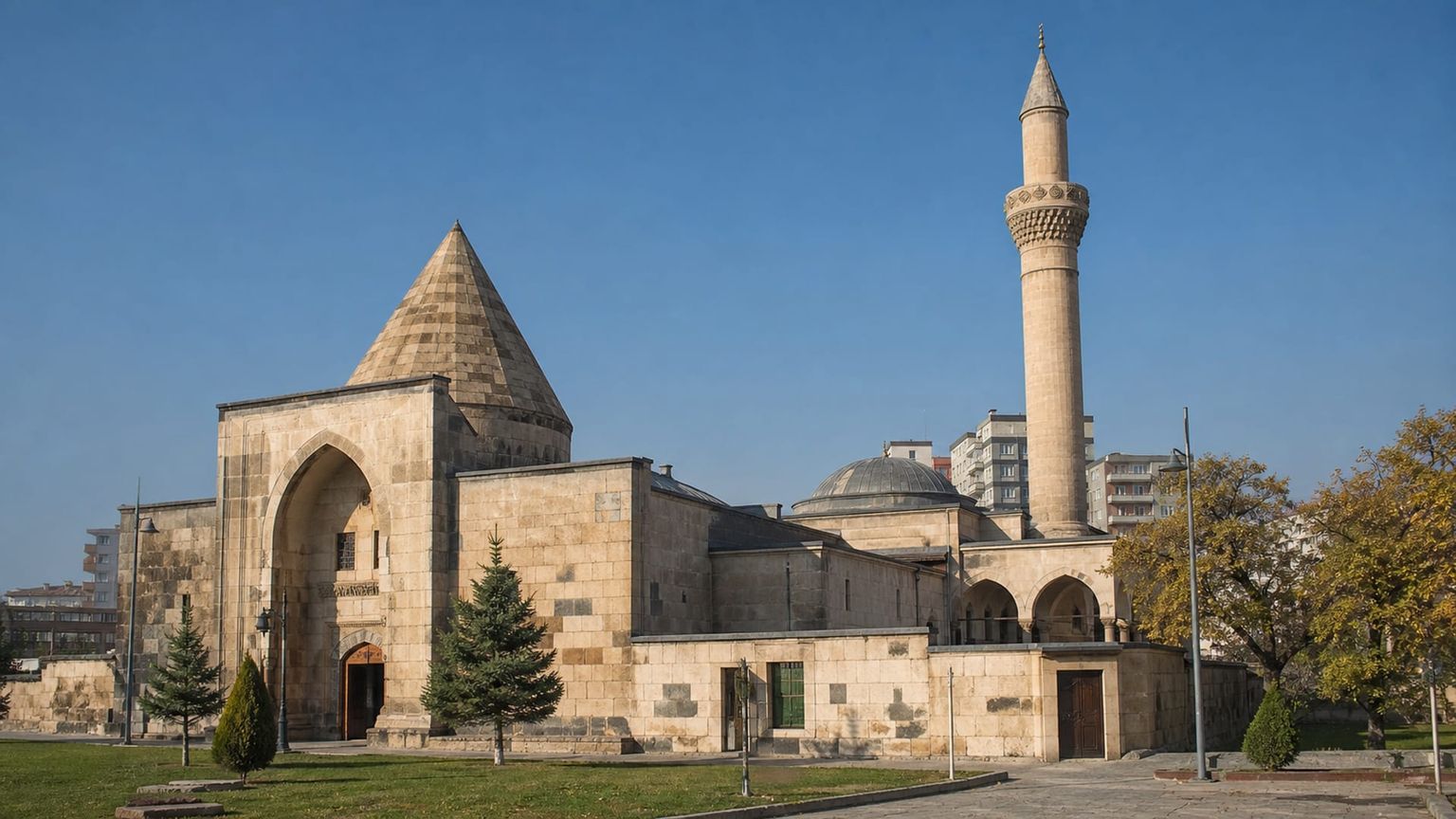
Hunat Hatun Complex
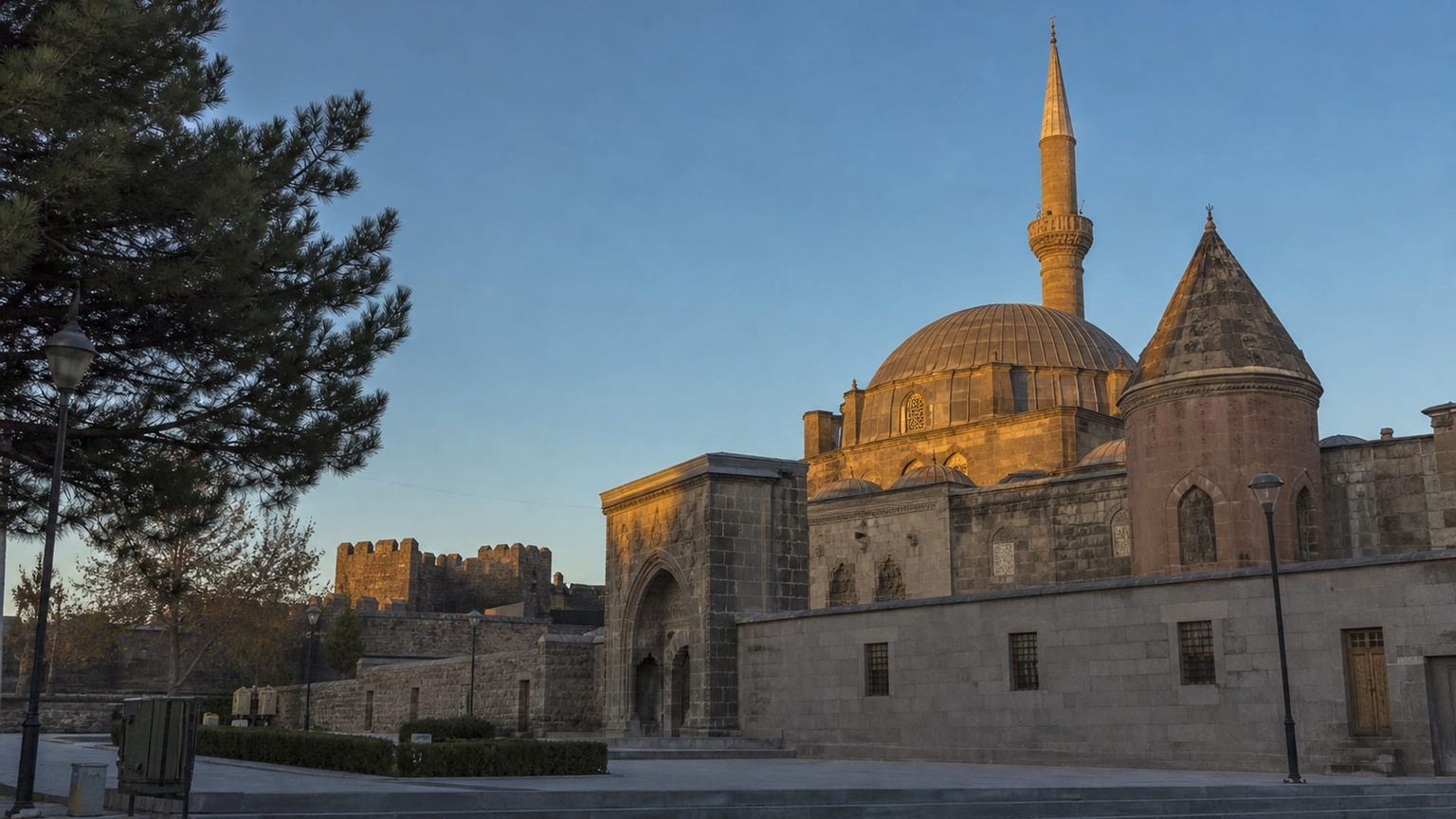
Built in the 13th century, this Seljuk complex brings together a mosque, medrese, hammam, and tomb in one compact block. Its carved stone portal and courtyard make it one of Kayseri’s best preserved medieval ensembles.
Time needed: About 1 to 2 hours
Entry: Free to access; the mosque, courtyard, and exterior complex areas can be visited without a ticket during prayer-safe visiting hours.
Tip: Go outside prayer times so you can see the courtyard and portal without disruption.
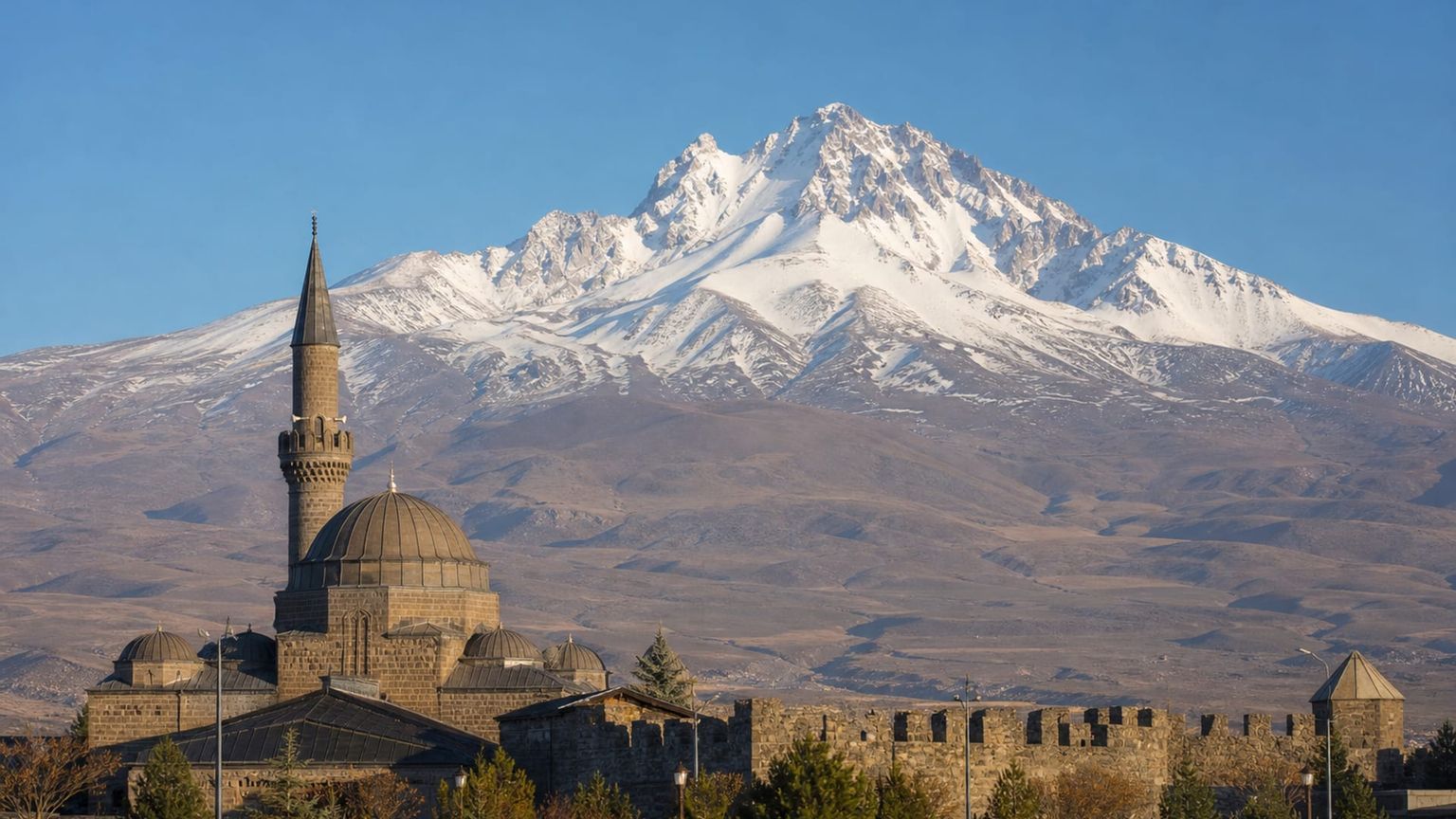
Mount Erciyes
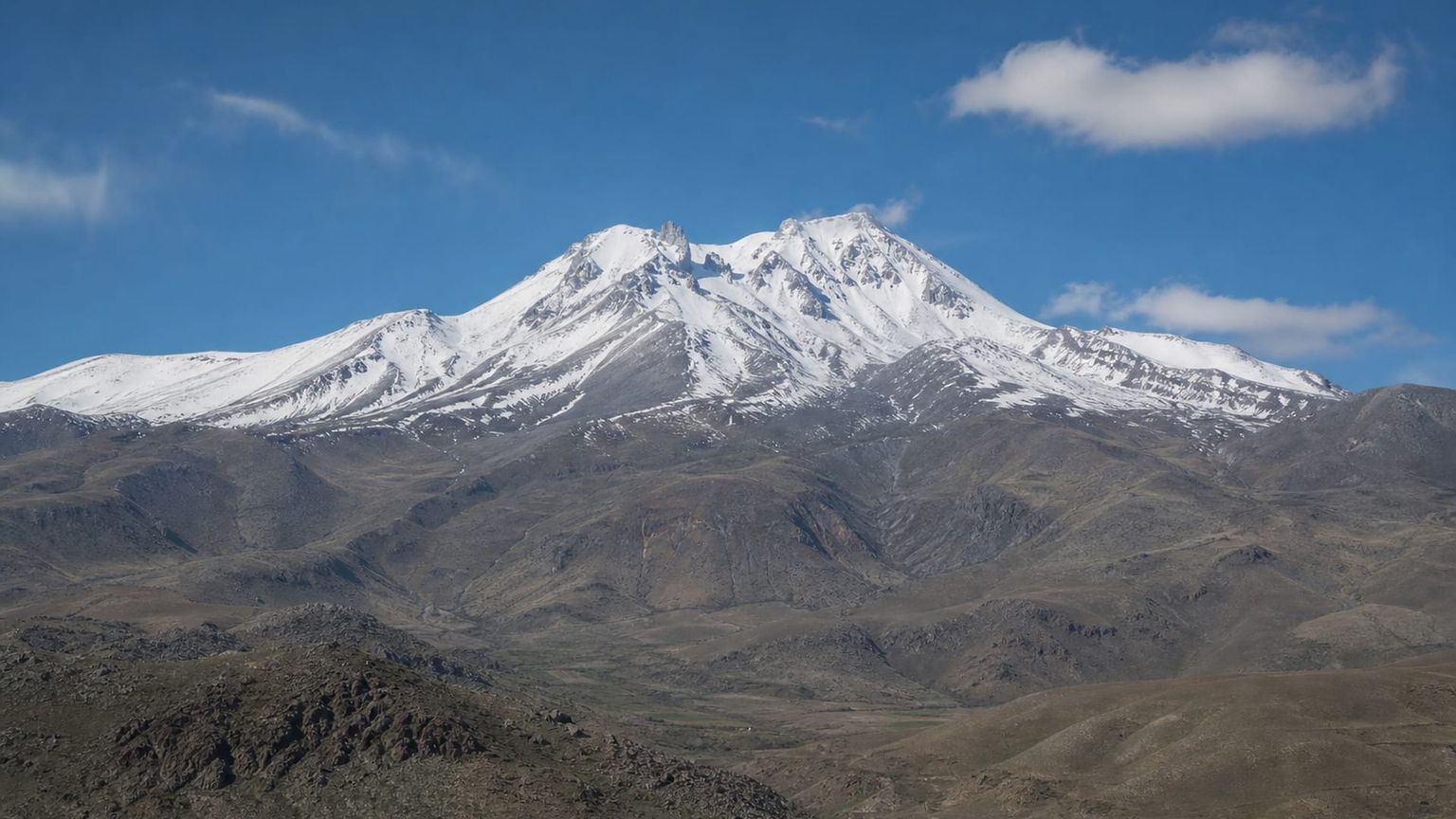
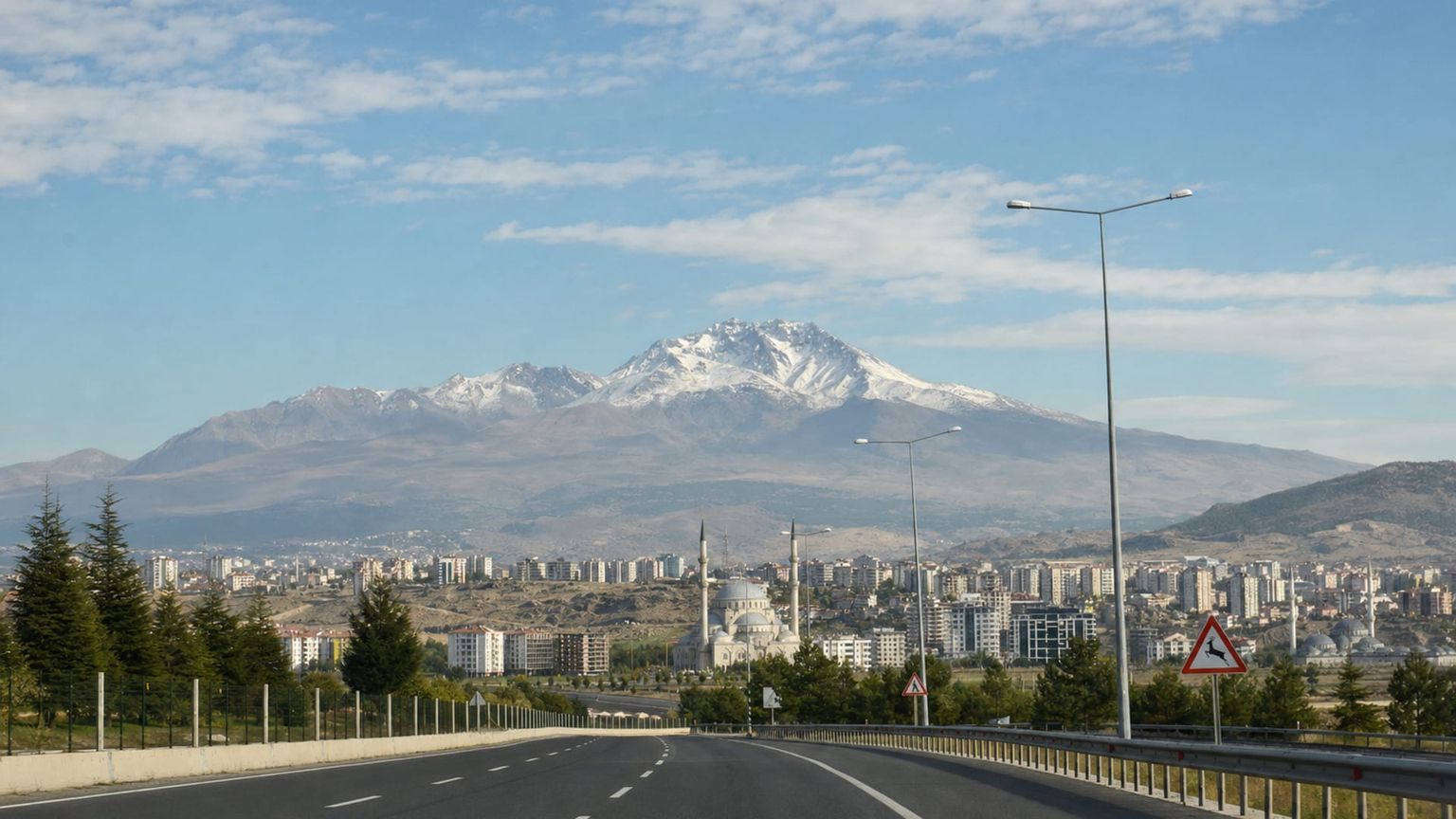
Rising south of the city, Mount Erciyes is Kayseri’s dominant landmark and the region’s main alpine destination. In summer, visitors come for high-altitude views and hiking; in winter, the slopes draw skiers to the resort area.
Time needed: About 4 to 6 hours
Entry: Access to the mountain area is free, while lift use, ski facilities, and guided activities at Erciyes Ski Center charge separate fees. Visit the official site for details.
Tip: Check the weather before you go, because visibility changes quickly at higher elevations.
Overlooked sites worth visiting

Erciyes Mountain Summit Road
A high mountain drive south of Kayseri, with volcanic views, grazing slopes, and pull-offs above the city. In summer, it gives a quiet look at Erciyes without using the ski resort base.
Time needed: About 2 to 3 hours
Entry: Free to access by private car or taxi; fuel, parking, and any hired driver costs are extra, and winter road conditions can add expense if chains or a 4×4 are needed. No ticketed entrance applies.
Tip: Go near sunset for the clearest city and mountain views.

Kültepe-Kanesh Karum ruins
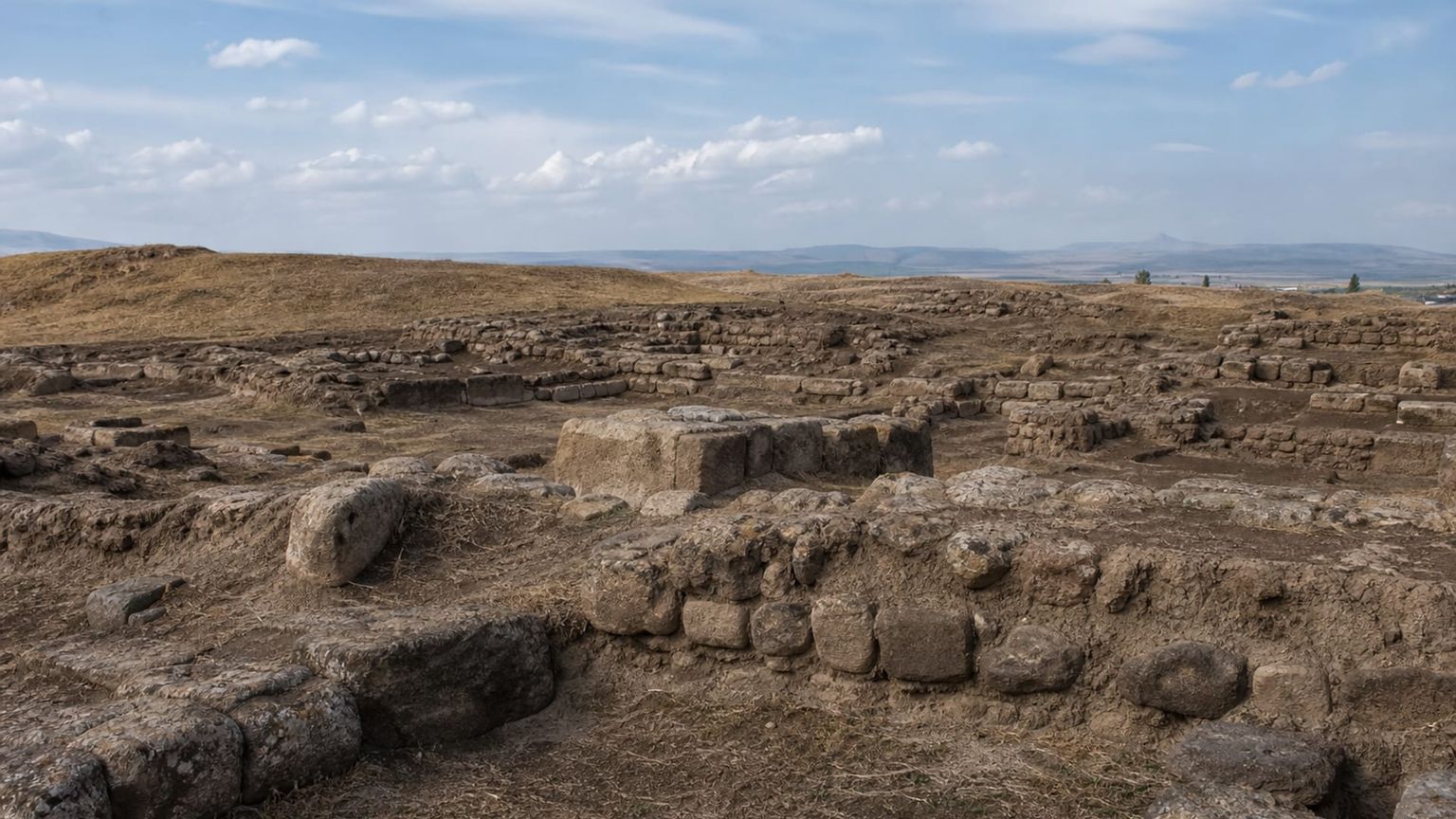
This archaeological site outside Kayseri shows the remains of an Assyrian trade colony with excavation areas and views across the plain. It suits a short cultural stop and pairs well with the city museum.
Time needed: About 1 to 2 hours
Entry: Admission is generally free to the open archaeological area, though access can vary with excavation work and site management; any guided visit, transport, or museum stop adds separate cost. Check before you go.
Tip: Visit in the morning, when the plain is cooler and easier to walk.
Traditional food
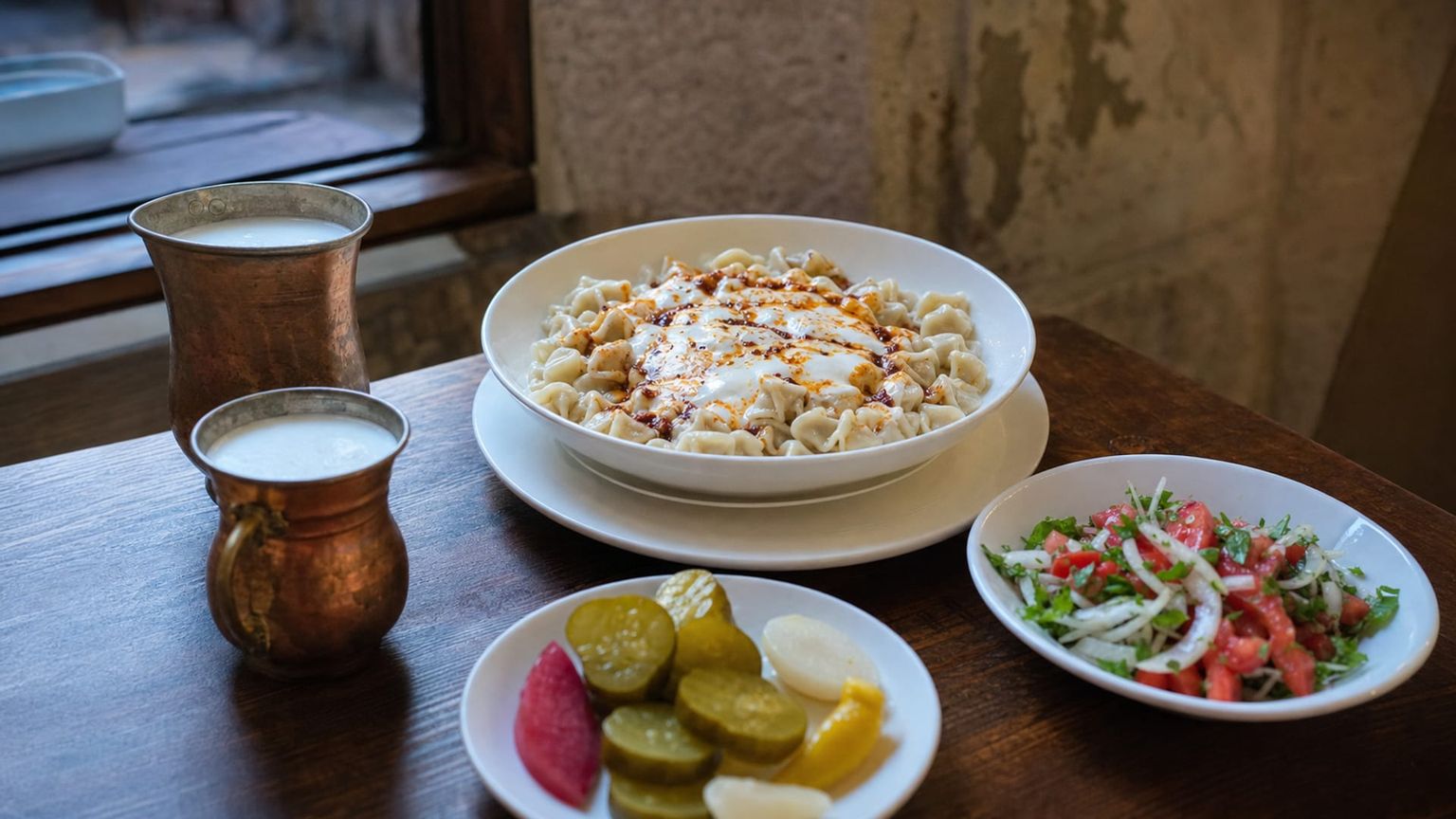
Kayseri cooking leans on wheat, lamb, butter, and cured meat, with mantı, pastırma, yağlama, and Kayseri tava showing up on menus all day. Meals are often paced with tea, dessert, and long pauses between courses.
Mantı
Tiny filled dumplings in yogurt and butter sauce, often finished with chili and dried mint. For a classic plate in Kayseri, Mehmet Usta Mantı stands out as a well-known stop in the city.
Pastırma
Cured beef seasoned with garlic, fenugreek, and spices, served sliced or folded into breakfast and lunch dishes. Elmacıoğlu İskender is a strong city pick for a meal that features Kayseri pastırma.
Yağlama
Layered flatbread with spiced minced meat and tomato sauce, usually brought to the table hot and shared. Kırkca Et Lokantası is a dependable address in Kayseri for trying the dish in its local form.
Kayseri tava
An oven-baked meat dish with peppers, tomatoes, and a rich pan sauce that reflects the city’s meat-and-vegetable cooking. Kaşık-La Kayseri Mutfağı is a fitting place to order it in town.
Best time to visit Kayseri
Kayseri shifts sharply by season, with hot, dry city days, cold winters, and mountain conditions at Erciyes that can change much faster than the weather in the center.
Best for: Castle walks, bazaar time, and mountain views before summer heat builds
What you get: About 50°F to 72°F (10°C to 22°C), with lighter crowds and comfortable walking weather
Trade-offs: Rain can interrupt a mountain plan and make the air feel cool after sunset
Best for: Early sightseeing in town and higher-elevation trips on Erciyes
What you get: About 63°F to 89°F (17°C to 32°C), with moderate crowds in the city and more visitors at the mountain base
Trade-offs: Afternoon heat makes midday walking harder in the center
Best for: Clear city days, market visits, and steady weather for mixed itineraries
What you get: About 45°F to 77°F (7°C to 25°C), with lighter crowds after summer and pleasant daylight hours
Trade-offs: Evenings cool down quickly, especially once you leave the center
Best for: Ski time on Erciyes and quiet city sightseeing between storm windows
What you get: About 21°F to 45°F (-6°C to 7°C), with low city crowds and the busiest mountain conditions
Trade-offs: Cold snaps and snow can slow transfers and limit open-air visits
A realistic 5-day plan in Kayseri
Five days give Kayseri enough room to show both its center and its mountain edge. The plan below starts with arrival, then moves through the castle district, Erciyes, Kültepe, and a final day for museums, shopping, and an easy departure.
Flying into Kayseri (ASR), take a taxi from Kayseri Erkilet Airport to the city center for about 20 to 30 minutes, or budget roughly $10 to $18. If you are staying in the center, check in near Cumhuriyet Square or the bazaar, then keep dinner close to the hotel with a simple meal and water before an early night. Talas works better only if you want a quieter residential base and do not mind a longer ride after landing.
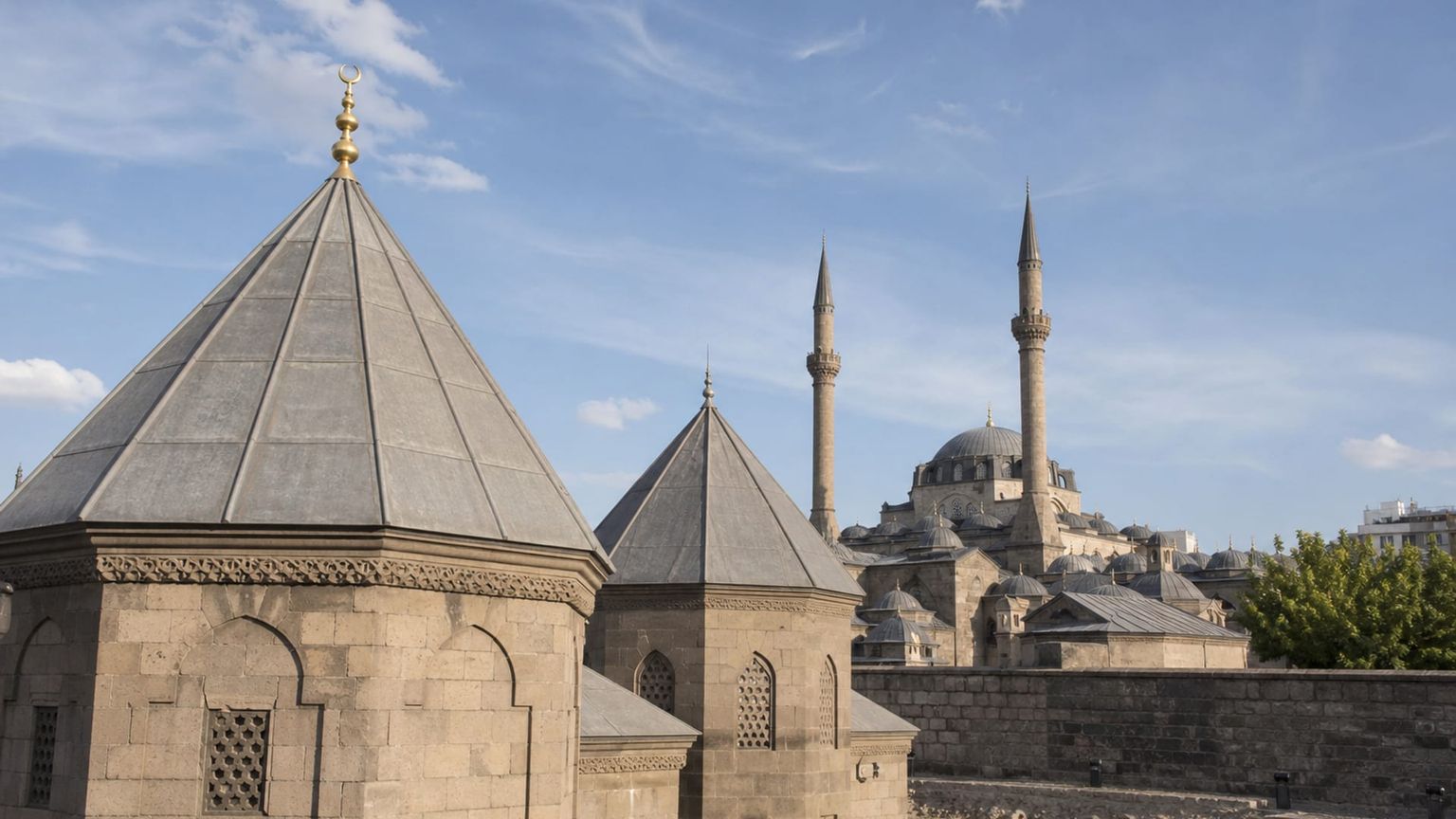
Begin at Kayseri Castle, where the basalt walls and courtyards are an easy 1 to 2 hour stop, then walk about 10 minutes to the old bazaar for lunch and a slow look at the central streets. From there, continue about 8 to 12 minutes on foot to the Hunat Hatun Complex, where the courtyard and carved portal reward a visit outside prayer times. End the afternoon back near the center for coffee, then return to the castle area at late afternoon if you want the best light on the walls.
A mountain day changes the pace quickly, so head south for Mount Erciyes and plan roughly 4 to 6 hours if you want time for views, hiking, or the ski area in season. From the city center, a taxi or prearranged transfer usually takes about 45 to 60 minutes to the mountain base, and the drive up the Erciyes road adds more time if you continue higher. In summer, follow that with the Erciyes Mountain Summit Road for pull-offs above the city, then come back to the center for dinner once the temperature drops.
For an archaeological day, leave early for Kültepe-Kanesh Karum ruins, which sits outside the city and works best as a morning stop of about 1 to 2 hours. The drive from central Kayseri takes roughly 30 to 45 minutes by taxi or car, and the open site pairs well with a museum visit back in town before lunch. Return to the center, cross to the old streets for an easy afternoon walk, then finish with a relaxed dinner in the city center rather than pushing for a second long transfer.
Start with one last museum stop in the center if you missed any indoor time earlier, then spend the rest of the day shopping near Cumhuriyet Square and the old bazaar for sweets, spices, and local snacks to take home. If your flight leaves later, a café stop in the city center gives you a simple place to sit between check-out and the airport transfer. Taxis back to Kayseri Erkilet Airport usually take about 20 to 30 minutes from the center, so leave enough time for traffic before your flight.
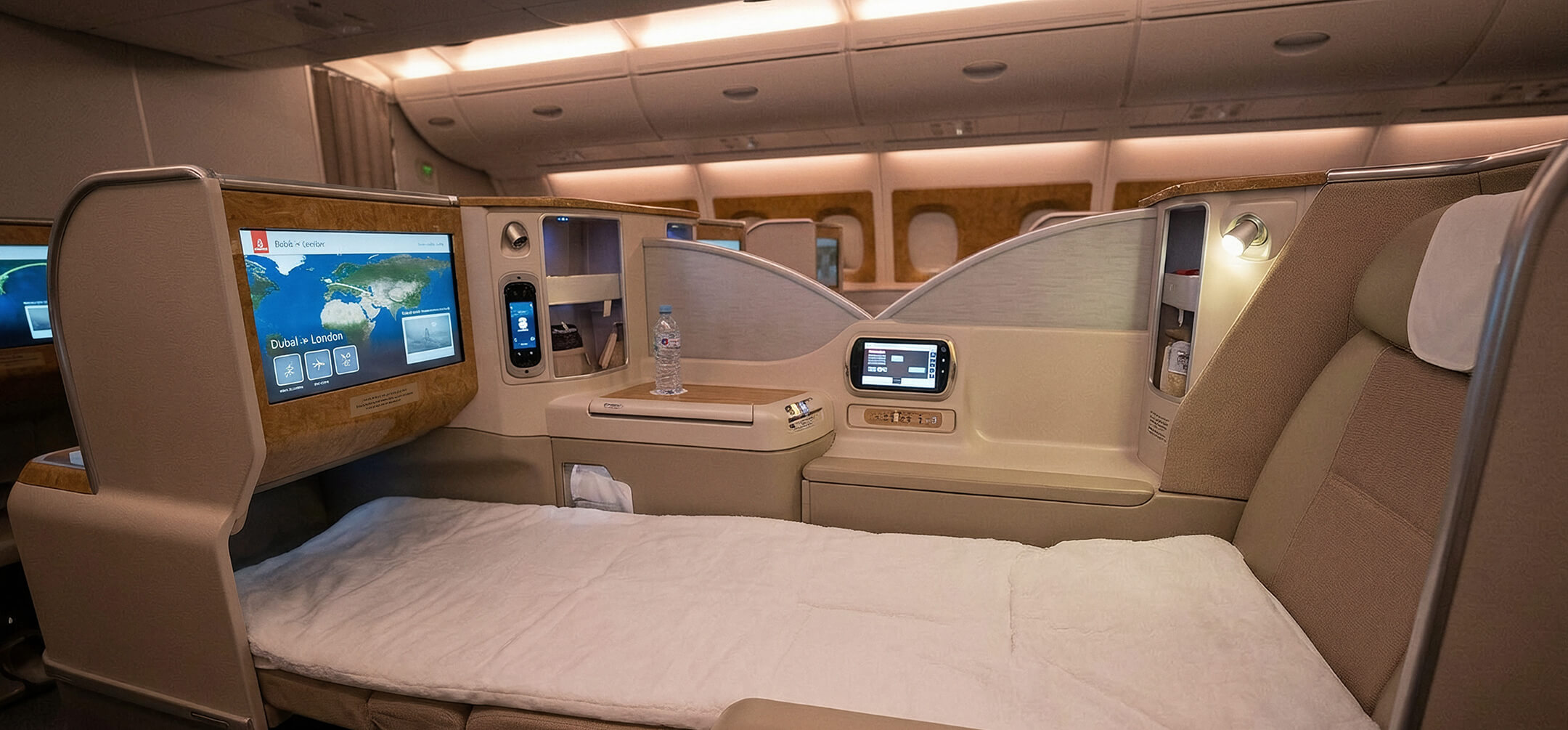
Business-class flights from the US to Kayseri
Reaching Kayseri usually means connecting through a major European or Gulf hub, and the best options from New York and Los Angeles differ mainly by connection length and route shape. The sample fares below show the level travelers should expect on longer intercontinental trips.
From New York, Turkish Airlines, Lufthansa, Qatar Airways, Emirates, and Air France all appear on long-haul itineraries, with typical connections through IST, FRA, MUC, DOH, DXB, or CDG. Expect roughly 12 to 18 hours in transit, and round-trip fares usually start from $2,200 and can reach $4,800.
Los Angeles itineraries usually route through IST, FRA, MUC, DOH, DXB, or LHR on Turkish Airlines, Lufthansa, Qatar Airways, Emirates, or British Airways, and the journey often takes about 15 to 22 hours. Round-trip fares usually run from $2,400 to $5,200.
Kayseri feels different when you slow down
A deliberate Kayseri trip keeps the center close at hand, then adds one mountain day and one archaeology day instead of packing everything into a single sprint. That means walking from Cumhuriyet Square to the old bazaar, timing Hunat Hatun Complex between prayer periods, and using taxis or the tram only when the distance justifies it. If you want help shaping that plan, AranGrant experts can turn Kayseri Castle, Erciyes, and Kültepe into a cleaner route before you book