

Chapters:

Need help with your trip?
Our support team is available 24/7. Request a callback or call us directly at (833) 619-0908
Ancona trips often start with a ferry transfer, a museum stop, and a quick look at the waterfront, yet many visitors miss how much the city changes once the route climbs toward the cathedral hill.
That shortcut leaves too much on the table. Distances are short on a map, but slopes, bus links, and port traffic can slow movement, while the old center, hilltop sights, and seafront all reward different pacing.
This guide maps those layers in order, so you can balance arrival, waterfront time, and uphill sights without compressing the city into one hurried loop.
Useful things to know

Main language(s): Italian
Ciao (chow) – Hello / good morning
Per favore (pehr fah-VOH-reh) – Please
Grazie (GRAH-tsyeh) – Thank you
Parla inglese? (PAR-lah een-GLEH-zeh) – Do you speak English?
Quanto costa? (KWAN-toh KOH-stah) – How much does it cost?

Currency: The local currency is the euro (EUR, €).

Cash and cards: Cards and contactless are widely accepted; keep about €20 to €40 ($22 to $44) in cash for small buys and taxis.

Tipping: Round up or leave 5-10% in restaurants when service is good; tipping is not expected.

Traditional food: Brodetto di pesce, vincisgrassi, olive all’ascolana, stoccafisso all’anconetana

Water and coffee costs: Water ~€1 to €2 ($1 to $2), bar espresso ~€1.20 to €1.50 ($1 to $2).

Taxis and ride apps: Uber and local taxi apps operate, but availability can be limited outside peak times.

Plug and voltage: Type C/F socket, 230V

Dining and shop opening hours: Breakfast is about 07:00-10:00, lunch 12:30-14:30, and dinner 19:30-22:00. Many shops and some restaurants close midafternoon.

Emergency number: 112 for police, fire, and medical emergencies.
Where to stay in Ancona
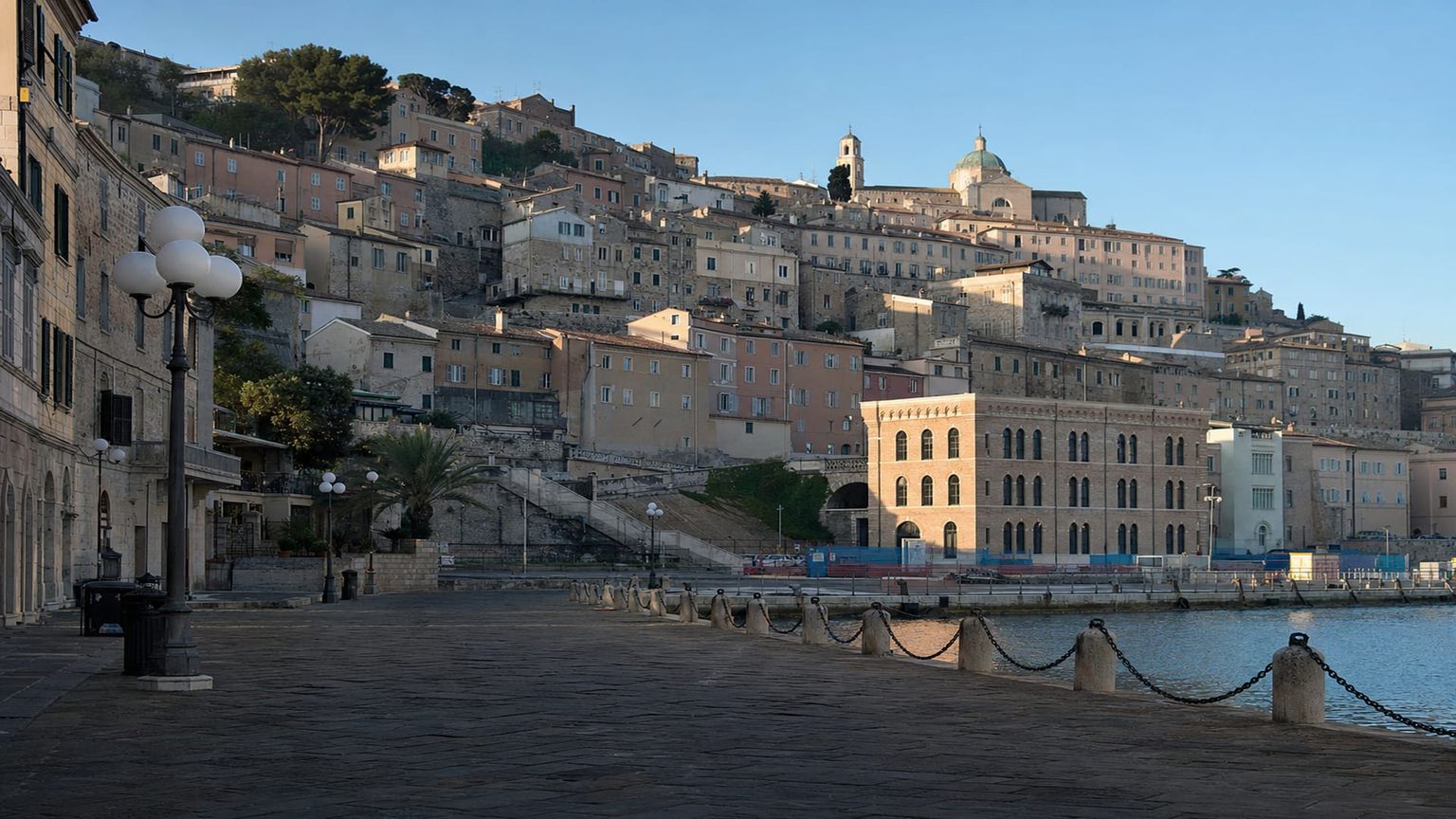
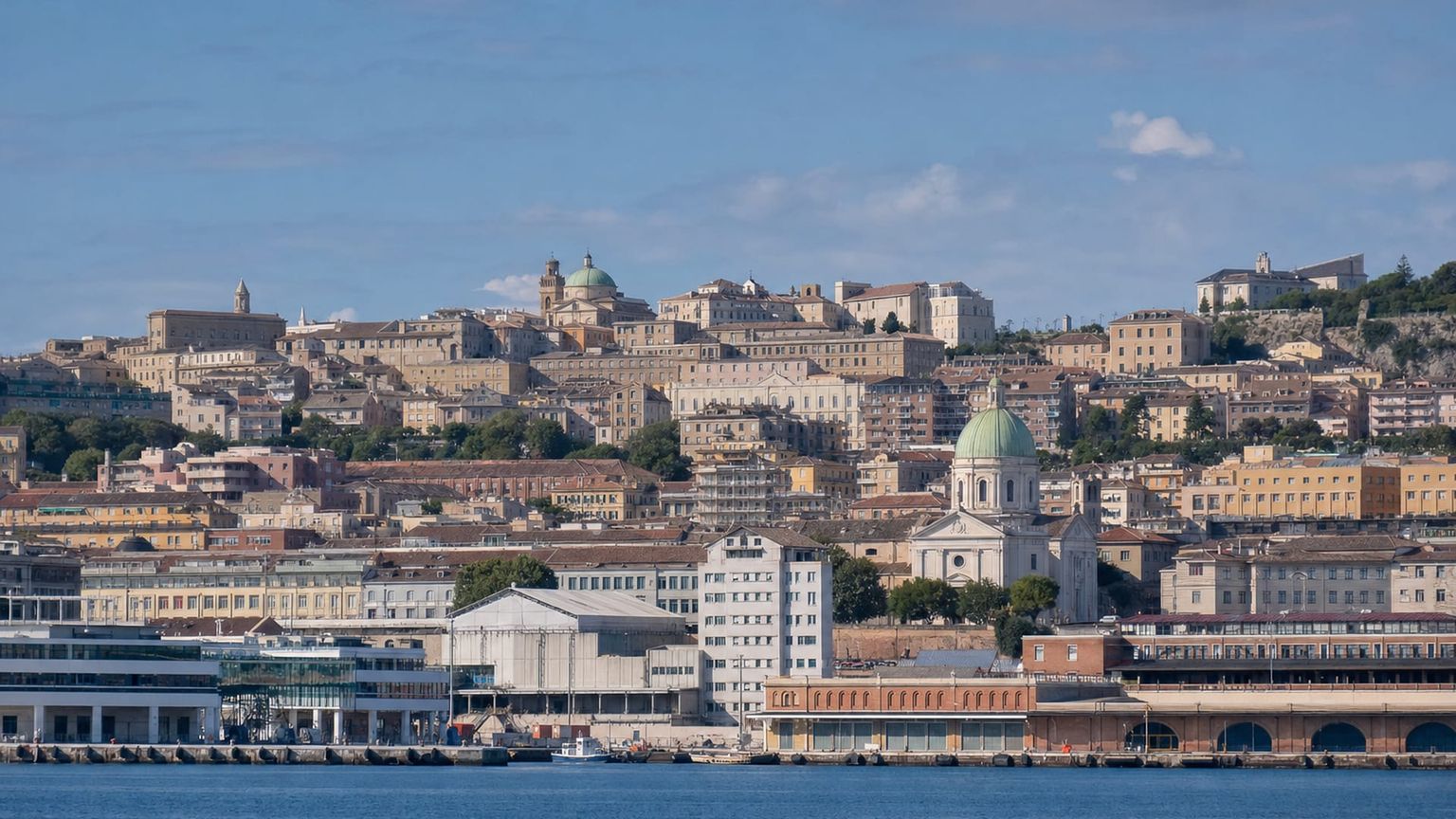
Ancona’s historic center and old port put you beside the cathedral hill, the waterfront, and the city’s main museums. This is the most walkable base for a short stay, with ferries, cafes, and most sightseeing within easy reach.
Best for: First-time visits, ferry access, museum time, and travelers who want to walk to the main sights
What to expect: Expect narrow streets, uphill sections, daytime foot traffic, and the busiest stretch near the port and main squares.
Hotel prices: Usually about 90€ to 170€ (~$100 to ~$185) per night for well-rated stays
Distance to major sights: About 10 to 15 minutes on foot to Piazza del Plebiscito and 20 minutes on foot to the Cathedral of San Ciriaco
Quietness: Busier by day, especially near the port and shopping streets; evenings are calmer once day visitors leave.
Main trade-off: Rooms can cost more here, and some streets sit on steep slopes that make walks longer than they look on a map.
Good to know: Pick a higher-floor room or a property away from the port if you want less early-morning noise from ferry traffic and deliveries.
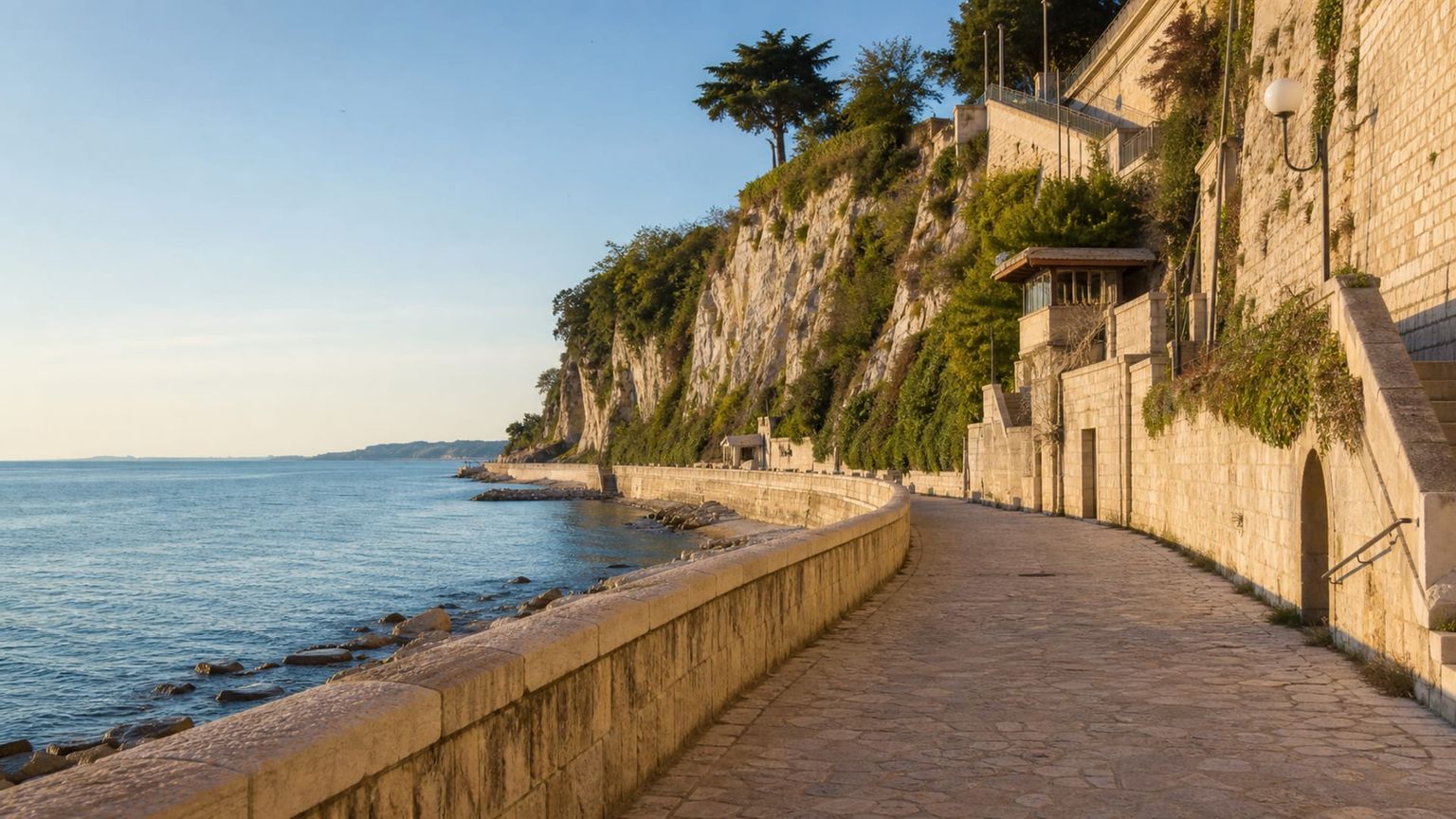
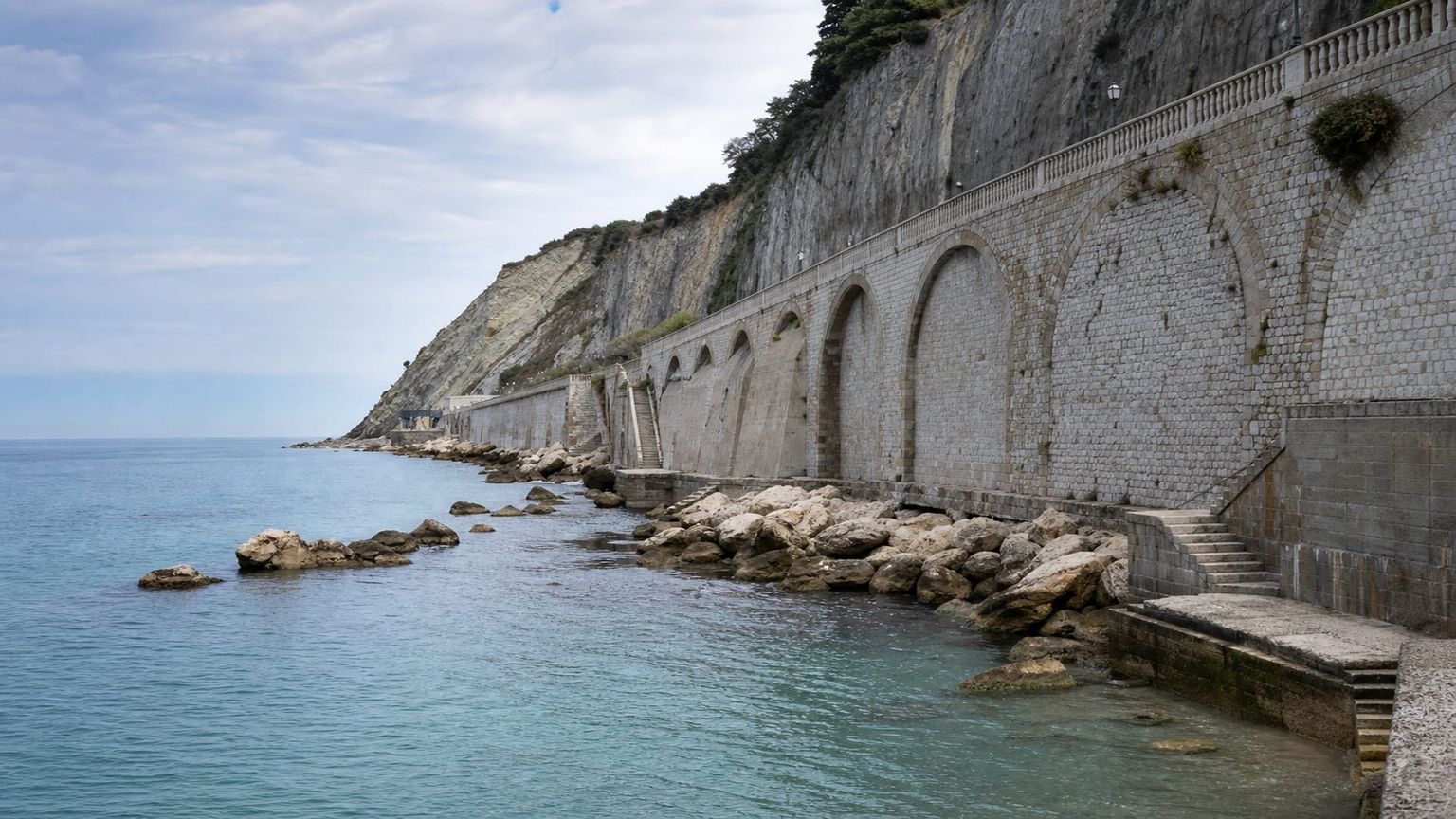
Passetto sits on the seafront south of the center, close to the war memorial, cliffside paths, and the steps down to the beach. It suits travelers who want sea views, evening walks, and a quieter residential feel than the core.
Best for: Seafront stays, evening walks, and travelers who prefer a residential base with water views
What to expect: Expect apartment buildings, local residents, and a quieter street scene than the center, with more activity along the promenade in good weather.
Hotel prices: Usually about 80€ to 150€ (~$87 to ~$163) per night for well-rated stays
Distance to major sights: About 15 to 20 minutes by bus to Piazza del Plebiscito and roughly 10 minutes on foot to the Passetto Monument
Quietness: Calmer during the day than the center; evenings stay relatively quiet away from the promenade and beach access points.
Main trade-off: You will rely more on buses or taxis for dinner in the old town, and the steep terrain can slow the walk back uphill.
Good to know: If you want to swim or sit by the water, check how far your building is from the cliff steps, since some addresses sit well above the shoreline.
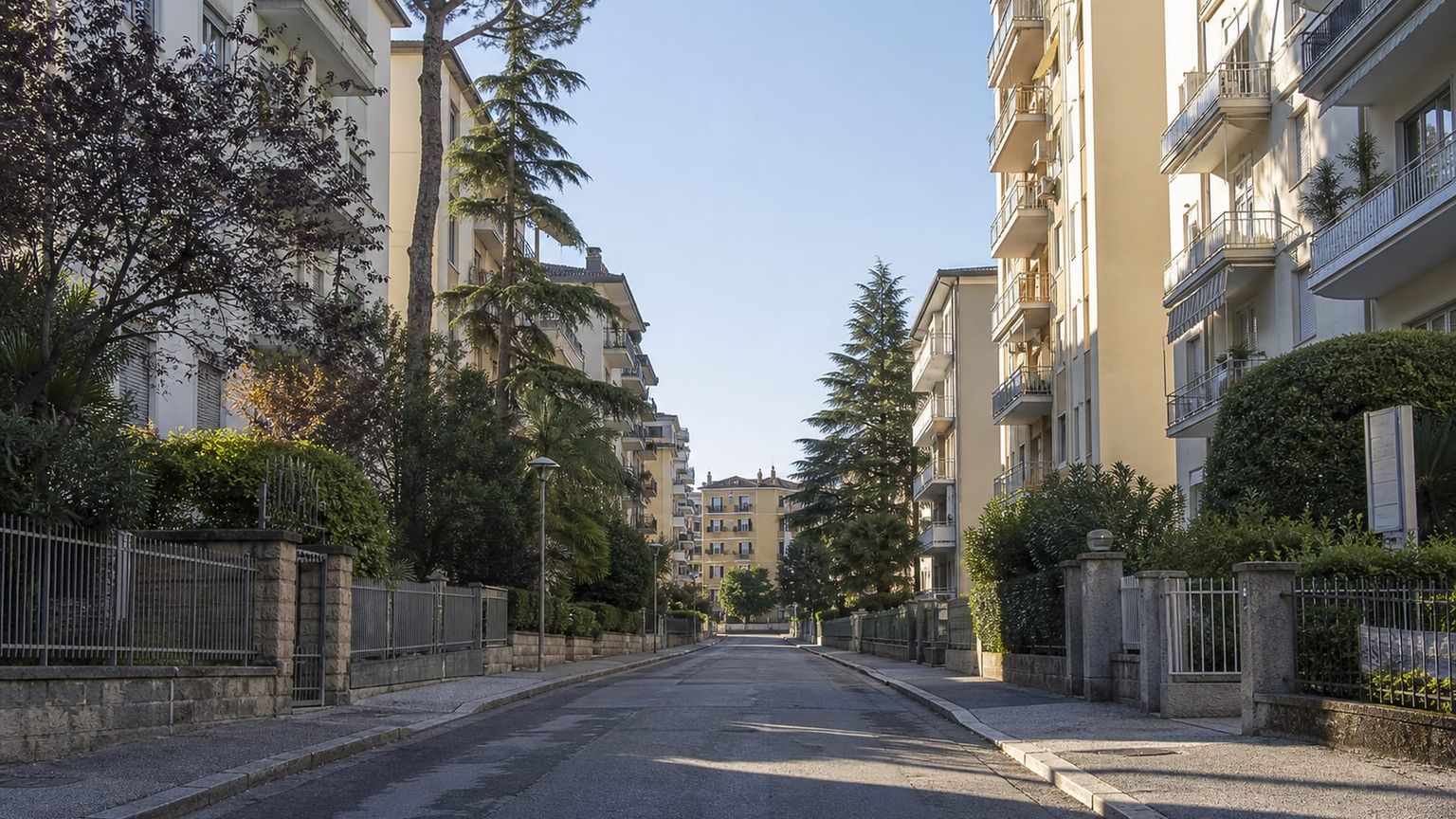
Rione Adriatico is a residential district north of the center with good access to the coast, larger apartments, and local shops. It works well for longer stays or travelers who want roomier lodging without leaving the city.
Best for: Longer stays, apartment rentals, and travelers who want a quieter residential base with easy city access
What to expect: Expect local traffic, neighborhood cafes, and a lived-in feel rather than a tourist-heavy street scene.
Hotel prices: Usually about 75€ to 140€ (~$82 to ~$152) per night for well-rated stays
Distance to major sights: About 10 to 20 minutes by bus to Piazza del Plebiscito and roughly 15 minutes by bus to the Cathedral of San Ciriaco
Quietness: Quiet in the evenings, with more daytime movement around schools, shops, and bus stops.
Main trade-off: You will spend more time on buses or uphill walks to reach the historic center, and fewer hotels sit within the district.
Good to know: Choose this area if you plan to use the city bus network often, because the best lodging options here are usually apartments rather than full hotels.
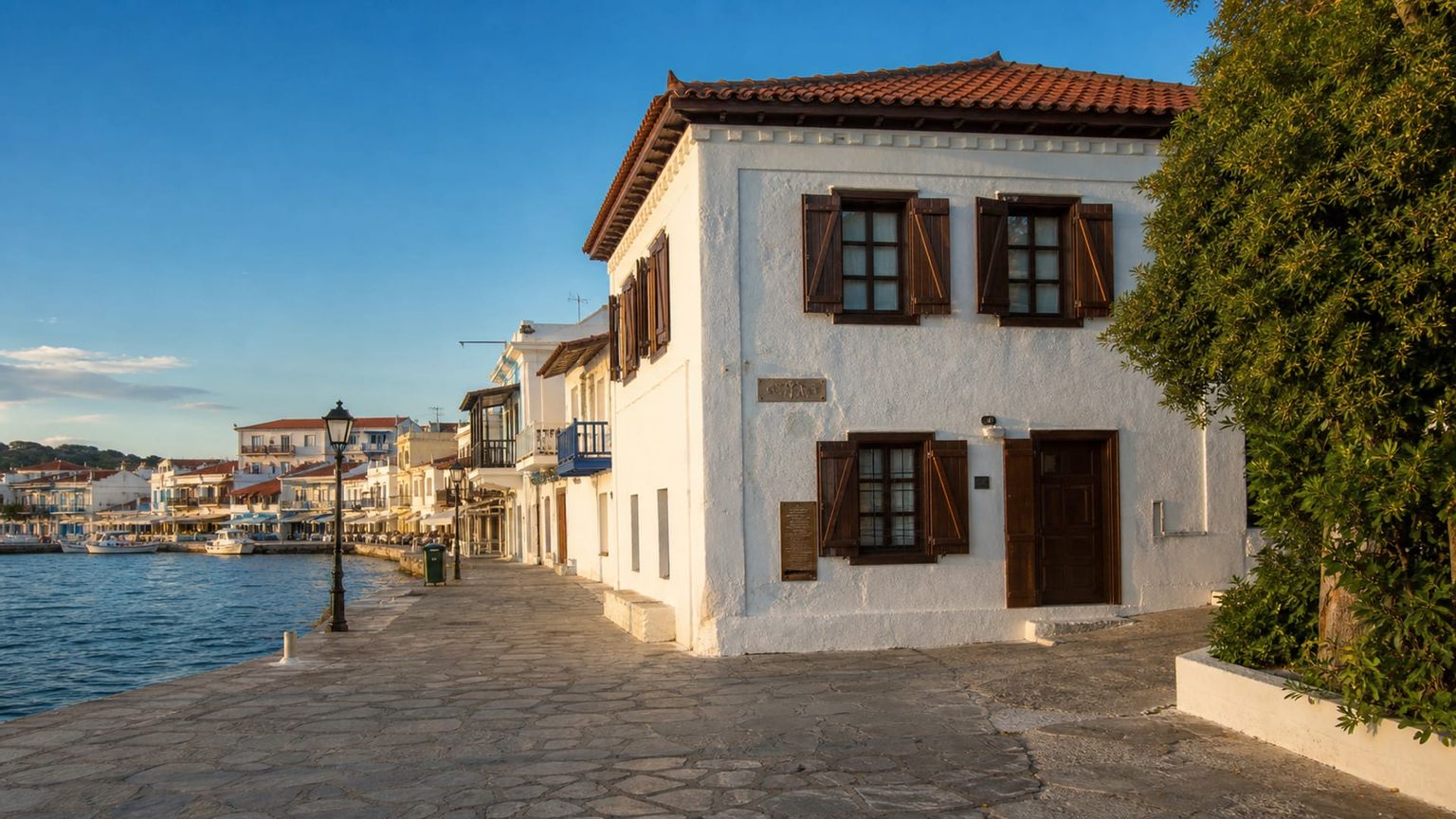
Piano San Lazzaro sits inland in Ancona’s immediate urban area, with practical access to rail, roads, and daily shopping. It suits travelers arriving by train or car who care more about easy movement than waterfront scenery.
Best for: Rail arrivals, car travelers, and budget-conscious stays with access to local shops and transport links
What to expect: Expect a local, functional district with regular traffic, fewer visitors, and a more everyday pace than the waterfront.
Hotel prices: Usually about 70€ to 120€ (~$76 to ~$130) per night for well-rated stays
Distance to major sights: About 10 to 15 minutes by train or bus to Ancona Centrale and roughly 20 to 30 minutes by bus to Piazza del Plebiscito
Quietness: Quieter in the evening than the center, though main roads stay active during commute hours.
Main trade-off: You give up scenic surroundings and will need transit for most sightseeing, so it works best when price or parking matters more than location.
Good to know: Check the exact walking route from the station or bus stop, because some streets are easy by map but less convenient with luggage.
Travelers usually avoid the industrial port zone around the harbor and Stazione Marittima, since it is farther from the main historic sights and has limited visitor amenities after business hours. The outskirts toward Baraccola, Torrette, and Montesicuro are also less convenient, with longer evening trips into the center and fewer hotel and dining options than the old town or waterfront areas.
Hotel deals
How to get around Ancona efficiently
Ancona has no metro, so most visits work best with a mix of walking, Conerobus buses, and the occasional taxi between the port, the hills, and the airport.

Metro
for longer distances
Ancona does not have a metro or subway network, so the closest city transit is Trenitalia and regional rail services from Ancona station on the coast. For AOI, use the shuttle bus or a taxi into town, then continue on foot or by bus.

Bus and tram
for convenience
Conerobus buses cover the airport area, the station, the port, and central Ancona; single rides are typically about $1.60 to $2.20 (€1.50 to €2), and time tickets usually last 75 to 90 minutes. Buy before boarding when possible, validate on entry, and expect airport-to-center rides to take about 25 to 35 minutes depending on traffic.

Taxi
for convenience or late hours
Licensed taxis use meters in Ancona, with airport trips usually costing about $26 to $39 (€24 to €36) to the center, more late at night, on Sundays, or with extra luggage. Taxis queue at the rank outside arrivals, and most accept cards, though it helps to confirm before you set off.
*Prices are based on rates updated as of June 2026 and may change at the time of travel.
Walk the center when the hills are manageable, use buses for Passetto or rail links, and call a taxi for airport runs or late arrivals with luggage.
Iconic landmarks
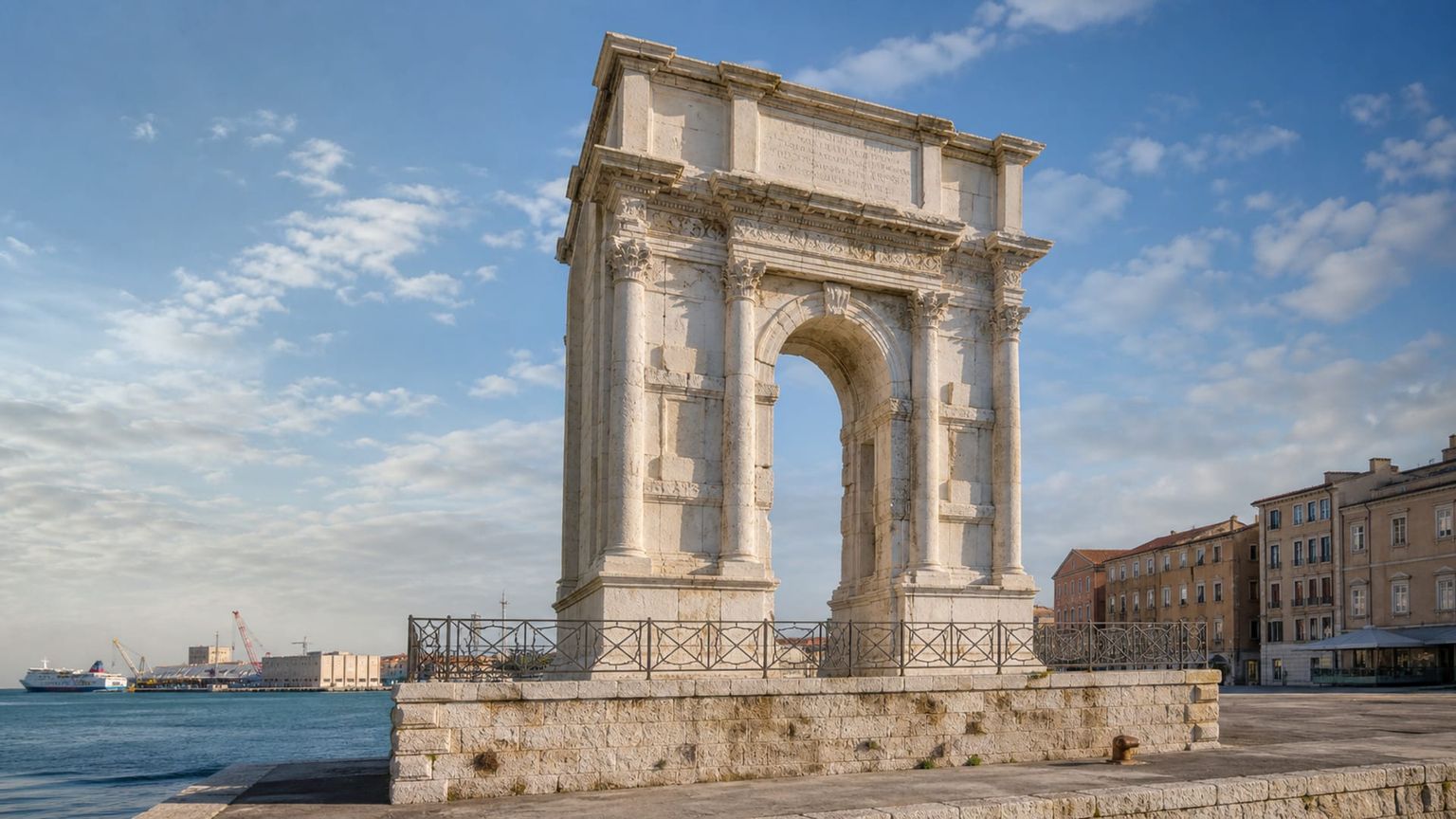
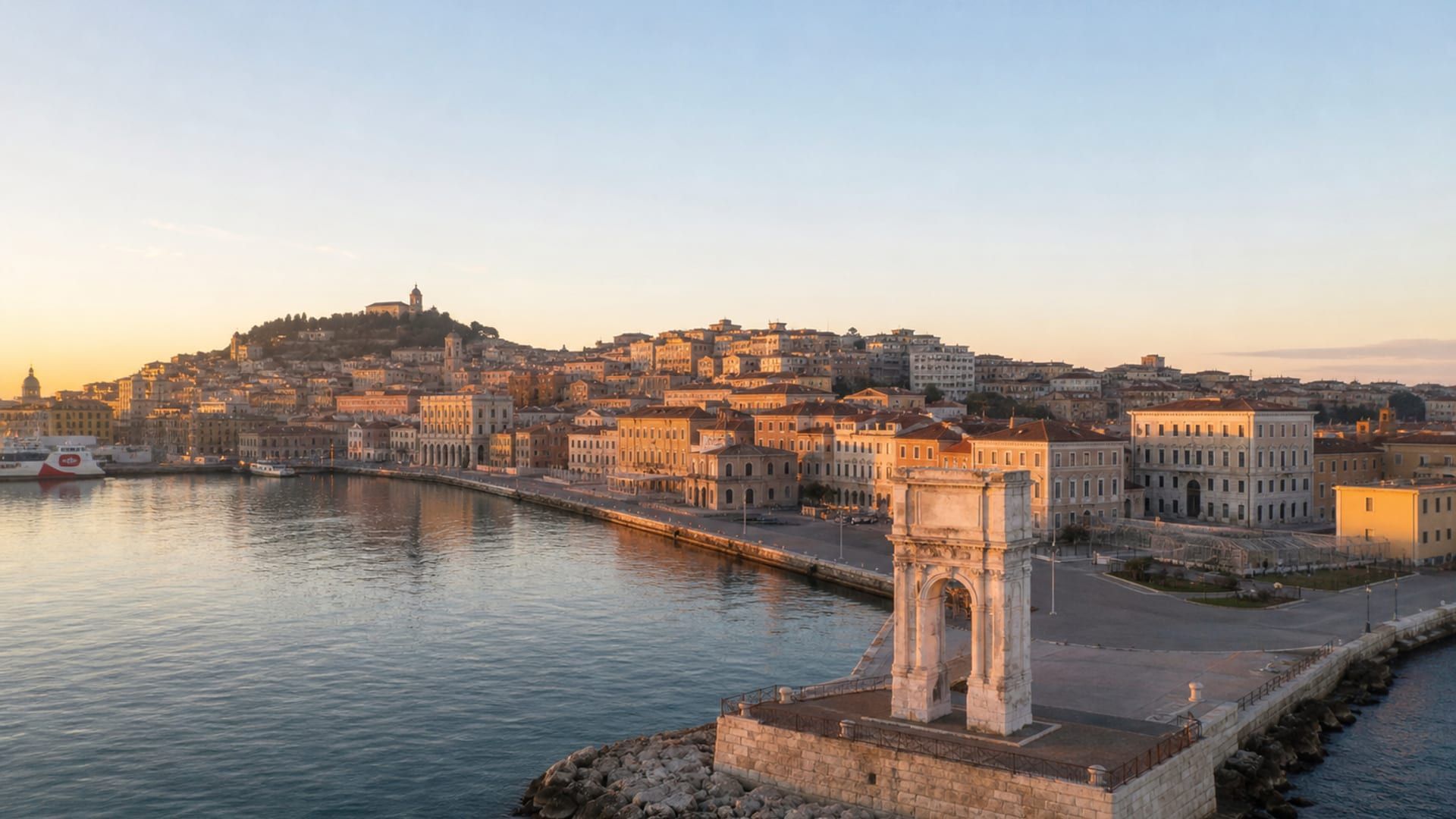
Arch of Trajan
Built in 115 CE, the Arch of Trajan stands by the old harbor as one of the best-preserved Roman honors in Italy. Its clean marble reliefs once greeted ships entering Ancona’s port.
Time needed: About 20 to 30 minutes
Entry: Free to view from the street; no timed entry is required, and you can stop here at any hour without paying admission.
Tip: Visit in the morning, when traffic is lighter and the carvings are easier to photograph.
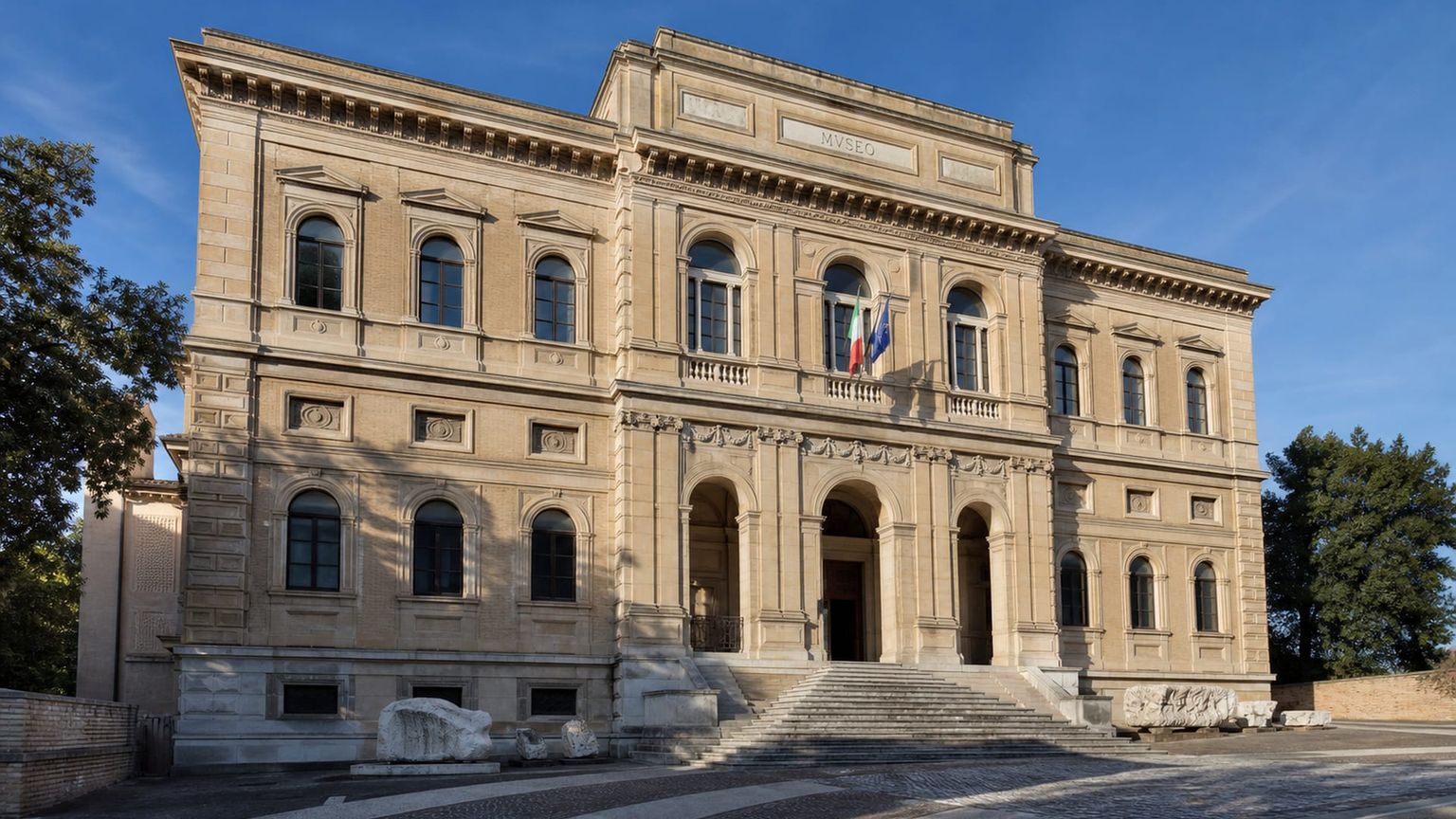
National Archaeological Museum of the Marche
Set in Palazzo Ferretti, the National Archaeological Museum of the Marche traces the region from prehistory through the Roman era. Its standout finds include Picene grave goods, bronze objects, and funerary material from nearby sites.
Time needed: About 2 to 3 hours
Entry: Tickets cost $10 ($9) for adults, with reduced rates for eligible visitors; special exhibitions may carry separate charges on select dates. Visit the official site for details.
Tip: Allow extra time for the upper floors, where the best-preserved objects are often displayed.
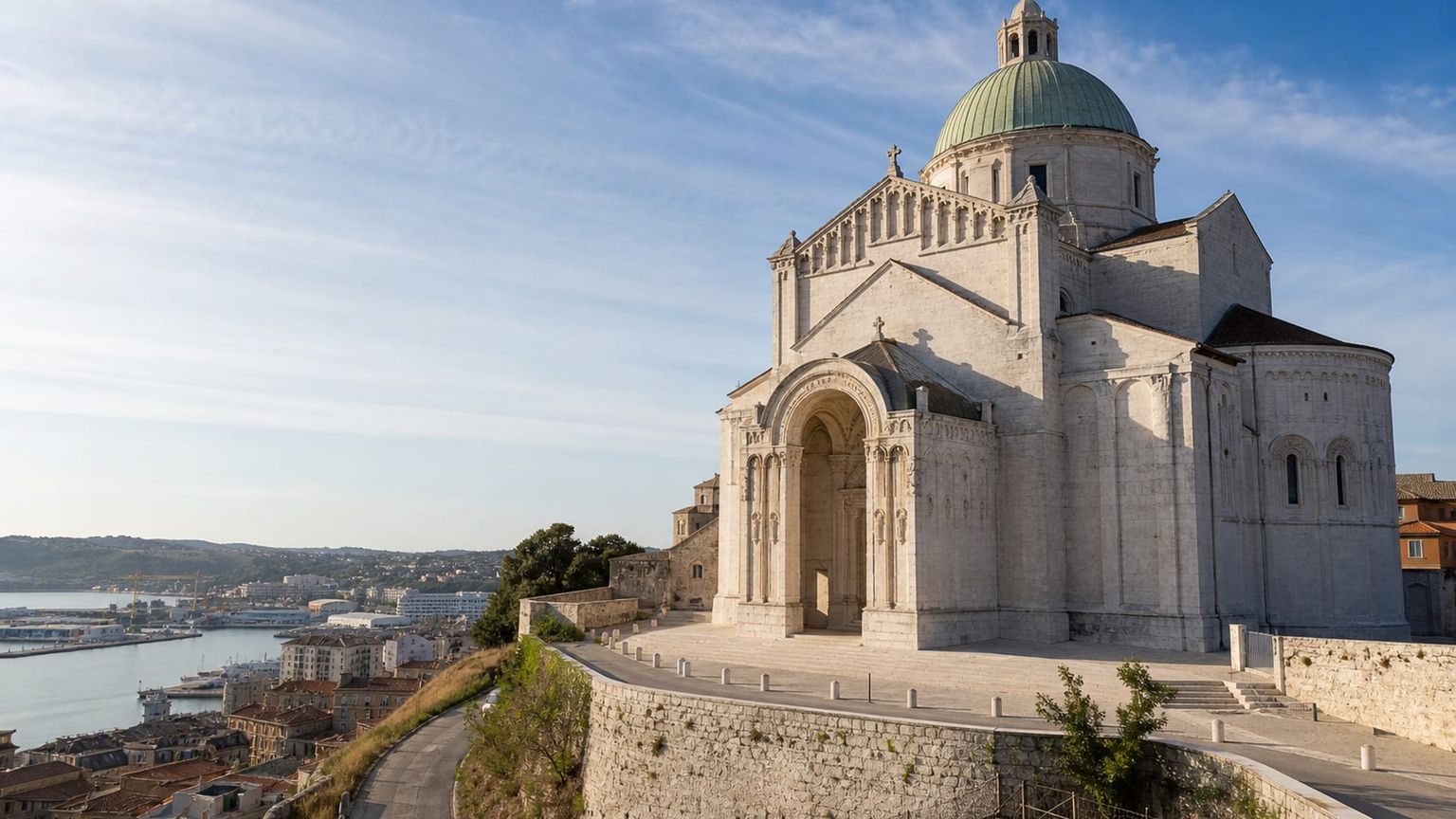
Ancona Cathedral
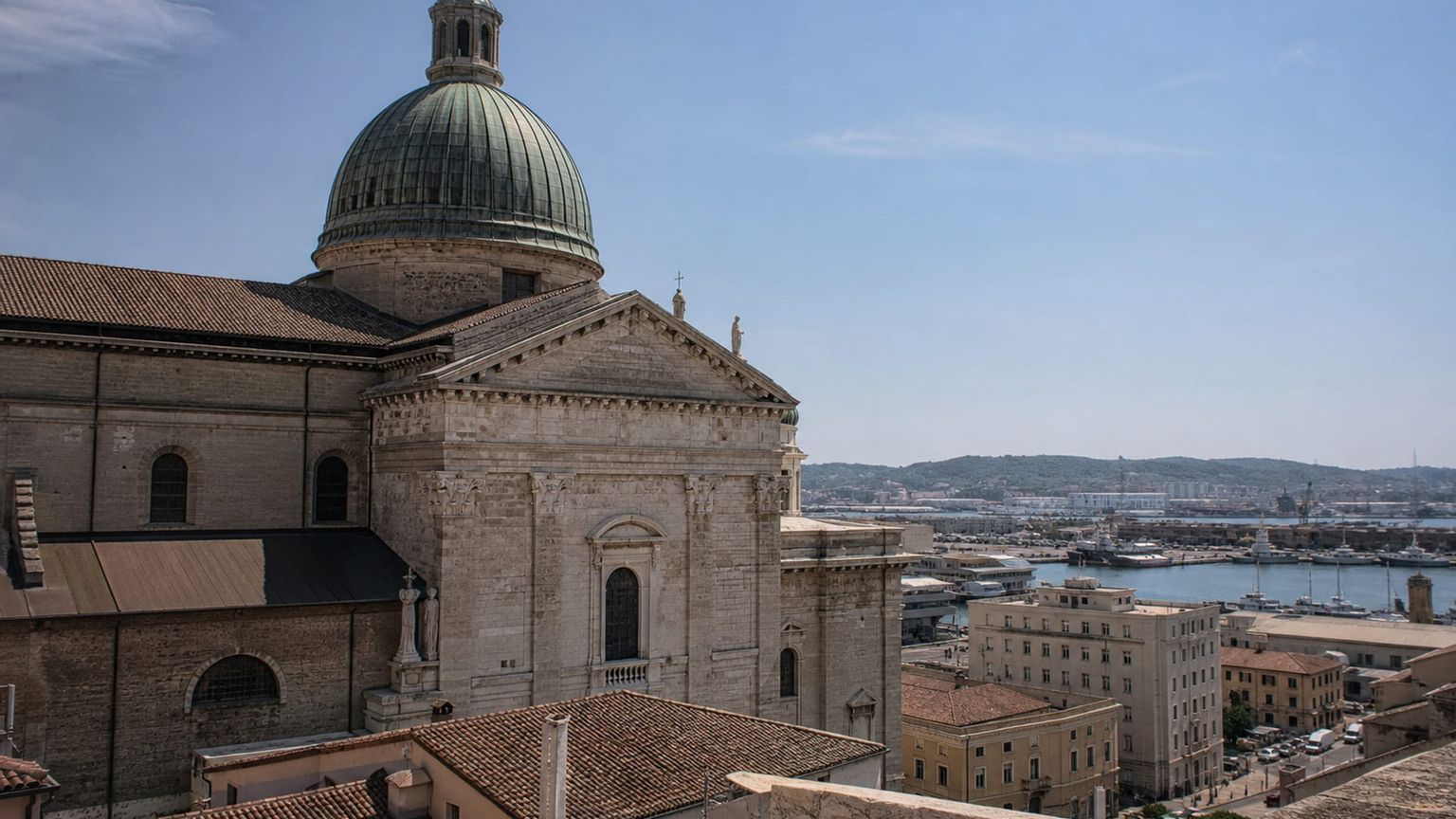
The hilltop Cathedral of San Ciriaco anchors Ancona’s skyline and combines Romanesque and Byzantine elements with wide Adriatic views. Inside, the crypt, marble details, and 11th-century fabric show the city’s long port history.
Time needed: About 1 to 2 hours
Entry: Free to access; donation boxes may be available, and guided visits or special access can carry separate charges during some events.
Tip: Go near sunset for the best light, then walk down toward the harbor for city views after dark.
Overlooked sites worth visiting

Parco del Cardeto
A hillside park above the harbor with paths, grassy clearings, and Adriatic views. It also holds the Jewish cemetery and old military works, so the walk mixes open air with local history.
Time needed: About 1 to 2 hours
Entry: Free to access; no ticket is needed for the park, the paths, or the viewpoints. Some specific heritage areas may have limited access during maintenance or events, but the main site is open without charge.
Tip: Go late in the day for softer light over the harbor.

Museo Tattile Statale Omero
Italy’s national tactile museum pairs sculpture casts, design objects, and tactile paths in a compact indoor visit. It is quiet, focused, and easy to fit into a short stop near the harbor.
Time needed: About 1 hour
Entry: Admission is typically $6 to $8 (€6 to €8) for adults, with reduced rates for students and seniors. Some temporary exhibitions, workshops, or guided visits may carry separate charges, so check the current calendar before you go. Visit the official site for details.
Tip: Allow extra time if you want to use the tactile displays slowly.
Traditional food
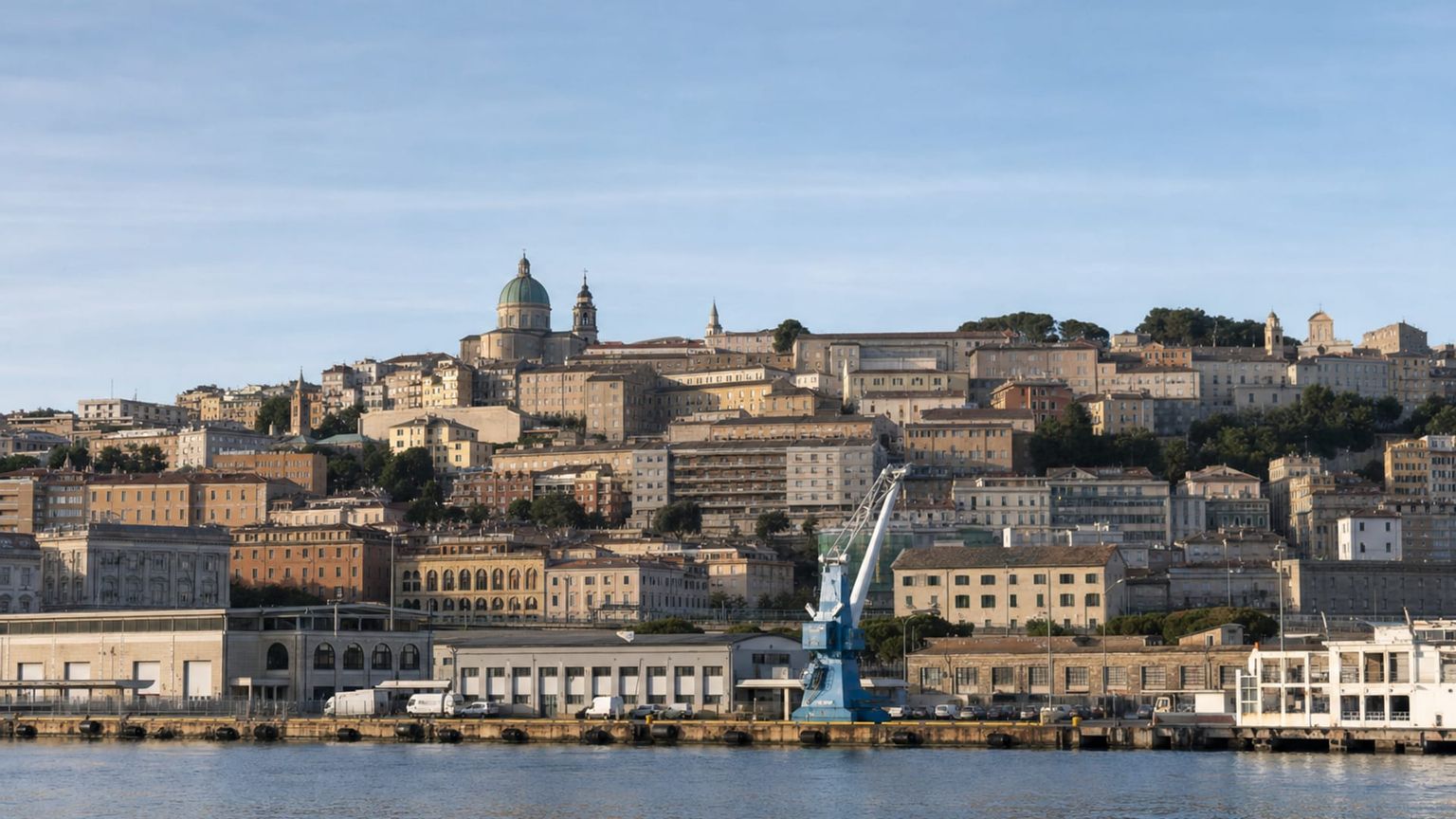
Ancona’s table leans on Adriatic fish, baked pasta, stuffed olives, and rich regional sauces, with brodetto di pesce and vincisgrassi showing how the coast and Marche pantry meet in one meal.
Brodetto di pesce
This Adriatic fish stew layers tomato, vinegar, and mixed catch into a coastal bowl with depth and acidity. Trattoria Marchetti in Ancona is a strong canonical choice for it.
Vincisgrassi
Marche’s baked pasta is richer and more layered than standard lasagna, with ragù and béchamel built into a generous oven dish. Ristorante La Vecchia Osteria in Ancona serves a classic version.
Olive all'ascolana
These stuffed, breaded olives arrive crisp outside and savory inside, usually as a starter with a drink or before a larger meal. Caffè Giuliani in central Ancona is a dependable place to order them.
Stoccafisso all'anconetana
This local salt cod dish brings potatoes, tomatoes, onion, and olive oil into a long-cooked seafood plate tied closely to Ancona tradition. Osteria della Piazza in Ancona is a well-known address for it.
Best time to visit Ancona
Spring and early autumn give Ancona the best balance of harbor walks, hill views, and outdoor dining, while summer brings stronger heat and winter keeps the city quieter.
Best for: Harbor walks, hilltop sights, and lunch on outdoor terraces
What you get: About 50°F to 72°F (10°C to 22°C), with moderate crowds and comfortable walking weather
Trade-offs: Showers can interrupt a long seafront day
Best for: Beach time at Passetto and long evenings near the port
What you get: About 68°F to 87°F (20°C to 31°C), with the busiest hotels and the most activity along the coast
Trade-offs: Midday heat can make uphill sightseeing tiring
Best for: Clear views, easier museum visits, and slower waterfront days
What you get: About 54°F to 77°F (12°C to 25°C), with lighter crowds than peak summer
Trade-offs: Rain becomes more common later in the season
Best for: Museums, cafes, and low-key city breaks
What you get: About 39°F to 55°F (4°C to 13°C), with the quietest streets and the least demand for rooms
Trade-offs: Some waterfront plans lose appeal in wind and rain
A realistic 5-day plan in Ancona
This five-day plan starts with arrival near the harbor, then moves up to the city’s Roman and hilltop landmarks before shifting south to the seafront. The last day keeps things close to the center, so departure feels organized rather than rushed.
Arrive at Ancona (AOI) and take a taxi into the Centro storico e Porto antico, which usually costs about $25 to $35 and takes roughly 20 to 25 minutes, depending on traffic near the port. If you come by train instead, Piano San Lazzaro works well for a lower-key first night, but the old center puts you closest to the ferry waterfront and evening cafes. Check in, drink some water, and keep dinner simple, a seafood plate or a bowl of pasta in the harbor area near the old port so you can walk back without planning a long uphill return.
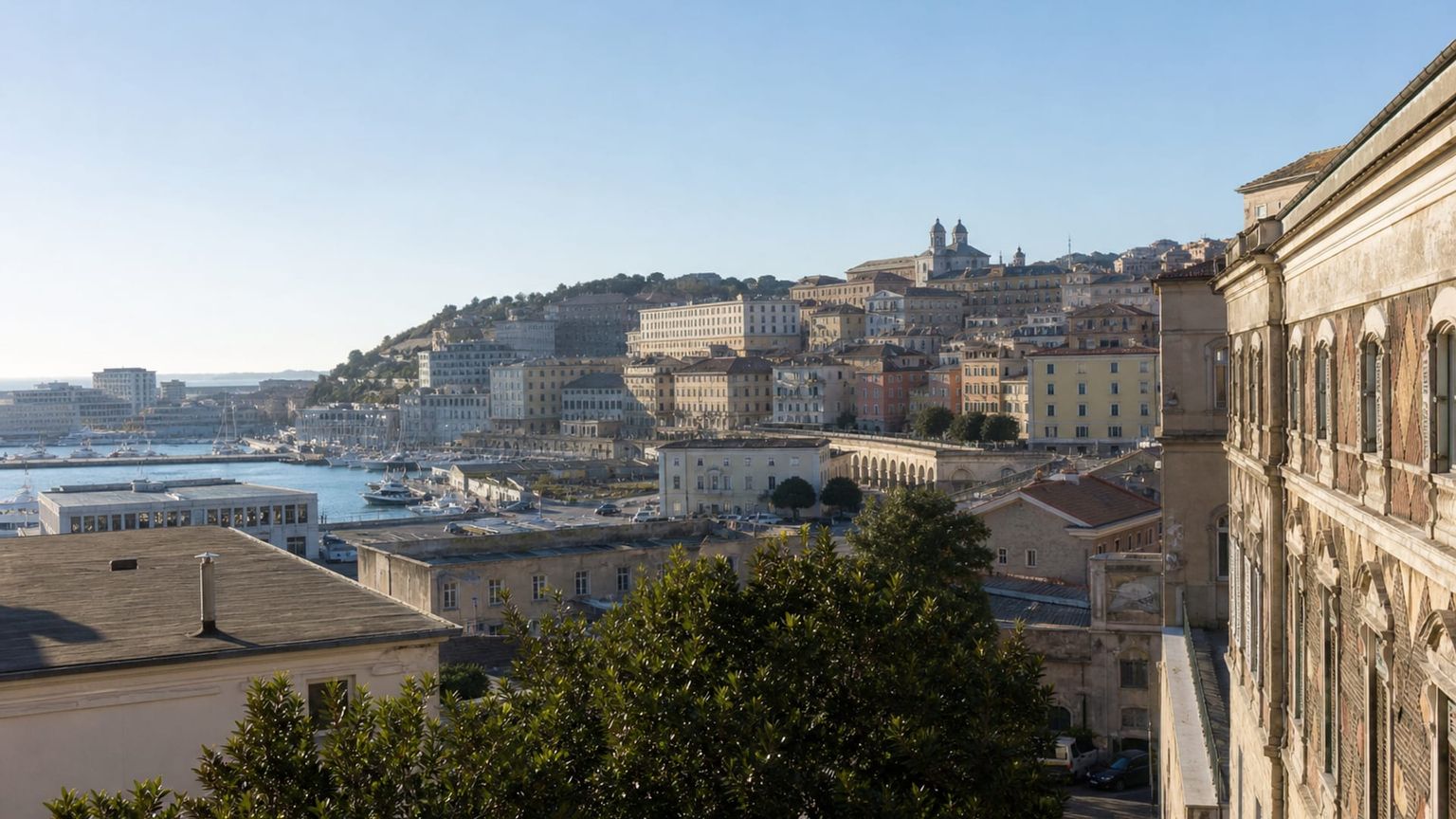
Start at the Arch of Trajan, then continue on foot to the National Archaeological Museum of the Marche in Palazzo Ferretti, roughly 10 to 15 minutes away uphill. Give the museum about 2 to 3 hours, then walk about 15 minutes toward Piazza del Plebiscito for lunch in the center before heading up to Ancona Cathedral, about 15 to 20 minutes on foot from the square. End the afternoon by descending toward the waterfront, where the marble arch and port views make an easy late-day loop.
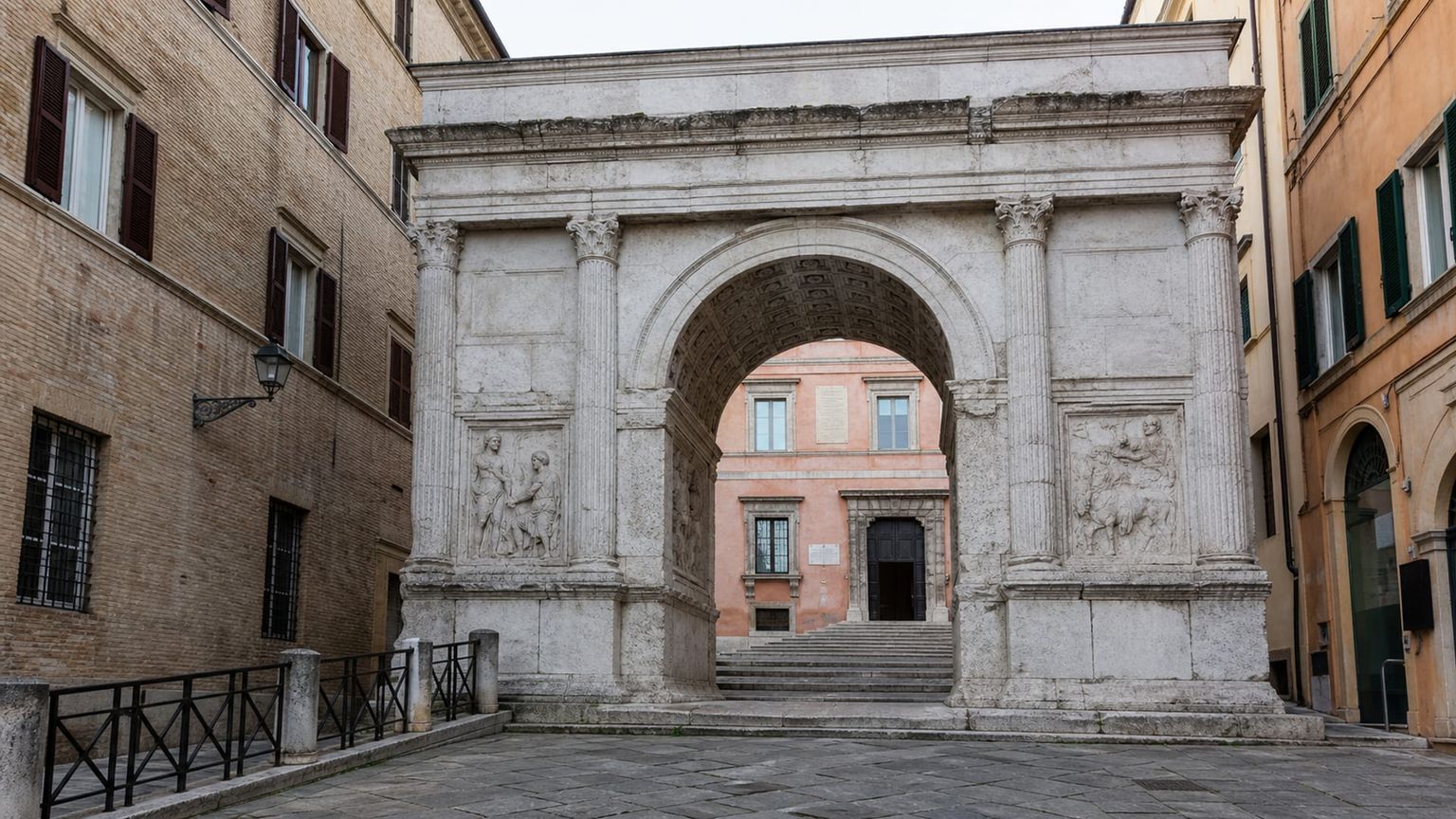
Begin in the hilltop district with the Cathedral of San Ciriaco, then move downhill to Parco del Cardeto, which takes about 10 to 15 minutes on foot and gives you wide harbor views from the paths. Spend 1 to 2 hours in the park, including time near the Jewish cemetery and old military works, then walk back toward the center for a relaxed lunch. In the late afternoon, continue to the old harbor, where you can revisit the waterfront at an easy pace and watch the light change over the port.
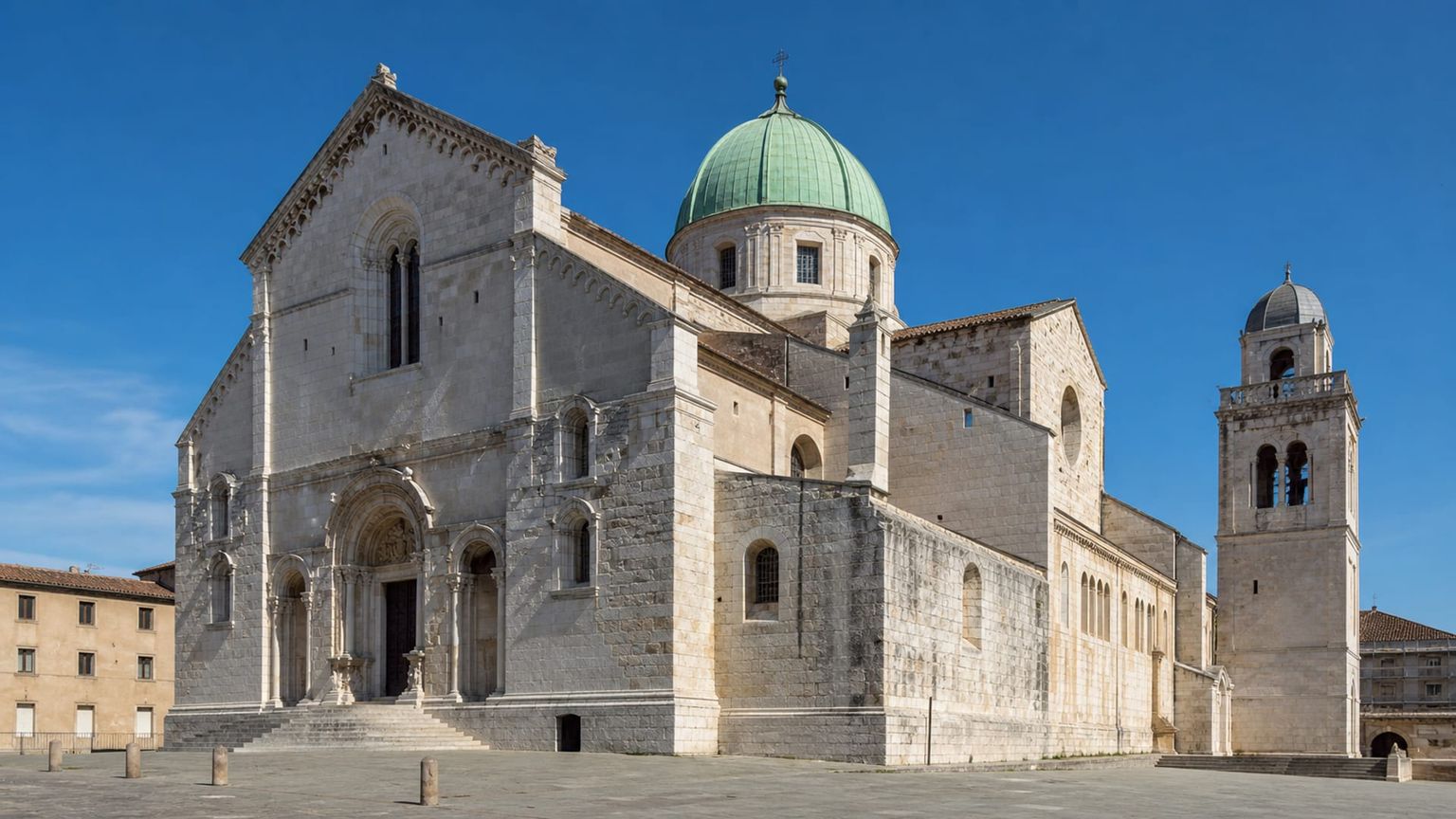
Head south to Passetto for a slower seaside day, where the promenade, cliff steps, and beach access sit about 15 to 20 minutes by bus from Piazza del Plebiscito. Walk the seafront paths, pause at the Passetto Monument, and, if the weather is warm, follow the steps down toward the water before lunch nearby. After that, return toward the center and spend an hour at Museo Tattile Statale Omero, which fits neatly into an indoor break and lies close enough to keep the rest of the day open for a second walk along the coast.
A final morning in Ancona works best in the Centro storico e Porto antico, where you can spend an hour at Museo Tattile Statale Omero if you missed it earlier, then browse shops near Piazza del Plebiscito and the streets leading back toward the port. Stop for coffee in the old center, ideally somewhere with a terrace or window seats facing the square, and keep your luggage within reach if you plan an afternoon departure. For a last look, take a short walk down toward the harbor before heading to Ancona (AOI).
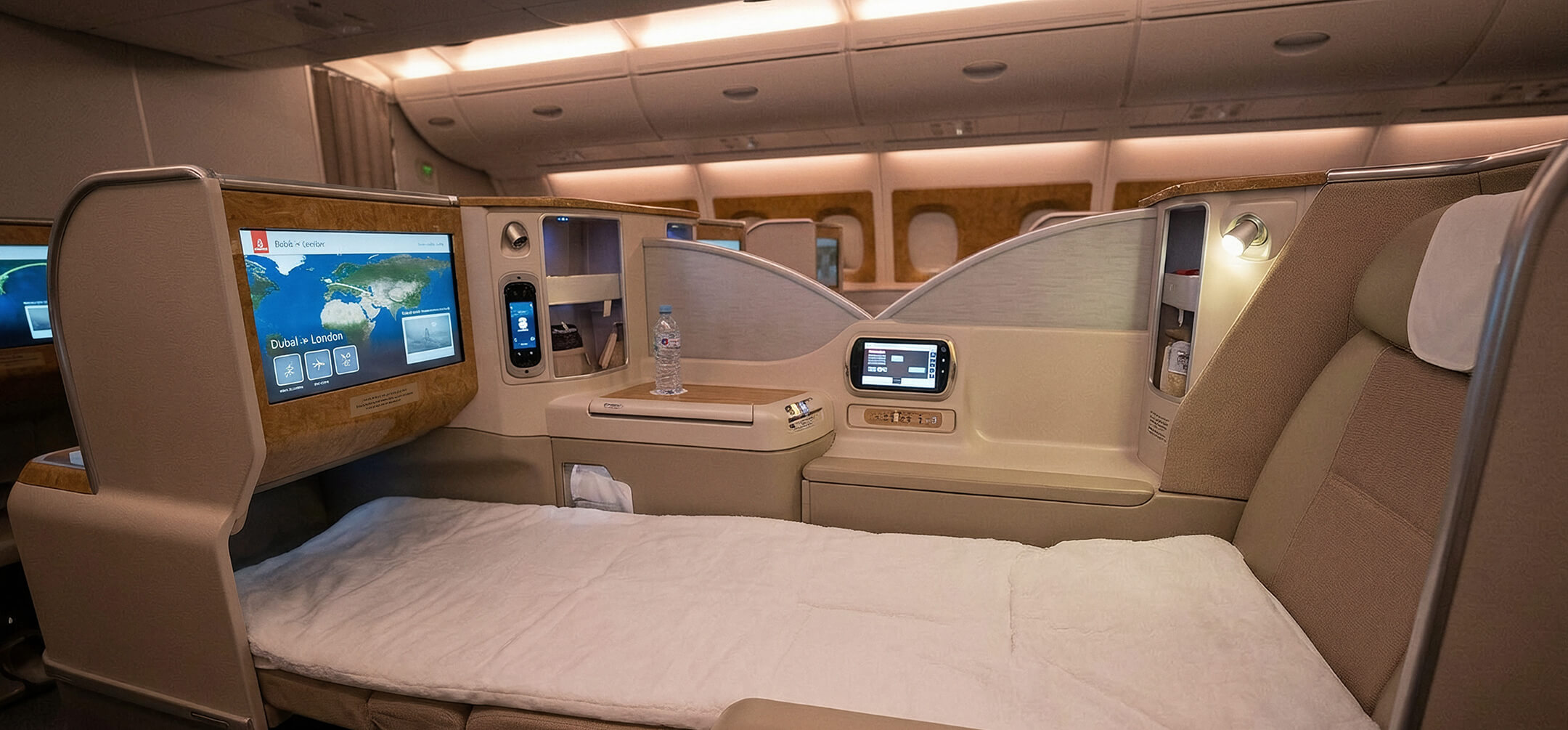
Business-class flights from the US to Ancona
Ancona sits on a smaller airport map, so long-haul journeys usually hinge on one connection rather than a direct hop. The two examples below show how that plays out from New York and Los Angeles.
From New York, ITA Airways, Lufthansa, Turkish Airlines, Air France, KLM, and Iberia are the main names to compare. With no nonstop option, common layovers via FCO, FRA, or IST usually put the trip in the 12 to 17 hour range, and fares often run from $2,200 to $4,500 round-trip; if you accept a connection, many itineraries fall to about $950 to $1,600.
Los Angeles travelers typically see ITA Airways, Lufthansa, Turkish Airlines, Air France, British Airways, and Iberia on the board. Trips usually take about 15 to 21 hours with one stop, often through FCO, FRA, IST, CDG, LHR, or MAD, and round-trip fares usually start at $2,600 and can reach $5,200, with one-stop itineraries often priced lower than the few available higher-comfort options.
Ancona feels different when you slow down
A good Ancona stay usually means moving in layers, first the old port and Centro storico, then the climb toward the Cathedral of San Ciriaco, with a bus or taxi reserved for Passetto, the airport, or a late return uphill. That mix lets the city keep its own scale instead of turning into a checklist. For a route built around the harbor, museums, and a seafront evening, talk to the AranGrant experts and shape the trip around the neighborhoods that matter most