

Chapters:

Need help with your trip?
Our support team is available 24/7. Request a callback or call us directly at (833) 619-0908
Ankara spreads across a high plateau, with government districts, residential neighborhoods, museums, historic quarters, and broad avenues divided by hills and major roads. Ulus holds much of the old city, while Kızılay and Çankaya feel newer, busier, and more commercial.
That contrast shapes how you should plan a few days here. Anıtkabir, Ankara Castle, the Museum of Anatolian Civilizations, and the central districts are easier to enjoy when you group them by area instead of crossing the city repeatedly.
This guide shows you how to divide your time between Ankara’s historic core, major museums, civic landmarks, and everyday neighborhoods without turning each day into a long sequence of taxi rides.
Useful things to know

Main language(s): Turkish
Merhaba (mehr-hah-bah) – Hello
Lütfen (LOOT-fen) – Please
Teşekkür ederim (teh-shehk-KEWR eh-deh-reem) – Thank you
İngilizce konuşuyor musunuz? (een-gee-LEEZ-jeh koh-noo-SHOO-yor moo-soo-nooz) – Do you speak English?
Ne kadar? (neh kah-DAHR) – How much does it cost?

Currency: Turkish lira (TRY, ₺)

Cash and cards: Cards and contactless payments are widely accepted. Carry ₺500–₺1,000 ($10–$20) for taxis, markets, small shops, and tips.

Tipping: Round up small bills and leave 5%–10% at restaurants when you are happy with the service.

Traditional food: Ankara simidi, Ankara döneri, Ankara tava, and Beypazarı güveci are among the city and province’s best-known specialties.

Water and coffee costs: At local cafés, bottled water costs ₺40 ($0.80), while a single espresso costs ₺120–₺140 ($2.45–$2.85).

Taxis and ride apps: Uber and BiTaksi both let you request licensed taxis in Ankara and see trip or fare information in the app.

Plug and voltage: Türkiye uses Type C and F plugs with a 230V, 50Hz supply. US travelers should bring an adapter and check device voltage.

Dining and shop opening hours: Malls commonly stay open into the evening, while independent shops vary. Restaurants generally serve lunch from noon and dinner from 6:00 or 7:00 pm.

Emergency number: Call 112 for police, ambulance, fire rescue, and other emergency services.
Where to stay in Ankara
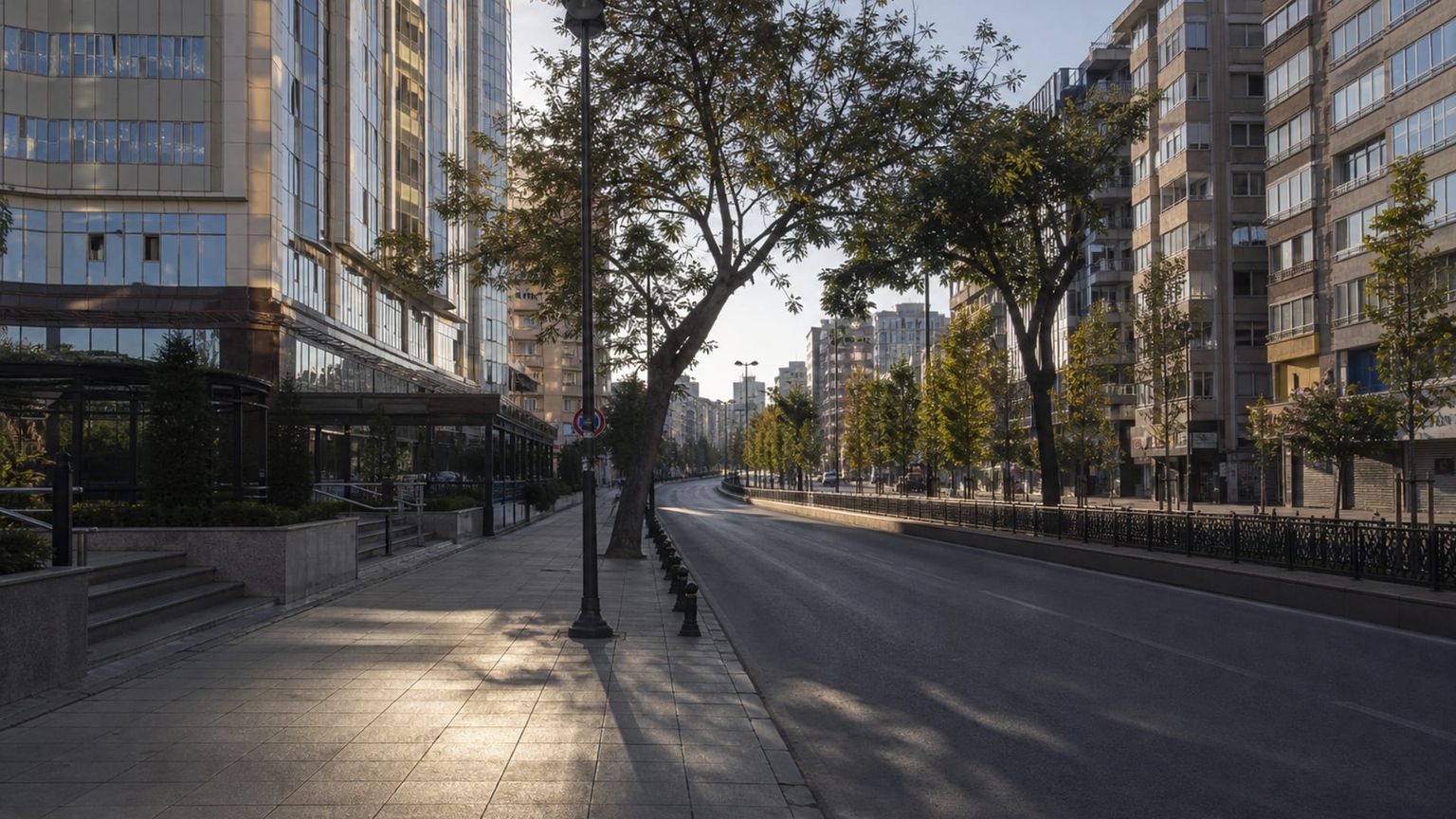
Kızılay is Ankara’s busiest central district, built around the metro interchange, Atatürk Boulevard, shops, offices, cafés, and restaurants. Its main advantage is movement: Ulus, Anıtkabir, the train station, and Çankaya are all easier to reach from here than from most other neighborhoods.
Best for: Metro access, dining, shopping, and an active central base
What to expect: Busy sidewalks, constant traffic, and late-opening cafes and restaurants, especially near the main squares and metro exits.
Hotel prices: Usually about $60 to $120 per night for well-rated stays
Distance to major sights: 10 to 15 minutes by metro to Anıtkabir, about 20 minutes on foot to Ulus
Quietness: Lively through the day and evening, with more noise near major roads and transit stops at night.
Main trade-off: The central location brings traffic, sirens, and denser crowds, and the most pleasant blocks sit a few streets away from the busiest intersections.
Good to know: Choose a room away from Atatürk Boulevard or Kızılay Square if you are sensitive to traffic noise.
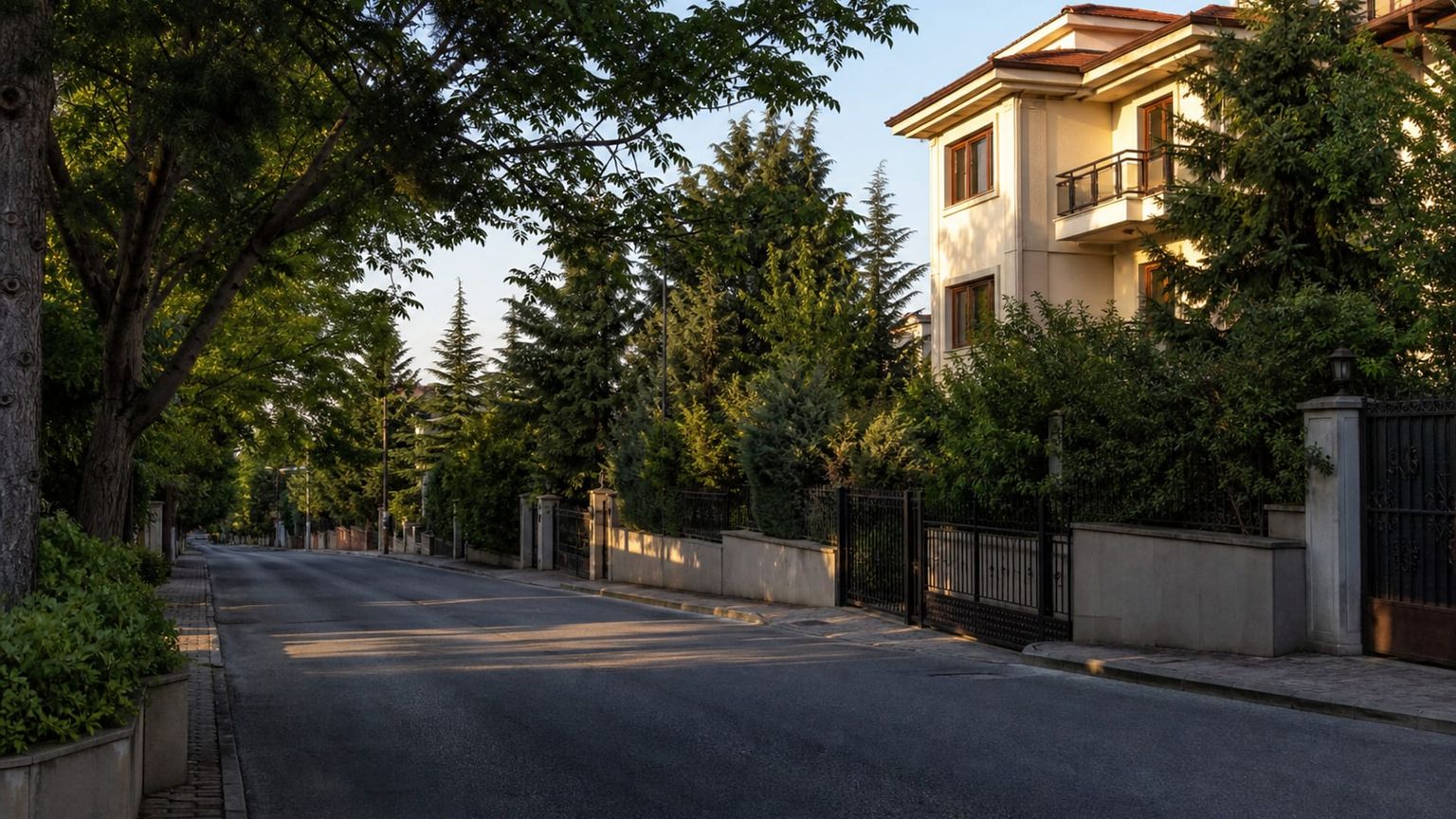
Gaziosmanpaşa is an upscale residential and diplomatic area east of central Ankara, known for embassies, apartment buildings, tree-lined streets, and destination restaurants. It feels calmer than Kızılay but still keeps Tunalı Hilmi, Kuğulu Park, and central Çankaya within a short taxi ride.
Best for: Upscale stays, dining, and visitors who prefer a quieter central neighborhood
What to expect: More apartment buildings and embassies than constant foot traffic, with cocktail bars, cafés, and destination restaurants spread along the main roads.
Hotel prices: Usually about $90 to $180 per night for well-rated stays
Distance to major sights: 15 to 25 minutes by taxi to Anıtkabir, about 20 minutes by taxi to Ankara Castle
Quietness: Calm during the day on side streets, then busier around restaurant clusters in the evening.
Main trade-off: You will usually rely on taxis or ride-hailing more than in Kızılay, and hotel rates tend to be higher for the same room size.
Good to know: Check the exact address before booking, because two hotels with the same district name can sit on very different blocks, some walkable and some far from the main dining streets.
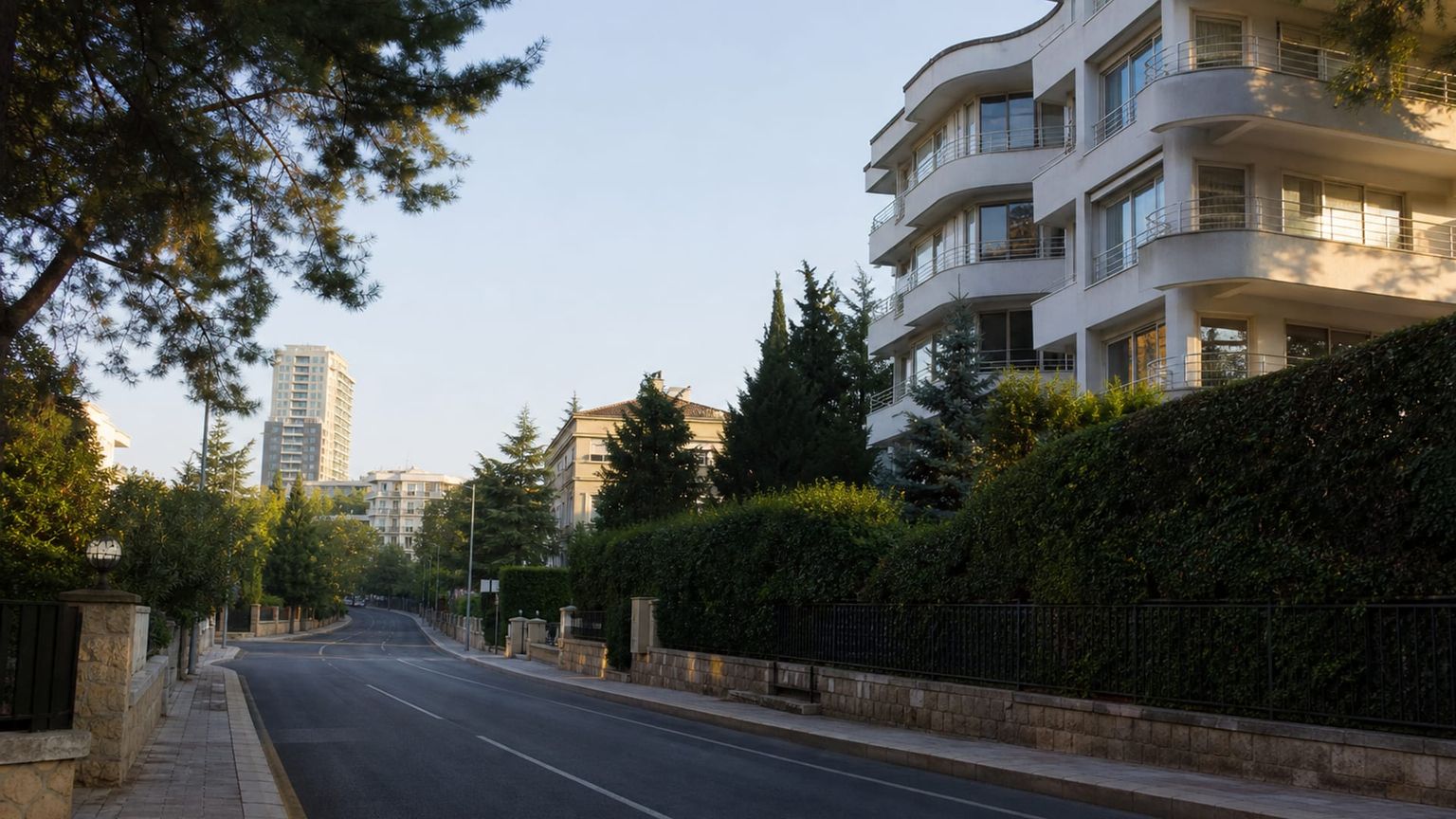
Çankaya covers much of central and southern Ankara, with ministries, embassies, business hotels, parks, and residential streets spread across several hills. It suits trips that mix meetings with sightseeing, but the exact address matters because metro access and restaurant choice vary.
Best for: Business trips, embassy-area stays, and visitors who want a central but residential feel
What to expect: Wide avenues, government offices, and apartment blocks dominate, with scattered cafes and restaurants rather than one dense nightlife strip.
Hotel prices: Usually about $80 to $160 per night for well-rated stays
Distance to major sights: 15 to 20 minutes by taxi to Anıtkabir, about 20 to 30 minutes by taxi to the Museum of Anatolian Civilizations
Quietness: Generally quieter than Kızılay by day, then modestly active in the evening near hotel and restaurant corridors.
Main trade-off: The district is large, so convenience depends on the exact block, and some parts sit a long walk from metro stations or sightseeing spots.
Good to know: Before booking, map the nearest metro stop and taxi access, because a room that looks central on paper can still add time to every outing.
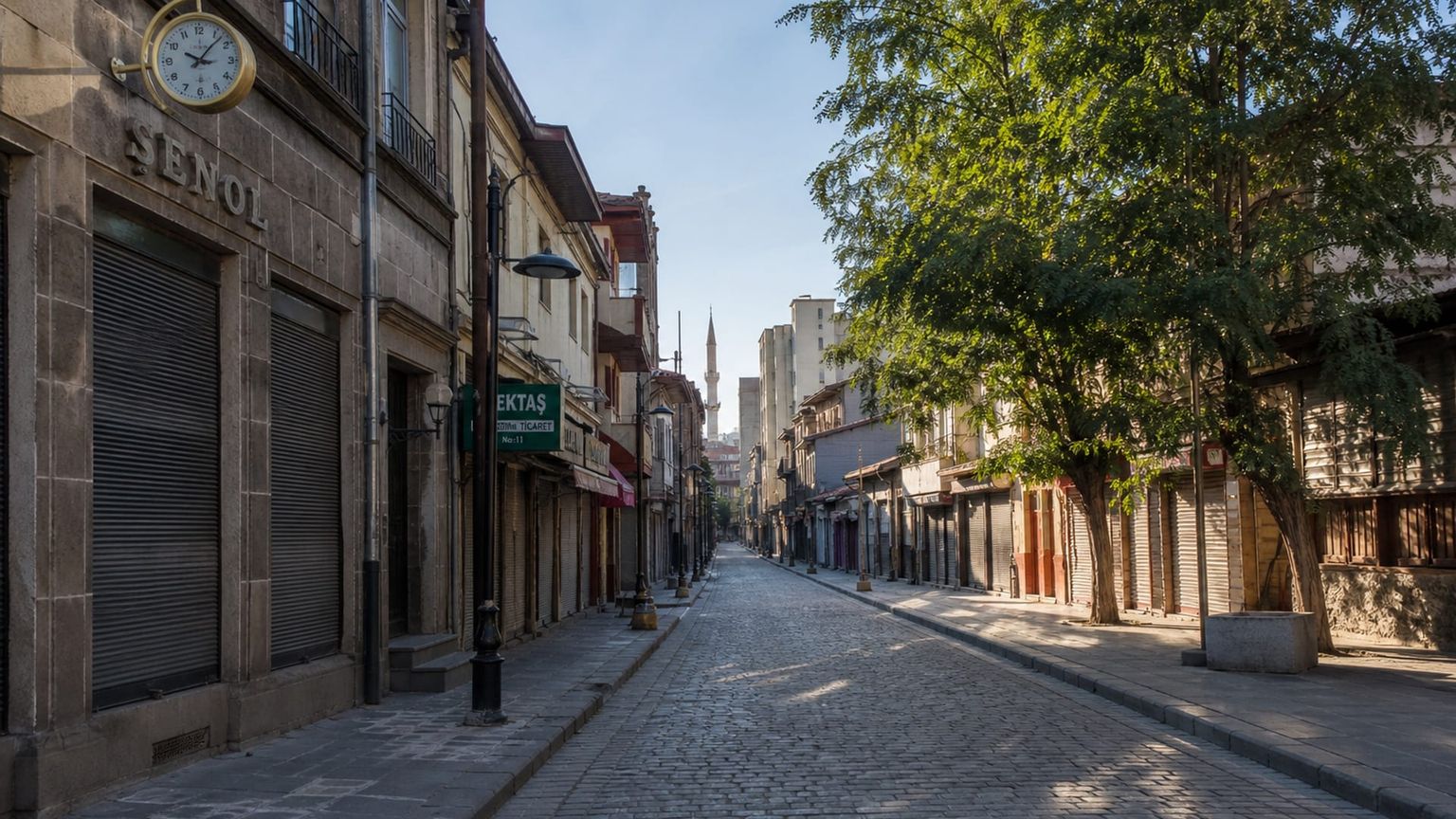
Ulus is Ankara’s historic core, where the castle, Museum of Anatolian Civilizations, Roman remains, old market streets, and early Republican landmarks cluster close together. The area is busiest during the day and is especially useful if museums and historic Ankara are the focus of your stay.
Best for: Historic sightseeing, museum visits, and short stays focused on older Ankara
What to expect: Older streets, busy daytime market activity, and a clear drop in energy after shops close, with fewer late-night options than in newer districts.
Hotel prices: Usually about $50 to $100 per night for well-rated stays
Distance to major sights: 5 to 15 minutes on foot to the Museum of Anatolian Civilizations, about 20 minutes by taxi to Anıtkabir
Quietness: Active and noisy in the day, then much quieter in the evening once the markets and museums close.
Main trade-off: The area is convenient for history, but the accommodation stock is older and some streets feel less inviting after dark.
Good to know: If you stay here, plan dinner before the evening lull, since late restaurant choices thin out much faster than they do in central modern districts.
For a first stay, avoid booking too far south in Çankaya unless you have meetings there. Kızılay is easier for transport, Ulus for historic sights, and Gaziosmanpaşa for quieter evenings and better dining nearby.
Hotel deals
How to get around Ankara efficiently
Ankara’s metro and ANKARAY handle central trips, while Esenboğa Airport relies on buses and taxis because no rail line reaches the terminal.

Metro and ANKARAY
for central districts and longer city trips
Metro and ANKARAY connect Kızılay with Ulus, AŞTİ, Söğütözü, Çayyolu, Batıkent, and other parts of Ankara. A standard adult ride costs ₺35 ($0.70). Transfers are available within the network, but no rail service reaches Esenboğa Airport.

EGO bus 442
for the lowest-cost airport transfer
EGO route 442 links Esenboğa Airport with Kızılay and AŞTİ and operates throughout the day and night. The fare is ₺130 ($2.65). The full route is scheduled for 110 minutes, with central stops reached earlier depending on traffic.

Taxis and Uber
for luggage, late hours, and direct rides
Licensed taxis serve Esenboğa Airport 24/7 from marked terminal ranks, and Uber lets you request licensed taxis in the app. Budget ₺1,200–₺1,500 ($24–$31) for many airport trips toward central Ankara, with the final metered fare depending on traffic and destination.
*Prices are based on rates updated as of October 2026 and may change at the time of travel.
Use metro and ANKARAY for central trips, the 442 bus for the lowest-cost airport ride, and taxis when luggage, late hours, or direct travel matter more.
Iconic landmarks
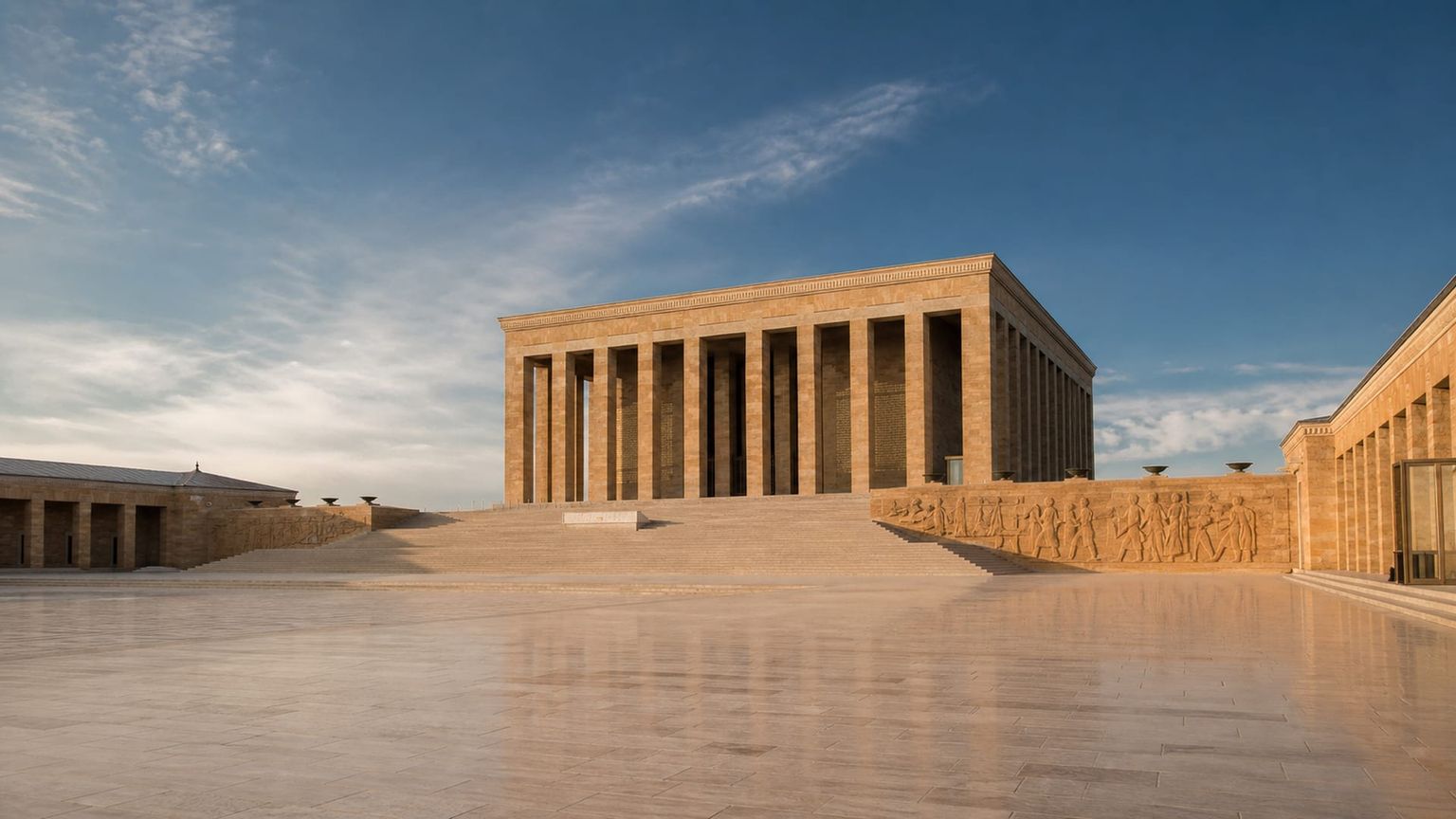
Anıtkabir
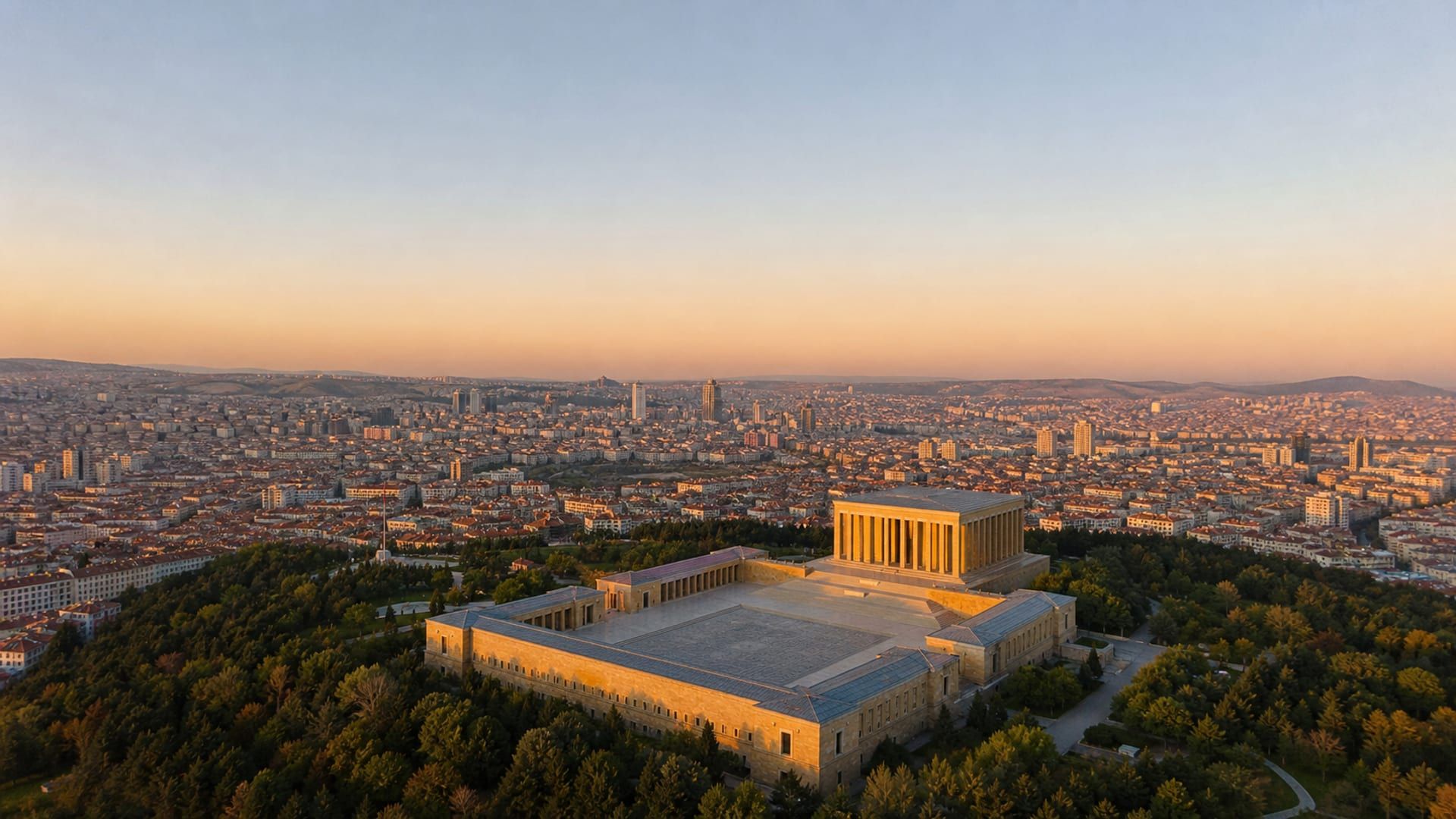
Anıtkabir is the mausoleum of Mustafa Kemal Atatürk, founder of the Republic of Türkiye. The complex combines the Lion Road, ceremonial square, Hall of Honor, monumental architecture, and a museum covering Atatürk’s life, the War of Independence, and the founding of the republic.
Time needed: A visit takes 2–3 hours.
Entry: You can visit for free. Check the official website for more details.
Tip: Visit early, especially around national holidays when crowds can be much larger.
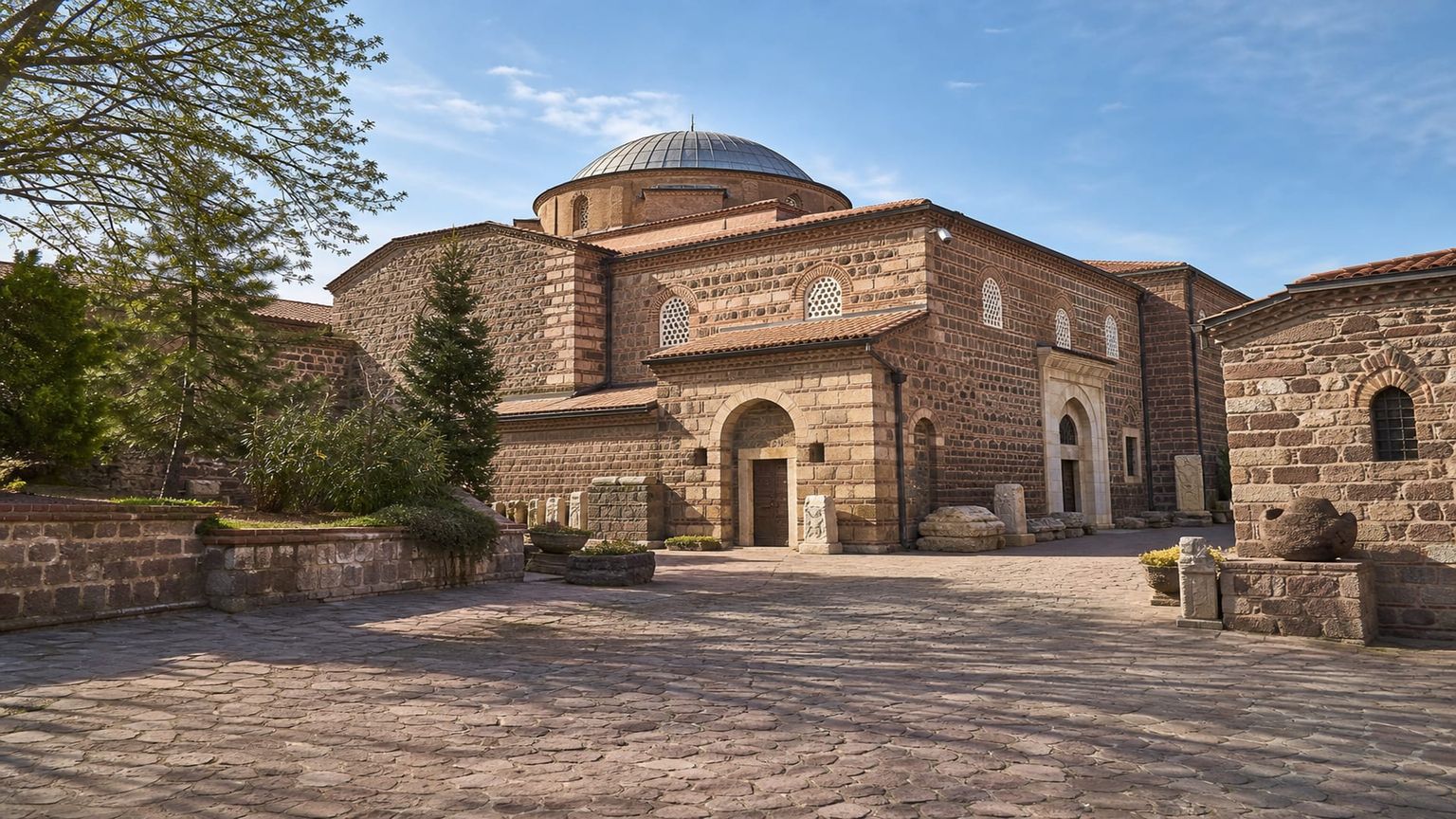
Museum of Anatolian Civilizations
Set in two restored Ottoman buildings below Ankara Castle, the Museum of Anatolian Civilizations traces thousands of years of Anatolian history. Its galleries move from Paleolithic finds through Hittite, Phrygian, Urartian, and later cultures, with major archaeological pieces throughout.
Time needed: A visit takes 2–3 hours.
Entry: Foreign admission costs €12 ($13.50). Check the official website for more details.
Tip: Follow the galleries chronologically to make the large collection easier to understand.
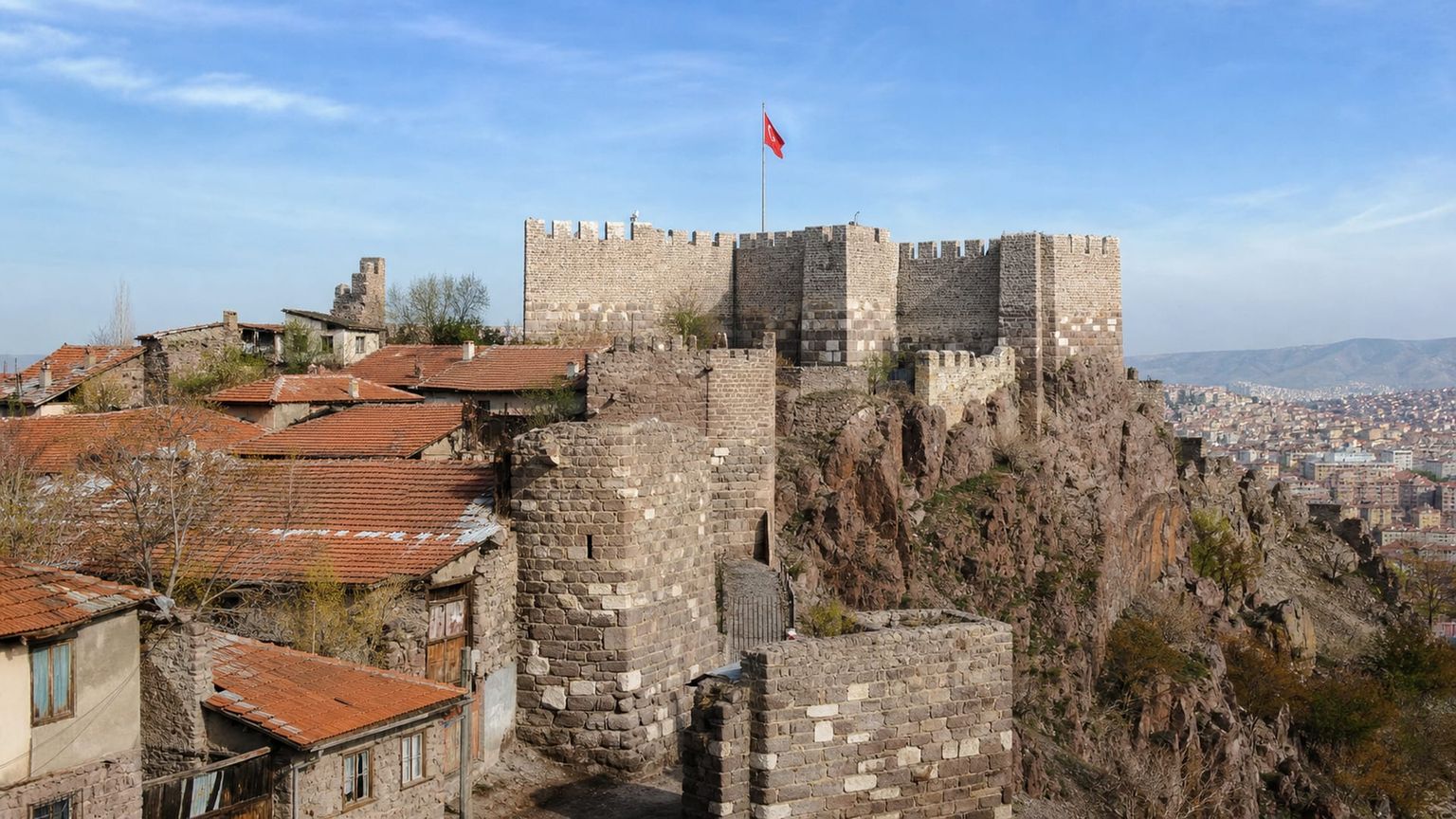
Ankara Castle
Ankara Castle rises above Ulus at the center of the old city, with Byzantine-era walls, later Seljuk additions, Ottoman houses, narrow lanes, and viewpoints over the capital. The surrounding streets add workshops, cafés, and historic buildings that make the area worth exploring beyond the walls.
Time needed: A visit takes 1–2 hours.
Entry: You can visit the castle and surrounding streets for free. Check the official website for more details.
Tip: Pair the castle with the nearby museum and old market streets on the same visit.
Overlooked sites worth visiting

Atatürk Orman Çiftliği and Zoo grounds
Inside Atatürk Orman Çiftliği, this replica of Atatürk’s childhood home in Thessaloniki displays period rooms, personal objects, and photographs that add a quieter layer to Ankara’s history.
Time needed: A visit takes 45 minutes–1 hour.
Entry: You can visit for free. Check the official website for more details
Tip: Pair it with other Atatürk Orman Çiftliği stops while you are already west of the center.

Roman Bath of Ankara
Near Ulus, Ankara’s Roman Baths preserve a large 3rd-century complex built under Caracalla, with the palaestra, stone foundations, inscriptions, and fragments spread across the open-air site.
Time needed: A visit takes 45 minutes–1 hour.
Entry: Foreign admission costs €3 ($3.40). Check the official website for more details.
Tip: Add it to an Ulus day with the nearby Roman and early Republican sights.
Traditional food
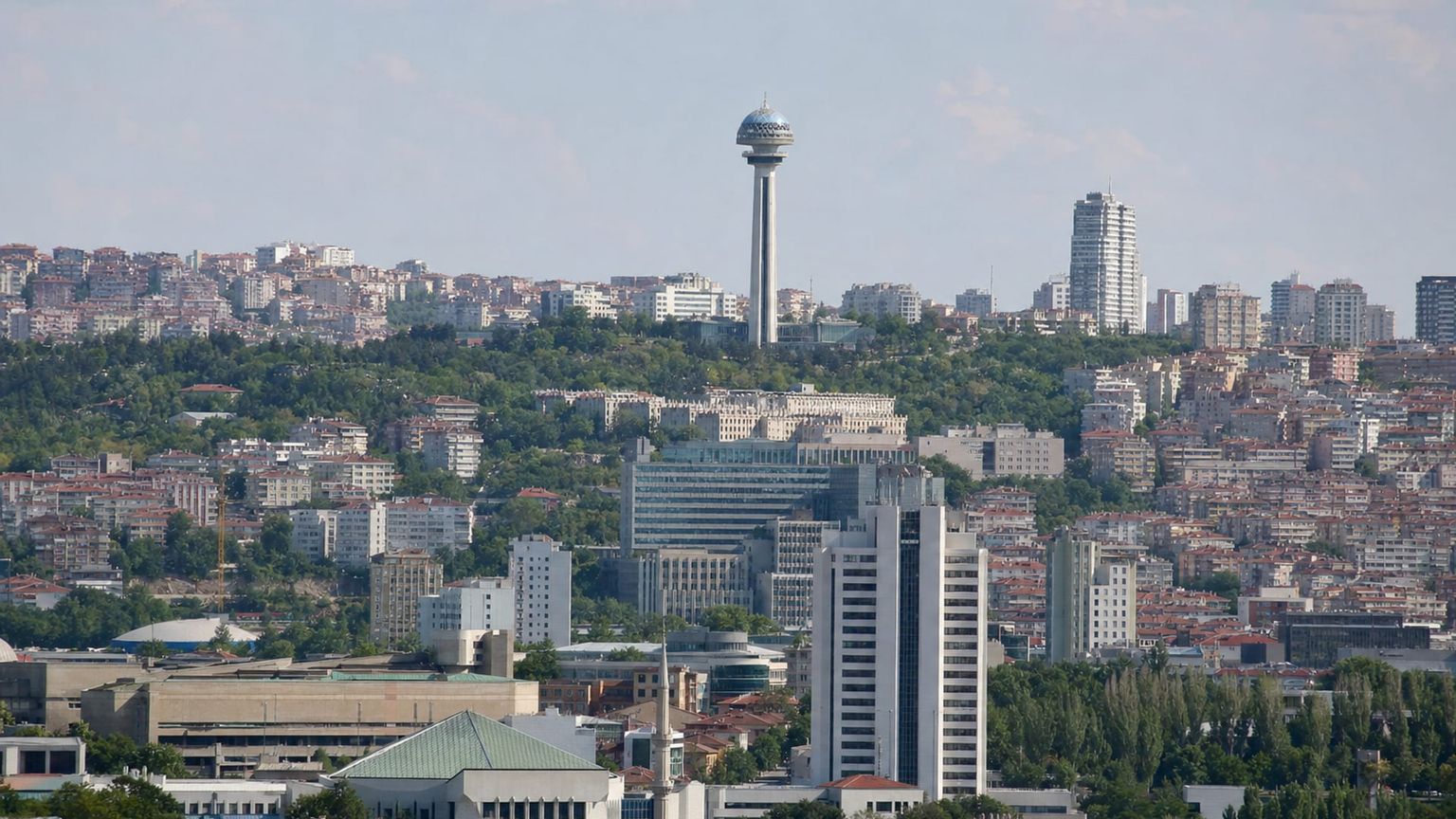
Ankara’s food leans on roasted meat, lamb, grains, and bakery staples, with several dishes tied closely to the capital and surrounding province.
Ankara döneri
Ankara döneri is made from seasoned meat roasted vertically over fire, then sliced thin for serving. Yıldız Aspava Emek prepares its version over oak wood and lists it as one of the restaurant’s signature dishes.
Ankara tavası
Ankara tava combines tender lamb with arpa şehriye, a small pasta similar to orzo, cooked together until the grains absorb the meat juices. Tavacı Recep Usta lists Ankara Tava on its Park Vadi menu.
Beypazarı güveci
Beypazarı güveci slow-cooks meat, rice, tomatoes, and peppers in a clay pot until the rice absorbs the broth and the meat turns tender. Tarihi Taş Mektep in Beypazarı is known for serving this regional specialty.
Ankara simidi
Ankara simidi is thinner, darker, and more intensely coated with grape molasses than many other Turkish simits, giving it a crisp crust and toasted flavor. Kazan Dede Çorba serves Ankara simidi at its Ankara locations.
Best time to visit Ankara
Ankara has hot, dry summers and cold winters, while spring and fall bring the easiest conditions for museums, parks, and historic districts.
Best for: Castle walks, Anıtkabir, parks, museums, and longer days outdoors
What you get: Spring ranges from 35°F to 73°F (2°C to 23°C), with longer daylight, greener parks, and more comfortable conditions by April and May.
Trade-offs: March can still feel cold, and rain becomes more frequent during April and May.
Best for: Long evenings, outdoor cafés, parks, and sightseeing after midday heat
What you get: Summer reaches 57°F–88°F (14°C–31°C), with very dry July and August, long sunshine hours, and clear evenings across the city.
Trade-offs: Exposed streets, castle slopes, and memorial grounds can feel very hot in the afternoon.
Best for: Museums, old Ankara, city views, parks, and comfortable daytime walks
What you get: September can still reach 80°F (27°C), while November drops toward 37°F (3°C), bringing cooler days and gradually increasing rain.
Trade-offs: Temperatures fall quickly after October, so late-fall evenings need warmer layers.
Best for: Museums, cafés, indoor sights, and shorter visits centered on the city
What you get: Winter settles between 28°F–45°F (-2°C–7°C), with short daylight hours, frequent cold mornings, and occasional snow across Ankara.
Trade-offs: Snow, ice, and freezing mornings can make hilltop sights and longer walks less comfortable.
A realistic 5-day plan in Ankara
Five days in Ankara are enough to move beyond the major monuments without spending the trip crossing the city. Keep Ulus, Anıtkabir, the western sights, and the modern center on separate days, then leave the final morning light.
After landing at Ankara Esenboğa Airport (ESB), head to your hotel and keep the first evening close by. Kızılay is easy for a first night because restaurants, cafés, and the metro are nearby, while Gaziosmanpaşa suits a quieter arrival. Have dinner in the neighborhood, take a short walk if you still have energy, and leave Anıtkabir, Ulus, and the museums for the next morning. There is no reason to start the trip by crossing Ankara again after the airport ride, especially if you arrive late.
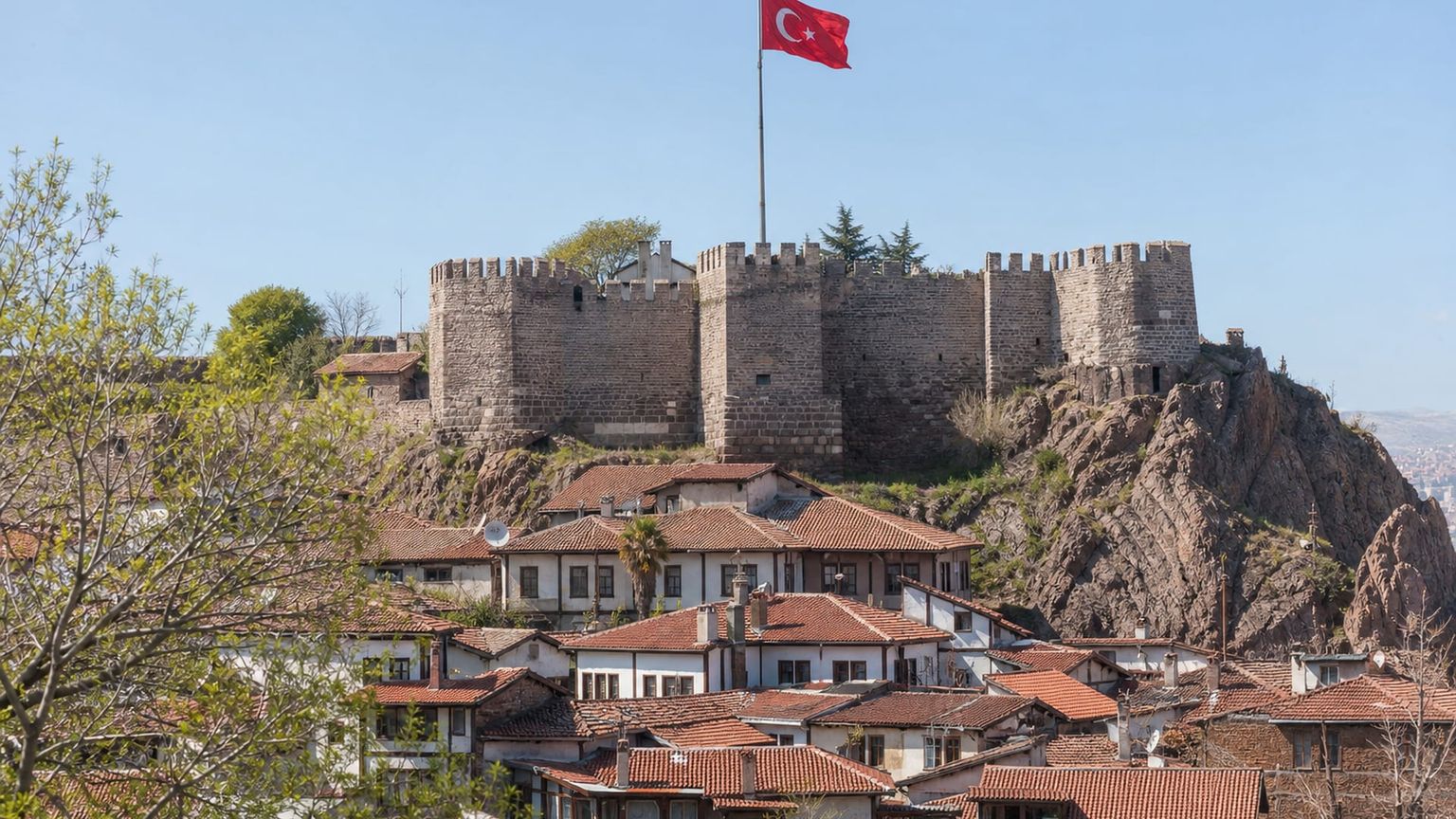
If ancient history interests you, give Ulus most of this day. Start at the Museum of Anatolian Civilizations, then walk uphill to Ankara Castle for the old streets and city views. After lunch, continue toward Hacı Bayram Veli Mosque and the Temple of Augustus, where Roman and Ottoman Ankara stand beside each other. The sights are close enough to combine without rushing, and a tea stop in the old quarter gives you an easy break before heading back toward Kızılay for dinner.
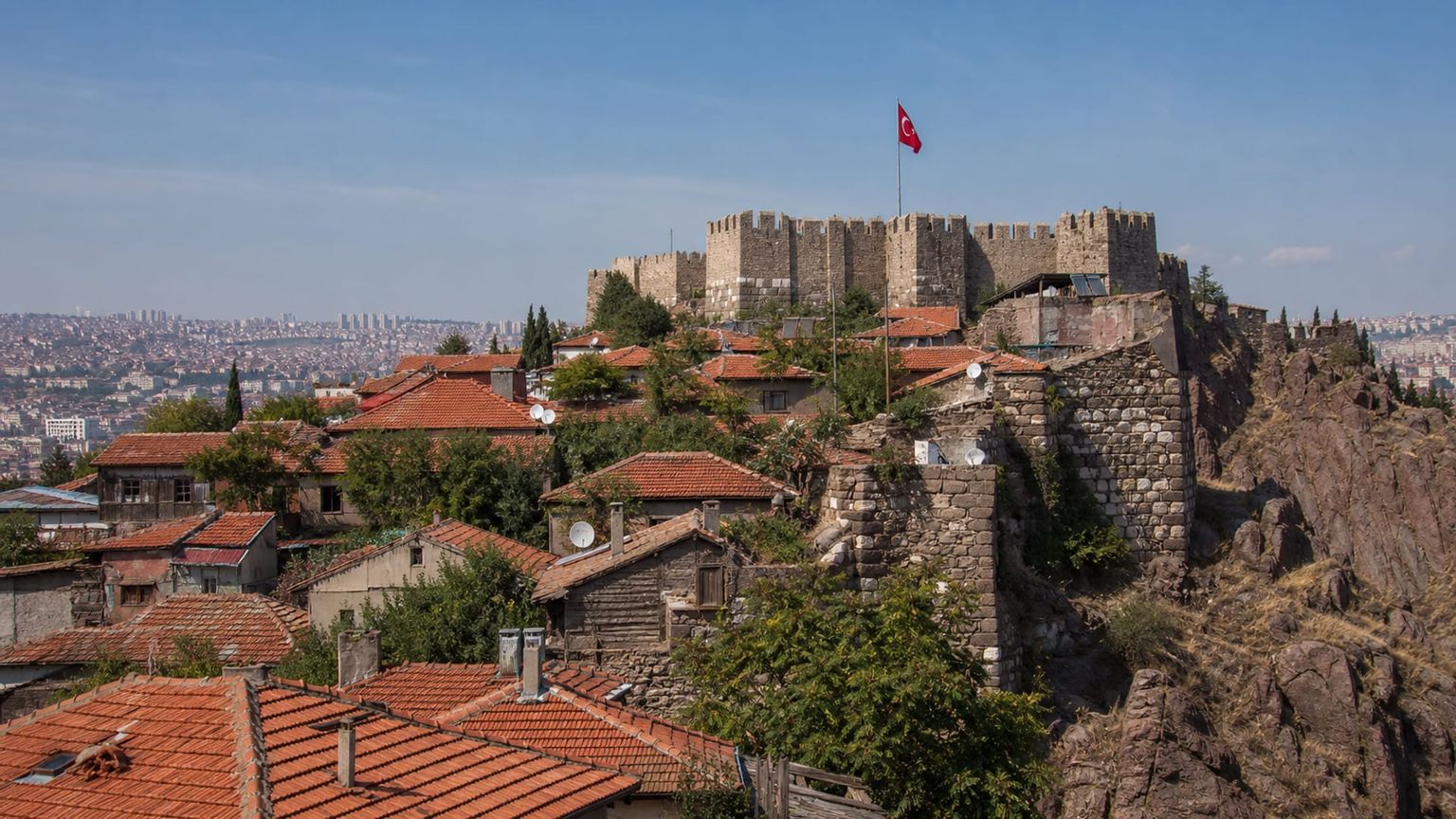
Anıtkabir deserves more than a quick photo stop, so give the mausoleum, ceremonial spaces, and museum a full morning. After lunch, head west to Atatürk Orman Çiftliği and visit the Atatürk House, a replica of his childhood home in Thessaloniki. If you still want more context, the farm’s museum and exhibition hall are nearby and free to enter. A café stop at the farm gives you an easy finish before you return to the center for dinner, without adding another major sight.
If you want to see what Ankara people actually use every day, make this your modern-center day. Begin in Kızılay, then follow Atatürk Boulevard toward Kavaklıdere and Tunalı Hilmi for shops, cafés, and lunch. Kuğulu Park gives you an easy green stop before dinner, and you can continue into Gaziosmanpaşa if you want a quieter restaurant later. With no major ticketed sight to organize, this is a good day to linger over coffee, browse, and move at your own pace without a strict schedule.
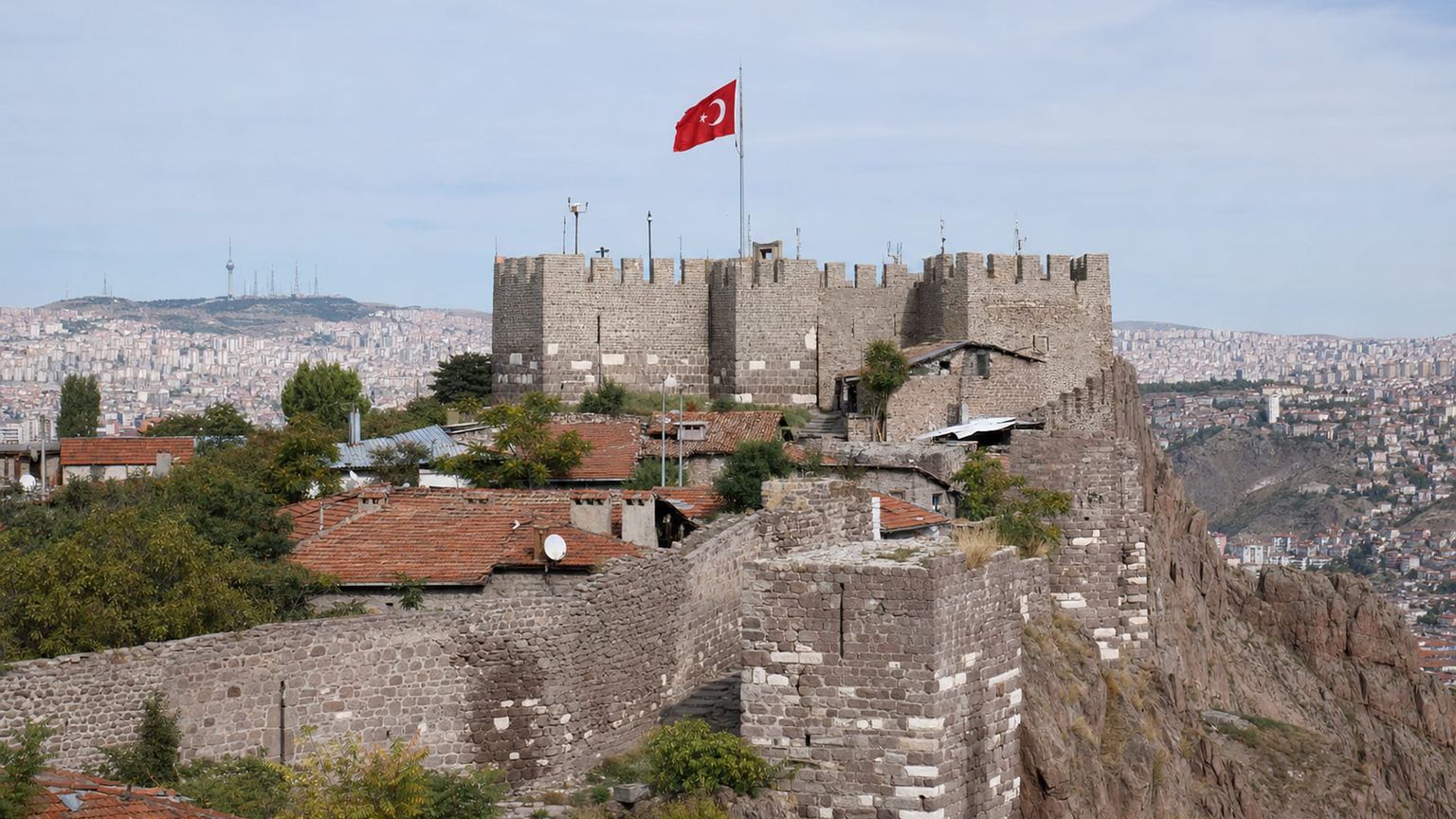
Keep the last morning light with Hamamönü, where restored 19th-century houses, cafés, craft shops, and small cultural stops are easy to explore without committing to another major museum. If you have time, look in at the Mehmet Akif Ersoy Museum House or simply stay for breakfast and a slow walk through the neighborhood. Then return for your bags and leave enough time for the drive to Esenboğa Airport (ESB), especially if you are departing from central Ankara.
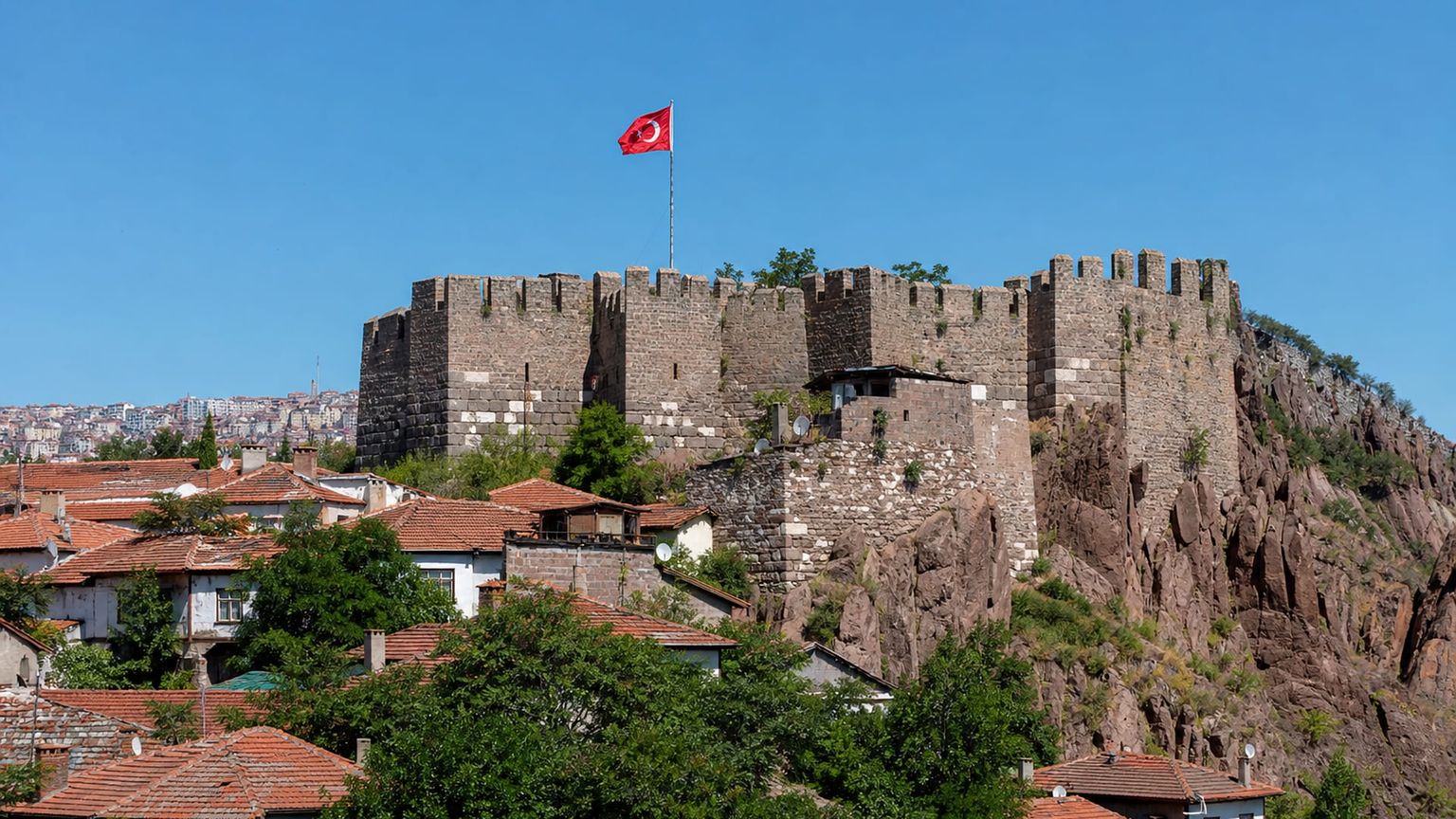
Business-class flights from the US to Ankara
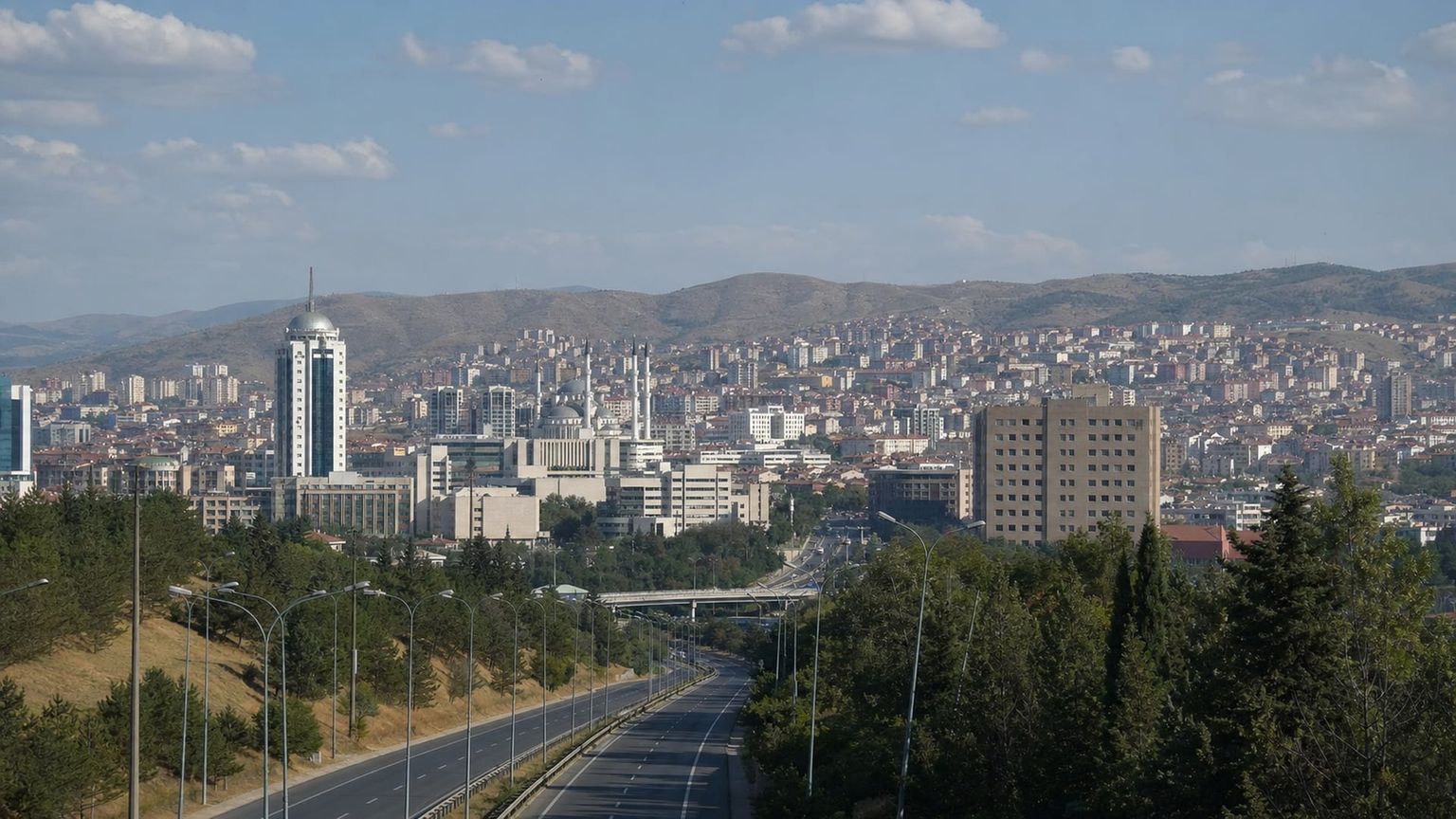
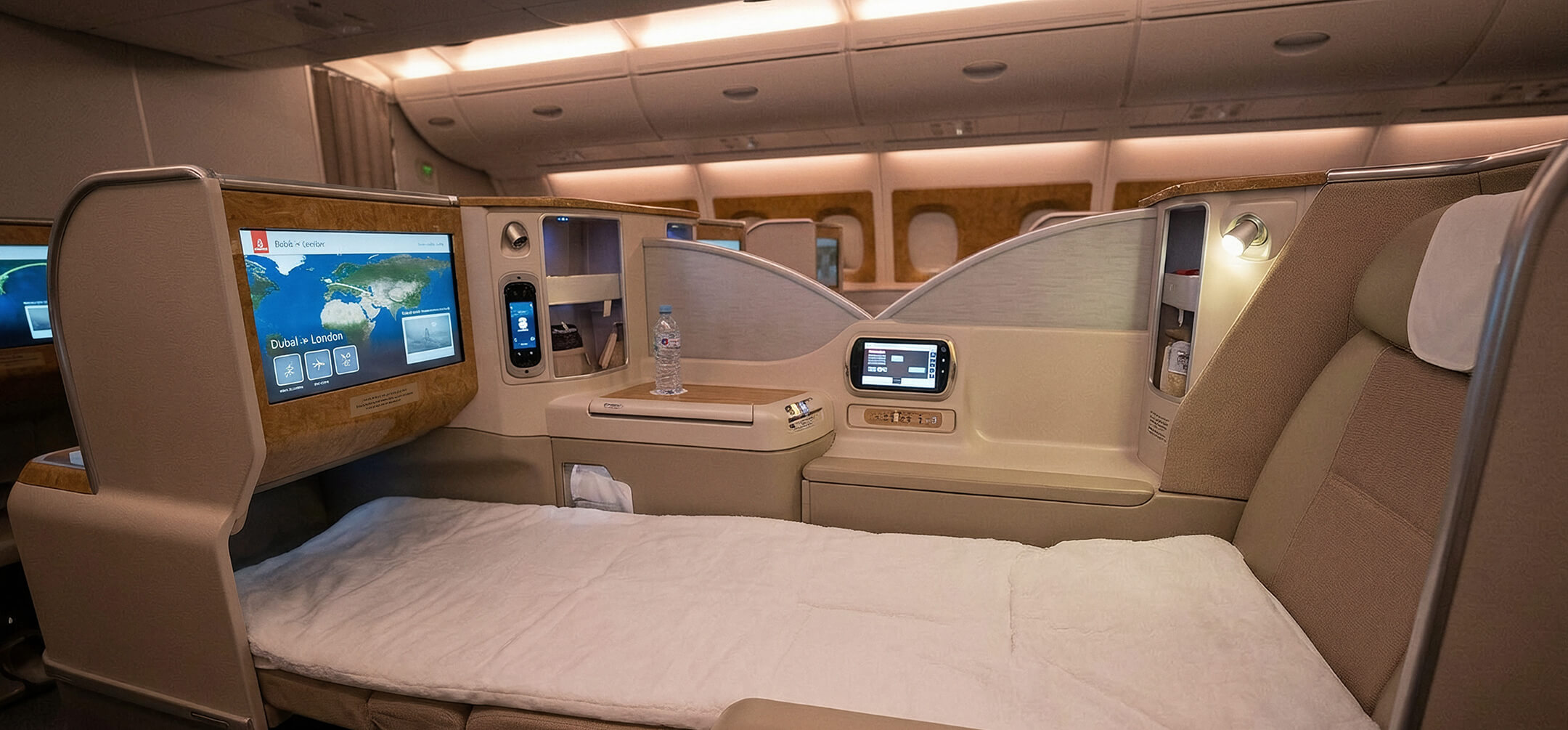
There are no nonstop flights from JFK or LAX to Ankara. The simplest business-class trips usually connect once through Istanbul or Doha.
New York (JFK) to Ankara (ESB)
Turkish Airlines offers flights from New York to Ankara through Istanbul (IST), while Qatar Airways offers one-stop itineraries through Doha (DOH). The shortest trips take 13–14 hours, while flights with layovers in Doha can stretch closer to 17–19 hours. Round-trip business-class fares generally range from $5,000 to $7,500.
Los Angeles (LAX) to Ankara (ESB)
From Los Angeles, Turkish Airlines connects to Ankara through Istanbul (IST), with Qatar Airways also offering one-stop service through Doha (DOH) on selected schedules. The shortest journeys take 16–17 hours. Business-class tickets typically run $5,400–$8,000 round trip.
Ankara reveals itself beyond the monuments
Ankara feels very different once you move past Anıtkabir and the government avenues. Ulus brings the city’s oldest layers into view, while Kızılay, Tunalı Hilmi, and Gaziosmanpaşa show the capital as people use it every day. Giving each part of the city its own time makes those contrasts easier to appreciate. When you are ready to book, AranGrant can help you compare business-class flights to Ankara and hotels in the area that fit your stay.