

Chapters:

Need help with your trip?
Our support team is available 24/7. Request a callback or call us directly at (833) 619-0908
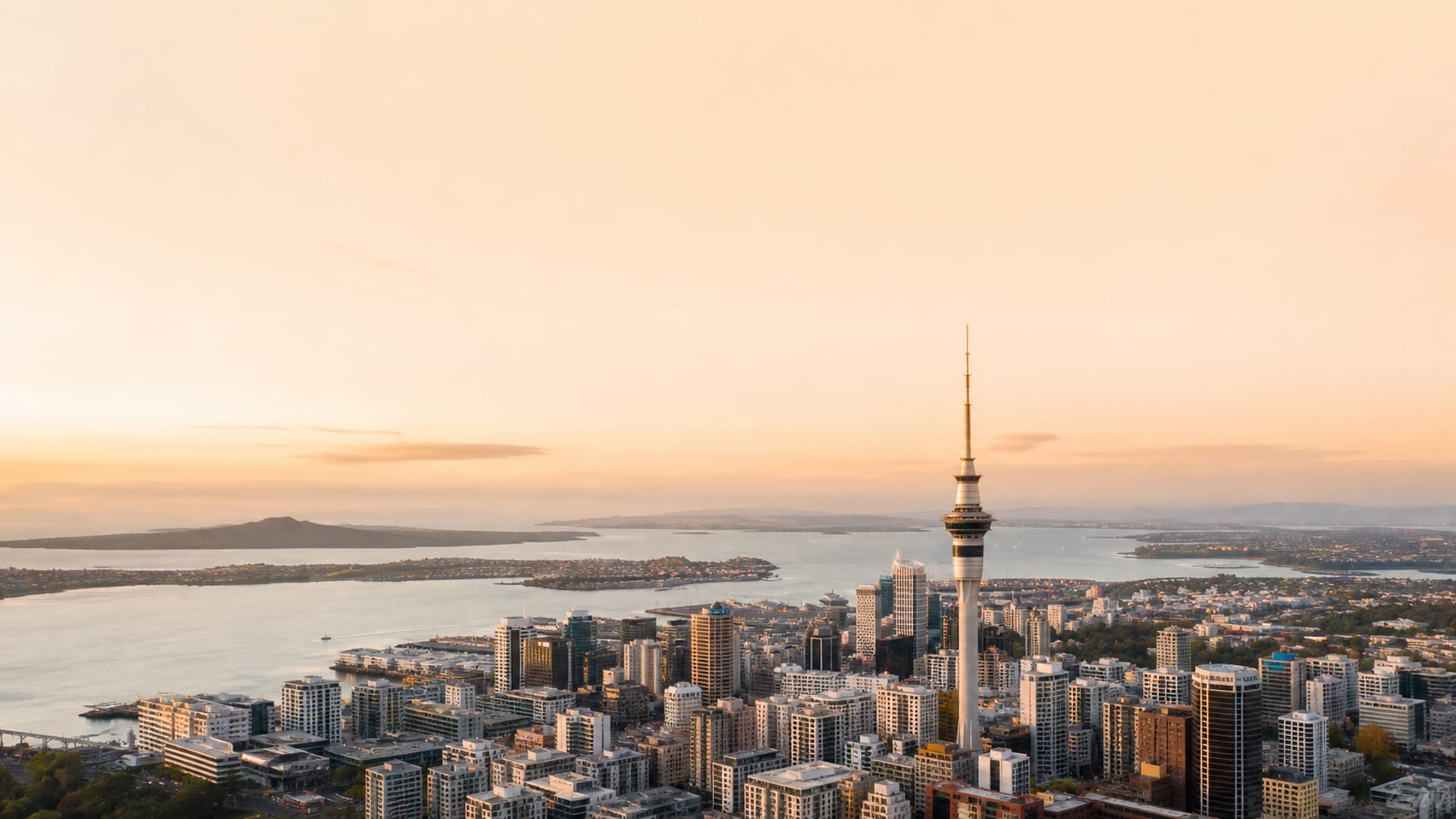
Auckland trips often begin with the Sky Tower, a ferry ride, and a dinner near the water, while the museum and the outer neighborhoods wait for another day. Travelers who do well here usually notice the city has distinct pockets, not one compact center.
That matters because the distances add up faster than the map suggests, and the most popular areas can feel busy at the same hours. A day that tries to cross the harbor, the museum district, and the waterfront in one sweep can lose time to transfers and backtracking.
This guide separates the city into manageable parts, so you can place the harbor, the museums, and the ferry day in an order that fits the pace of each area.
Useful things to know

Main language(s): English

Currency: The local currency is the New Zealand dollar (NZD, $).

Cash and cards: Cards and contactless are widely accepted; carry about NZ$20 to NZ$50 ($12 to $30) in cash for small purchases.

Tipping: Tip 10% to 15% at sit-down restaurants if service is good; round up for taxis and cafes.

Traditional food: Hāngi, fish and chips, pavlova, whitebait fritters

Water and coffee costs: Water about NZ$3 ($2), bar espresso about NZ$5 ($3).

Taxis and ride apps: Uber and Ola operate here; confirm pickup zones at the airport.

Plug and voltage: Type I socket, 230V

Dining and shop opening hours: Breakfast is about 07:00-10:00, lunch 12:00-14:00, and dinner 18:00-21:00. Many kitchens close by 21:30, especially outside central Auckland.

Emergency number: Call 111 for police, fire, or ambulance.
Where to stay in Auckland
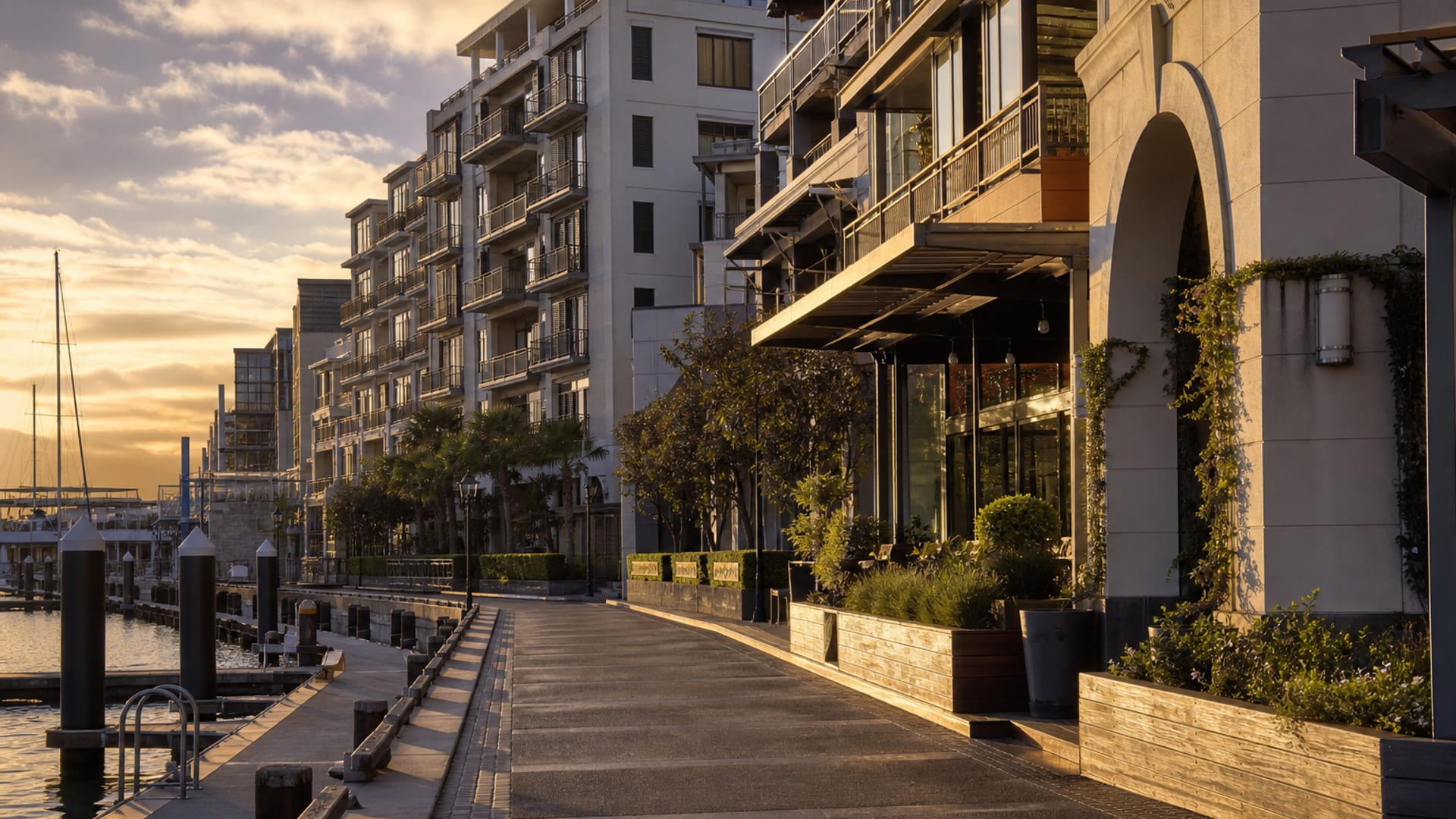
Waterfront precinct beside the harbor with marinas, restaurant terraces, and modern apartment hotels. It puts you close to the downtown ferry terminal, the Wynyard Quarter, and evening dining, so it suits travelers who want the central city and the water in one base.
Best for: Harbor views, dining, and visitors who want to walk to the CBD
What to expect: Busy waterfront promenades by day, with steady restaurant and bar traffic into the evening.
Hotel prices: Usually about $180 to $420 per night for well-rated stays
Distance to major sights: 10 to 15 minutes on foot to the Sky Tower; 5 to 10 minutes on foot to the ferry terminal
Quietness: Lively in the afternoon and evening, quieter late at night on side streets and upper-floor rooms
Main trade-off: The location and water views often push room rates higher than in inland neighborhoods, and weekend evenings can bring late noise from bars.
Good to know: Choose a room away from the main promenade if you are a light sleeper, since the busiest dining strips stay active after dark.
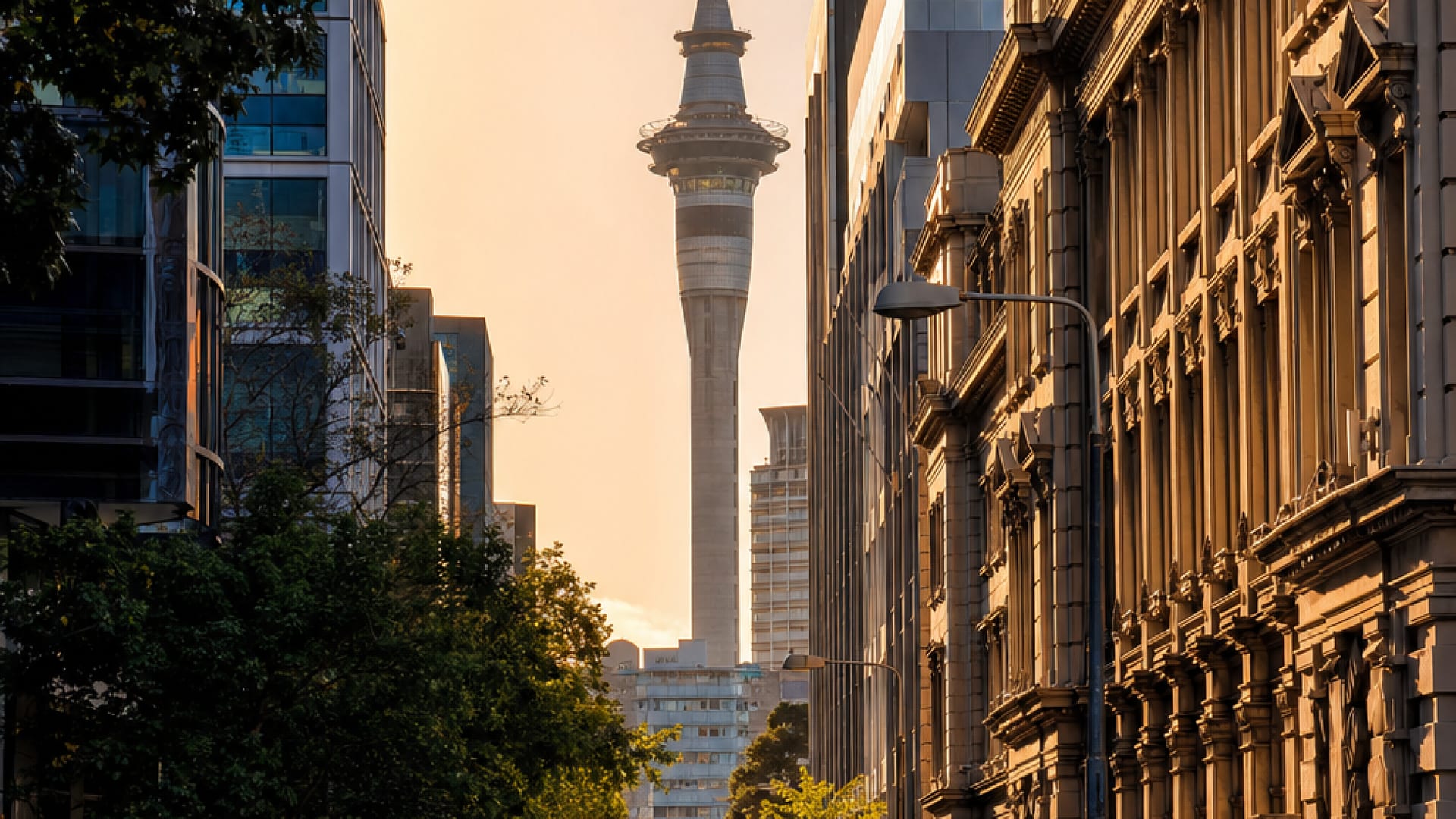
The city center covers Queen Street, the shopping blocks, civic buildings, and most of the main transit links. It works well if you want the shortest walk to museums, the Sky Tower, and ferry connections, with the widest choice of hotels.
Best for: First-time visits, transit access, and travelers who want to stay in the center
What to expect: Dense foot traffic, retail activity, and a mix of office crowds, shoppers, and tourists throughout the day.
Hotel prices: Usually about $140 to $320 per night for well-rated stays
Distance to major sights: 5 to 15 minutes on foot to the Sky Tower and Auckland Art Gallery; 10 to 20 minutes on foot to the waterfront
Quietness: Busy and noisy during the day, calmer late evening once offices close and retail traffic drops
Main trade-off: The center puts you near everything, but some blocks feel utilitarian after dark and street noise can rise on Friday and Saturday nights.
Good to know: Look closely at the exact block, because some hotels sit beside late-night bars while others are tucked into quieter office streets.
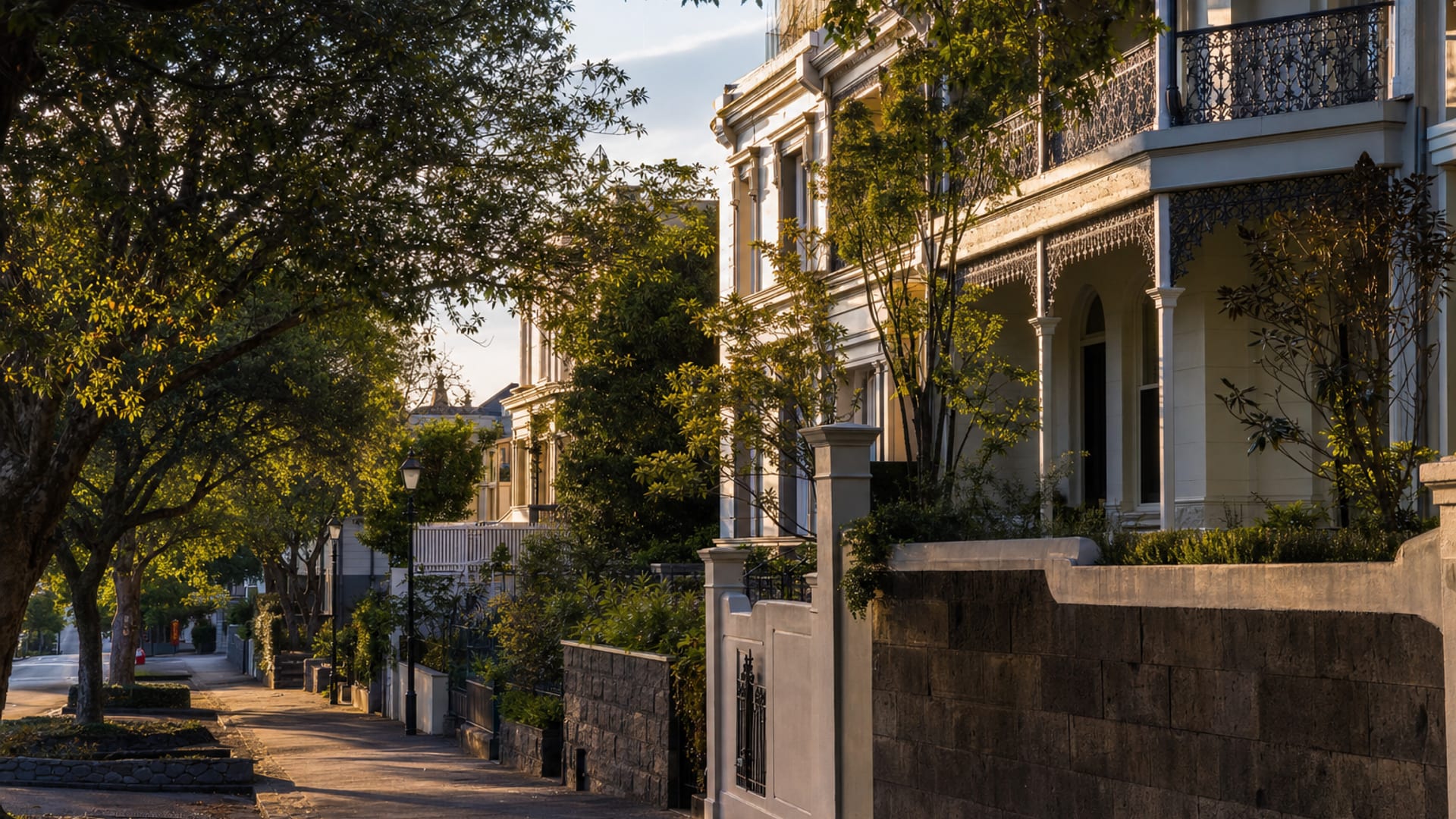
Parnell is an older inner-city neighborhood with villas, boutique shops, galleries, and a compact dining strip. It gives you a residential base near the CBD, Auckland War Memorial Museum, and the waterfront without staying in the middle of the main commercial streets.
Best for: Museums, boutique shopping, and travelers who want a quieter inner-city base
What to expect: Tree-lined streets, destination restaurants, and a mostly local crowd with less through-traffic than the CBD.
Hotel prices: Usually about $160 to $360 per night for well-rated stays
Distance to major sights: 15 to 20 minutes on foot to Auckland War Memorial Museum; 10 to 15 minutes by bus to the Sky Tower
Quietness: Calm in the evening on residential streets, with more activity near the restaurant strip at dinner time
Main trade-off: You will usually pay more for the neighborhood setting, and most late-night options still sit in the CBD or on the waterfront.
Good to know: If you plan to use public transport often, confirm the nearest bus stop, because the walk back uphill can feel longer after dinner.
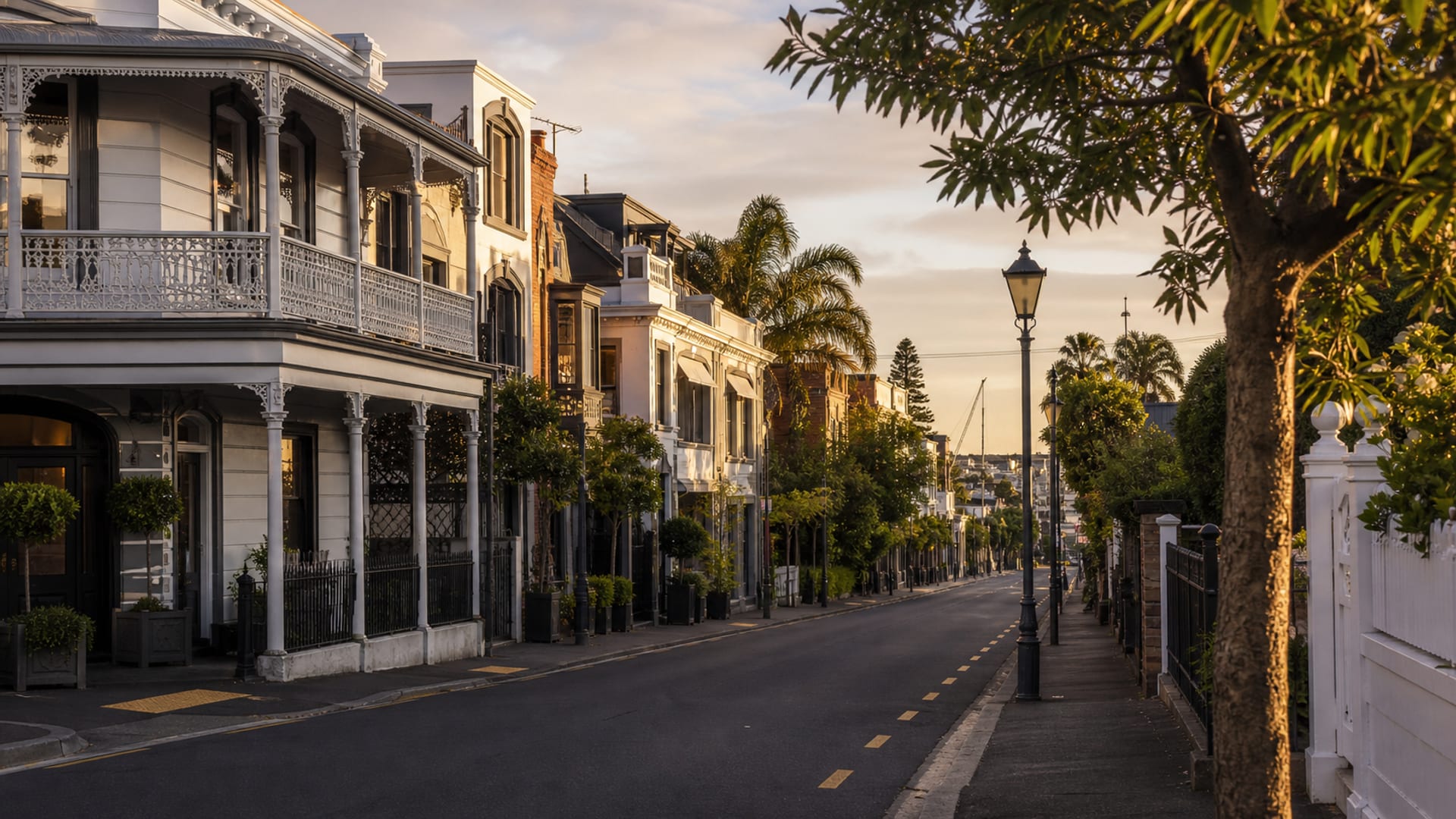
Ponsonby is one of Auckland’s best-known inner suburbs, built around Ponsonby Road’s bars, cafés, and independent shops. It suits travelers who want a neighborhood feel, strong dining options, and easy rides into the city center.
Best for: Dining, nightlife, and travelers who prefer a neighborhood atmosphere
What to expect: A lively main road with cafés, bars, and late dinners, plus quieter side streets with villas and apartments.
Hotel prices: Usually about $170 to $380 per night for well-rated stays
Distance to major sights: 10 to 15 minutes by bus or taxi to the Sky Tower; 25 to 35 minutes on foot to the waterfront
Quietness: Active well into the evening on Ponsonby Road, quieter on residential side streets
Main trade-off: Late dining and bar traffic can bring noise, and the best hotel choices are fewer than in the CBD.
Good to know: If you want to go into the city after dinner, budget for taxis or rideshares, because the return uphill walk can be long.
Travelers usually avoid staying in Albany, because it sits far north of central Auckland and adds a long trip to the waterfront, the city center, and the ferry terminals, with most hotel options oriented to shopping and business parks. Manukau and the Airport precinct are also less convenient for sightseeing, since they sit well south of the main visitor areas and offer limited late-night dining and transit compared with central neighborhoods; Otara and Mangere East are best skipped for hotels if you want easy access to museums, the Viaduct, and other core attractions.
Hotel deals
How to get around Auckland efficiently
Auckland has no metro, so most visitors move between the CBD, the waterfront, and farther neighborhoods by bus, taxi, rideshare, or the suburban rail network.

Train
for longer distances
Auckland has no metro or subway, so the closest rail option is the suburban train network on Auckland One Rail. It links Britomart with the west, south, and east lines, but it does not reach Auckland Airport, so most visitors still pair rail with a bus or taxi for the final leg.

Bus
for convenience
Bus 38 links Auckland Airport with Onehunga in about 35 to 45 minutes, and the SkyBus airport express has also historically connected the airport with the city center, though schedules and operators can change. Fares vary by distance, but a standard AT HOP bus trip is often about $2 to $5 ($3 to $8), with fare caps and transfer rules that depend on the payment method and zone.

Taxi
for convenience or late hours
Licensed taxis use meters, while airport pickups can include queue-managed fares and extra charges for tolls or waiting. From Auckland Airport to central Auckland, expect roughly $50 to $90 ($76 to $137) by taxi in normal traffic, with rides commonly taking about 25 to 40 minutes; most cabs take cards, and ride-hail apps also operate at the airport.
*Prices are based on rates updated as of June 2026 and may change at the time of travel.
Use buses and trains for central hops, taxis or rideshares for hillier neighborhoods and late dinners, and ferries when the harbor itself is part of the plan.
Iconic landmarks
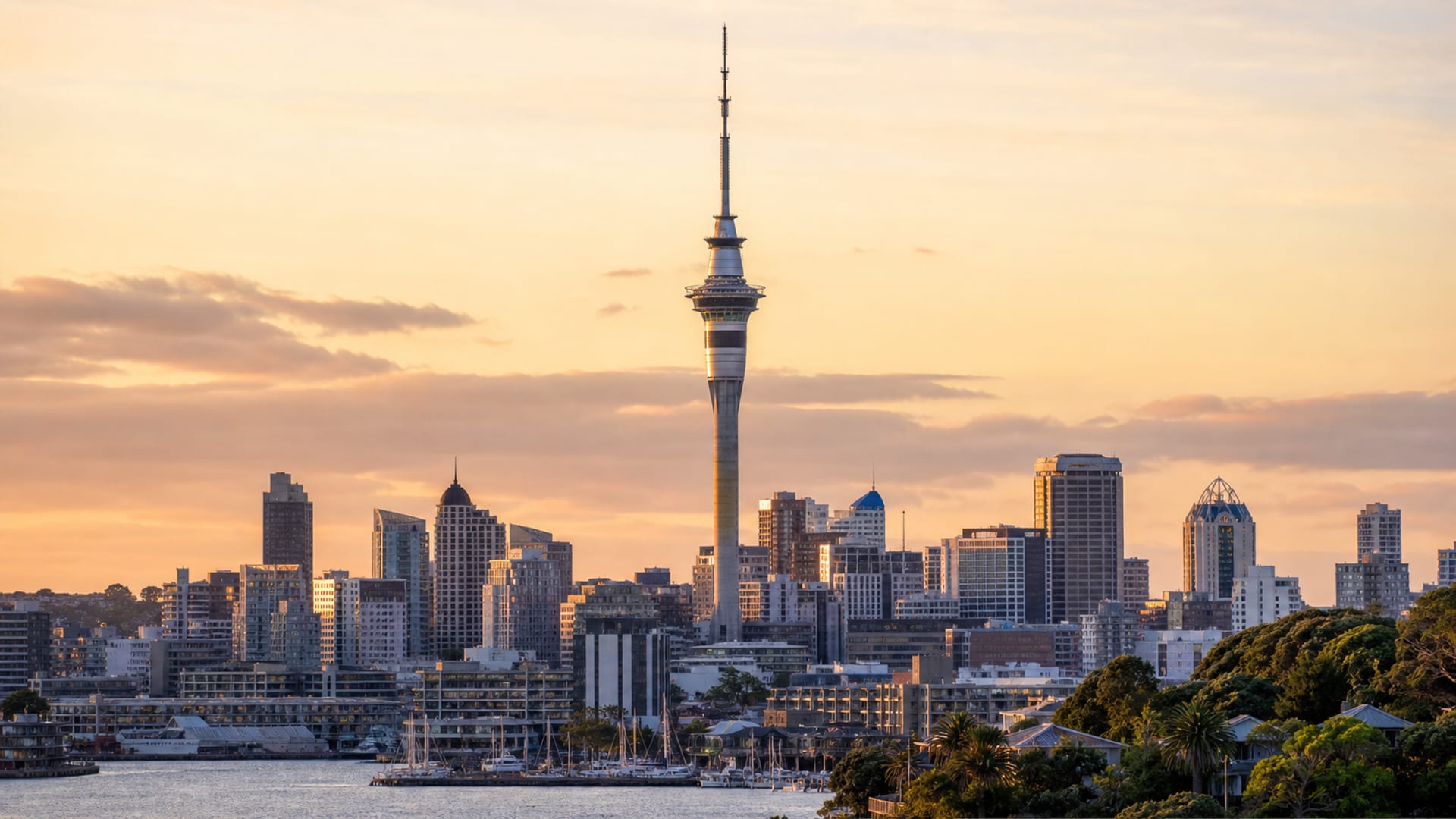
Sky Tower
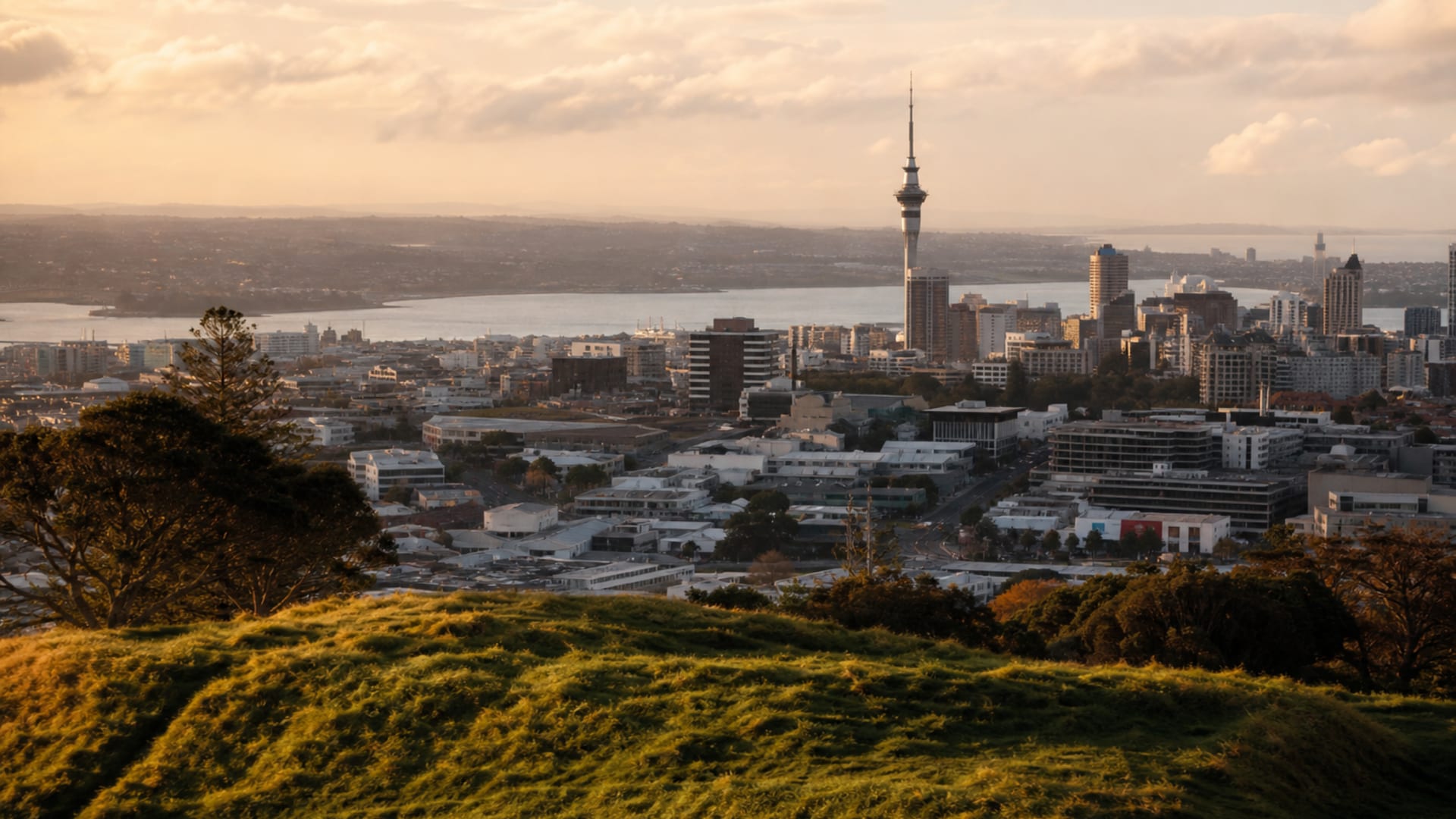
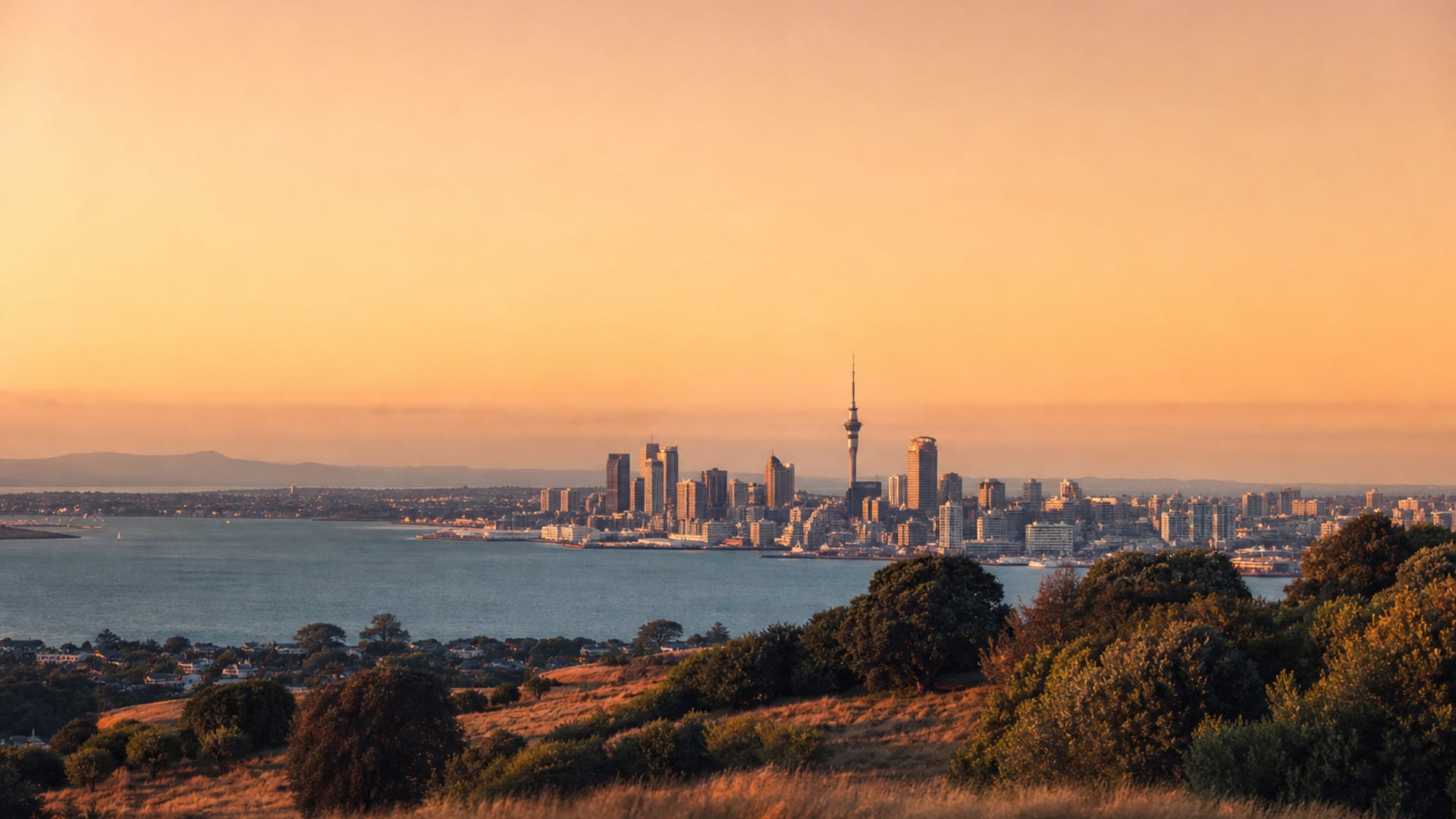
Auckland’s tallest landmark rises 328 meters above the city center, with 360-degree views across the harbor, Gulf islands, and volcanic cones. Its observation decks and glass floor make it a clear first stop for the skyline.
Time needed: About 1 to 2 hours
Entry: Observation deck tickets cost $25 to $40 ($25 to $40), with higher prices for the SkyWalk and SkyJump experiences Visit the official site for details.
Tip: Go near sunset for city light and harbor color, then stay for the evening view.
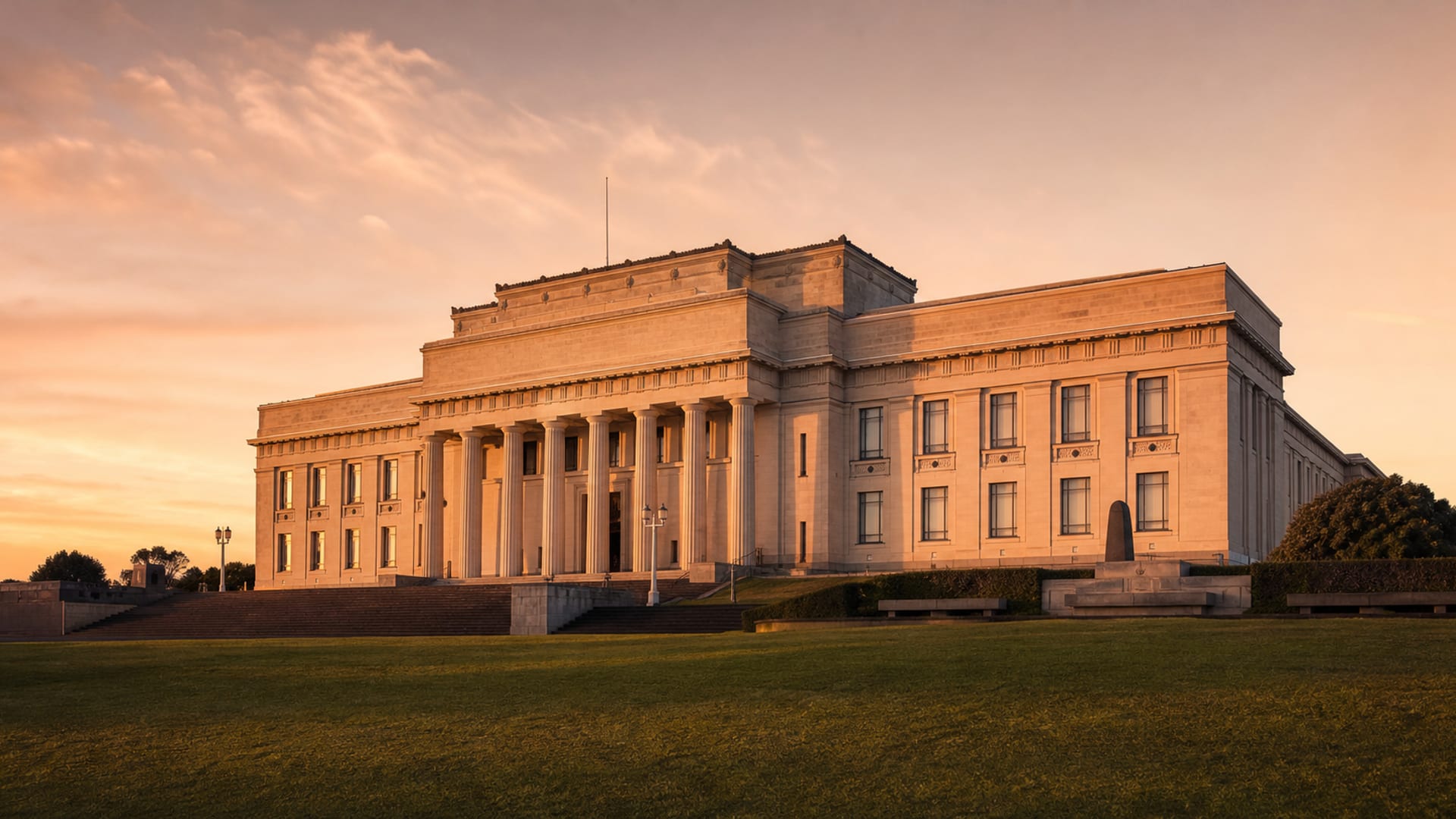
Auckland War Memorial Museum
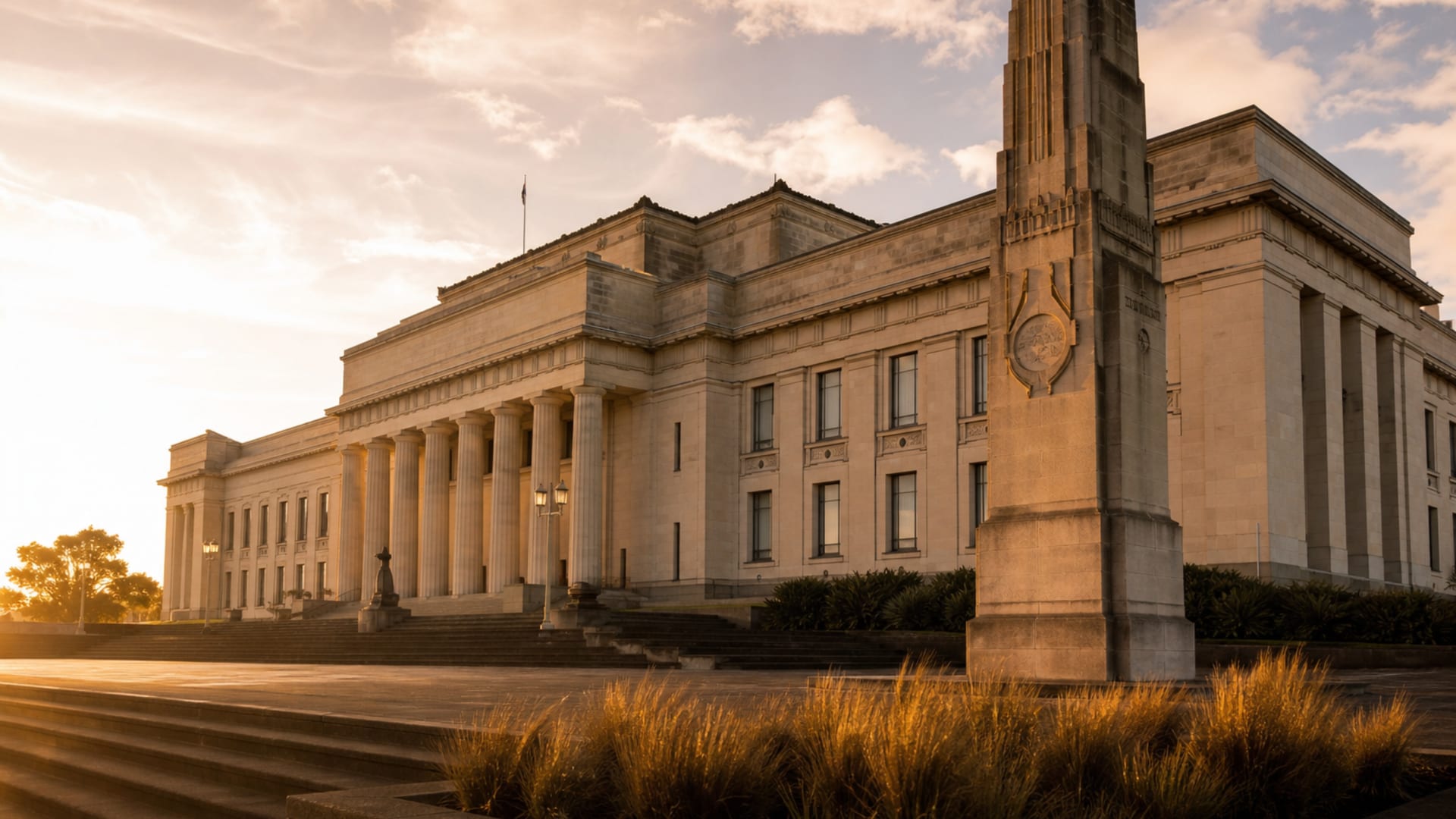
Set on the Auckland Domain, this neoclassical museum covers New Zealand history, Pacific cultures, and major natural science collections. The building itself is a landmark, and the upper terrace gives a wide look over the city and harbor.
Time needed: About 2 to 3 hours
Entry: General admission costs $25 to $30 ($25 to $30), with discounts for Auckland residents and some special exhibitions Visit the official site for details.
Tip: Arrive early if you want quiet galleries and time to walk the Domain afterward.
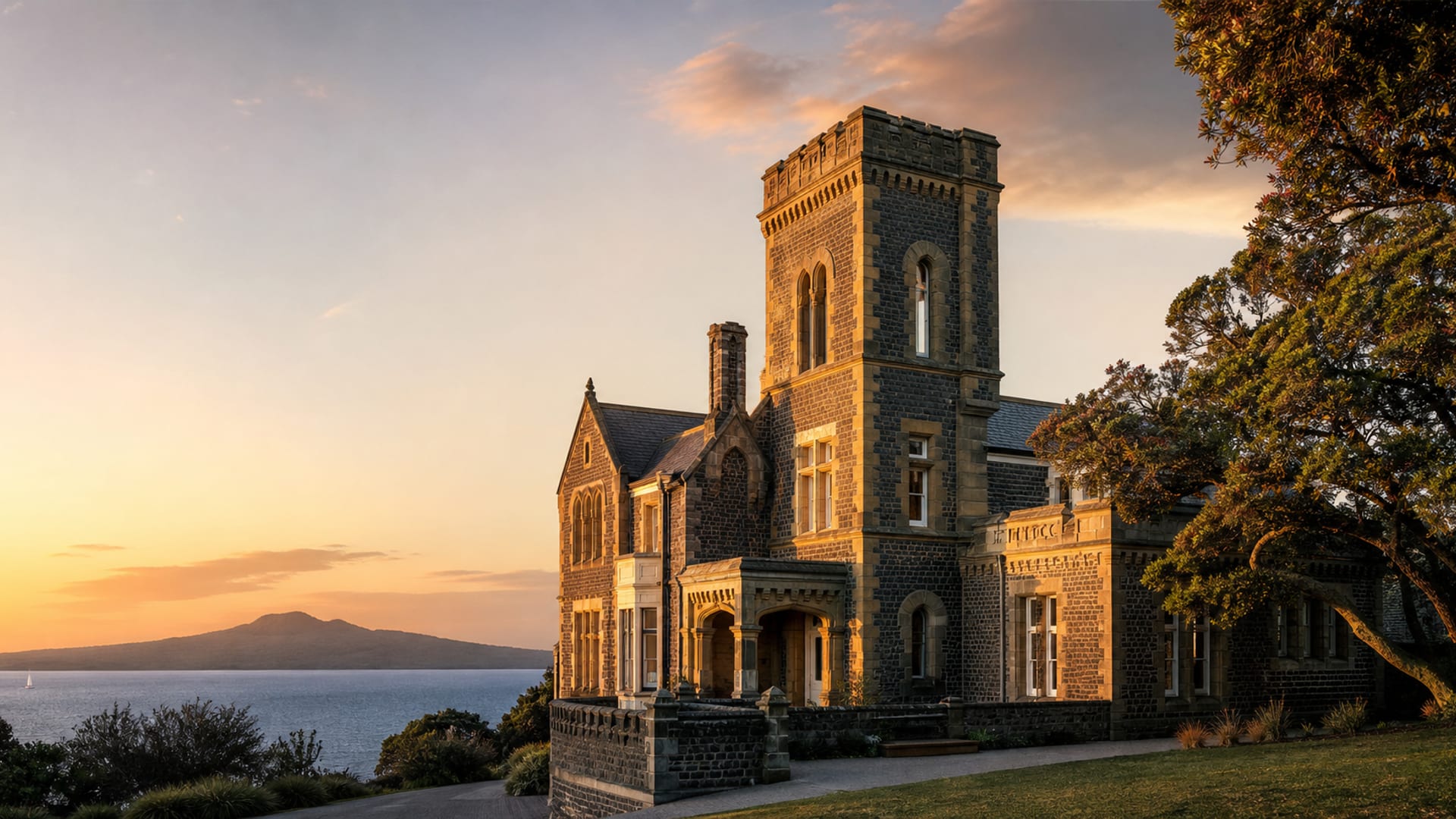
Rangitoto Island
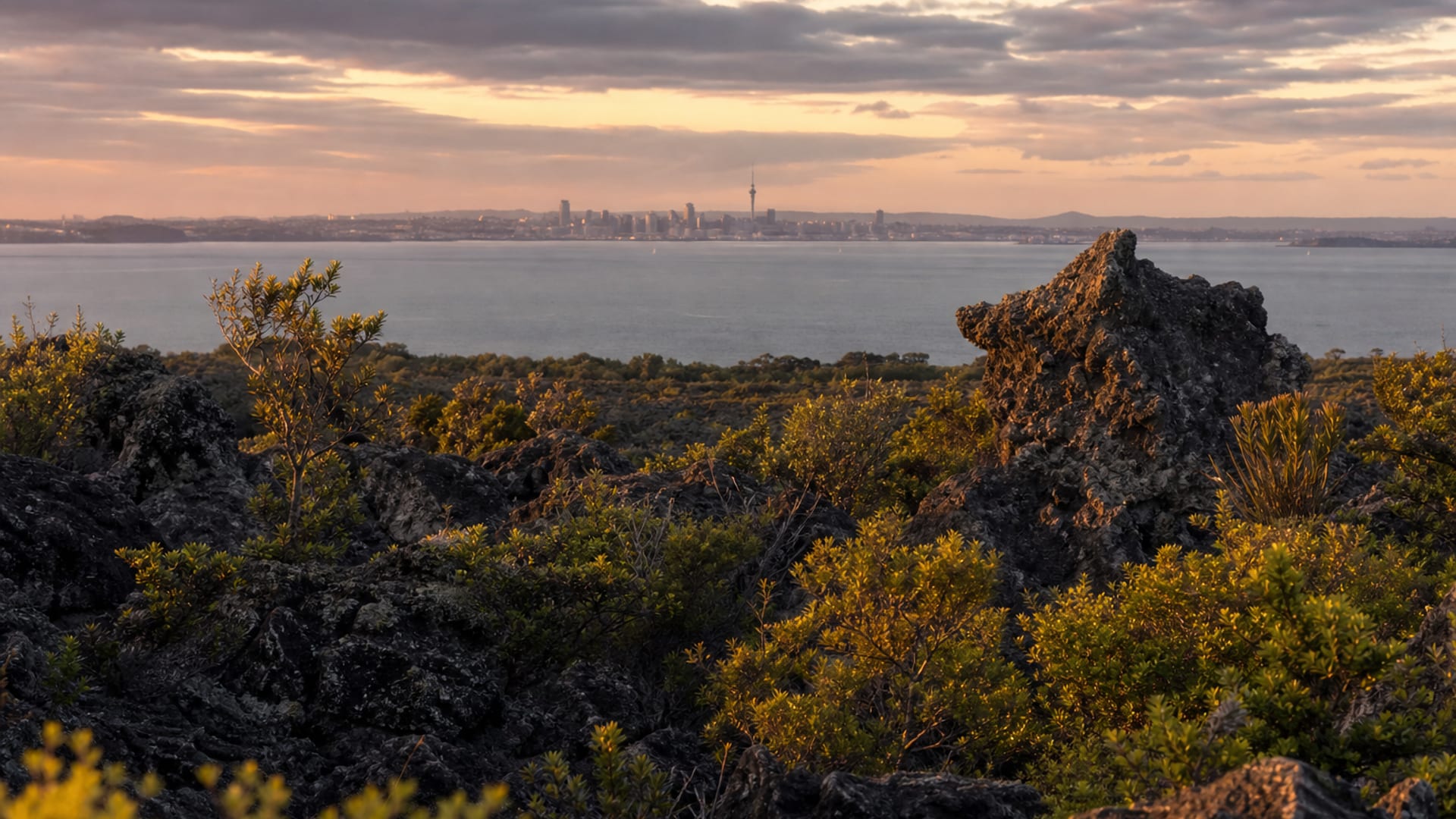
This volcanic island sits just offshore in the Hauraki Gulf, and a ferry trip brings you to lava fields, pohutukawa forest, and a summit track with broad views. It gives Auckland its most dramatic natural day trip without leaving the region.
Time needed: About 4 to 6 hours
Entry: Ferry tickets and island access usually cost $55 to $70 ($55 to $70) for adults, depending on the operator and season Visit the official site for details.
Tip: Bring water and sun protection, because the summit track has little shade.
Overlooked sites worth visiting

Ambury Regional Park
This working farm park on the Manukau Harbour edge has grazing stock, tidal mudflats, and walking loops with wide views. Visit at low tide for the longest shoreline access and better birdwatching.
Time needed: About 1 to 2 hours
Entry: Free to access; vehicle parking may charge on some event days, but general entry to the park and walking areas is free year-round. There are no ticketed gates for casual visitors, and you can walk the shoreline and farm tracks without a booking.
Tip: Go near low tide for the best shoreline access.

Howick Historical Village
This open-air village recreates 19th-century Auckland life with restored cottages, a schoolhouse, and heritage gardens. Its compact layout makes it easy to pair with the on-site demonstrations and small museum displays.
Time needed: About 2 hours
Entry: Adult admission costs about $16 ($26), with lower prices for children and seniors, and family passes available at the gate and online. Seasonal events and guided activities may be priced separately from general entry Visit the official site for details.
Tip: Allow extra time for the heritage gardens and demonstrations.
Traditional food
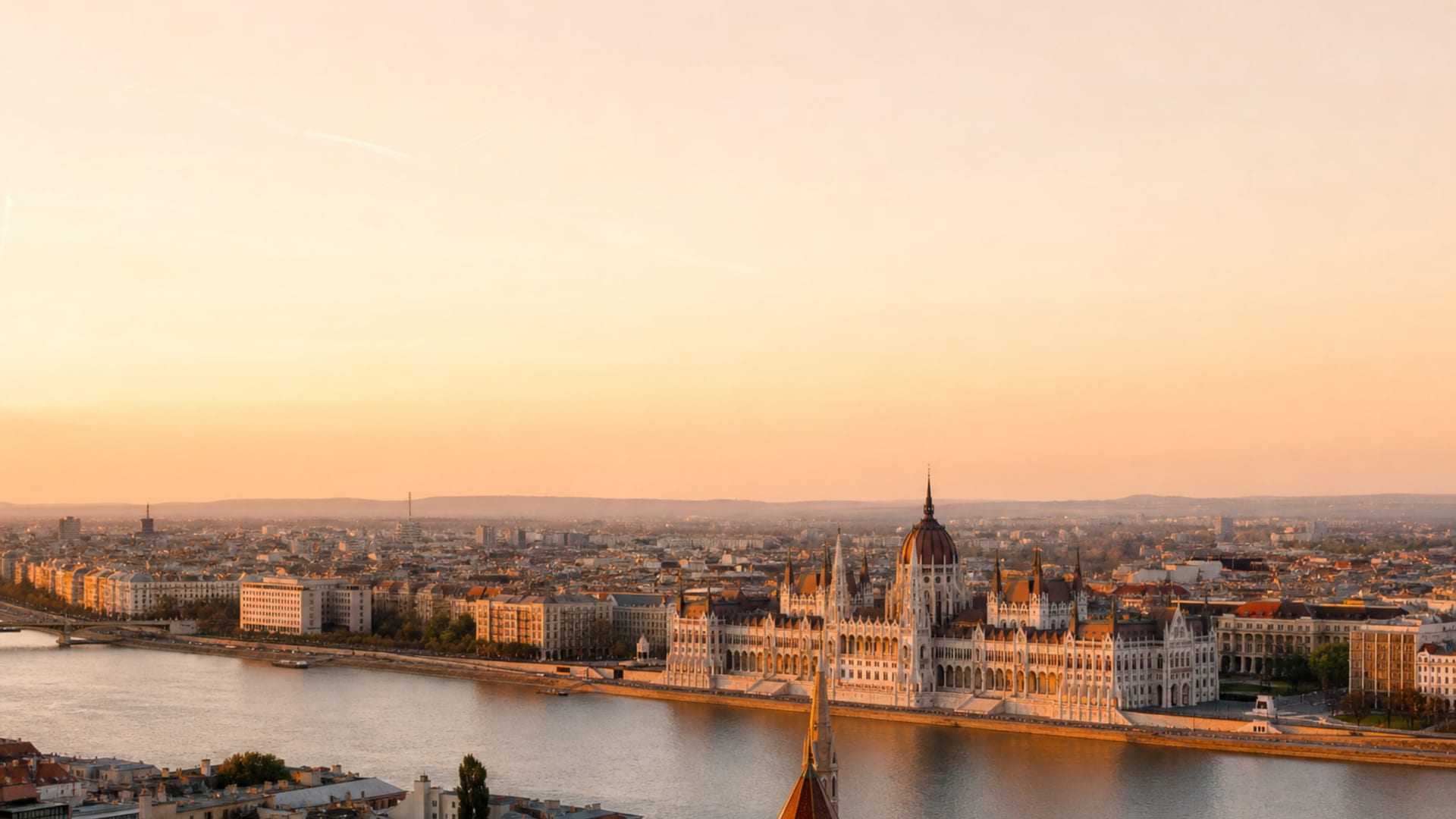
Auckland’s tables lean on seafood, lamb, and Pacific influences, with hāngi, fish and chips, pavlova, and whitebait fritters appearing across casual and sit-down menus.
Hāngi
Earth-cooked meat and vegetables with smoky depth and soft texture. In Auckland, one of the best-known places to try it is Māori cultural venues such as Te Pā Tū, where the meal appears in a broader cultural setting.
Fish and chips
Auckland’s seaside version usually comes hot, crisp, and straightforward, often eaten near the water after a harbor walk. Depot Eatery serves a popular take that fits the city’s waterfront dining style.
Pavlova
This meringue dessert brings crisp shell, soft center, and fruit on top, which makes it a familiar finish after a seafood meal. Amano is a dependable Auckland stop for a refined version.
Whitebait fritters
Tender fritters made with the season’s tiny whitebait, usually kept simple so the seafood stays front and center. The Glass Goose Bar and Eatery has served a well-known Auckland version in a central setting.
Best time to visit Auckland
Auckland’s weather shifts enough across the year that waterfront walks, ferry days, and museum visits each suit different months, even though the city stays usable year-round.
Best for: Harbor time, ferry trips, and long evenings outdoors
What you get: About 65 to 77°F (18 to 25°C), with the busiest beaches, waterfront dining, and ferry terminals
Trade-offs: Peak holiday demand can push hotel rates up and popular sites feel crowded
Best for: City walks, museum days, and settled weather
What you get: About 59 to 72°F (15 to 22°C), with moderate crowds and comfortable conditions for central exploring
Trade-offs: Shorter days reduce the window for late ferries and long outdoor outings
Best for: Museum visits, café breaks, and lower hotel prices
What you get: About 49 to 59°F (9 to 15°C), with lighter crowds and more indoor time than beach time
Trade-offs: Rain and wind can interrupt island trips and harbor walks
Best for: Gardens, coastal views, and mixed indoor-outdoor days
What you get: About 55 to 68°F (13 to 20°C), with steadily improving weather and shoulder-season crowds
Trade-offs: Conditions can change quickly, so a clear morning may not last all day
A realistic 5-day plan in Auckland
Five days suits Auckland well if you divide the city by district and transport mode. That gives the skyline, the museum, the ferry trip, and the outer-city parks enough space without forcing long cross-town moves into every day.
Land at Auckland (AKL), then take a taxi, rideshare, or airport shuttle into the CBD or Viaduct Harbour, which usually takes about 25 to 35 minutes and costs roughly $45 to $70. If you want an easy first night, book near the Sky Tower or the waterfront, drop your bags, drink water, and keep dinner close by at the Viaduct Harbour so you can walk back without planning a long return. If you arrive earlier in the day, a short stretch along the harbor edge or a quiet meal in the CBD works better than a full sightseeing push.
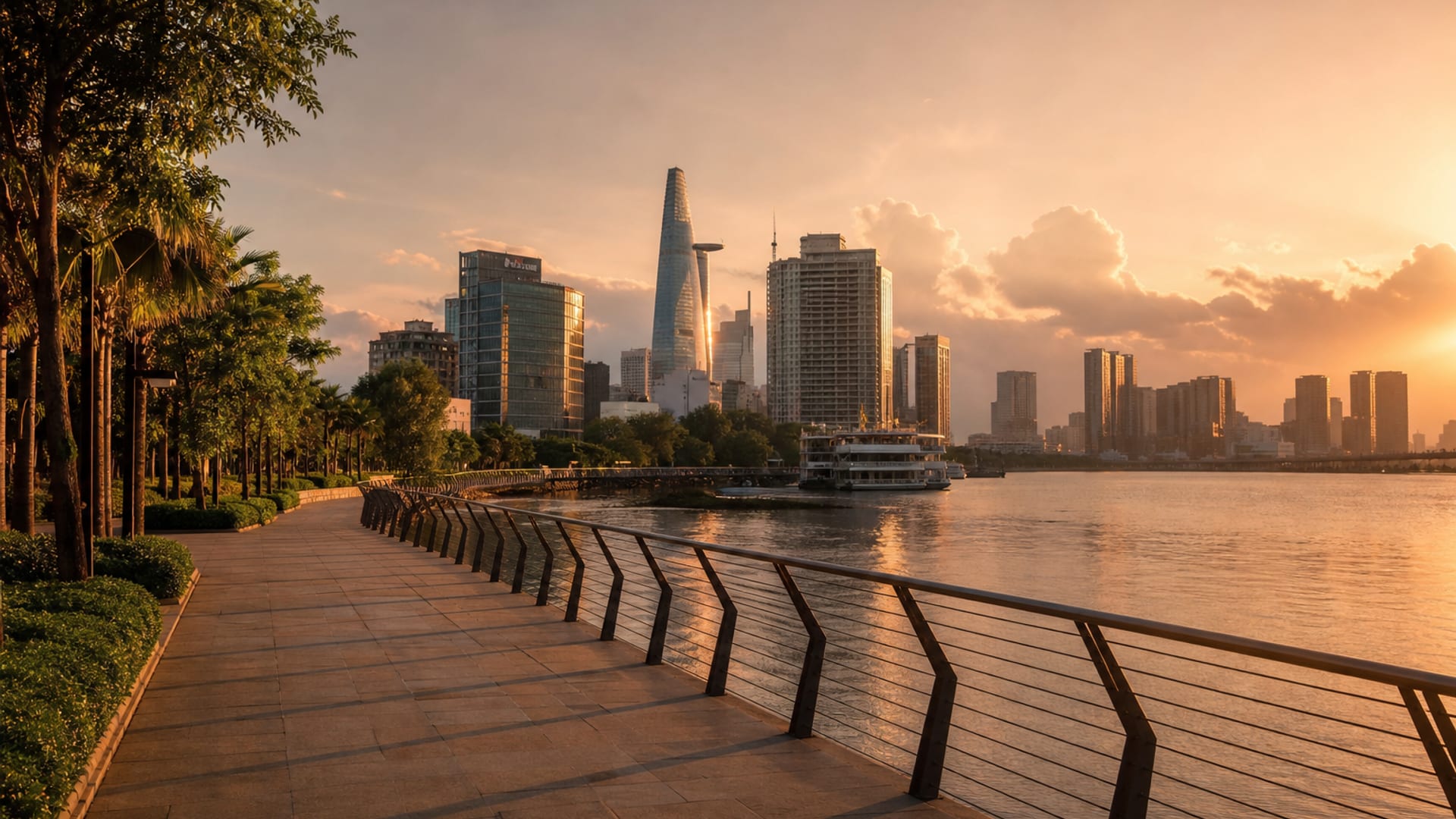
Begin at the Sky Tower, then spend about 1 to 2 hours on the observation decks before walking 10 to 15 minutes to Auckland Art Gallery if you want to add a second central stop. From there, cross to Queen Street for a lunch break, then continue by bus or taxi, about 10 to 15 minutes, to Parnell for its boutique shops and villas, with the Auckland War Memorial Museum about 15 to 20 minutes on foot from the neighborhood. Finish with dinner in Parnell, where you can stay close to your room if you are based there or take a short ride back into the CBD.
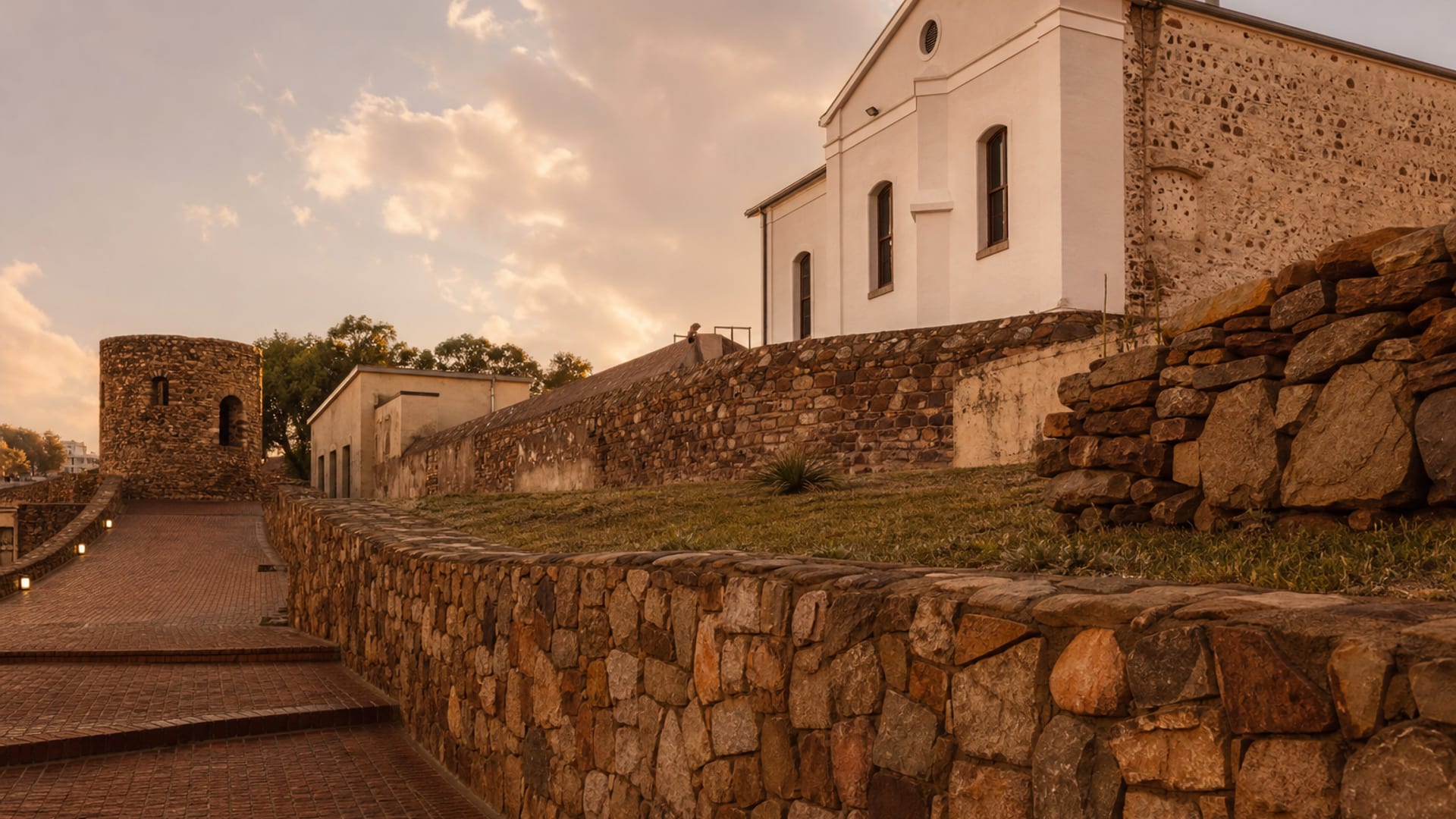
A ferry day gives you Auckland at its most open, so head to Rangitoto Island in the morning, where the trip and island access usually cost $55 to $70 and the outing takes about 4 to 6 hours. The ferry from downtown or the waterfront makes the logistics simple, and once ashore you can follow the lava-field track and climb to the summit for harbor views, then return to the city in time for an unhurried waterfront dinner in Viaduct Harbour. If you want a shorter evening, the ferry terminal sits close enough to the CBD that you can be back in town in minutes after you dock.
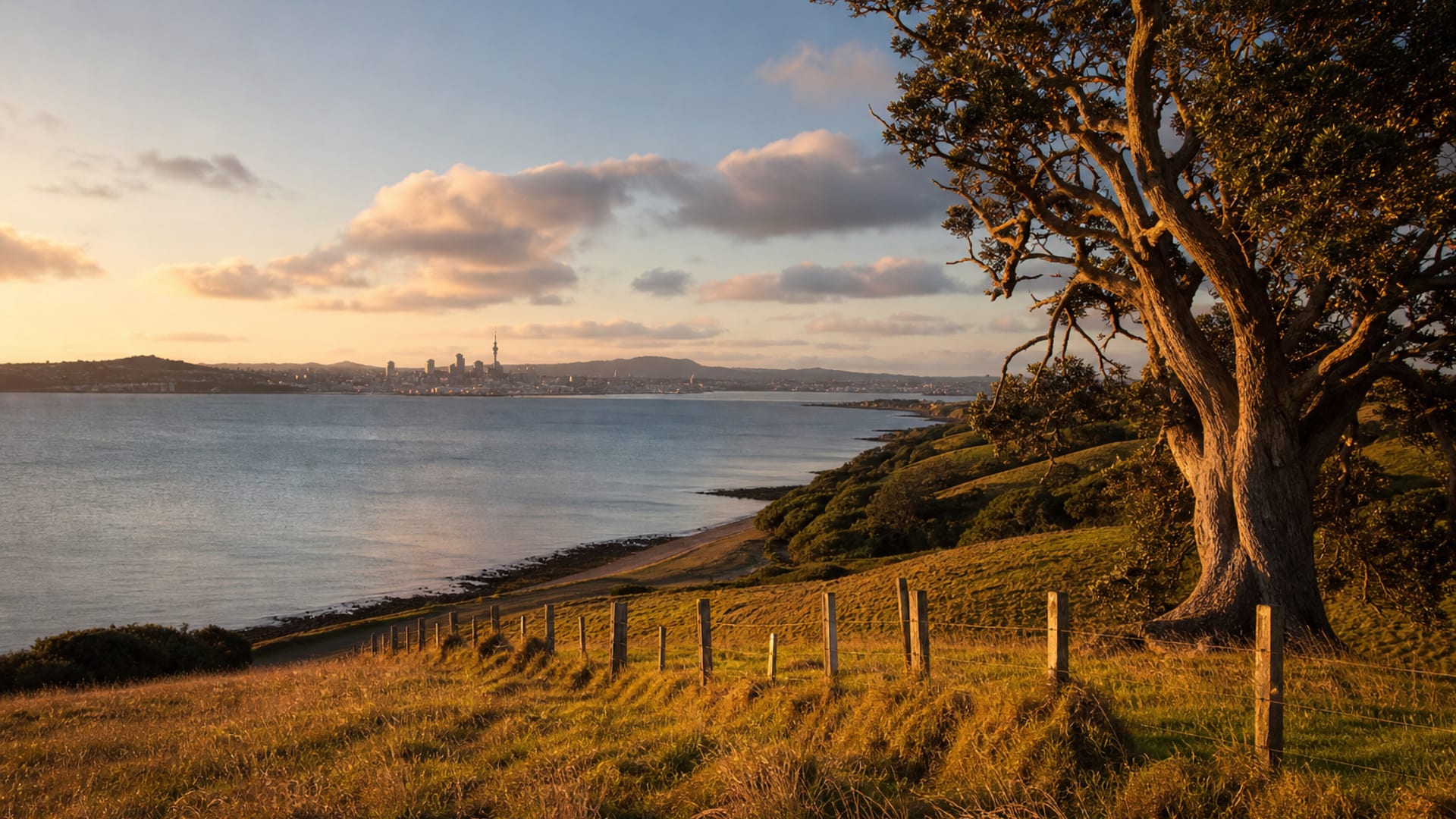
Start early for Ambury Regional Park, which is free to enter and works best near low tide, especially if you want shoreline walking and birdwatching along the Manukau Harbour edge. After a morning in the park, go east to Howick Historical Village, where admission costs about $16 ($26) and a visit takes about 2 hours, with heritage cottages, gardens, and demonstrations that add a different side of Auckland. Because both stops sit outside the central city, plan on taxis, a rental car, or a bus-and-rideshare mix, then return to Parnell or Ponsonby for dinner without squeezing in another major attraction.
Before you leave, pair one last museum stop with a relaxed neighborhood finish: return to the Auckland War Memorial Museum if you missed it earlier, then spend your remaining hours browsing the shops and cafés in Ponsonby, or settle into a table in Parnell for coffee and a late lunch. If your flight departs in the afternoon or evening, keep your luggage at the hotel, move slowly between Queen Street, Parnell, and your café stop, and leave enough time to get back to Auckland (AKL) without a rushed airport run.
Business-class flights from the US to Auckland
Long-haul flights to Auckland often involve one-stop patterns from both coasts of the United States, with the route shape changing more than the arrival city itself. The clearest differences usually come down to timing, hub choice, and fare.
From New York, Air New Zealand, Qantas, United Airlines, American Airlines, Singapore Airlines, and Air Canada all appear on the market, and the fastest nonstop flights take about 16 to 17 hours. One-stop itineraries via NRT, HND, LAX, SFO, or YVR usually run about 21 to 28 hours, and fares usually start near $5,500 and can reach $10,000 or more.
Los Angeles offers the shorter transpacific end of the journey, with Air New Zealand, American Airlines, Qantas, Fiji Airways, and United Airlines among the usual names. Nonstop flights take about 13 to 14 hours, while one-stop trips through NRT, HND, SFO, YVR, or HNL generally take about 17 to 26 hours. Round-trip fares usually begin at $4,500 and often rise to $8,500 or higher.
Auckland feels different when you slow down
A good Auckland stay gives each area a clear job: Viaduct Harbour for dinner and the waterfront, the CBD for the Sky Tower and easy transit, Parnell for museum days, and a ferry outing to Rangitoto when the weather cooperates. That mix keeps the trip anchored in places you can actually reach without wasting half a day crossing town. If you want help shaping those choices, the AranGrant experts can turn Auckland into a route that fits your flight times and your pace







