

Chapters:

Need help with your trip?
Our support team is available 24/7. Request a callback or call us directly at (833) 619-0908
Agadir often gets treated as a beach stop with one or two landmark visits, then a quick transfer back to the airport. Travelers miss how much of the city sits inland from the promenade, and how much time simple taxi hops can save.
That approach leaves the hilltop, the medina, and Talborjt out of the picture, then turns a compact stay into a string of backtracks across the bay.
This guide slows the sequence down, groups nearby sights together, and gives the coast, the museums, and the day trip to Souss-Massa clear space.
Useful things to know

Main language(s): Arabic, French
Salam (sah-LAHM) – Hello / good morning
Afak (ah-FAK) – Please
Shukran (SHOOK-rahn) – Thank you
Wash kat-hder l-anglais? (wahsh kaht-HDER lahn-GLAYZ) – Do you speak English?
Bshhal? (bsh-HAL) – How much does it cost?

Currency: The local currency is the Moroccan dirham (MAD, د.م.).

Cash and cards: Cards and contactless are accepted in many hotels and larger shops; carry about MAD 200 to 400 ($20 to $40) in cash.

Tipping: Round up small bills; leave 5-10% in restaurants if service was good.

Traditional food: couscous, tagine, bissara, harira

Water and coffee costs: Water about MAD 6 to 10 ($0.60 to $1), bar espresso about MAD 10 to 20 ($1 to $2).

Taxis and ride apps: InDrive and Careem operate here; availability can vary outside central Agadir.

Plug and voltage: Type C/E socket, 220V

Dining and shop opening hours: Breakfast is about 7:00-10:00 am, lunch 12:30-3:00 pm, and dinner 7:30-11:00 pm. Many cafés stay open later; some smaller places close in the afternoon.

Emergency number: 112 or 19 for police, 15 for ambulance, 15 also covers fire services.
Where to stay in Agadir
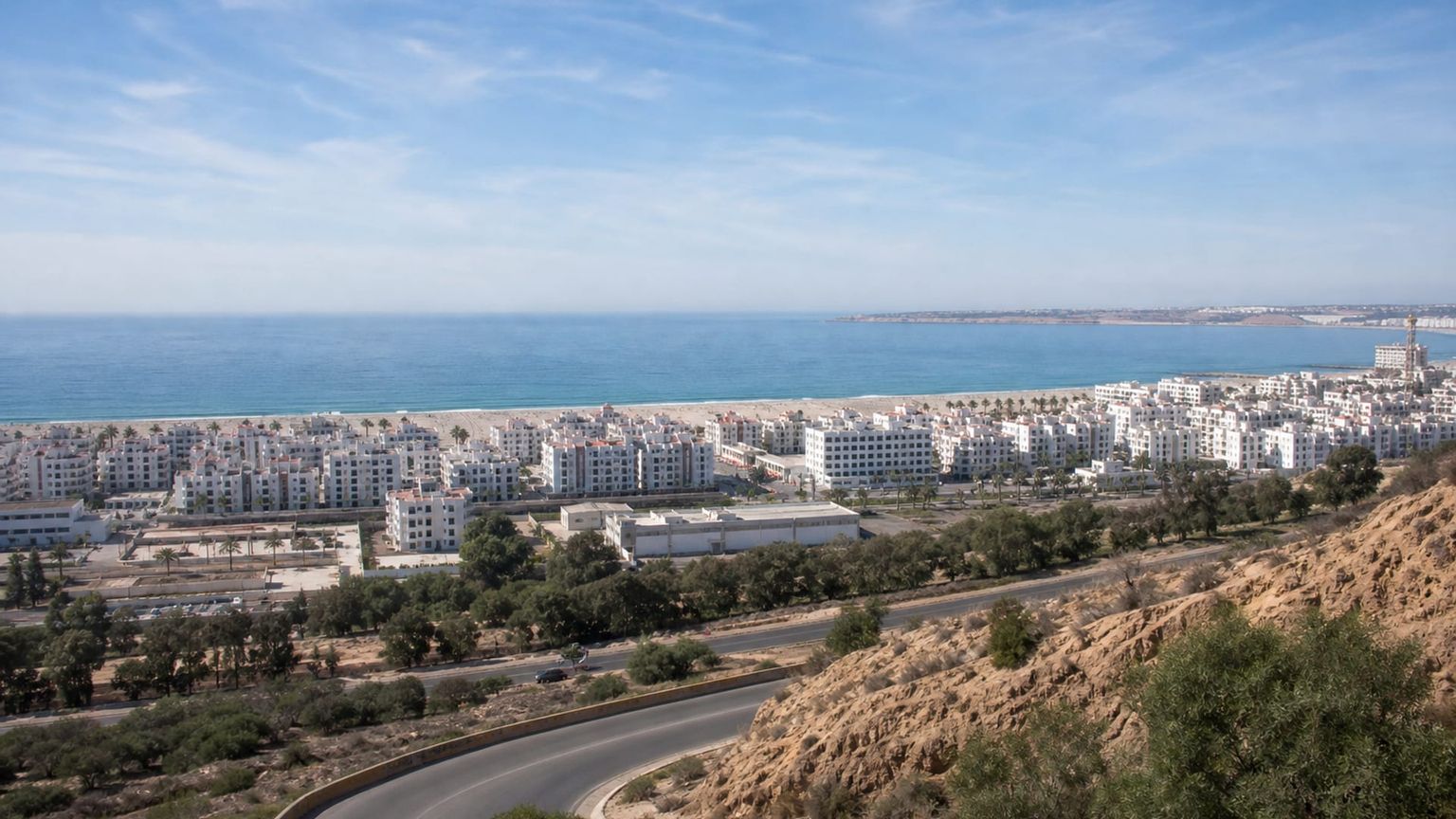
The modern beachfront strip south of the center, Agadir Bay mixes resort hotels, apartment towers, and a long promenade along the Atlantic. It suits travelers who want sea access, easy walks, and a quick ride to the main corniche and Marina.
Best for: Beach time, promenade walks, and travelers who want to stay right on the coast
What to expect: Expect wide sidewalks, hotel traffic, beachgoers, and a livelier mood in the evening near the seafront.
Hotel prices: Usually about 700 MAD to 1,800 MAD (~$70 to ~$180) per night for well-rated stays
Distance to major sights: About 10 to 15 minutes on foot to Agadir Beach, about 15 to 20 minutes by taxi to Agadir Marina
Quietness: Calmer in the morning, busier and noisier after sunset along the waterfront.
Main trade-off: Rooms near the promenade cost more, and the most active blocks can pick up noise from cafés and late walkers.
Good to know: Choose a higher floor or a room set back from the seafront if you want less evening noise.
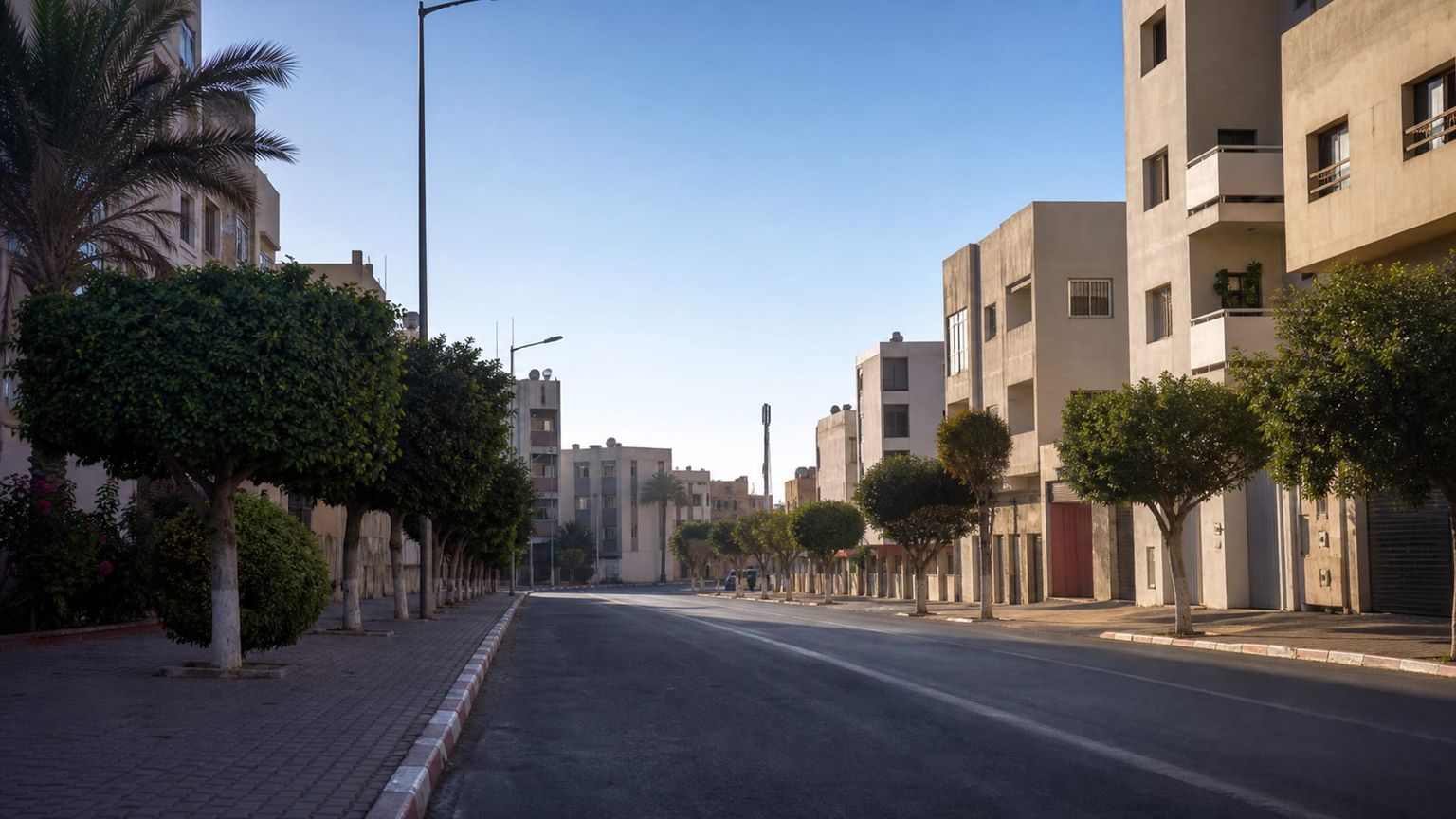
Talborjt is a central residential district just inland from the beach zone, with local cafés, small shops, and a more everyday pace than the waterfront. It gives you a useful base for city life, museums, and simple access to the corniche by taxi.
Best for: Local dining, central access, and travelers who want a city base rather than a resort setting
What to expect: Expect active streets, neighborhood cafés, and steady daytime movement, with less tourist foot traffic than the coast.
Hotel prices: Usually about 450 MAD to 1,000 MAD (~$45 to ~$100) per night for well-rated stays
Distance to major sights: About 10 to 15 minutes by taxi to Agadir Beach, about 20 to 25 minutes on foot to the Museum of Amazigh Culture
Quietness: Busier in the day, then quieter at night away from the main streets.
Main trade-off: You trade beach access for lower rates and more everyday services within walking distance.
Good to know: If you plan to use taxis often, check that your hotel sits near a main road so late-night returns are easier.
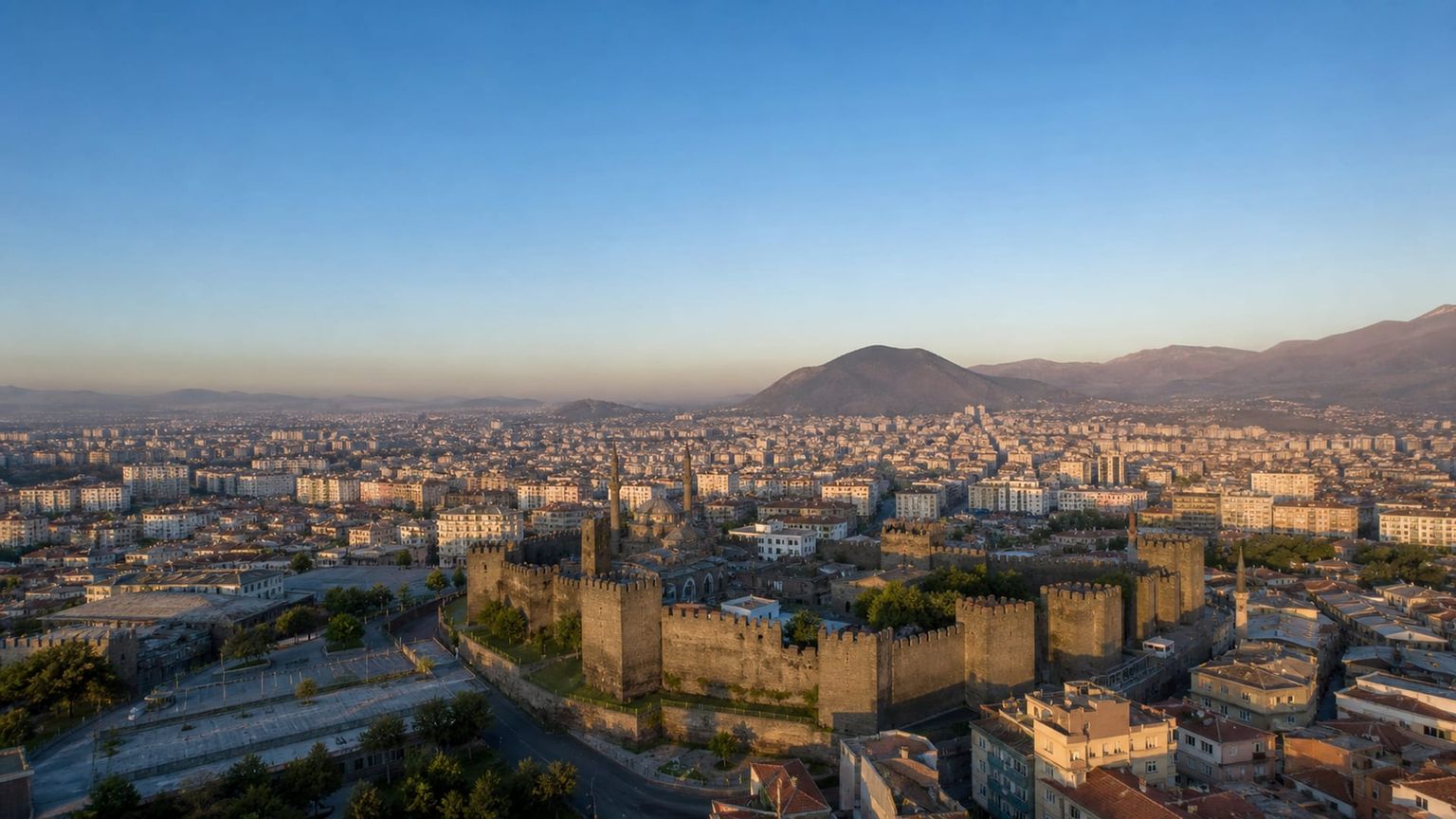
Agadir Marina sits at the north end of the waterfront, with a yacht basin, cafés, and newer apartment-style stays close to the beach. It works well for visitors who want an easy walk to the sand, the promenade, and sunset dining.
Best for: Waterfront dining, short beach walks, and travelers who prefer a newer seafront setting
What to expect: Expect a visitor-heavy area with café terraces, evening foot traffic, and a more resort-like atmosphere than inland districts.
Hotel prices: Usually about 900 MAD to 2,200 MAD (~$90 to ~$220) per night for well-rated stays
Distance to major sights: About 5 to 10 minutes on foot to Agadir Beach, about 15 minutes by taxi to Talborjt
Quietness: Active through the day and early evening, with the busiest hours around dinner time.
Main trade-off: You pay for the waterfront address, and some places sit farther from the city’s main local markets.
Good to know: This area works best if you want to walk to dinner, since parking and curb access can be tighter near the marina.
Travelers usually avoid Sonaba, because it sits south of the main beach and central restaurant strip, so evening taxi rides are more necessary. Bihya, Dcheira El Jihadia, and the inland edges of Bensergao are less convenient, with fewer visitor amenities and longer transfers to the seafront, the marina, and the city center.
Hotel deals
How to get around Agadir efficiently
Agadir has no metro or suburban rail, so local movement depends on buses, petit taxis, grand taxis, and short walks between beach, center, and hilltop stops.

Metro
for longer distances
Agadir has no metro or suburban rail, so visitors rely on buses, taxis, or walking for local trips.

Bus and tram
for convenience
Local buses cover Agadir itself and the airport corridor, with shared minibuses and city buses linking the beach area, downtown, and nearby neighborhoods. A single ride usually costs about $0.50 to $1.00 (5 to 10 dirhams), and day passes are not standard. Ask the driver or conductor before boarding, then keep small bills ready because most services use cash and tickets are valid only for one trip.

Taxi
for convenience or late hours
In Agadir, petit taxis use metered fares within the city, while grand taxis charge set or negotiated prices for longer hops. A short city ride usually costs about $2 to $6 (20 to 60 dirhams), and the trip between Agadir city center and Agadir Al Massira Airport (AGA) is roughly $15 to $25 (150 to 250 dirhams) depending on time and luggage. Taxis are easiest to find at rank stands, hotels, and the airport, and many drivers prefer cash in dirhams, though some accept euros or dollars at a poor rate.
*Prices are based on rates updated as of June 2026 and may change at the time of travel.
Use buses for the cheapest local hops, taxis for airport and cross-town trips, and walking where the promenade, Marina, or Talborjt keeps distances short.
Iconic landmarks
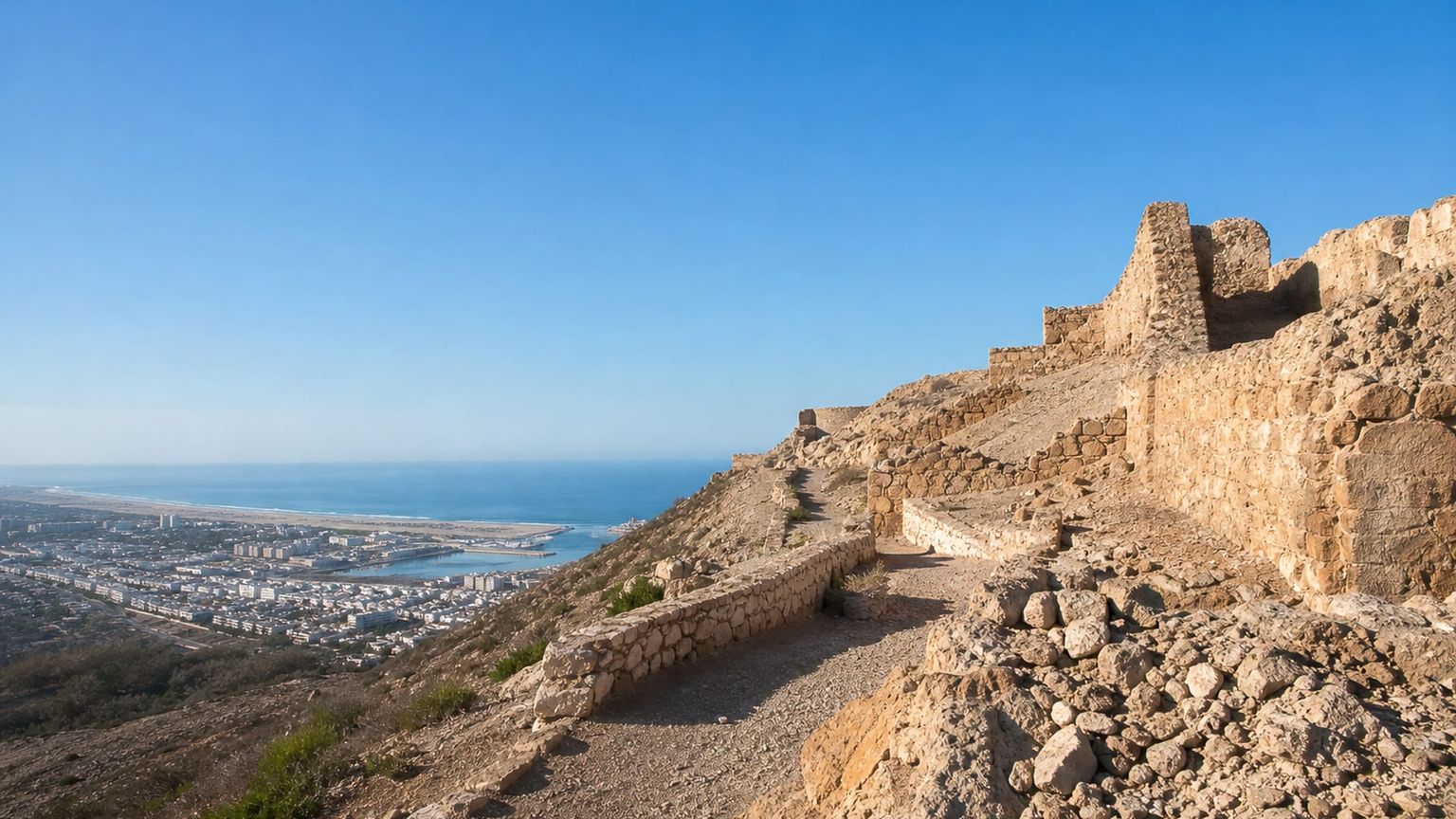
Agadir Oufella
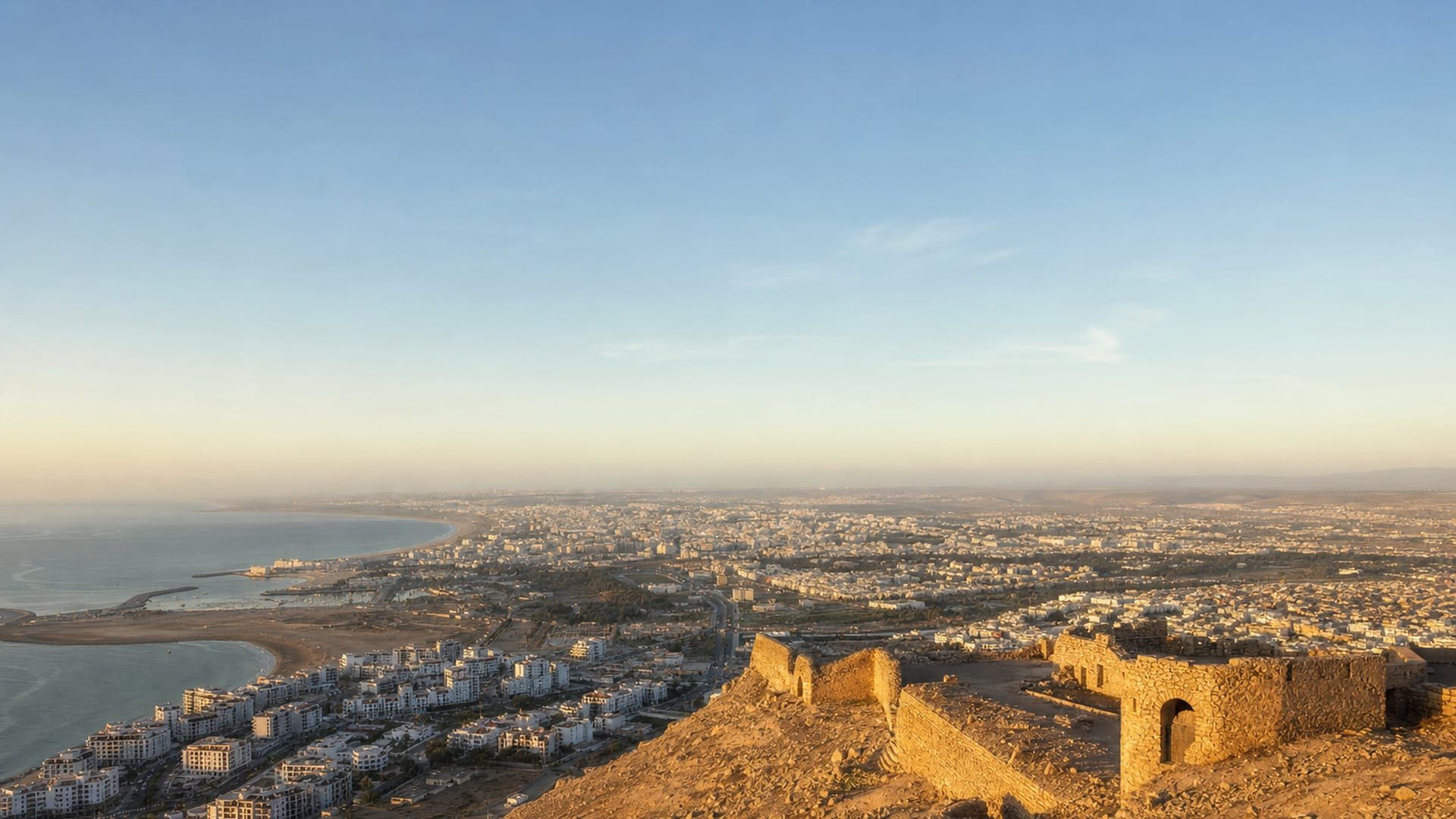
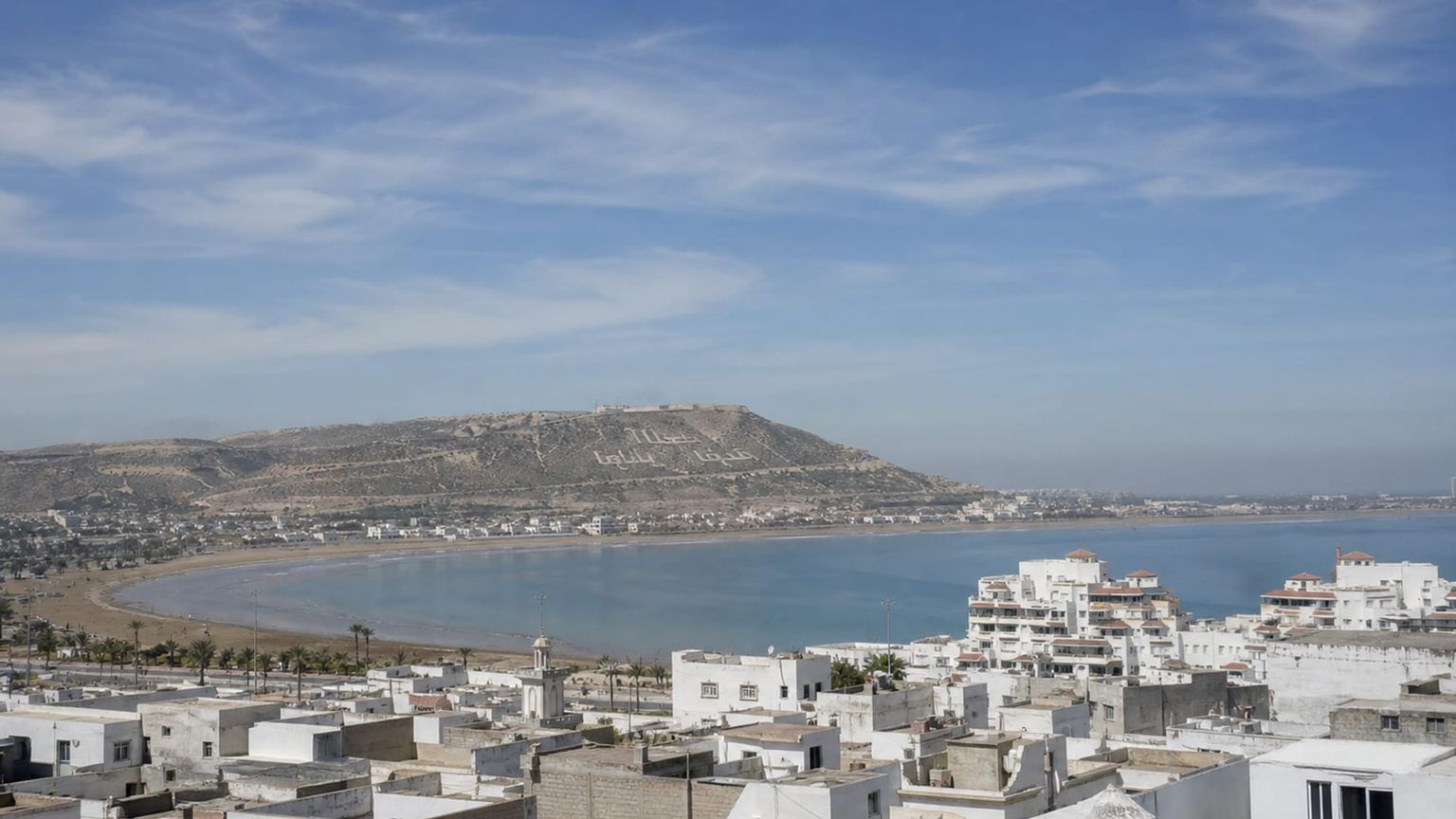
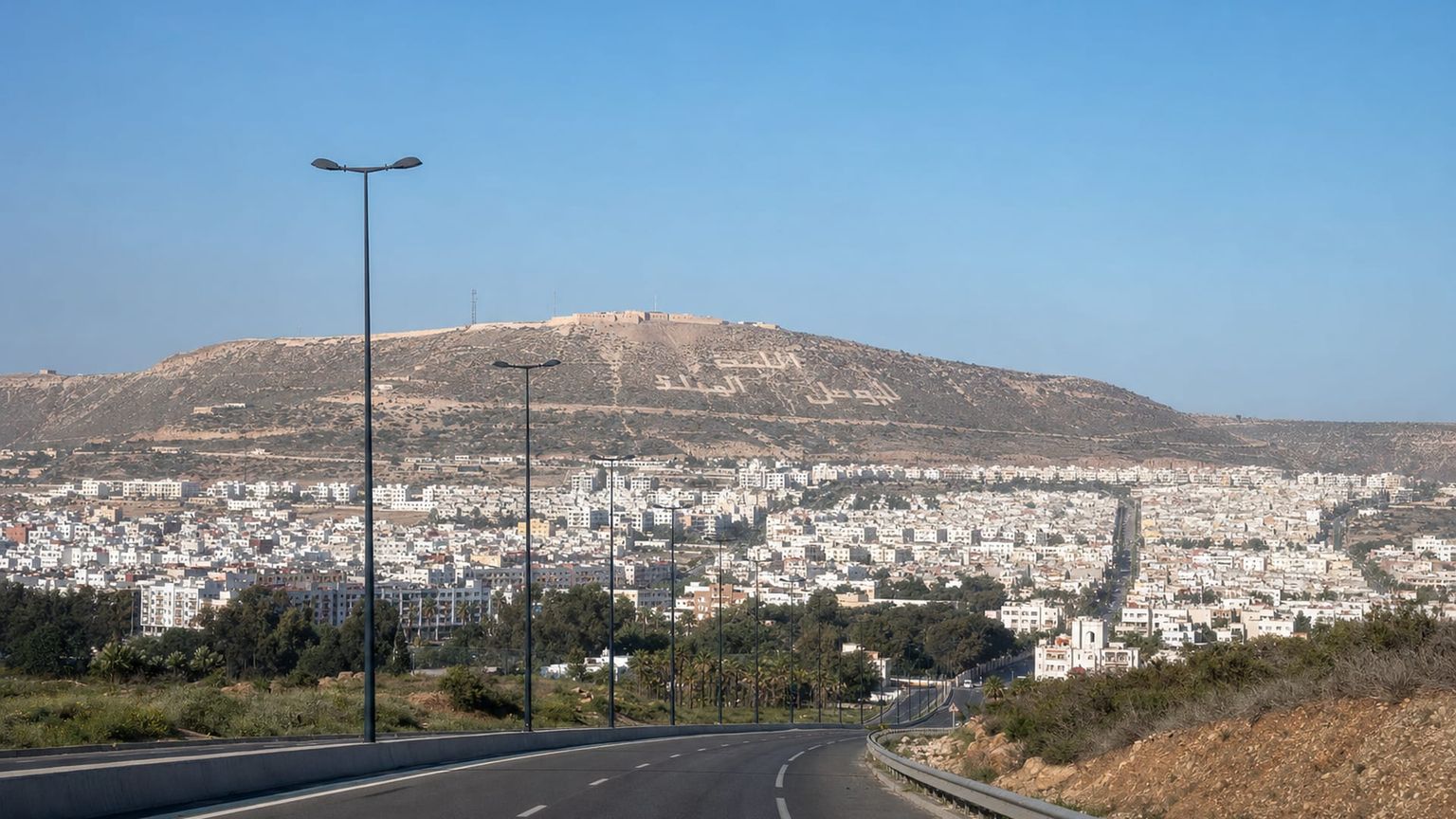
Hilltop ruins of Agadir Oufella overlook the bay and the rebuilt city below. The site includes remains of the 16th-century kasbah walls, the upper gate, and wide views that make the climb worth the effort.
Time needed: About 1 to 2 hours
Entry: Admission is free to the hilltop grounds; guided access and transport services, when offered, vary by operator and season.
Tip: Go late in the day for cooler air and a clear view over the bay at sunset.
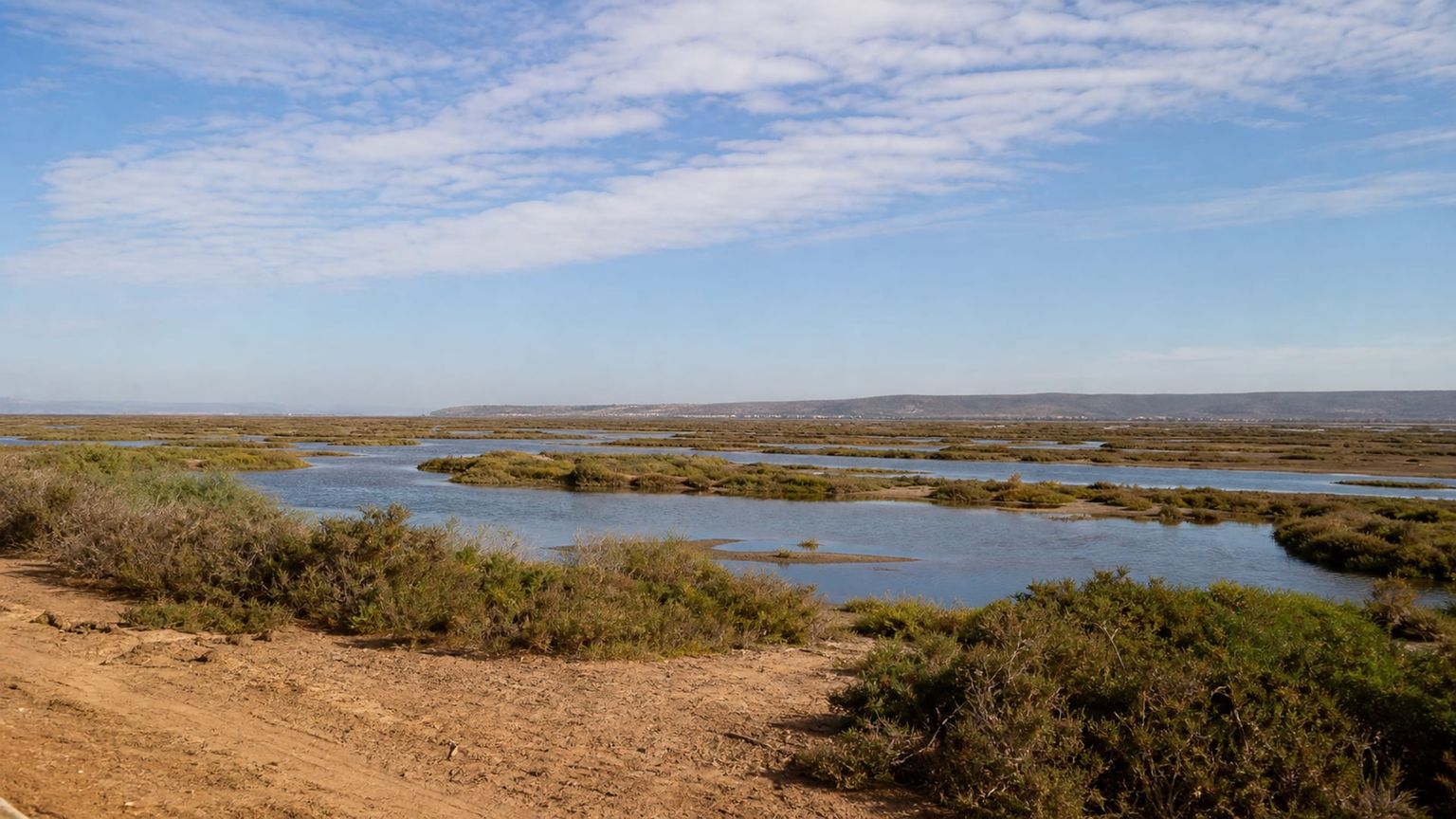
Agadir Medina
Agadir Medina is a rebuilt craft quarter north of the city center, designed after the 1960 earthquake. Its tiled lanes, workshops, and sculpted facades give a clear look at local artisans at work.
Time needed: About 1 to 2 hours
Entry: Admission typically costs $8 to $10 (about 80 to 100 MAD) for adults, with child rates or special exhibition fees set separately. Visit the official site for details.
Tip: Visit in the morning, when workshop activity is lighter and photos are easier to take.
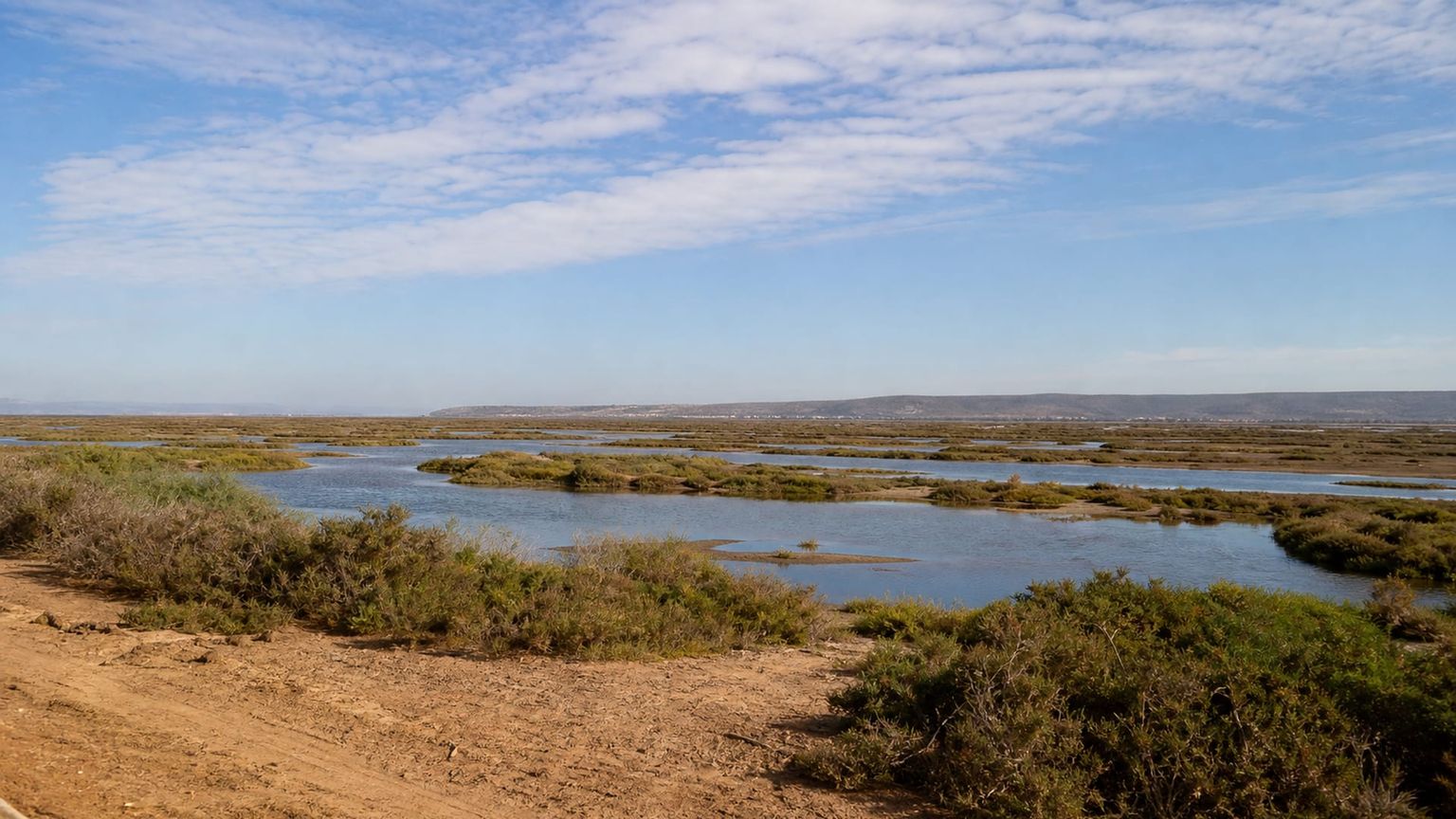
Souss-Massa National Park
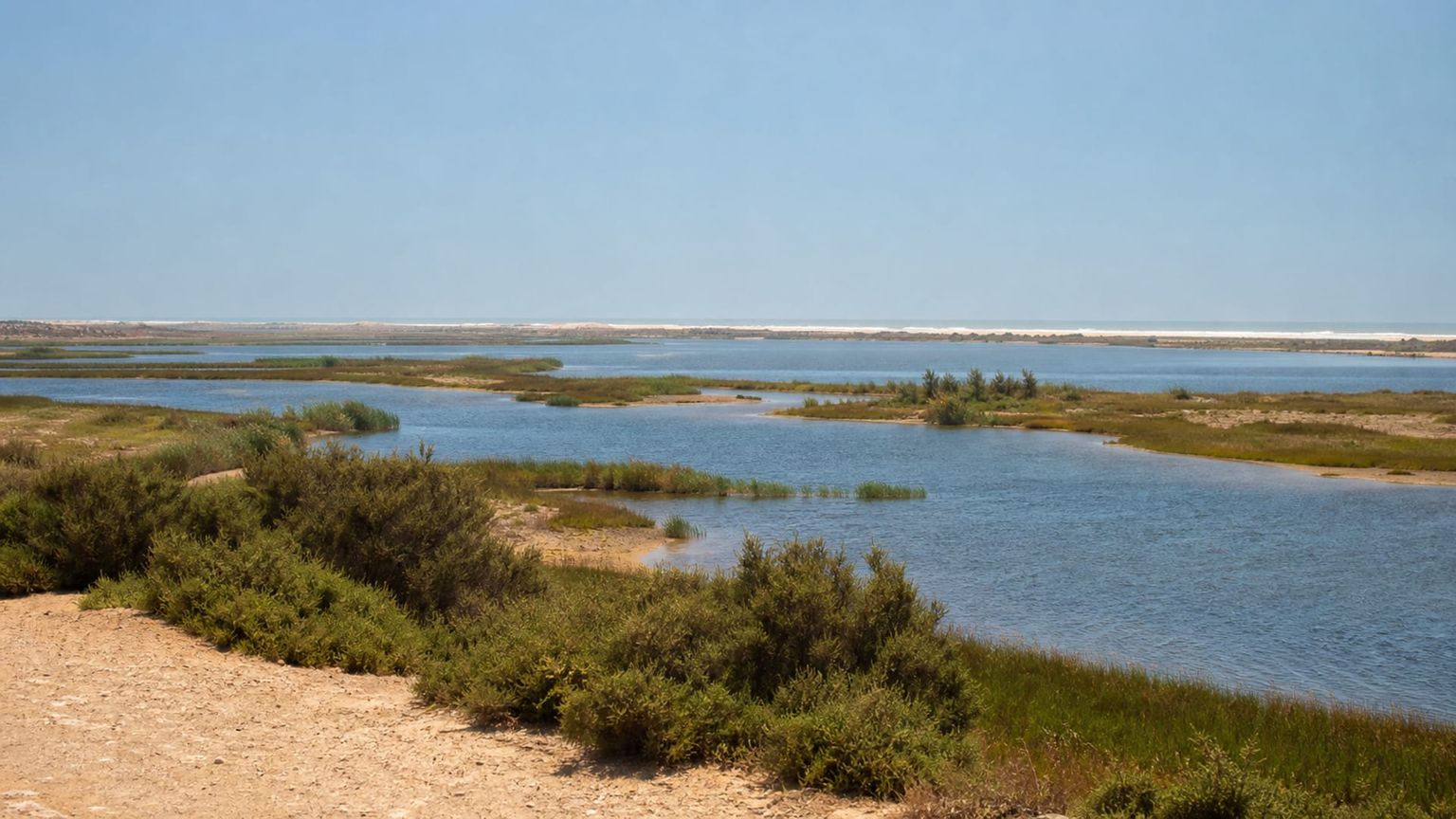
Souss-Massa National Park lies south of Agadir and protects dunes, wetlands, and Atlantic coast habitat. Birdwatchers come for ibis, flamingos, and other migratory species, while marked tracks make short visits easy to plan.
Time needed: About 2 to 4 hours
Entry: Entry usually costs $6 to $8 (about 60 to 80 MAD) per adult, with separate fees for guided jeep tours and park transport. Visit the official site for details.
Tip: Bring binoculars and visit in early morning, when birds are most active and heat is lower.
Overlooked sites worth visiting

Agadir Oufella ruins
High on the hill above the bay, these Saadian-era fort ruins give clear views across Agadir and the Atlantic. Go near sunset for cooler air and a quieter climb.
Time needed: About 1 hour
Entry: Free to access; there is no admission charge for the hilltop ruins, and you can walk up or take a taxi from the center. Allow extra cash only if you use the cable car or a paid ride up.
Tip: Visit late afternoon for softer light and fewer tour groups.

Musee du Patrimoine Amazigh
This compact museum presents jewelry, textiles, and carved wood that document Amazigh life in the Souss region. It works well as a short indoor stop after the beach or souk.
Time needed: About 45 minutes
Entry: Admission usually costs about $2 to $4 (20 to 40 MAD) for adults, with lower rates for students or local residents. Expect a small-ticket visit, with prices set at the entrance and no advance booking needed.
Tip: Pair it with the nearby central market on the same trip.
Traditional food
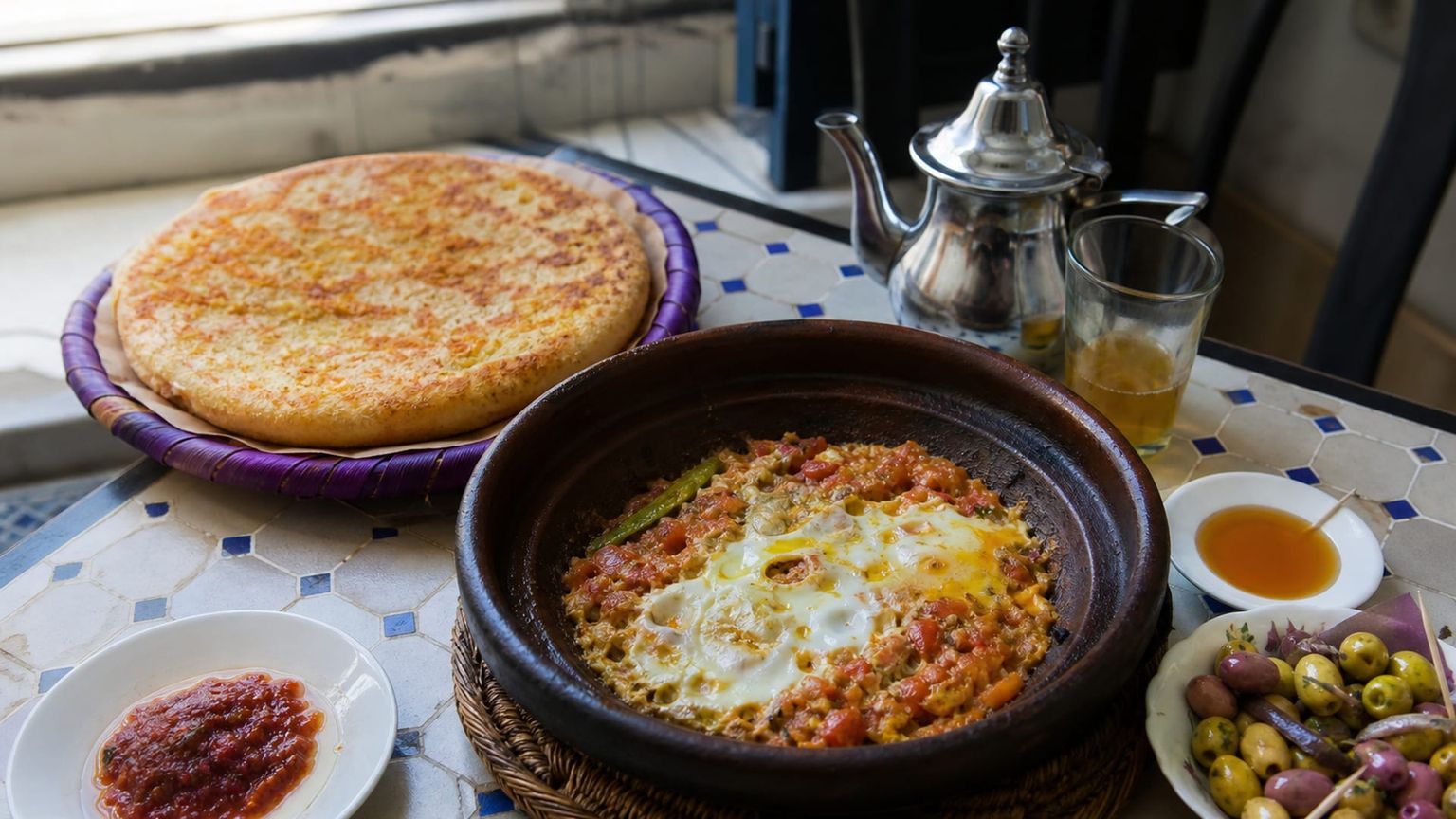
Agadir’s cooking leans on couscous, tagine, bissara, and harira, with cumin, saffron, preserved lemon, and olive oil anchoring many meals. Cafés and family restaurants keep the pace unhurried, especially at lunch and in the evening.
Couscous
Fluffy steamed semolina usually arrives with vegetables and slow-cooked meat or chicken, often on Fridays and at family meals. L’Anice is a strong choice in Agadir for a traditional plate served in a polished dining room.
Tagine
This slow-cooked stew comes with tender meat or vegetables, plus preserved lemon, olives, or dried fruit depending on the version. Pure Passion works well for a careful presentation of the dish near the waterfront.
Bissara
This thick fava bean soup is a common breakfast or light lunch, usually finished with olive oil, cumin, and bread. You can order a dependable bowl at Le Parasol Bleu, where the menu matches a coastal day stop.
Harira
Tomato-based soup with lentils, chickpeas, herbs, and often small pieces of meat, harira appears most often in the evening or during Ramadan. Little Norway offers a good setting for a warming bowl in central Agadir.
Best time to visit Agadir
Agadir stays mild for much of the year, but winter brings the most comfortable beach weather while summer concentrates heat inland and on midday walks.
Best for: Beach walks, museum visits, and clear afternoons
What you get: About 55 to 72°F (13 to 22°C), with lighter crowds and cooler evenings
Trade-offs: The water feels cooler, and early mornings can be breezy
Best for: Souss-Massa day trips and relaxed city sightseeing
What you get: About 60 to 78°F (16 to 26°C), with moderate crowds and bright days
Trade-offs: Late spring can start to warm up by midday
Best for: Long evenings on the promenade and marina dinners
What you get: About 68 to 84°F (20 to 29°C), with more visitors near the coast
Trade-offs: Heat builds during the day, especially away from the water
Best for: Balanced weather for beach time and inland visits
What you get: About 63 to 79°F (17 to 26°C), with manageable crowds and steady sunshine
Trade-offs: School holidays can make some waterfront spots busier
A realistic 5-day plan in Agadir
A five-day stay in Agadir works best when you separate the coast from the inland districts and give the day trip room to breathe. The plan below keeps arrival simple, groups the museum and medina together, and saves the hilltop and park for the calmer parts of the week.
Land at Agadir (AGA) and take a taxi into Agadir Bay or Talborjt, which usually takes about 25 to 35 minutes and costs roughly 200 to 250 MAD ($20 to $25). Check in near the beach if you want an easy first evening, or inland in Talborjt if you prefer neighborhood cafés and lower room rates. After you settle, walk the promenade for fresh air, drink plenty of water, and keep dinner close to your hotel, such as a simple seafood meal along the Agadir Bay waterfront.
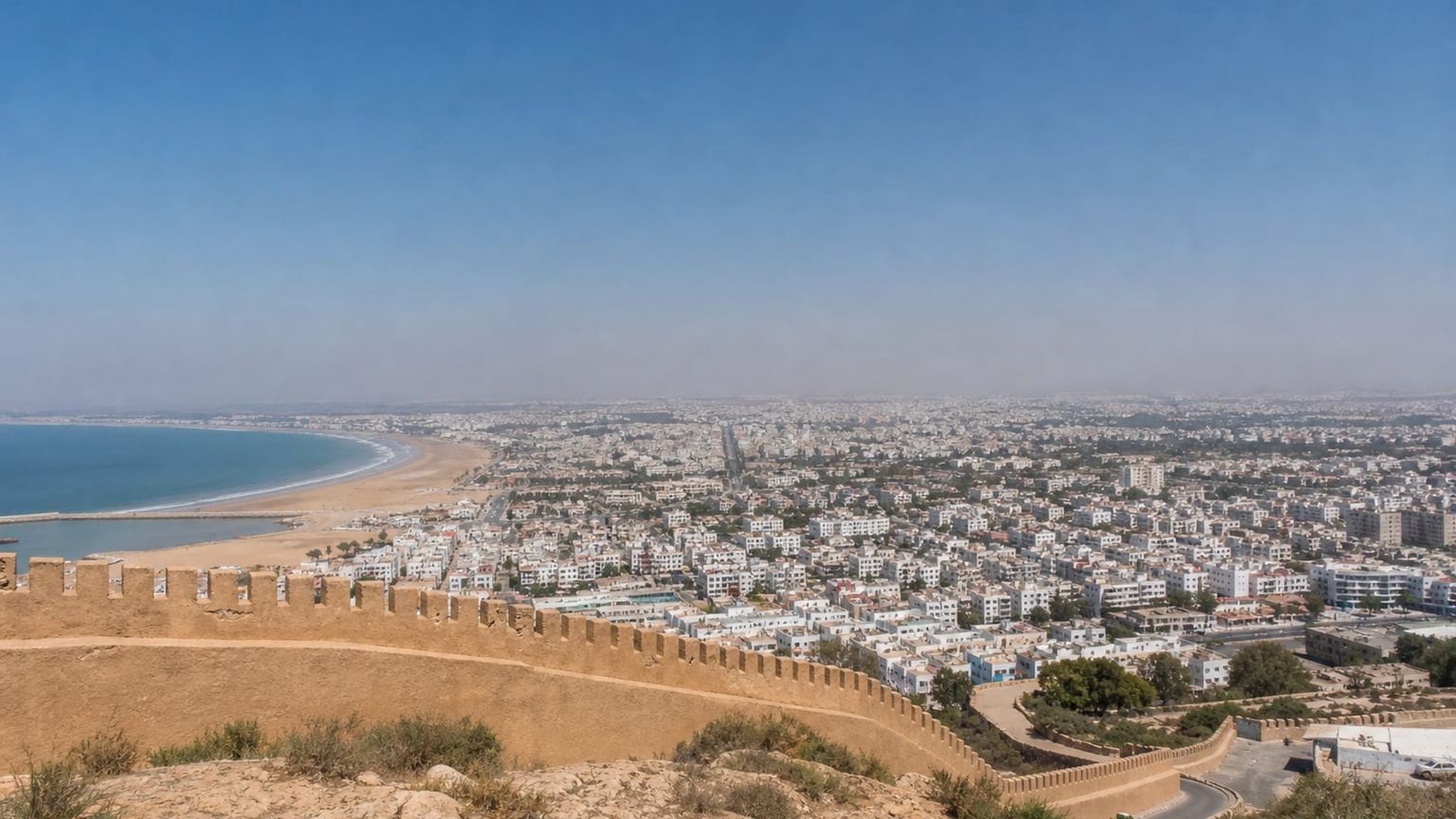
Start at Agadir Medina in the morning, when the workshops are quieter and the light works well for photos, then spend about 1 to 2 hours among the tiled lanes and craft stalls. From there, take a taxi to Musee du Patrimoine Amazigh, a short ride of about 10 to 15 minutes, for carved wood, jewelry, and textiles in a compact indoor visit. Finish in Talborjt for coffee or a low-key lunch, then walk or take another short taxi back toward the coast, about 10 to 15 minutes, for an easy sunset dinner near the bay.
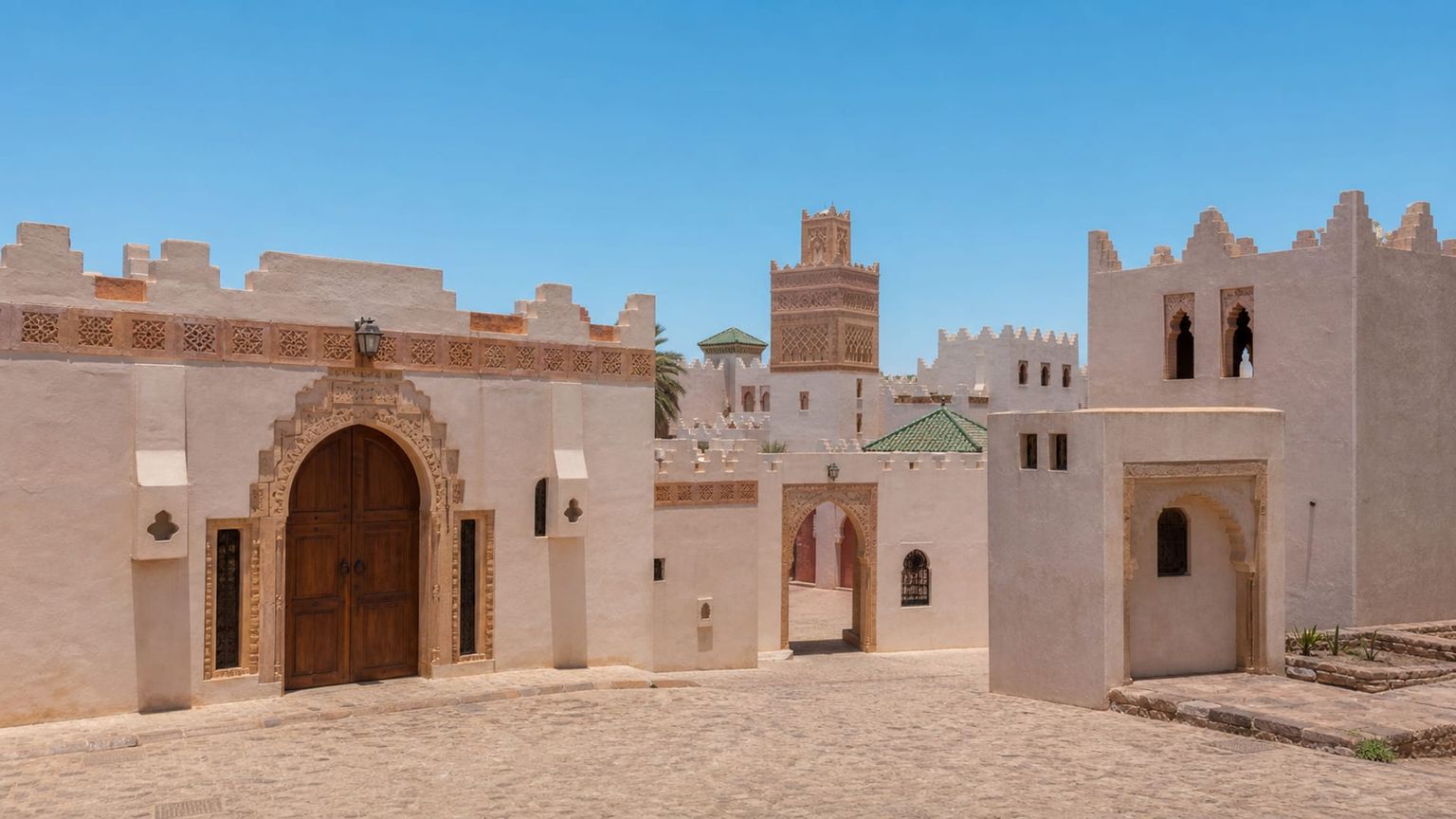
Begin with Agadir Oufella ruins in late afternoon, either by taxi or on foot if you want the climb, and allow about 1 hour for the hilltop walls and bay views. After that, head down to the waterfront, about 15 to 20 minutes by taxi, and spend the early evening on Agadir Marina, where the promenade, yacht basin, and café terraces make dinner planning easy. If you want a longer night, continue along Agadir Bay on foot and stop for a drink near the seafront before returning to your hotel.
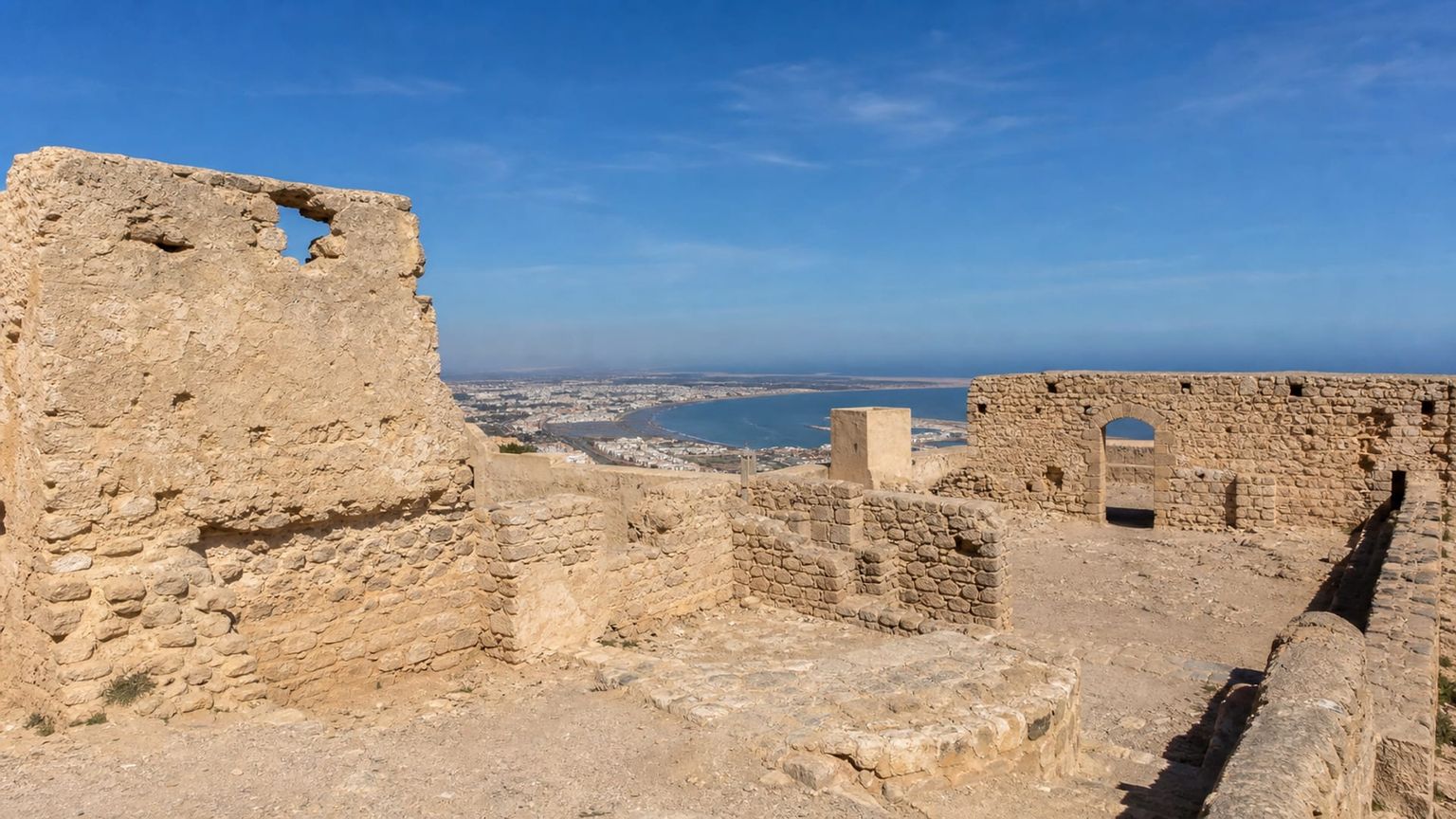
A morning drive south to Souss-Massa National Park sets the pace for the day, and the trip usually takes about 45 to 60 minutes from central Agadir. Plan for about 2 to 4 hours in the park, with binoculars, sandy tracks, wetlands, and birdlife that often includes flamingos and ibis. On the return, stop back in Agadir Bay for a late lunch or beach walk, then keep the evening simple with an early dinner near the promenade or Marina.
Before you head to the airport, fit in one last stop at Agadir Medina if you want a final look at crafts, or return to Musee du Patrimoine Amazigh if you prefer a short indoor visit. After that, spend time in Talborjt for market browsing and a café break, since the district is close enough to keep transfers manageable and gives you an easy place for a last Moroccan tea. When it is time to leave, taxi back to Agadir (AGA) with about 30 minutes on the road from the center, a little longer if traffic builds near the waterfront.
Business-class flights from the US to Agadir
From New York or Los Angeles, trips to Agadir usually connect through a European or North African hub. The best options vary more by connection city than by departure airport, so the route notes below matter.
From New York, Royal Air Maroc, Air France, Iberia, TAP Air Portugal, and Lufthansa all appear on workable one-stop itineraries. The trip usually takes about 10 to 15 hours total, with the lowest fares often routing through Casablanca (CMN); other common connection points include Paris (CDG), Madrid (MAD), Lisbon (LIS), and Frankfurt (FRA). Round-trip fares in this fare band usually run from $2,200 to $4,500.
Los Angeles travelers usually see Royal Air Maroc, Air France, Iberia, Lufthansa, and TAP Air Portugal on one-stop options, with total travel time about 14 to 19 hours. The most affordable itineraries often connect through Casablanca (CMN), and other common hubs include Paris (CDG), Madrid (MAD), Lisbon (LIS), and Frankfurt (FRA). Round-trip fares in this fare band usually start from $2,400 and climb to roughly $5,000.
Agadir feels different when you slow down
A deliberate Agadir trip links the bay, Talborjt, the medina, and Agadir Oufella instead of treating the city as a single beachfront strip. Taxis handle the longer hops, while the promenade and Marina suit slower evening walks, and Souss-Massa adds a clean break from the city. If you want help turning those stops into a booking plan, the AranGrant experts can shape dates, neighborhoods, and flight timing around your route







