

Chapters:

Need help with your trip?
Our support team is available 24/7. Request a callback or call us directly at (833) 619-0908
San Andrés trips often start with the same shortlist: a beach hotel, a boat to Johnny Cay, and a quick look at the blowhole. What visitors miss is how much the island changes once you leave the main strip, from hill neighborhoods to west-coast coves.
That narrower approach can waste time. Distances are short, but taxi fares add up, popular spots fill early, and the island’s layout rewards a plan that matches each stop to the right part of the day.
This guide maps the island by pace and geography, so you can place beach time, inland walks, and day trips in a cleaner order instead of stitching them together on the fly.
Useful things to know

Main language(s): Spanish
Hola (OH-lah) – Hello / good morning
Por favor (por fah-VOR) – Please
Gracias (GRAH-see-ahs) – Thank you
¿Habla inglés? (AH-blah een-GLAYS) – Do you speak English?
¿Cuánto cuesta? (KWAN-toh KWES-tah) – How much does it cost?

Currency: The local currency is the Colombian peso (COP, $).

Cash and cards: Cards and contactless are accepted at many hotels and restaurants, but carry about COP 100,000 to 200,000 ($25 to $50) in cash.

Tipping: Round up small bills; leave about 10% at restaurants if service is good.

Traditional food: Coconut rice, fried fish, crab stew, rondón

Water and coffee costs: Water about COP 3,000 ($1), bar espresso about COP 6,000 ($1.50).

Taxis and ride apps: Uber and DiDi operate here; confirm pickup points at the airport.

Plug and voltage: Type A/B socket, 110V

Dining and shop opening hours: Breakfast is about 7:00-9:00 am, lunch 12:00-2:00 pm, and dinner 7:00-9:30 pm. Many places close midafternoon, especially outside the main tourist strip.

Emergency number: Dial 123 for police, fire, and medical emergencies.
Where to stay in San Andrés
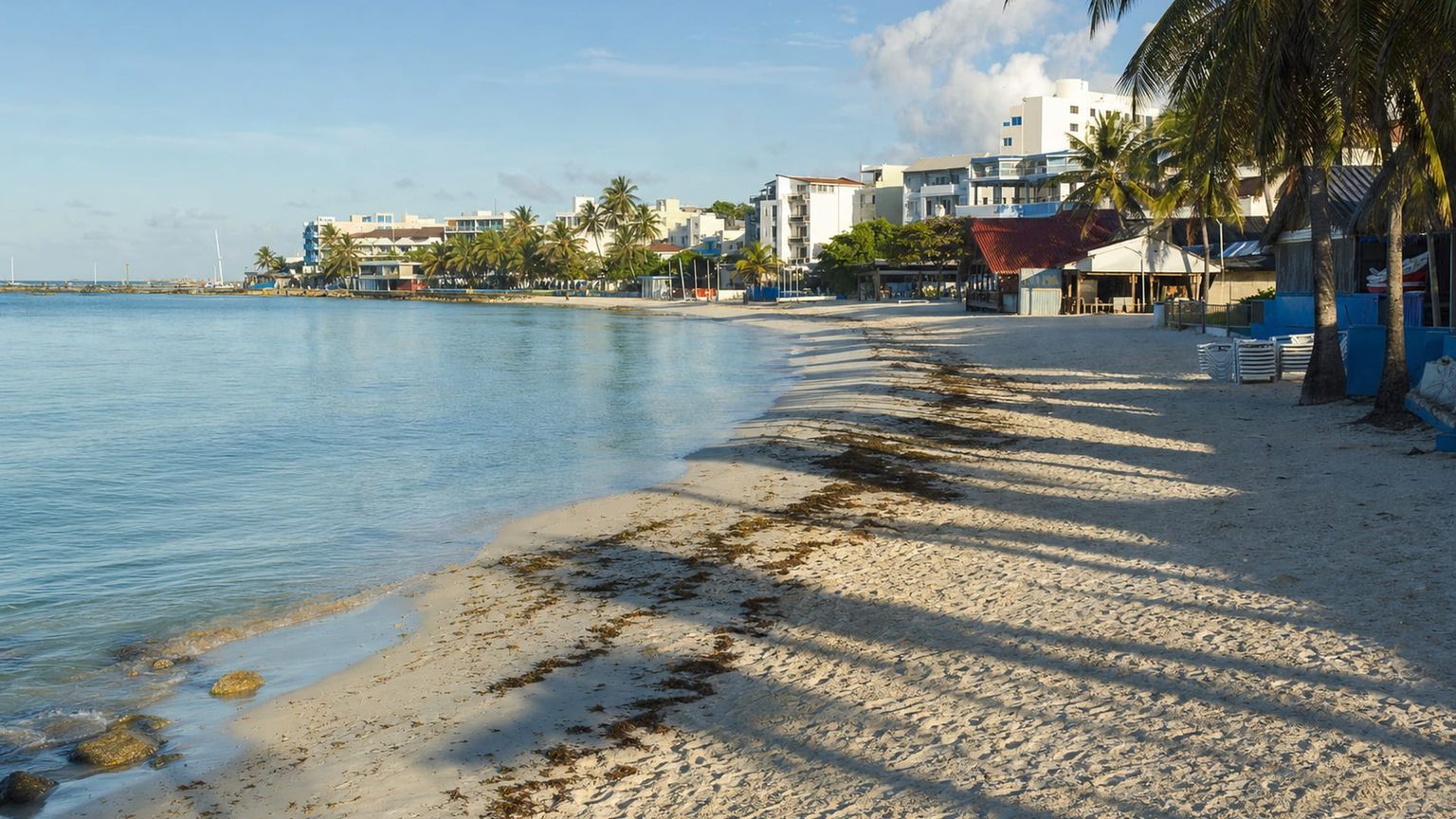
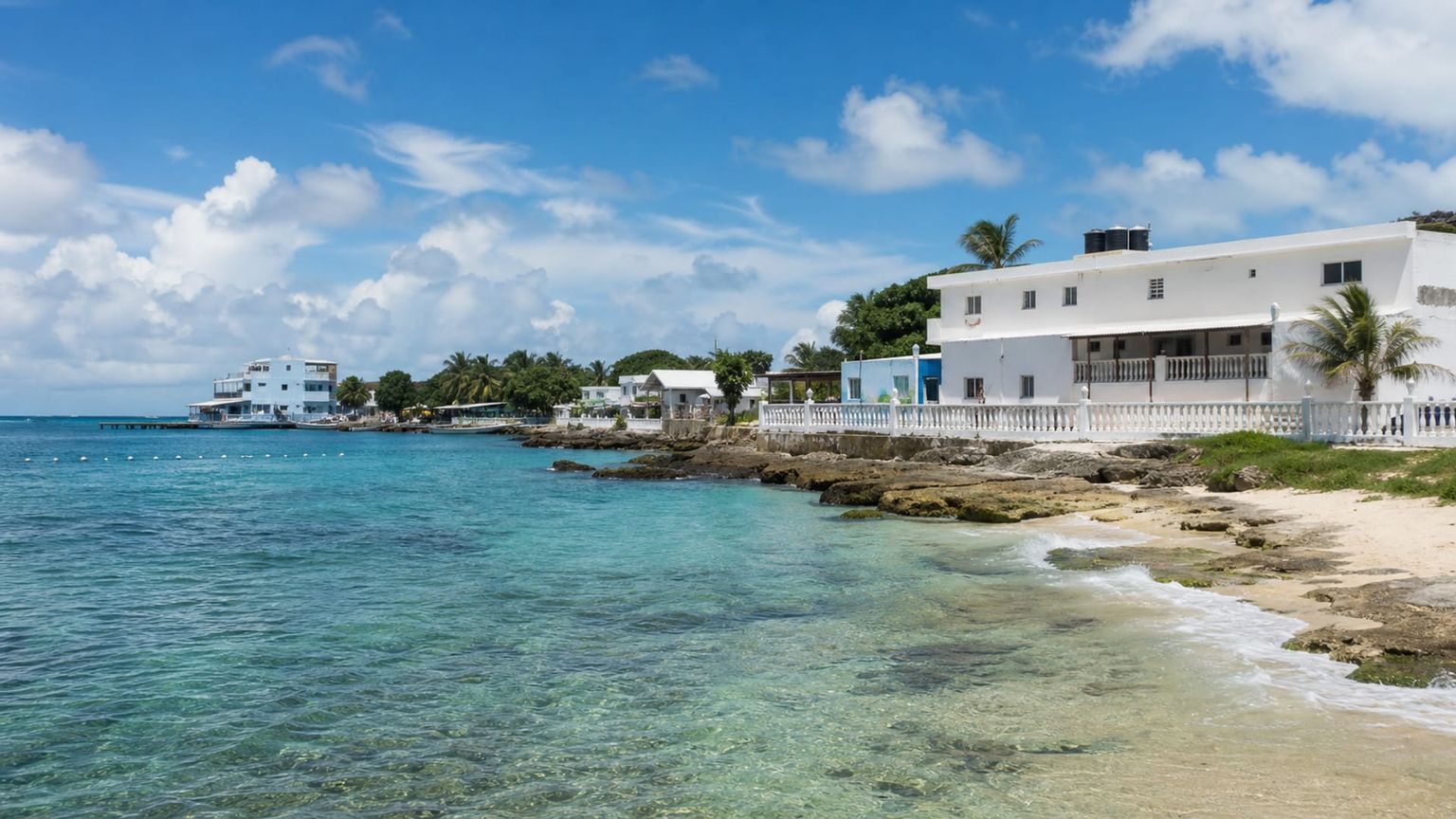
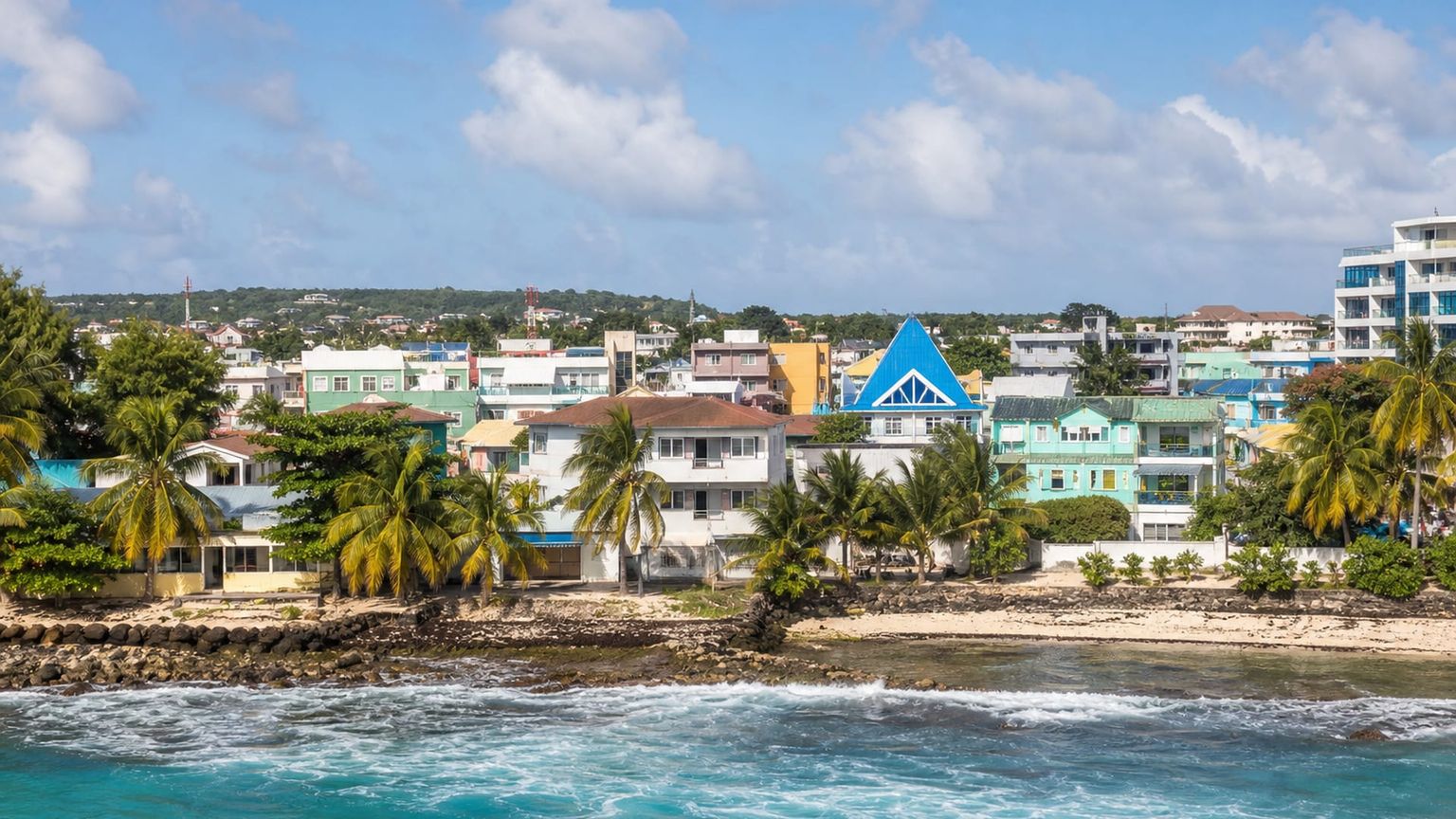
San Andrés’ main beach strip puts you beside the island’s busiest waterfront, with soft sand, swim spots, restaurants, and dive operators close by. It suits travelers who want to walk out to the sea, book boat trips quickly, and stay near the island’s main daytime activity.
Best for: Beach time, island activities, and visitors who want the most central waterfront base
What to expect: Beachgoers, tour desks, and a steady stream of visitors line the seafront during the day, while evenings stay active near the main restaurant strips.
Hotel prices: Usually about $120 to $260 per night for well-rated stays
Distance to major sights: 5 to 10 minutes on foot to Playa Spratt Bight, about 10 minutes by taxi to Gustavo Rojas Pinilla Airport (ADZ)
Quietness: Busy through the day and still active into the evening, then quieter late at night.
Main trade-off: You pay more for the best beach access, and some rooms sit close to traffic, music, or late diners.
Good to know: If you want to split time between the beach and excursions, this area keeps the logistics simple and leaves little need for taxis.
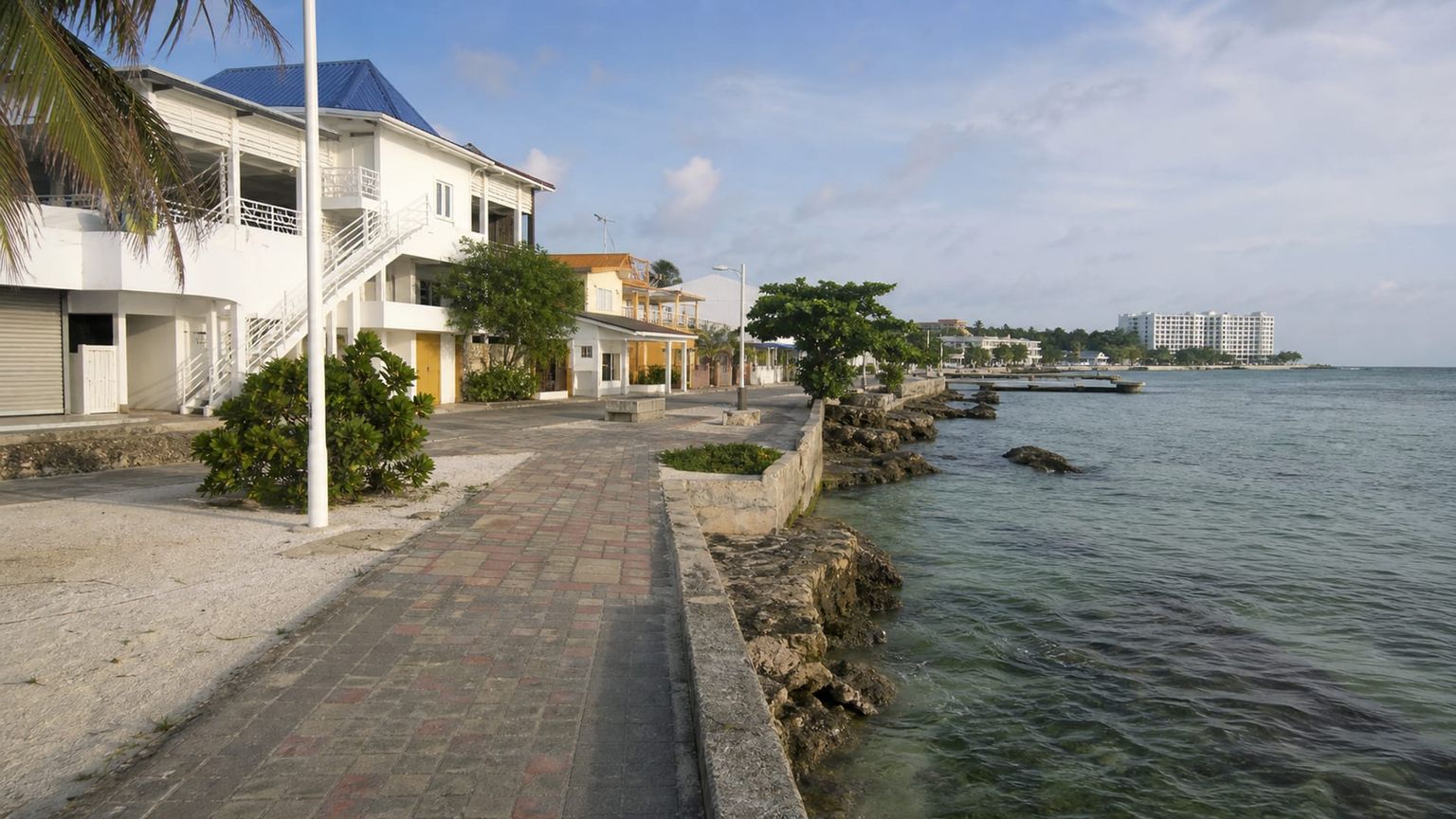
Punta Hansa sits just inland from the main beach zone, close to shops, banks, and the island’s busiest hotel cluster. It works well for visitors who want central access without staying directly on the sand, especially if they plan several short outings.
Best for: Central access, quick errands, and travelers who plan short outings across town
What to expect: Side streets stay active, with hotels, small stores, and moving traffic, but the mood softens away from the main beachfront.
Hotel prices: Usually about $90 to $200 per night for well-rated stays
Distance to major sights: 5 to 12 minutes on foot to Playa Spratt Bight, about 8 minutes by taxi to Gustavo Rojas Pinilla Airport (ADZ)
Quietness: Livelier in the day, with more movement and noise near the main roads, then calmer after dinner.
Main trade-off: You are close to everything, but the easiest access usually comes with more traffic and less direct sea frontage.
Good to know: Choose this area if you want to handle shopping or cash withdrawals on foot, since those errands are easier here than along the beach.
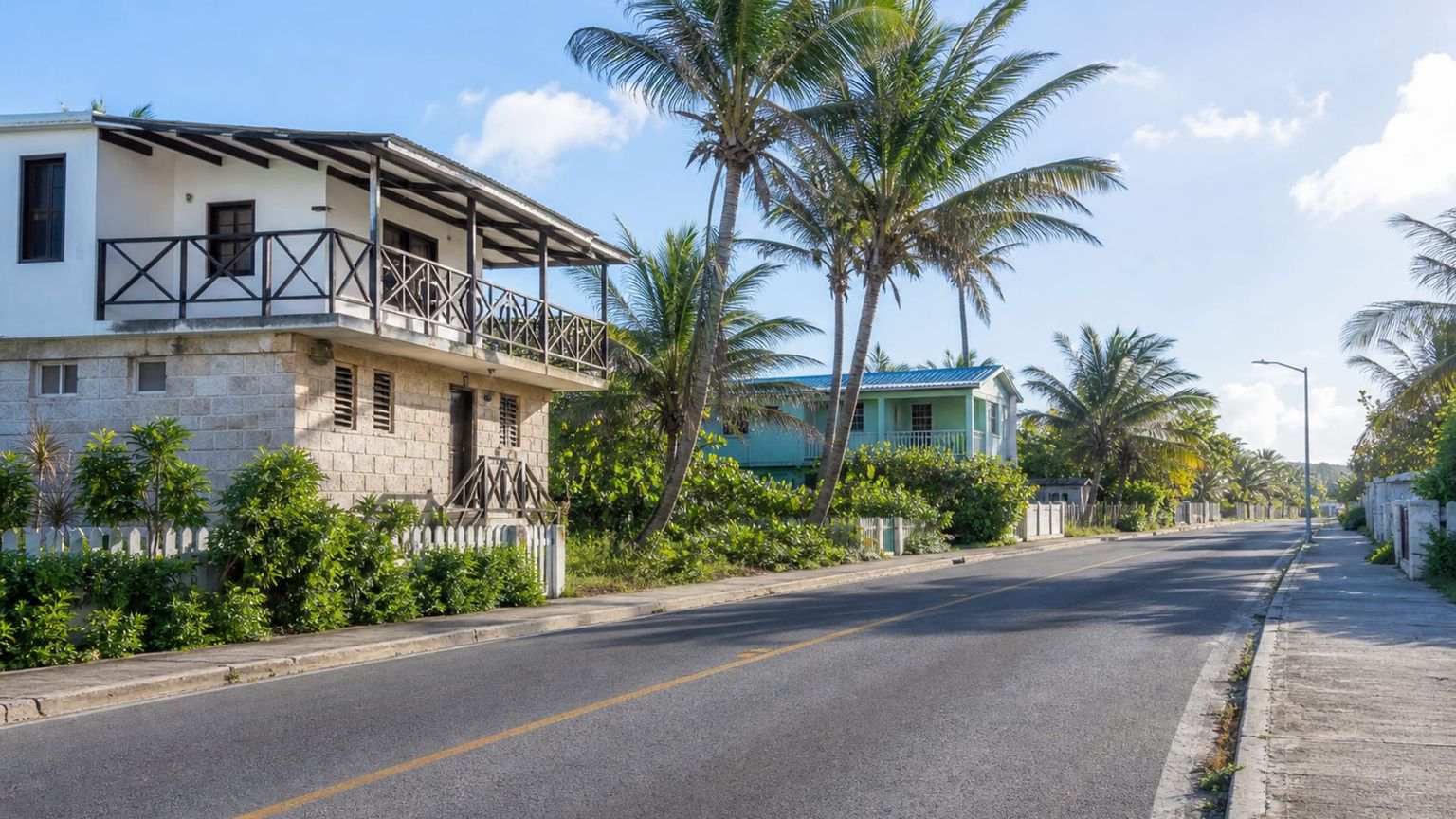
San Luis stretches along the island’s quieter east coast, with a more residential feel, local eateries, and access to beaches that see fewer day-trippers. It suits travelers who want a slower base and do not mind being farther from the island’s main commercial strip.
Best for: Quieter stays, local atmosphere, and travelers who prefer a more residential base
What to expect: Roads are less busy, beach access is more spread out, and you will see more local movement than tourist foot traffic.
Hotel prices: Usually about $60 to $160 per night for well-rated stays
Distance to major sights: About 20 to 25 minutes by taxi to Playa Spratt Bight, about 15 to 20 minutes by taxi to Gustavo Rojas Pinilla Airport (ADZ)
Quietness: Calmer during the day and noticeably quieter at night, with only occasional traffic and neighborhood activity.
Main trade-off: You trade central convenience for longer taxi rides and fewer dining choices after dark.
Good to know: Plan on renting a scooter or budgeting for taxis if you stay here, because the best-known beach and shopping areas sit on the opposite side of the island.
Travelers usually avoid staying in El Cove, San Luis, La Loma, and the far northern stretch near Sound Bay if they want easy access to the main tourist area on the north coast. These areas sit farther from the center of visitor activity, have fewer hotel and dining options nearby, and can mean longer evening taxi rides.
Hotel deals
How to get around San Andrés efficiently
San Andrés has no metro or rail line, so the island works best with a mix of taxis, minibuses, and short walks between clustered sights.

Metro
for longer distances
San Andrés has no metro or suburban rail, so visitors rely on road transport for the airport, San Andrés town, and the island’s beaches. The main trips are short, often about 10 to 25 minutes by road, depending on traffic and the beach you choose.

Bus and tram
for convenience
Route 1 and route 2 minibuses, plus shared vans, cover the island’s main strip from the airport area through San Andrés town and south to popular beaches and hotels. Fares are usually about $1 to $3 per ride, often paid in cash on boarding, and the ride from the airport to town takes about 10 to 15 minutes; ask the driver before boarding if the vehicle goes to your stop.

Taxi
for convenience or late hours
Licensed taxis use set fares rather than meters, and airport trips usually have posted rates that drivers quote before departure. Expect about $6 to $10 for San Andrés Airport to town, about $12 to $20 for longer cross-island rides, and slightly higher late at night; carry cash, since card payment is uncommon.
*Prices are based on rates updated as of June 2026 and may change at the time of travel.
Use taxis for airport transfers and cross-island hops, buses or shared vans for cheap point-to-point rides, and walking once you are based near Spratt Bight or Punta Hansa.
Iconic landmarks
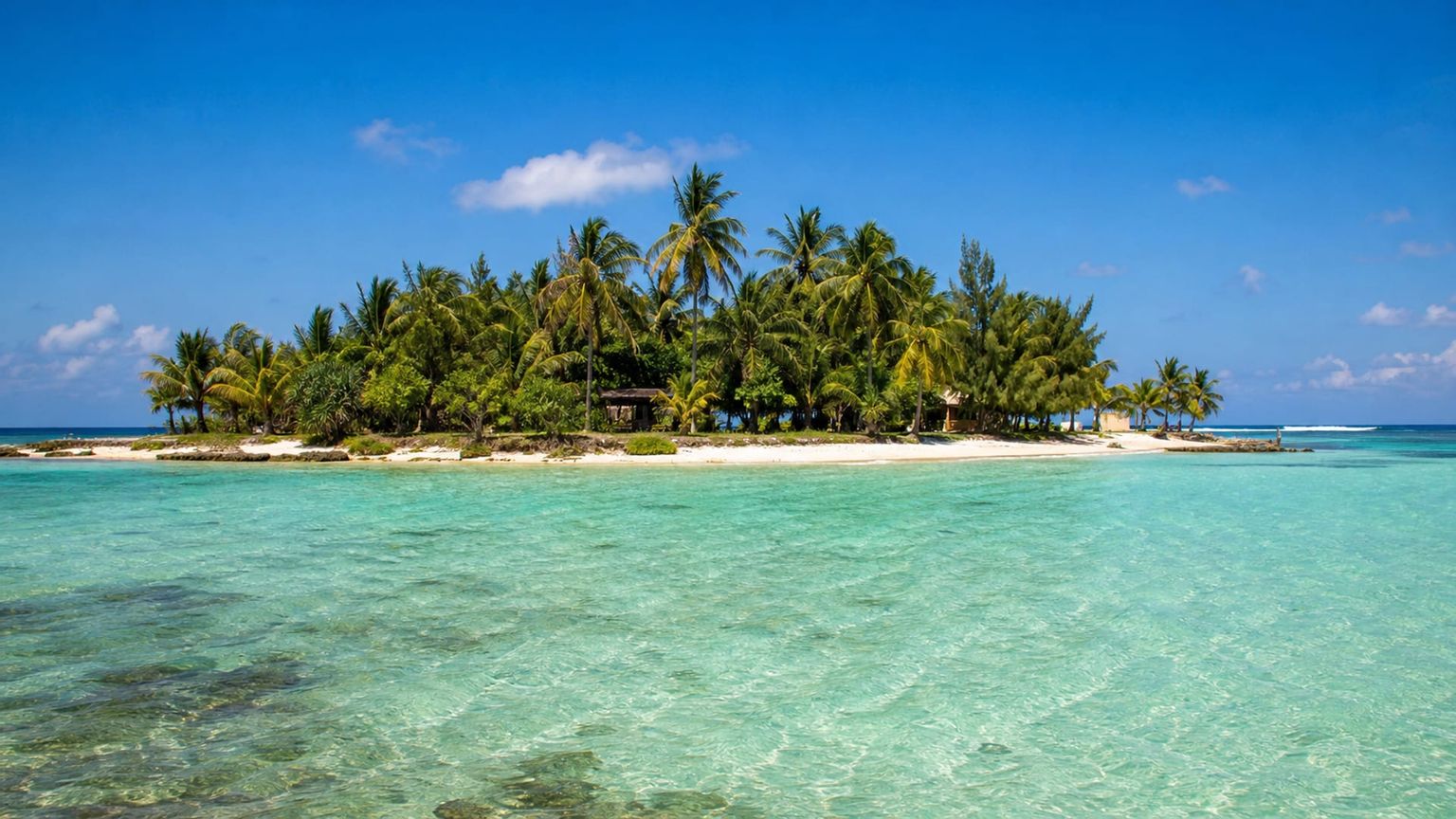
Johnny Cay Regional Park
The caye’s white sand and shallow turquoise water make it San Andrés’s classic beach stop. Boats leave from the northern coast, and the island adds snorkeling, shell-strewn shorelines, and simple seafood stalls to the day.
Time needed: About 3 to 5 hours
Entry: Boat access and park admission usually cost about $12 to $25 ($12 to $25), depending on departure point and season.
Tip: Go early, because midday boats and shade on the caye both get limited fast.
La Piscinita
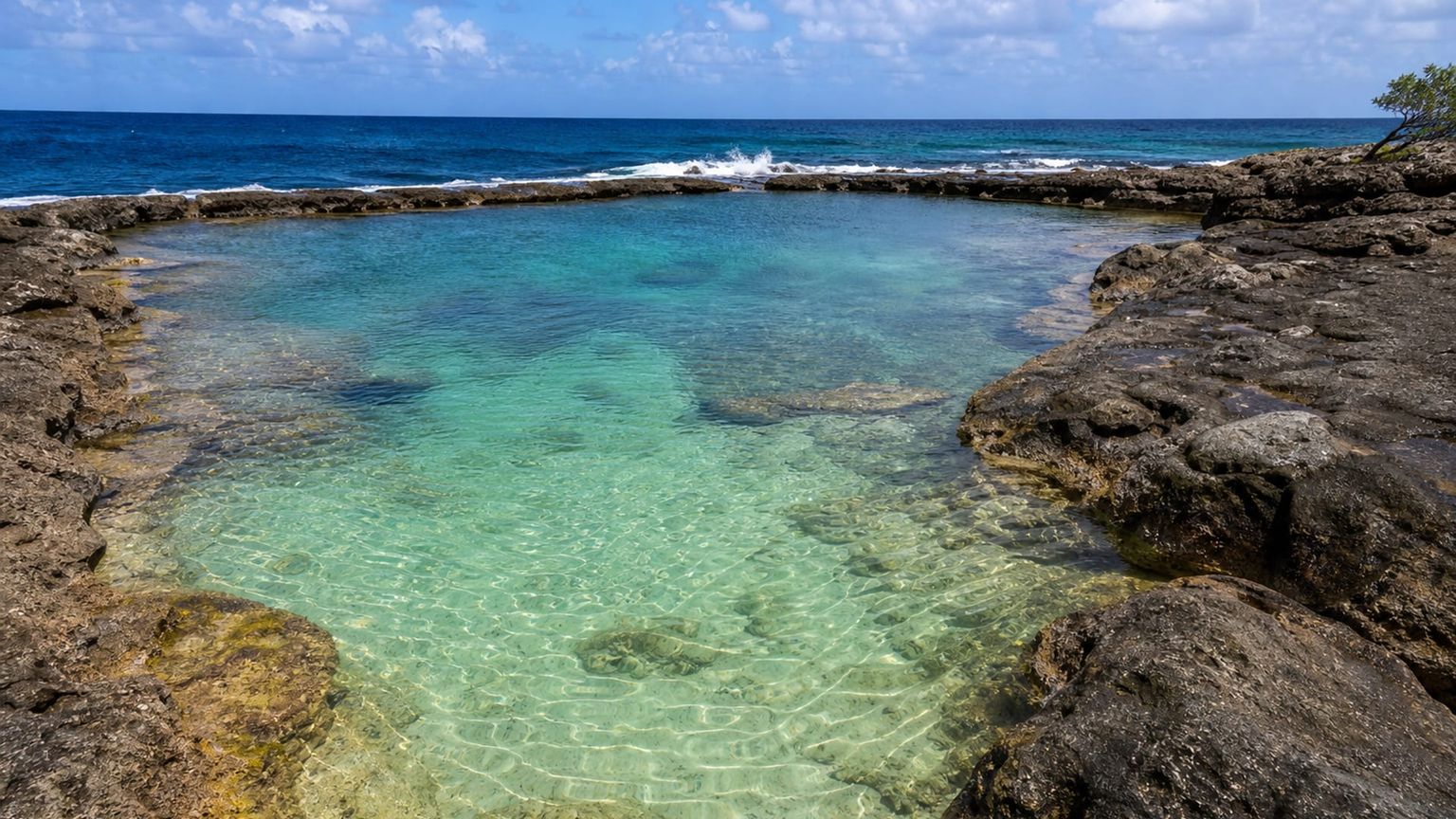
This natural pool on the west coast has clear water, limestone ledges, and steady snorkeling close to shore. The protected cove lets visitors swim among reef fish without long swims or boat support.
Time needed: About 2 to 3 hours
Entry: Entry usually costs about $2 to $5 ($2 to $5) per person, with extra charges for chairs, masks, or snacks.
Tip: Arrive before noon, when the water stays clearest and the ledges are less crowded.
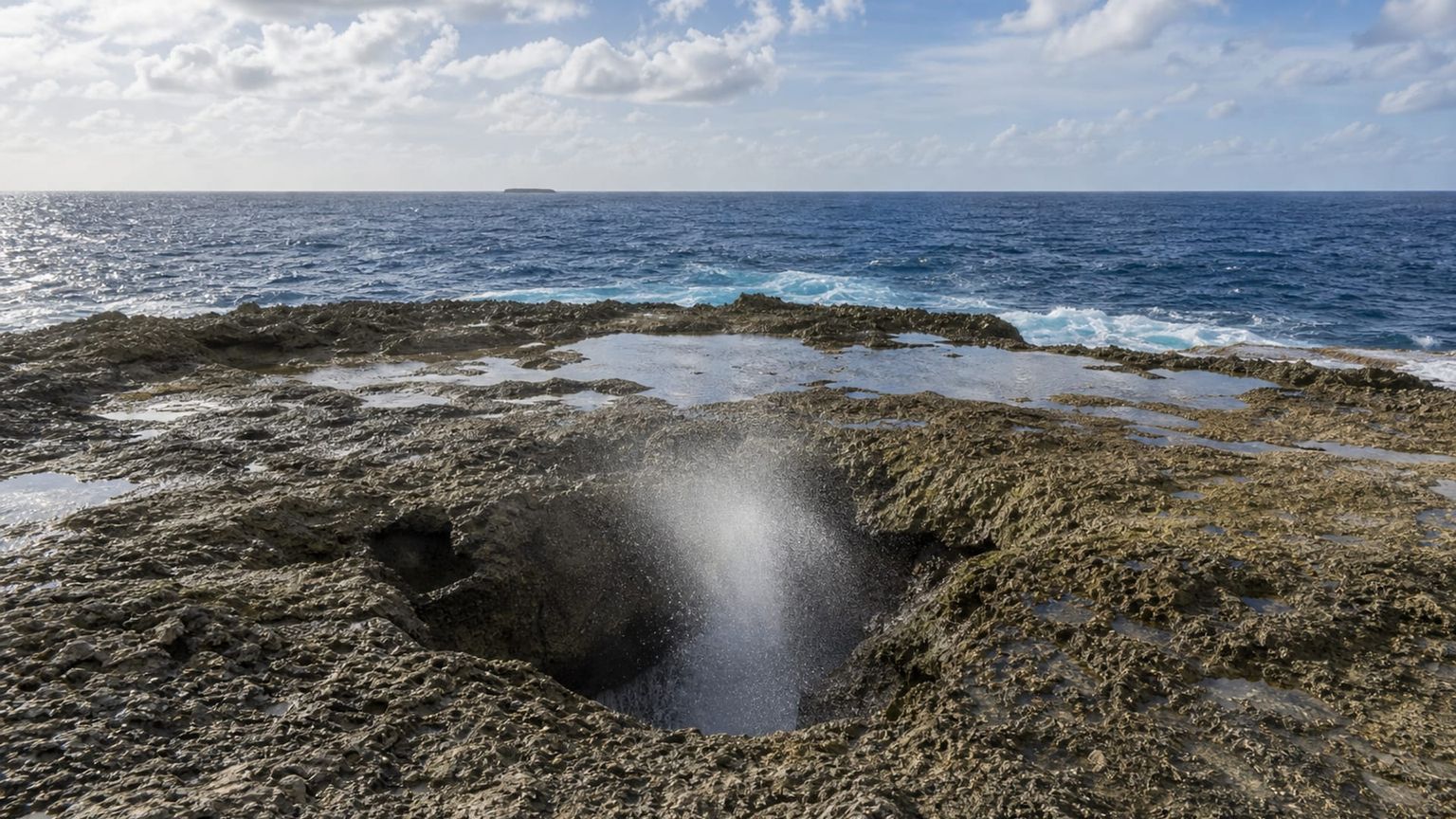
The Hoyo Soplador
At the island’s south end, surf pushes water through a rock chimney and sends up a spray that can reach several meters high. It works only with strong swell, so the show changes with sea conditions.
Time needed: About 20 to 40 minutes
Entry: Free to access, with no timed entry, though local vendors may charge for parking or cold drinks nearby.
Tip: Check swell conditions before you go, because calm seas can leave the blowhole quiet.
Overlooked sites worth visiting

La Loma de San Andrés
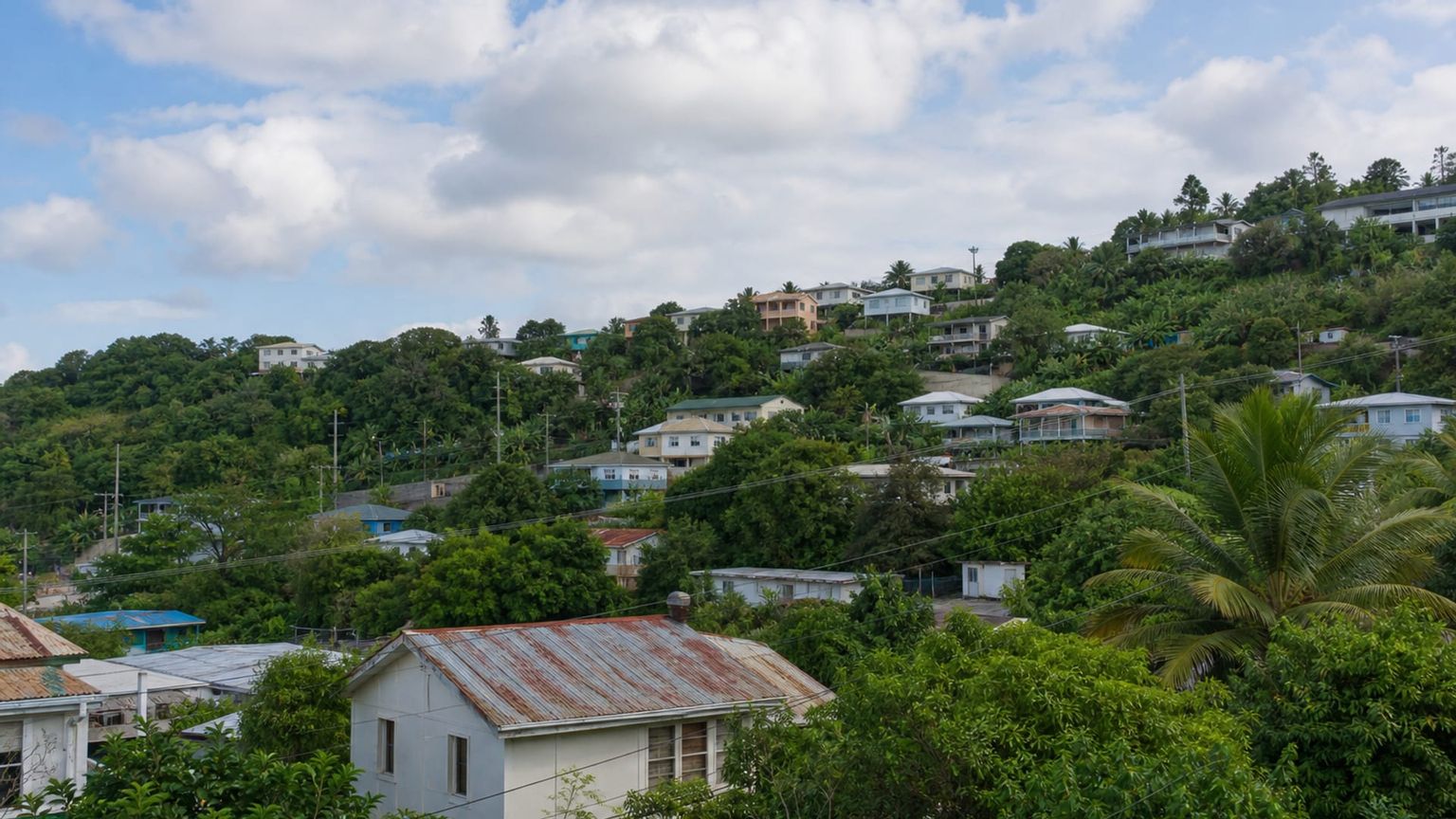
A hilltop neighborhood of wooden houses, murals, and sea views, with narrow lanes that invite a slow walk. It gives a closer look at island life than the beach strip below.
Time needed: About 1 to 2 hours
Entry: Free to walk through; any purchases are limited to snacks, drinks, and small neighborhood eateries. Budget roughly $2 to $10 ($8,000 to $40,000 COP) if you stop for a coffee or a simple bite.
Tip: Go in the late afternoon for softer light on the murals.

Island House Museum
This small house museum shows local architecture, tools, and everyday objects from the island’s past. The compact layout makes it easy to pair with a nearby walk without losing much time.
Time needed: About 45 minutes to 1 hour
Entry: Admission is usually about $4 to $6 ($16,000 to $24,000 COP) for adults, with possible small discounts for children or seniors. Hours can shift on local holidays, and cash is often simplest at the door.
Tip: Check opening hours before you go, since they can change on holidays.
Traditional food
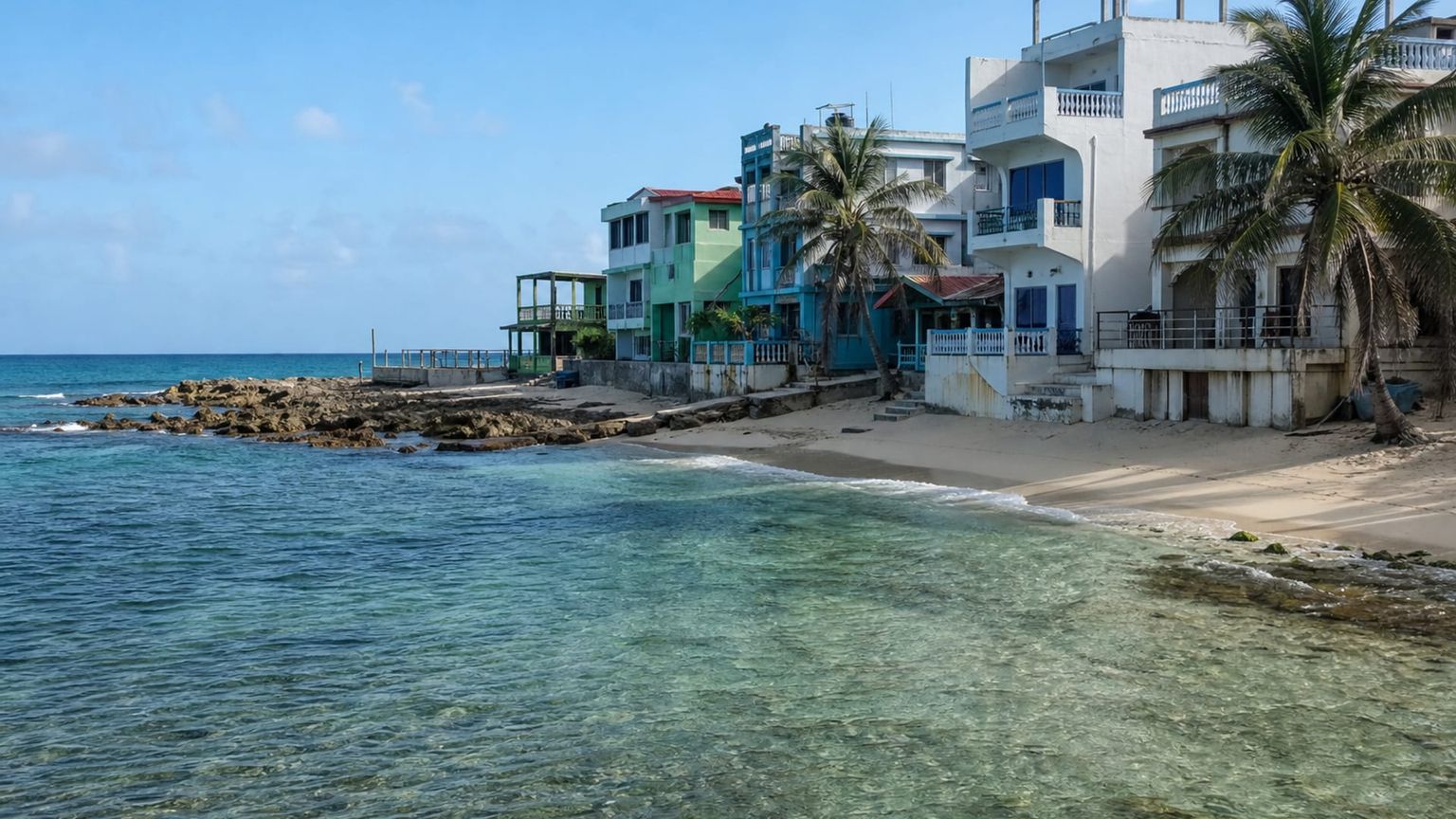
San Andrés cooking leans on coconut rice, fried fish, crab stew, and rondón, with seafood, plantains, and local seasoning shaping the table. Meals often fit the island’s midday break and the easygoing dinners near the beach strip.
Coconut rice
This island staple pairs well with grilled or fried seafood and shows up on many local plates. For a dependable version in San Andrés, try Restaurante El Fogón, where it fits naturally with the seafood menu.
Fried fish
Usually served whole with sides such as plantains, salad, and coconut rice, fried fish is one of the clearest ways to read the island’s cooking. Restaurante Mahi-Mahi is a good canonical stop for it near the main tourist zone.
Crab stew
This richer coastal dish brings shellfish, seasoning, and a thicker sauce to the table, often with rice or bread. At Restaurante La Regatta, it fits into a longer seafood meal with a harbor-side setting.
Rondón
Rondón is the island’s signature seafood stew, built with coconut milk, fish, shellfish, and root vegetables. Casa Típica Isleña is a fitting place to order it, since the menu leans into local island flavors.
Best time to visit San Andrés
San Andrés stays warm year-round, but wind, rain, and peak visitor periods shift the experience enough that the best weeks depend on what you want to do.
Best for: Best for bright beach days and clear water
What you get: About 79 to 84°F (26 to 29°C), with dry stretches and heavier visitor demand
Trade-offs: Hotels and boats book up faster, especially near the holidays
Best for: Best for a balance of good weather and lighter crowds
What you get: About 80 to 85°F (27 to 29°C), with warm seas and fewer peak-season bottlenecks
Trade-offs: Brief showers become more common as the months progress
Best for: Best for steady warmth and flexible island plans
What you get: About 79 to 84°F (26 to 29°C), with mixed weather and moderate crowd levels
Trade-offs: Rain can interrupt boat outings and west-coast plans
Best for: Best for lower hotel pressure and quieter beaches
What you get: About 78 to 83°F (26 to 28°C), with more rain and softer visitor flow
Trade-offs: Sea conditions can change quickly, especially for caye trips
A realistic 5-day plan in San Andrés
The five-day plan follows the island’s geography rather than forcing everything into one area. It starts near the beach strip, moves out to Johnny Cay and the west coast, then brings you inland for La Loma and the museum before departure.
Land at Gustavo Rojas Pinilla Airport (ADZ) and take a taxi or prearranged transfer to Spratt Bight or Punta Hansa, a ride of about 8 to 10 minutes and usually roughly $5 to $10. Check in near the beach strip, then keep the afternoon easy with water, a short walk along the waterfront, and an early dinner on the main restaurant stretch so you do not need a long taxi back after dark.
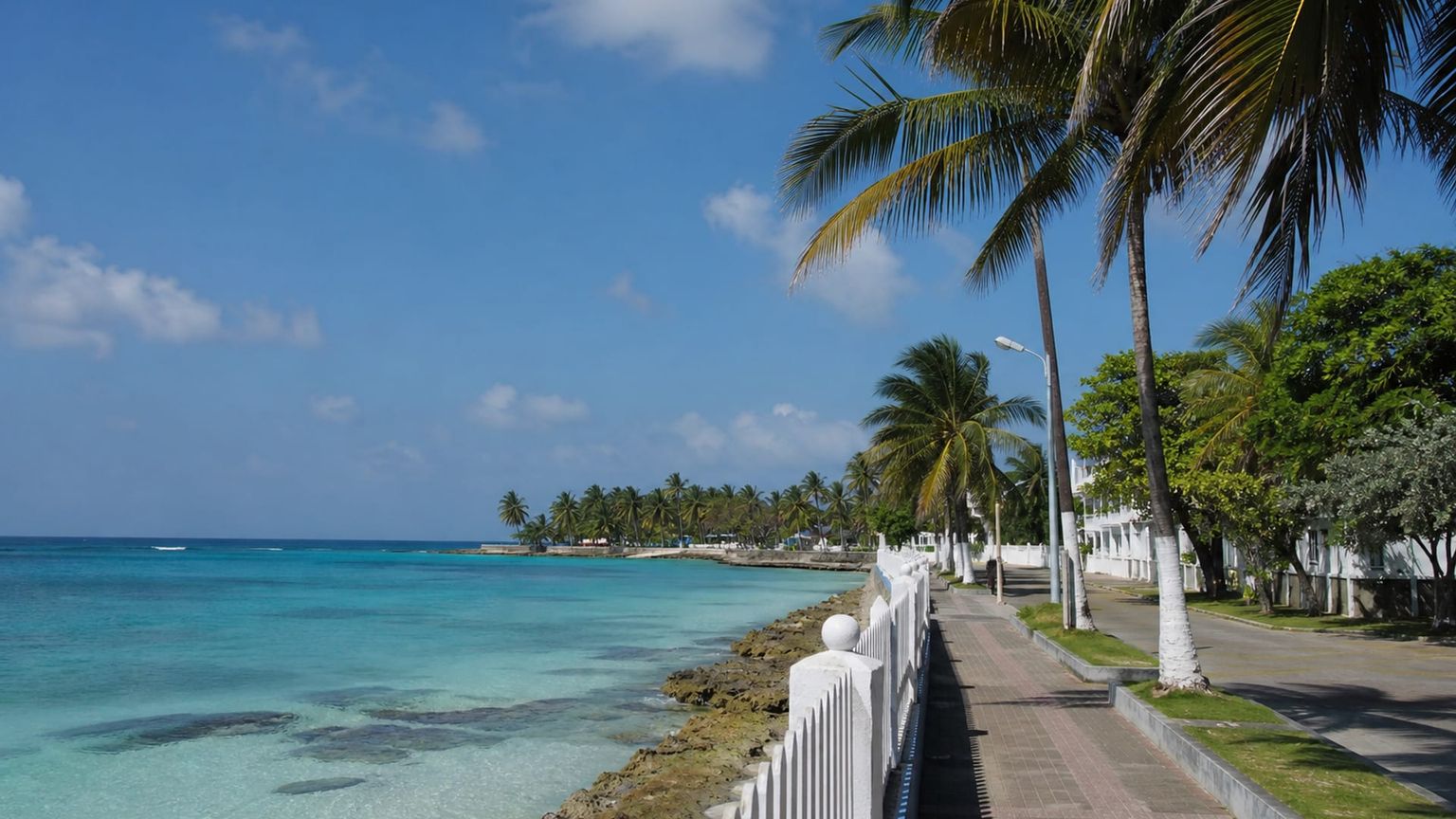
Start early with Johnny Cay Regional Park, since boats leave from the north coast and the trip, including time on the caye, takes about 3 to 5 hours; expect about $12 to $25 for boat access and park admission. After lunch back on the mainland, ride about 15 to 20 minutes west to La Piscinita for about 2 to 3 hours of snorkeling in the clear cove, then continue about 20 minutes south to The Hoyo Soplador for a short stop if swell is high enough to send spray through the rock chimney.
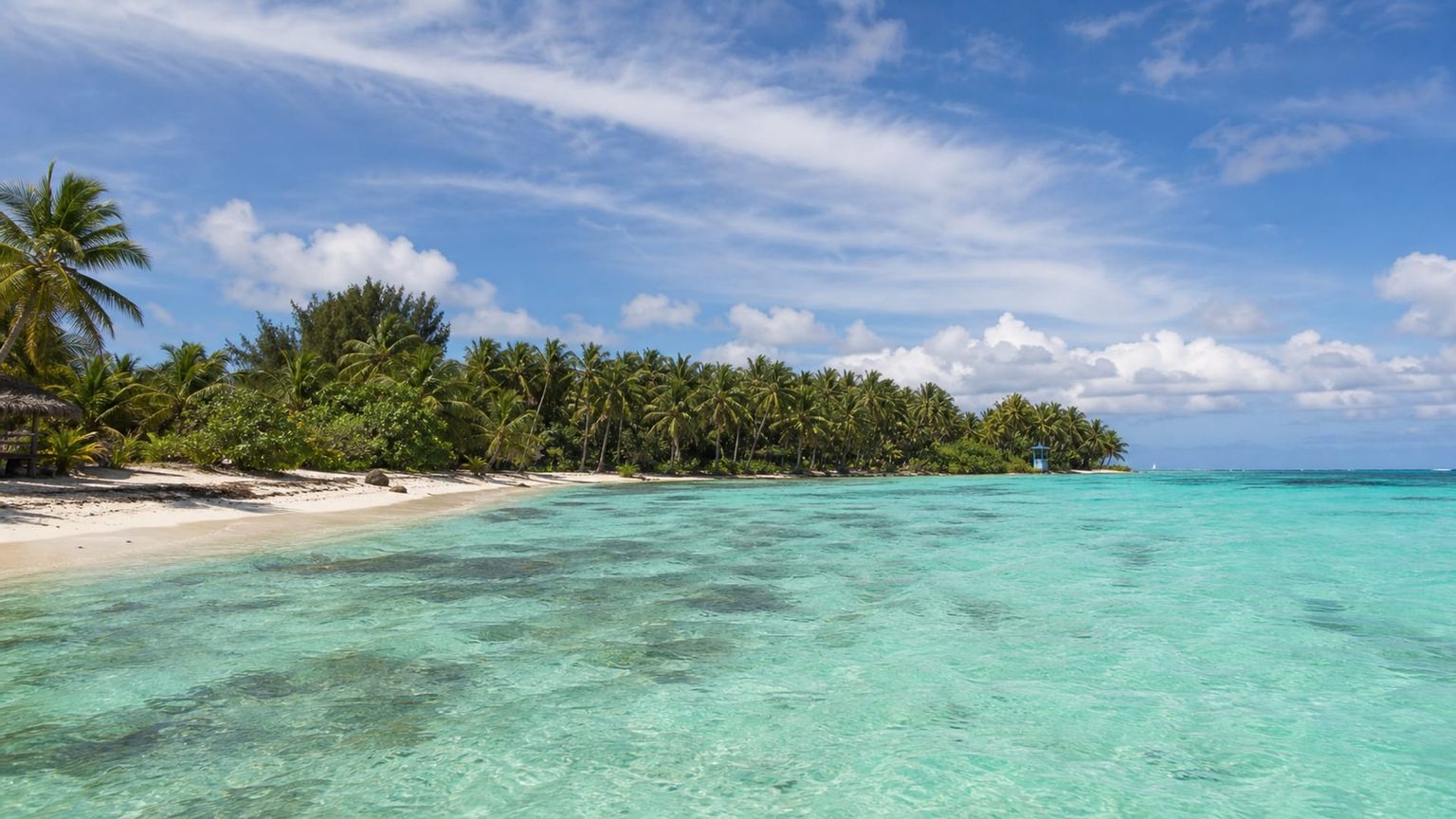
Begin in La Loma de San Andrés, where a 1 to 2 hour walk through murals, wooden houses, and hilltop lanes works well in the softer morning light. From there, continue about 10 to 15 minutes by taxi to the Island House Museum for about 45 minutes to 1 hour, then return toward the coast for a relaxed late lunch in Spratt Bight or Punta Hansa and an easy evening on the beach.
A west-coast morning pairs naturally with La Piscinita first, followed by a taxi ride of about 20 minutes to The Hoyo Soplador if the sea is active enough for spray, or back into town if the water is calm. Finish the day with a late-afternoon return to La Loma de San Andrés for quieter views and neighborhood photos, then head down to Spratt Bight for sunset and dinner near the waterfront.
Spend the last day on low-key errands in Punta Hansa, where banks, shops, and small stores make it easy to handle any final purchases before the airport. If you still have a few hours, return to the Island House Museum for one more compact dose of island history, then stop for coffee in La Loma de San Andrés before heading back to Gustavo Rojas Pinilla Airport (ADZ), about 8 to 10 minutes from the beach zone.
Business-class flights from the US to San Andrés
Flights to San Andrés usually involve a connection, but the route choices differ enough by origin to affect timing and fare. These two examples show the main East Coast and West Coast patterns.
From New York (JFK), American Airlines, Avianca, Copa Airlines, JetBlue, United Airlines, and LATAM Airlines all show up on the route list, with itineraries that can run nonstop or connect through PTY, BOG, MIA, CTG, or MDE. Nonstop time is about 4 hours 30 minutes to 5 hours 15 minutes, while one-stop trips usually land in the 6 to 10 hour range. Business fares from New York (JFK) usually start at $1,500 and can reach $3,200 round trip.
Los Angeles (LAX) itineraries are built around American Airlines, Avianca, Copa Airlines, and United Airlines, and the journey typically takes about 5 hours 45 minutes to 6 hours 30 minutes nonstop. If you connect, PTY, BOG, MIA, and CTG are the main hubs, and the trip usually stretches to about 7 to 11 hours. From Los Angeles (LAX), expect about $1,700 to $3,600 round trip in business class.
San Andrés feels different when you slow down
A well-paced San Andrés trip usually pairs the beach strip with one inland outing and one west-coast swim, then leaves room for taxi time between Punta Hansa, La Loma de San Andrés, and the north coast. That mix keeps the island’s short distances working in your favor, instead of forcing long detours between meals, boats, and sunset plans. For help shaping those pieces into one trip, talk with the AranGrant experts