

Chapters:

Need help with your trip?
Our support team is available 24/7. Request a callback or call us directly at (833) 619-0908
Århus trips often start with a museum, a walk through Indre By, and dinner near the cathedral, while the harbor and beaches get saved for if there is time. That leaves Ballehage, the Latin Quarter side streets, and the longer museum visits easy to miss.
That pattern works on paper, but it can mean too much backtracking between the center and the south side of the city, plus crowded midday museum windows and rushed meals between openings.
This guide organizes the city by location and pace, so each day has a clear base, shorter transfers, and time for both the headline sights and the quieter stops.
Useful things to know
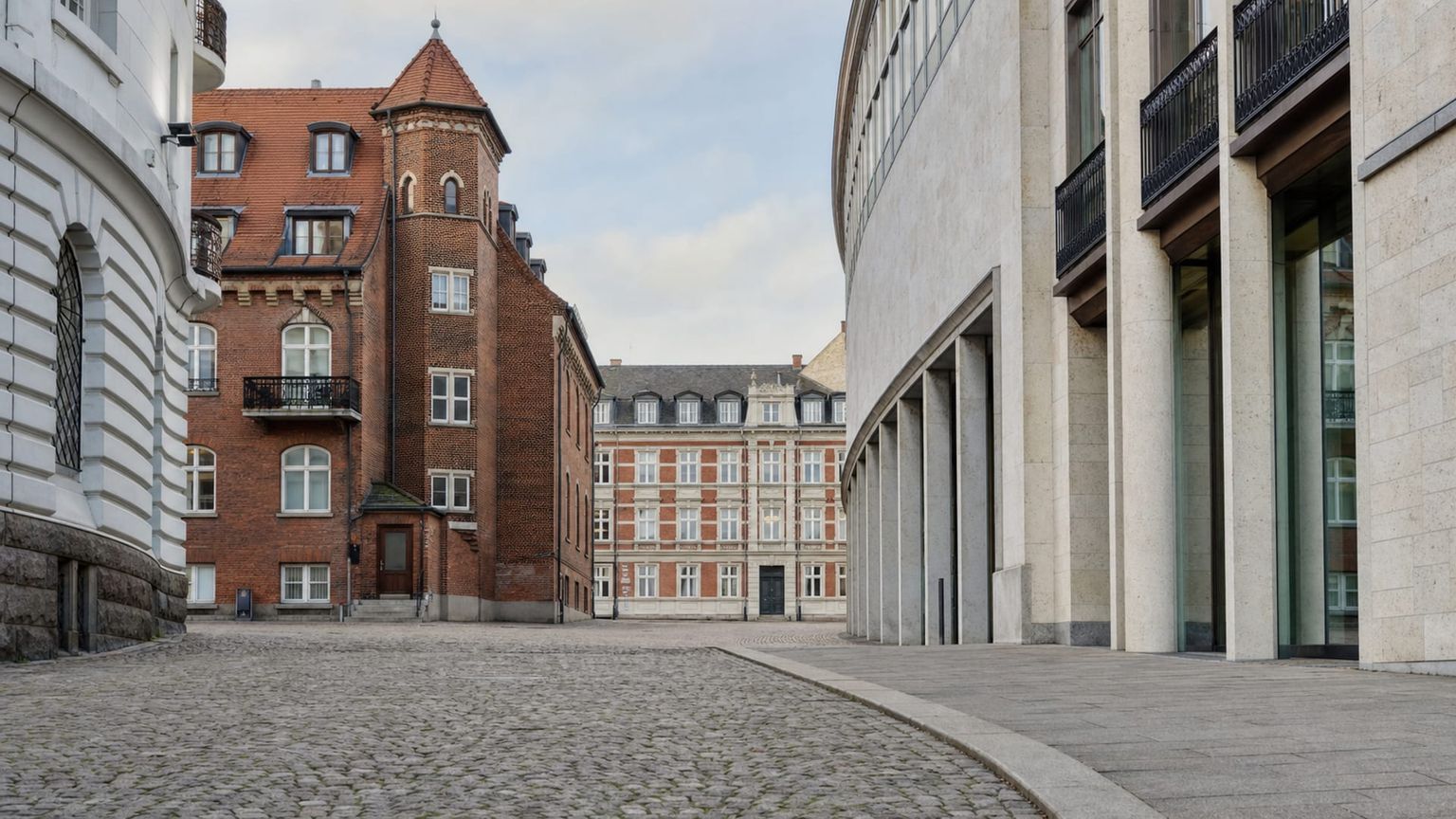

Main language(s): Danish
Hej (hyeh) – Hello
Tak (tahk) – Thank you
Tak (tahk) – Please
Taler du engelsk? (TAH-ler doo EN-gelsk) – Do you speak English?
Hvad koster det? (vad KOS-ter det) – How much does it cost?

Currency: The local currency is the Danish krone (DKK, kr).

Cash and cards: Cards and contactless are widely accepted; carry about DKK 100 to 200 ($15 to $30) for small cash-only spots.

Tipping: Round up or leave about 5% for good service; tipping is not expected.

Traditional food: Aarhus seafood smørrebrød, Danish frikadeller, stegt flæsk, æbleskiver

Water and coffee costs: Water about DKK 15 ($2), bar espresso about DKK 30 ($4).

Taxis and ride apps: Uber and local taxi apps operate here; airport taxis are common.

Plug and voltage: Type C/F socket, 230V

Dining and shop opening hours: Breakfast is about 07:00-10:00, lunch 12:00-14:00, and dinner 18:00-21:00. Many restaurants close between lunch and dinner, and kitchens often stop early on Sundays.

Emergency number: 112 for police, fire, and medical emergencies.
Where to stay in Århus
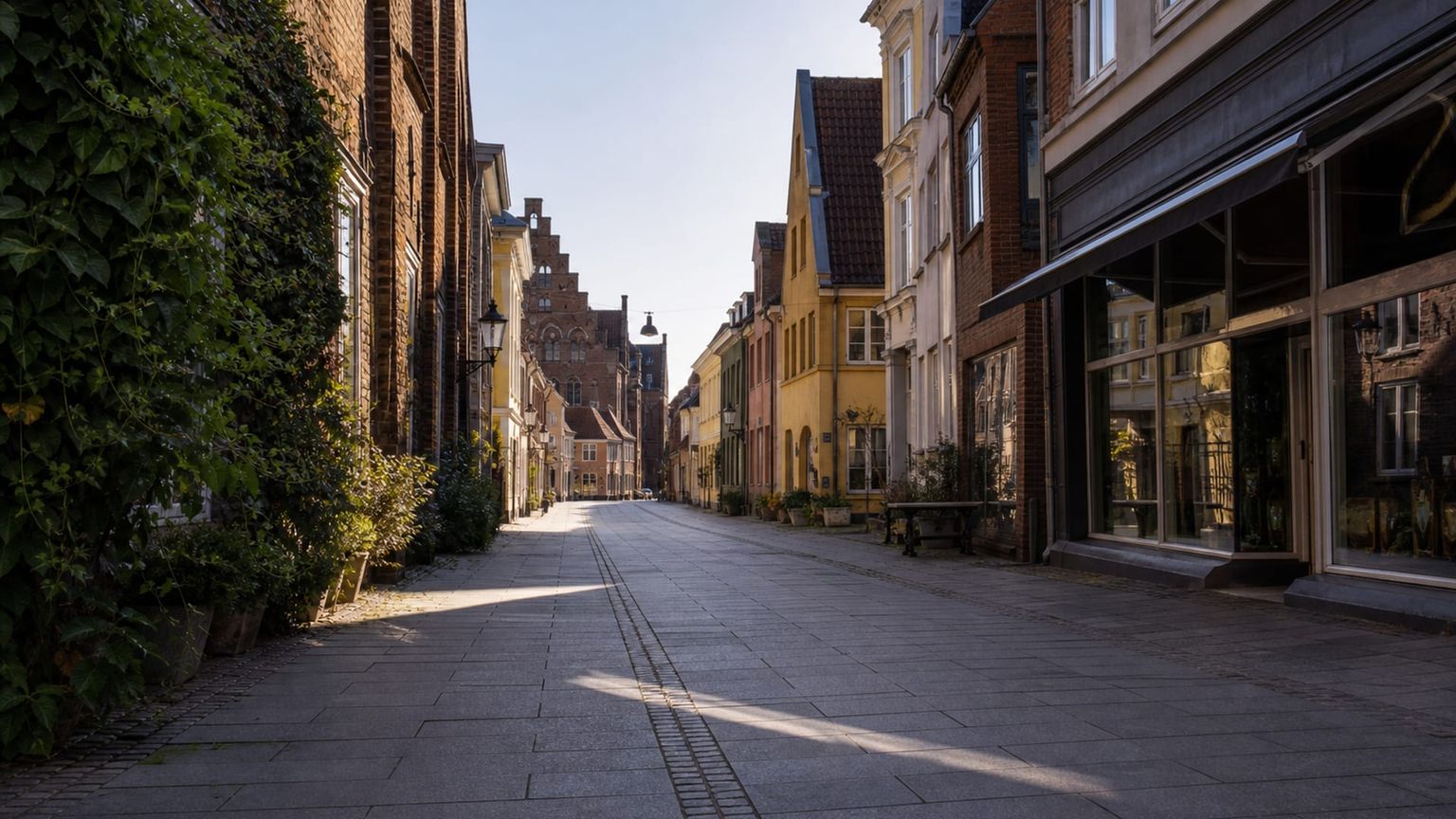
Århus’s central district puts the Latin Quarter, the cathedral, and the main shopping streets within an easy walk. It suits visitors who want museums, restaurants, and late openings close to their door.
Best for: First-time visits, car-free city breaks, dining, and museum access
What to expect: Pedestrian streets, café terraces, and steady foot traffic by day, with the busiest sections around evening dining.
Hotel prices: Usually about 900 kr to 1,800 kr (~$130 to ~$260) per night for well-rated stays
Distance to major sights: 5 to 15 minutes on foot to ARoS and Den Gamle By, about 10 minutes on foot to Aarhus Cathedral
Quietness: Quieter in the morning, then noticeably busier into the evening, especially near the restaurant streets.
Main trade-off: Central locations cost more, and weekend rooms can sell out early near the most walkable blocks.
Good to know: If you plan to use trains and buses, this area cuts down on transfers, but taxis and parking can be expensive here.
Travelers usually avoid staying in Trøjborg if they want to be close to the main sights, since it sits north of the center and adds extra transit time for evening plans. Viby, Brabrand, and Skejby are also less convenient for most visitors, because they are farther from the Old Town, the Latin Quarter, and the waterfront, with fewer visitor-oriented amenities and more dependence on bus or car travel after dark.
Hotel deals
How to get around Århus efficiently
Århus leans on buses, light rail, taxis, and walking, so the best plan is to pair short center-city walks with timed trips to the museum districts and the coast.

Metro
for longer distances
Århus has no metro, so the closest equivalent is the light rail and regional trains, which link the center with suburbs such as Trøjborg, Skejby, and Lystrup. A single light-rail ticket is about $3 to $5 (about 22 to 35 DKK) and stays valid for 60 to 90 minutes, depending on the zone count. Use Midttrafik’s app or machines at major stops, and expect about 10 to 20 minutes to reach the central station from outlying neighborhoods.

Bus and tram
for convenience
Midttrafik runs the buses and light rail, with dense coverage across central Århus, the university area, the harbor, and outer districts such as Viby and Brabrand. A standard local trip costs about $3 to $5 (about 22 to 35 DKK), and timed tickets usually last 60 to 90 minutes, which lets you change vehicles within the paid window. Service concentrates on the city center and major corridors, while night departures thin out outside weekends, so check the app if you are traveling after about 11:00 pm.

Taxi
for convenience or late hours
Licensed taxis in Århus use meters, not fixed citywide fares, and you can book by phone, app, or at ranks near the station and major hotels. Daytime rides within central Århus often run about $12 to $25 (about 85 to 175 DKK), while the airport trip to Århus Airport (AAR) is often roughly $35 to $55 (about 240 to 380 DKK), depending on traffic and time of day. Most cars take cards and contactless payments, and late-night or holiday trips cost more because of higher starting and per-kilometer rates.
*Prices are based on rates updated as of June 2026 and may change at the time of travel.
Use buses and light rail for cross-town legs, taxis for the airport and late returns, and walking for Indre By, the Latin Quarter, and the waterfront.
Iconic landmarks
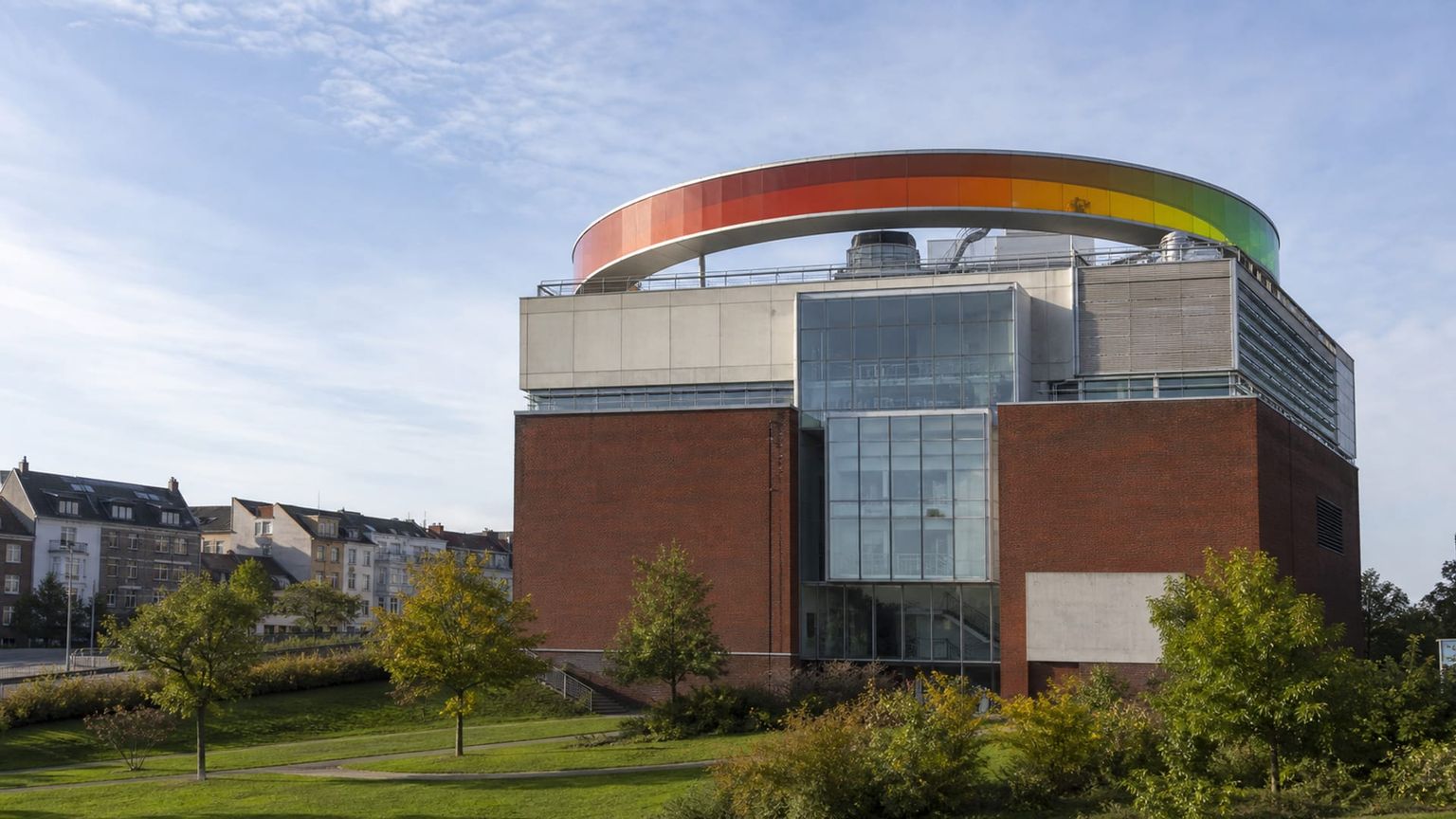
ARoS Aarhus Art Museum
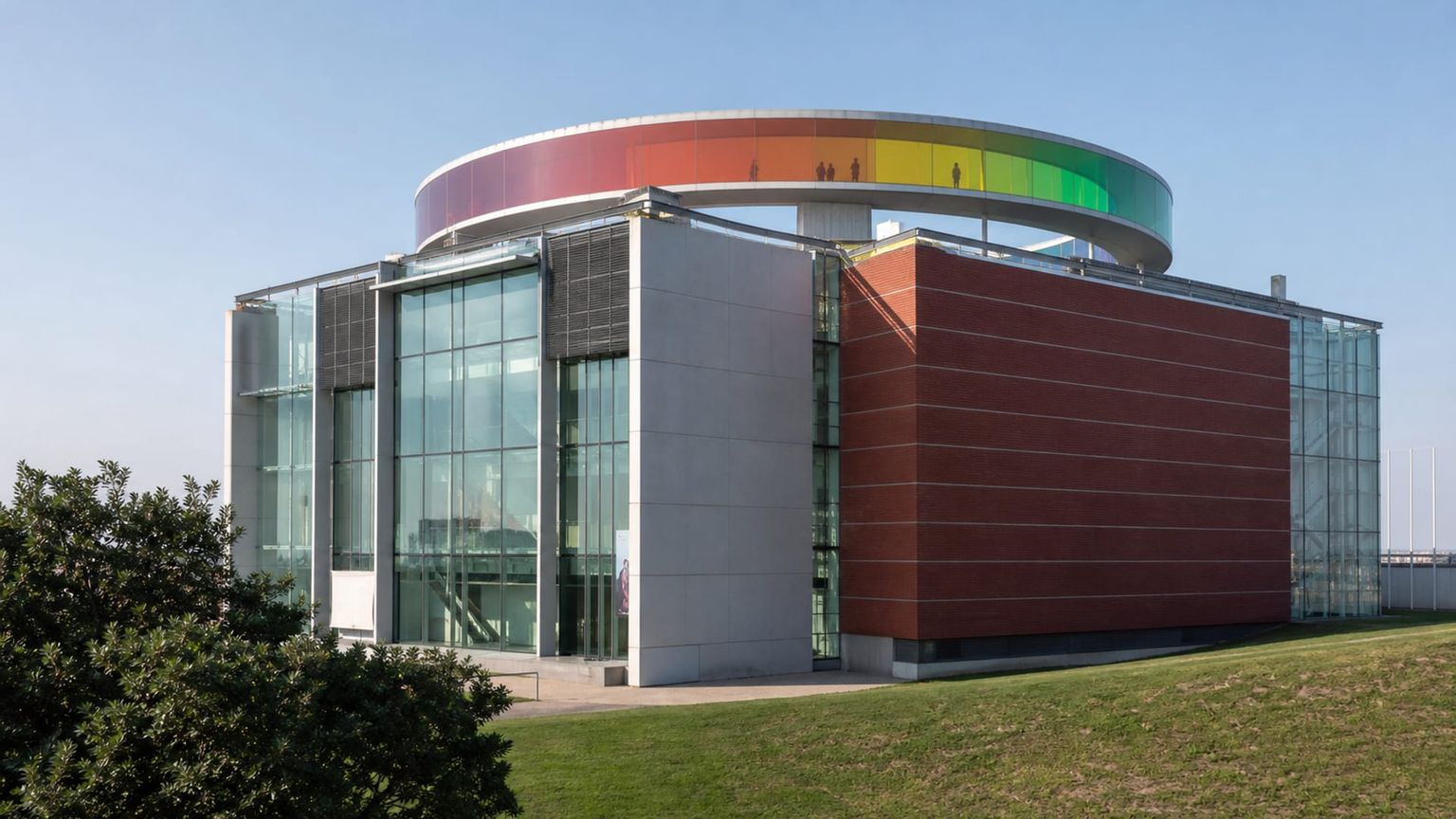
ARoS anchors central Århus with major Danish and international art, from contemporary installations to the rooftop Your rainbow panorama by Olafur Eliasson. The museum also includes rotating exhibitions that keep the visit varied.
Time needed: About 2 to 3 hours
Entry: Standard tickets cost $32 to $35 (DKK 220 to DKK 240) for adults; children under 18 enter free. Visit the official site for details.
Tip: Start with the rooftop before midday, then move through the upper floors before crowds build.
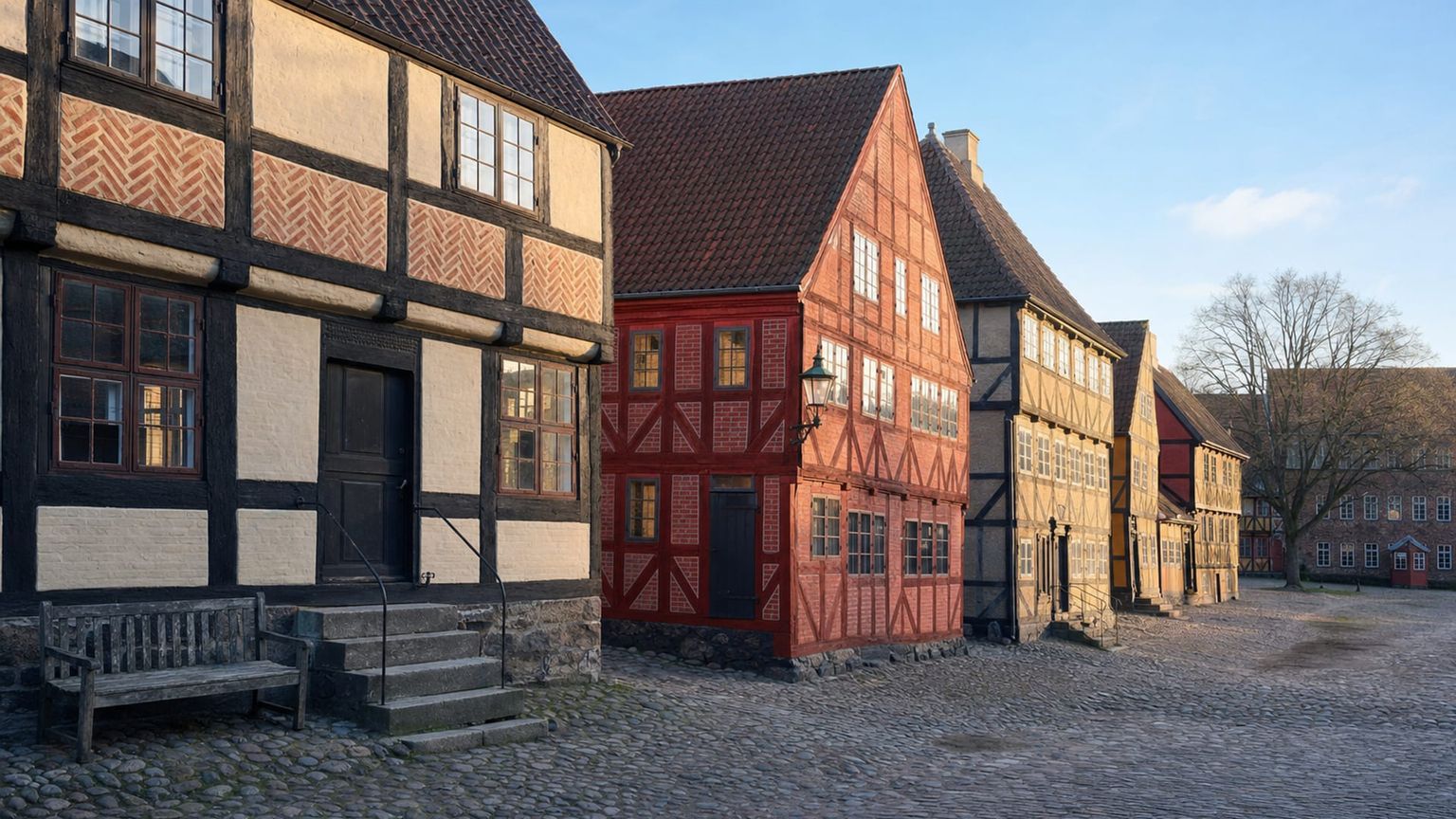
Den Gamle By
Den Gamle By, the Old Town open-air museum, recreates Danish urban life in preserved and rebuilt historic streets. Its period houses, shops, and interiors let you move through different centuries in one visit.
Time needed: About 2 to 4 hours
Entry: Standard tickets cost $30 to $34 (DKK 205 to DKK 235) for adults; children under 18 enter free. Visit the official site for details.
Tip: Go early in the day so you can cover the older streets before school groups arrive.
Moesgaard Museum
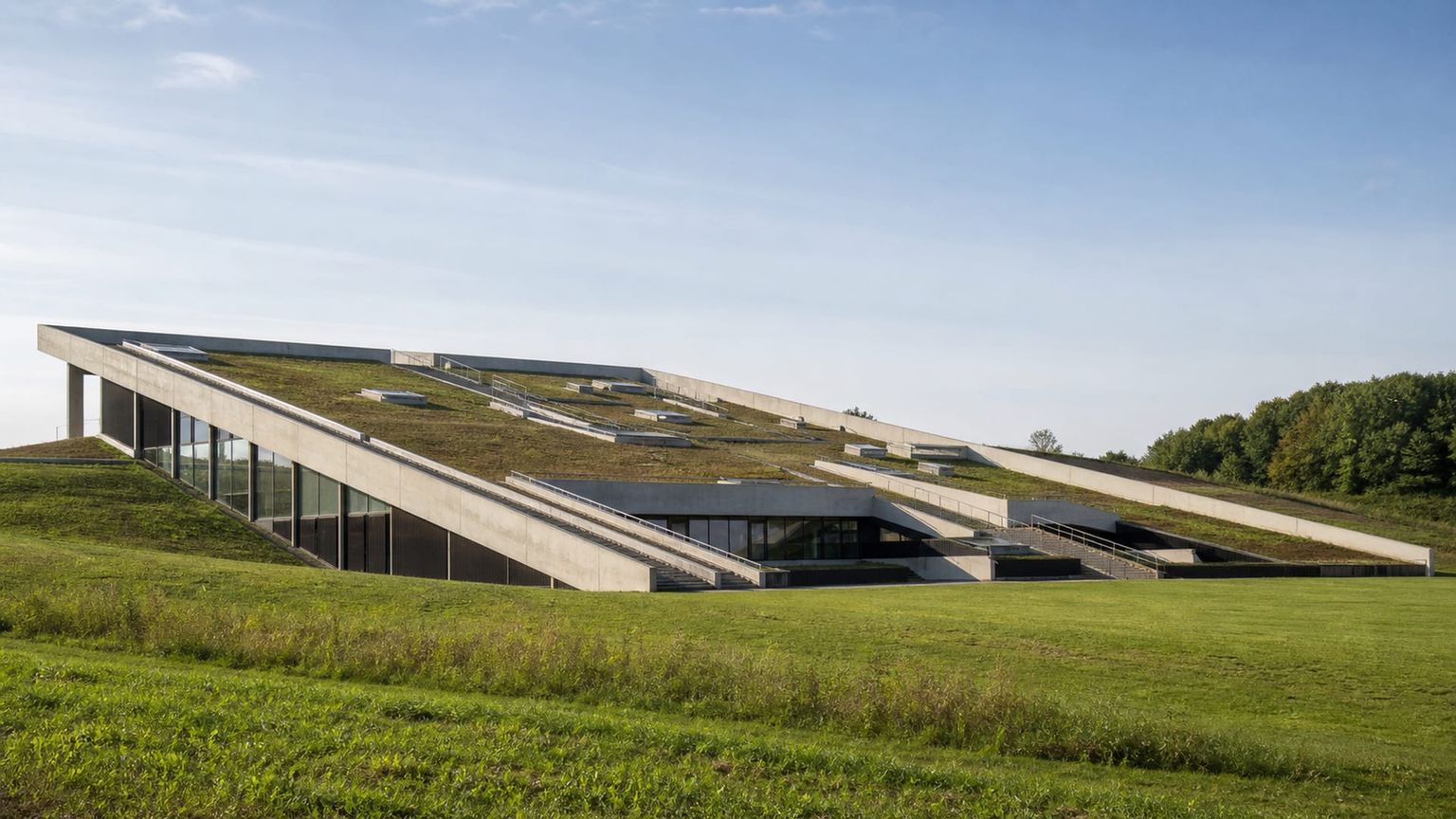
Moesgaard Museum south of the center pairs striking modern architecture with archaeology and ethnography. Its permanent displays cover prehistory, the Vikings, and world cultures, while the roof terrace adds a wide view over the surrounding landscape.
Time needed: About 3 to 4 hours
Entry: Standard tickets cost $28 to $31 (DKK 190 to DKK 215) for adults; children under 18 enter free. Visit the official site for details.
Tip: Allow time for the roof terrace, then take the bus back before late afternoon traffic.
Overlooked sites worth visiting

Ballehage Beach
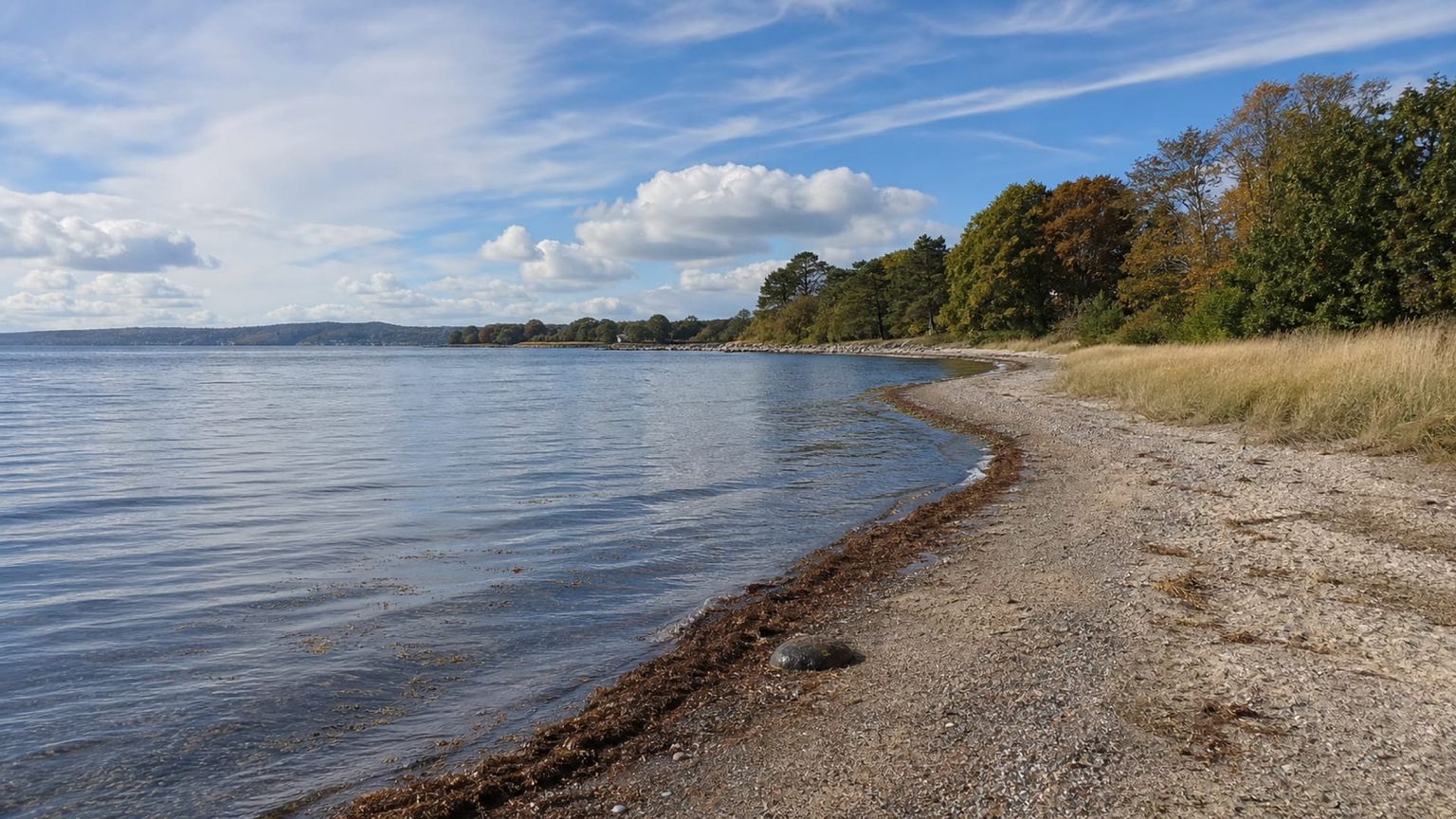
A sandy cove just south of the center, Ballehage offers a quieter waterfront than the harborfront and a long view across Aarhus Bay. The bathhouse and grassed slopes make it an easy stop for a slow swim or a short coastal walk.
Time needed: About 1 to 2 hours
Entry: Free to access
Tip: Go late afternoon for calmer water and softer light.

The Women's Museum
Inside the former City Hall, The Women’s Museum traces daily life, work, and rights in Denmark through focused exhibits and original interiors. Its compact scale makes it a good stop when you want a cultural visit without a long museum circuit.
Time needed: About 1 hour
Entry: Standard tickets cost $12 ($12) for adults, with reduced rates for students and children; check the museum’s current page for the exact price by exhibition and any temporary closures or seasonal changes. Visit the official site for details.
Tip: Pair it with a short walk through the old city center.
Traditional food
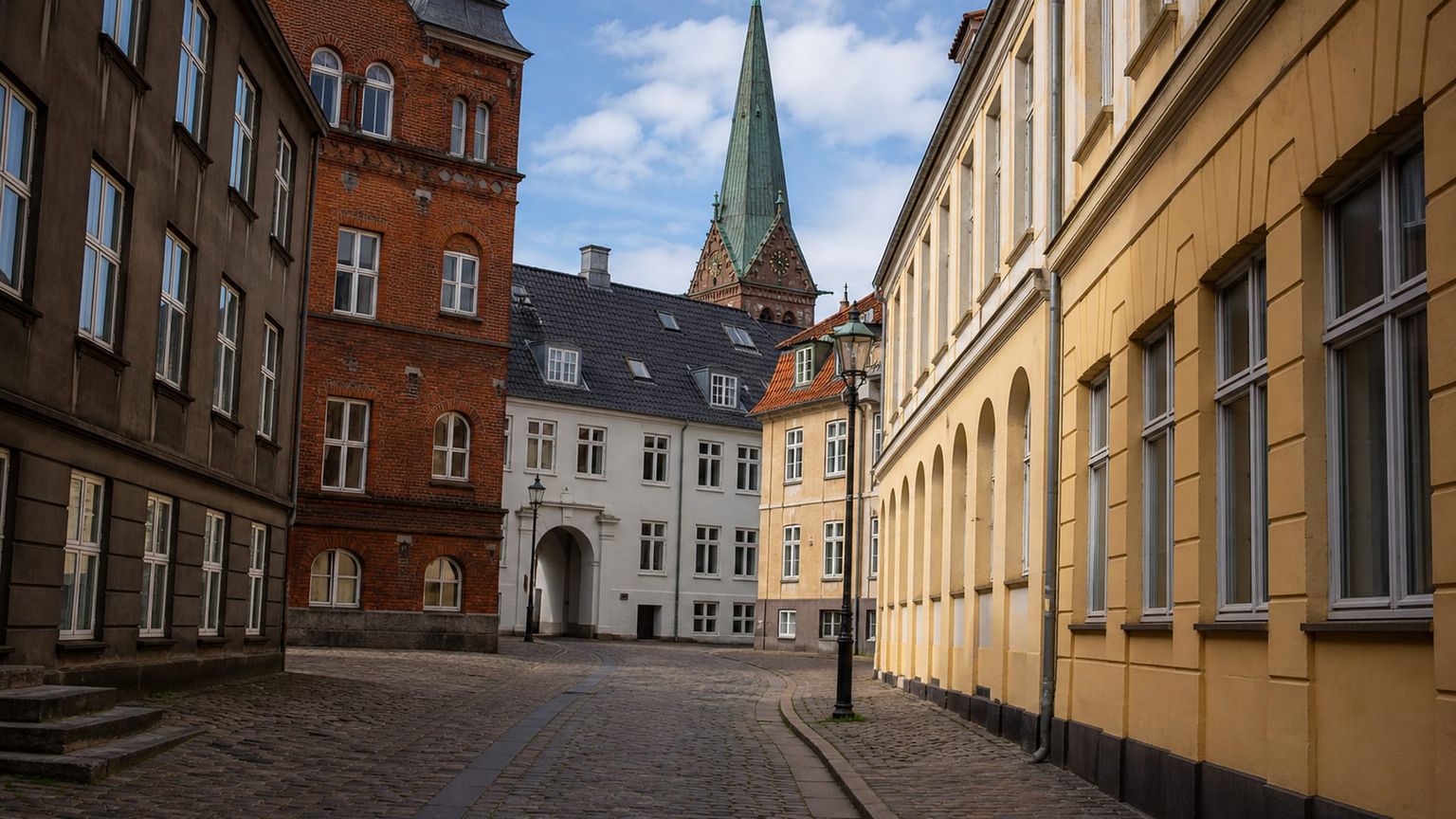
Århus cooking leans on seafood, pork, rye bread, and seasonal dairy, with smørrebrød at lunch and hearty plates such as frikadeller, stegt flæsk, and æbleskiver filling out the menu.
Seafood smørrebrød
Open-faced rye bread topped with herring, shrimp, or other seafood appears on many Århus lunch menus, but Restaurant Havnær is a strong place to order it with a harbor view and a careful finish.
Danish frikadeller
These pan-fried meatballs show up as a familiar Danish main, often with potatoes and pickles. Restaurant Kohalen is one of Århus’s classic addresses for the dish, especially if you want a traditional room with local history.
Stegt flæsk
Crisp pork belly with parsley sauce and potatoes is a benchmark Danish plate. At Restaurant Mefisto, the dish fits a more restaurant-forward meal in the center while still leaning into local flavors.
Æbleskiver
These round pancake puffs are most common in the colder months, served with jam and powdered sugar. La Cabra Coffee in the city center is a good place to pair them with coffee when they are on the menu.
Best time to visit Århus
Århus shifts with the season, from bright coastal days in summer to shorter, windier winter visits that favor museums and cafés.
Best for: Museum days, first outdoor walks, and lighter crowds
What you get: Temperatures usually run about 39-57°F (4-14°C), with moderate crowds and a mix of indoor and outdoor plans
Trade-offs: Rain and wind can still interrupt longer coastal walks
Best for: Harbor time, beach visits, and long evenings
What you get: Temperatures usually run about 59-72°F (15-22°C), with the highest visitor volume and busy restaurant terraces
Trade-offs: Popular sights and summer weekends can book up early
Best for: Clear museum days and calmer city streets
What you get: Temperatures usually run about 43-61°F (6-16°C), with thinner crowds after summer peaks
Trade-offs: Shorter daylight and frequent rain make scheduling tighter
Best for: Indoor culture, cafés, and seasonal treats
What you get: Temperatures usually run about 28-39°F (-2-4°C), with low crowds and a quieter center
Trade-offs: Cold wind and short daylight limit beach time and long walks
A realistic 5-day plan in Århus
A five-day Århus stay works well when you group the city by area instead of hopping back and forth. The plan below keeps the first days close to Indre By, then moves south for museums and the bay before ending with an easy packing day.
Land at Aarhus Airport (AAR), then take a taxi or prebooked car into Indre By in about 35 to 45 minutes, for roughly 350 kr to 500 kr ($51 to $73). Check into a hotel near the cathedral or the Latin Quarter so dinner stays close, then keep the evening simple with water, a short walk on the pedestrian streets, and a light meal at a café near Store Torv or Mejlgade.
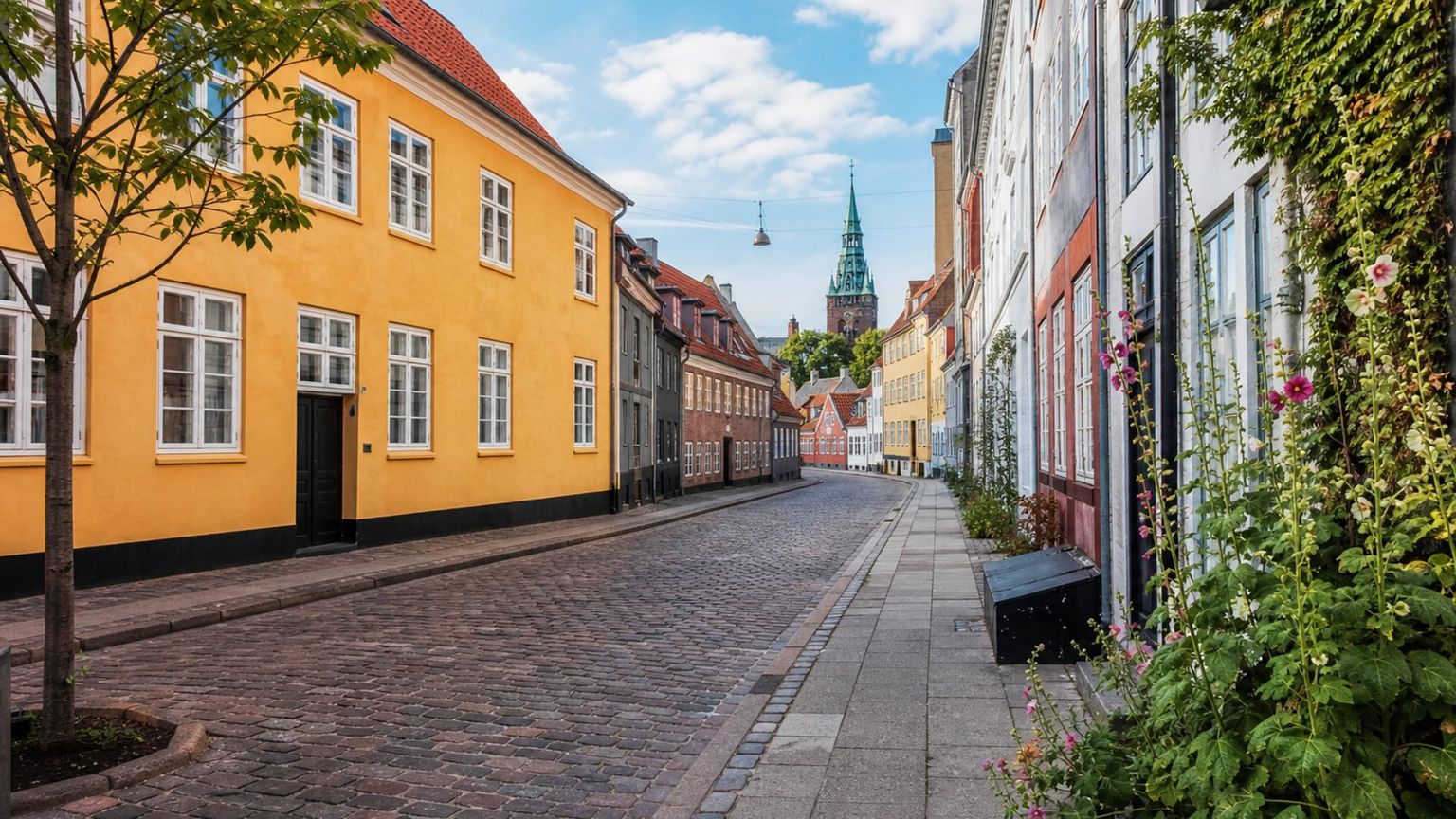
Start at ARoS Aarhus Art Museum, which is about a 5 to 15 minute walk from central Indre By stays, and plan 2 to 3 hours for the galleries and roof. From there, walk about 10 minutes to Aarhus Cathedral, then continue another 5 minutes into the Latin Quarter for lunch and an unhurried browse through its side streets. If you still have energy, finish with the Women’s Museum, about a 5 minute walk from the cathedral area, before an easy dinner back in the center.
Begin early at Den Gamle By, reached in about 10 to 15 minutes by bus or taxi from Indre By, and allow 2 to 4 hours for the open-air streets and interiors. After lunch, go south to Moesgaard Museum by bus in about 25 to 35 minutes, and stay 3 to 4 hours for the archaeology galleries and roof terrace. Return to the center for dinner, or stop near the harbor if you want a later meal with a water view.

Head south to Ballehage Beach for a slower morning, about 20 to 30 minutes from Indre By by bus, bicycle, or taxi, and spend 1 to 2 hours on the sand, grassed slopes, and shoreline walk. After that, ride back into the city for a relaxed afternoon in the Latin Quarter, where the compact streets make an easy contrast to the coast. If the weather is clear, end the day with a short sunset walk along Aarhus Bay before dinner in the center.
For a final day, start with a short return to one museum you want to revisit, then keep the rest close to your hotel in Indre By so packing stays simple. Spend midday shopping on Strøget and the surrounding pedestrian streets, then settle into a café in the Latin Quarter for coffee and a last pastry. If your flight leaves late, leave time for one last stroll past the cathedral before heading to Aarhus Airport (AAR).
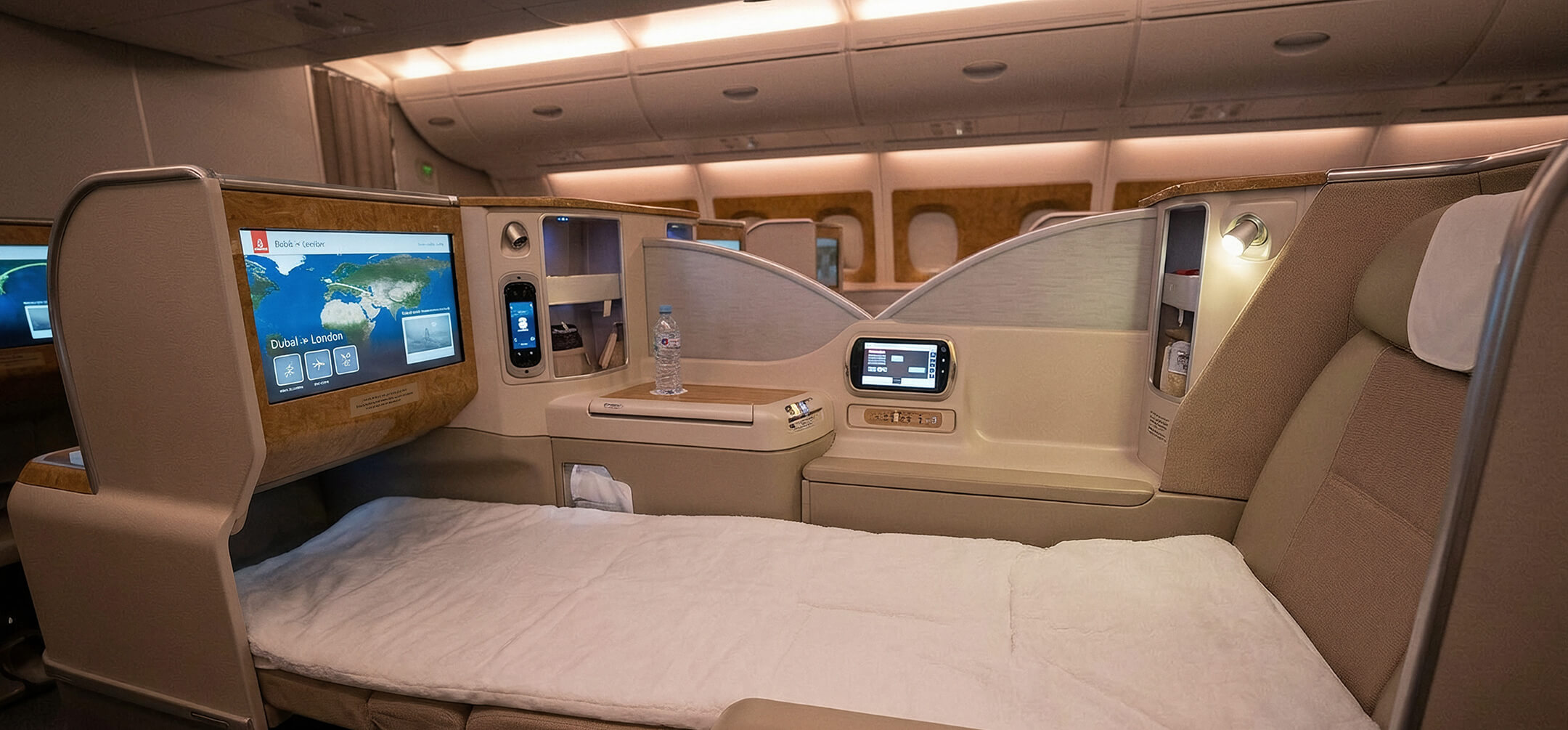
Business-class flights from the US to Århus
Reaching Århus from the United States usually means a one-stop itinerary, and the best options depend on whether you are starting on the East Coast or the West Coast. The routings below show the common airline choices and layover patterns.
From New York, Icelandair, KLM, SAS Scandinavian Airlines, Lufthansa, and British Airways commonly connect via Amsterdam, Copenhagen, Frankfurt, London, or Keflavik, with total travel times of about 9 to 15 hours. Round-trip fares from New York start at roughly $2,400 and can climb to $5,500.
Los Angeles travelers usually connect on Icelandair, Lufthansa, KLM, British Airways, or SAS Scandinavian Airlines, and the trip typically takes about 11 to 18 hours with a stop in Amsterdam, Copenhagen, Frankfurt, London, or Keflavik. Round-trip fares from Los Angeles usually run $2,700 to $6,000.
Århus feels different when you slow down
A deliberate Århus trip gives each part of the city its own space, from ARoS and the cathedral area to Den Gamle By, Moesgaard, and the shore at Ballehage. You see more when you let buses, short taxi rides, and walking do different jobs instead of forcing every stop into one loop. If you want help shaping the route, the AranGrant experts can build it around Indre By, the Latin Quarter, and the bay