Chapters:

Need help with your trip?
Our support team is available 24/7. Request a callback or call us directly at (833) 619-0908
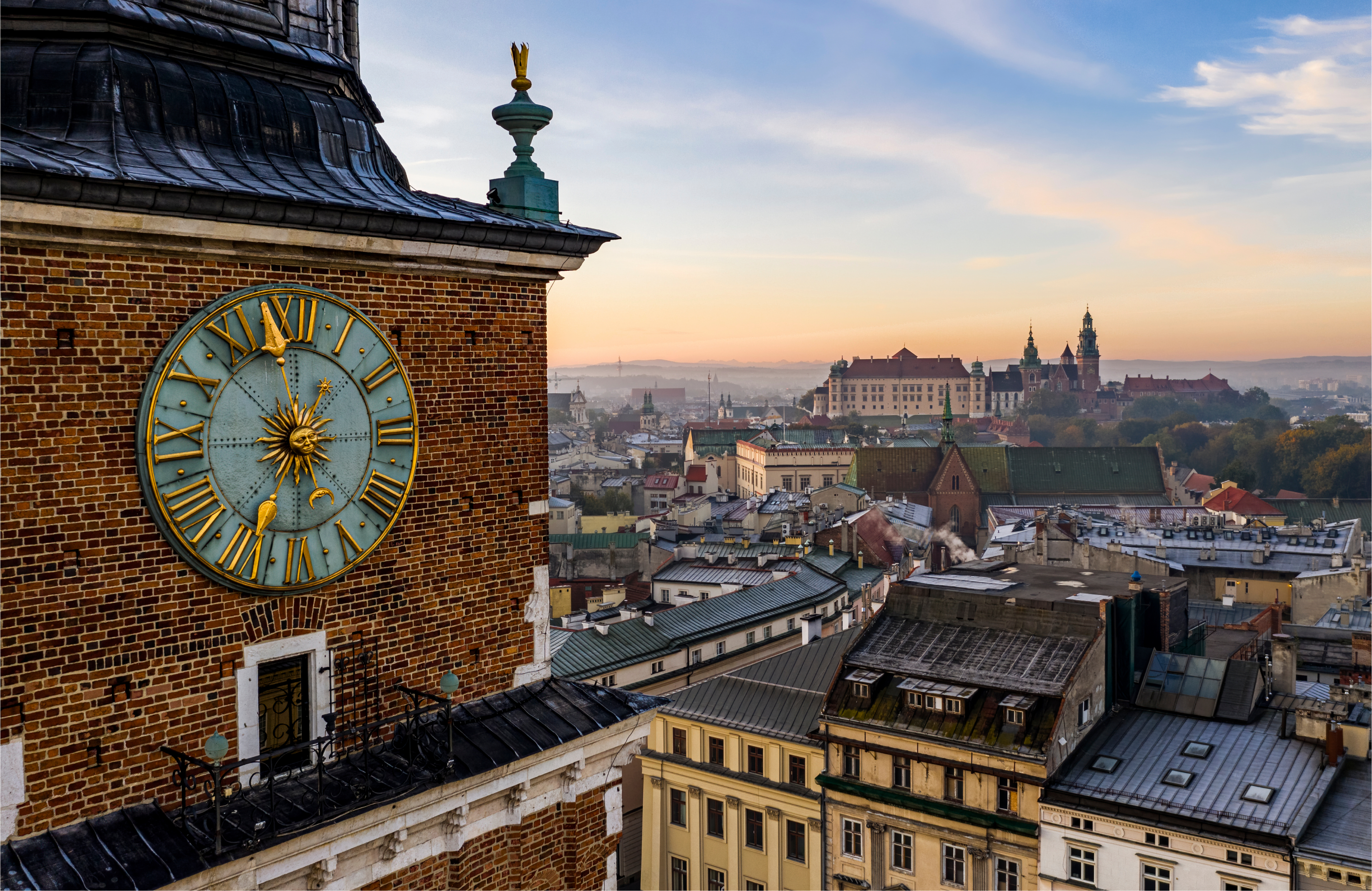
Kraków often starts with the same checklist, the Main Market Square, Wawel, a synagogue street in Kazimierz, then a last-minute museum slot if time allows. What travelers miss is how much the city rewards timing and neighborhood choice.
The center looks compact on a map, but crowds build fast, tram links matter, and a rushed loop can leave the river, Stradom, and Podgórze feeling like afterthoughts rather than part of the trip.
This guide separates the city into workable days, so you can move in a cleaner order, see the core sights early, and leave room for slower meals, river walks, and one or two quieter stops.
Useful things to know

Main language(s): Polish
Dzień dobry (jen DOH-brih) – Hello
Proszę (PROH-sheh) – Please
Dziękuję (jen-KOO-yeh) – Thank you
Czy mówisz po angielsku? (chih MOO-vish poh ahn-GYEL-skoo) – Do you speak English?
Ile to kosztuje? (EE-leh toh kosh-TOO-yeh) – How much does it cost?

Currency: The local currency is the Polish złoty (PLN, zł).

Cash and cards: Cards and contactless are widely accepted; carry about 100 to 200 PLN ($25 to $50) in cash for small vendors and transit top-ups.

Tipping: Round up in taxis and small bills; leave 10% in restaurants if service is good.

Traditional food: pierogi, obwarzanek krakowski, żurek, kielbasa

Water and coffee costs: Water ~5 PLN ($1.25), bar espresso ~12 PLN ($3).

Taxis and ride apps: Bolt and Uber operate here; taxis can charge more, so check the app before you ride.

Plug and voltage: Type C/F socket, 230V

Dining and shop opening hours: Breakfast is usually 7:00-10:00, lunch 12:00-15:00, and dinner 18:00-22:00. Many restaurants close earlier on Sundays.

Emergency number: 112 for police, fire, and ambulance.
Where to stay in Kraków
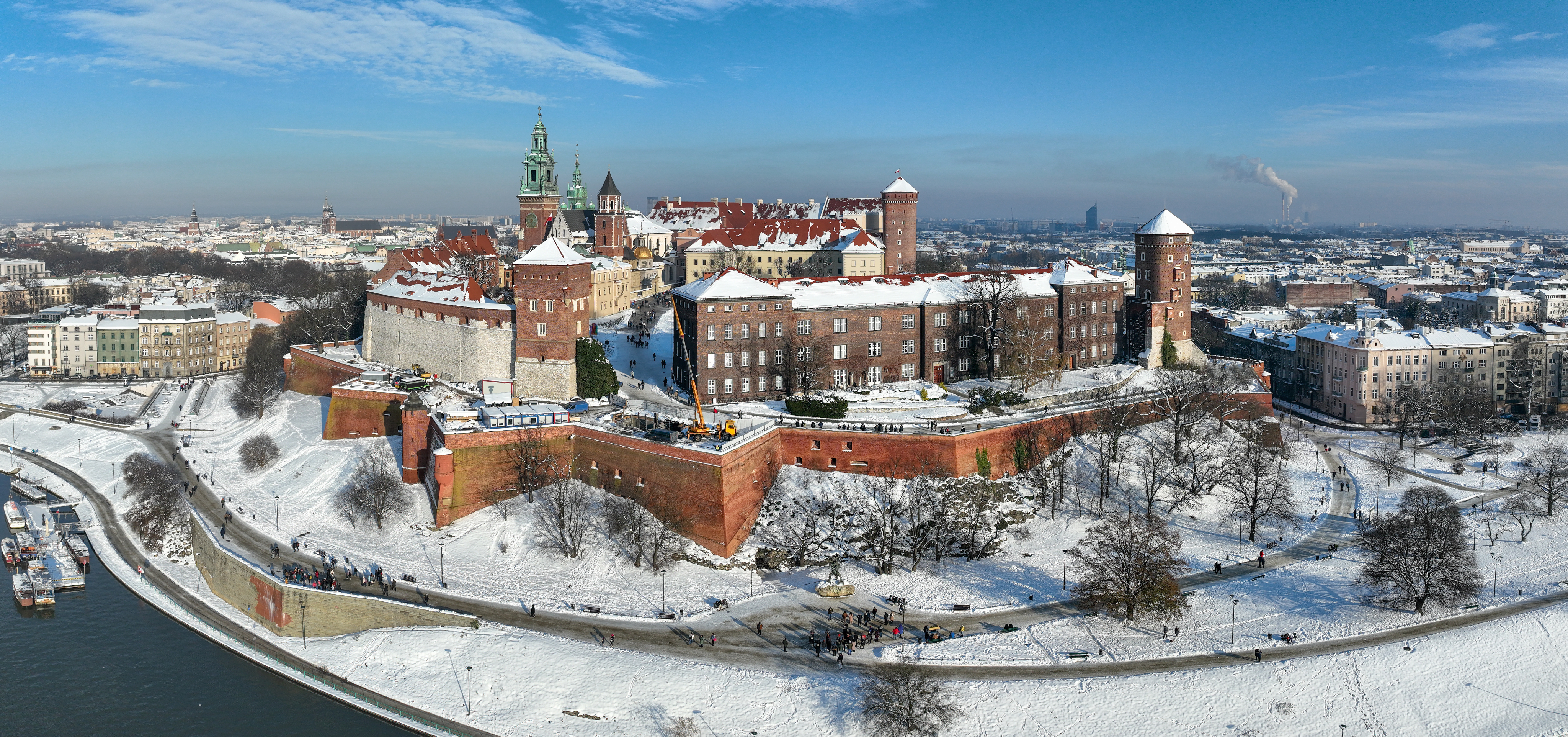
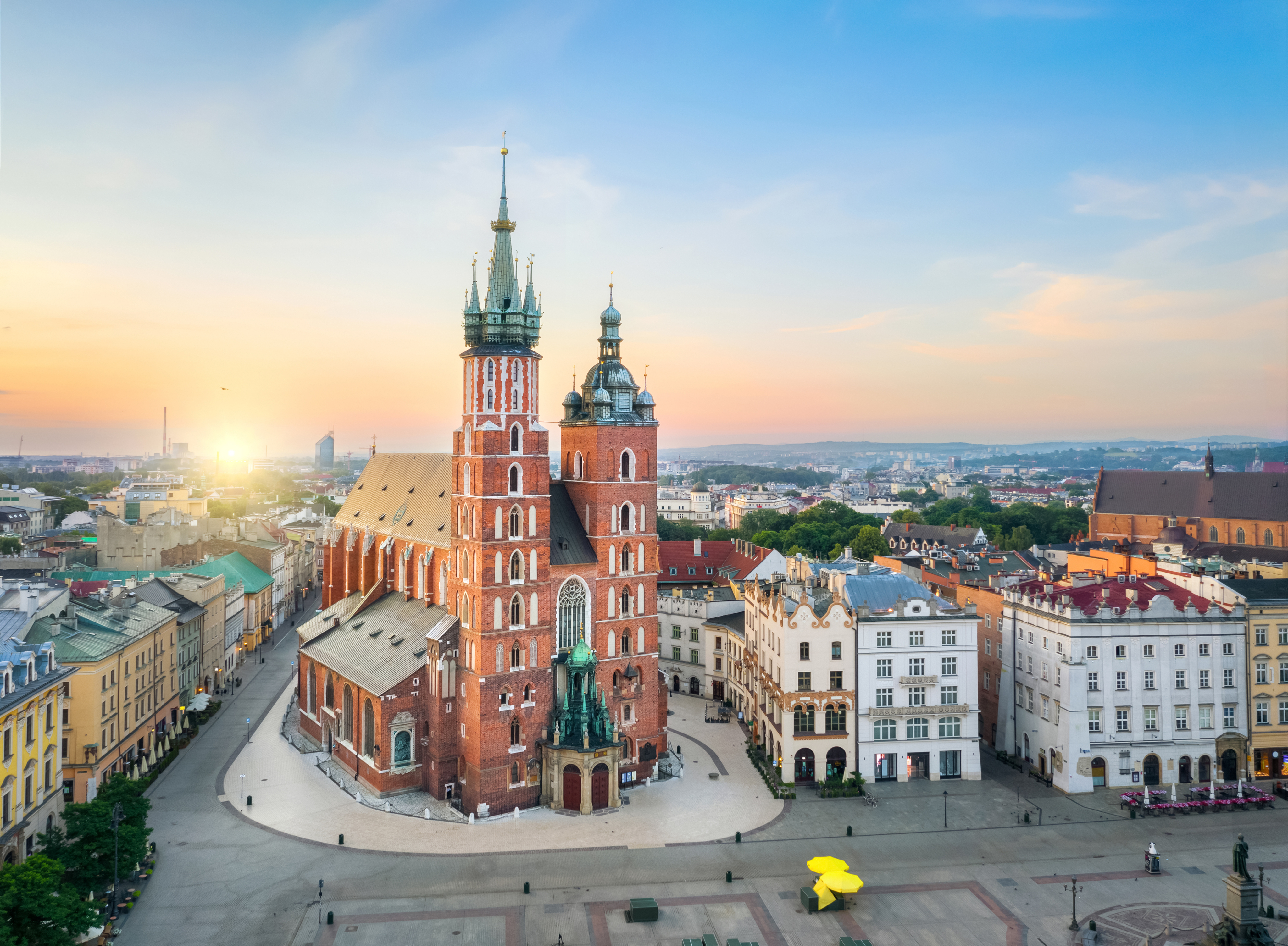
Kraków’s historic core centers on the Main Market Square, St. Mary’s Basilica, and dense medieval streets. Staying here puts museums, restaurants, and tram links within easy reach, so you spend more time on foot and less time crossing the city.
Best for: First-time visits, sightseeing, and short stays
What to expect: Busy pedestrian streets, late dining, and a steady flow of visitors from morning through evening.
Hotel prices: Usually about 500 zł to 900 zł (~$125 to ~ $225) per night for well-rated stays
Distance to major sights: 5 to 10 minutes on foot to the Main Market Square; about 15 minutes on foot to Wawel Castle
Quietness: Daytime is lively and crowded; evenings stay active, with noise on the main streets and quieter side lanes.
Main trade-off: You pay more for centrality, and some rooms face street noise from bars, tram lines, or tour groups.
Good to know: If you want to walk out for breakfast and return late without planning transport, this is the most convenient base in the city.
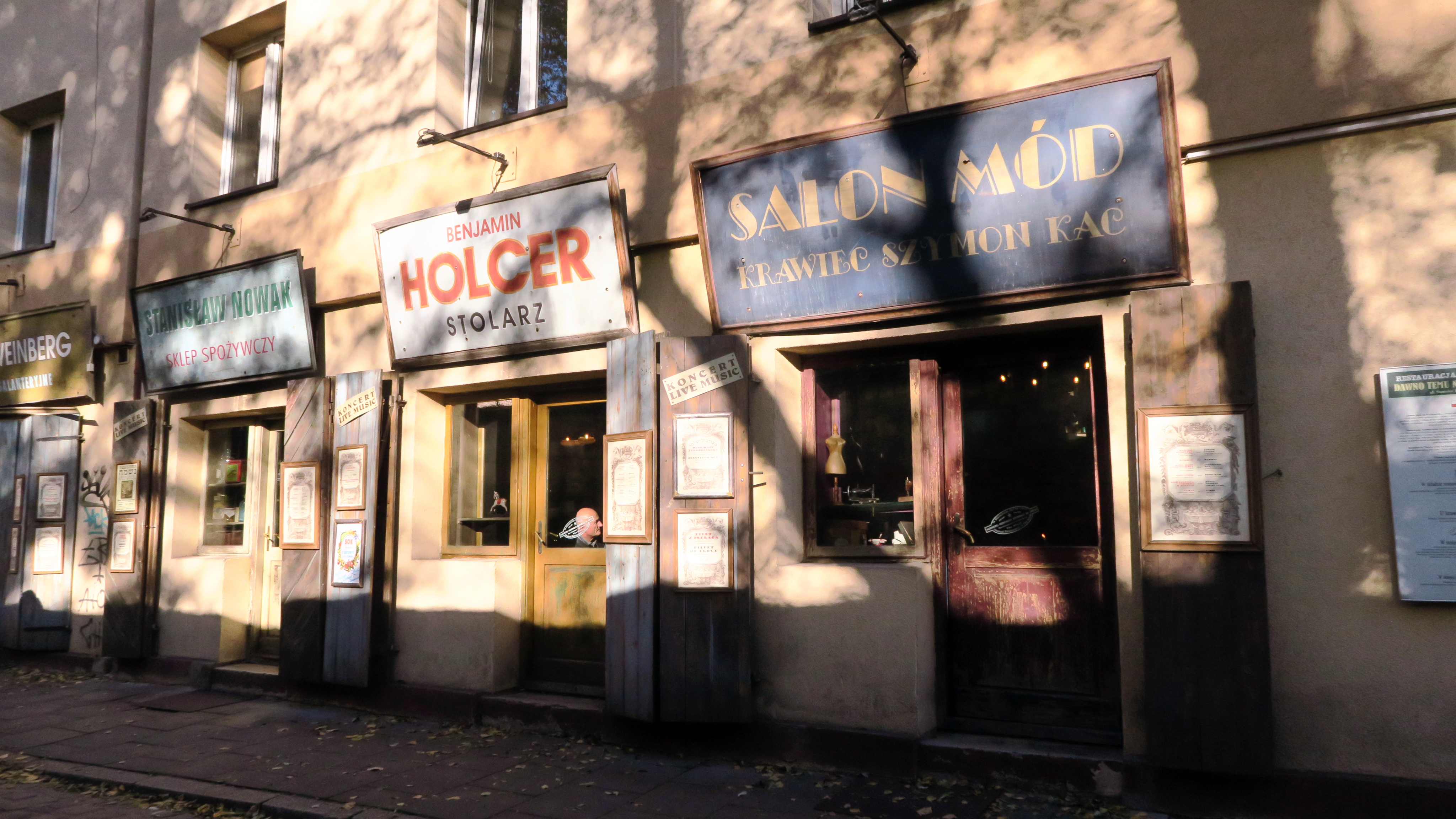
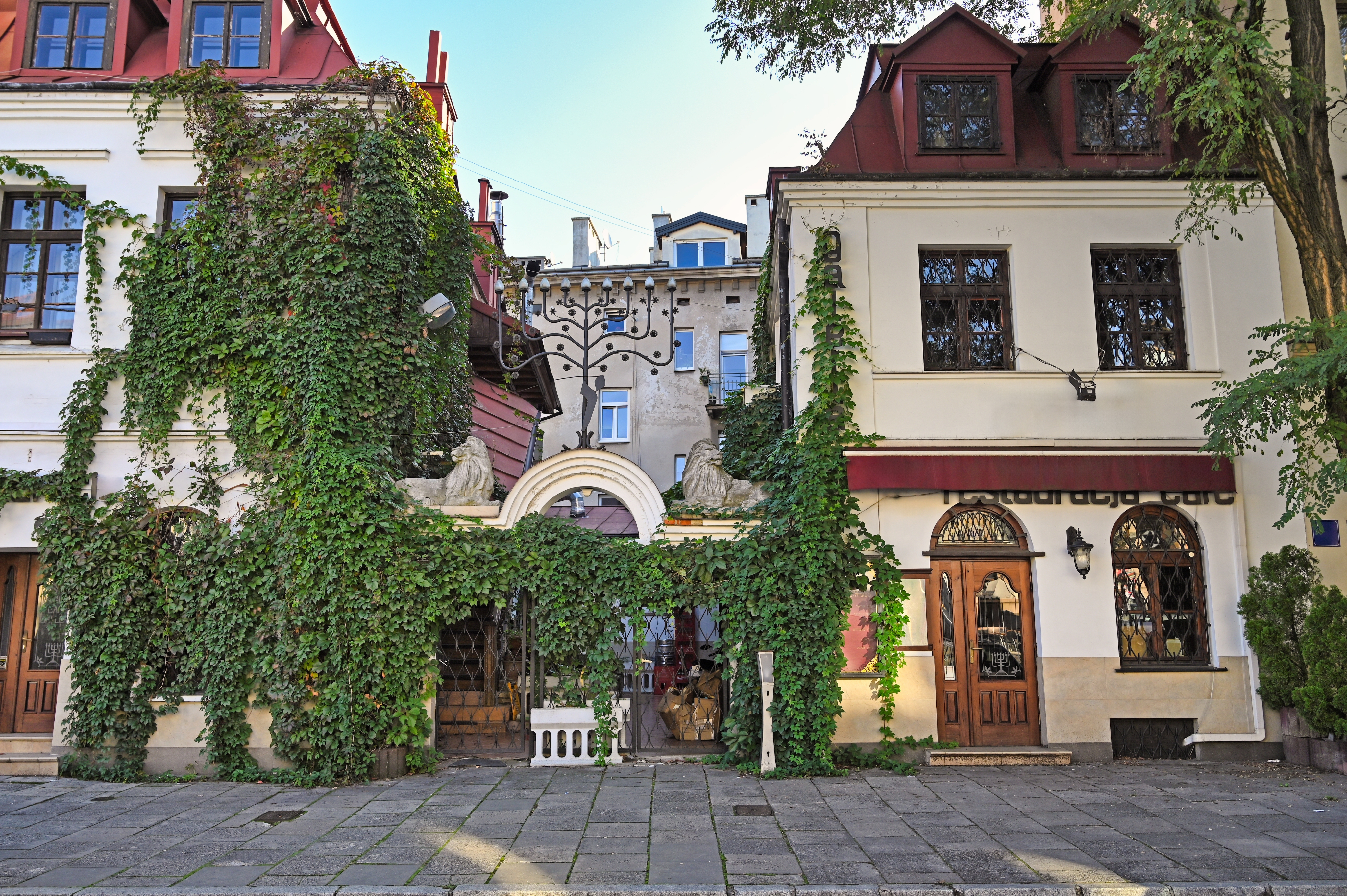
Kazimierz, Kraków’s former Jewish quarter, mixes synagogues, cafés, bars, and design-led hotels across a compact grid south of Old Town. It gives you strong access to both heritage sites and nightlife, with shorter walks to the river than many central stays.
Best for: Dining, nightlife, and travelers who want a lively central base
What to expect: Animated squares, packed restaurant streets, and a late-evening crowd near the main bars.
Hotel prices: Usually about 380 zł to 750 zł (~$95 to ~ $185) per night for well-rated stays
Distance to major sights: 15 to 20 minutes on foot to Wawel Castle; about 20 minutes on foot to the Main Market Square
Quietness: Afternoons and evenings can be noisy near the busiest streets, while side lanes settle down earlier.
Main trade-off: The best food and bars cluster near the main squares, so rooms closest to them can pick up weekend noise.
Good to know: Plan on a bit more walking to the main square, especially if you choose a side street deeper in the quarter.
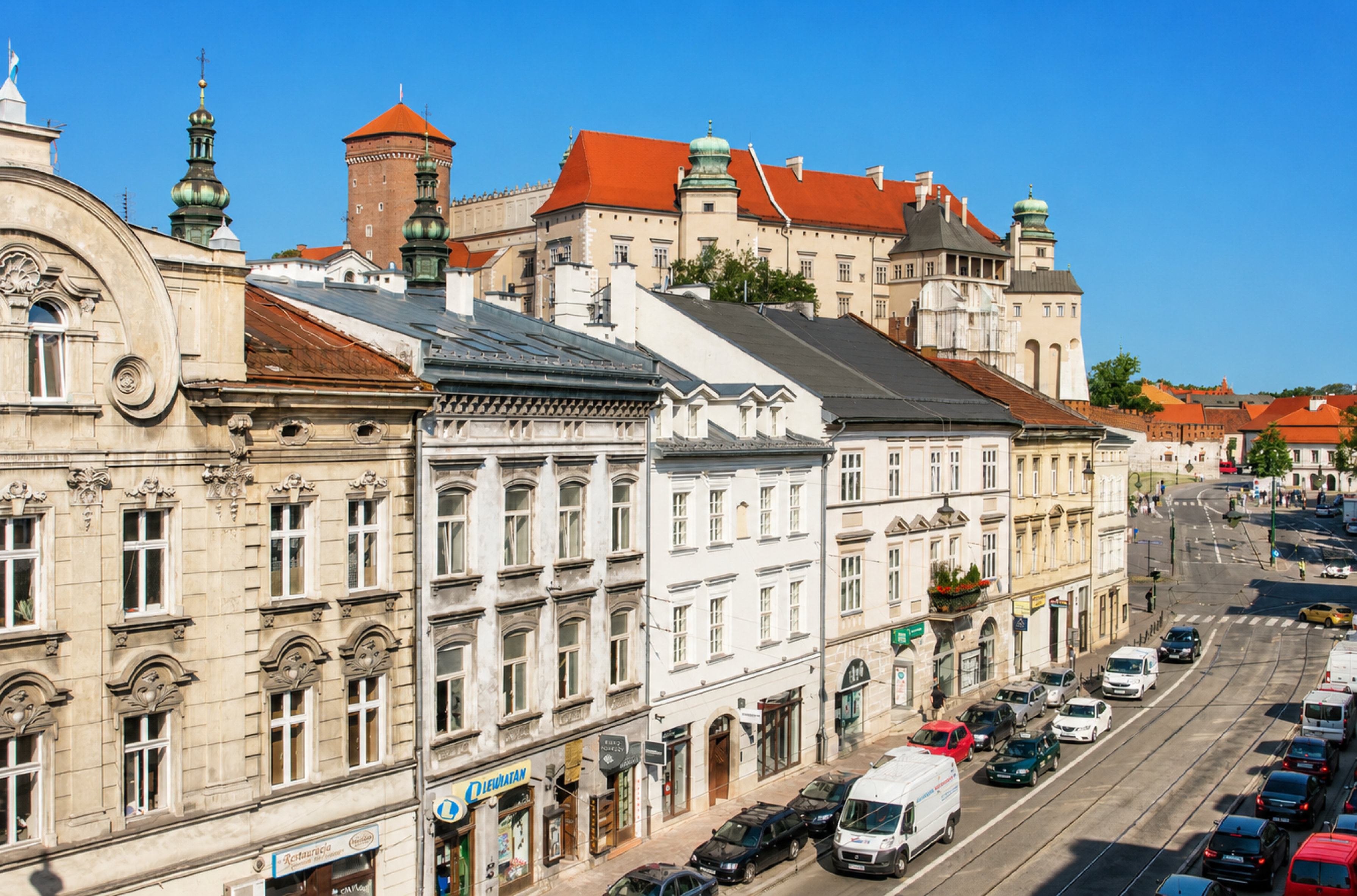
Stradom sits between Old Town and Kazimierz, with a mix of apartment buildings, smaller hotels, and fast access to both districts. It matters because you can reach the main sights quickly without staying directly inside the busiest tourist blocks.
Best for: Museum visits, mixed sightseeing plans, and travelers who want a central but less tourist-saturated base
What to expect: Moderate street traffic, fewer late-night crowds than the Old Town, and a steady daytime flow of visitors.
Hotel prices: Usually about 320 zł to 650 zł (~$80 to ~ $160) per night for well-rated stays
Distance to major sights: 10 to 15 minutes on foot to Wawel Castle; about 15 to 20 minutes on foot to the Main Market Square
Quietness: Quieter than the Old Town during the day and usually calmer at night, though main roads carry traffic.
Main trade-off: You gain access to two major districts, but the immediate neighborhood has fewer destination restaurants than Kazimierz.
Good to know: If you want to split time between sightseeing and evenings out, this puts both areas in easy walking range without paying top-center rates.
Travelers usually avoid Nowa Huta for hotel stays if they want to be near Kraków’s main sights, since it sits far east of the Old Town and Kazimierz and has fewer visitor-facing amenities. Tyniec is also less convenient because it is on the city’s western edge, well away from the historic center and dependent on longer evening trips back from dinner or sightseeing.
Hotel deals
How to get around Kraków efficiently
Kraków has no metro, so trams, buses, walking, and licensed taxis do most of the work between the Old Town, Kazimierz, Podgórze, and the airport.

Trains
for longer distances
Kraków has no metro, so trams and buses do the heavy lifting for the center, Kazimierz, Podgórze, and the main rail station. Single tickets are time-based, typically $1 to $2 (about 4 to 8 zł) for 20 to 60 minutes depending on the zone and validity, and 24-hour passes cost about $5 to $7 (roughly 20 to 28 zł). Use them for short hops between the Old Town, the station, and outlying neighborhoods, with many central rides taking 10 to 25 minutes.

Bus and tram
for convenience
Trams form the backbone of the network, with frequent lines linking the Old Town, Kleparz, Kazimierz, Podgórze, Nowa Huta, and the station; buses fill the gaps and reach the airport and outer districts. A 20-minute ticket usually costs about $1 to $2 (roughly 4 to 8 zł), while 40- and 60-minute or 24-hour options cost more, depending on zone and validity. Buy from machines or the app, then validate if needed before boarding, and expect central tram trips to take about 5 to 20 minutes, with airport buses taking roughly 35 to 50 minutes.

Taxi
for convenience or late hours
Licensed taxis use meters in Kraków, while airport rides from Kraków Airport (KRK) often have posted fixed prices to the center, typically about $25 to $35 (roughly 100 to 140 zł) depending on the operator and exact drop-off point. Within the city, short rides commonly cost about $6 to $12 (roughly 25 to 50 zł), and cross-town trips can land near $15 to $22 (roughly 60 to 90 zł). Use official taxi ranks, app-based licensed cars, or a dispatched cab, and pay by card or cash, though card acceptance is common.
*Prices are based on rates updated as of June 2026 and may change at the time of travel.
Use trams for central hops, buses for the airport and outer districts, and taxis or ride-hail for late returns or luggage-heavy arrivals.
Iconic landmarks
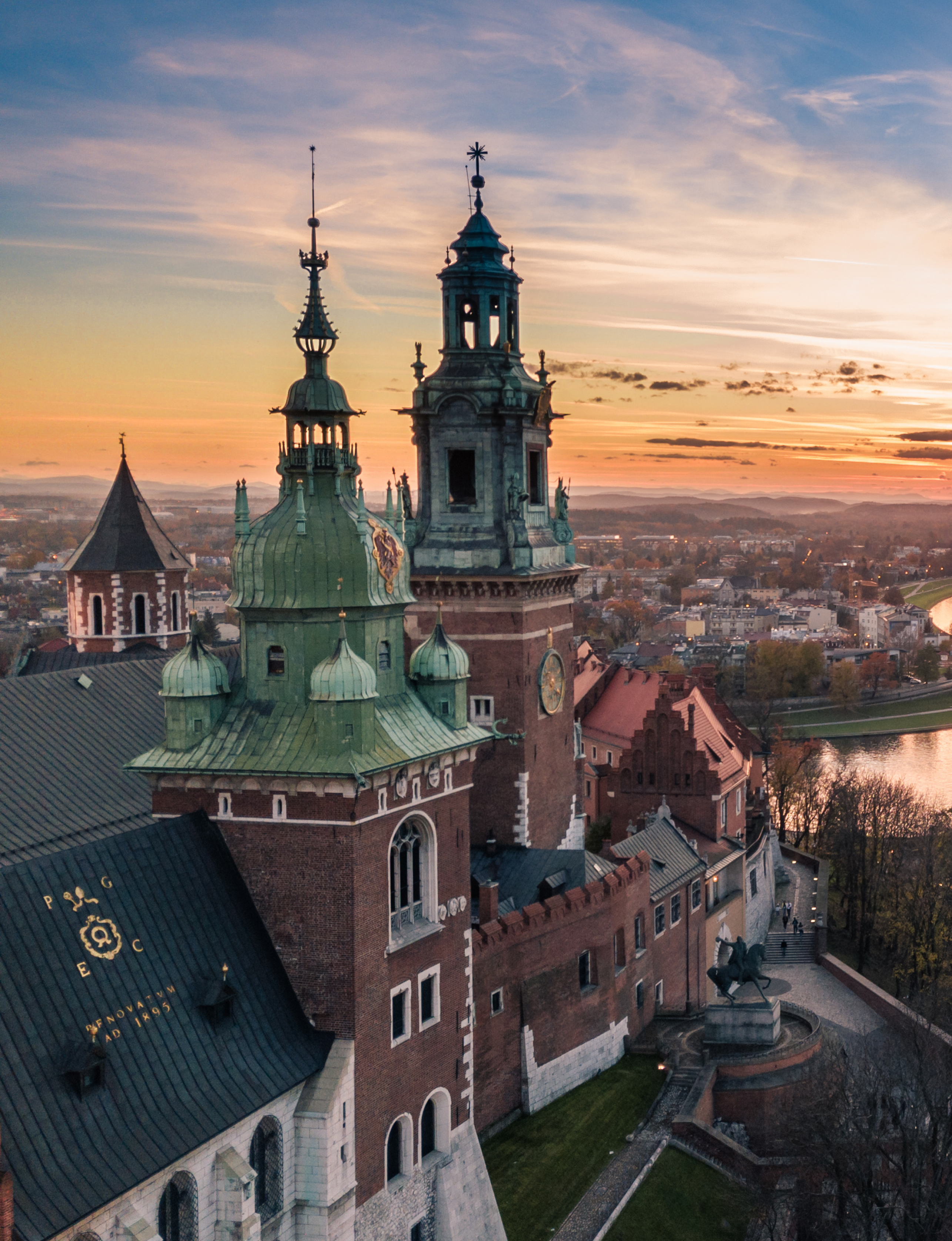
Wawel Royal Castle
This hilltop complex pairs the State Rooms, Crown Treasury, and Wawel Cathedral in one compact visit. Expect Gothic, Renaissance, and Baroque details, plus views over the Vistula from the castle grounds.
Time needed: About 2 to 3 hours
Entry: State Rooms tickets cost about $21 to $29 (85 zł to 120 zł), with separate admission for the Treasury and Cathedral. Visit the official site for details.
Tip: Start early, then walk the ramparts before the busiest midday museum hours.
St. Mary's Basilica
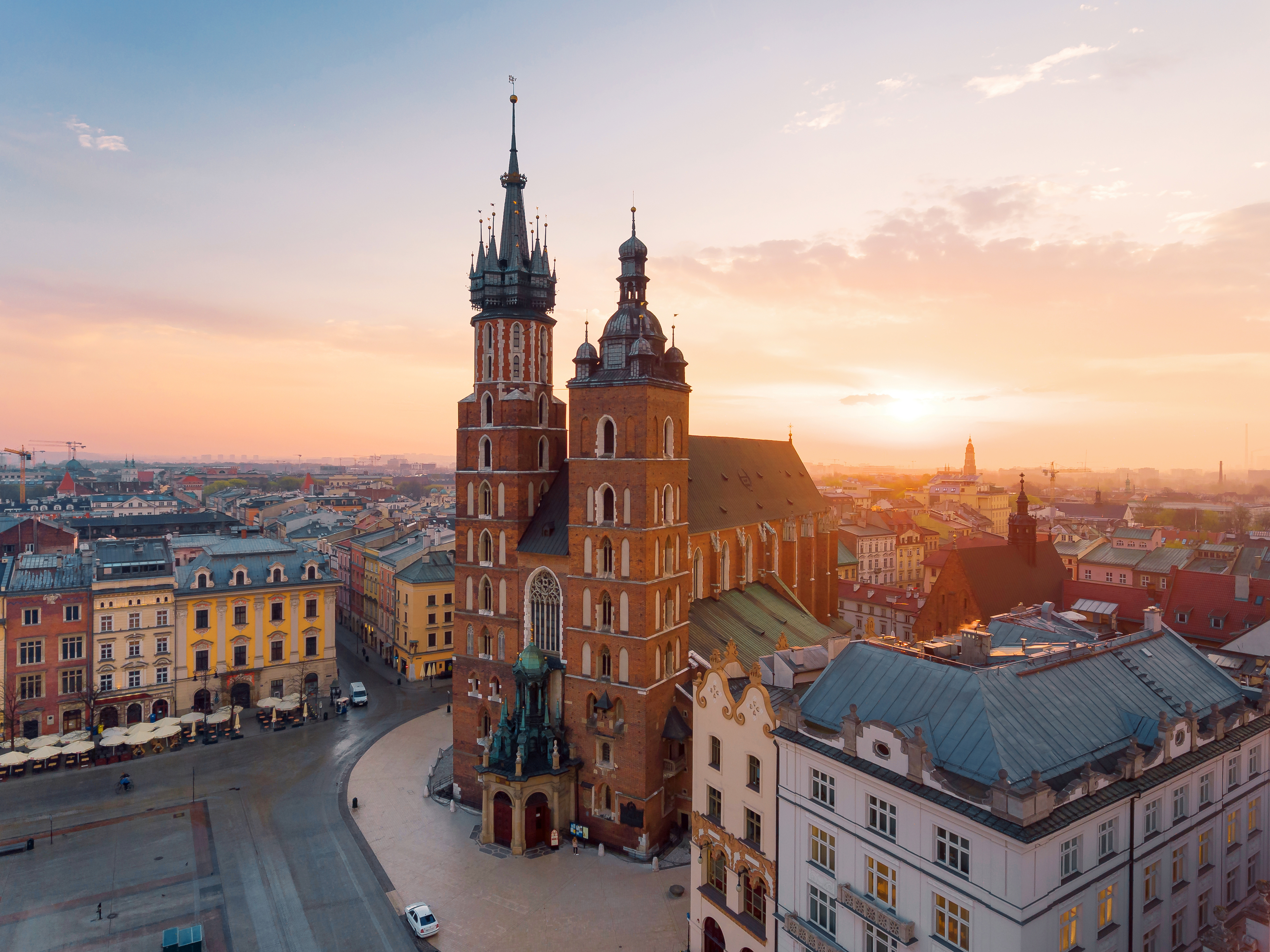
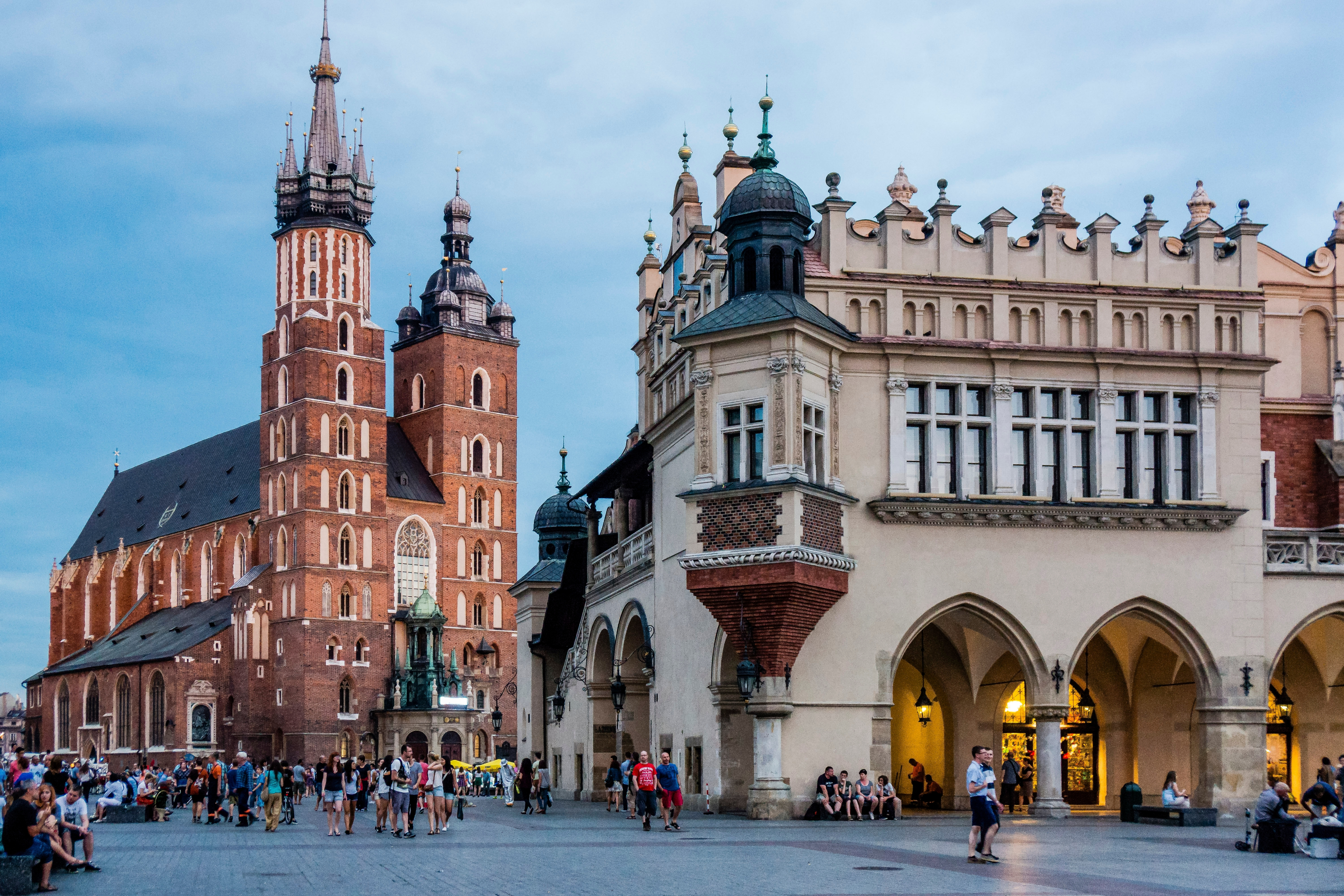
Market Square’s landmark basilica is known for Veit Stoss’s carved altarpiece and the trumpet call from the taller tower. Inside, the brick Gothic nave and colored vaulting give the church its signature scale.
Time needed: About 1 to 1.5 hours
Entry: Entry costs about $4 to $7 (15 zł to 30 zł), with higher fees for tower access and some special areas. Visit the official site for details.
Tip: Visit late morning for the altarpiece, then return near the hour for the trumpeter.
Oskar Schindler's Enamel Factory
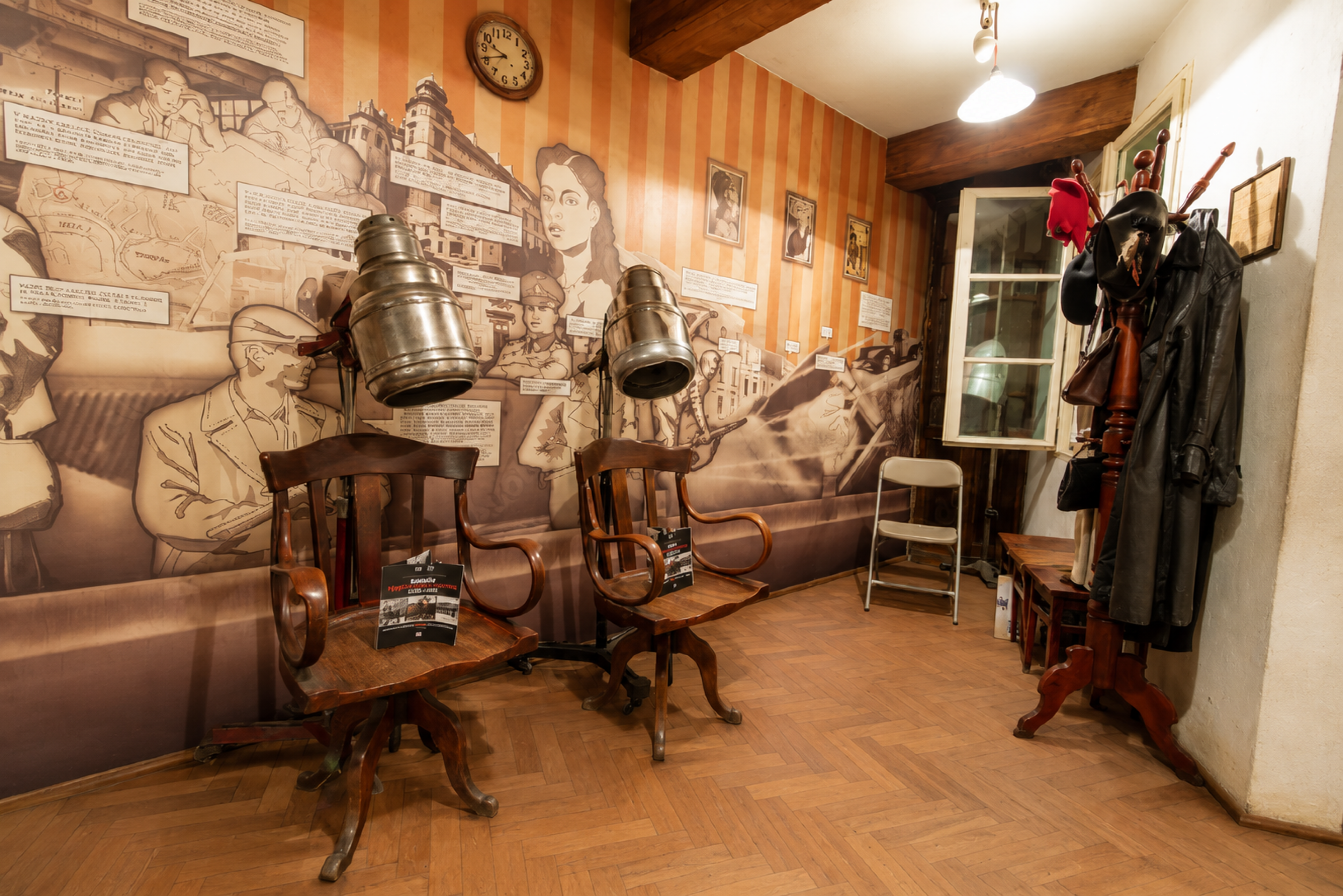
This museum uses the former factory site to trace Kraków under Nazi occupation and the wartime fate of the city’s Jews. The exhibits mix documents, street reconstructions, and personal testimony in a tightly focused route.
Time needed: About 2 to 3 hours
Entry: Standard tickets cost about $9 to $12 (39 zł to 52 zł), with reduced tickets available for eligible visitors. Visit the official site for details.
Tip: Leave extra time for the entry queue, then move through the galleries without rushing.
Overlooked sites worth visiting
Kościuszko Mound
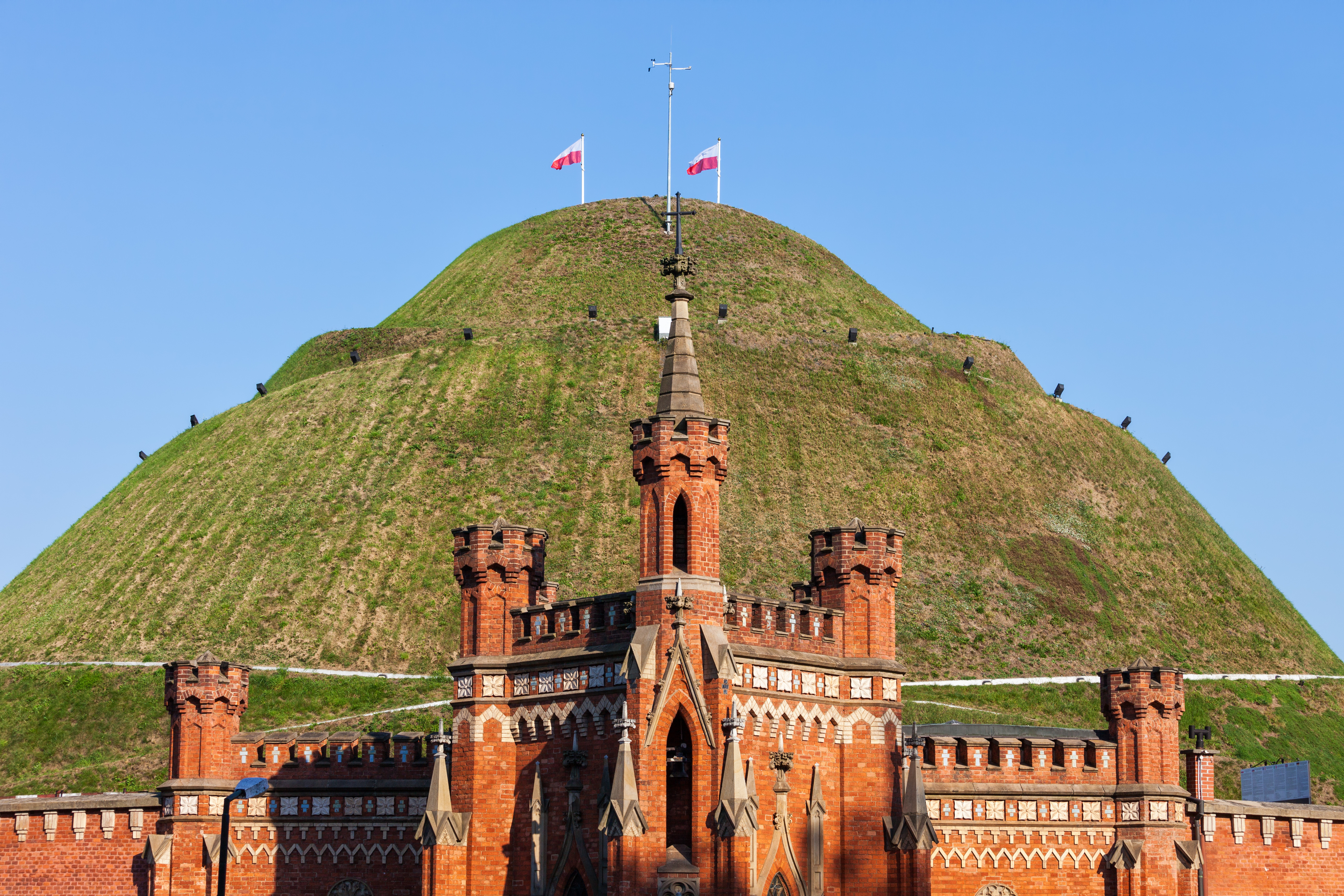
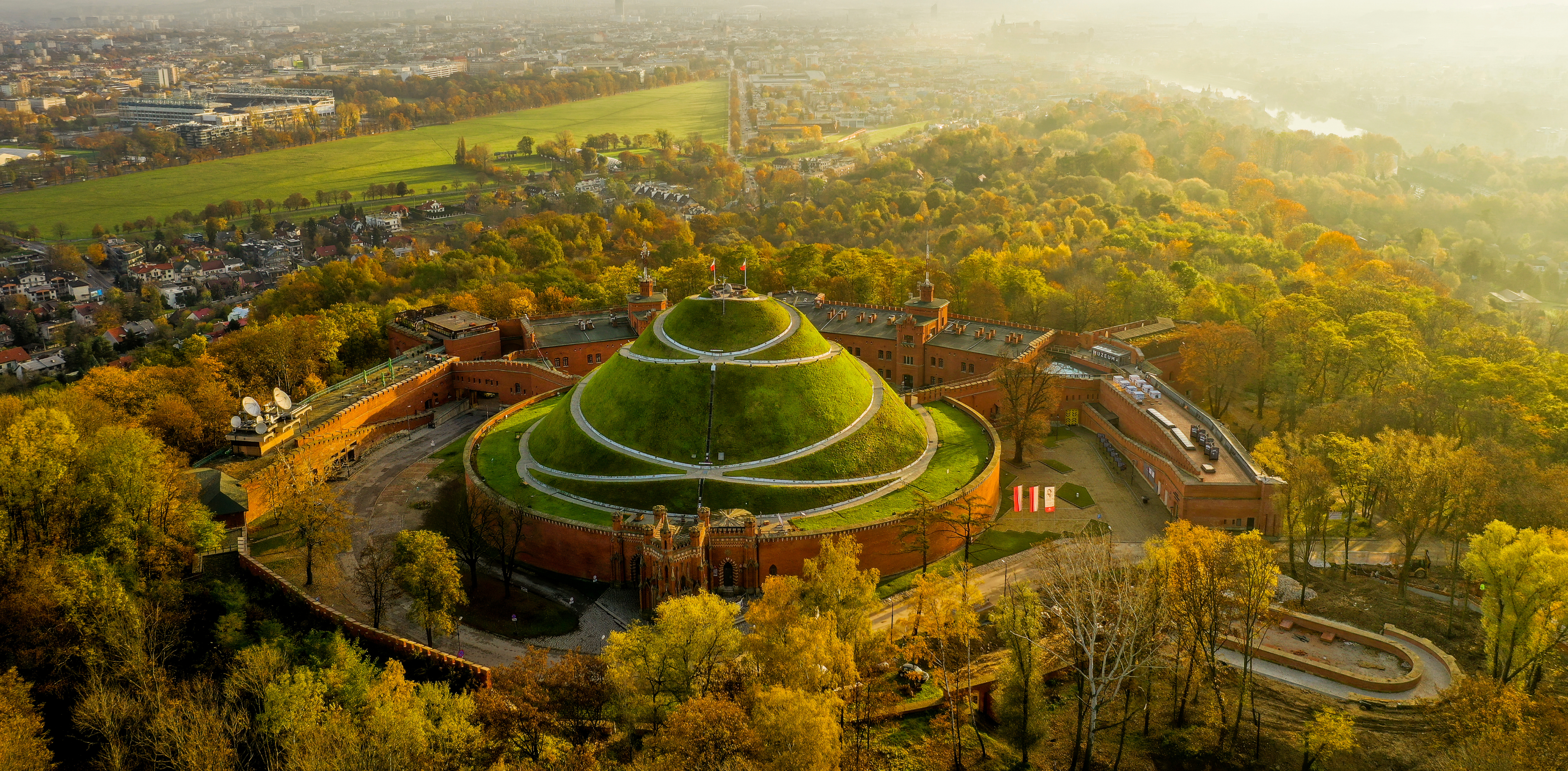
This grassy hilltop tribute to Tadeusz Kościuszko draws fewer visitors than Kraków’s old town landmarks, yet it gives wide city views and a quiet walk through Kościuszko’s Fort, where paths circle the mound.
Time needed: About 1 to 2 hours
Entry: General admission costs $9 to $12 (about 35 zł to 48 zł), with reduced rates for students and children. The museum and surrounding grounds usually sell separate tickets for special exhibitions or guided fort access, so check current hours before you go. Visit the official site for details.
Tip: Go near sunset for the best city light.
Manggha Museum of Japanese Art and Technology
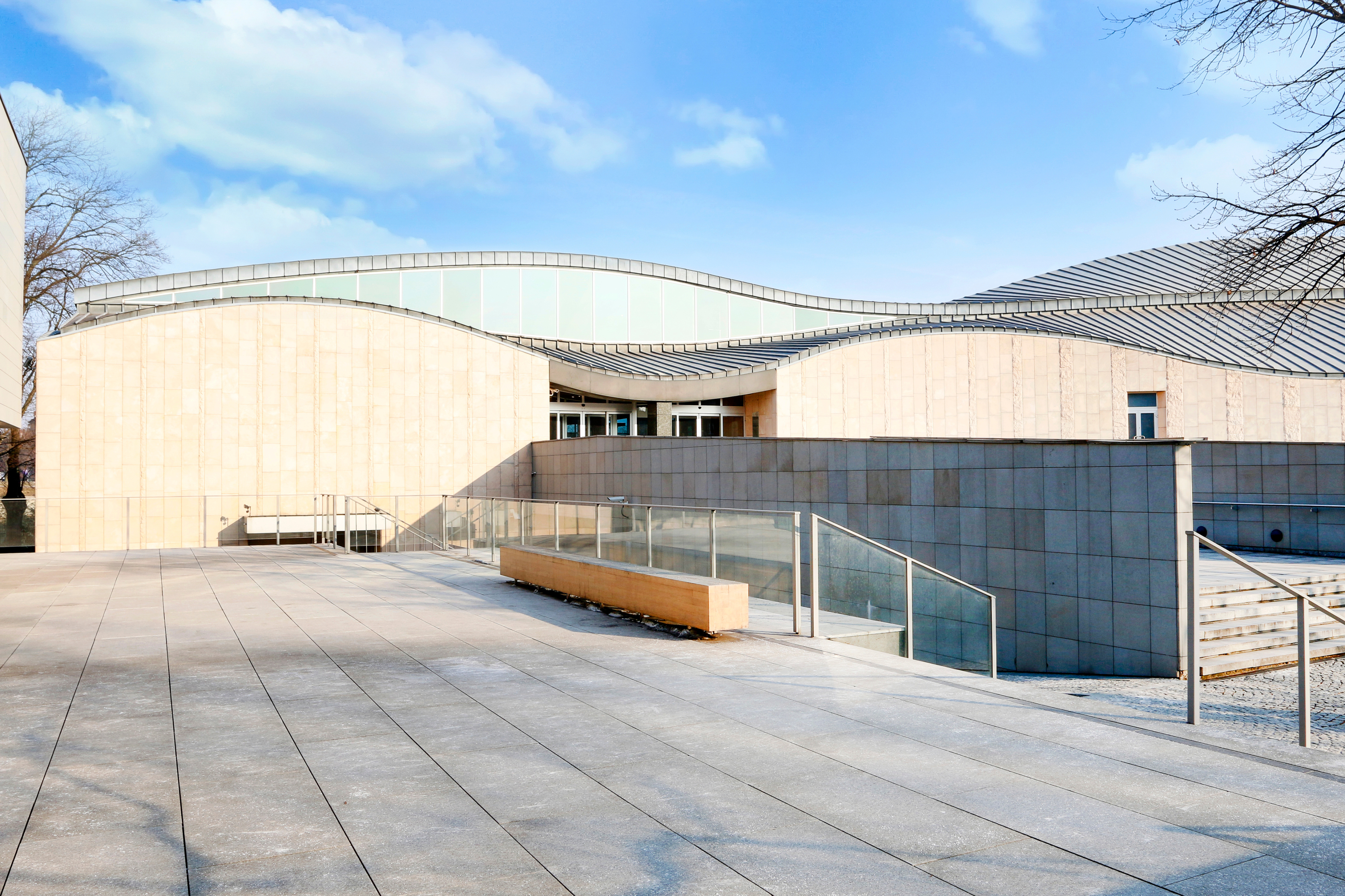
Across from Wawel, Manggha pairs a compact collection of Japanese art with a riverside building by Arata Isozaki. Its small scale and calm galleries make it an easy stop between heavier museum visits.
Time needed: About 1 hour
Entry: Tickets cost about $6 to $9 (roughly 25 zł to 36 zł) for adults, with lower prices for concessions and some free-entry days for select exhibitions. Entry fees can vary by show, so confirm the current program before arriving. Visit the official site for details.
Tip: Visit on a weekday morning to avoid school groups.
Traditional food

Kraków’s table leans on dough, sausage, and sour soups, with pierogi, obwarzanek krakowski, żurek, and kielbasa anchoring a dining scene that moves easily from milk bars to long evening meals.
Pierogi
These filled dumplings can come boiled or pan-fried, with versions ranging from potato and cheese to meat or sauerkraut. For a classic stop in Kraków, Szalone Widelce serves them in the city center with a menu that keeps the dish front and center.
Obwarzanek krakowski
Kraków’s ring-shaped bread is chewy, lightly salted, and sold from street stands throughout the center. Stary Kleparz is one of the best places to buy one fresh, especially if you want to eat like a local while moving between sights.
Żurek
This sour rye soup often arrives with sausage, egg, and potatoes, which makes it a strong cold-weather lunch or starter. Pod Baranem is a long-running Kraków restaurant where the dish fits neatly into a traditional Polish meal.
Kielbasa
Kielbasa appears grilled, smoked, or served with mustard and bread, and it anchors many late casual meals in the city. Hala Lipowa, near the former Schindler area, serves versions that suit a relaxed stop after exploring Podgórze.
Best time to visit Kraków
Kraków changes most in spring and autumn, when walking weather is mild and the main sights stay manageable, while summer brings fuller squares and winter rewards indoor museum time.
Best for: Old Town walks, Wawel, and longer café breaks
What you get: Temperatures usually run about 45°F to 68°F (7°C to 20°C), with lighter crowds before summer peaks
Trade-offs: Rain can interrupt river walks and hill visits
Best for: Long daylight, outdoor dining, and late evenings in Kazimierz
What you get: Temperatures usually run about 59°F to 79°F (15°C to 26°C), with the heaviest visitor flow in the center
Trade-offs: Queues are longer at the major landmarks
Best for: Museum days, clear walking weather, and quieter central streets
What you get: Temperatures usually run about 41°F to 66°F (5°C to 19°C), with moderate crowds and good visibility
Trade-offs: Shorter days reduce the time for a full outdoor plan
Best for: Churches, museums, and slow meals after early sunsets
What you get: Temperatures usually run about 23°F to 39°F (-5°C to 4°C), with fewer tourists and colder evenings
Trade-offs: Snow and ice can make hilltop and riverfront visits less comfortable
A realistic 5-day plan in Kraków
A five-day Kraków trip works best when the heaviest sights come first and the farther stops stay grouped together. That keeps the Old Town, Kazimierz, Stradom, the riverfront, and Podgórze in a cleaner order, with one slower day before departure.
Land at Kraków (KRK), then take a taxi or ride-hail into Old Town or Stradom in about 25 to 35 minutes for roughly $15 to $22. If you want an easier first night, book near the Main Market Square or along the edge of Stradom, drop your bags, and keep dinner close, with a simple meal in the Old Town or a quiet café in Stradom. Drink water, take a short walk only if you still have energy, and avoid packing the evening with more than a first look at the square.
Begin in the Old Town at St. Mary’s Basilica, then walk about 5 minutes to the Main Market Square for the arcades, cloth hall, and people-watching around the square. From there, continue about 10 to 15 minutes on foot up Wawel Hill for Wawel Royal Castle, where the State Rooms and castle grounds reward an early visit before the midday crowds build. Finish with a riverside pause near the Vistula, then return to Old Town on foot for dinner.
Start across the river at Oskar Schindler’s Enamel Factory, which takes about 2 to 3 hours, then ride or walk about 20 to 25 minutes back toward the center for lunch in Kazimierz. Afterward, spend the afternoon exploring Kazimierz’s synagogue-lined streets and square, then continue about 15 to 20 minutes on foot to Stradom if you want a quieter dinner base between the two districts. The day works well by transit and walking because the museum and the historic quarter sit close enough to combine without long crossings of the city.
For a more scenic day, head first to Manggha Museum of Japanese Art and Technology, about 10 to 15 minutes on foot from Wawel Castle across the riverfront area. After the museum, walk or take a short ride to Kościuszko Mound, then stay for the views near sunset, when the city spreads out best from the hilltop. If you still want one more easy stop, return toward Kazimierz for an unhurried late lunch or coffee before dinner.
Before departure, fit in one last cultural stop or a slow neighborhood morning, then keep your luggage close and spend the rest of the day near the center. If you missed anything, return to the Main Market Square for a final look at the Old Town arcades, or browse cafés and small shops in Kazimierz before heading to the airport. That leaves enough time for a calm lunch and an on-time taxi back to Kraków (KRK).
Business-class flights from the US to Kraków
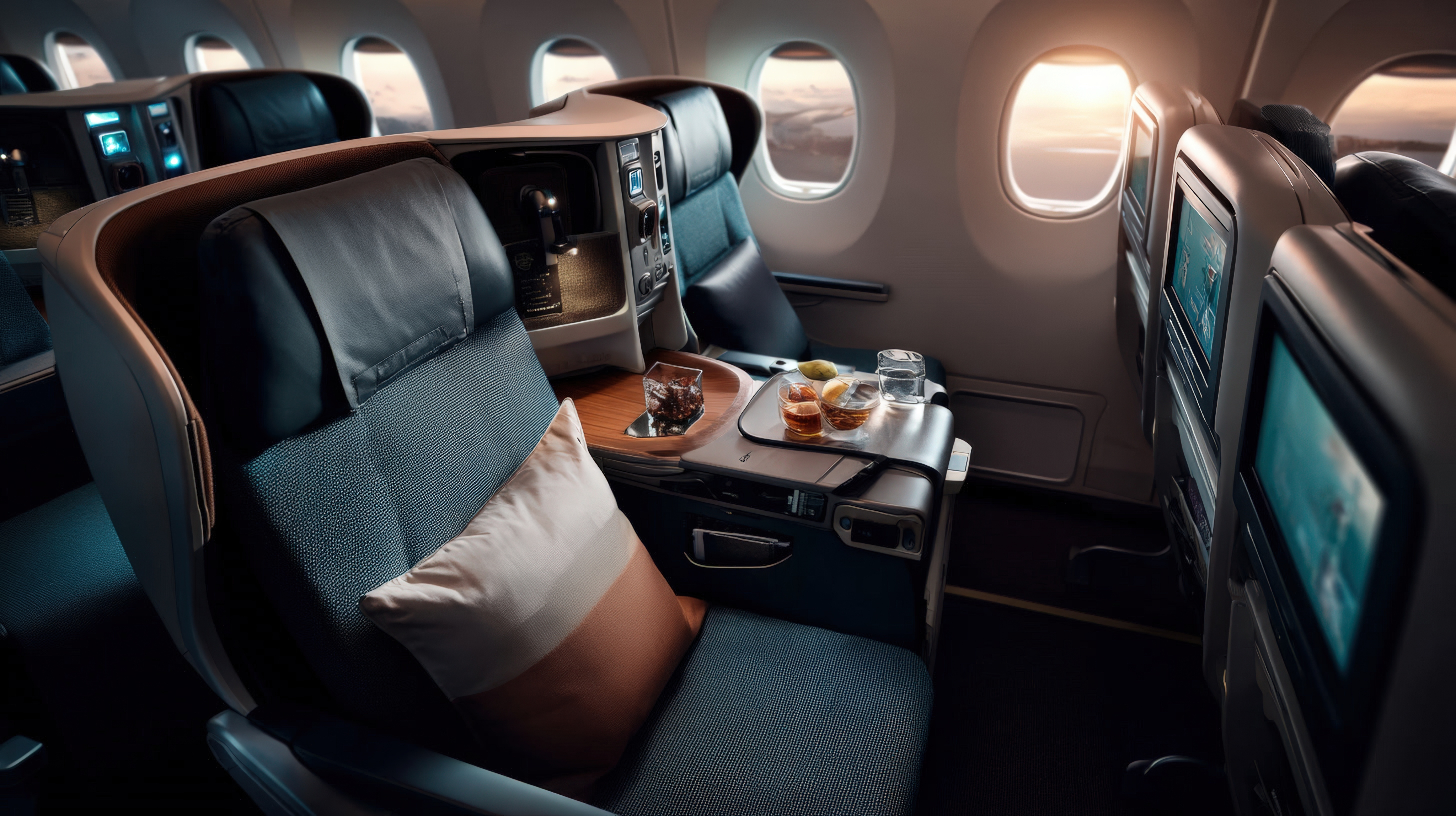
From New York or Los Angeles, Kraków usually arrives through one-stop itineraries rather than easy nonstop options. The exact layover city and travel time matter, so the route details below show what to expect before you book.
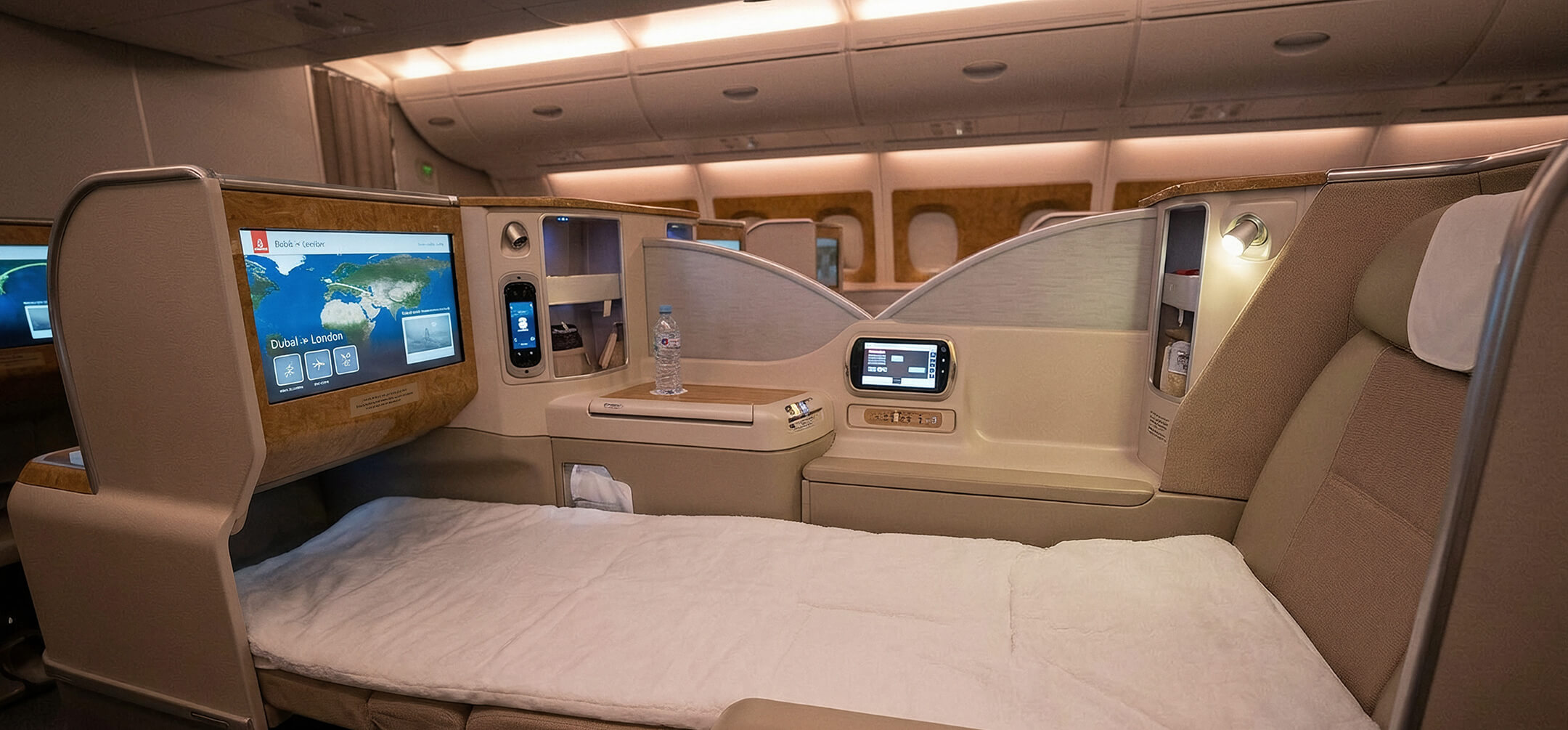
LOT Polish Airlines, Lufthansa, Air France, Turkish Airlines, KLM, and British Airways are common options from New York, with total journey times of about 8 to 9 hours when a nonstop is available and roughly 10 to 14 hours with one stop. Typical connections run through FRA, MUC, CDG, AMS, LHR, or IST, and business-class round-trip fares from New York to Kraków usually start at $2,200 and can reach $5,500.
From Los Angeles, Lufthansa, Air France, KLM, Turkish Airlines, LOT Polish Airlines, and British Airways typically route through FRA, MUC, CDG, AMS, LHR, or IST, and the trip usually takes about 14 to 20 hours with one connection. Round-trip fares from Los Angeles to Kraków usually run from $3,200 to $7,500.
Kraków feels different when you slow down
A deliberate Kraków trip gives each district a clear role, the Old Town for early monuments and square time, Kazimierz for dinner and later wandering, Stradom for a quieter overnight base, and Podgórze for Schindler and the river crossing. Trams handle the short moves, while walking fills the gaps between Wawel, the Main Market Square, and the café streets. If you want help shaping the route, AranGrant experts can match your stay to the part of Kraków that fits your pace