

Chapters:

Need help with your trip?
Our support team is available 24/7. Request a callback or call us directly at (833) 619-0908
Marseille often gets treated as a quick harbor stop, with visitors heading straight to the Old Port, Notre-Dame de la Garde, and a ferry ride, then leaving little time for the neighborhoods between them.
That approach misses how much ground you cover here, from steep lanes to tram links and waterfront districts, so days can feel longer than they look on a map.
This guide trims the guesswork, sets out the city by neighborhood, and spaces the sights so you can move through Marseille with a clearer plan.
Useful things to know
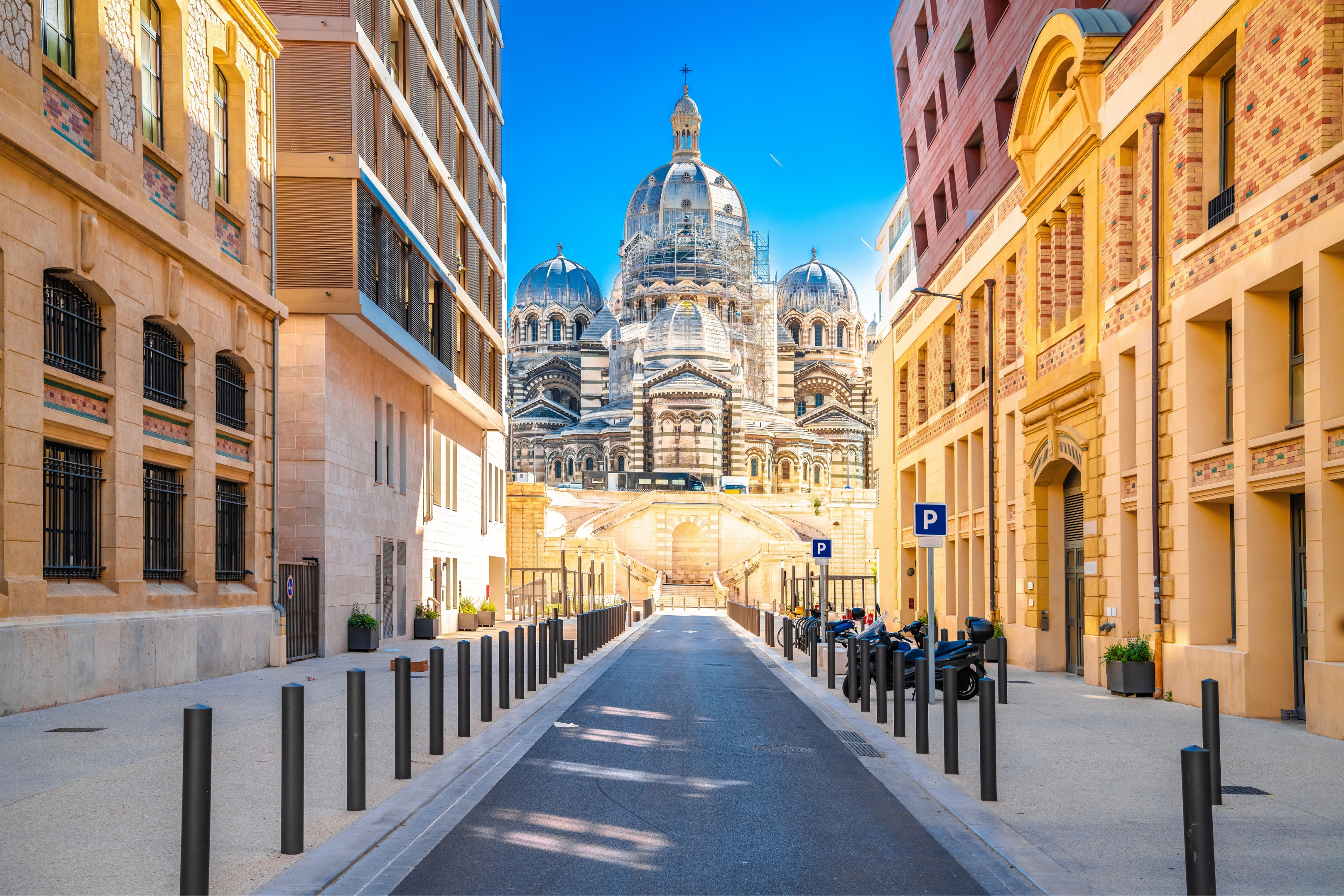

Main language(s): French
Bonjour (bohn-zhoor) – Hello / good morning
S'il vous plaît (seel voo pleh) – Please
Merci (mehr-see) – Thank you
Parlez-vous anglais? (par-lay voo ahn-glay) – Do you speak English?
C'est combien? (say kohm-byen) – How much does it cost?

Currency: The local currency is the euro (EUR, €).

Cash and cards: Cards and contactless are widely accepted; carry about €20 to €40 ($22 to $44) for small shops and markets.

Tipping: Round up for taxis and leave about 5% to 10% in restaurants when service is good.

Traditional food: bouillabaisse, pistou soup, pieds paquets, panisse

Water and coffee costs: Water about €2 ($2), bar espresso about €2.50 ($3).

Taxis and ride apps: Uber and Bolt operate here; book official taxis at the airport if arrivals are busy.

Plug and voltage: Type C/F socket, 230V

Dining and shop opening hours: Breakfast is about 7:00-10:00, lunch about 12:00-14:00, and dinner about 19:30-22:00. Many kitchens close between lunch and dinner.

Emergency number: 112 for all emergencies; 15 for medical, 17 for police, 18 for fire.
Where to stay in Marseille
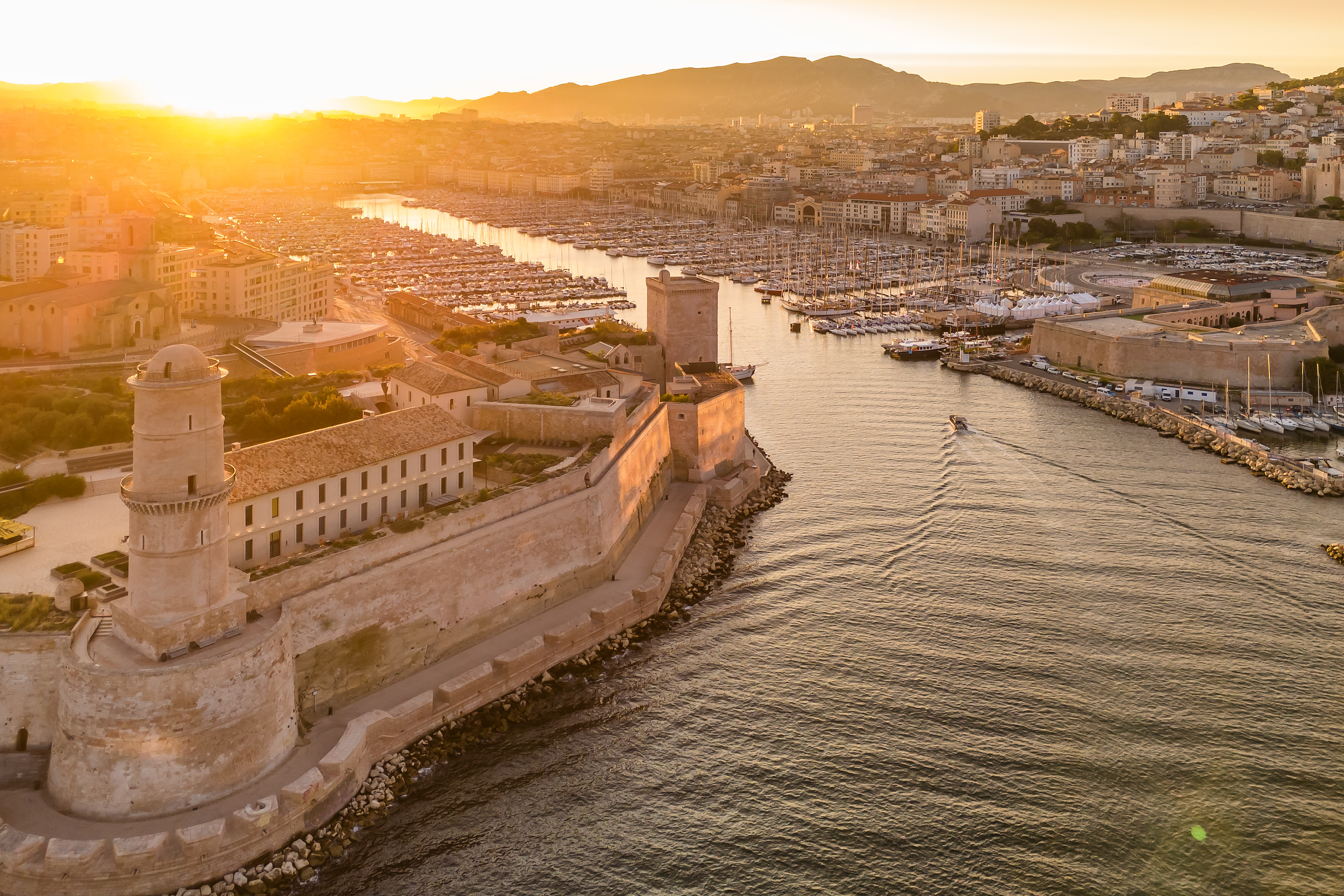
Marseille’s historic harbor, lined with cafés, ferries, and the city’s main waterfront promenade. It puts you close to the Old Port quays, the Panier, and transit links for easy movement across central Marseille.
Best for: First-time visits, sightseeing, and easy access to ferries and transit
What to expect: Busy quays, constant pedestrian movement, and the most tourist traffic in the city center.
Hotel prices: Usually about 130€ to 260€ (~$143 to ~$286) per night for well-rated stays
Distance to major sights: On foot to the Old Port, about 10 minutes to Le Panier
Quietness: Lively in the day and into the evening, especially near the waterfront dining strip.
Main trade-off: Prices rise for rooms with harbor views, and late-night noise can carry from bars and terrace seating.
Good to know: Book higher floors or an inward-facing room if you want to sleep well, because waterfront nightlife runs late.
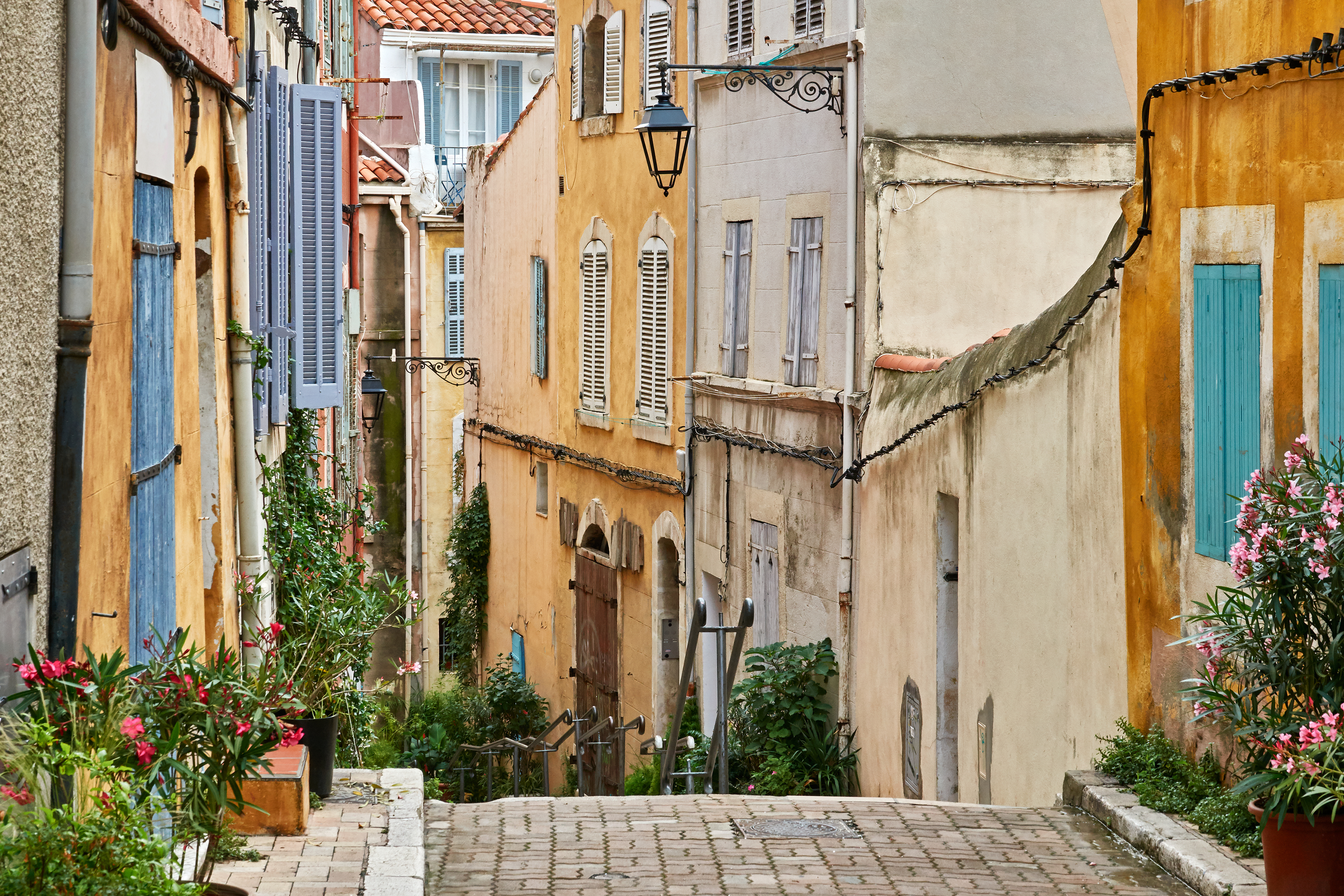
Marseille’s oldest quarter, with narrow lanes, small squares, and hillside streets above the port. It suits travelers who want atmosphere at the center of the old city, although steep walks and limited car access are part of the experience.
Best for: Characterful streets, walking access to the Old Port, and short stays
What to expect: Narrow pedestrian lanes, daytime visitors, and a quieter pace after dinner hours.
Hotel prices: Usually about 120€ to 240€ (~$132 to ~$264) per night for well-rated stays
Distance to major sights: About 10 minutes on foot to the Old Port, about 15 minutes on foot to Mucem
Quietness: Quieter at night than the waterfront, though daytime lanes can be crowded with visitors.
Main trade-off: You trade easy taxi access and flat streets for charm, stairs, and fewer large hotels.
Good to know: Choose this area only if you are comfortable with hills, since many streets are steep and some properties lack elevator access.
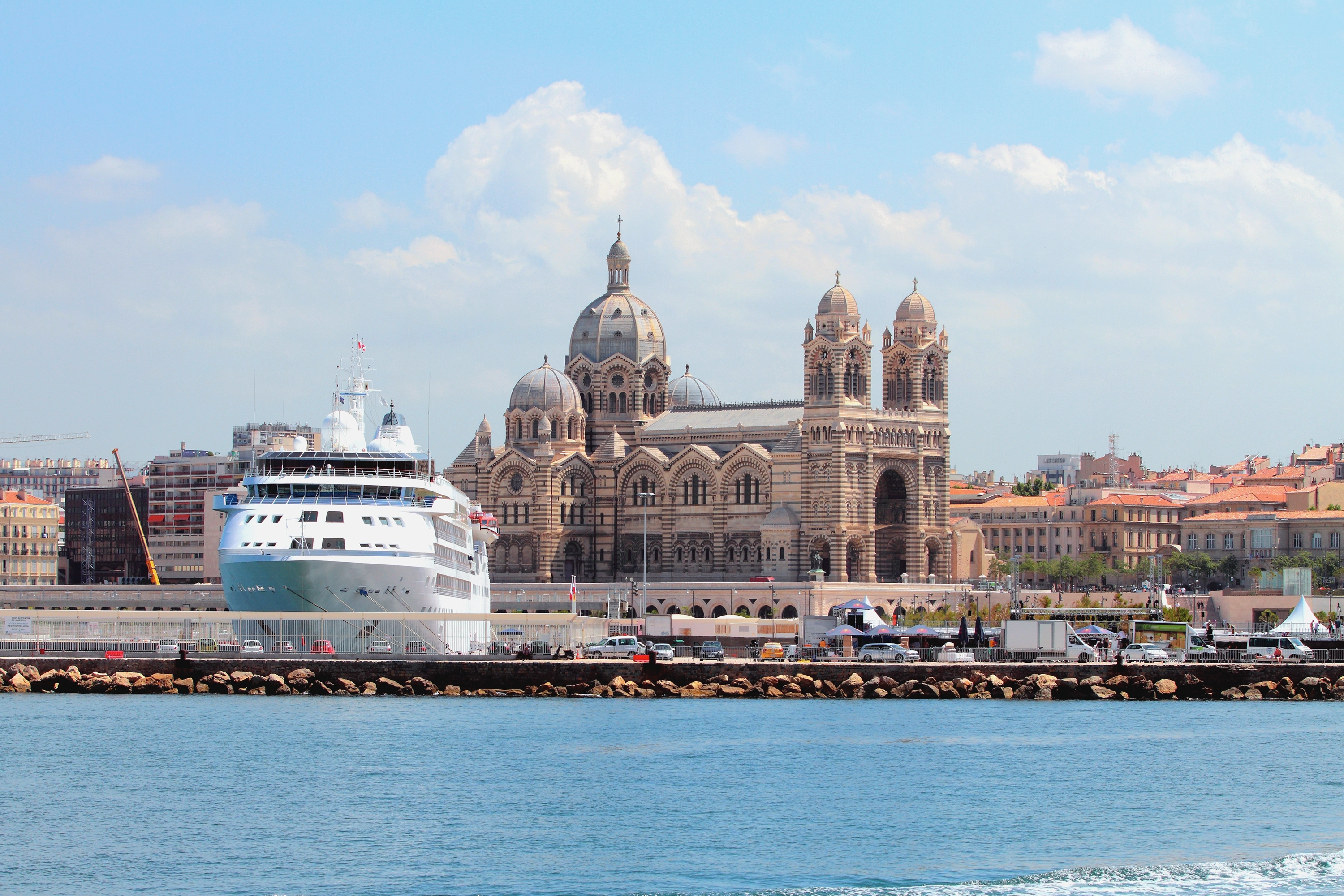
A redeveloped harbor district north of the Old Port, anchored by business hotels, malls, and the ferry terminal. It works well for travelers who want modern rooms, tram access, and close proximity to Mucem and the waterfront.
Best for: Cruise stopovers, ferry departures, and modern hotels near the waterfront
What to expect: Wider streets, office traffic on weekdays, and less evening bustle than the Old Port.
Hotel prices: Usually about 110€ to 220€ (~$121 to ~$242) per night for well-rated stays
Distance to major sights: About 10 minutes on foot to Mucem, about 15 minutes to the Old Port by tram or on foot
Quietness: Calmer after office hours, with more movement during weekday business traffic.
Main trade-off: You get newer buildings and transit access, but fewer neighborhood restaurants and less old-city atmosphere.
Good to know: If you plan an early ferry departure, this area cuts down on morning transfers to the terminal.
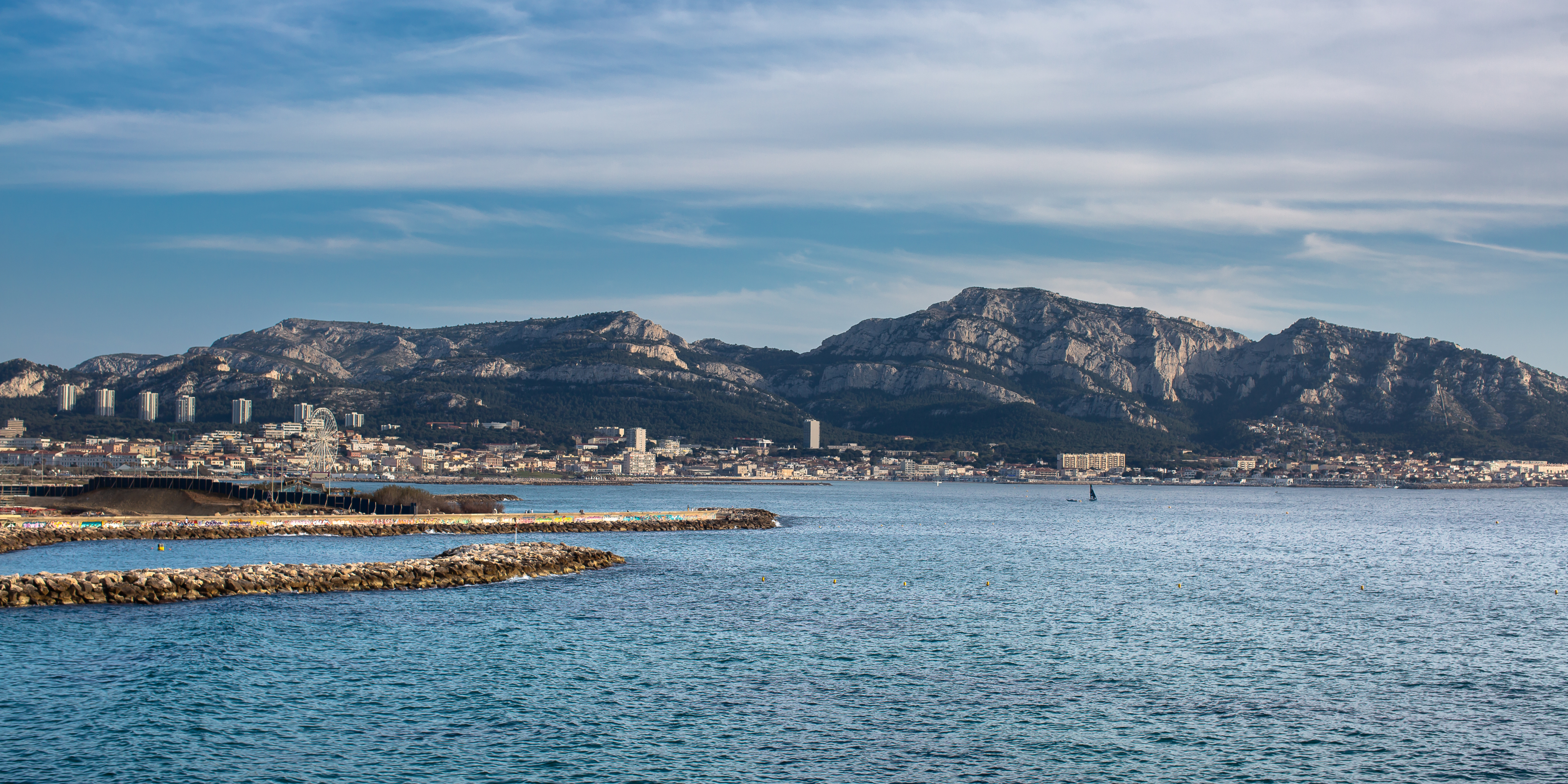
Marseille’s southern residential and hotel district, stretching toward the beaches and the stadium. It gives you larger rooms, metro access, and a better fit if you want a less dense base than the historic center.
Best for: Beach access, family stays, and travelers who prefer a less dense central base
What to expect: Broad avenues, neighborhood cafés, and a local feel that gets busier near the beach corridor.
Hotel prices: Usually about 100€ to 200€ (~$110 to ~$220) per night for well-rated stays
Distance to major sights: About 20 minutes by metro to the Old Port, about 15 minutes on foot to Parc Borély
Quietness: Calm in the evenings away from the main roads, with more daytime activity near shops and sports venues.
Main trade-off: You stay farther from the historic center, so evenings out often mean a longer ride back.
Good to know: Pick this area if you want easier parking or a hotel near the beaches, since both are less common downtown.
Travelers usually avoid staying in Marseille’s northern districts such as La Castellane, Font-Vert, La Bricarde, and Malpassé, since they sit far from the Old Port, Le Panier, and the Vieux-Port metro area, with few visitor-oriented hotels or restaurants nearby. The outskirts around Saint-Antoine and L’Estaque are also less convenient, because evening transit is thinner and you will spend more time reaching the main museum, harbor, and waterfront areas.
Hotel deals
How to get around Marseille efficiently
Marseille has no airport metro, so the airport shuttle, taxis, and ride apps do most of the work before the city’s trams, buses, and short walks take over.

Metro
for longer distances
Marseille has no metro connection to Marseille Provence Airport (MRS), so use the airport shuttle or, for rail, the nearby TER link from Vitrolles-Aéroport-Marseille-Provence station. The airport shuttle to Marseille Saint-Charles costs about $10.75 (€10.50), takes roughly 25 to 30 minutes, and runs several times per day.

Bus and tram
for convenience
Bus 91 links Marseille Saint-Charles and the airport for about $10.75 (€10.50), with a ride of roughly 30 to 40 minutes depending on traffic. RTM and regional buses also serve the airport area, but the airport coach is the main public option for most visitors, with tickets usually valid for a single trip rather than timed transfers.

Taxi
for convenience or late hours
Licensed taxis use set airport fares rather than a meter for trips between Marseille Provence Airport (MRS) and Marseille, with fixed daytime and nighttime prices to the city center that are typically about $70 to $85 (€70 to €80), depending on the destination side of the city and time of day. You can take a taxi from the official rank outside the terminal, and most accept cards, though it is wise to confirm before departure.
*Prices are based on rates updated as of June 2026 and may change at the time of travel.
Use the airport shuttle for the best balance of price and time, taxis for late arrivals or heavy luggage, and walking plus tram or bus links once you are in the center.
Iconic landmarks
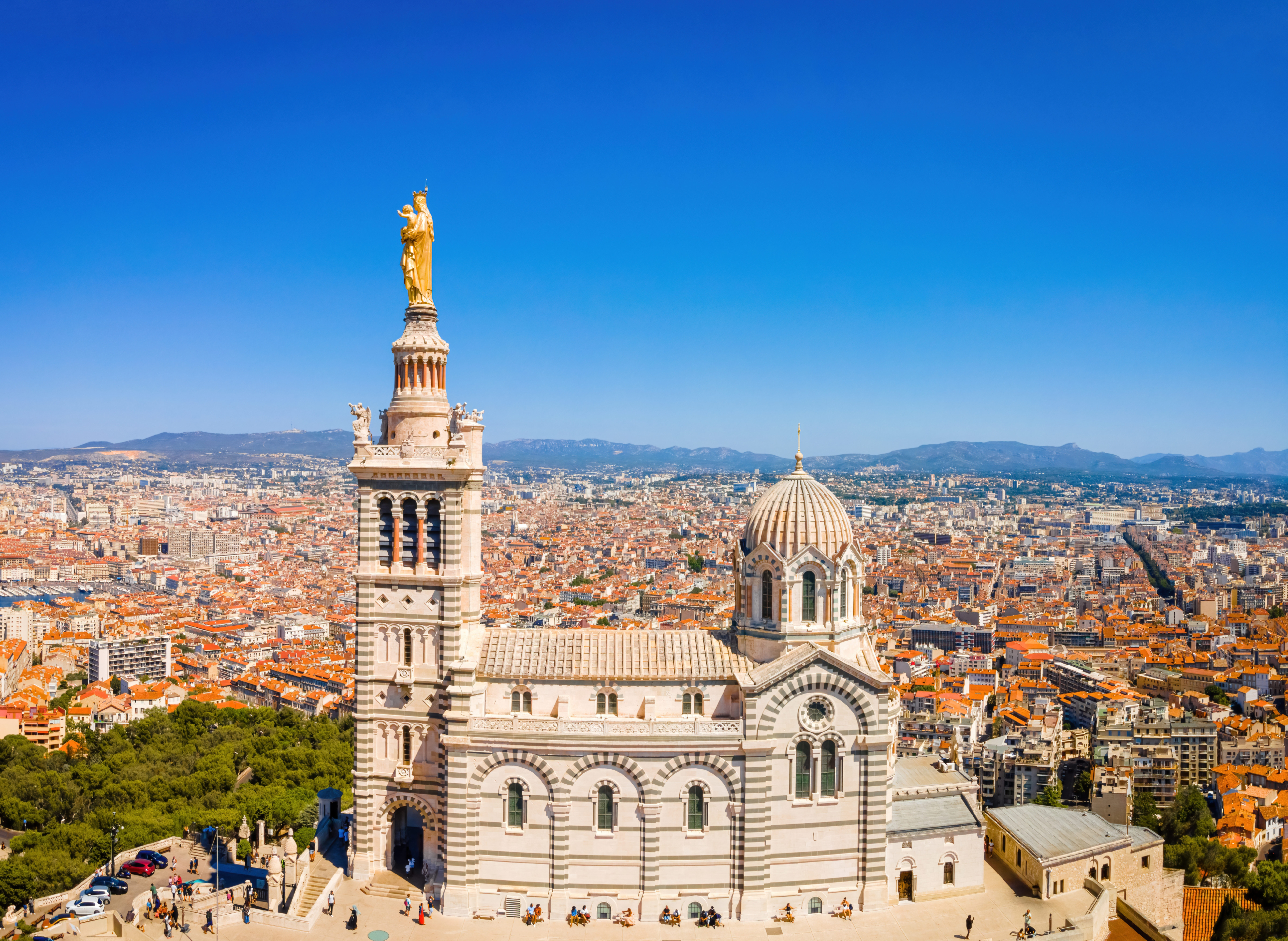
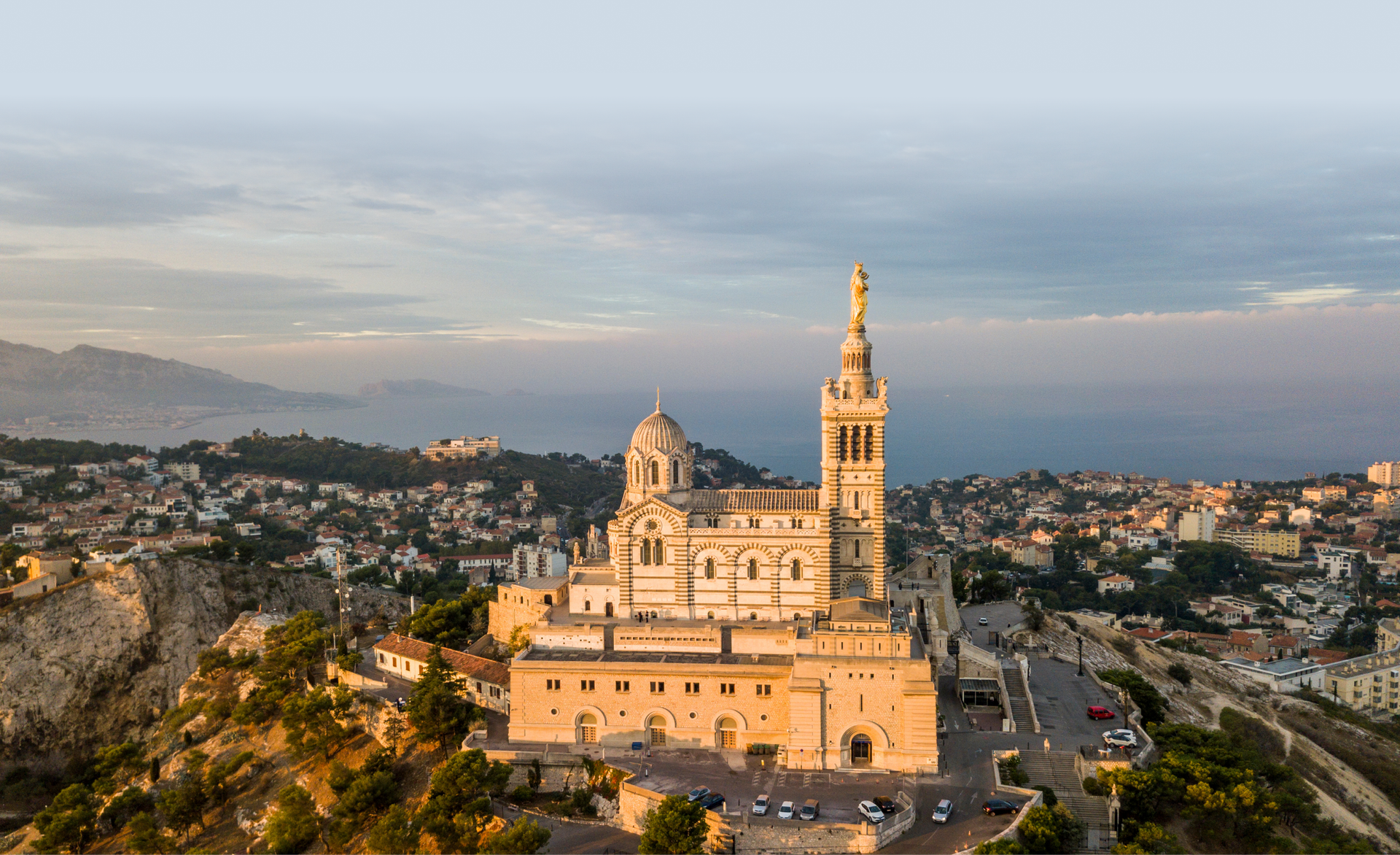
Basilique Notre-Dame de la Garde
Marseille’s hilltop basilica crowns the city with striped Romanesque-Byzantine stonework, gilded mosaics, and a 360-degree lookout over the Old Port, Frioul Islands, and the coastline. The climb rewards the city’s clearest panorama.
Time needed: About 1 to 2 hours
Entry: Free to access; donations are welcome. The museum and tower access may carry separate charges on special opening days, if offered. Visit the official site for details.
Tip: Go late afternoon for softer light and a clear view over the harbor and islands.
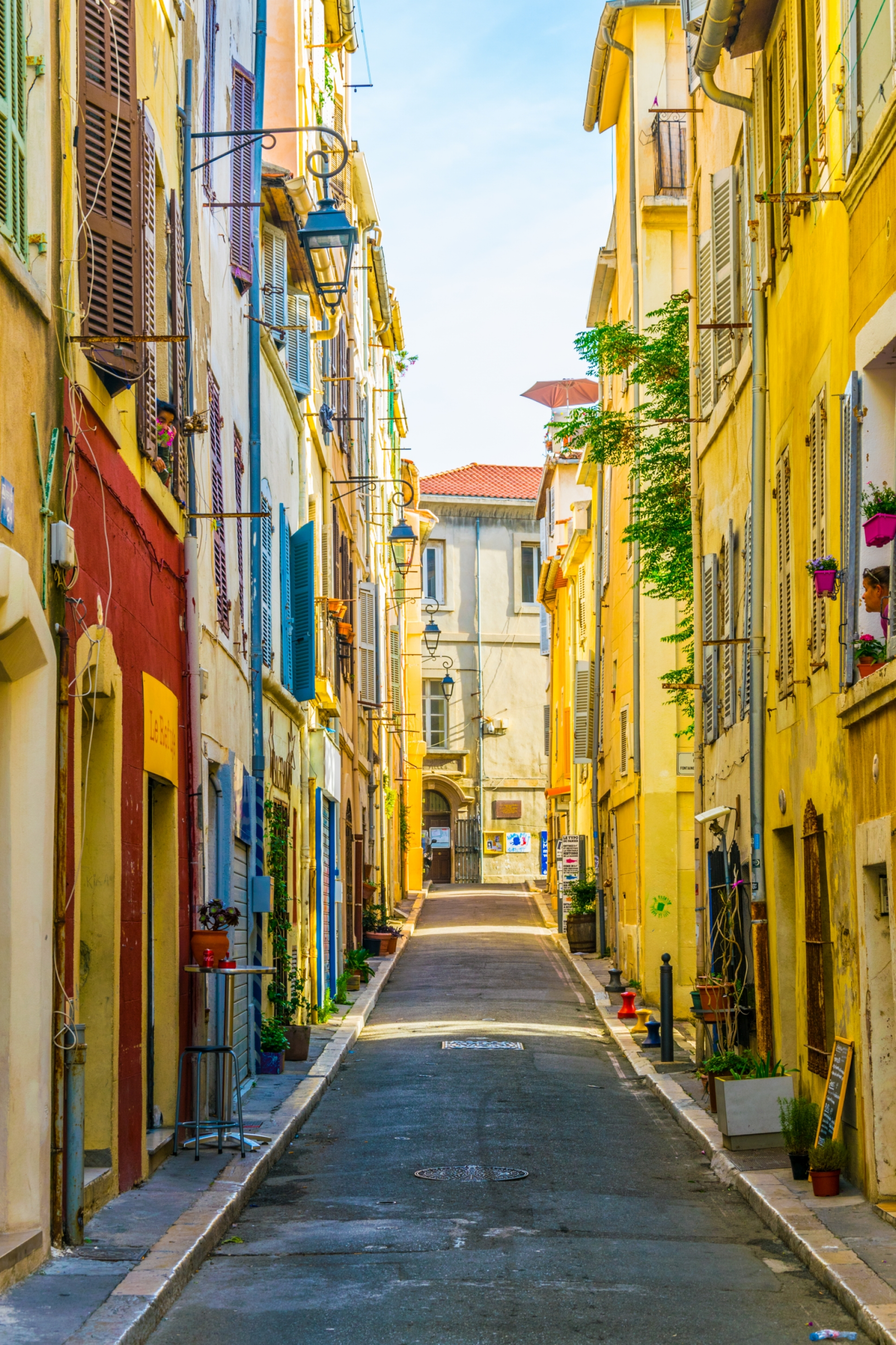
Le Panier
Marseille’s oldest quarter layers narrow lanes, stairways, painted facades, and small squares above the Vieux-Port. It brings together street art, craft shops, and the city’s oldest surviving streets in a walkable hilltop maze.
Time needed: About 2 to 3 hours
Entry: Free to access; some museums, studios, and heritage sites inside the district charge separate admission.
Tip: Start early, before midday heat and tour groups fill the narrow lanes and stairways.
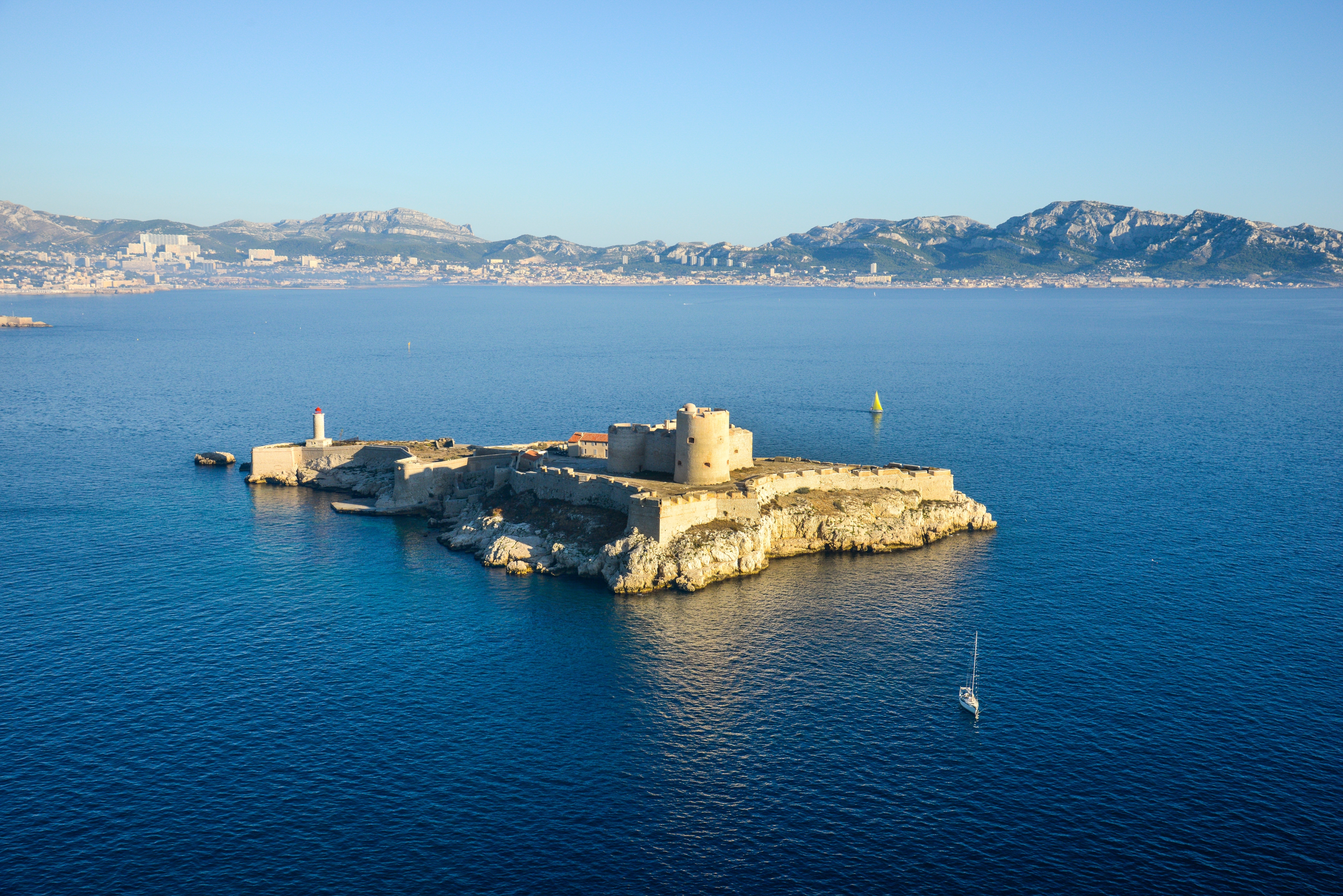
Château d'If
This fortress on a limestone islet in the harbor made the island prison famous in The Count of Monte Cristo. Ferries from the Old Port land you at the ramparts, sea walls, and cells, with Marseille framed across the water.
Time needed: About 2 to 3 hours
Entry: Ferry plus site tickets usually cost $11 to $18 (€10 to €16), with higher summer fares and separate concessions for eligible visitors. Visit the official site for details.
Tip: Take an early ferry, then use the return ride for the clearest harbor views.
Overlooked sites worth visiting

Parc Borély
A large coastal park with lawns, canals, and a rose garden, plus a small lake and long walking paths. It draws more locals than visitors, so you can linger without crowd-heavy sightlines.
Time needed: About 1 to 2 hours
Entry: Free to access, with no admission charge for the park grounds; some seasonal events, temporary exhibitions, or fairground uses in the wider estate may carry separate fees, but everyday entry to the public gardens and paths is free.
Tip: Go late afternoon for softer light on the canal and lake.

Musée Grobet-Labadié
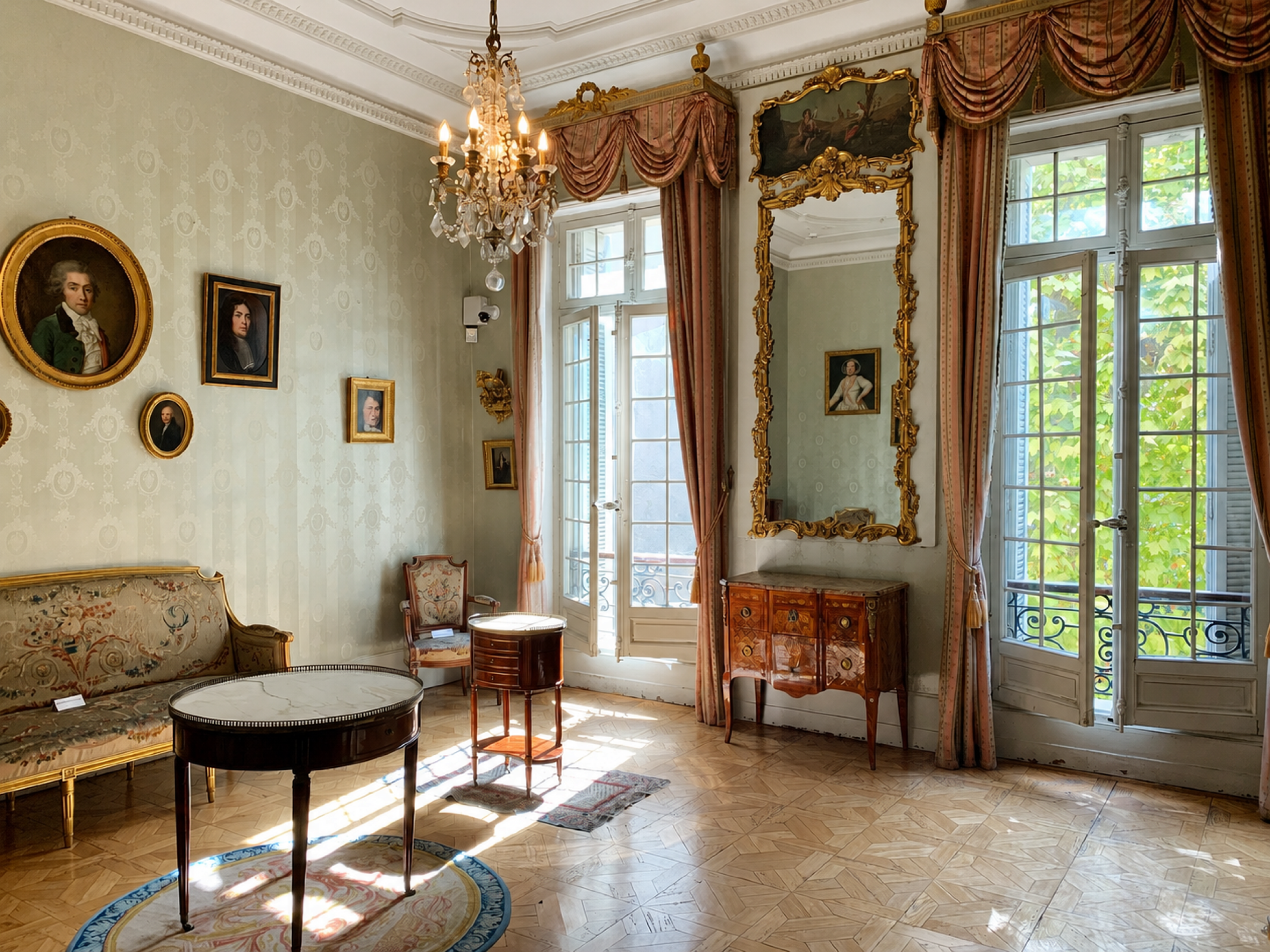
This 19th-century townhouse museum displays period furniture, clocks, ceramics, and paintings in rooms that still read as domestic spaces. The compact layout makes it easy to visit without a long time commitment.
Time needed: About 1 hour
Entry: Standard admission is about $7 to $9 (€6 to €8), with reduced rates for eligible visitors and free entry on select municipal museum days; special guided visits or temporary programming may be priced separately. Visit the official site for details.
Tip: Check the museum calendar, since opening days can vary.
Traditional food
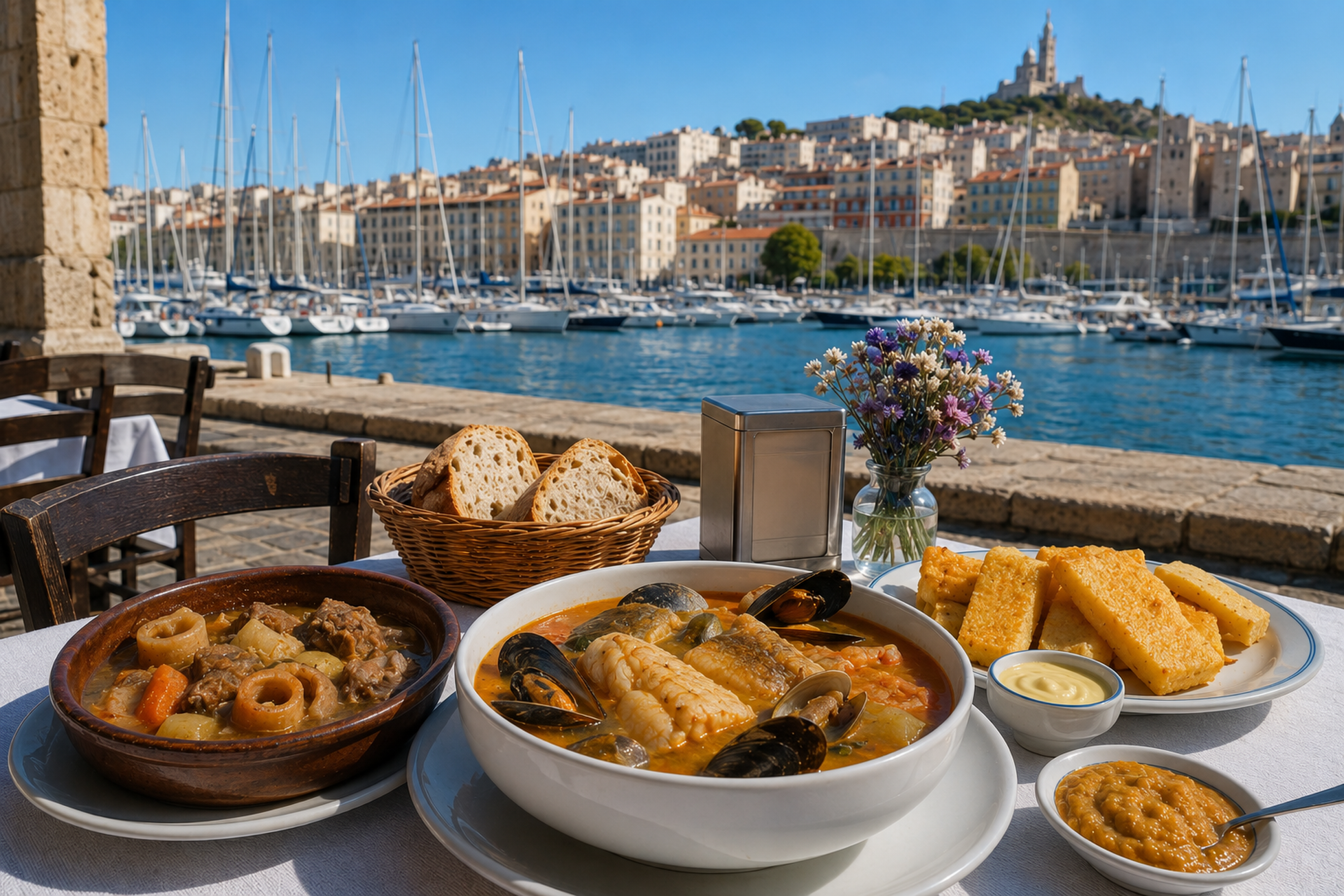
Marseille cooks with olive oil, garlic, tomatoes, herbs, and seafood, then backs it with market vegetables and dishes such as bouillabaisse and panisse. Meals lean Mediterranean, with long lunches and waterfront dinners.
Bouillabaisse
This saffron-tinged fish stew is Marseille’s best-known specialty, built on local catch, garlic, and fennel. Le Miramar on the Old Port is a classic place to order it.
Pistou soup
Pistou soup brings summer vegetables, beans, pasta, and basil paste into one bowl, with a clear Provençal profile. Chez Étienne in Le Panier is a long-running address for it and other regional plates.
Pieds paquets
Pieds paquets is a slow-cooked Marseille dish of tripe parcels and lamb feet in a tomato-wine sauce, usually served as a hearty midday meal. La Boîte à Sardine is a strong canonical stop for local cooking in the city center.
Panisse
Panisse is a chickpea fry, crisp outside and soft inside, often eaten as a snack or side with a glass of wine. It fits naturally at L’Épuisette, where the seafood-focused menu keeps the dish anchored in its coastal setting.
Best time to visit Marseille
Marseille stays usable year-round, but spring and early fall give you the best mix of clear harbor light, moderate heat, and easier walking through the hills.
Best for: Best for hill walks, ferry rides, and terraces before peak heat arrives
What you get: Temperatures about 54 to 70°F (12 to 21°C), with lighter crowds and comfortable walking
Trade-offs: Some beach days still feel cool
Best for: Best for long evenings, sea swimming, and the busiest waterfront scene
What you get: Temperatures about 68 to 87°F (20 to 31°C), with the largest crowds and more sun on the streets
Trade-offs: Heat and tourist traffic can slow sightseeing
Best for: Best for balanced weather, relaxed museum visits, and clear views from Notre-Dame de la Garde
What you get: Temperatures about 57 to 79°F (14 to 26°C), with moderate crowds early and quieter streets later
Trade-offs: Rain becomes more likely by late season
Best for: Best for lower hotel rates, easy museum access, and quieter harbor walks
What you get: Temperatures about 45 to 59°F (7 to 15°C), with light crowds and shorter daylight hours
Trade-offs: Seafront dining and ferry outings are less appealing
A realistic 5-day plan in Marseille
The five-day plan follows Marseille’s natural split between harbor, hill, ferry, park, and a final neighborhood loop. It keeps transfers short, so each day has one main area rather than a scattered list of stops.
Land at Marseille (MRS) and take the airport shuttle into the center in about 25 to 30 minutes for roughly €10.20. Base yourself near Vieux-Port or La Joliette, since both give you an easy first night with tram access and a short walk to the waterfront. Keep dinner close to the harbor, then settle into a simple meal and plenty of water, because the evening can still be warm after a flight.
Start early in Le Panier, where the steep lanes sit about 10 minutes on foot from Vieux-Port and about 15 minutes from Mucem. Spend roughly 2 to 3 hours moving through the district’s stairways, murals, and small squares, then walk down to the Old Port for lunch by the quays. In the afternoon, continue to Basilique Notre-Dame de la Garde, which takes about 20 to 25 minutes by bus or taxi from the port, and stay for the harbor view before heading back to the waterfront for dinner.
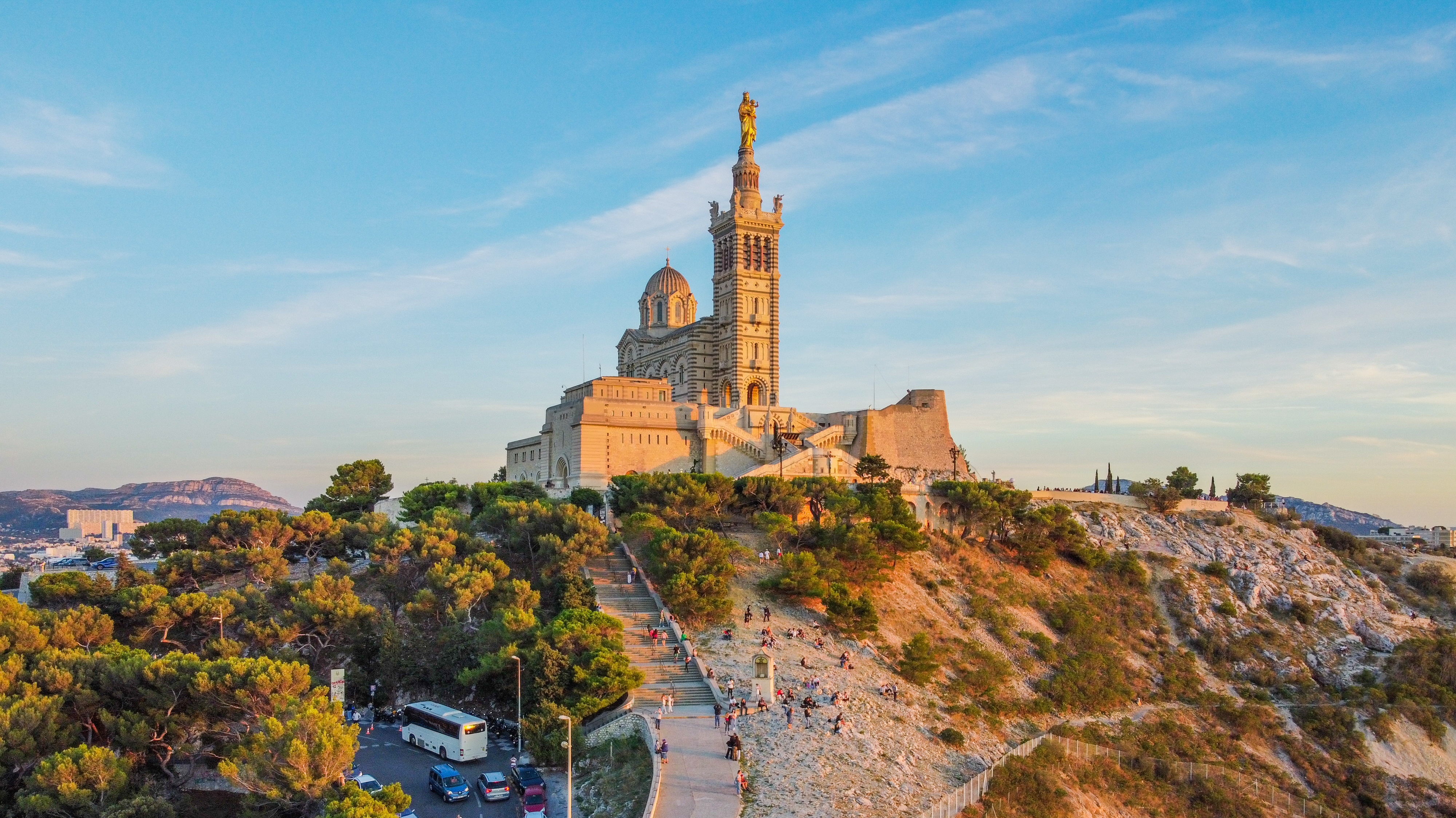
Begin with Château d’If, taking an early ferry from the Old Port, with the crossing usually lasting about 20 to 30 minutes each way. Plan on about 2 to 3 hours for the island fortress, including the ramparts and cells, then return to the city for a late lunch near La Joliette or the Old Port. Finish the afternoon at Mucem and the nearby waterfront paths, which sit about 10 to 15 minutes from the ferry quay on foot, so you can end the day with sea views and an easy walk back.
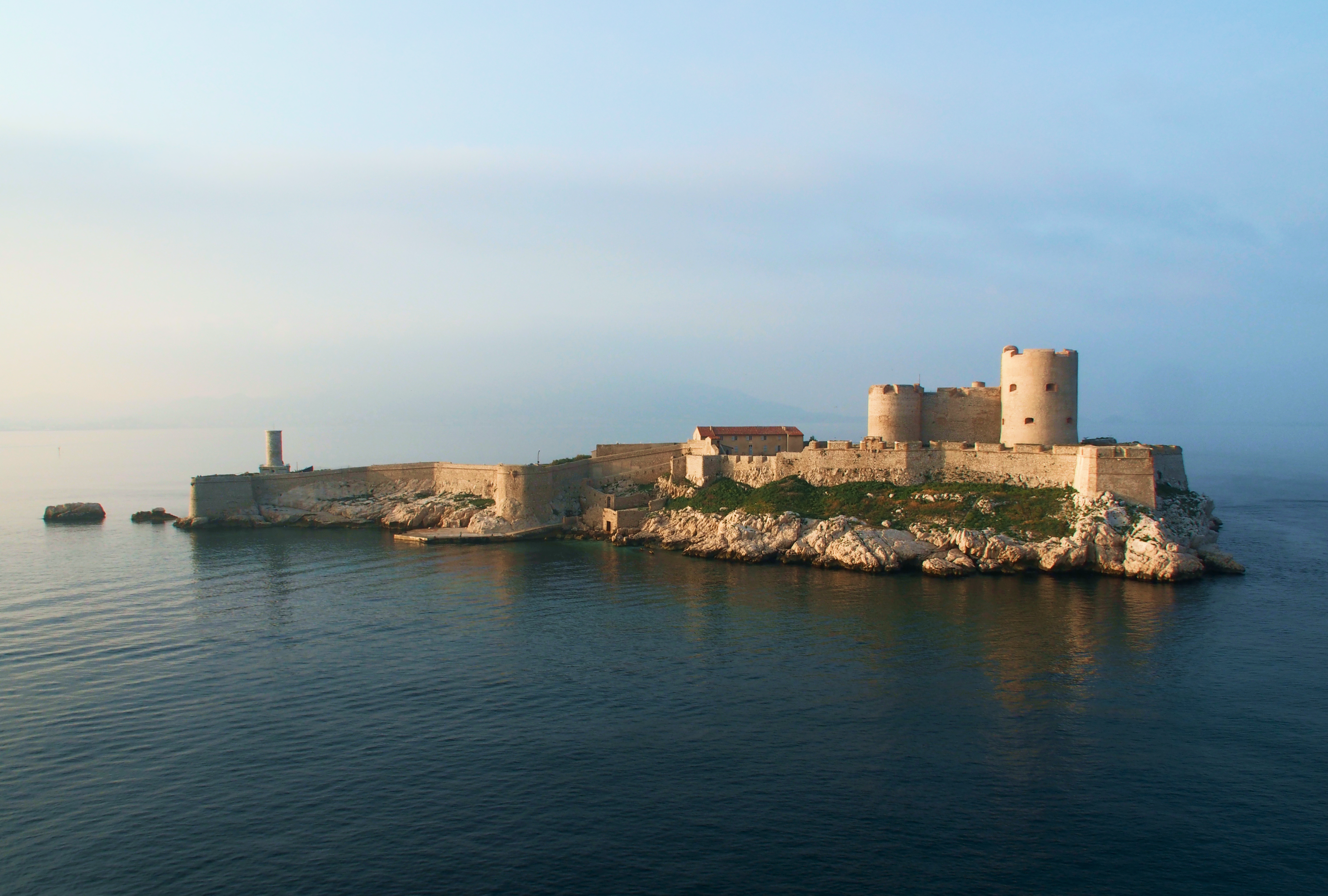
Parc Borély gives the day a slower start, and the trip there takes about 20 minutes by metro or bus from the Old Port. Walk the canals, lawns, and rose garden for about 1 to 2 hours, then continue into Prado for a café lunch or an early swim stop on the nearby beach corridor. Later, head back toward the center for Musée Grobet-Labadié, about 15 to 20 minutes by taxi from the Prado area, and spend about an hour with the house museum before dinner near the harbor.
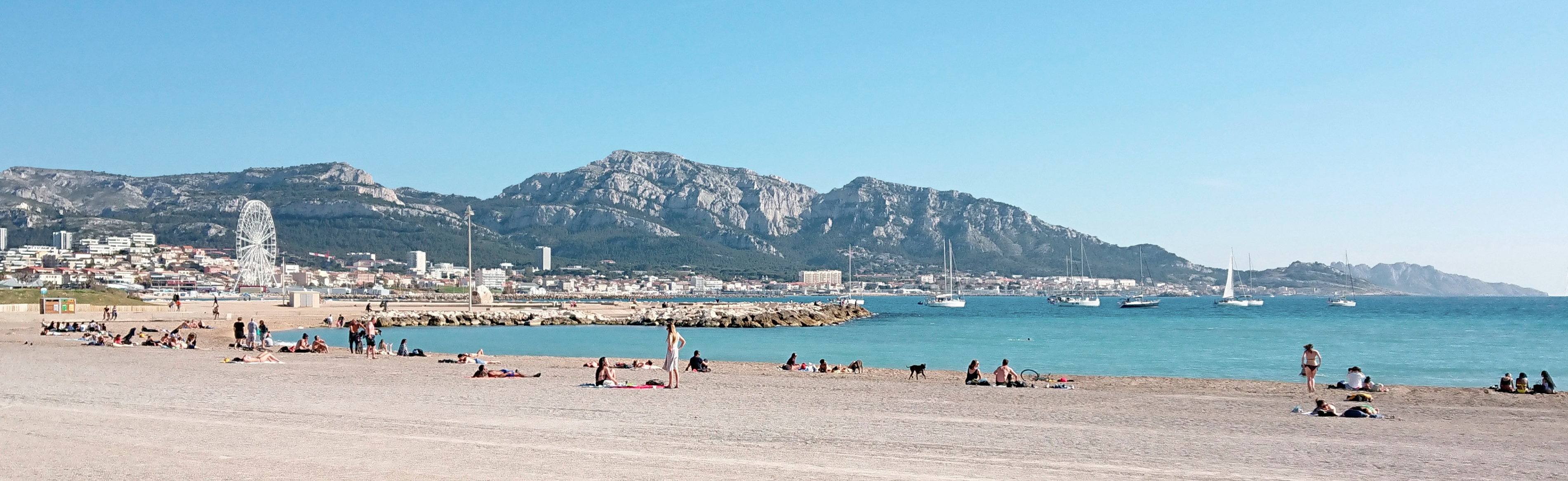
For a final day, pair one last museum stop with an easy neighborhood walk, then keep your luggage close to your base in Vieux-Port or La Joliette. If you want a compact cultural visit, return to Musée Grobet-Labadié for about an hour, then browse a few shops in Le Panier before coffee in the Old Port area. Finish with a late lunch or early dinner on the waterfront, so your last hours stay near transit and the ferry terminals without forcing a long cross-city ride.
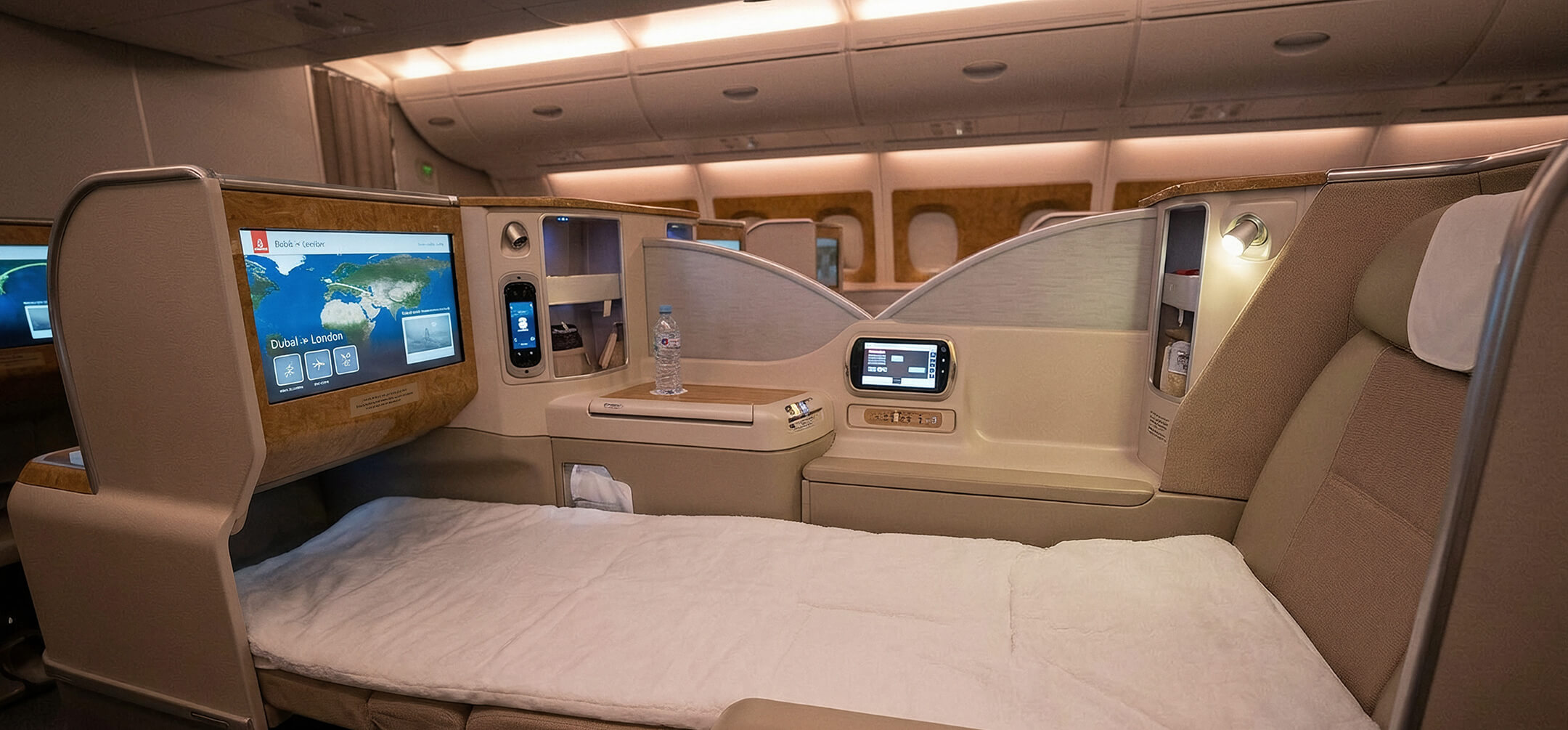
Business-class flights from the US to Marseille
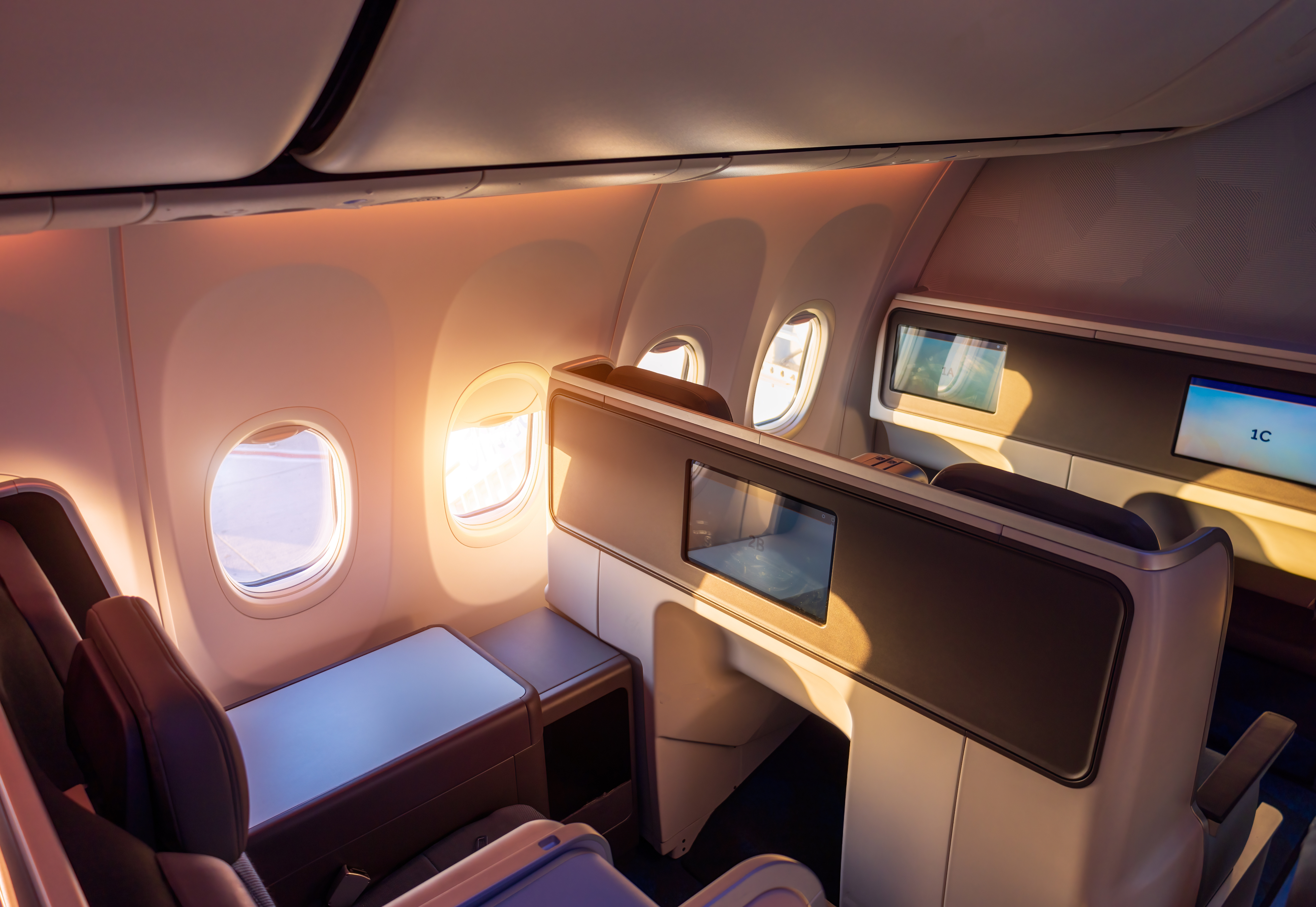
Business-class examples to Marseille usually route through major European hubs, and the pricing shifts more by origin coast than by season alone. The East Coast itinerary is shorter, while the West Coast trip often needs a longer connection.
Air France, Delta Air Lines, Lufthansa, Swiss International Air Lines, and Turkish Airlines all appear on New York (JFK) to Marseille (MRS) itineraries. A nonstop option takes about 7 to 8 hours, while one-stop trips commonly connect through CDG, FRA, MUC, ZRH, or IST and take about 10 to 15 hours overall. Round-trip fares from New York (JFK) to Marseille (MRS) in business usually start at about $3,200 and can reach $6,500.
From Los Angeles (LAX), expect Air France, Lufthansa, Turkish Airlines, British Airways, and Delta Air Lines on the main options. Trips usually connect through CDG, FRA, LHR, IST, or AMS, and total travel time often lands around 14 to 20 hours. Business-class round trips from Los Angeles (LAX) to Marseille (MRS) usually run from $3,600 to $7,200.
Marseille feels different when you slow down
A well-paced Marseille trip starts with a base near Vieux-Port, La Joliette, or Prado, then moves by tram, ferry, and short uphill walks rather than repeated cross-city rides. That structure leaves room for Le Panier in the morning, Notre-Dame de la Garde in better light, and a final lunch by the water before departure. For a stay shaped this way, the AranGrant experts can help you match flights, neighborhoods, and timing to the city’s actual layout