

Chapters:

Need help with your trip?
Our support team is available 24/7. Request a callback or call us directly at (833) 619-0908
Manchester trips often start with Piccadilly, a museum stop, and one night in the Northern Quarter, yet many visitors miss how much ground the center covers once football, gardens, and restored landmarks enter the plan.
That approach can leave the city feeling stretched, with tram rides, match-day crowds, and dinner reservations competing for the same evening hours. Some sights sit close together, others pull west or south, and the order matters.
This guide separates the city into clear days, pairs each area with its nearest priorities, and leaves room for transit, food, and slower stops without forcing unnecessary cross-town backtracking.
Useful things to know

Main language(s): English

Currency: The local currency is the pound sterling (GBP, £).

Cash and cards: Cards and contactless are widely accepted; carry about £20 to £40 ($25 to $50) in cash for small buys.

Tipping: Round up small bills and leave 10% to 12% in restaurants if service is good.

Traditional food: Bury black pudding, Lancashire hotpot, Eccles cake, Manchester tart

Water and coffee costs: Water about £1.50 ($2), bar espresso about £3 ($4).

Taxis and ride apps: Uber and Bolt operate here; check pickup points at the airport.

Plug and voltage: Type G socket, 230V

Dining and shop opening hours: Breakfast is about 07:00-10:00, lunch 12:00-14:00, and dinner 18:00-21:00. Many kitchens stop serving earlier on Sundays.

Emergency number: 999 or 112 for police, fire, or ambulance.
Where to stay in Manchester
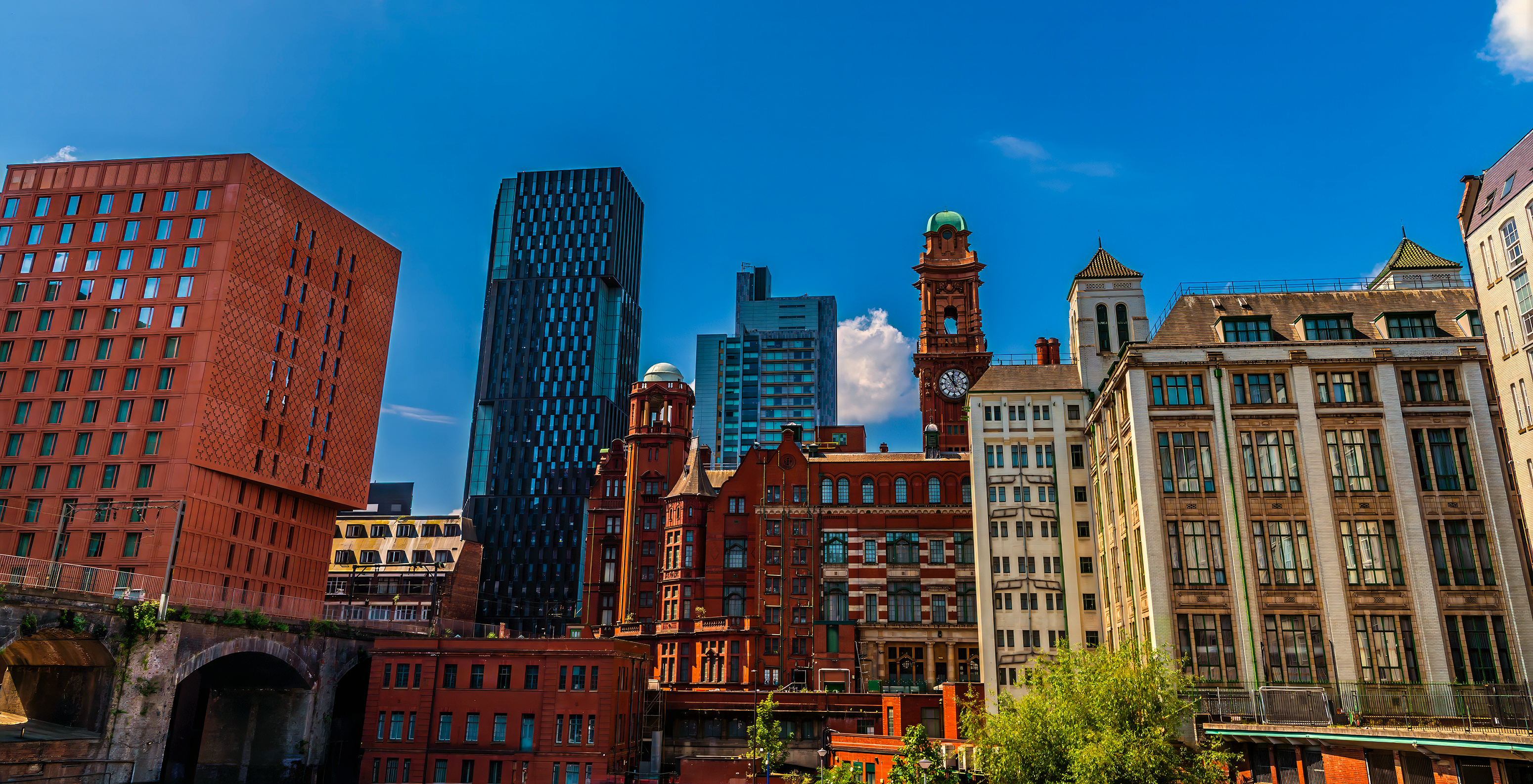
Manchester’s core for shopping, dining, theaters, and major rail links, with the highest concentration of hotels near Piccadilly, Deansgate, and the Northern Quarter. It suits visitors who want to reach the main sights, evening venues, and transit without long cross-city trips.
Best for: First-time visits, short stays, and easy access to shopping, museums, and nightlife
What to expect: Busy streets by day, then a steady stream of diners and bar crowds after dark.
Hotel prices: Usually about $140 to $280 per night for well-rated stays
Distance to major sights: 10 to 20 minutes on foot to Manchester Cathedral and the National Football Museum
Quietness: Lively all day and into the evening, with more noise near tram stops and late bars.
Main trade-off: Rates rise near weekends, and rooms on main streets can pick up late-night noise.
Good to know: Choose a room off the main arteries if you want less traffic noise; train and tram access are strongest near Piccadilly and Deansgate.
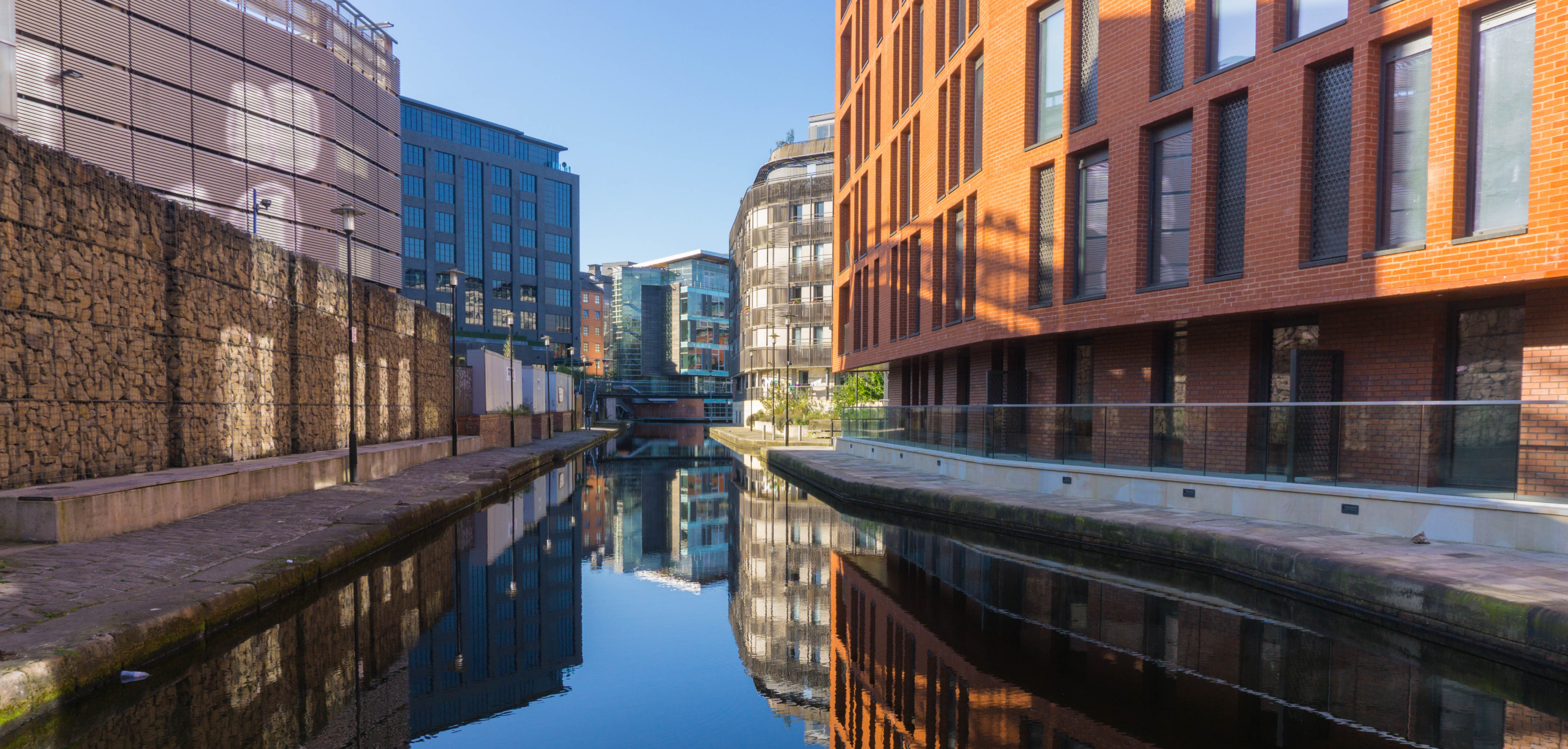
Manchester’s most distinctive inner-city neighborhood, packed with independent cafes, record shops, bars, and street art between Piccadilly and the city core. It works well for travelers who want character on the doorstep and do not mind a busier nighttime scene.
Best for: Food-focused stays, nightlife, and visitors who want a creative neighborhood base
What to expect: Narrow streets, active sidewalks, and strong late-night activity around the main bar clusters.
Hotel prices: Usually about $120 to $240 per night for well-rated stays
Distance to major sights: 10 minutes on foot to Manchester Piccadilly and about 15 minutes on foot to Manchester Cathedral
Quietness: Brisk and social through the day, then louder at night, especially near the main drinking streets.
Main trade-off: You pay for location and atmosphere, and some streets run noisy well past midnight.
Good to know: Check whether your hotel faces a side street, because front-facing rooms can pick up music and late departures from bars.
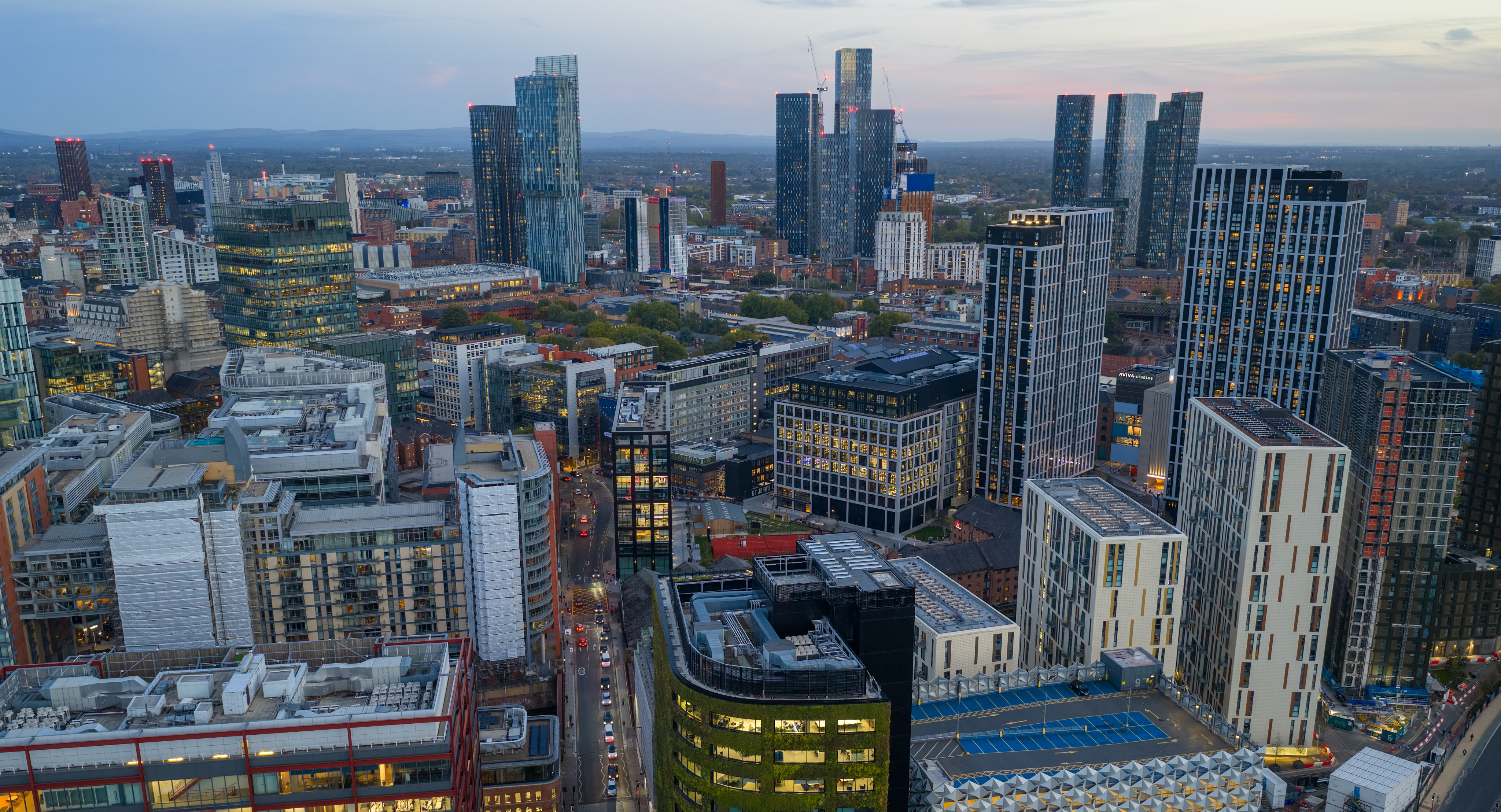
Manchester’s modern business and dining quarter west of the center, with office towers, polished hotels, and riverside walks close to the central shopping streets. It fits travelers who prefer newer properties and quick access to the city’s west side.
Best for: Business trips, newer hotels, and visitors who want upscale dining close to the center
What to expect: Sleek office blocks, lunch crowds on weekdays, and a calmer pace after business hours.
Hotel prices: Usually about $160 to $320 per night for well-rated stays
Distance to major sights: 10 to 15 minutes on foot to Deansgate and about 20 minutes on foot to the National Football Museum
Quietness: Busy on weekday daytime streets, quieter at night apart from restaurant terraces.
Main trade-off: Hotels often cost more here, and the area is less atmospheric than the older quarters east of the center.
Good to know: It suits travelers who plan to move by foot or tram, but late-night dining options thin out faster than in the Northern Quarter.
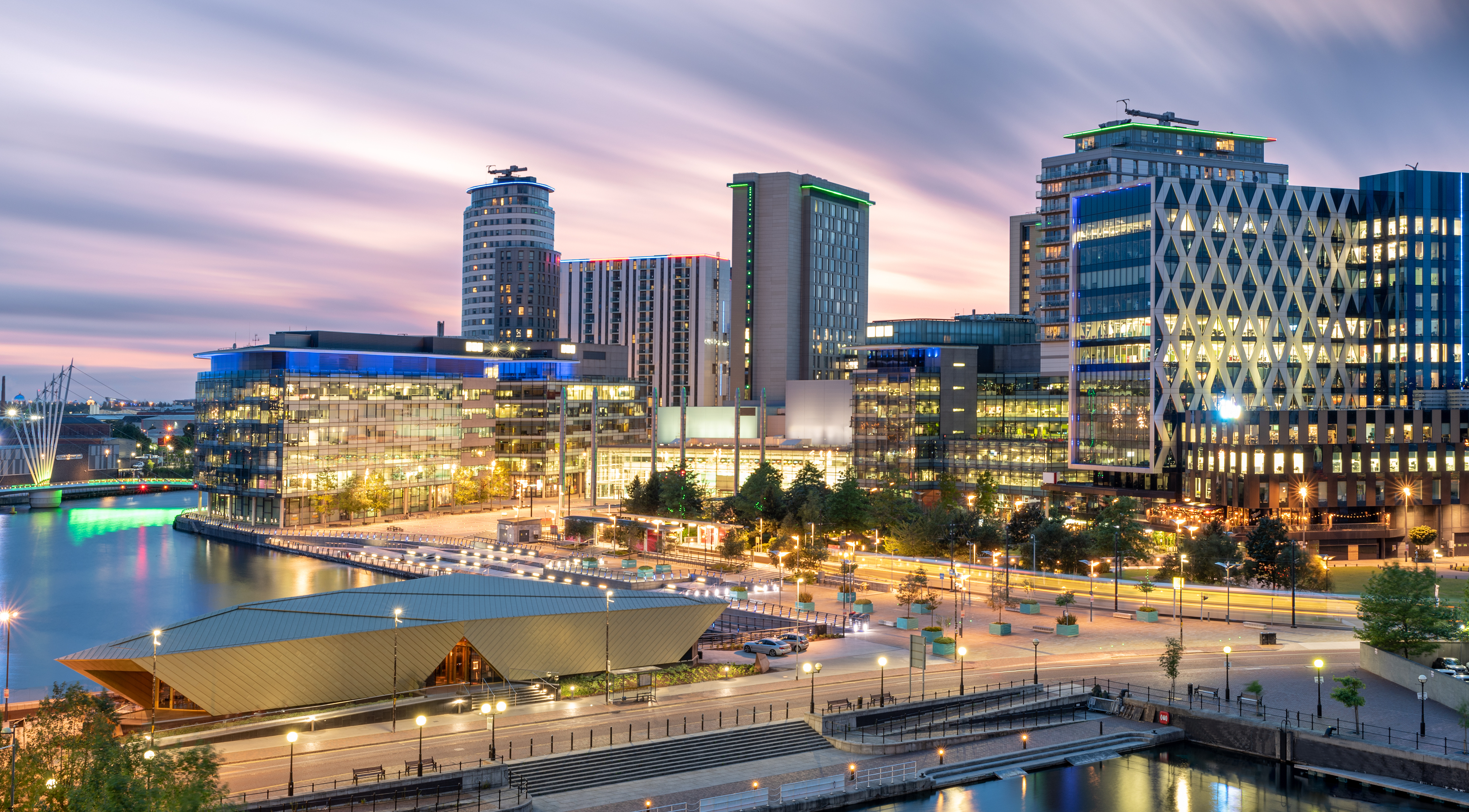
A waterfront district in the city of Salford, immediately west of central Manchester, known for MediaCityUK, the Imperial War Museum North, and modern apartments. It gives you a quieter waterfront setting with tram access back into the city center.
Best for: Waterfront stays, MediaCityUK visits, and travelers who prefer a calmer base with tram access
What to expect: Wide promenades, modern buildings, and lighter foot traffic than central Manchester.
Hotel prices: Usually about $110 to $220 per night for well-rated stays
Distance to major sights: 20 to 25 minutes by tram to Manchester Piccadilly and about 10 minutes on foot to the Imperial War Museum North
Quietness: Quieter than the city center by day and evening, though some waterfront dining spots stay active.
Main trade-off: You will spend more time on the tram for central restaurants, shopping, and late-night plans.
Good to know: If your plans center on the waterfront or TV studios, this base works well, but you should budget extra travel time for central nightlife.
Travelers usually avoid staying in Wythenshawe, Miles Platting, and Moston, because they sit far from Manchester’s main sights, have fewer hotel choices, and can mean longer evening trips back from the city center. Parts of Salford Quays are also less convenient if you want to walk to central museums, the Northern Quarter, or the main shopping streets, since most visits require a tram or taxi.
Hotel deals
How to get around Manchester efficiently
Manchester does not have a metro, so most visitors combine walking with trains, trams, buses, and taxis, depending on whether they are crossing the center or heading to Old Trafford or the airport.

Train
for longer distances
Manchester has no true metro. For airport transfers, the closest equivalent is the rail network, with trains from Manchester Airport station to Manchester Piccadilly in about 15 to 20 minutes; tickets often cost about $4 to $10 (£3 to £8), depending on time and advance purchase.

Bus and tram
for convenience
Bee Network buses cover Manchester Airport and the city well, with daytime links to central Manchester and nearby districts; many services run every 10 to 20 minutes, and single fares usually cost about $2 to $4 (£1.50 to £3). Pay with contactless or an app, and check last departures if you are traveling late, since some routes thin out after the evening peak.

Taxi
for convenience or late hours
Licensed black cabs and prebooked private-hire cars serve Manchester Airport, and airport fares are metered rather than fixed on most trips. A ride to central Manchester usually costs about $35 to $50 (£28 to £40), with extra time in traffic pushing the total higher; you can pay by card or cash in most vehicles, but confirm before setting off.
*Prices are based on rates updated as of June 2026 and may change at the time of travel.
Use trams and trains for airport runs and central links, buses for broader neighborhood coverage, and taxis or ride apps when you want door-to-door timing late in the day.
Iconic landmarks
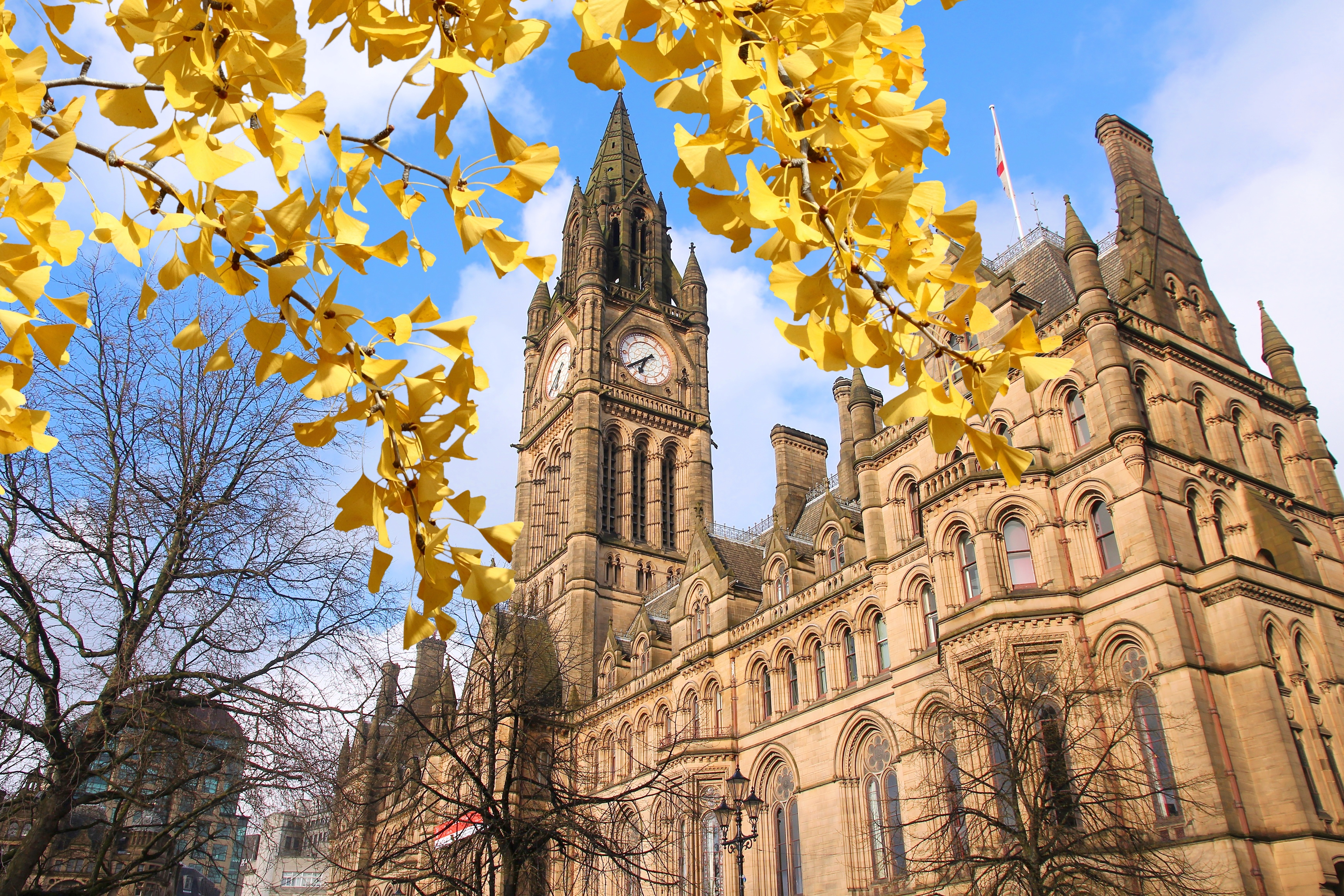
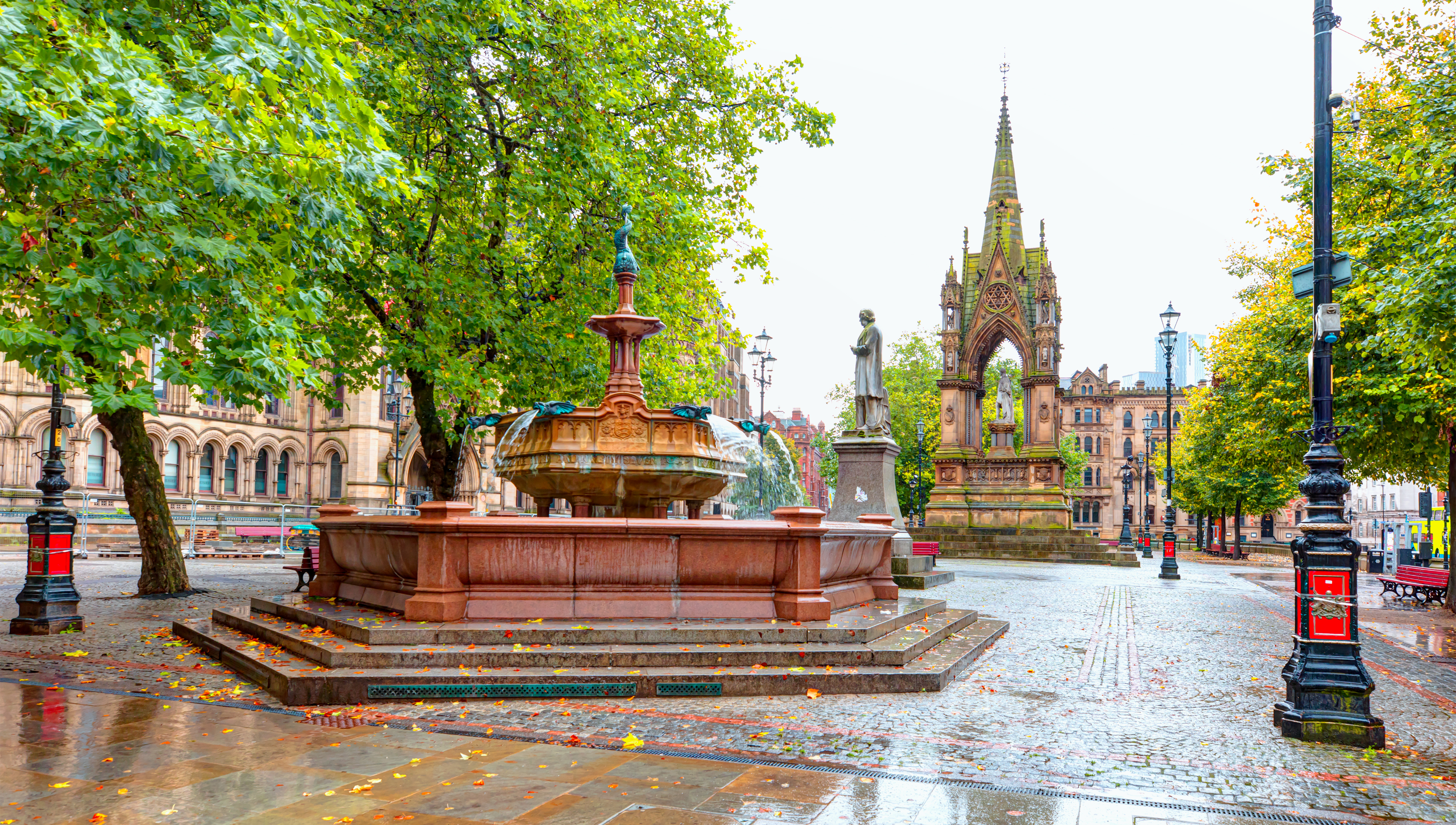
Manchester Town Hall
Neo-Gothic masterpiece on Albert Square, designed by Alfred Waterhouse and opened in 1877. The building is closed for major restoration, but the exterior, clock tower, and square make it one of the city’s defining landmarks.
Time needed: About 45 minutes
Entry: Free to view from Albert Square; interior access is currently closed during restoration works and special opening dates vary by programme. Visit the official site for details.
Tip: Go in daylight for the best view of the clock tower and stone detail.
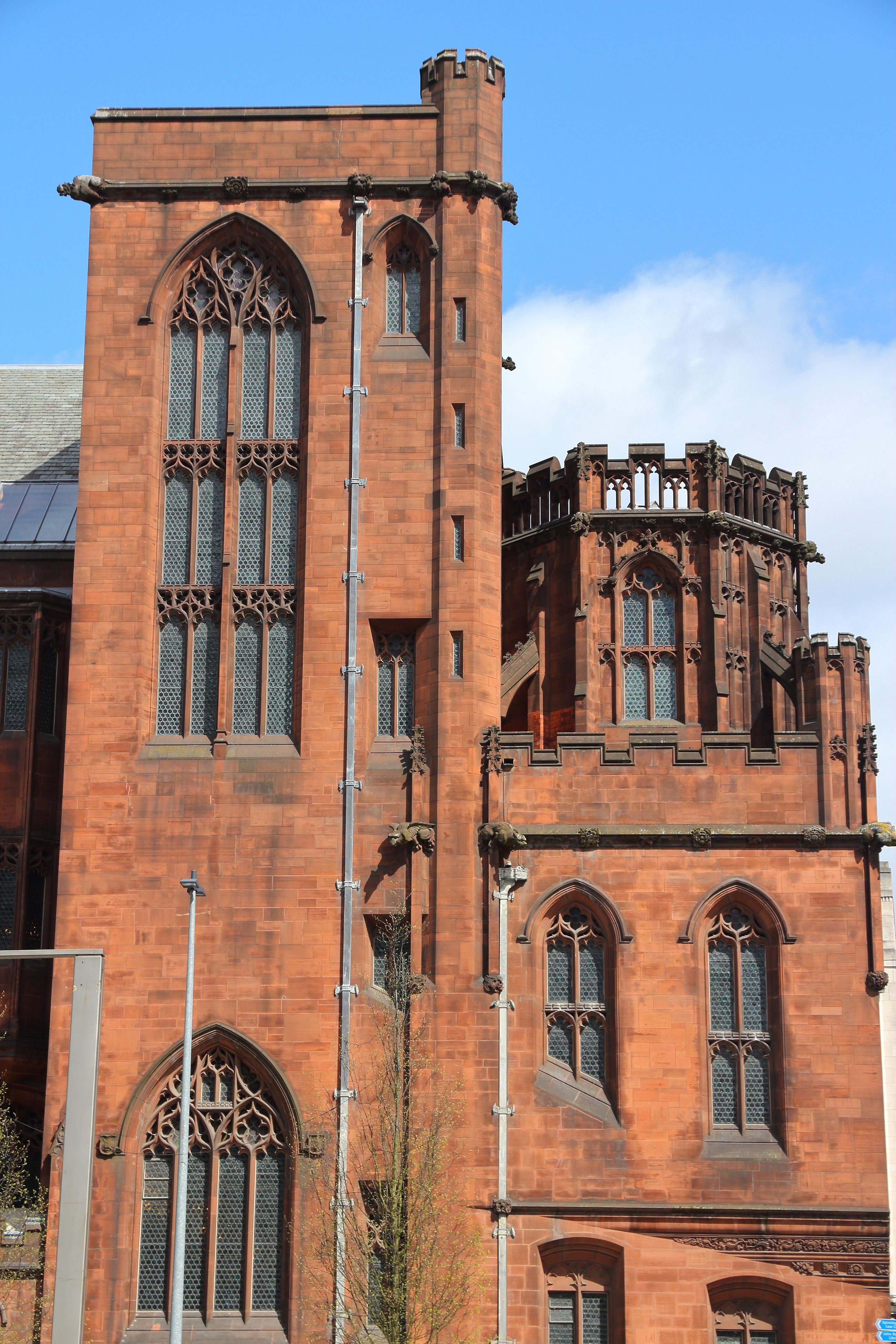
The John Rylands Library
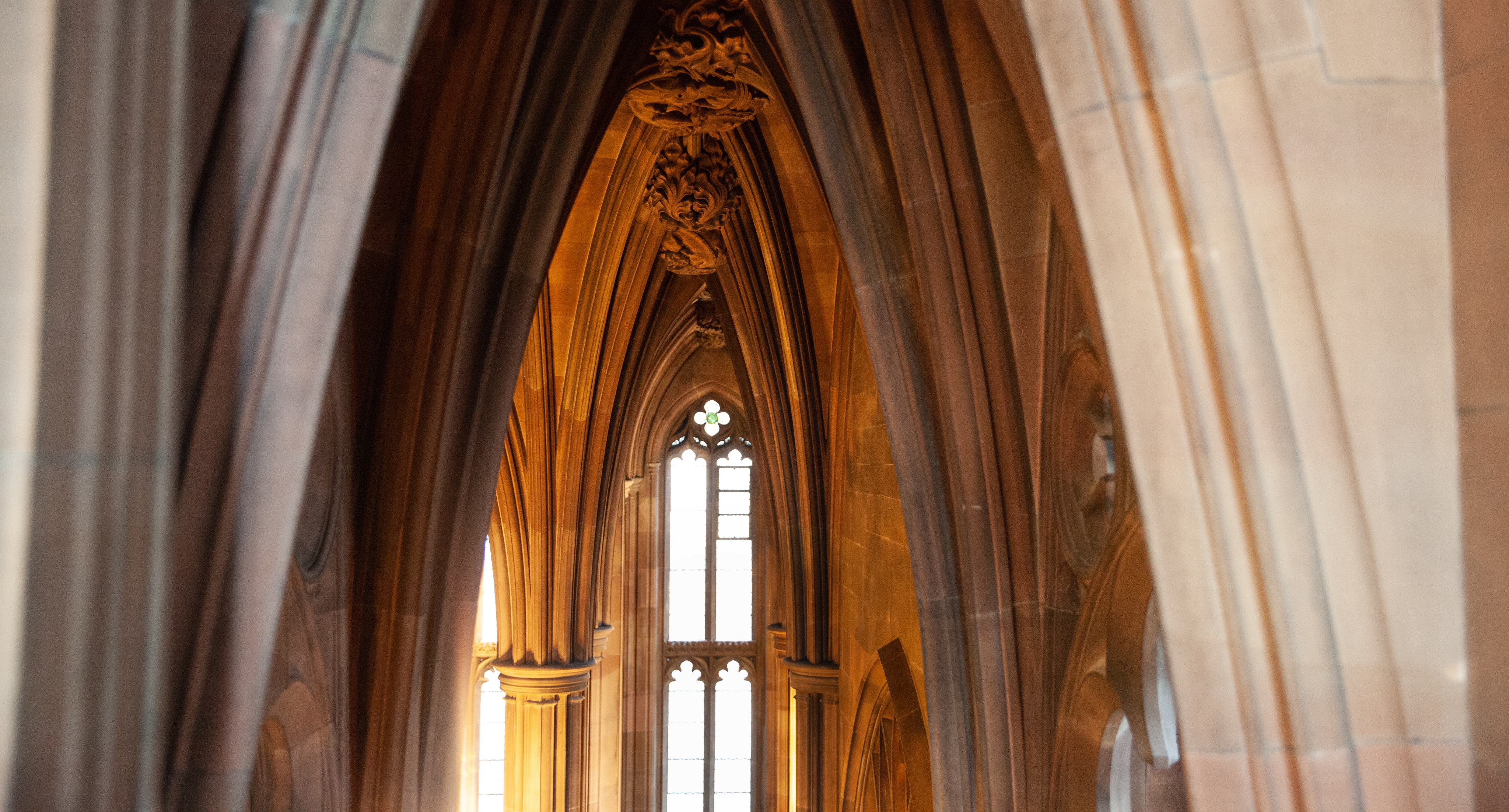
This late-Victorian neo-Gothic library on Deansgate houses rare books and manuscripts in a richly detailed reading room. Its carved stone exterior and stained glass make it a standout stop even before you enter.
Time needed: About 1 hour
Entry: Free to enter; donations are welcome, and some exhibition areas or study rooms may have separate access rules or timed restrictions. Visit the official site for details.
Tip: Visit in the morning for quieter galleries and clearer light through the glass.
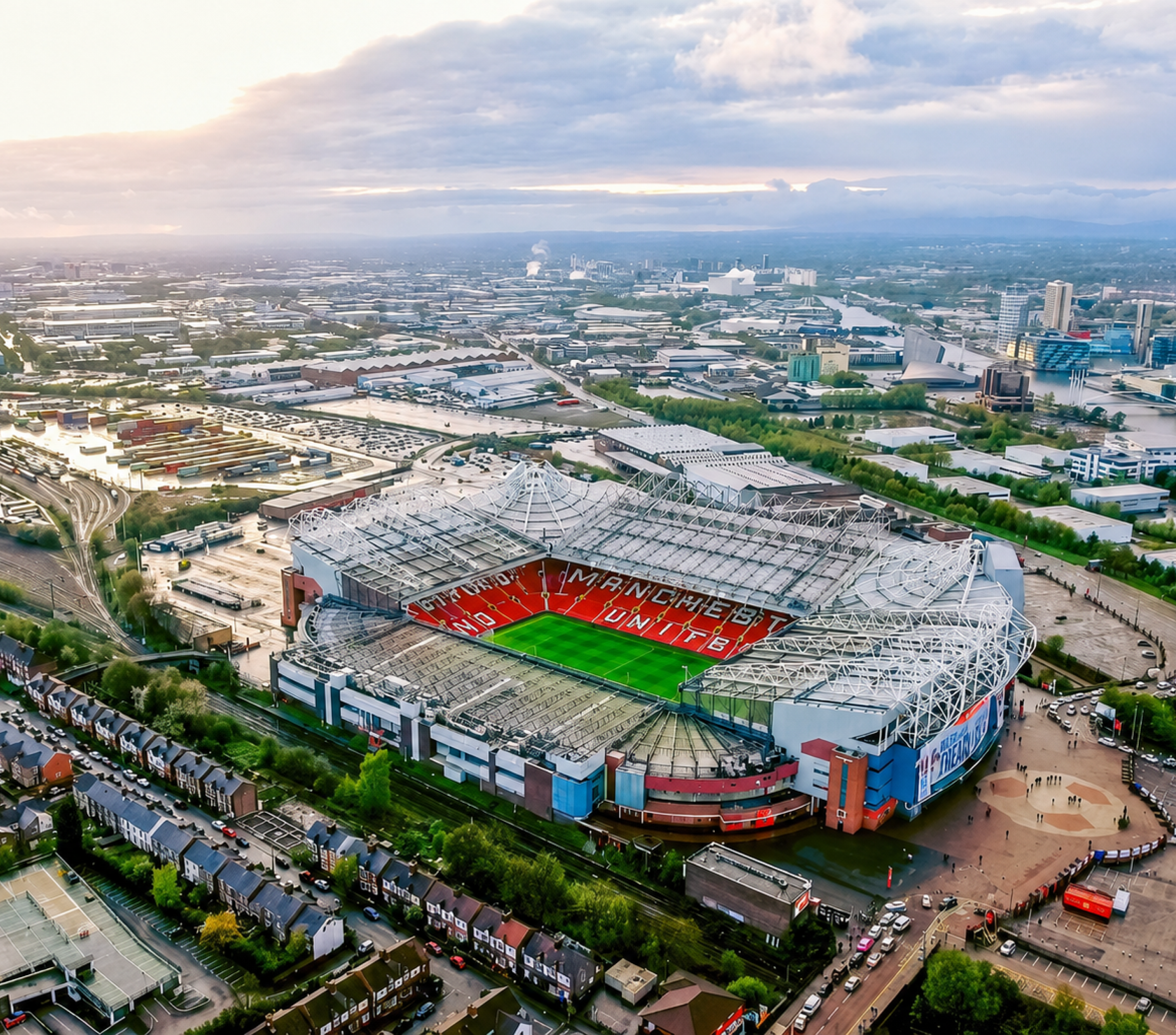
Old Trafford
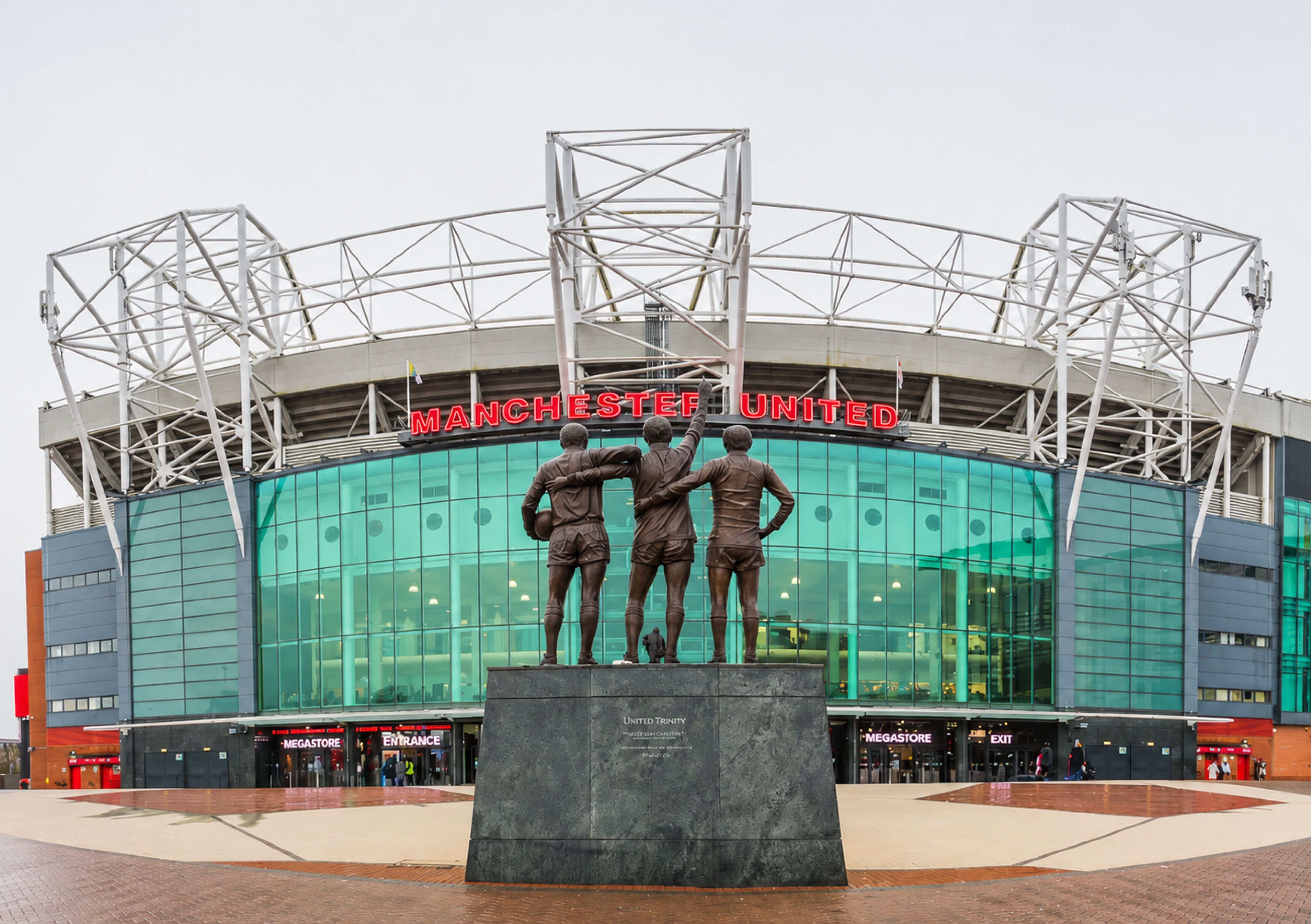
Manchester United’s historic stadium in Trafford opened in 1910 and seats about 74,000 fans. The ground tour shows the tunnel, changing rooms, and stands, while match days turn the whole area into a major event.
Time needed: About 2 to 3 hours
Entry: Stadium tours typically cost $31 to $43 (£25 to £34); match tickets vary by fixture, seating, and membership rules. Visit the official site for details.
Tip: Allow extra time on match days, when access and road closures can slow arrivals.
Overlooked sites worth visiting
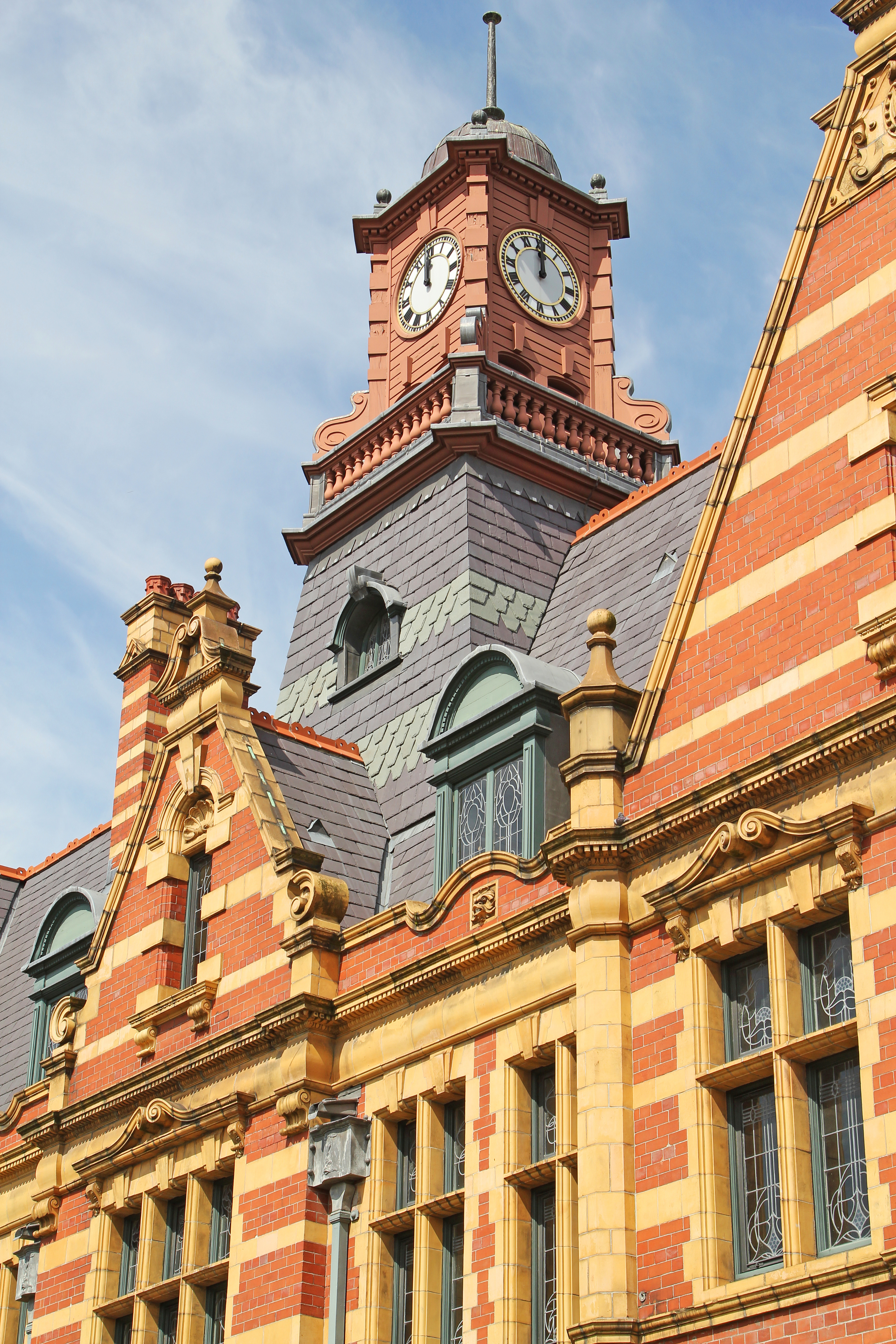
The Victoria Baths
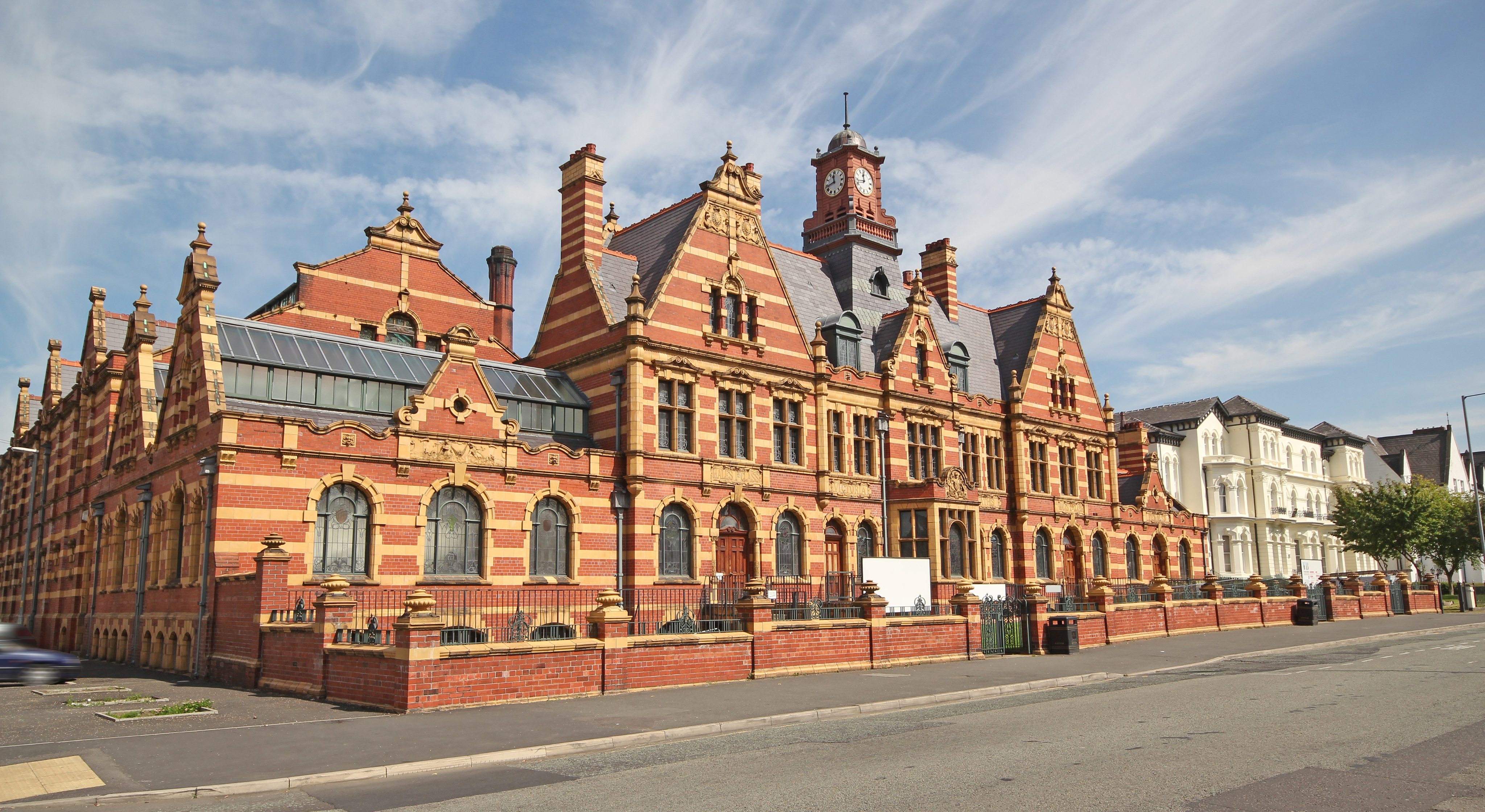
An Edwardian swimming complex with tiled Turkish, slipper, and laundry baths, plus stained glass and glazed brickwork. Guided open days reveal the empty pools and the restoration work in detail.
Time needed: About 1 to 1.5 hours
Entry: Admission is usually $9 to $14 (£7 to £11), with event days and guided open days priced separately. Check the calendar for current access, as openings are limited and some areas may close during conservation work. Visit the official site for details.
Tip: Go on an open day for access to the main pool halls.
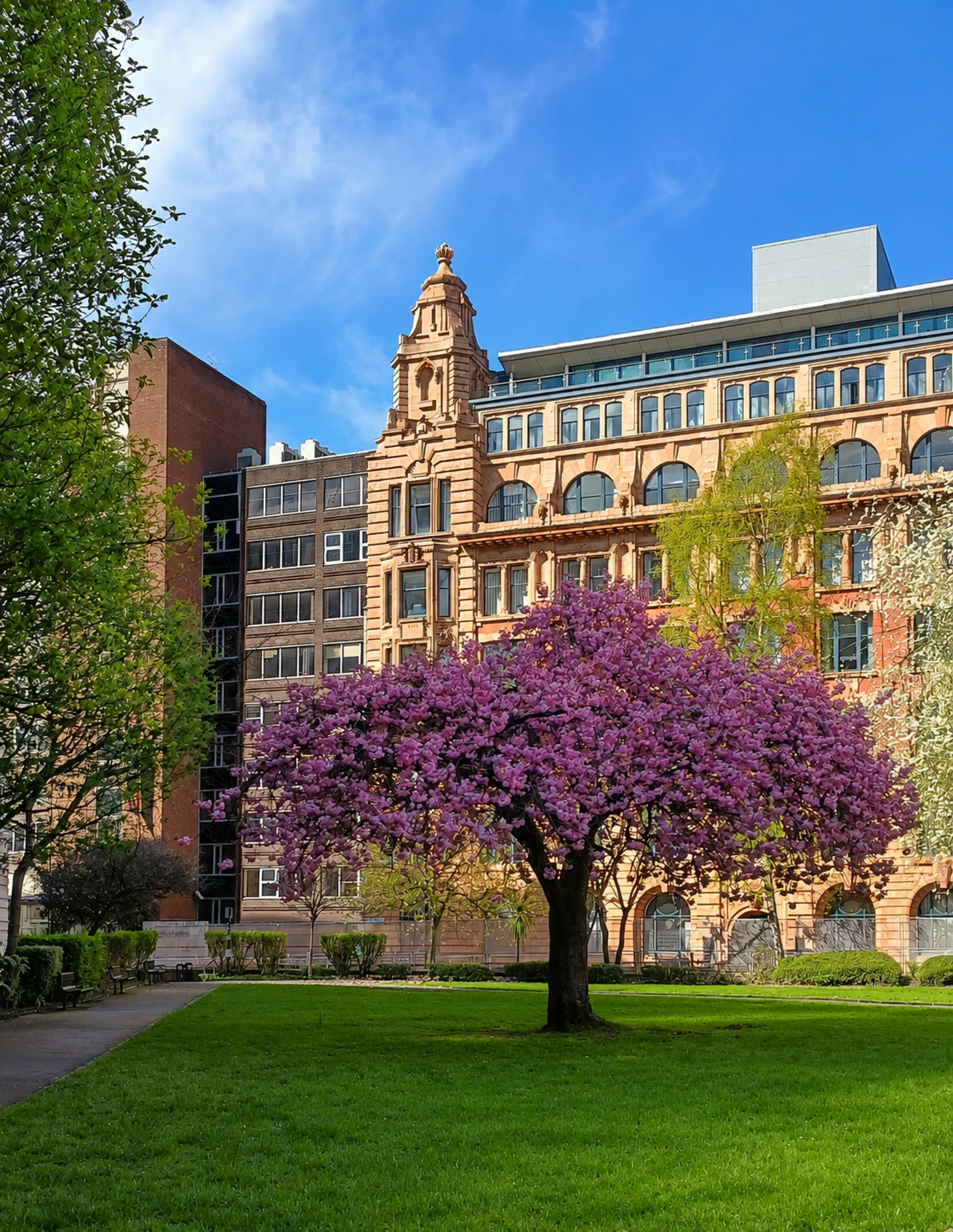
Parsonage Gardens
A small Georgian garden tucked beside Deansgate, with clipped lawns, mature trees, and the churchyard of St John’s. It gives a quiet break from central streets without leaving the city center.
Time needed: About 30 to 45 minutes
Entry: Free to access. The garden is open to the public during daytime hours, and there is no admission charge for a short visit. It suits a quick stop between Deansgate, Spinningfields, and nearby museums.
Tip: Visit in late afternoon for softer light through the trees.
Traditional food

Manchester’s table leans on Lancashire roots, with black pudding, hotpot, and fruit-filled bakes built around beef, oats, potatoes, and sharp, savory-sweet flavors. Pub rooms and modern kitchens both keep the city well fed.
Bury black pudding
A dense, peppery sausage made with oats and spice, usually served at breakfast or alongside pub dishes. The leading Manchester stop is Bury Market, where several butchers sell it freshly made.
Lancashire hotpot
This slow-baked lamb, onion, and potato dish suits Manchester’s northern pub tradition, especially in cooler weather. The canonical city-center pick is The Old Wellington, where it fits the room’s classic menu.
Eccles cake
A small, flaky pastry filled with currants and spice, best with tea or coffee after a walk through the center. Try it at Patisserie Valerie Manchester, which regularly stocks the style in an accessible city-center setting.
Manchester tart
Custard, raspberry jam, and coconut give this local tart its sweet finish, making it a familiar cafe counter choice. Richoux Manchester is a solid canonical stop for a classic slice.
Best time to visit Manchester
Manchester changes more by temperature and rainfall than by dramatic seasonal swings, so the best time depends on whether you want milder walking weather, lighter crowds, or indoor-friendly days.
Best for: Parks, gardens, and city walks before summer crowds thicken
What you get: About 43 to 60°F (6 to 16°C), with moderate crowds and frequent rain showers
Trade-offs: You still need layers and a backup indoor plan
Best for: Long daylight, outdoor dining, and football-free sightseeing
What you get: About 54 to 70°F (12 to 21°C), with the busiest hotel demand and more visitors on weekends
Trade-offs: Popular areas and event dates can push prices higher
Best for: Museum visits, food stops, and easy city-center walking
What you get: About 45 to 61°F (7 to 16°C), with thinner crowds after the summer peak
Trade-offs: Rain and shorter days return quickly
Best for: Indoor architecture, library visits, and pub meals
What you get: About 36 to 47°F (2 to 8°C), with lighter daytime crowds and cold, wet weather
Trade-offs: Short daylight limits the time you want to spend outdoors
A realistic 5-day plan in Manchester
A five-day Manchester stay works best when each day has one clear center of gravity. The plan below starts with arrival, then moves through the civic core, Old Trafford, the Victoria Baths, and a final circuit that keeps departure day easy.
Land at Manchester (MAN), then take the Airport Line tram into the city center in about 25 to 30 minutes for roughly $4 to $6 (£3 to £5). If you want an easy first night, book near Piccadilly or in the Northern Quarter, where you can drop your bags, drink water, and eat something light on or just off Stevenson Square without crossing the whole city. For an earlier bedtime, stay close to Deansgate so the walk back stays short and the main rail links are close by.
Start at Manchester Town Hall on Albert Square, then walk about 8 minutes to The John Rylands Library on Deansgate for its stonework and reading room. From there, continue about 10 minutes on foot to Parsonage Gardens for a quieter pause before lunch in Spinningfields, which sits only a few minutes away. In the afternoon, return toward the city core for shopping and a slow look at the streets around Deansgate, then settle back in the Northern Quarter for dinner and a relaxed evening.
Begin with a tram ride or taxi across to Old Trafford, where the stadium tour takes about 2 to 3 hours and works best before the afternoon crowds build. Afterward, ride back toward central Manchester, about 20 to 25 minutes by tram, and finish the day in the city center with an unhurried dinner near Deansgate or the Northern Quarter. If you want a shorter football day, pair Old Trafford with a late coffee stop in Spinningfields before heading back to your hotel.
A visit to The Victoria Baths gives this day its focus, and the trip there takes about 15 to 20 minutes by taxi or about 25 to 30 minutes by public transit from the city center. Book an open day if possible, then spend 1 to 1.5 hours with the tiled pool halls, stained glass, and restoration details before heading back downtown. Later, return to the Northern Quarter for independent shops, record stores, and a final dinner within easy reach of Piccadilly.
Manchester’s last day works well as a slower circuit: start with a final museum stop at The John Rylands Library if you missed it earlier, then spend the middle of the day shopping in Spinningfields or along Deansgate, where the center stays easy to cover on foot. Finish with coffee in the Northern Quarter, where you can sit down near the independent cafes before collecting bags and heading to Manchester (MAN).
Business-class flights from the US to Manchester
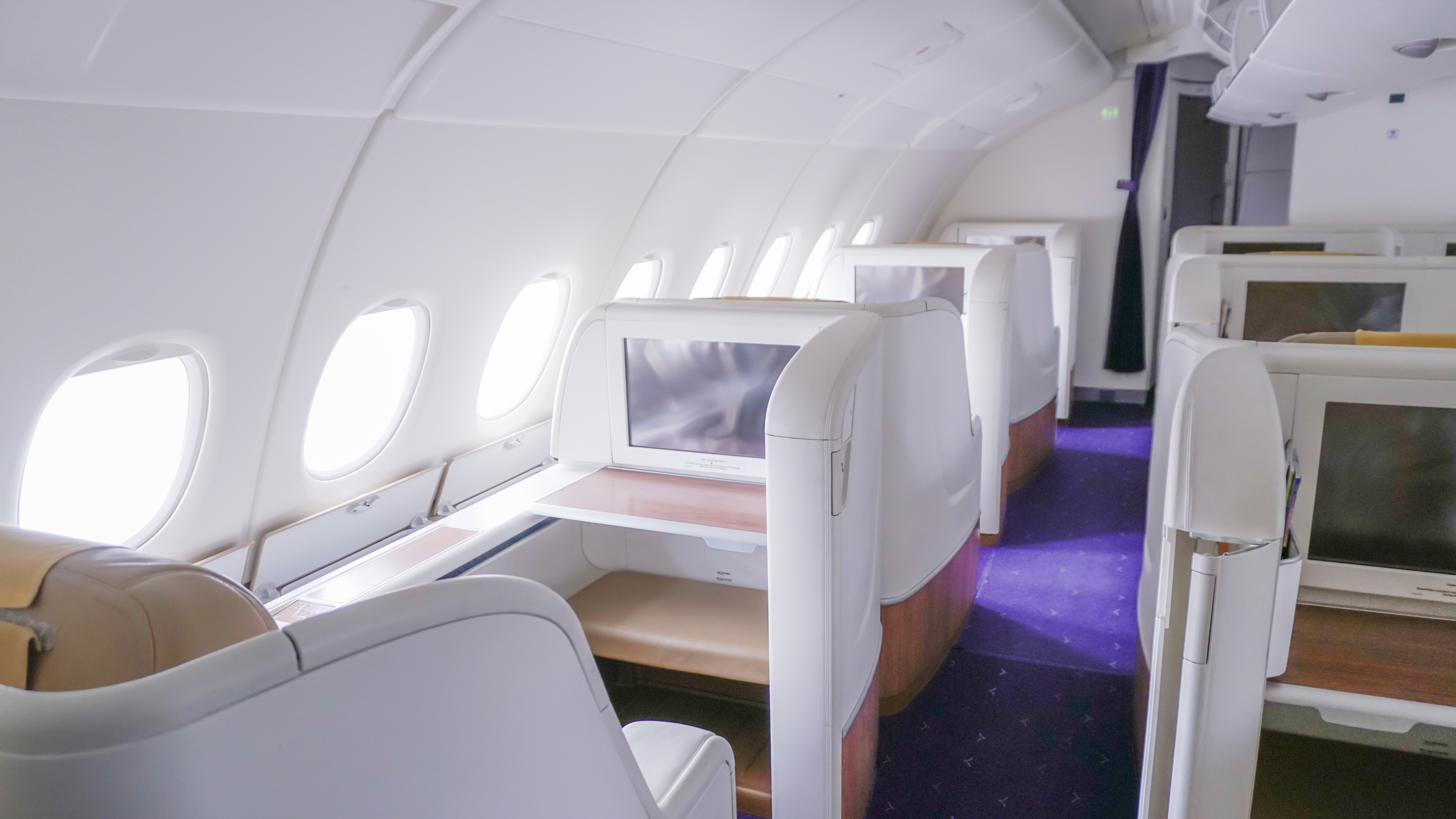
For long-haul flights into Manchester, one-stop itineraries are the norm from both coasts of the US. The best options depend on whether you are routing from New York or Los Angeles and how much time you want to spend in transit.
Air France, British Airways, Delta Air Lines, Lufthansa, and Virgin Atlantic all appear on common New York departures, and nonstop service takes about 7 to 8 hours when available. If you are willing to connect, typical stops via LHR, CDG, DUB, FRA, or AMS bring total travel time to about 10 to 14 hours and often lower the fare, with round-trip prices usually starting from $2,200 and reaching about $5,500.
From Los Angeles, itineraries usually run one stop, often through AMS, CDG, FRA, LHR, or DOH, and total travel time lands about 13 to 18 hours. Air France, British Airways, Delta Air Lines, Lufthansa, and Virgin Atlantic all show up on common options, with round-trip fares generally from $2,600 to $6,200 and higher summer or holiday pricing common.
Manchester feels different when you slow down
A well-shaped Manchester trip gives each district its own job, whether that means Albert Square and Deansgate in the center, Old Trafford in the west, or the Northern Quarter after dark. The tram, rail links, and short walks do the work between them, while the city’s food adds a local thread at lunch and dinner. If you want help matching flights, neighborhoods, and timing, the AranGrant experts can build the route around your dates







