

Chapters:

Need help with your trip?
Our support team is available 24/7. Request a callback or call us directly at (833) 619-0908
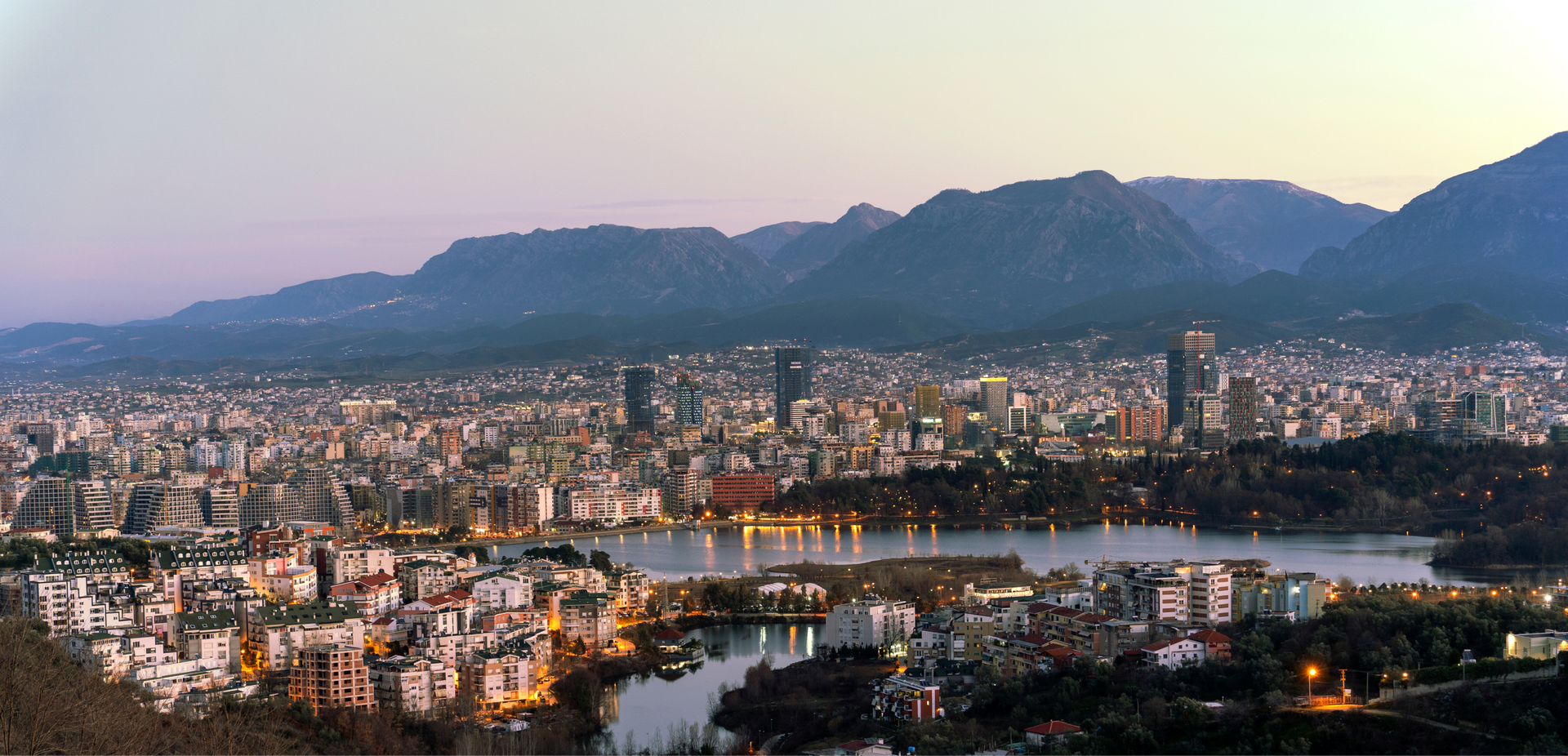
Tirana often gets treated as a quick stop between Balkan capitals, with a museum circuit around Skanderbeg Square, one dinner in Blloku, and little else. Travelers then miss how much the city changes block by block, from civic monuments to former bunkers and market streets.
That skimmed approach leaves gaps. Distances look short on a map, but a warm afternoon, a busy crossing, or a hill transfer can slow the day. If you do not plan the order well, you spend time backtracking instead of seeing more.
This guide sets out a clearer sequence for arrival, sights, food, and transport, so each day builds on the last rather than folding into the same central loop.
Useful things to know
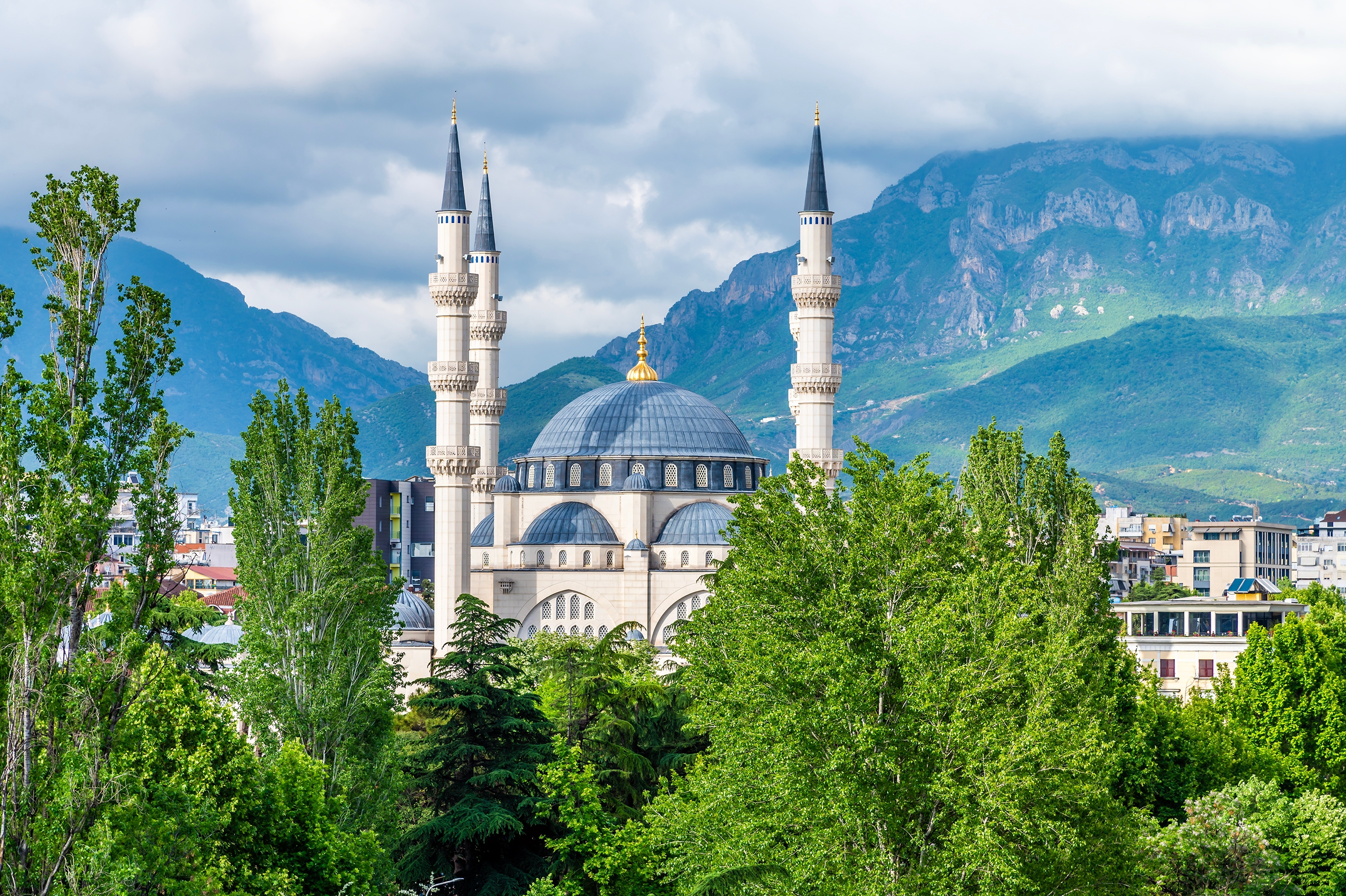

Main language(s): Albanian
Përshëndetje (per-shen-DEH-tyeh) – Hello
Ju lutem (yoo LOO-tem) – Please
Faleminderit (fa-leem-in-DEH-reet) – Thank you
A flisni anglisht? (ah FLEE-snee ahn-GLISHT) – Do you speak English?
Sa kushton? (sah koosh-TOHN) – How much does it cost?

Currency: The local currency is the Albanian lek (ALL, L).

Cash and cards: Cards and contactless are widely accepted, but keep about ALL 2,000 to 5,000 (€20 to €50) in cash for taxis, markets, and small cafés.

Tipping: Round up small bills; add about 5-10% in restaurants if service was good.

Traditional food: Tavë kosi, fërgesë, byrek, qofte

Water and coffee costs: Water ~ALL 100 to 200 ($1 to $2), bar espresso ~ALL 100 to 150 ($1 to $2).

Taxis and ride apps: Uber and the local app Speed Taxi operate here; confirm the fare before you ride.

Plug and voltage: Type C/F socket, 230V

Dining and shop opening hours: Breakfast is about 07:00-10:00, lunch 12:00-15:00, and dinner 19:00-22:00. Many cafes stay open late; some restaurants close earlier outside the center.

Emergency number: 112 for police, fire, and ambulance.
Where to stay in Tirana
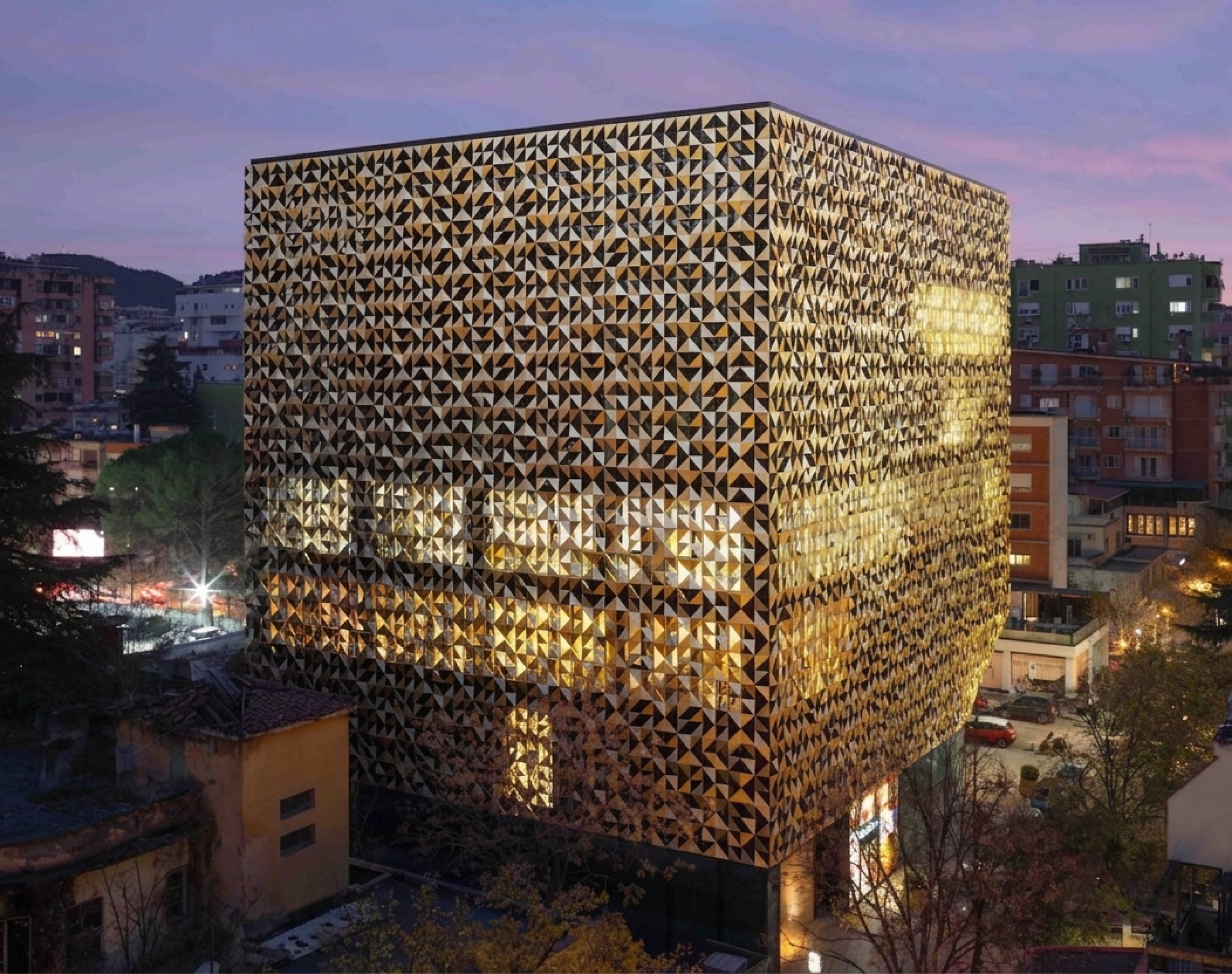
Tirana’s best-known central district, once closed to most locals and now packed with cafes, bars, and design-forward hotels. It puts you within an easy walk of the main boulevards and the city center, so you can balance daytime sightseeing with late dinners.
Best for: Nightlife, restaurant hopping, and visitors who want to stay in the liveliest central part of Tirana
What to expect: Busy sidewalks, late-opening venues, and steady evening traffic, with more pedestrian energy than older residential streets.
Hotel prices: Usually about $90 to $180 per night for well-rated stays
Distance to major sights: About 10 to 15 minutes on foot to Skanderbeg Square, roughly 20 minutes on foot to the National History Museum
Quietness: Daytime is active and busy, while evenings stay lively and can be noisy near bars and main streets.
Main trade-off: Room rates rise here, and weekend noise can carry late into the night.
Good to know: If you plan to sleep early, choose a side street or a hotel with soundproofing, because the busiest blocks stay active after midnight.
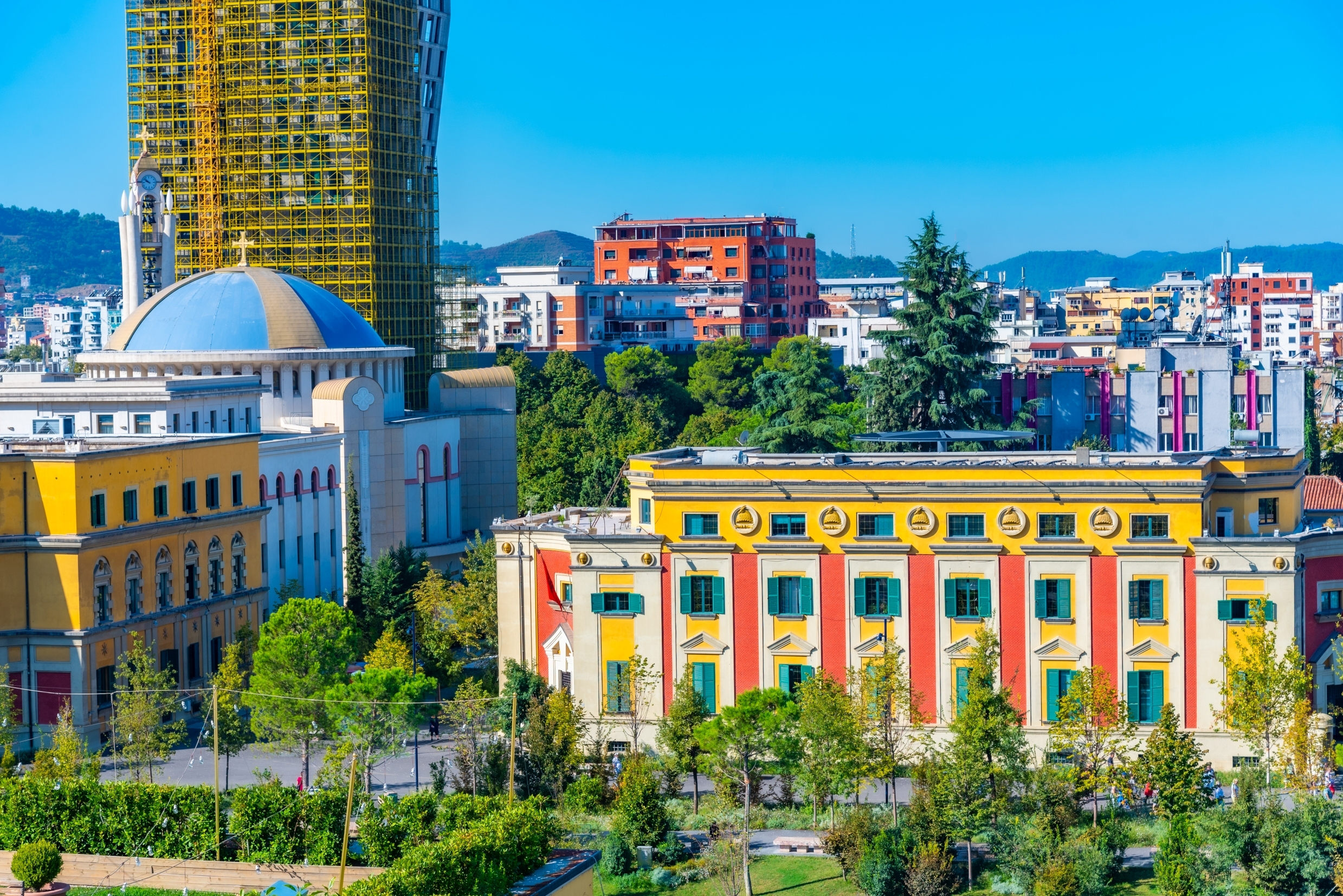
The area around Skanderbeg Square and the main civic streets is the most convenient base for museums, government buildings, and guided city sightseeing. Staying here trims transit time for nearly every standard stop in Tirana, which matters if your visit is short.
Best for: First-time visits, museum stops, and travelers who want the easiest access to central sights
What to expect: Tour groups, steady foot traffic, and a mix of offices, cafes, and major landmarks rather than a nightlife scene.
Hotel prices: Usually about $70 to $150 per night for well-rated stays
Distance to major sights: On foot, 0 to 5 minutes to Skanderbeg Square and about 10 minutes to the National History Museum
Quietness: Quieter in the evening once offices close, with more daytime movement near the square and surrounding streets.
Main trade-off: You gain convenience, but the most characterful dinner and bar options sit farther south in Blloku.
Good to know: Choose this if you want to walk back after museum visits and skip extra taxi rides.
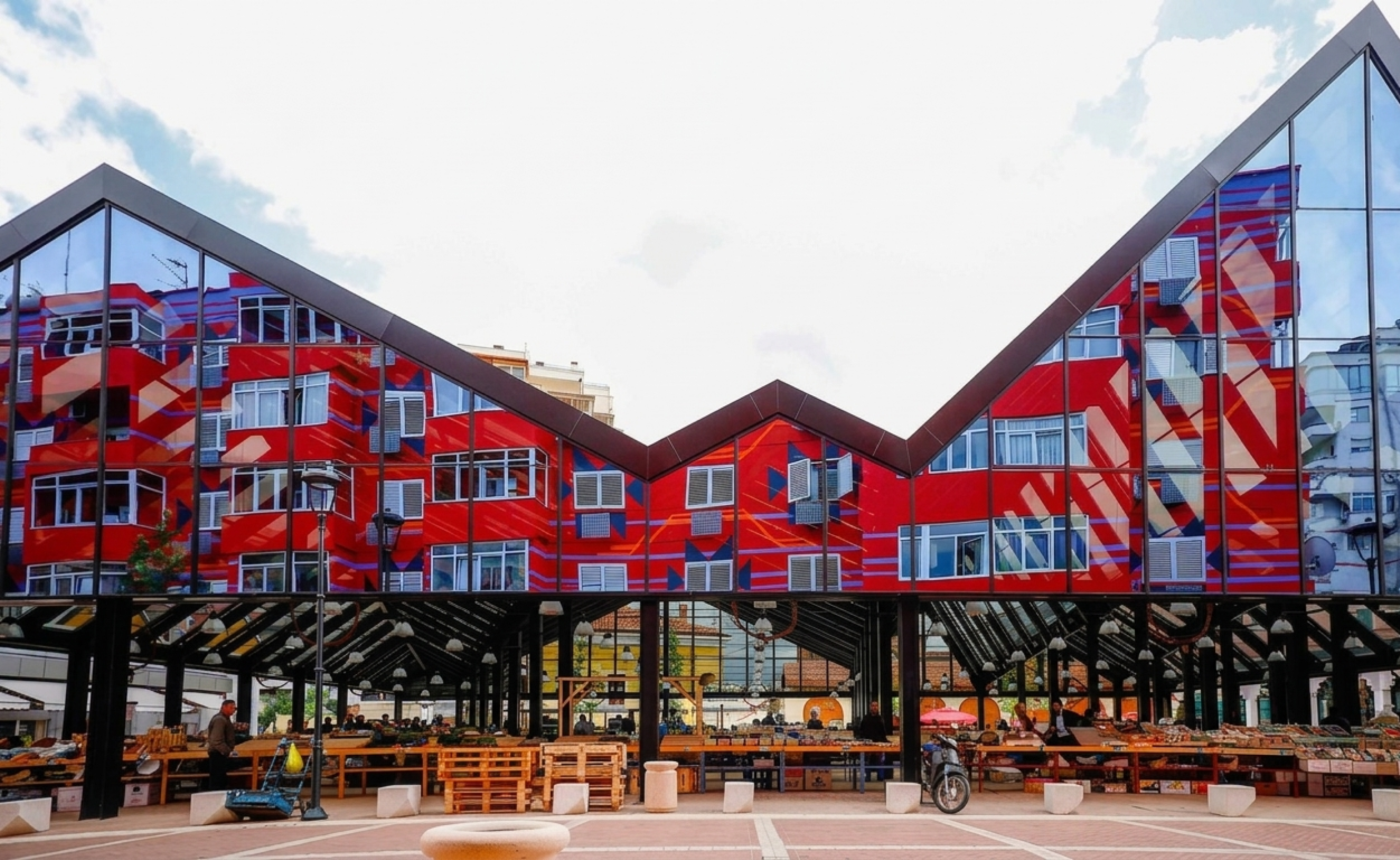
Pazari i Ri centers on Tirana’s rebuilt market, with produce stalls, casual restaurants, and newer apartment blocks. It works well for travelers who want a neighborhood with daily local activity and an easy walk to the old core.
Best for: Food-focused stays, market browsing, and travelers who want a neighborhood feel near the center
What to expect: Active mornings, restaurant spillover in the evening, and moderate foot traffic without the late-night pace of Blloku.
Hotel prices: Usually about $60 to $120 per night for well-rated stays
Distance to major sights: About 10 minutes on foot to Skanderbeg Square and roughly 15 minutes on foot to the National History Museum
Quietness: Busier during the day, then calmer at night once the market closes and restaurants thin out.
Main trade-off: The area offers fewer upscale hotels, so your choices can be narrower than in the central boulevard zone.
Good to know: If you value mornings over nightlife, this area makes it easy to start the day at the market and still walk downtown.
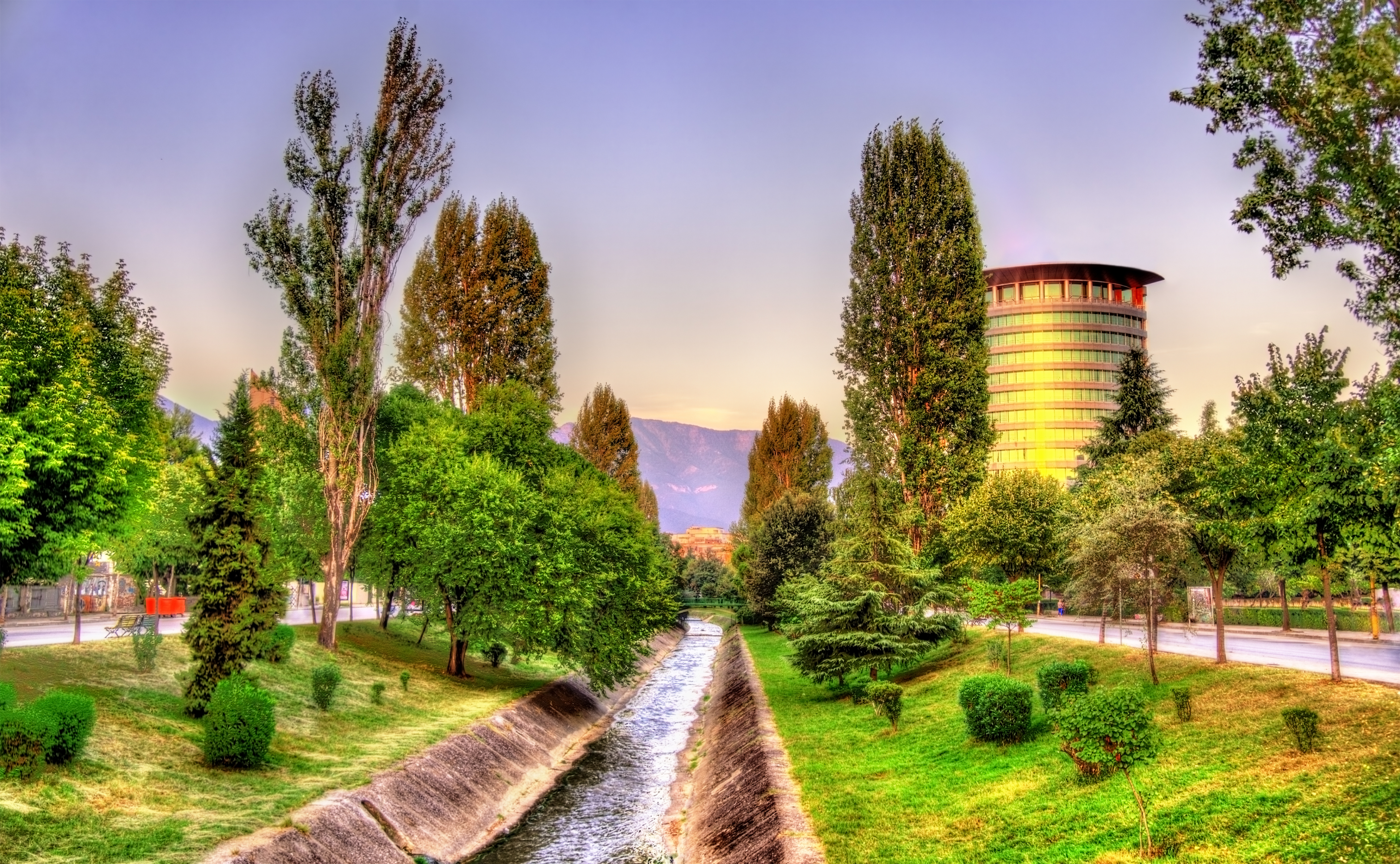
The Lana corridor follows the river channel south of the center, with newer apartment towers, embassies, and midrange hotels. It suits visitors who want a slightly more residential base while staying close to the main central districts.
Best for: Longer stays, business trips, and travelers who want a calmer central base with quick access to Blloku
What to expect: Broad avenues, car traffic, and a more residential street pattern, with fewer sightseeing crowds outside peak hours.
Hotel prices: Usually about $55 to $130 per night for well-rated stays
Distance to major sights: About 15 to 20 minutes on foot to Skanderbeg Square and roughly 10 minutes on foot to Blloku
Quietness: Quieter by evening than Blloku, though major roads stay active with traffic most of the day.
Main trade-off: You will likely walk a little farther for the main sights, and the area has less evening atmosphere on its own.
Good to know: Check the exact street before booking, since rooms facing the main roads can hear more traffic than you may expect.
Travelers usually avoid staying in Kashar, Vorë, and the industrial edges of Kombinat, since they sit far from Skanderbeg Square, Blloku, and the main museum area, and evening trips back to the center take longer. Petrelë is also less convenient for a city stay, because it is more of a hill village than a hotel base, with few visitor amenities and limited late-night transport.
Hotel deals
How to get around Tirana efficiently
Tirana has no metro or suburban rail, so most visitors pair walking in the center with city buses, taxis, or a ride app when they move between districts.

Rinas Express
for airport transfer
Tirana has no metro or suburban rail network, so there is no rail alternative for local trips from Tirana Airport (TIA). For city travel, visitors rely on buses, taxis, and walking in the center.

Bus
for convenience
City buses cover central Tirana and the main arteries, with fares typically about $0.25 to $0.40 (25 to 40 lek) per ride, paid in cash on board. Services can be crowded and stops are not always clearly marked, so confirm the route with the driver or conductor before boarding.

Taxi
for convenience or late hours
Licensed taxis use meters in the city, and a trip from Tirana Airport (TIA) to central Tirana usually costs about $17 to $25, depending on traffic and the company. Expect lower daytime fares within the center and slightly higher late at night; most licensed cabs accept cash, and some also take cards or mobile payment, so ask before you set off.
*Prices are based on rates updated as of June 2026 and may change at the time of travel.
Use walking for the center, taxis for airport runs and cross-town moves, and buses only when the route matches your stop and you do not mind a less exact timetable.
Iconic landmarks
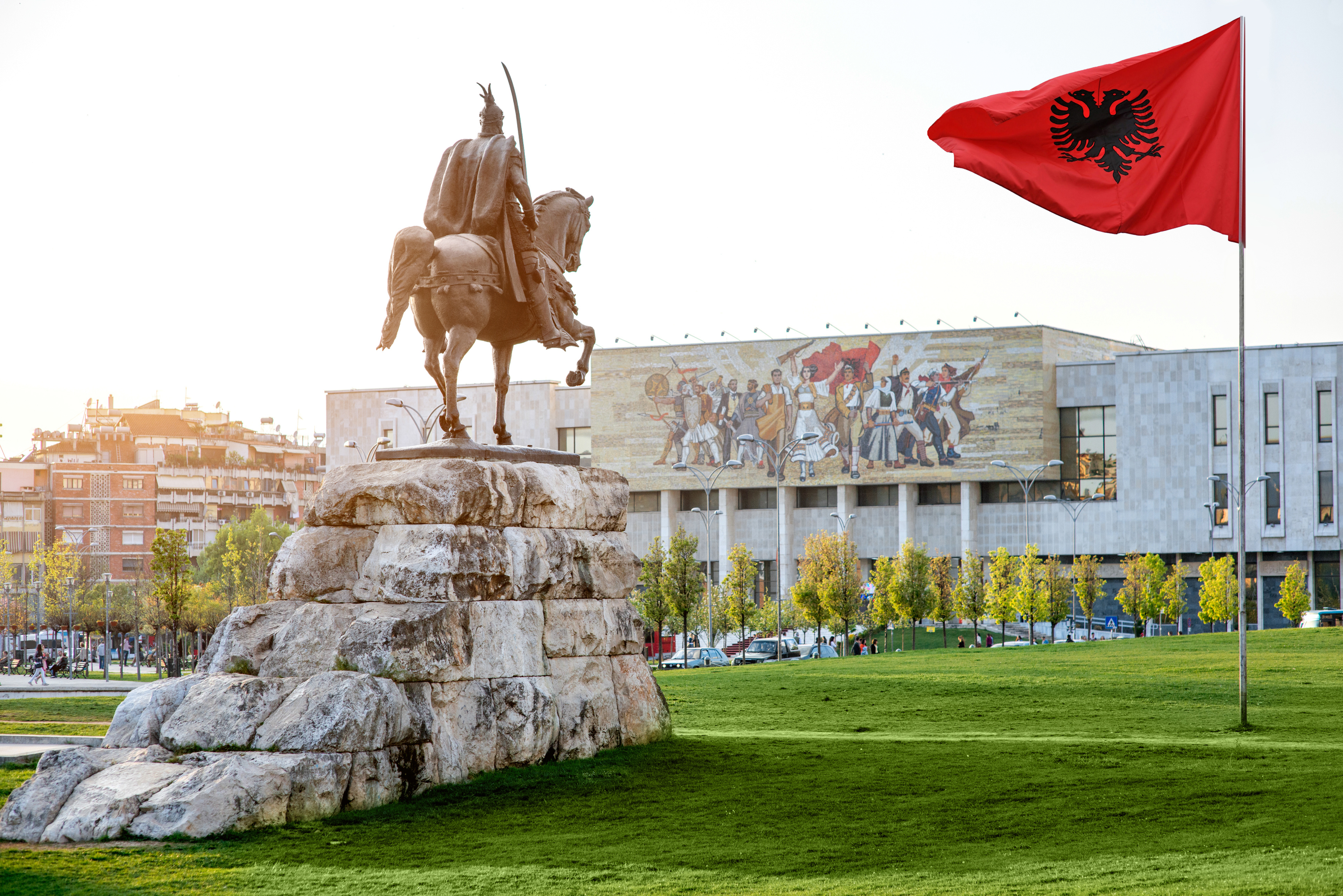
Skanderbeg Square
Tirana’s main square anchors the center with the Skanderbeg Monument, the National History Museum, the Et’hem Bey Mosque, and the Opera House on its edges. Its broad paving also hosts public events and city gatherings.
Time needed: About 45 minutes to 1 hour
Entry: Free to access, with no ticket required for the square itself; museum and monument interiors around it charge separately.
Tip: Go in late afternoon, when the paving, facades, and monument photograph best in side light.
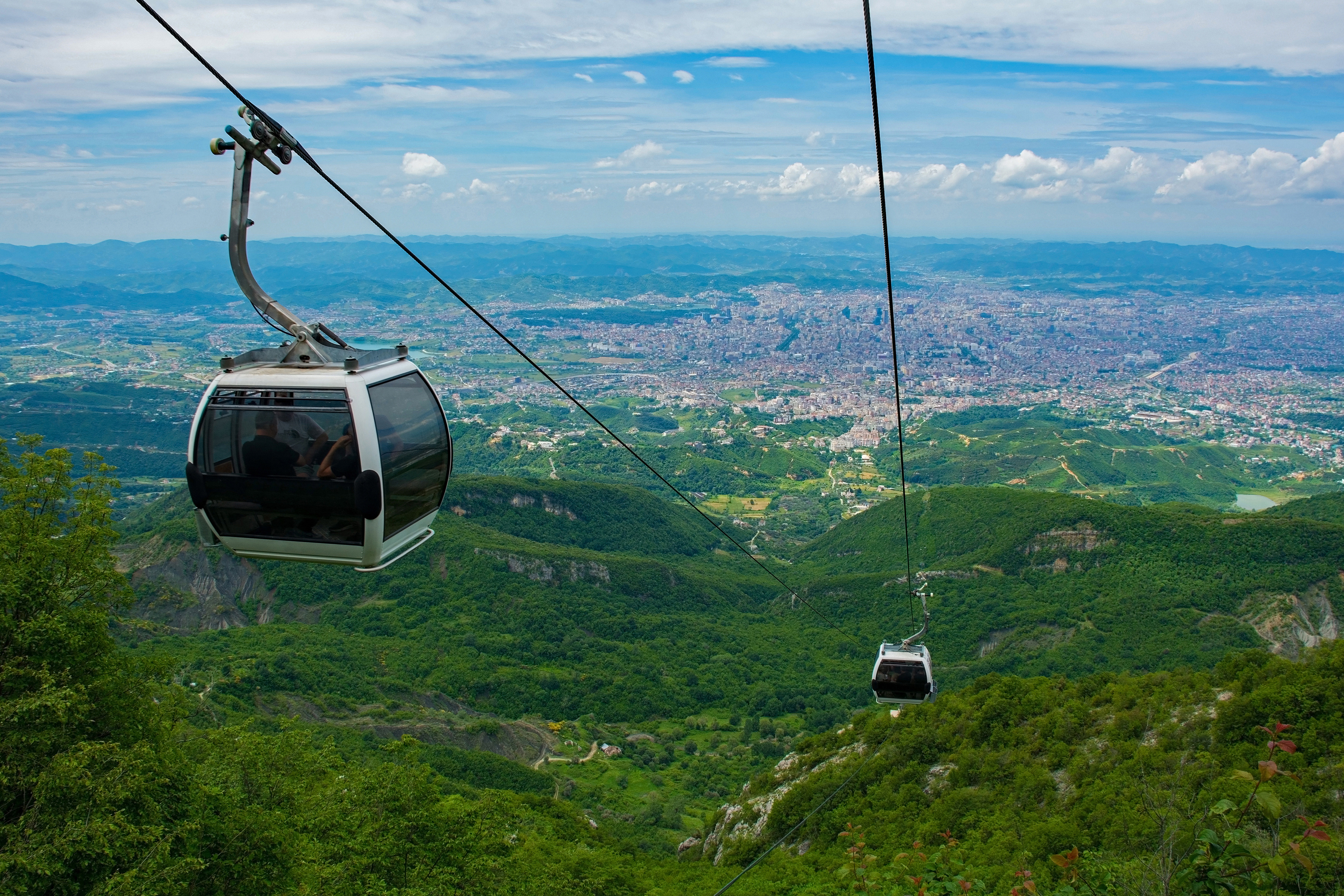
Dajti Ekspres cable car
The Dajti Ekspres rises from eastern Tirana to Mount Dajti, giving broad views over the city, the plain, and the surrounding hills. The ride reaches a mountain complex with trails, dining, and lookout points at the upper station.
Time needed: About 2 to 3 hours
Entry: Cable car tickets cost about $18 to $24 (1,800 to 2,400 ALL) round trip for adults, with lower prices for children and groups. Visit the official site for details.
Tip: Ride early on clear days, then linger at the top before haze builds over the plain.
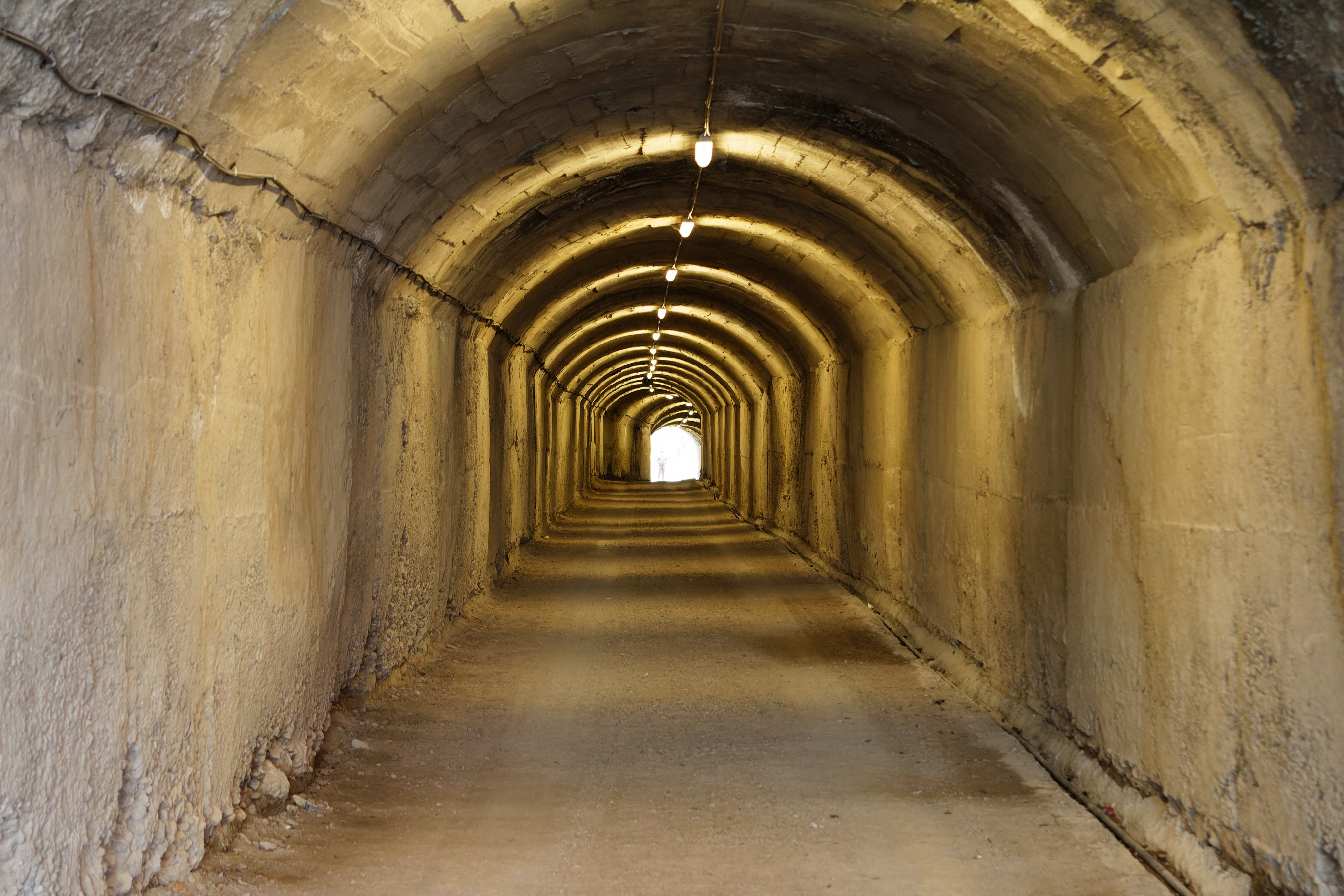
Bunk'Art 1
Bunk’Art 1 turns a Cold War-era bunker on Mount Dajti’s lower slopes into a museum on Albanian history, the communist period, and wartime defense. Long corridors, command rooms, and exhibits fill the concrete complex.
Time needed: About 1.5 to 2 hours
Entry: Adult tickets cost about $6 to $8 (600 to 800 ALL), with reduced prices for students and children; hours vary by season. Visit the official site for details.
Tip: Wear closed shoes and allow extra time, since the bunker covers a large underground circuit.
Overlooked sites worth visiting
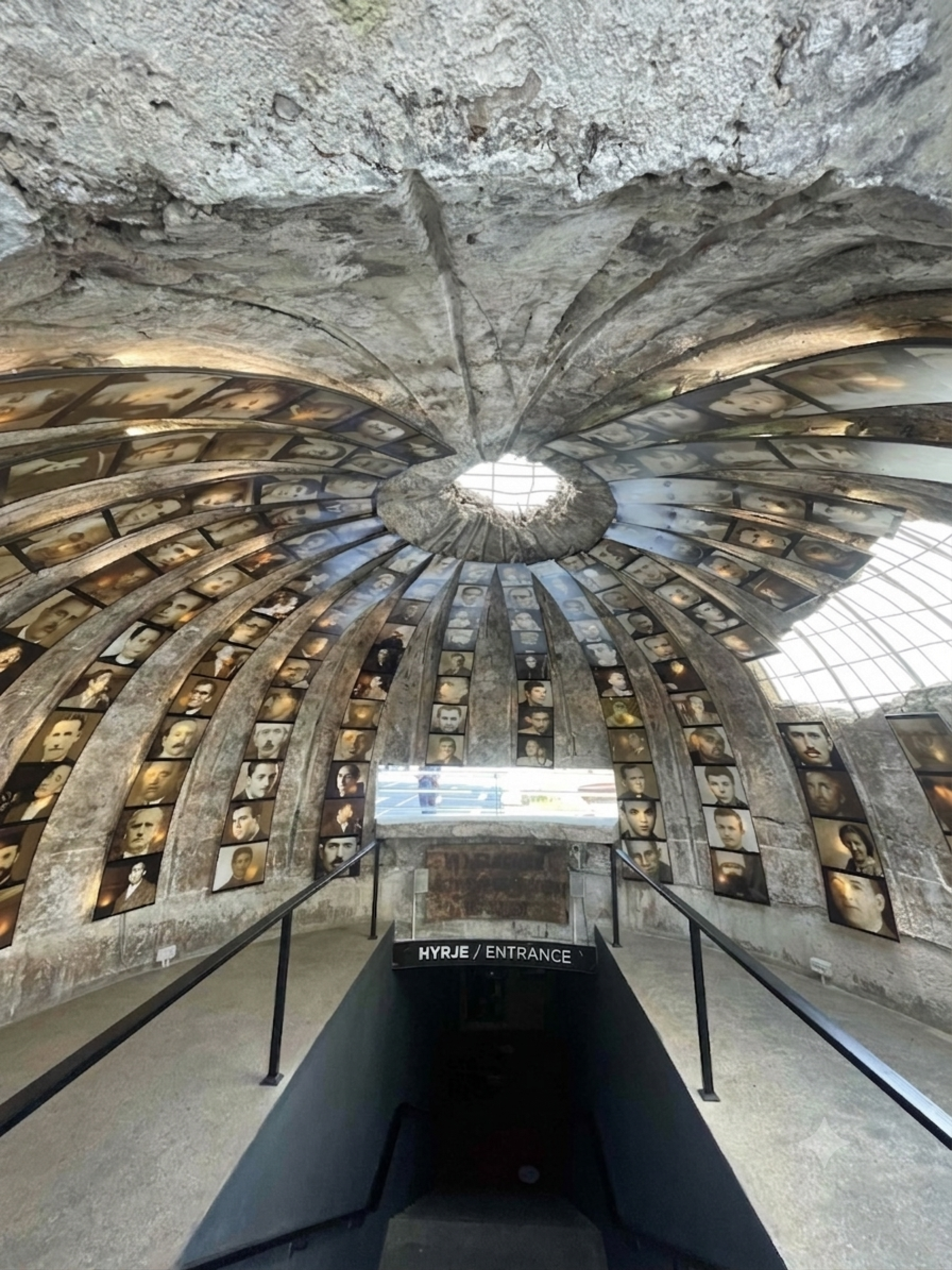
Bunk'Art 2
This underground museum occupies a former bunker beside Skanderbeg Square and traces Albania’s communist-era police and surveillance systems through original rooms, documents, and audio.
Time needed: About 1 to 1.5 hours
Entry: Tickets cost about $7 ($700) for adults, with discounts for students and children; the museum opens daily except Monday, and guided audio material is available on site for an extra fee. Visit the official site for details.
Tip: Go early to avoid tour groups and darker gallery crowds.

Tirana Mosaic
In the city’s northwestern edge, this Roman-era mosaic preserves villa floor fragments with geometric and animal motifs, plus traces of later Byzantine and Ottoman occupation nearby.
Time needed: About 30 to 45 minutes
Entry: Free to access; the site is open-air and ungated, with no ticket office, no timed admission, and no on-site amenities, so plan a short visit and bring water if you are pairing it with nearby walking.
Tip: Visit in morning light for clearer mosaic detail.
Traditional food
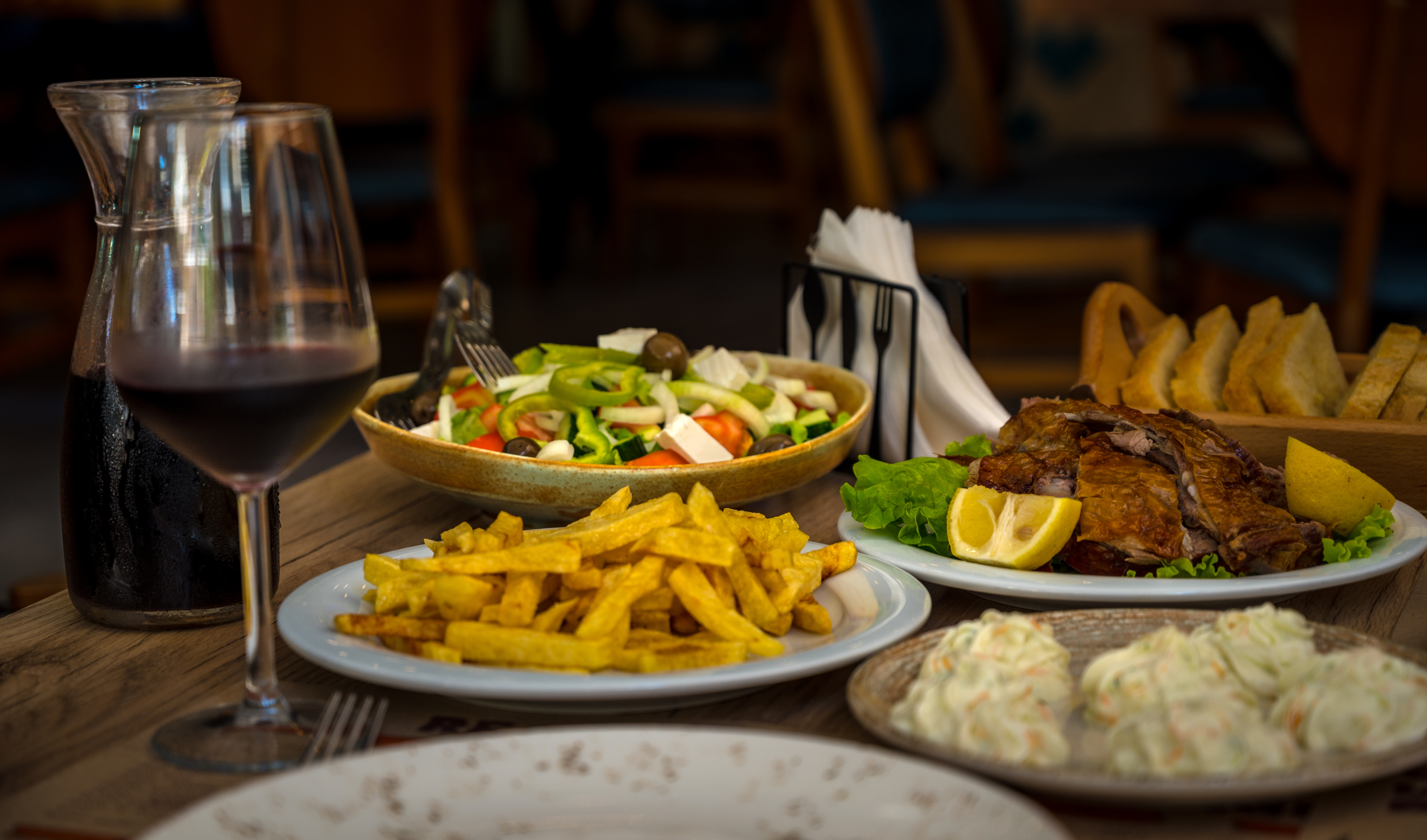
Tirana dining leans on lamb, dairy, peppers, and pastry, with tavë kosi, fërgesë, byrek, and qofte appearing from breakfast cafes to late dinners. Portions are generous, and many places keep service hours centered on the main meal times.
Tavë kosi
Baked lamb with yogurt and egg, tavë kosi is one of Tirana’s defining dishes, with a tangy top and rich baked base. Oda steps confidently into that role, and it is a strong place to order a classic version in the center.
Fërgesë
This baked mix of peppers, tomatoes, and cheese delivers a softer, more savory side of Albanian home cooking. Tradita Gegë Toskë in Tirana serves it in a setting that matches the dish’s traditional roots.
Byrek
Byrek appears across the city as a flaky filled pastry, often eaten for breakfast or a quick midday bite. Mullixhiu is a useful canonical stop for a well-made version rooted in Albanian ingredients.
Qofte
Qofte, the Albanian grilled meatball or patty, shows up on menus as an easy dinner order and pairs well with salad and bread. Era Vila is a dependable place to try it in a central, well-known setting.
Best time to visit Tirana
Tirana shifts from warm, busy shoulders of the season to hotter summers and quieter winters, so the best weeks depend on whether you want walking weather or lighter crowds.
Best for: Best for city walks, day trips, and clear café weather
What you get: Temperatures run about 48 to 75°F (9 to 24°C), with moderate crowds and active outdoor dining
Trade-offs: Rain can interrupt a few afternoons
Best for: Best for long evenings, rooftop dinners, and mountain escapes
What you get: Temperatures run about 68 to 93°F (20 to 34°C), with the busiest tourist flow and fuller restaurants
Trade-offs: Midday heat can make museum-hopping tiring
Best for: Best for balanced sightseeing and comfortable neighborhood walking
What you get: Temperatures run about 50 to 79°F (10 to 26°C), with steady but manageable visitor numbers
Trade-offs: Shorter days arrive by late season
Best for: Best for low-key museum time and lower room rates
What you get: Temperatures run about 34 to 52°F (1 to 11°C), with light crowds and slower evenings outside the center
Trade-offs: Cold rain can limit outdoor time
A realistic 5-day plan in Tirana
Five days in Tirana works well when you separate the center, the bunker museums, the Dajti cable car, and the market district instead of trying to stack everything into one long loop. The plan below keeps each day anchored to a clear part of the city.
Land at Tirana International Airport (TIA), then take a taxi into the center in about 25 to 35 minutes for roughly $20 to $30, depending on traffic and the hour. Aim for a room near Skanderbeg Square or in Blloku, so your first walk stays short, then rest, drink plenty of water, and have an easy dinner in Blloku where cafes and low-key restaurants stay open late.
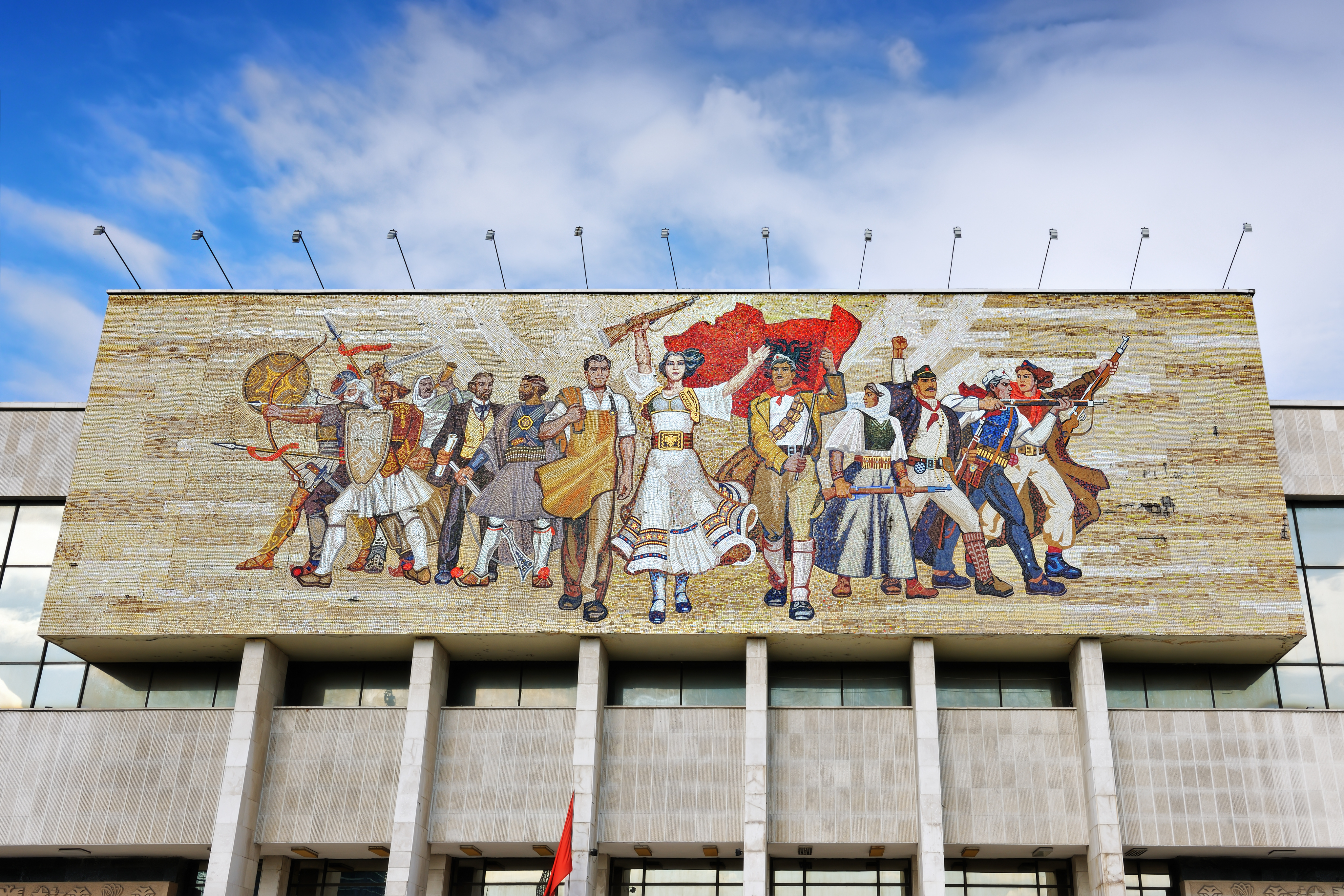
Begin at Skanderbeg Square in late morning, where the National History Museum, Et’hem Bey Mosque, and the Opera House sit within the same broad civic space; expect about 45 minutes to 1 hour here. From the square, walk about 10 minutes to Bunk’Art 2 for a deeper look at the communist era, then continue on foot or by a short taxi ride to Blloku for lunch and an afternoon cafe stop among its busy streets. After a break, return to Skanderbeg Square at sunset if you want better light on the paving and monuments, then finish with dinner back in Blloku.
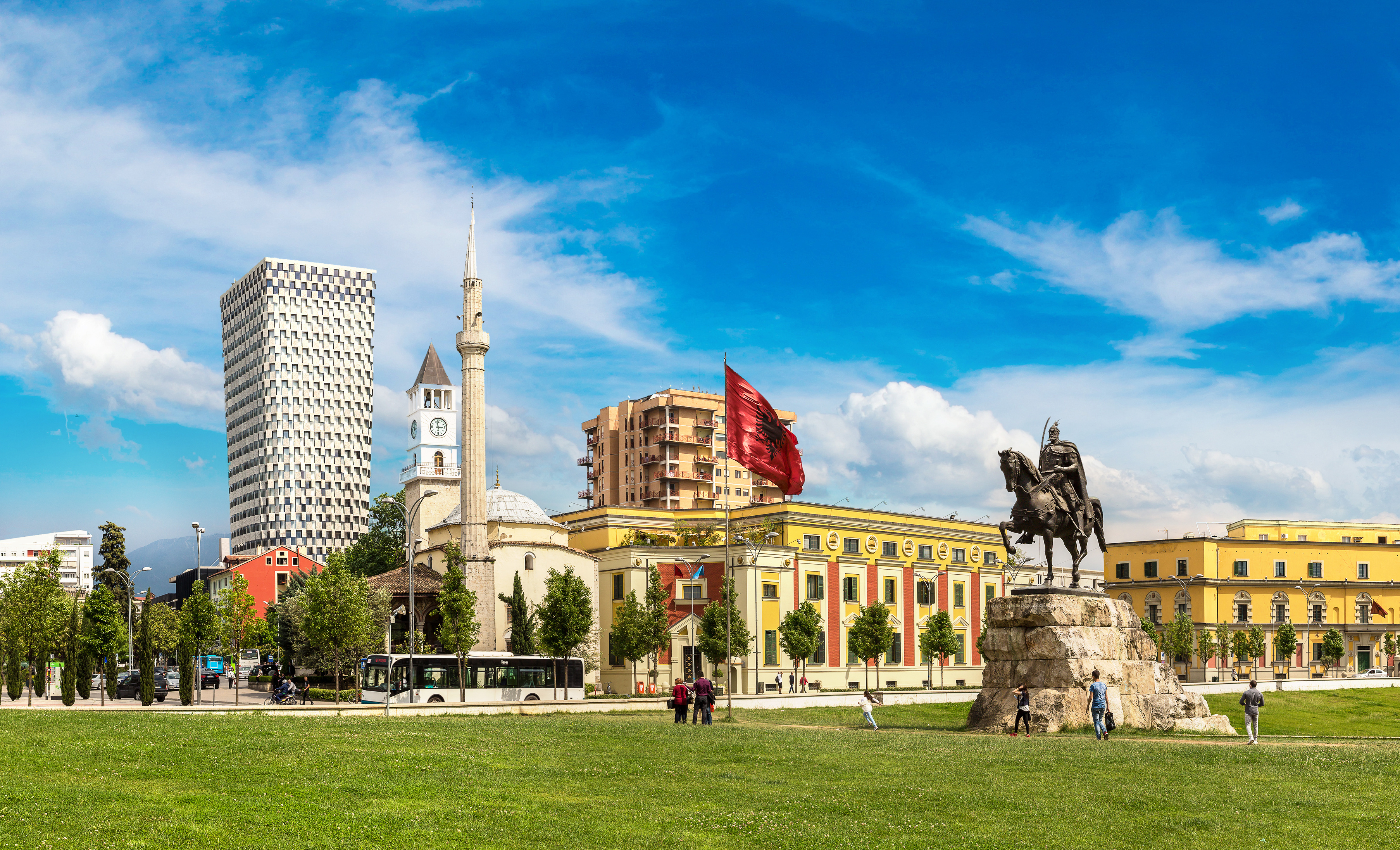
Start early at the Dajti Ekspres cable car, a taxi ride of roughly 20 to 30 minutes from the center, then spend about 2 to 3 hours riding up Mount Dajti and lingering at the upper station. After lunch, head back down and continue to Bunk’Art 1, which sits on the mountain’s lower slopes and needs about 1.5 to 2 hours, with enough time to move through the long underground corridors without rushing. End the day with a relaxed evening meal in the city center, about 20 to 25 minutes away by taxi from the museum area.
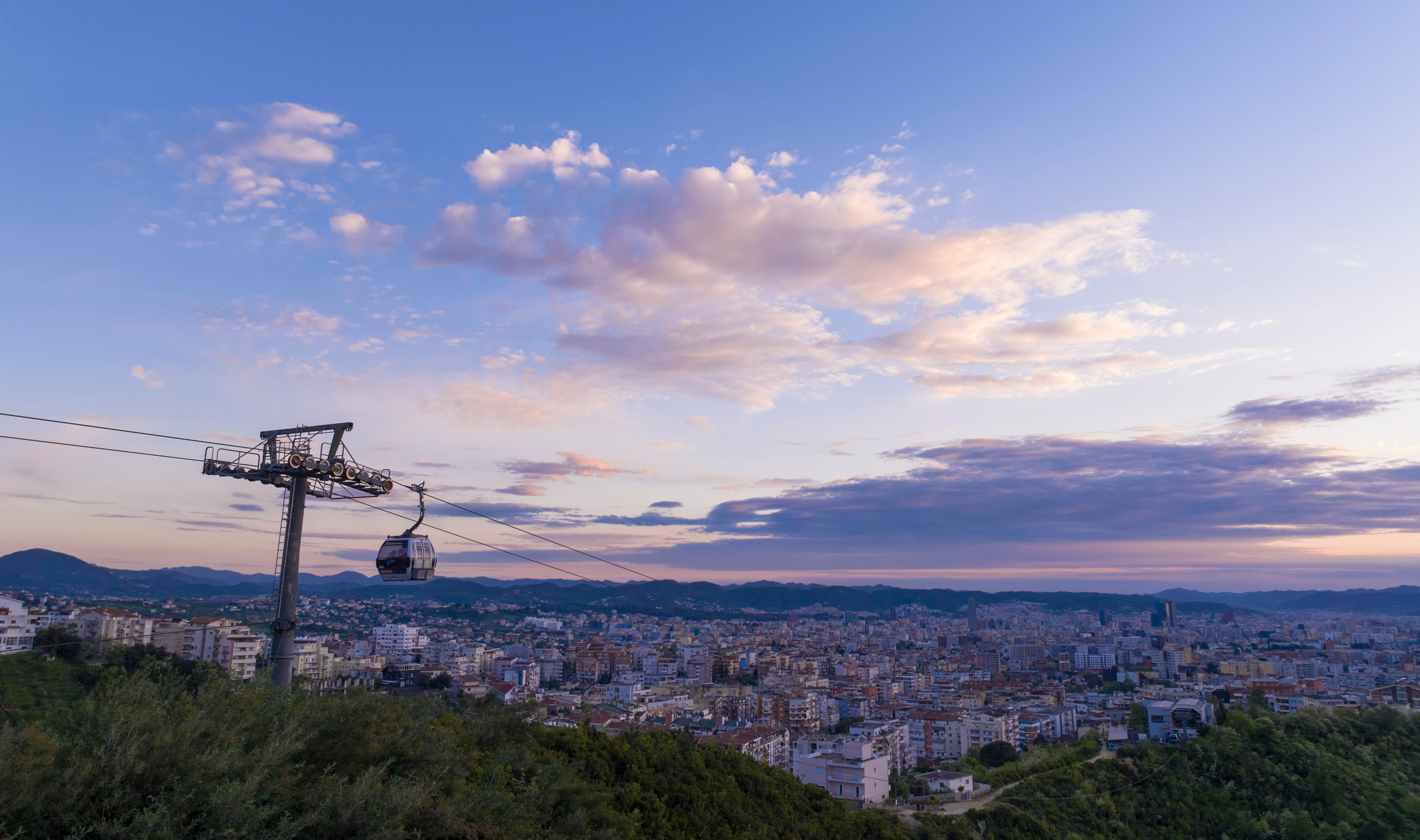
Follow a slower morning with Tirana Mosaic, where the open-air remains reward clear light and an unhurried 30 to 45 minute visit. From there, take a taxi to Pazari i Ri in about 10 to 15 minutes, browse the market, and stop for lunch among the produce stalls and casual restaurants before walking roughly 10 minutes onward to the old core near Skanderbeg Square. In the afternoon, circle back through the center for a cafe break, then finish with an early dinner in Pazari i Ri or the nearby center if you want a quieter evening than Blloku.
Start with one final museum stop at Bunk’Art 2 if you missed it earlier, then spend the rest of the morning in Blloku, where you can browse design shops and pick up small gifts without leaving the central district. Settle into a cafe in Blloku or near Skanderbeg Square for a long coffee, keep your bags close if you plan to move straight to the airport later, and book a taxi to Tirana International Airport (TIA) for about 25 to 35 minutes and roughly $20 to $30 before the evening rush builds.
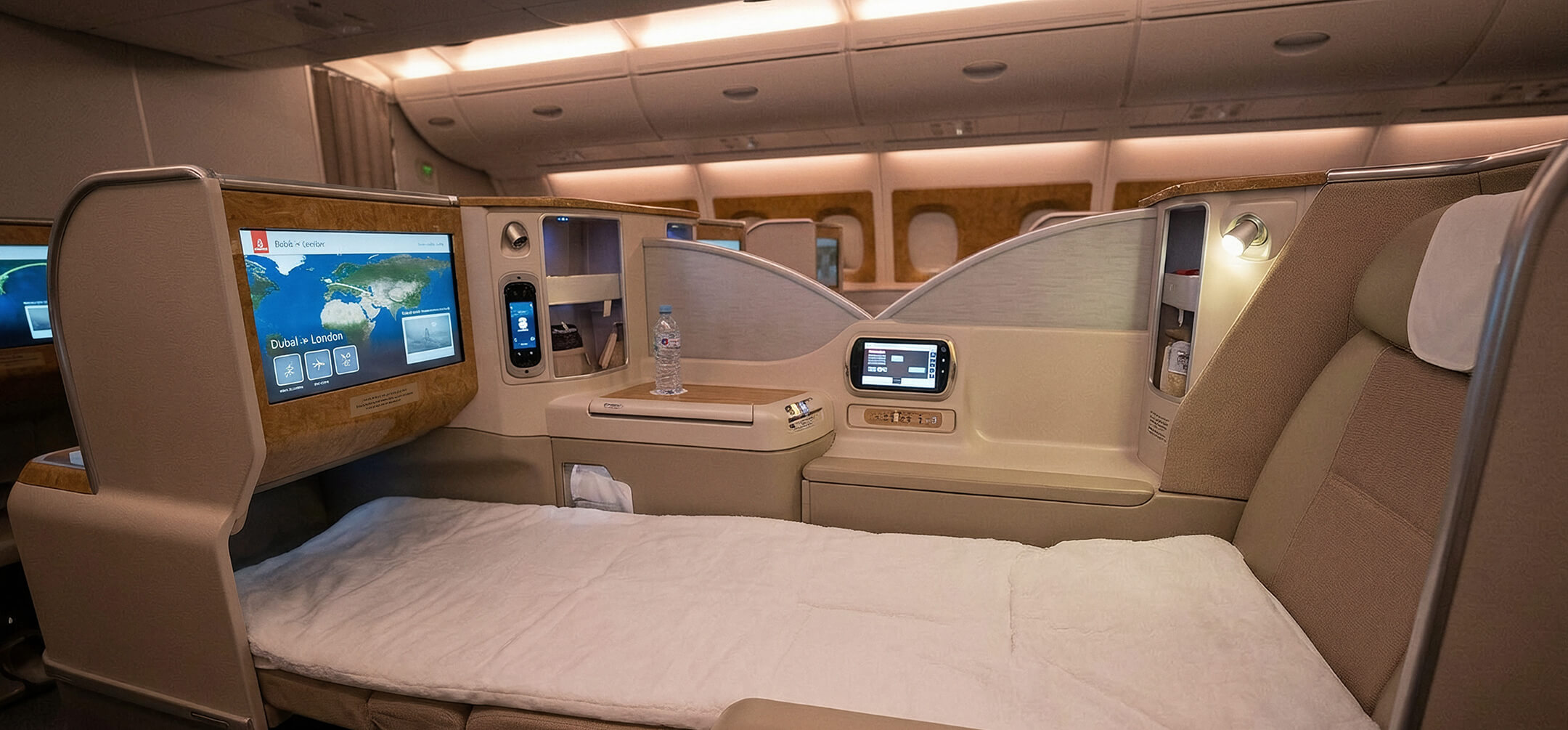
Business-class flights from the US to Tirana
From both New York and Los Angeles, flights to Tirana usually involve at least one stop, so the best choice often comes down to the layover city and total time in transit. The examples below show how the route shapes differ by coast.
From New York, Turkish Airlines, Lufthansa, Austrian Airlines, Swiss International Air Lines, Air France, and KLM usually connect through hubs such as IST, FRA, MUC, VIE, ZRH, or CDG. Typical trip time runs about 11 to 16 hours with one stop, and round-trip fares often start at $1,900 and can reach $4,500. If you do not mind a layover, common routings via IST, FRA, or CDG can cut the total price to about $900 to $1,600.
Los Angeles travelers usually see Turkish Airlines, Lufthansa, Air France, KLM, and Austrian Airlines on the board, with common connections through IST, FRA, CDG, AMS, or MUC. The trip usually takes about 15 to 22 hours, and round-trip fares from Los Angeles usually run from $2,300 to $5,200.
Tirana feels different when you slow down
A deliberate Tirana trip gives each district a role, Skanderbeg Square for the civic core, Blloku for dinner and evening streets, Bunk’Art 2 for the underground history, and Dajti for the change in elevation above the city. Add a market stop in Pazari i Ri, then move by taxi, bus, or on foot rather than trying to force every stop into one block. If you want help shaping the route, the AranGrant experts can match your dates to the right neighborhood and season