Chapters:

Need help with your trip?
Our support team is available 24/7. Request a callback or call us directly at (833) 619-0908
Tel Aviv itineraries often start with the beach, then add Jaffa, a market meal, and one museum if there is time. Travelers sometimes miss how much the city changes by neighborhood, and how quickly a short ride can shift the pace of a day.
That pattern can leave too much to chance. Distances look small on a map, but heat, traffic, and Friday-to-Saturday closures shape what is easy to do when, while crowded streets around the market and the coast can slow a loose plan.
This guide sets out the city in a more deliberate order, with clear base areas, transit choices, seasonal timing, food stops, and five days that connect the coast, older quarters, and museum stops without wasting movement.
Useful things to know
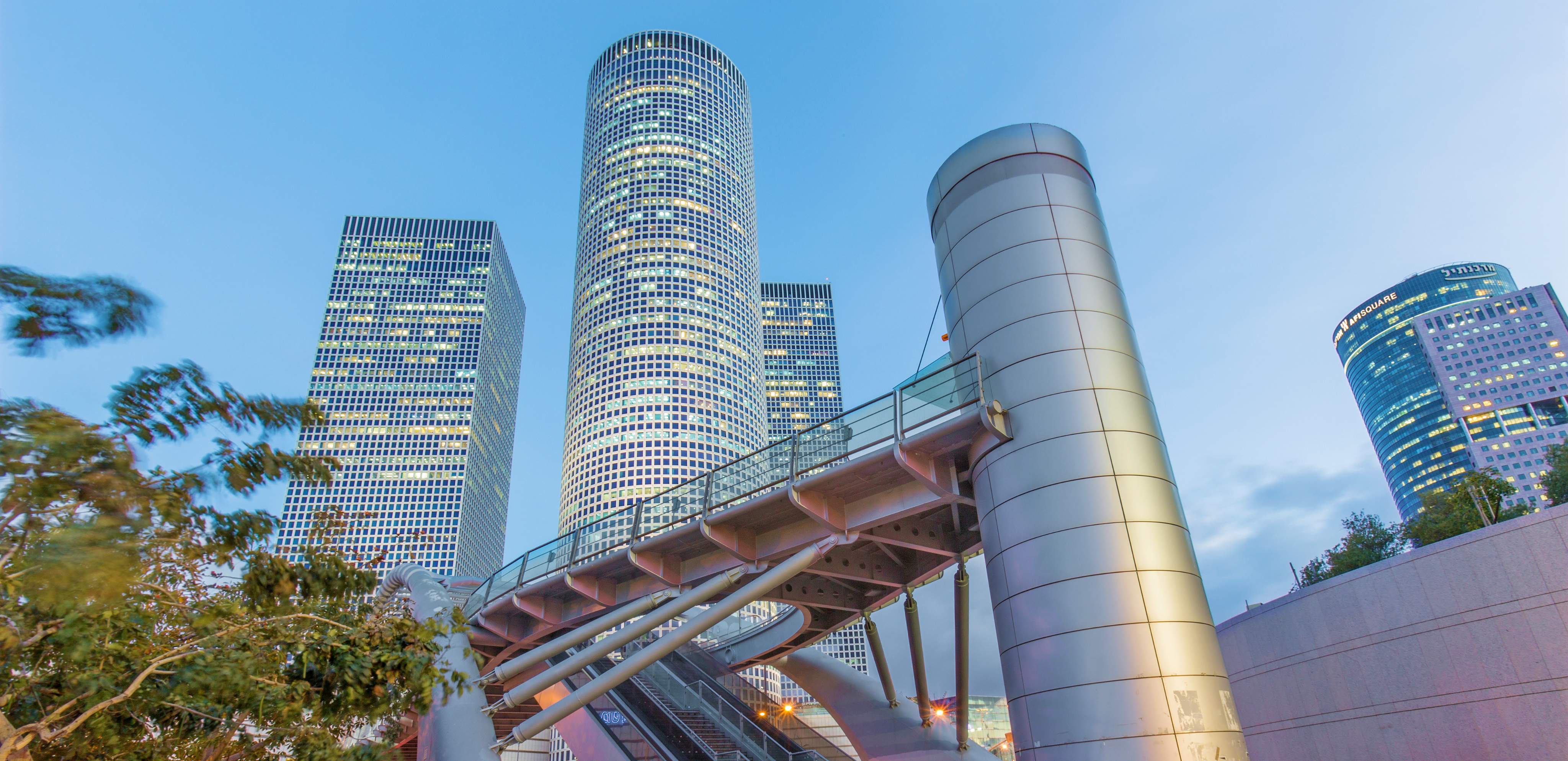

Main language(s): Hebrew
שלום (shalom) – Hello
בבקשה (bevakashah) – Please
תודה (todah) – Thank you
האם אתה מדבר אנגלית? (ha'im ata medaber anglit?) – Do you speak English?
כמה זה עולה? (kamah ze oleh?) – How much does it cost?

Currency: The local currency is the Israeli new shekel (ILS, ₪).

Cash and cards: Cards and contactless are widely accepted; keep about ₪100 to ₪200 ($27 to $55) in cash for taxis, small shops, or tips.

Tipping: Tip 10% to 15% in restaurants if service is not included; rounding up is common in casual spots.

Traditional food: Shakshuka, sabich, hummus, falafel

Water and coffee costs: Water about ₪7 ($2), bar espresso about ₪12 to ₪15 ($3 to $4).

Taxis and ride apps: Gett and Yango operate here; confirm pickup points at the airport and hotel.

Plug and voltage: Type H socket, 230V

Dining and shop opening hours: Breakfast is about 7:00-10:00 am, lunch 12:30-2:30 pm, and dinner 7:00-10:00 pm. Many places close early on Friday and stay closed through Saturday daytime.

Emergency number: Call 100 for police, 101 for ambulance, 102 for fire.
Where to stay in Tel Aviv
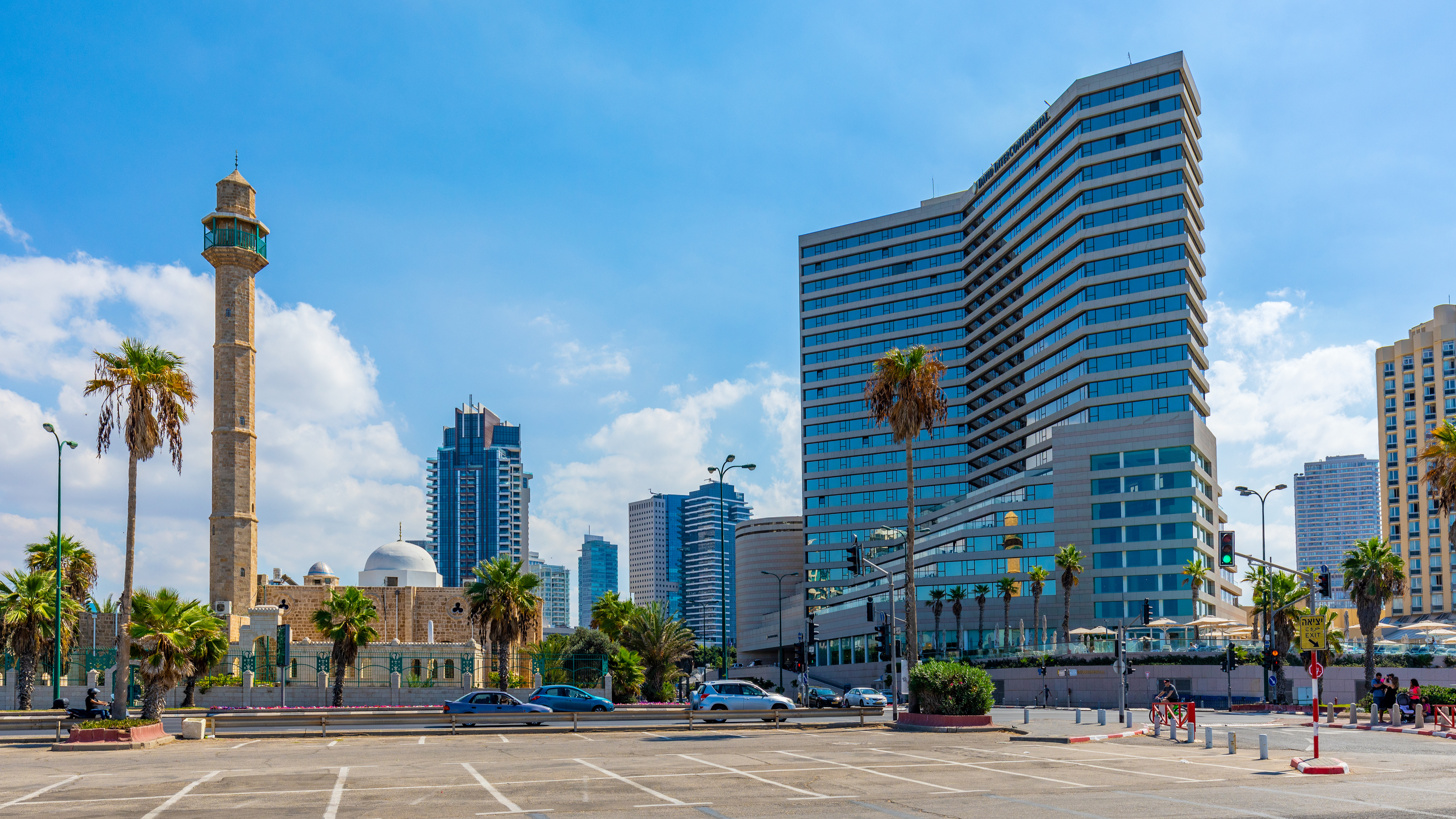
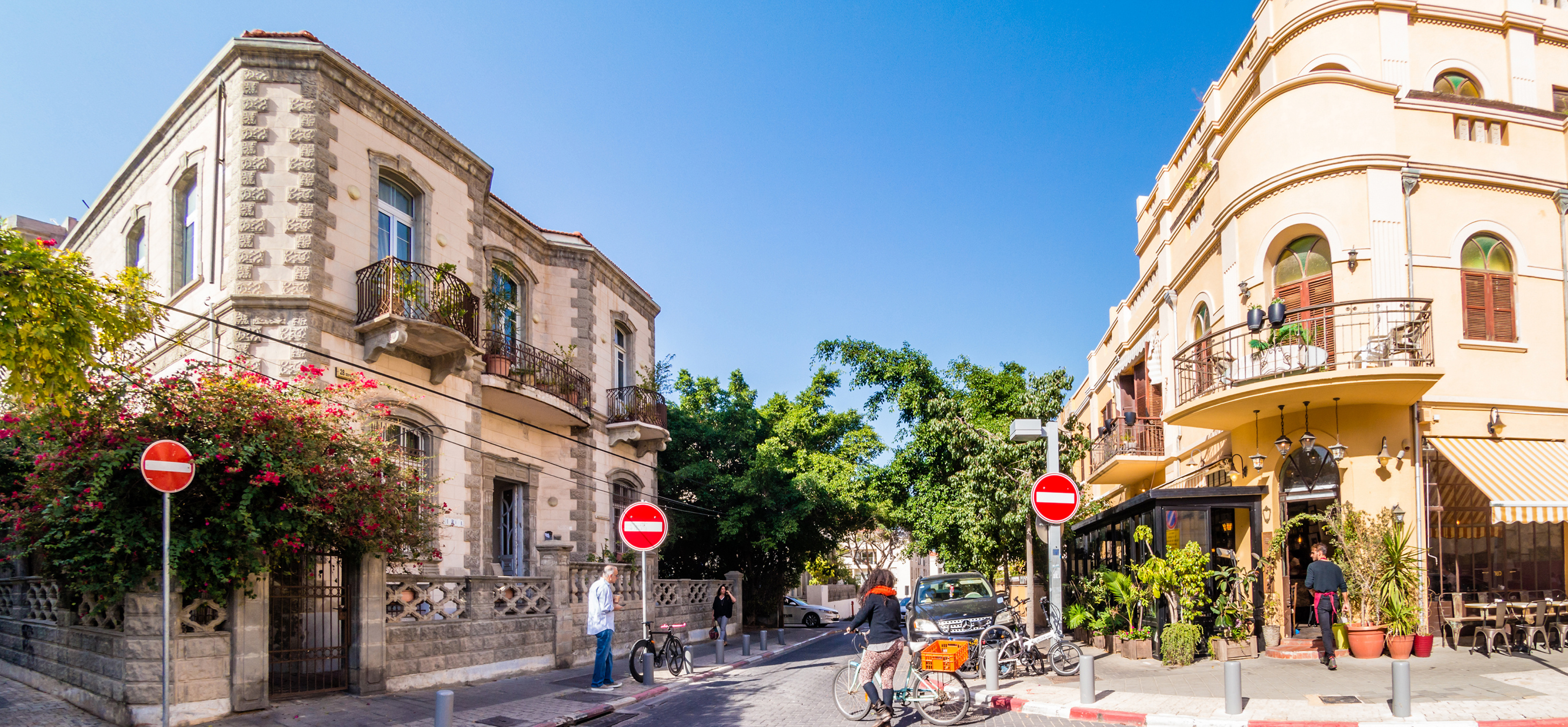
Tel Aviv’s oldest Jewish neighborhood pairs low-rise lanes, boutique hotels, and restored houses with easy access to the beach and the city center. It matters because you can sleep in a walkable quarter with cafes, galleries, and direct links to Jaffa.
Best for: Couples, boutique stays, and travelers who want a walkable base near the beach and Jaffa
What to expect: Tree-lined streets, small cafes, and steady daytime foot traffic, with evenings that stay lively but not intense.
Hotel prices: Usually about $220 to $420 per night for well-rated stays
Distance to major sights: About 15 minutes on foot to Carmel Market, about 20 minutes on foot to Jaffa
Quietness: Quieter in the morning and afternoon, then livelier after dinner on the main streets.
Main trade-off: Rooms cost more than in nearby inland areas, and some streets pick up restaurant noise at night.
Good to know: Pick a room on a side street if you want less late-night foot traffic and easier sleep.
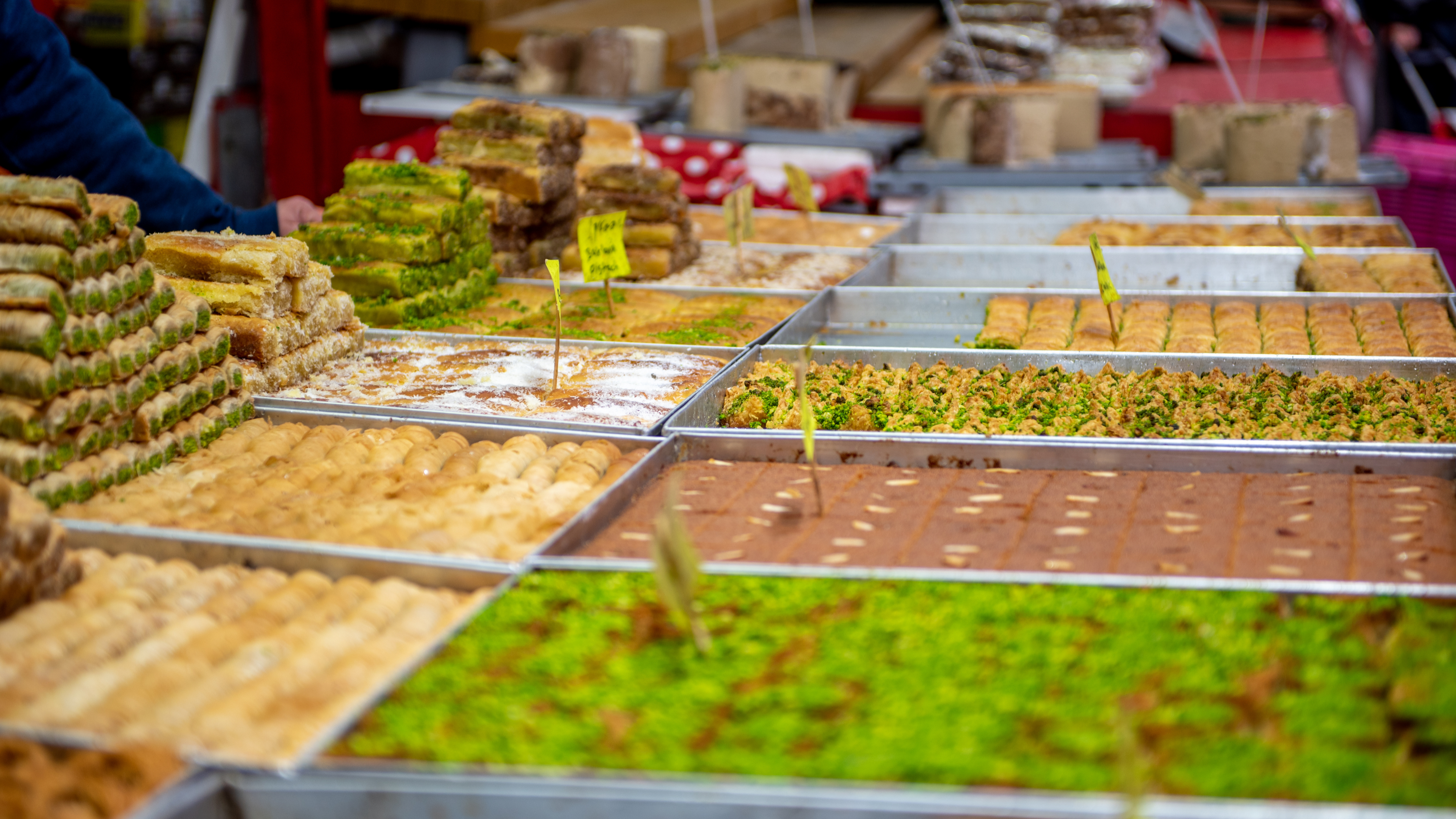
This central district sits beside Tel Aviv’s busiest market, with simple hotels, apartments, and fast access to the promenade, Rothschild Boulevard, and Allenby Street. It suits visitors who want to move around the city quickly and stay close to food, transit, and shops.
Best for: Budget-minded travelers, food-focused stays, and visitors who want central transit access
What to expect: Busy sidewalks, produce stalls, taxis, and late-moving crowds near the market and main roads.
Hotel prices: Usually about $150 to $300 per night for well-rated stays
Distance to major sights: About 10 minutes on foot to the beach, about 15 minutes on foot to Rothschild Boulevard
Quietness: Noisy during market hours and into the evening on the main streets, calmer on nearby side roads.
Main trade-off: The central location brings more street noise, and many rooms sit in older buildings with smaller elevators.
Good to know: If you are light-sensitive, avoid a room facing the market or Allenby Street.
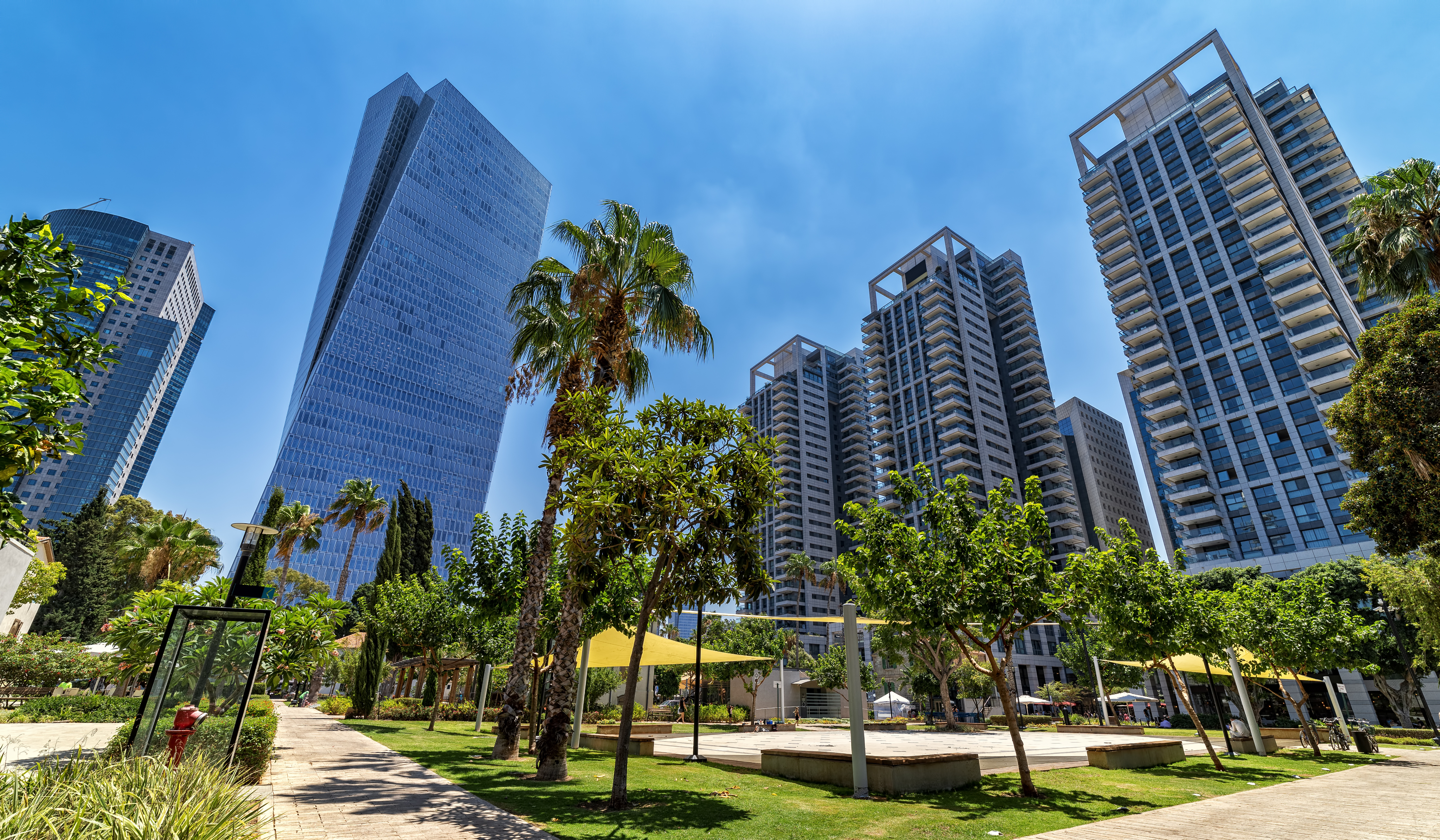
Old North stretches north of the city center, with apartment blocks, cafes, family-friendly streets, and easy access to the beach. It matters for travelers who want a residential base with good restaurants and a shorter walk to the waterfront than many central neighborhoods.
Best for: Families, longer stays, and travelers who prefer a residential base near the beach
What to expect: Neighborhood cafes, local diners, and steady but not dense street life, especially near Dizengoff and the beach.
Hotel prices: Usually about $180 to $360 per night for well-rated stays
Distance to major sights: About 15 minutes on foot to Gordon Beach, about 20 minutes by taxi to Jaffa
Quietness: Generally calmer than the beachfront and market districts, with more movement near cafes at night.
Main trade-off: You trade a more residential setting for a longer ride to Jaffa and the southern end of the city.
Good to know: Some streets sit farther from the sand than listings suggest, so check the map before booking.
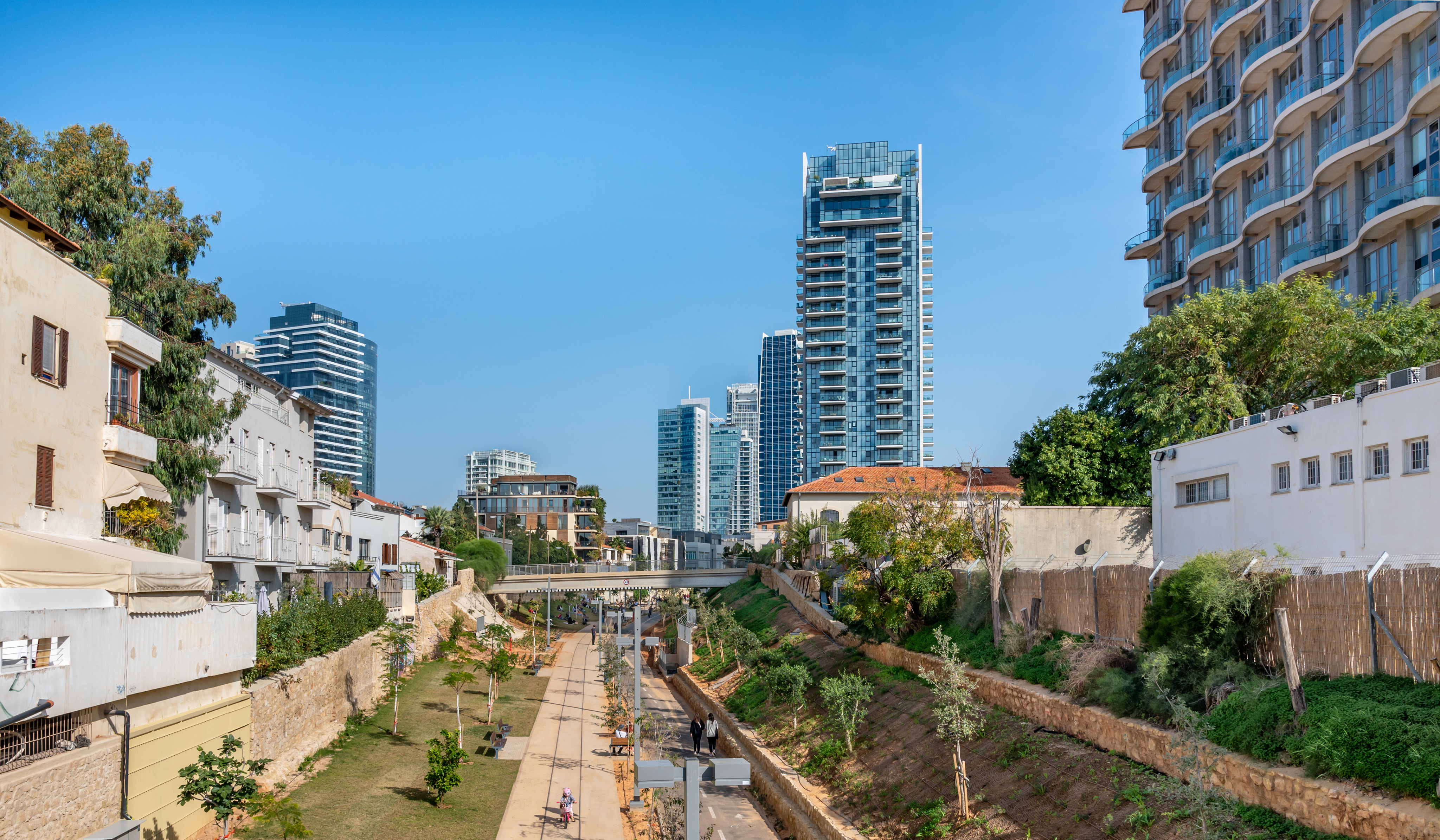
Florentin is Tel Aviv’s street-art neighborhood, with budget hotels, bars, studios, and a young crowd near the southern edge of the center. It matters because the area puts you close to nightlife, creative spaces, and quick rides to Jaffa and the beach.
Best for: Nightlife, younger travelers, and visitors who want an energetic base with lower hotel rates
What to expect: Graffiti-covered walls, late-open bars, and a crowd that grows denser after sunset.
Hotel prices: Usually about $120 to $240 per night for well-rated stays
Distance to major sights: About 15 minutes on foot to Jaffa, about 20 minutes by taxi to the beach promenade
Quietness: Busy and loud at night near bars, with quieter mornings before cafes open.
Main trade-off: Late noise can carry into nearby rooms, and the beach takes longer to reach on foot than from northern districts.
Good to know: Book a higher floor or courtyard-facing room if you want to avoid bar noise after midnight.
Travelers usually avoid the northern edge of Jaffa beyond the Old City, because it sits farther from central Tel Aviv sights and public transit is less useful after dinner. The Hatikva neighborhood, south Tel Aviv around the old bus station area, and parts of the far eastern suburbs are less convenient for visitors, with fewer hotel options, fewer tourist amenities, and longer rides to the beach, Rothschild Boulevard, and the main museum district.
Hotel deals
How to get around Tel Aviv efficiently
Tel Aviv has no metro, so most visitors combine walking with the Red Line, city buses, suburban rail, taxis, and ride apps depending on where they start and finish.

Train
for trips beyond the city
Tel Aviv has no metro, so visitors rely on the suburban rail network, with two main airport-adjacent stations, Tel Aviv HaHagana and Tel Aviv Savidor Center, connecting the city to other parts of the metro area. Train rides within the city are useful for longer hops, while many central areas still need a bus, taxi, or a walk at either end. Typical single rides cost about $2 to $4, with fares and validity varying by ticket type and route.

Light rail and bus
for crossing the city
Bus and tram use centers on Egged, Dan and the light rail, with the Red Line linking the south, central Tel Aviv, and Jaffa, plus a web of city buses that cover most neighborhoods. Day passes and app-based tickets are common, and many riders use the Rav-Kav card or mobile payment. Fares are about $1.80 to $2.20, with many tickets valid for roughly 90 minutes and allowing transfers within the ticket rules.

Taxi
for convenience or late hours
Licensed taxis use metered fares in Tel Aviv, not fixed citywide set prices, although airport trips from Tel Aviv (TLV) often use regulated flat rates or prequoted fares depending on the destination and time. A city ride usually costs about $10 to $25, while Tel Aviv (TLV) to central Tel Aviv often runs about $30 to $50, with surcharges for luggage, night hours, and tolls when applicable. Drivers should use the meter or agree the price in advance, and most taxis accept cash and cards.
*Prices are based on rates updated as of June 2026 and may change at the time of travel.
Walk for short central hops, use buses or the light rail for cross-town moves, take trains for longer links, and choose taxis or Gett when you need a direct ride late at night or from the airport.
Iconic landmarks
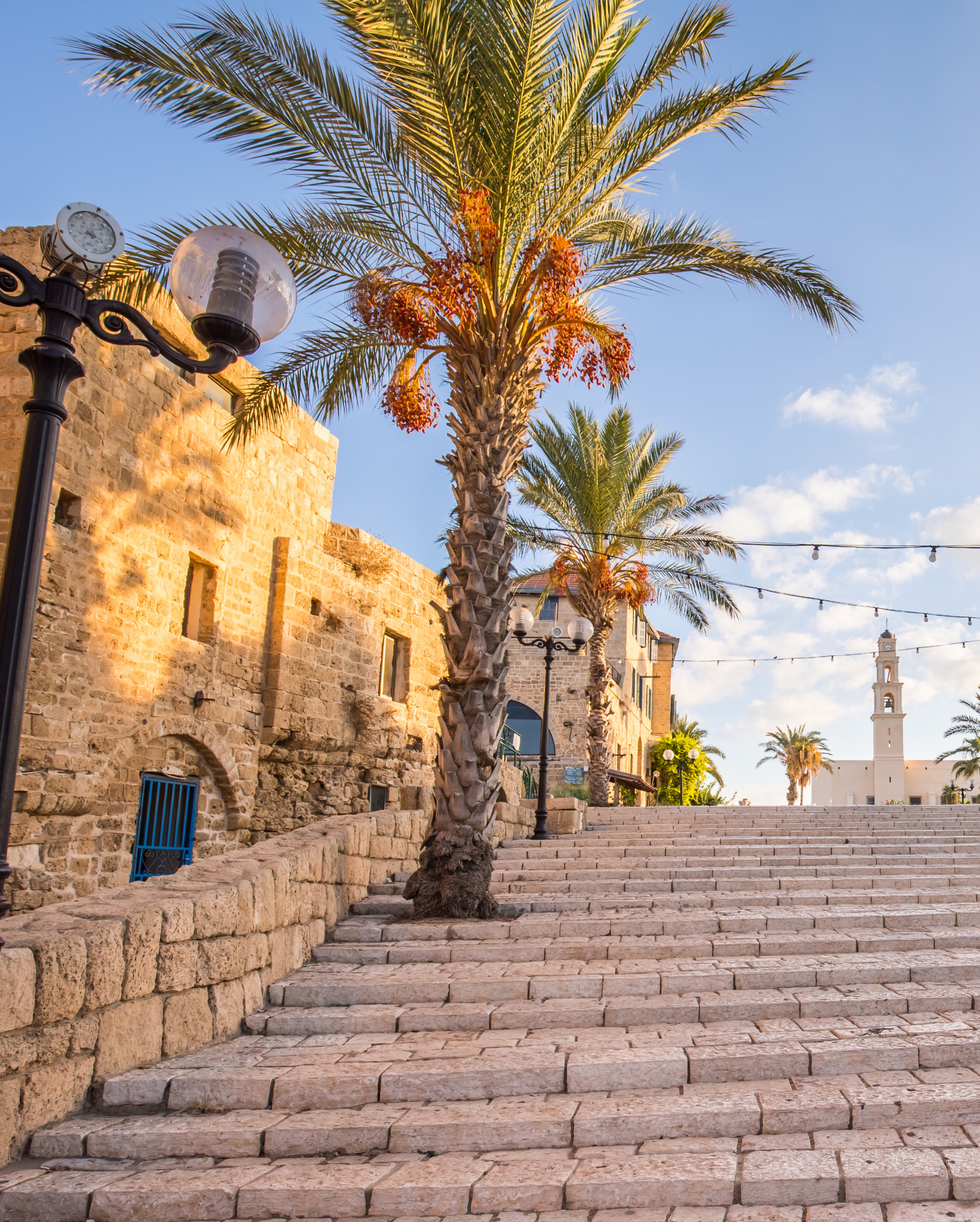
Old Jaffa
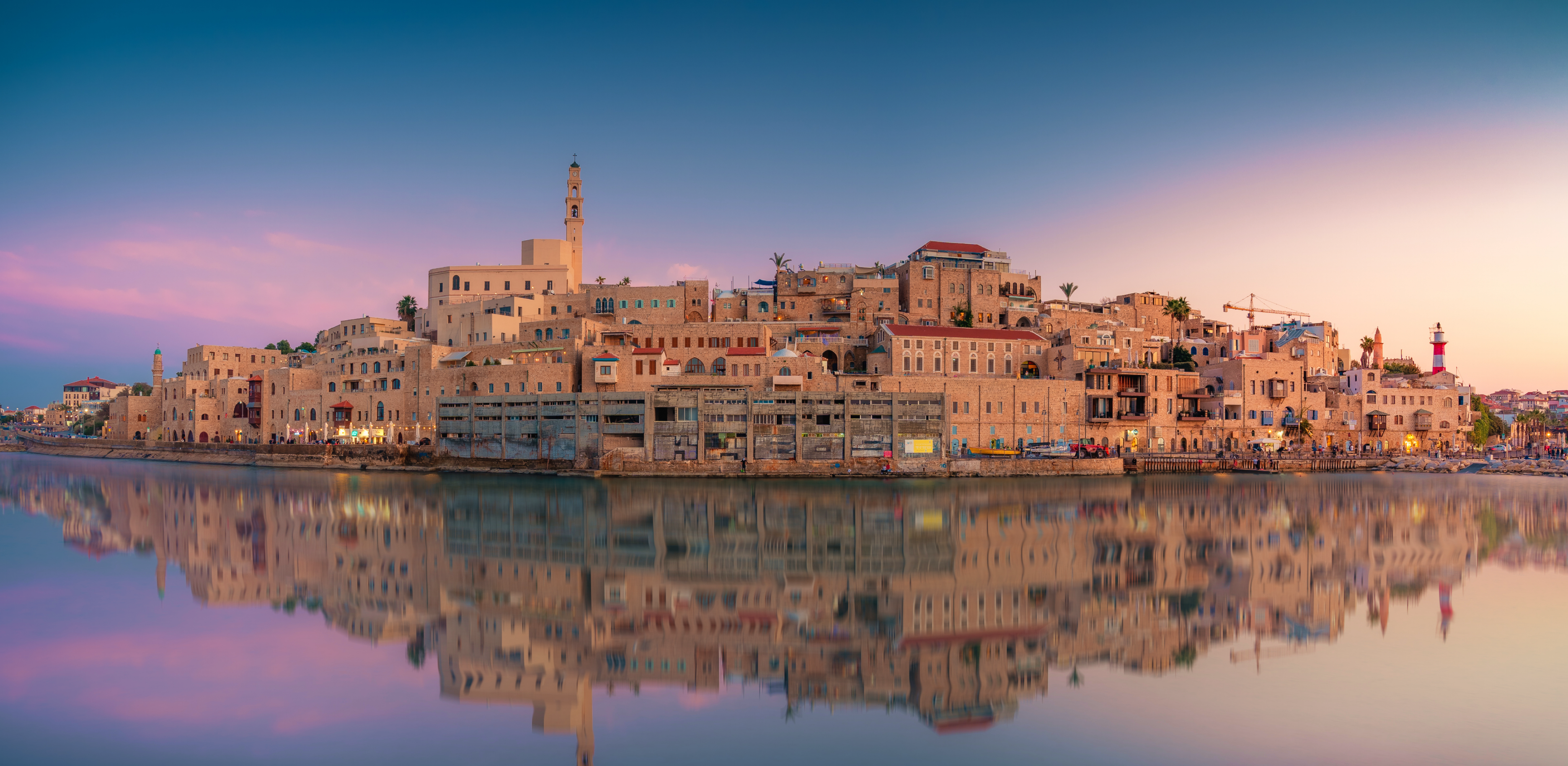
This stone port district layers Crusader walls, Ottoman lanes, galleries, and the Jaffa Flea Market in one compact walk. Climb to the hilltop gardens for harbor views, then continue to the clock tower and the sea wall.
Time needed: About 2 to 3 hours
Entry: Free to access; some museums, galleries, and guided sites inside the district charge separate admission.
Tip: Go late afternoon for cooler streets, then stay for sunset over the harbor and skyline.
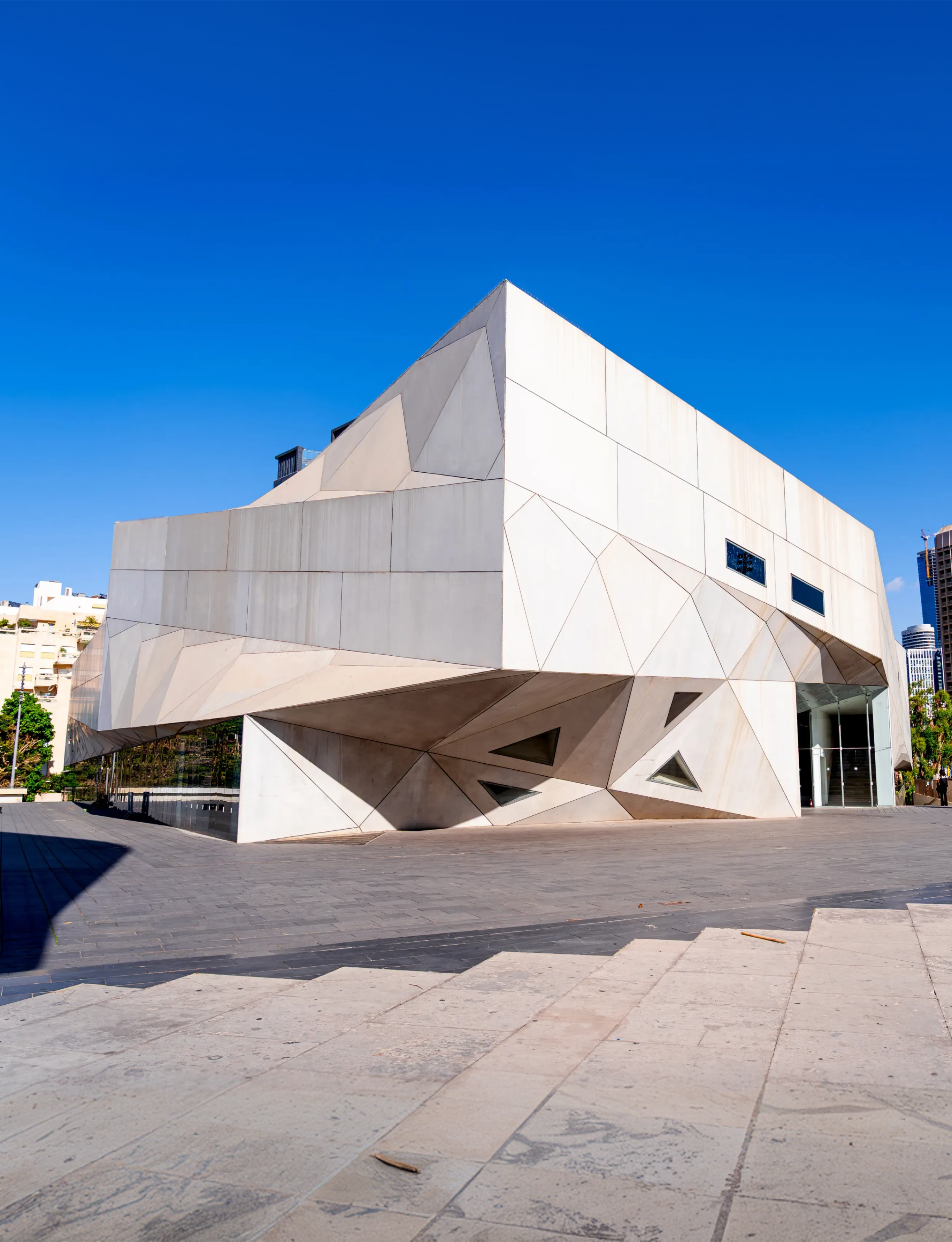
Tel Aviv Museum of Art
The museum’s collection spans Israeli art, modern masters, design, and photography, with a striking glass and concrete building that frames the galleries well. Temporary exhibitions add a strong reason to return.
Time needed: About 2 to 3 hours
Entry: Tickets cost about $16 to $20 ($16 to ₪20) for adults, with discounts for children, students, and seniors Visit the official site for details.
Tip: Visit on a weekday morning to avoid school groups and keep more time for the main galleries.
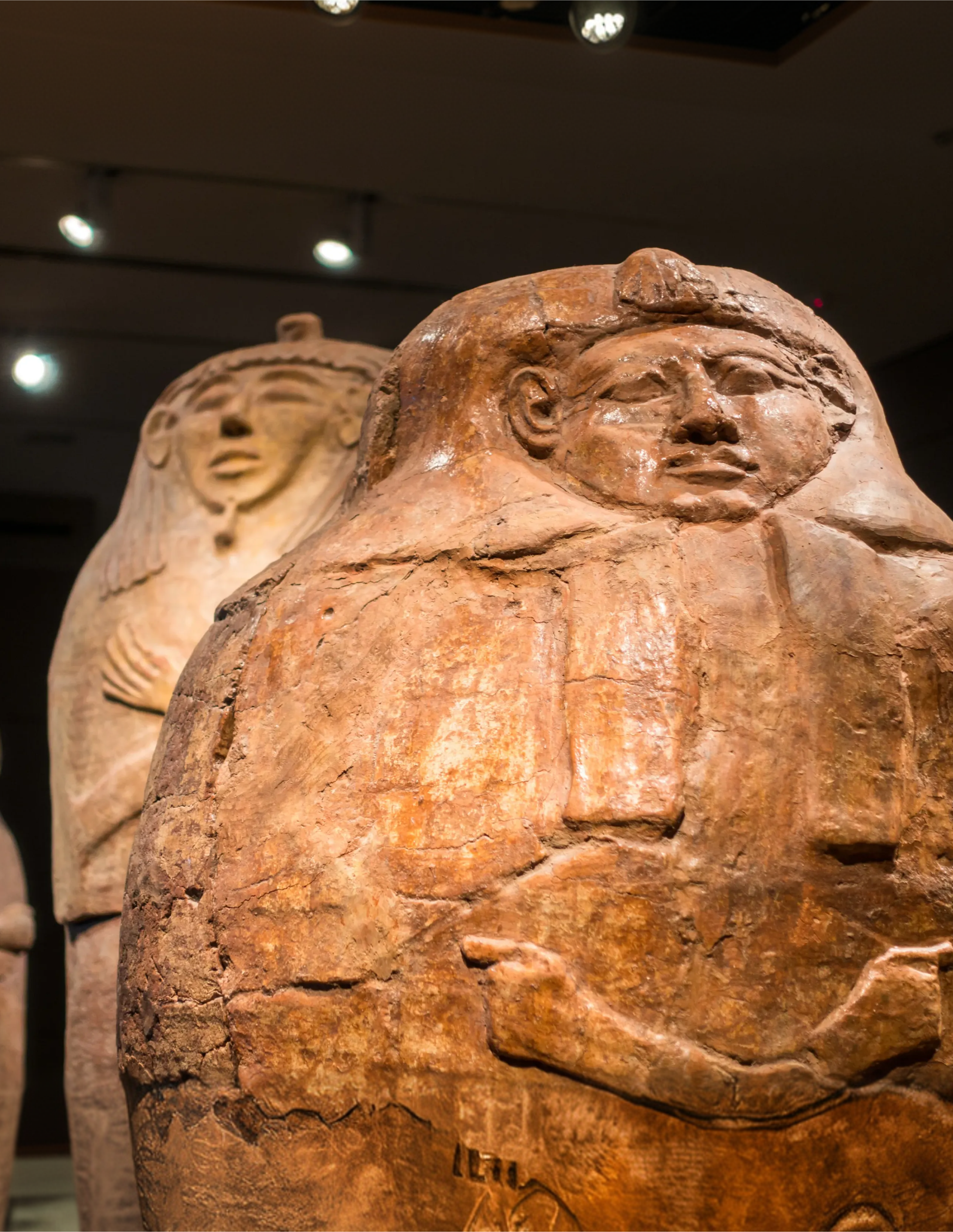
Eretz Israel Museum
Set on a landscaped campus, this museum combines archaeology, ethnography, and local history with excavated ruins and restored windmill structures. Its open-air displays and pavilions give a broad view of life in the region.
Time needed: About 2 to 3 hours
Entry: Tickets cost about $14 to $18 ($14 to ₪18) for adults, with reduced rates for children and other eligible visitors Visit the official site for details.
Tip: Start early, then move between indoor halls and shaded grounds before the afternoon heat builds.
Overlooked sites worth visiting
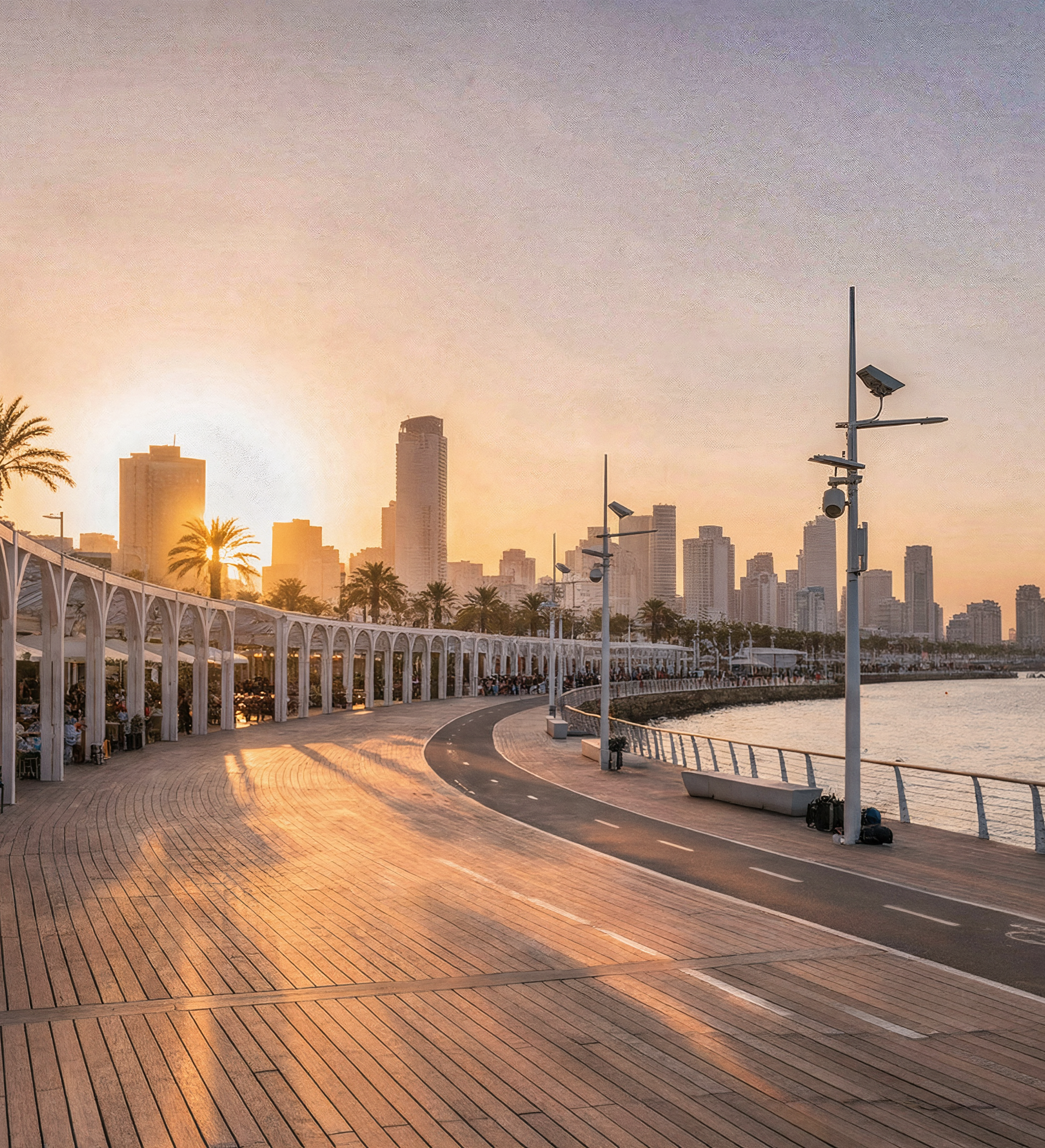
Tel Aviv Port boardwalk
A waterfront stretch north of the old port sheds, with bike paths, beach access, and the Nahalat Binyamin-style market stalls that open on select days. It works well for an unhurried walk.
Time needed: About 1 to 2 hours
Entry: Free to access
Tip: Visit near sunset for cooler air and softer light.
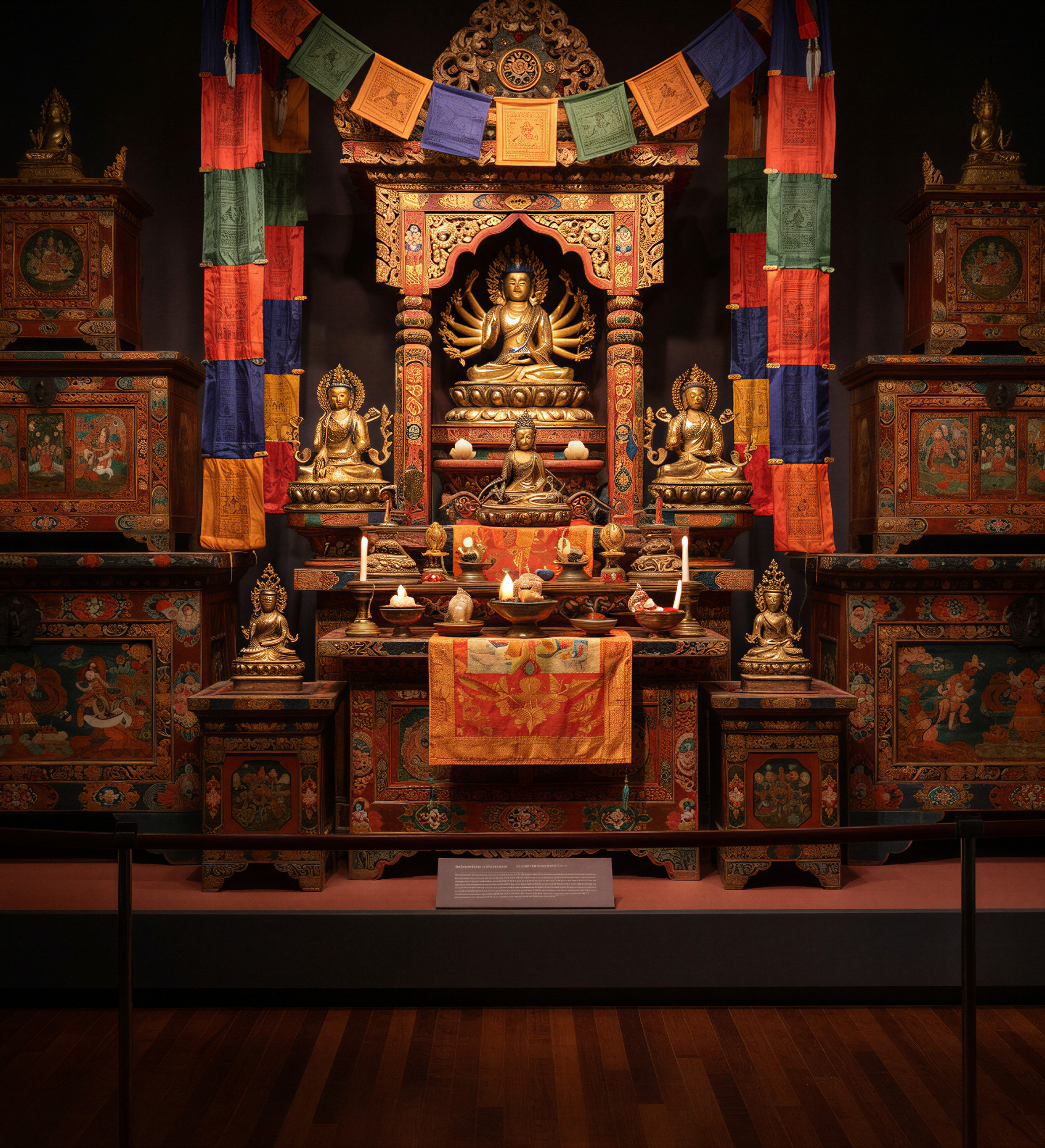
Rubin Museum
Painter Reuven Rubin’s former home shows his work, studio, and collected art inside a compact Neve Tzedek house. The rooms are small, so visits stay focused and rarely take long.
Time needed: About 45 minutes to 1 hour
Entry: Admission costs $7 to $10 (about ₪26 to ₪37) for adults, with reduced prices for children, students, and seniors; check the museum’s current rates before you go, since hours and pricing can change for special exhibitions and holidays Visit the official site for details.
Tip: Go on a weekday morning to avoid school groups.
Traditional food

Tel Aviv’s food mixes Mediterranean produce, tahini, herbs, eggs, and chickpeas, with shakshuka, sabich, hummus, and falafel anchoring mornings, market lunches, and late dinners.
Shakshuka
Tomatoes, peppers, eggs, and spices make this a classic breakfast or brunch plate. Dr Shakshuka in Old Jaffa is one of the city’s best-known places for it.
Sabich
Pita stuffed with eggplant, egg, salad, and tahini gives you a dense, sharp, and filling street meal. Falafel Gabai near the Carmel Market is a longtime Tel Aviv reference for it.
Hummus
Smooth chickpea puree with olive oil, paprika, and warm pita works as a lunch or shared starter. Hummus Abu Hassan in Jaffa is the name most visitors hear first.
Falafel
Crisp herb-heavy balls, salad, pickles, and tahini make a fast meal that fits the city’s lunch window. Hakosem in the center is widely treated as a benchmark stop.
Best time to visit Tel Aviv
Tel Aviv is warm for much of the year, but spring and autumn are easier for long walks, while summer pushes more activity to mornings, evenings, and the coast.
Best for: Beach walks, outdoor cafes, and long sightseeing days
What you get: About 63°F to 82°F (17°C to 28°C), with moderate crowds and comfortable evenings
Trade-offs: Popular sites and the coast get busier on weekends and holidays
Best for: Swimming, late dinners, and early museum visits
What you get: About 75°F to 91°F (24°C to 33°C), with heavy beach traffic and busy nightlife districts
Trade-offs: Midday heat makes long street walks and open-air sightseeing harder
Best for: Balanced days in Jaffa, Neve Tzedek, and the museum district
What you get: About 68°F to 86°F (20°C to 30°C), with lighter crowds after the summer peak
Trade-offs: The season can still feel hot early on, especially in September
Best for: Museums, cafes, and slower neighborhood walking
What you get: About 52°F to 69°F (11°C to 21°C), with lighter crowds and occasional rain
Trade-offs: Beach days are less dependable, and some outdoor plans need a backup
A realistic 5-day plan in Tel Aviv
The five-day plan moves in a clean arc, from arrival and the old port quarter to museums, street art, and a final shopping morning before departure. It keeps the longer transfers in one place and leaves space for meals, sunsets, and a slower last day.
From Tel Aviv (TLV), take a taxi or app car into Neve Tzedek or the Old North, which usually takes about 20 to 35 minutes and costs roughly $25 to $45, depending on traffic and the hour. If you land near rush hour, allow a little more time on Ayalon Highway. After check-in, keep dinner close to your room, a simple meal in Neve Tzedek works well, then finish with water and an early night so the city’s late pace does not take over the first evening.
Start in Old Jaffa, where the stone lanes, harbor edge, and Jaffa Flea Market give you a strong first look at the city’s old port history. Spend about 2 to 3 hours there, then ride or walk north to the Tel Aviv Port boardwalk in roughly 20 to 30 minutes for an easy waterfront lunch and a slower stretch by the sea. In the late afternoon, continue to the nearby Old North, where you can walk to Gordon Beach in about 15 minutes and end the day with sunset on the sand.
The Tel Aviv Museum of Art works well as a morning anchor, especially on a weekday, and from Neve Tzedek or the Carmel Market area you can reach it in about 10 to 20 minutes by taxi or bus. Plan 2 to 3 hours inside, then head to the Rubin Museum in Neve Tzedek, which is about a 15-minute walk from the museum if you want a smaller, more intimate stop. Finish with coffee and an easy dinner in Neve Tzedek, where restored streets and small cafes keep the evening compact and walkable.
Begin early at the Eretz Israel Museum, since the landscaped campus and open-air sections make more sense before the heat builds. From the Old North, a taxi usually takes about 10 to 15 minutes, and from Carmel Market it is about 20 minutes. After 2 to 3 hours there, return toward the center for a slow lunch near Rothschild Boulevard, then spend the late afternoon in Florentin, where the street art and galleries sit about 15 minutes from Jaffa by foot and about 10 to 15 minutes from the southern center by taxi.
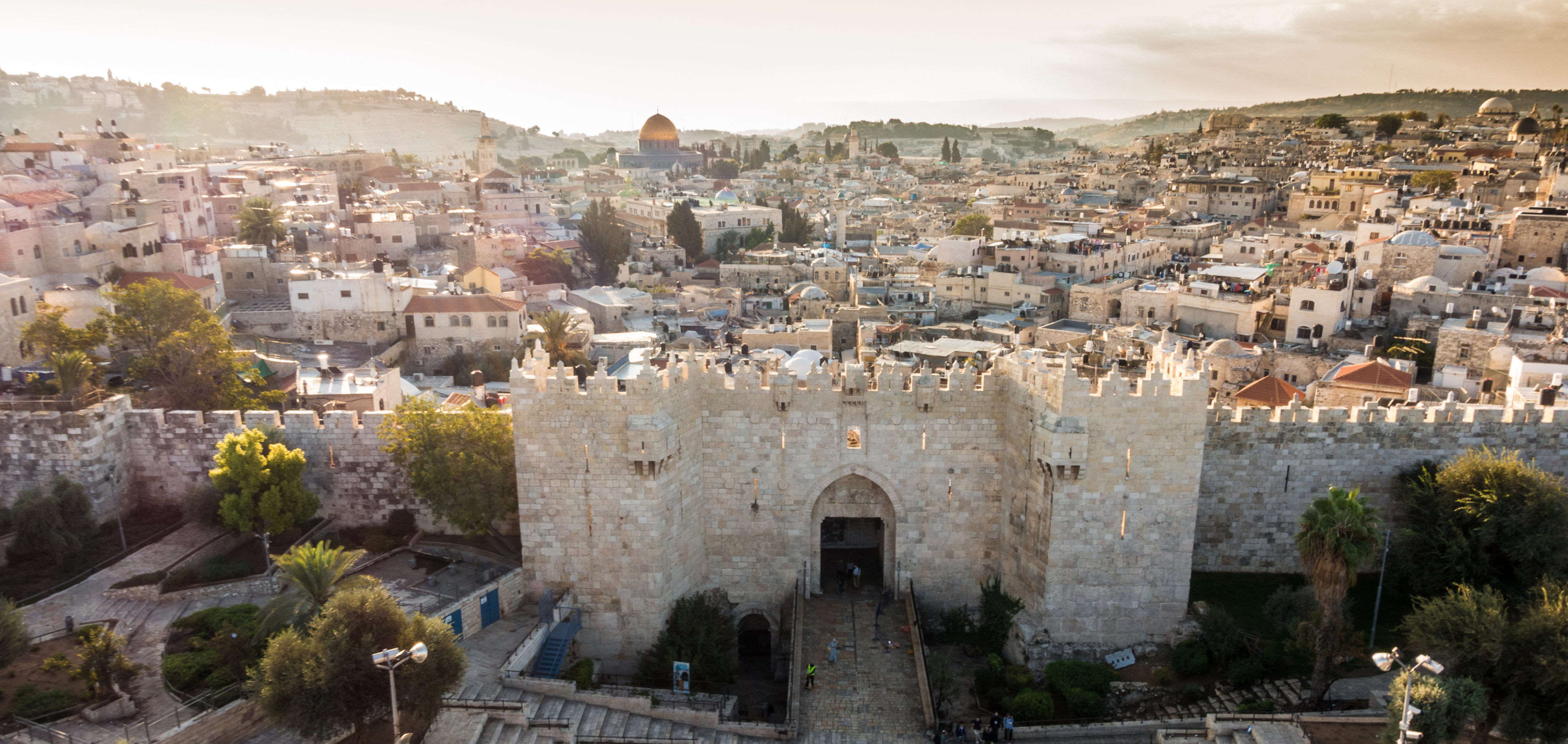
A final morning at the Rubin Museum or the Tel Aviv Museum of Art fits well before checkout, depending on how much time you have left. Afterward, head to the Carmel Market district for shopping, since you can move between produce stalls, snack stops, and small shops without much planning, and from there it is about 15 minutes on foot to Rothschild Boulevard if you want one last walk. End with coffee in Neve Tzedek, where the side streets stay pleasant for a short sit-down before your airport transfer.
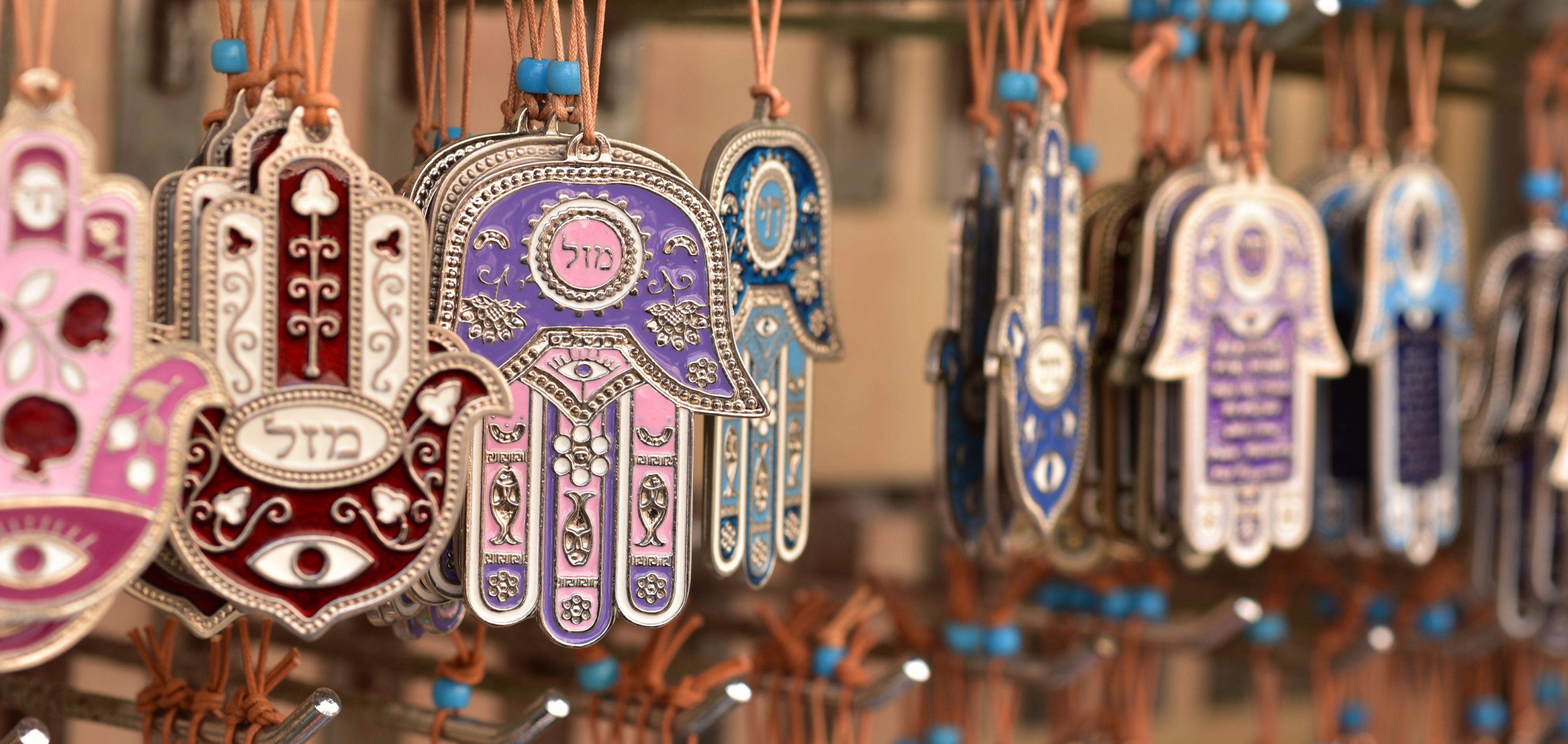
Business-class flights from the US to Tel Aviv

For long-haul arrivals, the clearest business-class comparisons usually come down to nonstop timing versus one-stop pricing. From New York and Los Angeles, the route mix and layover hubs give you a useful range to compare before booking.
From New York, El Al Israel Airlines, United Airlines, Delta Air Lines, British Airways, Turkish Airlines, and Air France all appear in the market. Nonstop flying time is about 10 to 11 hours, while one-stop options commonly connect through LHR, CDG, IST, FRA, or AMS. Fares run from about $4,000 to $7,500 round-trip, with nonstop tickets often near the lower end and premium one-stop itineraries higher.
Los Angeles itineraries usually lean on El Al Israel Airlines, United Airlines, Delta Air Lines, Turkish Airlines, Lufthansa, and Air France. Nonstop flights take about 14 to 15 hours, and when you accept a stop, common hubs include IST, FRA, MUC, CDG, and AMS. Prices generally sit between $4,800 and $8,500 round-trip, with nonstop fares usually at the top of that range.
Tel Aviv feels different when you slow down
A deliberate Tel Aviv trip keeps the pieces close to where they belong, Old Jaffa for history, the Tel Aviv Museum of Art for a larger indoor block, Neve Tzedek for dinner, and the Carmel Market area for a last morning on foot. The result is a city that works best in short moves, not big loops. If you want a Tel Aviv plan shaped around the right base and the right day order, connect with the AranGrant experts for a trip built around your dates and pace