

Chapters:

Need help with your trip?
Our support team is available 24/7. Request a callback or call us directly at (833) 619-0908
Most trips to Sydney follow a familiar pattern. Travelers arrive with the Opera House, the Harbour Bridge, and Bondi already in mind, then pack them into a few rushed days. What often gets missed is how much the city changes between the harbor, the inner neighborhoods, and the coast.
That approach can be inefficient. Sydney is spread out enough that crossing the city repeatedly eats time, and popular areas can feel crowded if you arrive at the wrong hour. Without a plan, the day can turn into a series of short visits and long transfers.
This guide takes a slower route through the city. It groups sights by area, balances the harbor with the beaches and CBD, and leaves room for practical pacing so the trip feels easier to follow.
Useful things to know

Main language(s): English

Currency: The local currency is the Australian dollar (AUD, A$).

Cash and cards: Cards are accepted almost everywhere, including Apple Pay and Google Pay. Keep a small amount of cash for small cafés, markets, and occasional restroom fees; A$20–A$50 (US$13–US$33) is usually enough.

Tipping: Tipping is not customary in Australia and is generally not expected. If you receive exceptional service, rounding up or leaving small change is appreciated, but most restaurants and bars do not add a mandatory tip.

Traditional food: Meat pie (meat in pastry), Vegemite on toast (yeast spread on toast), Barramundi (pan-fried fish)

Water and coffee costs: Bottled water often costs A$3–A$5 (US$2–US$3), and a flat white or espresso is usually A$4–A$6 (US$3–US$4). Tap water is safe to drink in Sydney.

Taxis and ride apps: Uber is widely used, and taxi apps such as Cabcharge and 13cabs also work well. Fares can be competitive for short hops, but compare prices at busy times; avoid unlicensed drivers offering rides at the terminal.

Plug and voltage: Type I socket, 230V

Dining and shop opening hours: Breakfast is usually informal and starts around 7:00–9:00. Lunch is commonly 12:00–14:30, and dinner is typically 18:00–21:00. Many cafes open earlier and may close mid-afternoon, while restaurants often run continuous dinner service; check individual venues for exact hours on weekends and public holidays.

Emergency number: Dial 000 for police, ambulance, or fire in Australia. If you have a mobile signal, this is the main emergency number; for non-urgent police matters, use the local police assistance line.
Where to stay in Sydney
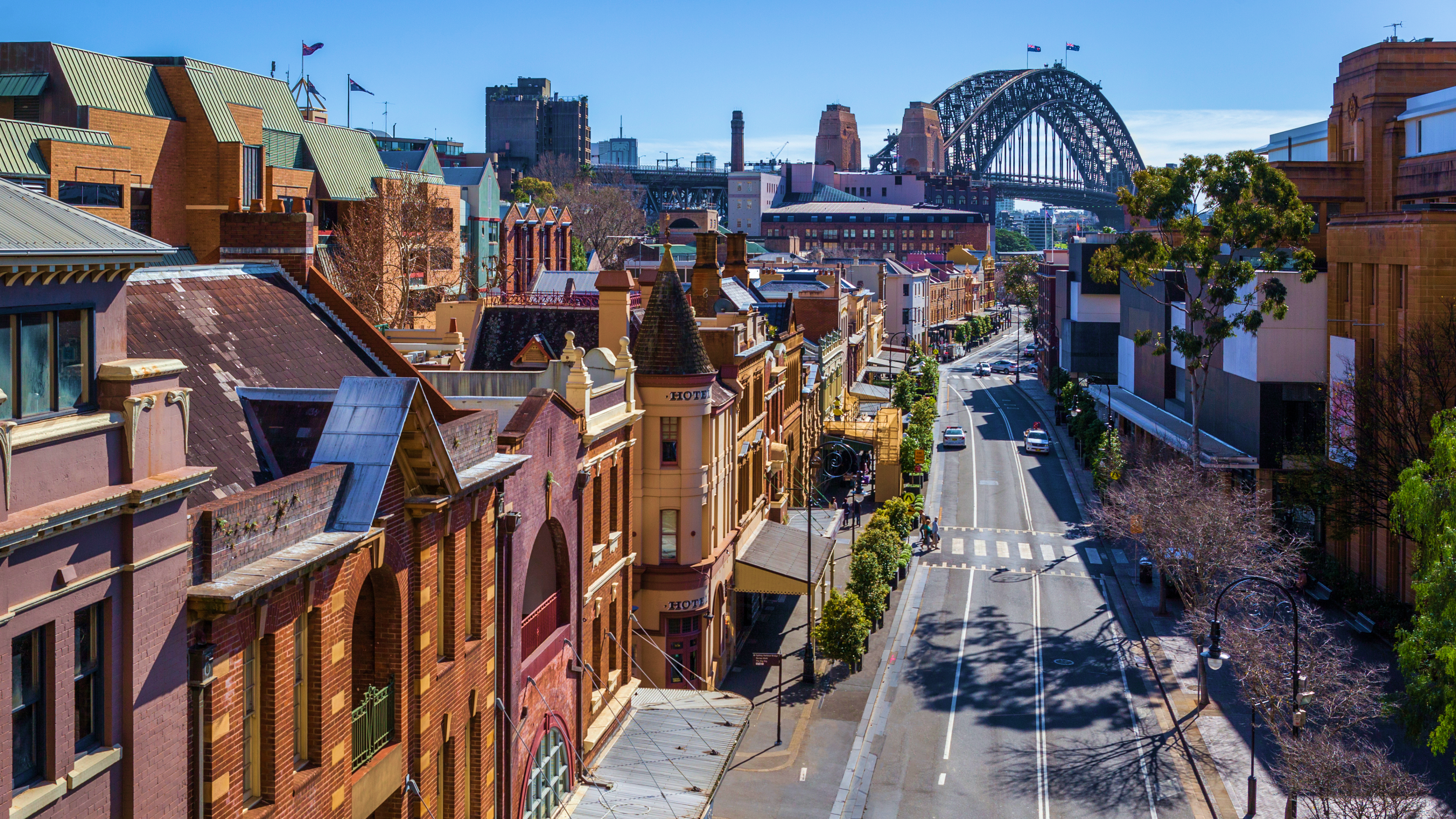
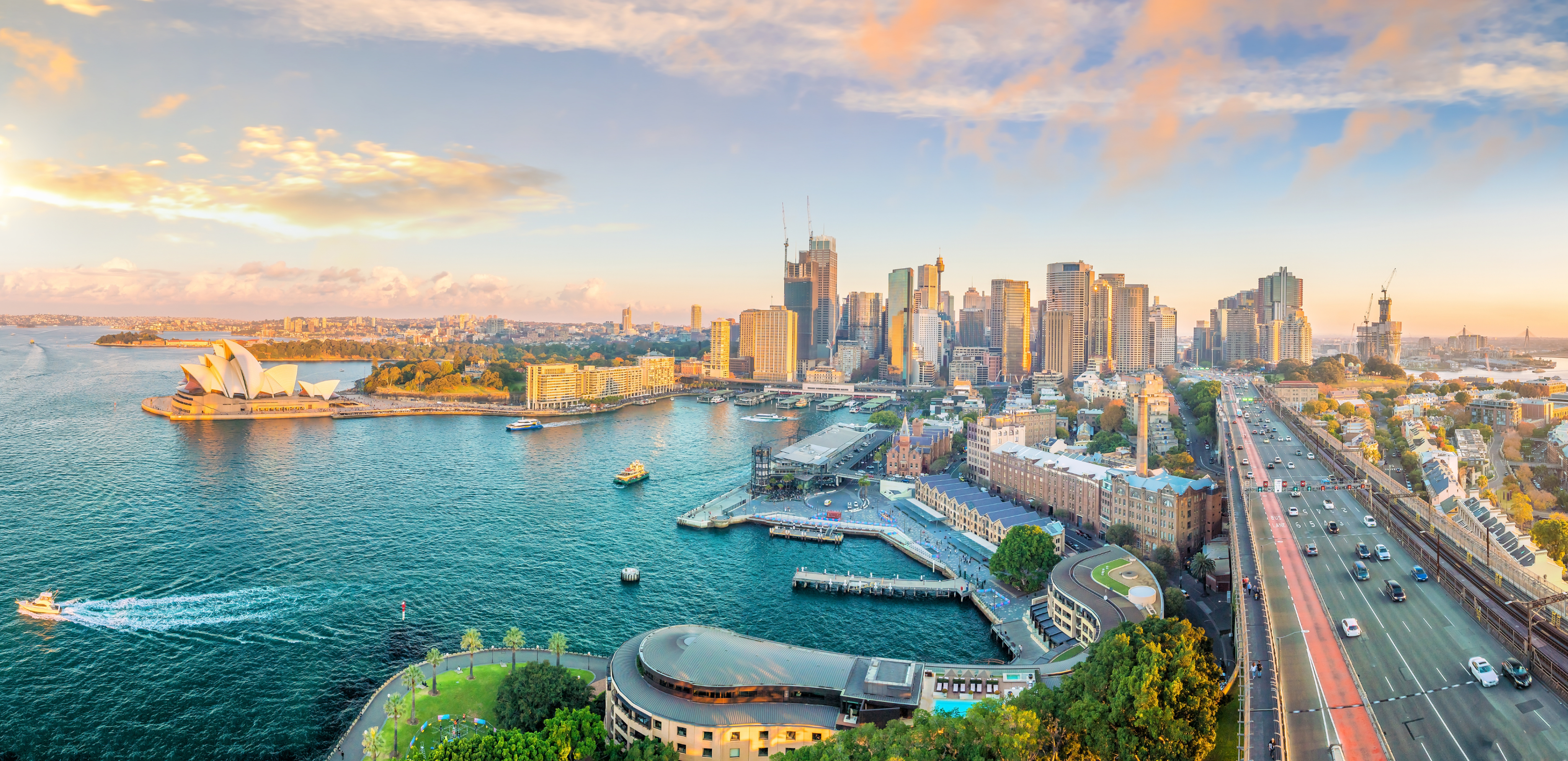
Stay in The Rocks for Sydney’s historic harbor atmosphere, with cobbled laneways, pubs, and views near Circular Quay. It’s ideal for first-timers who want to walk to ferries, museums, and the Opera House while still finding late-night dining nearby.
Best for: First-time visits and sightseeing on foot
What to expect: Lively historic streets with lots of activity around the quay
Hotel prices: Usually around €160–€320 per night for well-rated stays
Distance to major sights: About 10 to 20 minutes on foot to Circular Quay and the Opera House precinct
Quietness: Busy during the day and evening; quieter after late-night closing
Main trade-off: Higher prices and heavier crowds during peak seasons
Good to know: Choose it if you want maximum walkability and classic Sydney views.
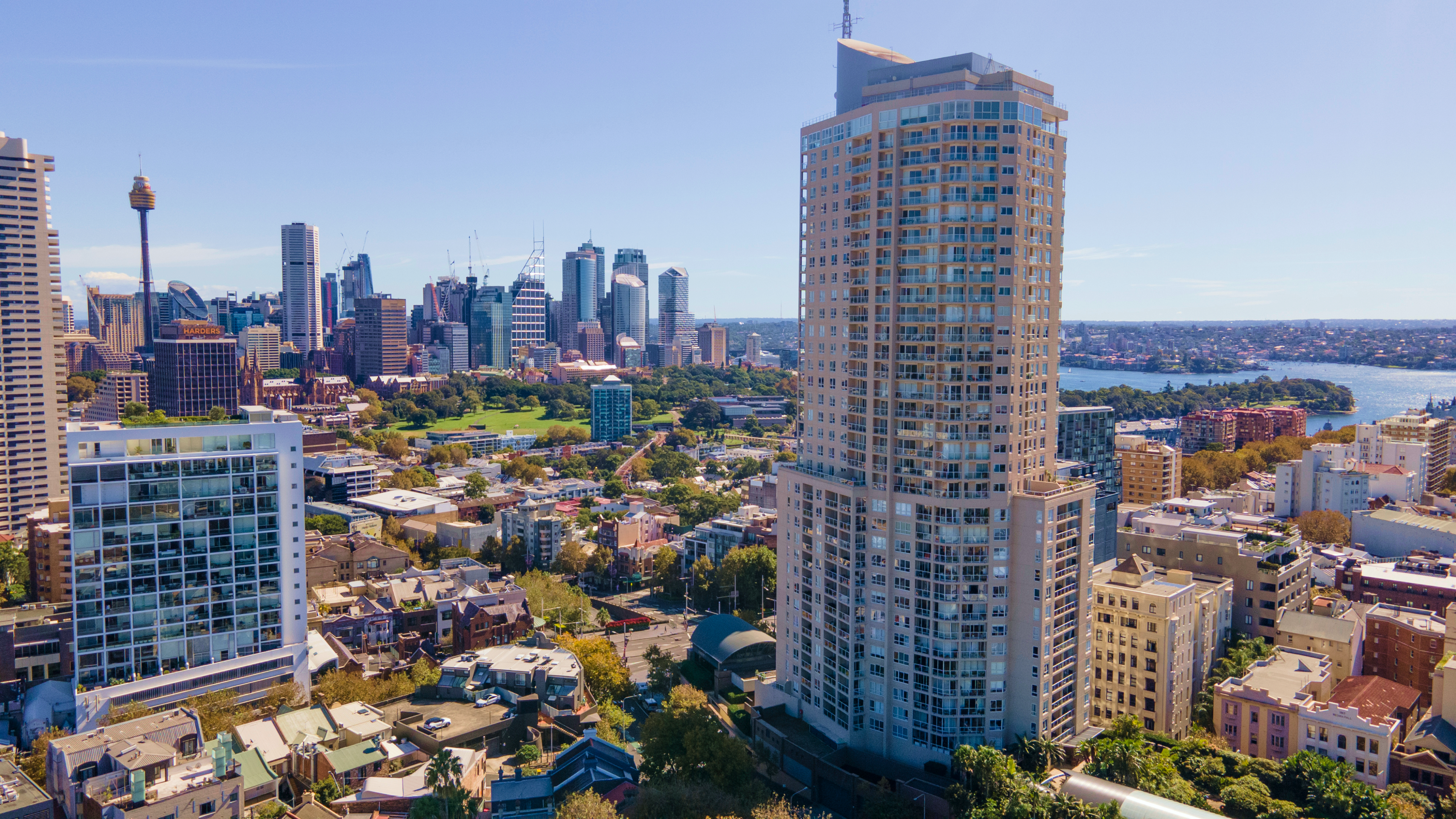
Darlinghurst is a lively, design-forward base just east of the CBD, known for restaurants, bars, galleries, and tree-lined streets. It’s convenient for walking or quick rides to Kings Cross, museums, and Darling Harbour, with a younger vibe.
Best for: Foodies, culture lovers, and nightlife seekers
What to expect: Bustling daytime energy with lively evenings and late dining
Hotel prices: Usually around €120–€260 per night for well-rated stays
Distance to major sights: About 15 to 25 minutes on public transport to Circular Quay and the Opera House area
Quietness: Active in the evening; calmer in the back streets later at night
Main trade-off: Can be noisy near nightlife streets and busy corridors
Good to know: Ideal for travelers who want a central neighborhood feel and great local food.
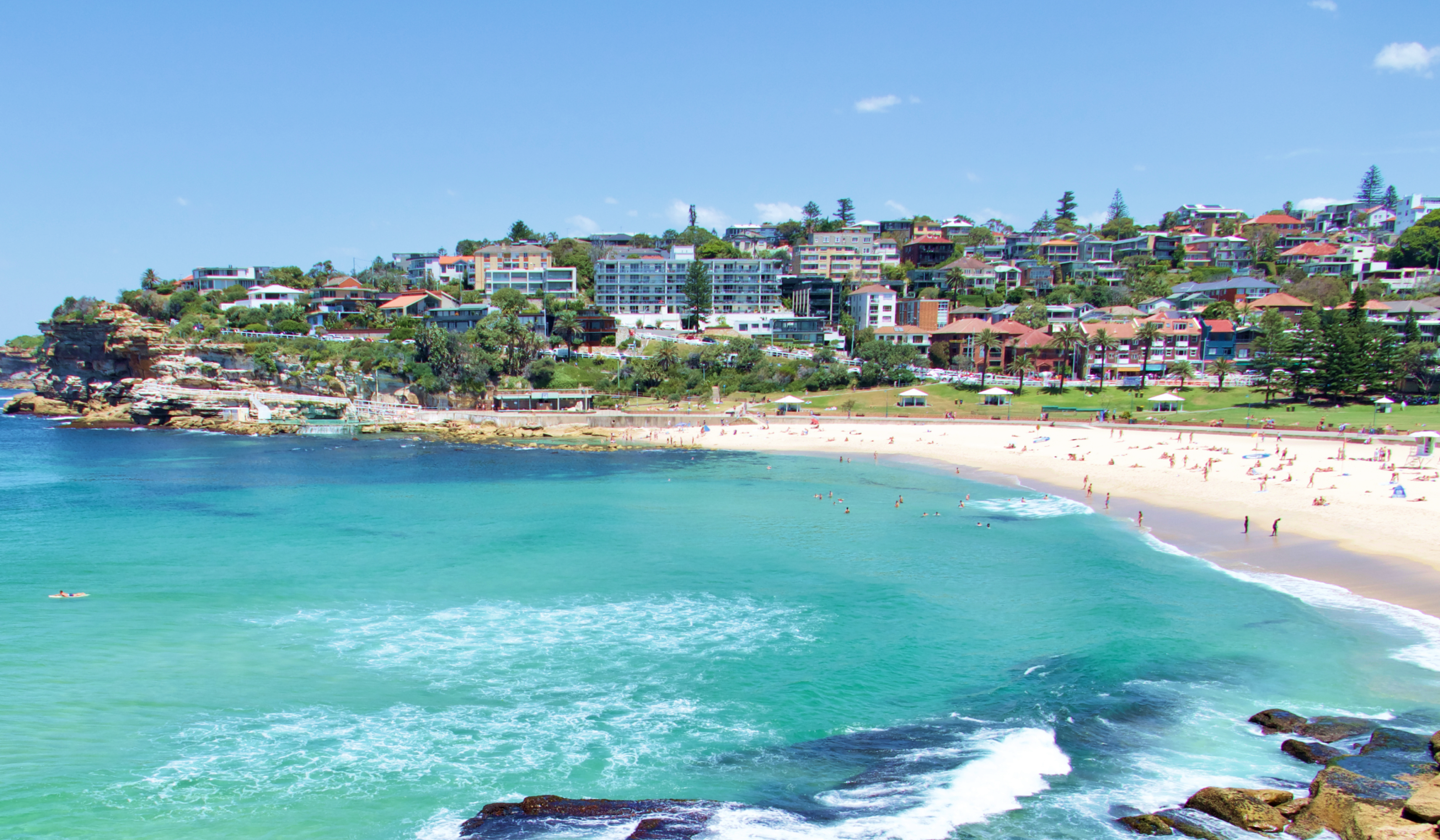
Bondi Beach offers iconic coastal energy, with surf culture, cliff walks, and plenty of cafés along the promenade. Staying here suits travelers who want beach mornings and scenic hikes, while still reaching the city via buses and trains to central hubs.
Best for: Beach lovers and hikers who want coastal views
What to expect: Energetic seaside atmosphere with lots of foot traffic and activity
Hotel prices: Usually around €170–€360 per night for well-rated stays
Distance to major sights: About 25 to 45 minutes by bus or train to central Sydney
Quietness: Lively on weekends and sunny days; more relaxed at night
Main trade-off: Can feel crowded in peak season and during events
Good to know: Great if you want Sydney’s coastline as your everyday backdrop.
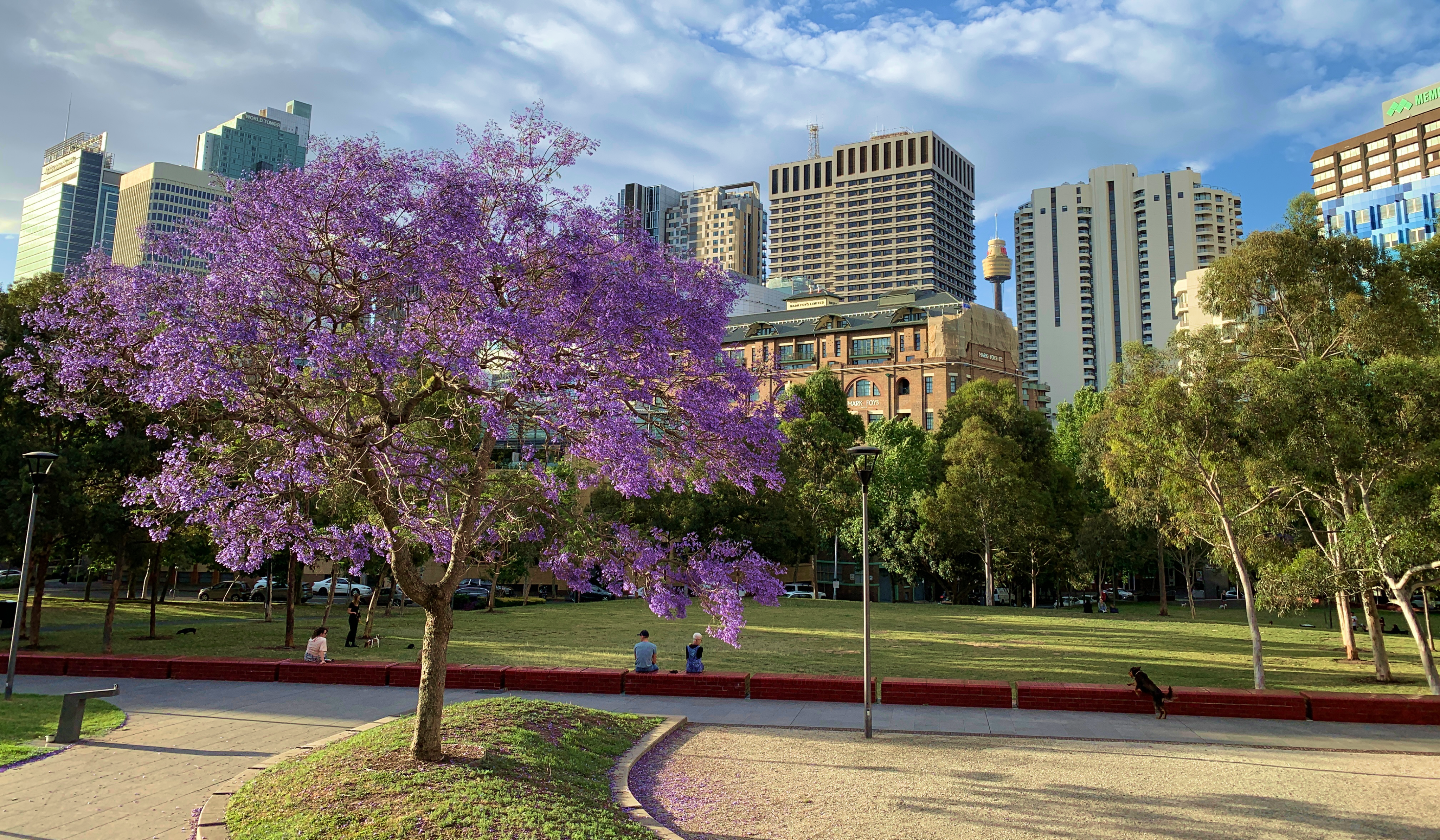
Surry Hills sits close to the city, balancing boutique shopping, creative eateries, and heritage streets. It’s a smart base for visitors who want to explore on foot—especially dining and galleries—while having fast access to Central Station and nearby attractions.
Best for: Couples and culture-focused travelers
What to expect: Active, design-led streets with steady daytime buzz and evening dining
Hotel prices: Usually around €130–€280 per night for well-rated stays
Distance to major sights: About 10 to 20 minutes by train or rideshare to Circular Quay
Quietness: Generally calm between streets; evenings get busy around restaurants
Main trade-off: Some areas can be lively late at night and busier on weekends
Good to know: Choose it for a comfortable middle ground between CBD access and neighborhood character.
Visitors often avoid staying far from central areas in places like Parramatta (away from major attractions), Bankstown, and Campbelltown due to longer commute times. Also consider being cautious around parts of Redfern and other pockets that may have limited visitor amenities at night compared with the CBD and inner-south areas.
Hotel deals
How to get around Sydney efficiently
Sydney is easiest to navigate when you combine walking with short public-transport rides and occasional taxis, especially when moving between the harbor, the CBD, and the beaches.

Train and metro
for fast cross-city trips
Sydney’s rail and light-rail network is useful for longer cross-city hops, especially between Central, Circular Quay, and the inner suburbs. An adult Opal fare is distance-based; a typical short trip costs about A$3.20–A$4.50 (US$2.10–US$3.00), and daily caps help if you ride often.

Bus and ferry
for beach routes and harbor crossings
Buses cover Bondi, Coogee, and many inner-east routes, while light rail is handy for the CBD, Central, and Darling Harbour. Fares are paid with Opal or contactless cards; a typical ride costs about A$3.20–A$4.50 (US$2.10–US$3.00), and many airport-to-beach or cross-town trips take 25–60 minutes.

Taxi and rideshare
for late hours or direct trips
Taxis are easy to find at the airport and major hotels. From SYD to the CBD, expect roughly A$45–A$65 (US$30–US$43) plus tolls and possible airport fees; the trip usually takes 20–35 minutes, longer in peak traffic.
*Prices are based on rates updated as of June 2026 and may change at the time of travel.
Trains are best for fast links to Central and Circular Quay, buses and light rail cover many inner-city and beach routes, and taxis or ride apps make the most sense when luggage, late arrivals, or tight timing matter.
Iconic landmarks
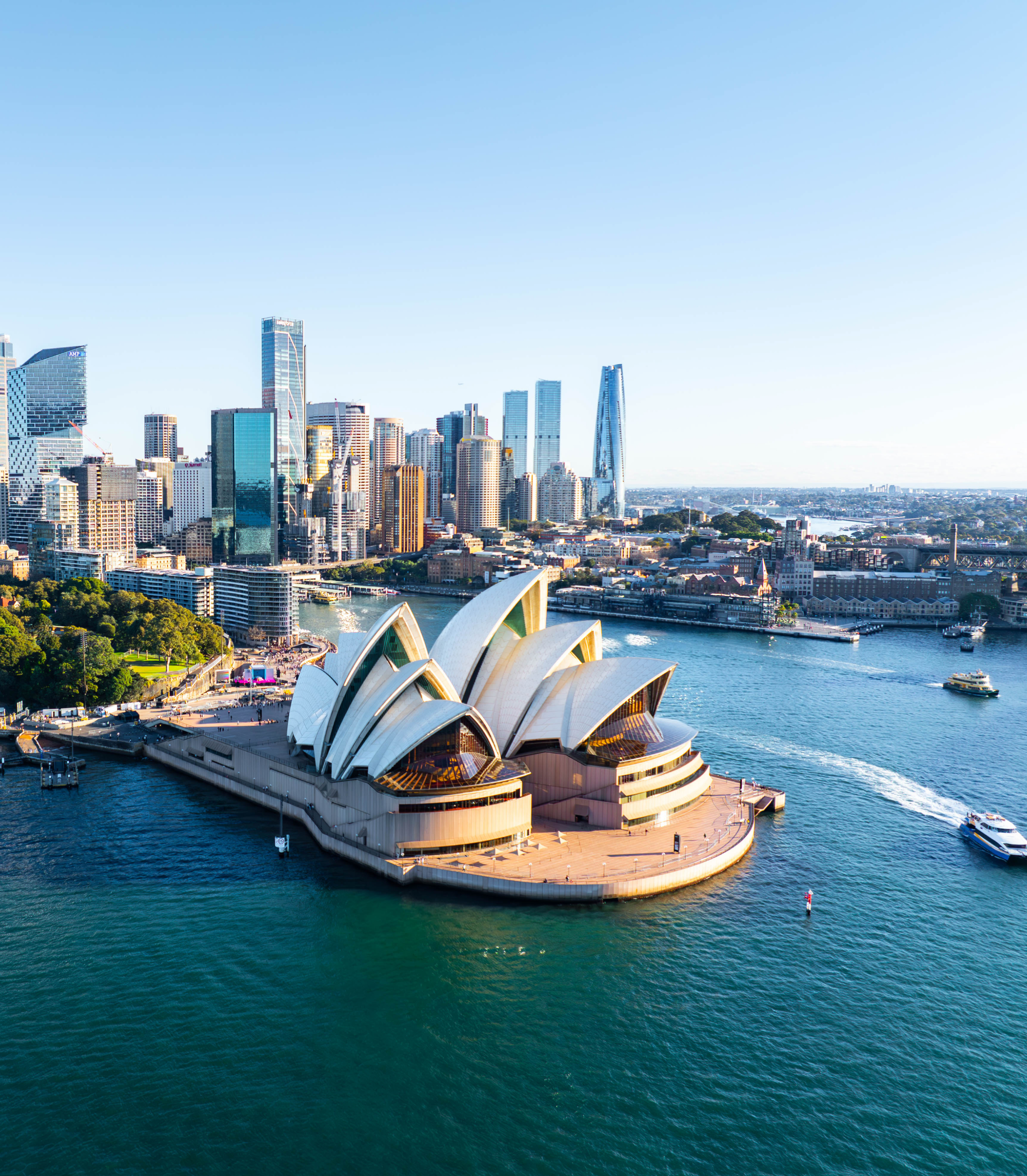
Sydney Opera House
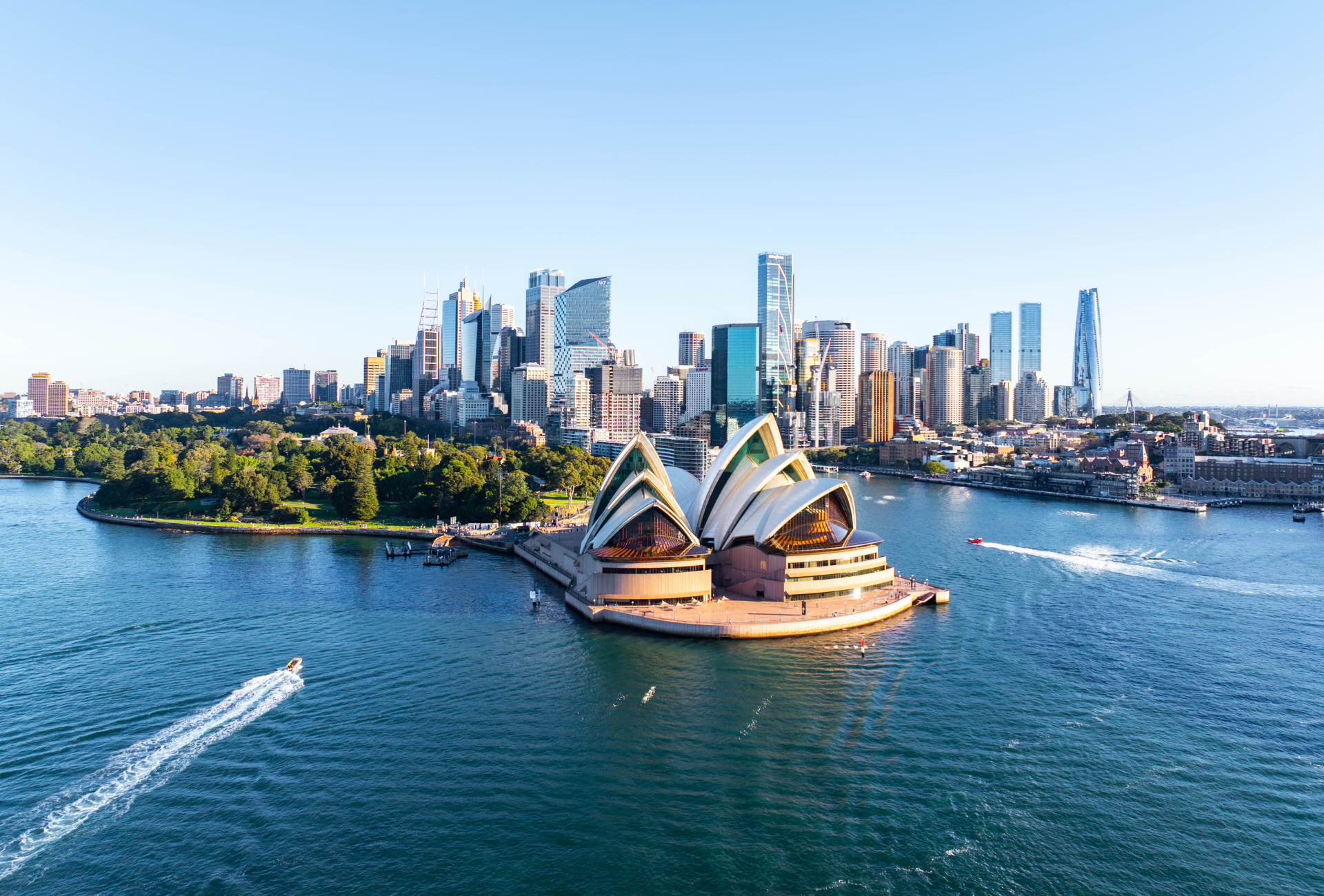
With its distinctive sail-like shells, the Sydney Opera House is Sydney’s most recognizable landmark. Catch a performance, tour the building, or visit forecourts for harbor views—especially at sunrise or after dark when the lighting shines.
Time needed: About 1.5 to 3 hours
Entry: Tours and performances vary; tour tickets commonly start around A$40 Visit the official site for details.
Tip: Book Opera House tours and popular showtimes early for best availability.
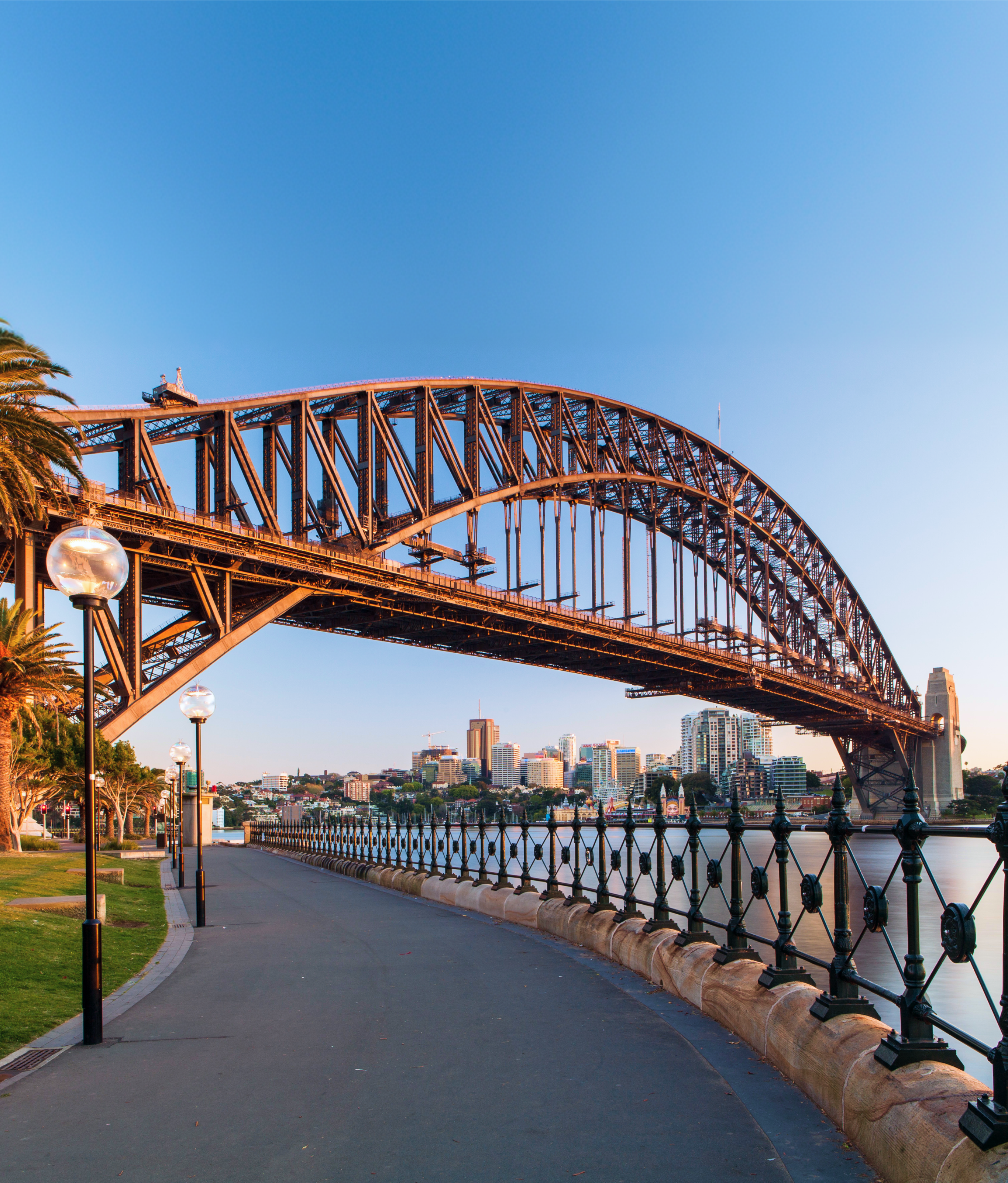
Sydney Harbour Bridge
The Sydney Harbour Bridge connects the city and offers breathtaking skyline panoramas. Choose the BridgeClimb experience for views from above, or stroll the bridge’s walking paths for harbor photos and photo angles that feel uniquely Sydney.
Time needed: Most visits take 1 to 2 hours
Entry: BridgeClimb prices vary; standard climbers typically from about A$200+ Visit the official site for details.
Tip: For BridgeClimb, pick a clear forecast day and arrive early for check-in.
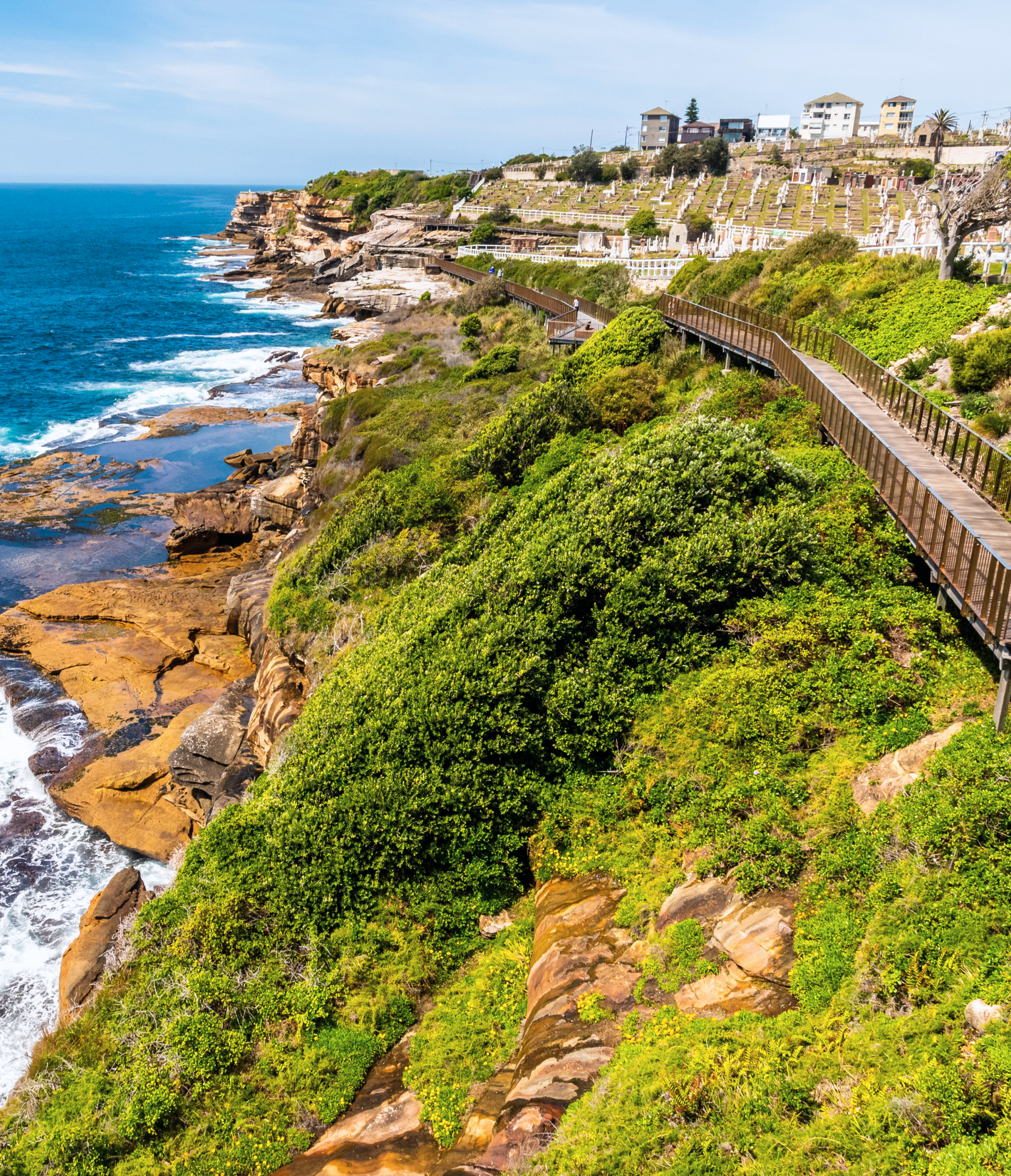
Bondi to Coogee Coastal Walk
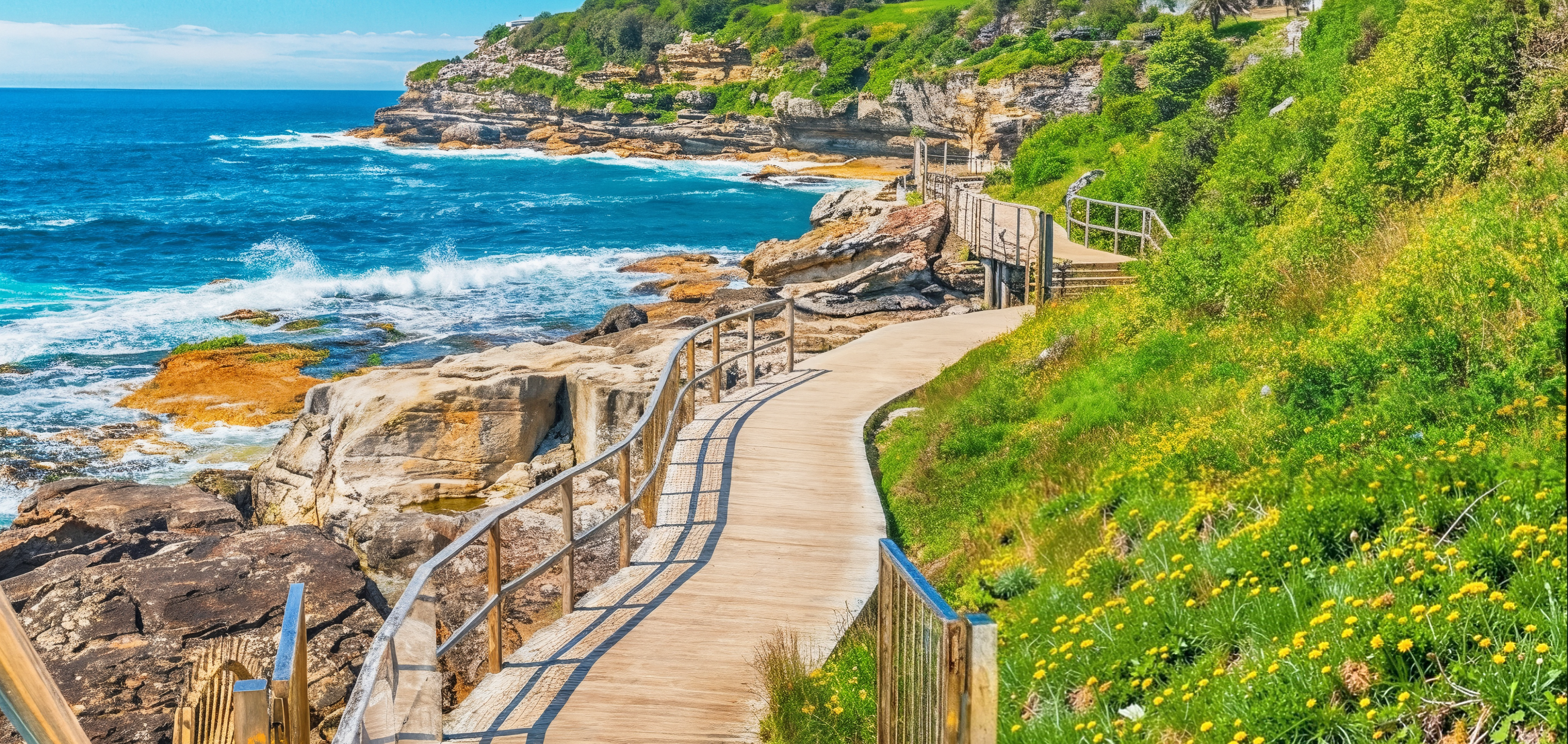
This classic seaside route follows cliffs, coves, and beaches between Bondi and Coogee, showcasing Sydney’s coastal lifestyle. It’s scenic in every season, and you can tailor the distance—perfect for a morning walk with ocean views.
Time needed: About 1.5 to 3.5 hours
Entry: Free to access Visit the official site for details.
Tip: Start early, bring water, and wear solid shoes—some sections are rocky.
Overlooked sites worth visiting
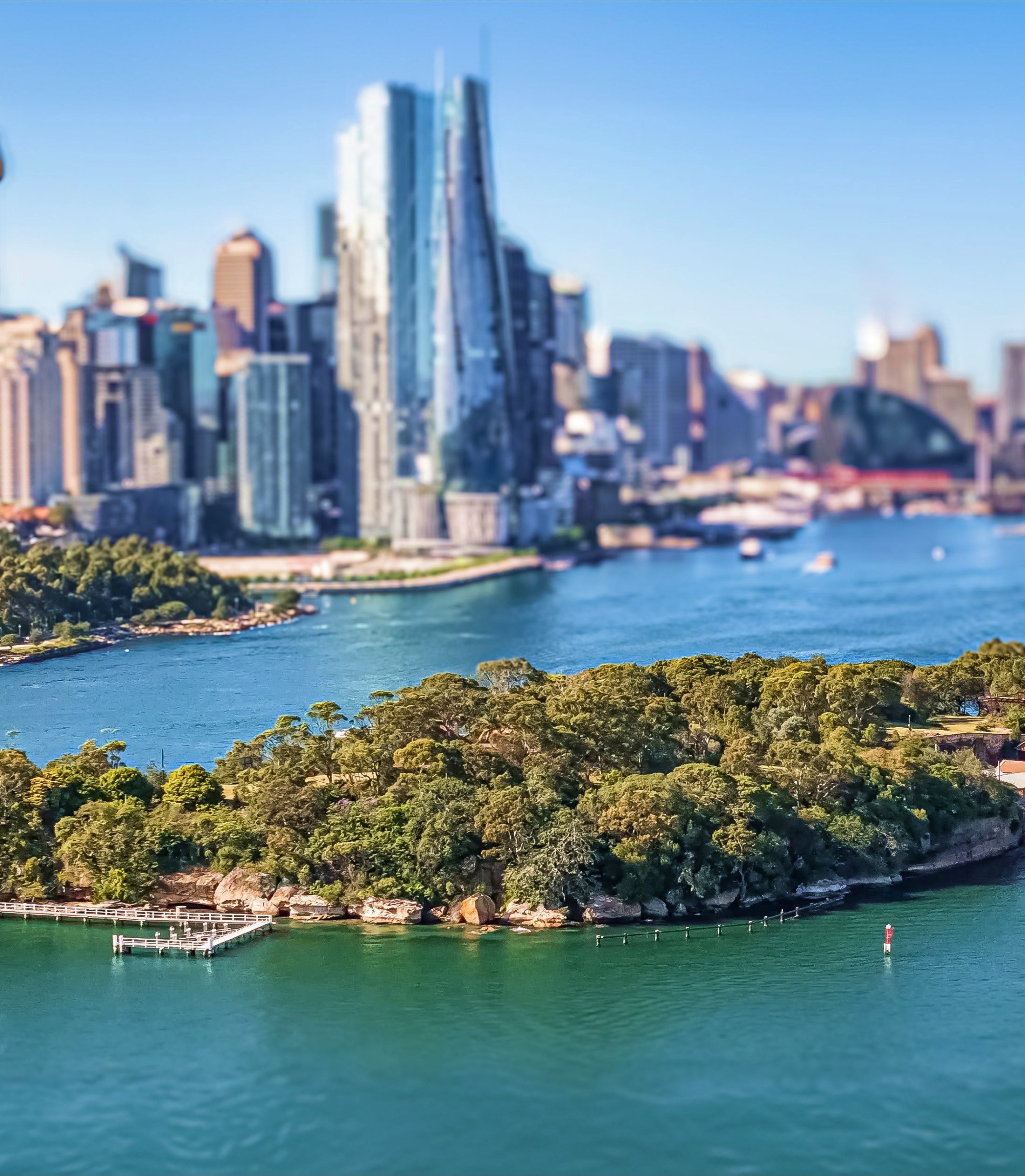
Cockatoo Island
Cockatoo Island is a former convict and shipbuilding site turned UNESCO-listed landmark. Ferries make it easy to reach, and the island’s dramatic industrial ruins, harbor views, and self-guided history feel different from the typical sights.
Time needed: About 1 hour
Entry: Ferry+entry options vary; day access commonly around A$35–A$60 (€22–€38)
Tip: Check the ferry timetable before you go—services can change by season.
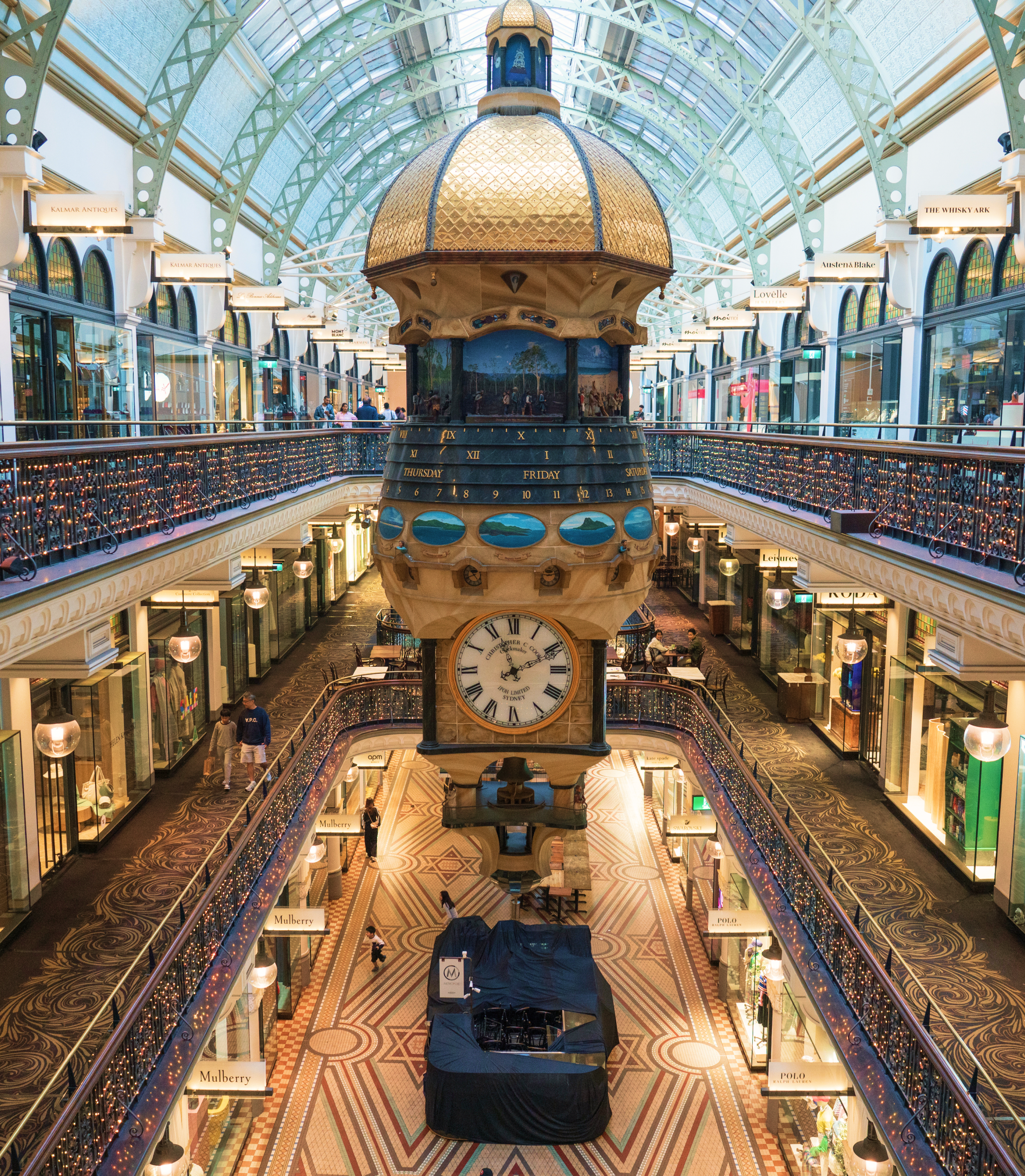
Queen Victoria Building (QVB) + Pitt Street Mall
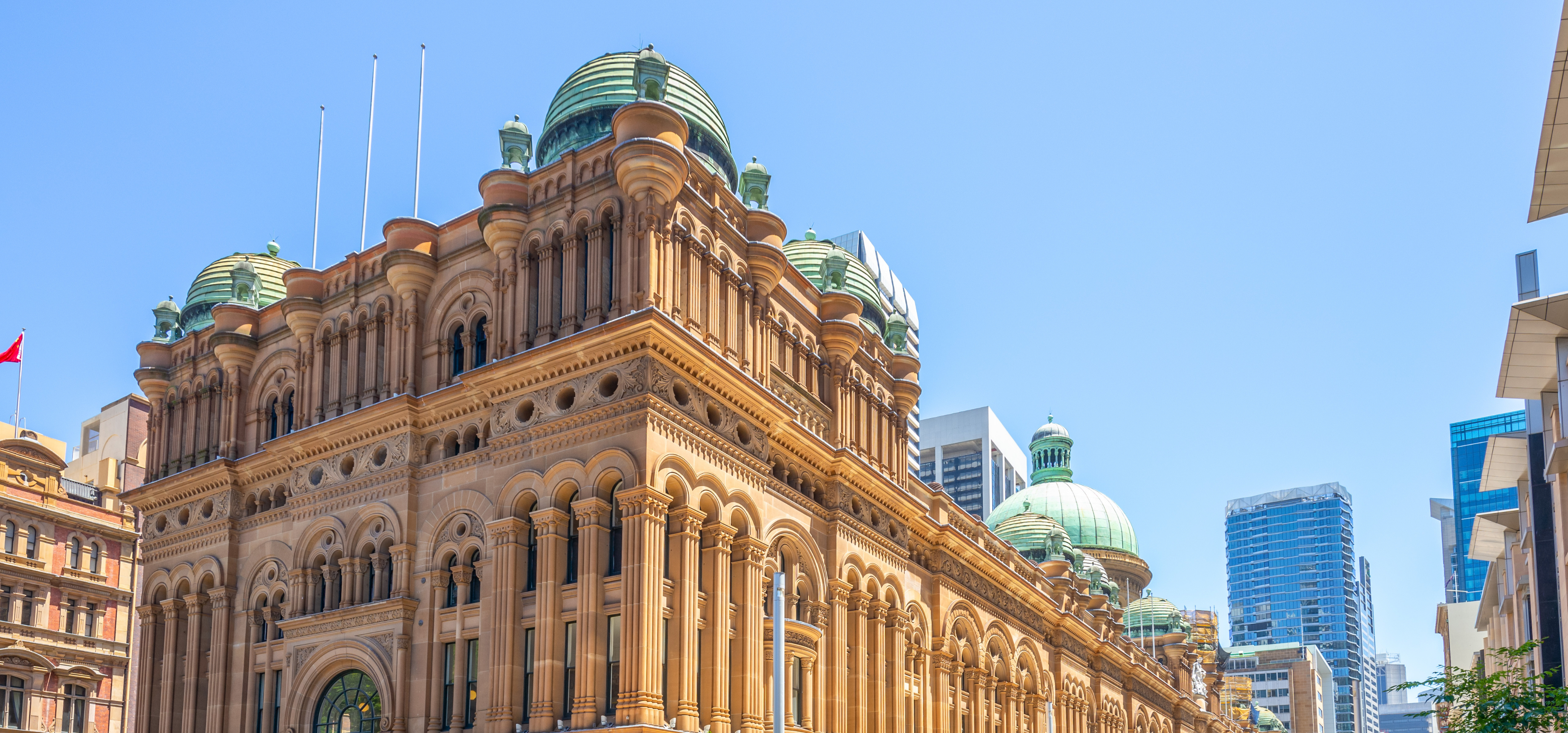
Inside the grand QVB you’ll find an elegant shopping arcade with a stunning domed interior, mosaic floors, and heritage architecture. Pair it with a short walk through Pitt Street Mall for a calmer, beautiful alternative to the busiest CBD blocks.
Time needed: About 2 hours
Entry: Free to enter; some shops and attractions have separate pricing Visit the official site for details.
Tip: Visit mid-morning for softer light inside the arcade and fewer crowds.
Traditional food
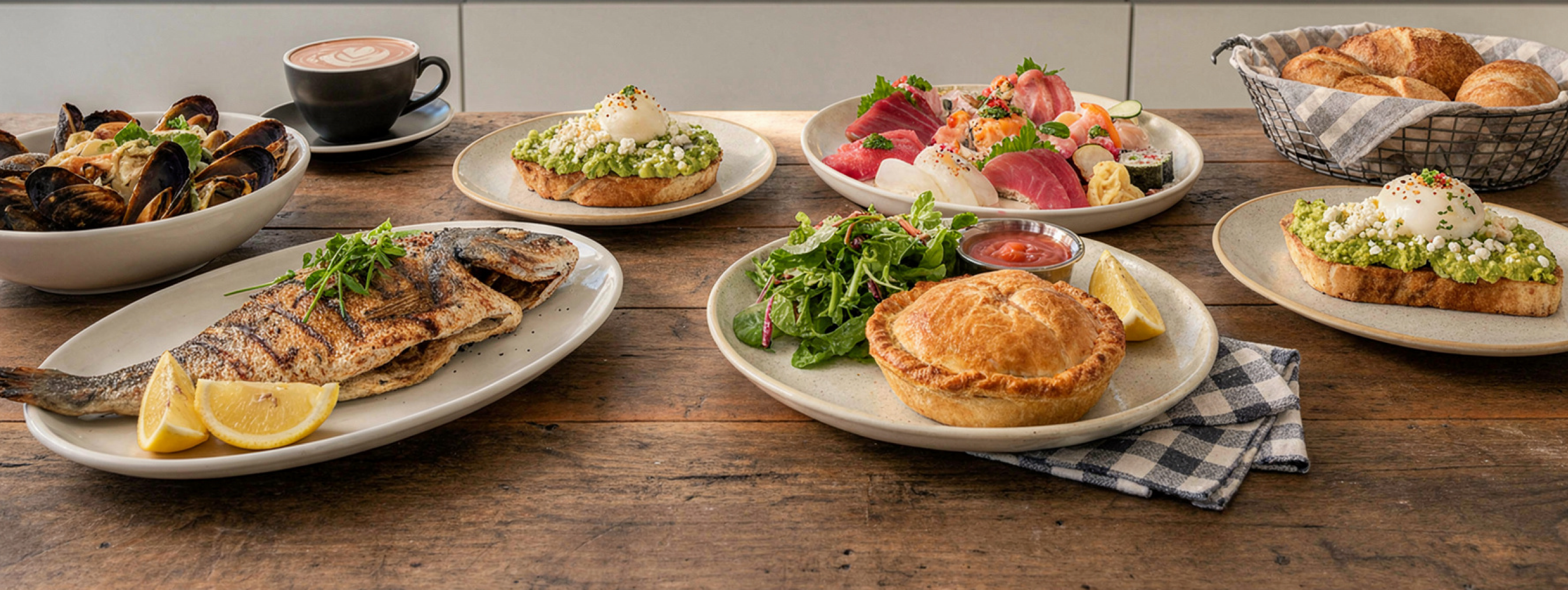
Sydney’s food is shaped by coastal ingredients, café culture, and a relaxed dining rhythm. Expect simple breakfasts, seafood, meat pies, and broad multicultural influence, with meals built around fresh fish, toast, and easygoing, all-day spots.
Meat pie
A classic Australian meat pie is a compact, savory pastry filled with minced meat and gravy, usually eaten as a quick lunch or snack. Harry’s Cafe de Wheels has served one of Sydney’s most famous versions for decades.
Vegemite on toast
Vegemite on toast is the simplest local breakfast: crisp toast, butter, and a thin spread of the salty yeast extract. Bill’s in Darlinghurst has long made it part of a polished Sydney breakfast ritual.
Barramundi
Barramundi is a mild, flaky fish often served pan-fried with seasonal vegetables or citrus. Saint Peter in Paddington treats Australian seafood with real precision and has built a strong reputation for it in Sydney.
Prawn cocktail
The prawn cocktail is a retro Australian favorite that still appears on many modern Sydney menus, usually chilled and served with a tangy sauce. Icebergs Dining Room and Bar has made it part of its seaside dining identity.
Best time to visit Sydney
Sydney is pleasant year-round, but summer suits beaches and outdoor dining, while spring and autumn bring milder conditions and easier sightseeing.
Best for: Best for Bondi, coastal walks, and long evenings outdoors
What you get: 77–82°F (25–28°C); busiest period at beaches and major sights
Trade-offs: Hot days, stronger crowds, and higher prices
Best for: Best for balanced weather, harbor views, and easier walking
What you get: 64–79°F (18–26°C); crowds begin to ease after summer
Trade-offs: Some days still feel warm, and rain can appear
Best for: Best for clearer air, lower hotel demand, and comfortable city days
What you get: 50–64°F (10–18°C); lighter crowds except for school holidays
Trade-offs: Cooler mornings and less beach time
Best for: Best for outdoor sightseeing before the peak summer rush
What you get: 57–75°F (14–24°C); generally moderate crowds and good visibility
Trade-offs: Weather can shift quickly between cool and warm
A realistic 5-day plan in Sydney
This five-day plan keeps the city in manageable pieces. It starts with arrival and the harbor, moves through the CBD and shopping streets, then leaves space for the coast and a flexible final day before departure.
Arrive at Sydney Kingsford Smith Airport (SYD). From there, the Airport Link train reaches Central Station in about 13 minutes and Circular Quay in roughly 20–25 minutes, with fares around A$20–A$23 (US$13–US$15) depending on the trip. A taxi to the CBD usually costs A$45–A$65 (US$30–US$43) and takes 20–35 minutes. Keep day one light: check in, walk nearby, and save the harbor for tomorrow.
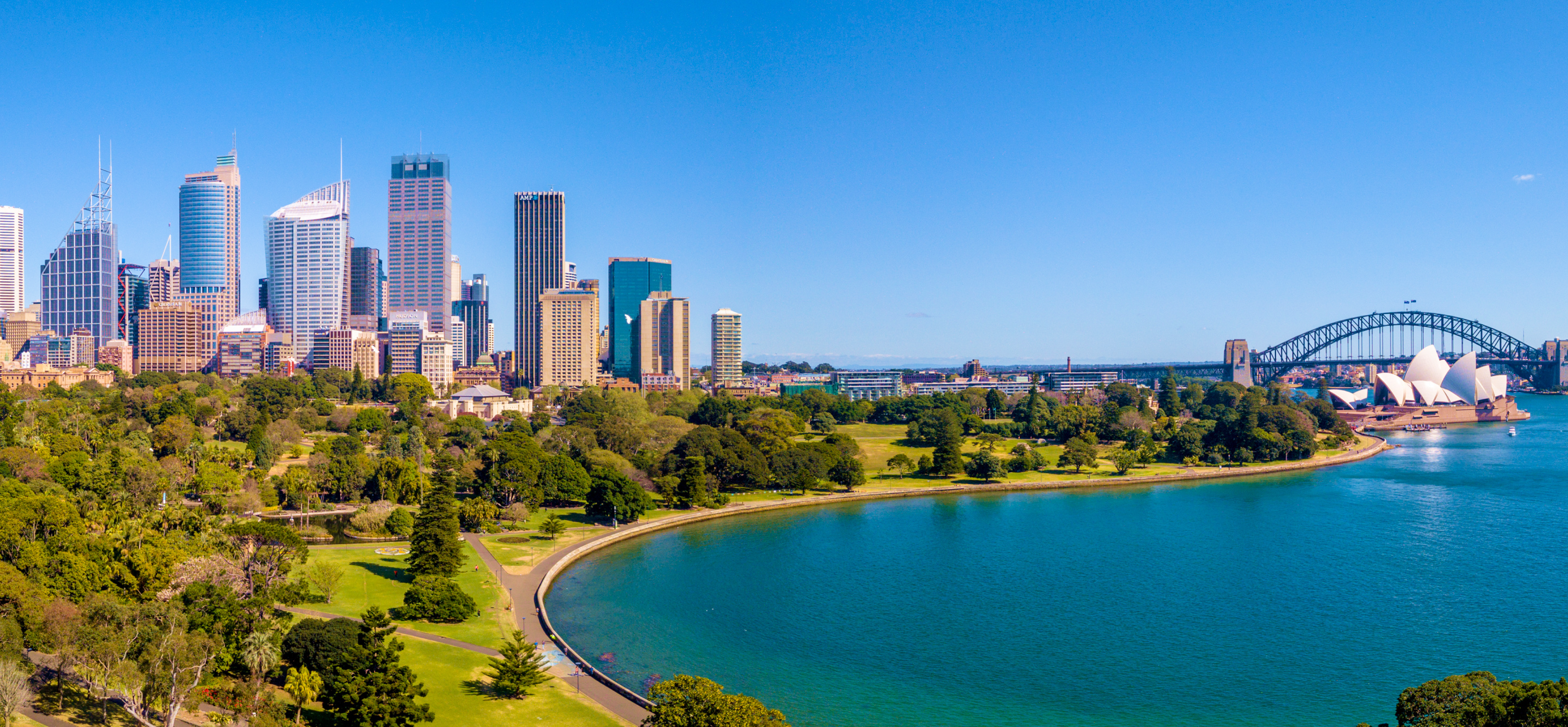
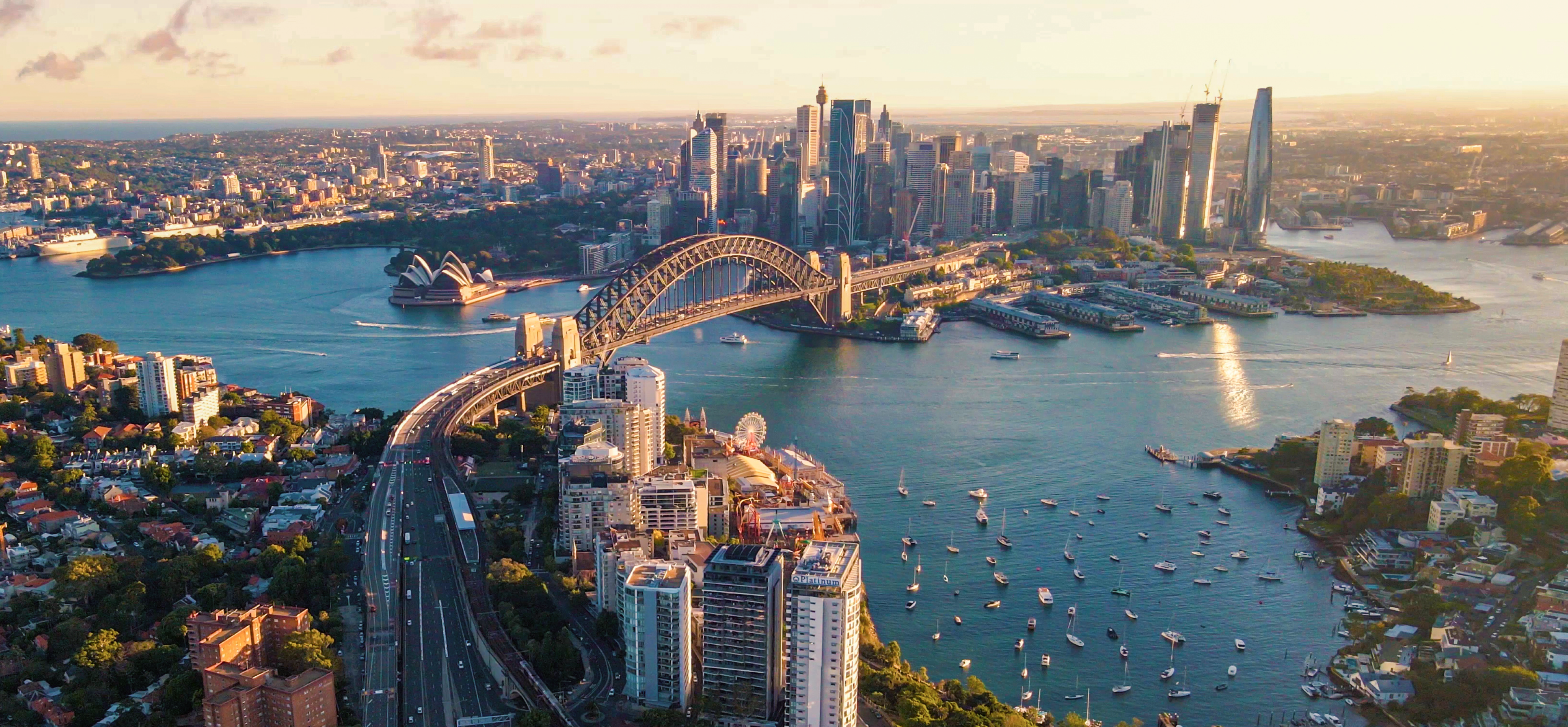
Start in The Rocks for Sydney’s best first-time harbor walk, then continue to Circular Quay and the Sydney Opera House forecourt. The Opera House is worth booking in advance; guided tours commonly start around A$40 (US$27) and take 1.5 to 3 hours. Add the Sydney Harbour Bridge walkway for skyline views, and if you want the full experience, BridgeClimb prices start around A$200+ (US$133+) and usually take 1 to 2 hours.
Plan this day around the Queen Victoria Building and Pitt Street Mall in the CBD, with a slower shopping-and-architecture focus. The QVB is free to enter, and it pairs well with nearby laneways, galleries, and a Chinatown lunch break. For a deeper stop, it is easy to add a short visit to Darling Harbour or nearby museums without much transit time.
Spend the day on the coast: start in Bondi Beach and walk part or all of the Bondi to Coogee Coastal Walk. The route is free and usually takes 1.5 to 3.5 hours, depending on how much you walk and how often you stop for photos or swims. If you base yourself in Bondi, the relaxed cafés and surfside atmosphere make this the most scenic Sydney day.
Keep the final day flexible for shopping, a slow brunch, or a short harbor outing before departure. If you have time, revisit a favorite area such as The Rocks or the QVB, then head to the airport with a buffer for traffic. A taxi is simplest for luggage, but the train is usually the fastest option if you’re near Central or Circular Quay.
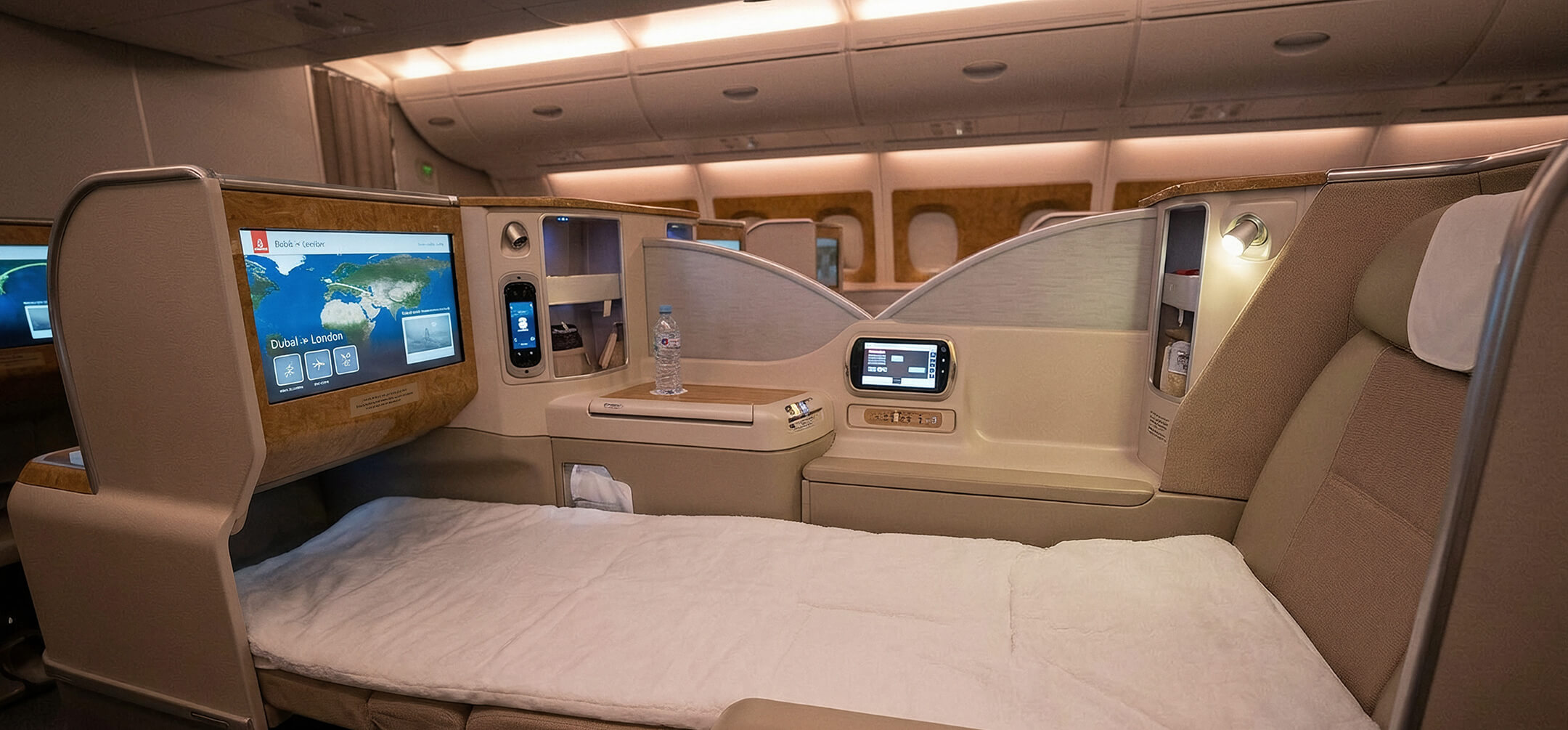
Business-class flights from the US to Sydney

Sydney is well connected from both New York and Los Angeles, but the routing and pricing differ enough that it helps to look at each origin separately.
Qantas, United, American Airlines, Delta Air Lines, Air New Zealand, Fiji Airways operate nonstop flights on this route, with a duration of 19 to 21 hours. Round-trip business-class tickets typically range from $5,953 to $7,302, with last-minute bookings reaching $8,500. Round-trip economy tickets typically range from $988 to $1,340, with last-minute bookings reaching $1,700. If you don’t mind a layover, common routings via LAX, DFW, HKG, NRT, ICN, DOH take 22 to 30 hours and often reduce the cost.
Qantas, United, American Airlines, Delta Air Lines, Air New Zealand, Fiji Airways operate nonstop flights on this route, with a duration of 15 to 16 hours. Round-trip business-class tickets typically range from $4,606 to $6,020, with last-minute bookings reaching $7,200. Round-trip economy tickets typically range from $784 to $1,100, with last-minute bookings reaching $1,500. If you don’t mind a layover, common routings via HKG, NRT, ICN, DOH take 17 to 28 hours and often reduce the cost.
Sydney rewards a slower rhythm.
Sydney is easier to appreciate when the city is arranged by area instead of treated like a checklist. Shorter transfers, better timing, and a calmer daily rhythm leave more room for the harbor, the coast, and the neighborhoods in between. If you are planning a trip to Sydney, our AranGrant experts can help you review hotels, routes, and timing so the itinerary feels practical from the first day to the last.