Chapters:

Need help with your trip?
Our support team is available 24/7. Request a callback or call us directly at (833) 619-0908
London is a city that rewards knowing where to start. Get the first day wrong: the wrong neighborhood, the wrong order of sights, and the rest of the week starts playing catch-up.
The city is wider than it looks on a map, and the gaps between major sights are real. A cross-river trip to Bankside, a station change at Victoria, a queue outside the Tower: none of these take long on their own, but they stack up across a day.
This guide organizes London by neighborhood and transit logic. Each day has a clear focus and avoids detours, so the city is easy to explore and you have enough time to take in everything London has to offer.
Everything you need to know about London

Main language(s): English

Currency: Pound sterling (GBP, £)

Cash and cards: Cards, Apple Pay, and Google Pay are widely accepted in shops, hotels, restaurants, and most museums across London. Keep about £10-£25 ($13-$33) in cash for small cafes, market stalls, and public restrooms.

Tipping: Round up small bills and leave 10%–15% in restaurants when service is good. Many cafes and pubs add no tip automatically, although some charge a service fee.

Traditional food: London’s classic dishes include battered fish and chips, a full English breakfast with all the trimmings, Sunday roast with Yorkshire pudding and gravy, and pie and mash with parsley liquor.

Water and coffee costs: A small bottle of water usually costs £1.50– £2.50 ($2– $3), and an espresso at the bar costs £2.50– £3.50 ($3– $5).

Taxis and ride apps: Uber, Bolt, and Free Now operate in London. Licensed black cabs are easy to hail in central areas. You should ignore drivers offering rides at airports or rail stations.

Plug and voltage: Type G socket, 230V

Dining and shop opening hours: Shops are open from 9:00 am to 9:00 pm, Monday to Saturday, and from noon to 6:00 pm on Sundays. Restaurants serve breakfast from 7:00 am to 10:00 am, lunch from 12:00 pm to 3:00 pm, and dinner from 6:00 pm to 10:00 pm.

Emergency number: Call 999 or 112 for police, ambulance, and fire emergencies.
Where to stay in London
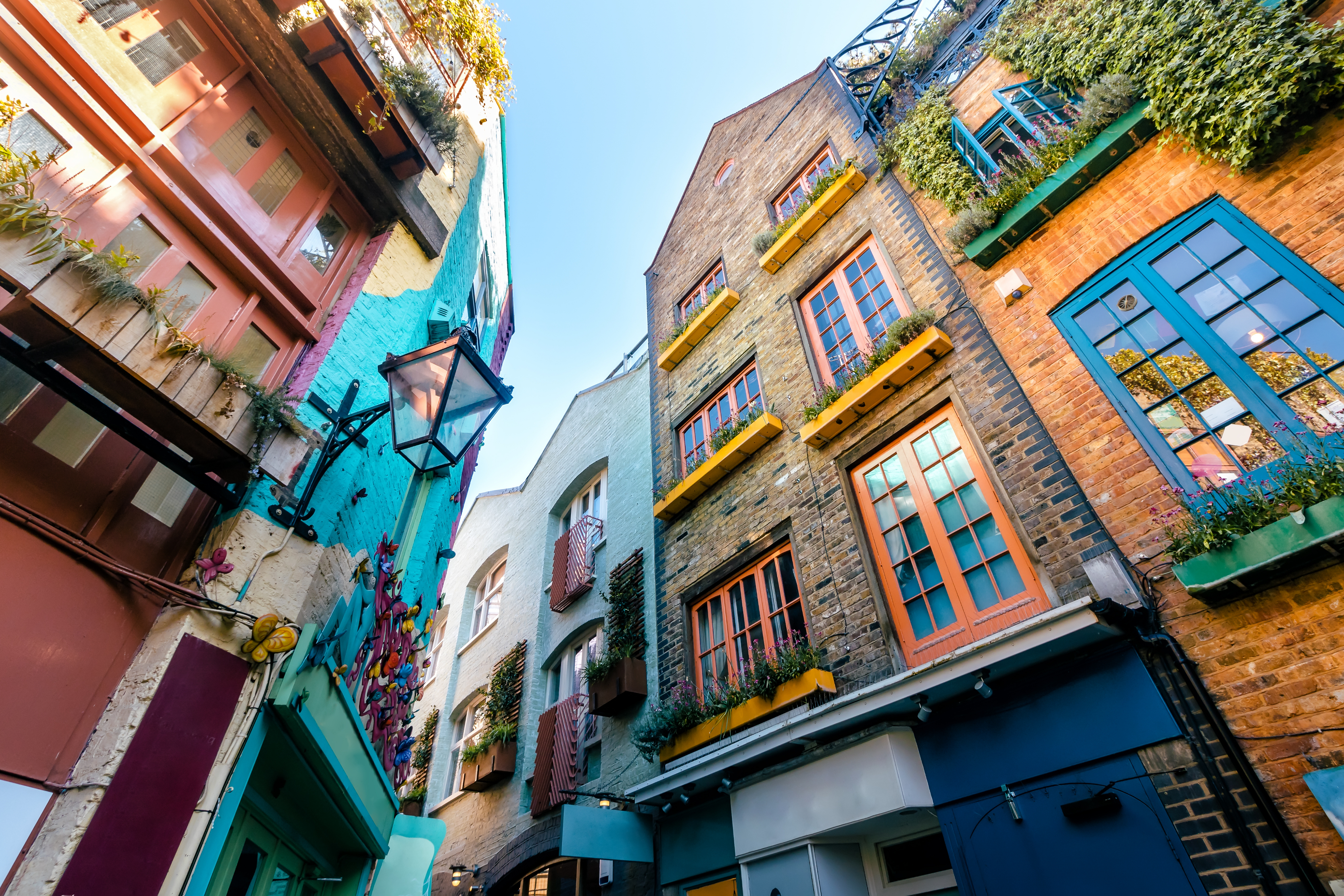
Covent Garden is located in the West End, close to theaters, shops, and major sightseeing streets. It is suitable for visitors who want to walk to the National Gallery, Trafalgar Square, and the Strand without relying on late trains.
Best for: Theater trips, central sightseeing, and visitors who want an address with evening dining nearby
What to expect: Expect busy pavements, buskers, and steady foot traffic from morning until late evening.
Hotel prices: From £190 to £600 ($250 to $800) per night for well-rated hotels
Distance to major sights: 5–10 minutes on foot to Trafalgar Square and the National Gallery
Quietness: Lively in the day and evening, with late foot traffic on main streets
Main trade-off: Many hotel rooms are above busy streets or close to nightlife locations.
Good to know: Book early if you want a large room, as high demand can quickly push prices up.
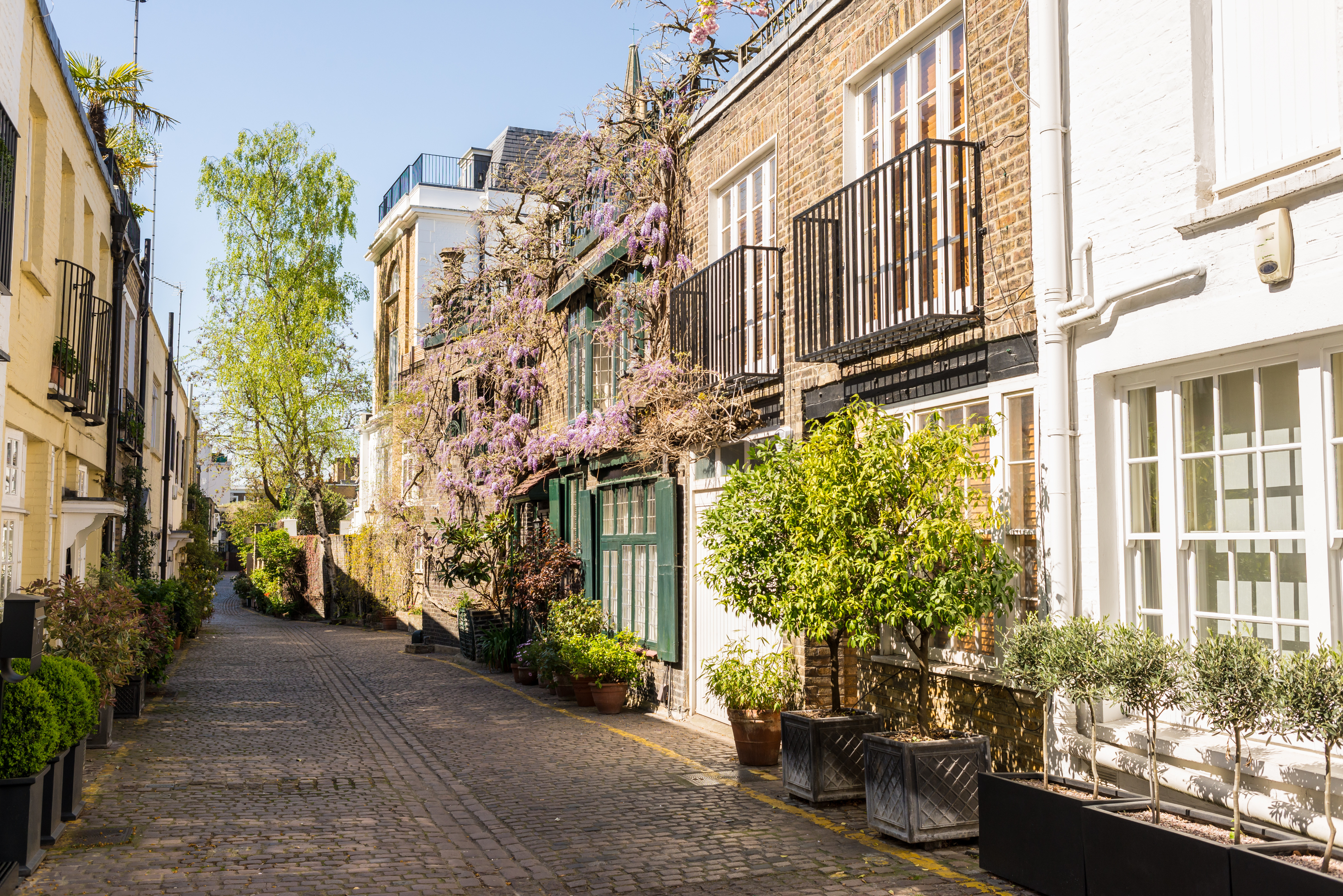
South Kensington is a museum-led residential area with elegant streets, cafés, and easy Underground access. It suits travelers who want a calmer London location near the Victoria and Albert Museum, the Natural History Museum, and Hyde Park.
Best for: Museum visits, upscale dining, and travelers who prefer a residential location with central access
What to expect: Expect refined but busy streets, plenty of cafés, and a mix of visitors and local residents.
Hotel prices: Usually about £180 to £360 ($240 to $480) per night for well-rated stays
Distance to major sights: 8 minutes on foot to the Victoria and Albert Museum and to the Natural History Museum
Quietness: Quieter at night than the West End, although main roads still carry traffic
Main trade-off: Hotel and restaurant prices are higher than in many other parts of London.
Good to know: The London Underground is the main advantage here, so pick a hotel close to the station if you want easy airport and cross-city connections.
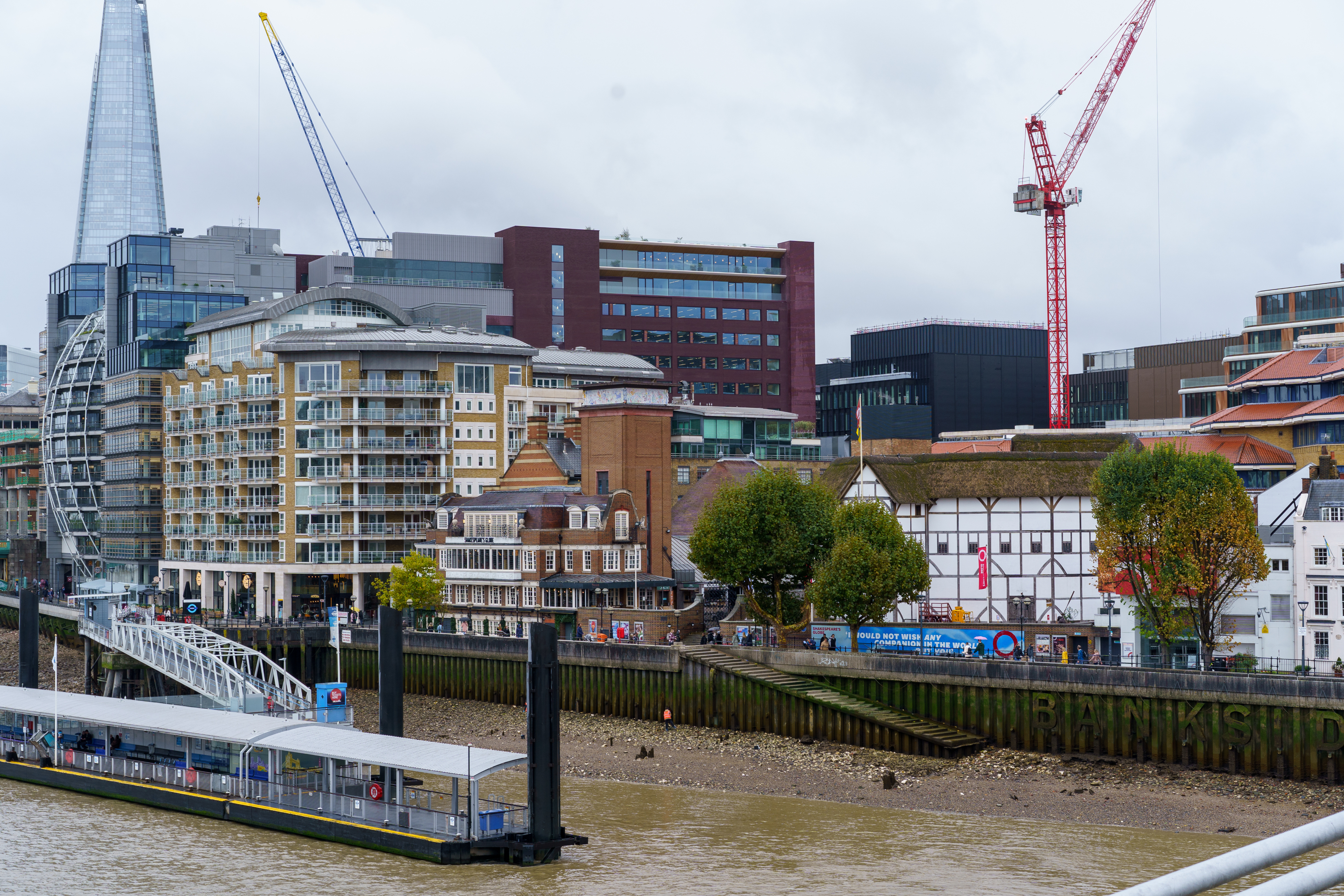
Bankside stretches along the South Bank near the Tate Modern, Shakespeare’s Globe, and the river path. It appeals to visitors who want modern galleries, riverside walks, and a quick crossing into the City or the West End.
Best for: Gallery visits, riverside walks, and travelers who want to stay near South Bank landmarks
What to expect: Expect a mix of office workers, theatergoers, and tourists, with busy daytime streets and active riverside paths.
Hotel prices: Usually about £170 to £320 ($220 to $430) per night for well-rated hotels
Distance to major sights: Up to 10 minutes on foot to the Tate Modern and roughly 3 minutes on foot to Shakespeare’s Globe
Quietness: Busier by day and around theaters in the evening, quieter on side streets late at night
Main trade-off: The setting is attractive, but some hotels are farther from the classic West End shopping streets.
Good to know: Choose this area if you plan to walk along the river often, since the Thames path links several major sights without changing hotels.
Travelers usually avoid Heathrow hotels because they are far from central sights and add significant journey time. Less convenient options include outer Croydon, Stratford, away from the station, and Canary Wharf, which is quiet after office hours.
Hotel deals
Getting around London
London’s transportation is well-suited for short trips. The Tube, the Elizabeth line, red buses, black cabs, and ride apps cover different parts of the city.

Metro
for longer distances
The Tube covers most visitor areas, and the Elizabeth line connects Heathrow, central London, and Canary Wharf. Fares range from £3 ($4) to £5.90 ($7.80). From Heathrow, the ride takes 27 minutes on the Elizabeth line or 50 minutes on the Piccadilly. Night Tube runs on some lines on weekends.

Bus and tram
for convenience
Red London buses run in London, and the city also has a small tram network in South London. Fares are £1.75 ($2.30) per journey, including free transfers between lines within 60 minutes. Board at the front or middle doors and pay with a contactless card or an Oyster card. Buses do not accept cash.

Taxi
for convenience or late hours
London black cabs use a meter with a flag drop plus time and distance charges; central trips typically cost £12–£28 ($16–$37). A ride from Heathrow downtown costs £75–£110 ($99–$145). You can hail one on the street or book using a dedicated app. All of them accept cards.
*Prices are based on rates updated as of June 2026 and may change at the time of travel.
Use the Tube and Elizabeth Line for speed, buses for short cross-town rides, and black cabs or ride apps when you want door-to-door travel late at night or with luggage.
Iconic places in London
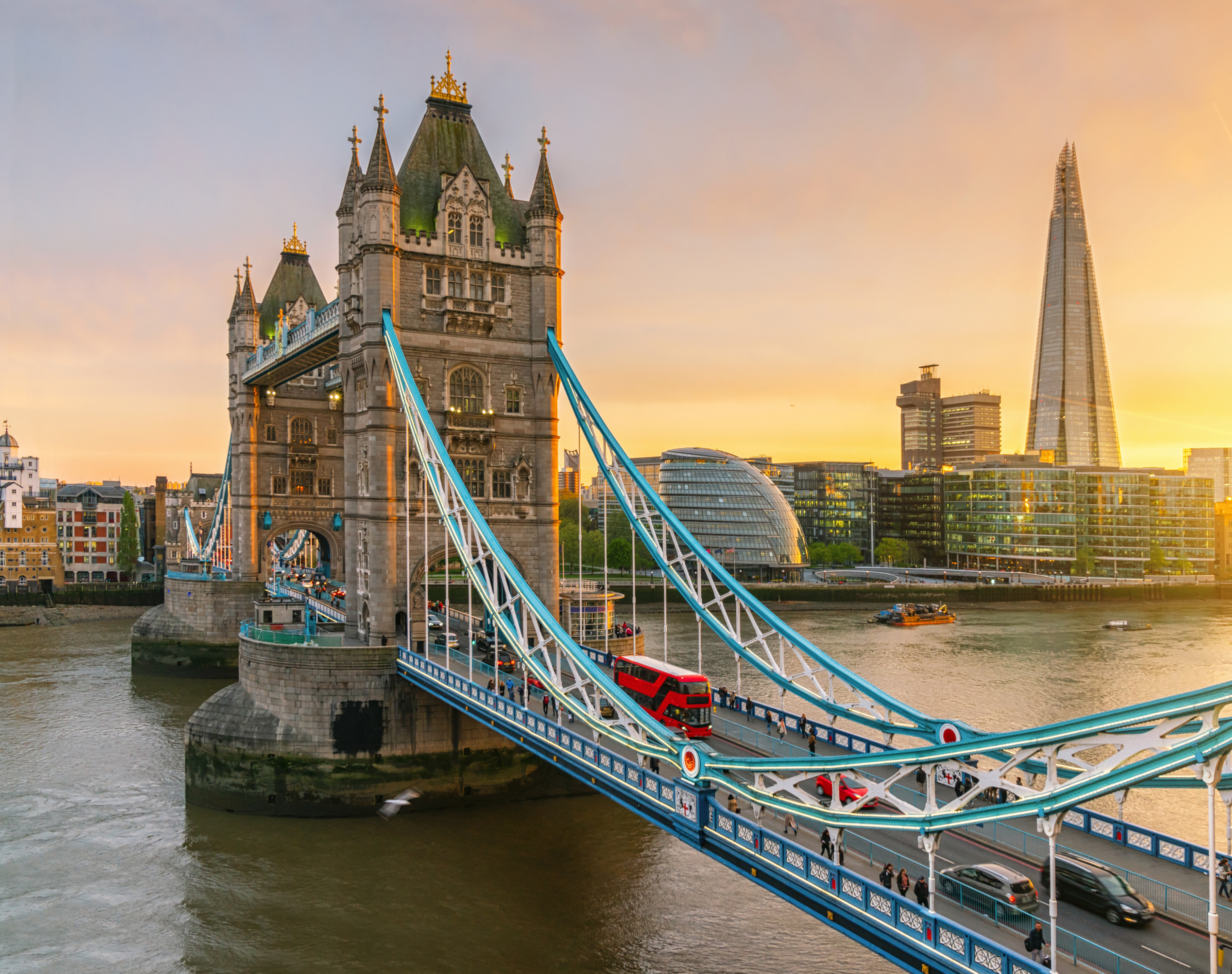
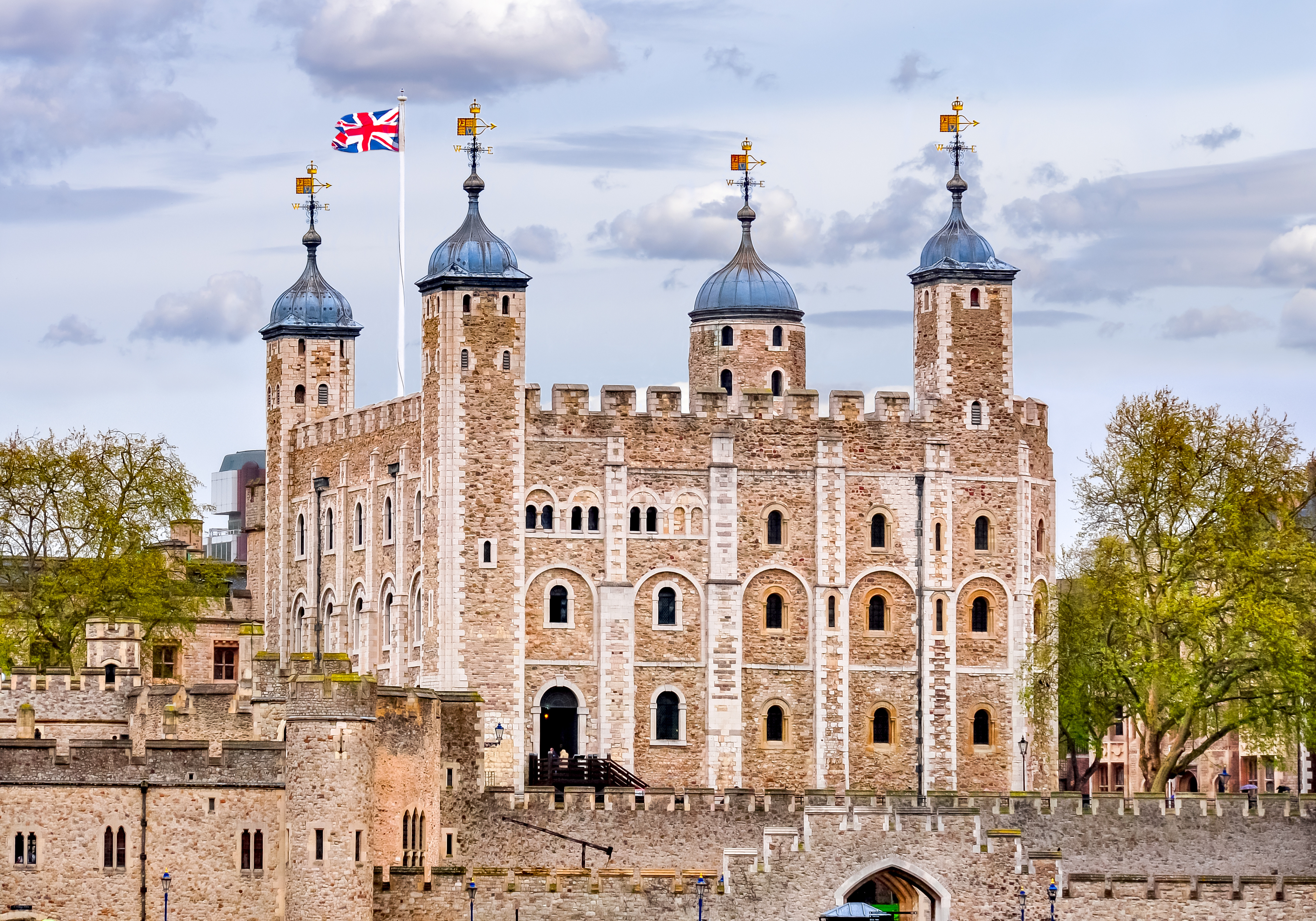
Tower of London
This fortified complex on the north bank of the Thames dates to 1066 and holds the Crown Jewels, the White Tower, and the Chapel Royal of St Peter ad Vincula. Its walls also reflect centuries of royal confinement and ceremony.
Time needed: About 2 to 3 hours
Entry: Adult tickets cost £37 ($48.80) to £43 ($57) at peak times (weekends and school holidays), with family and child discounts available. Visit the official site for details.
Tip: Arrive at opening, then go to the Crown Jewels before the busiest midmorning wave.
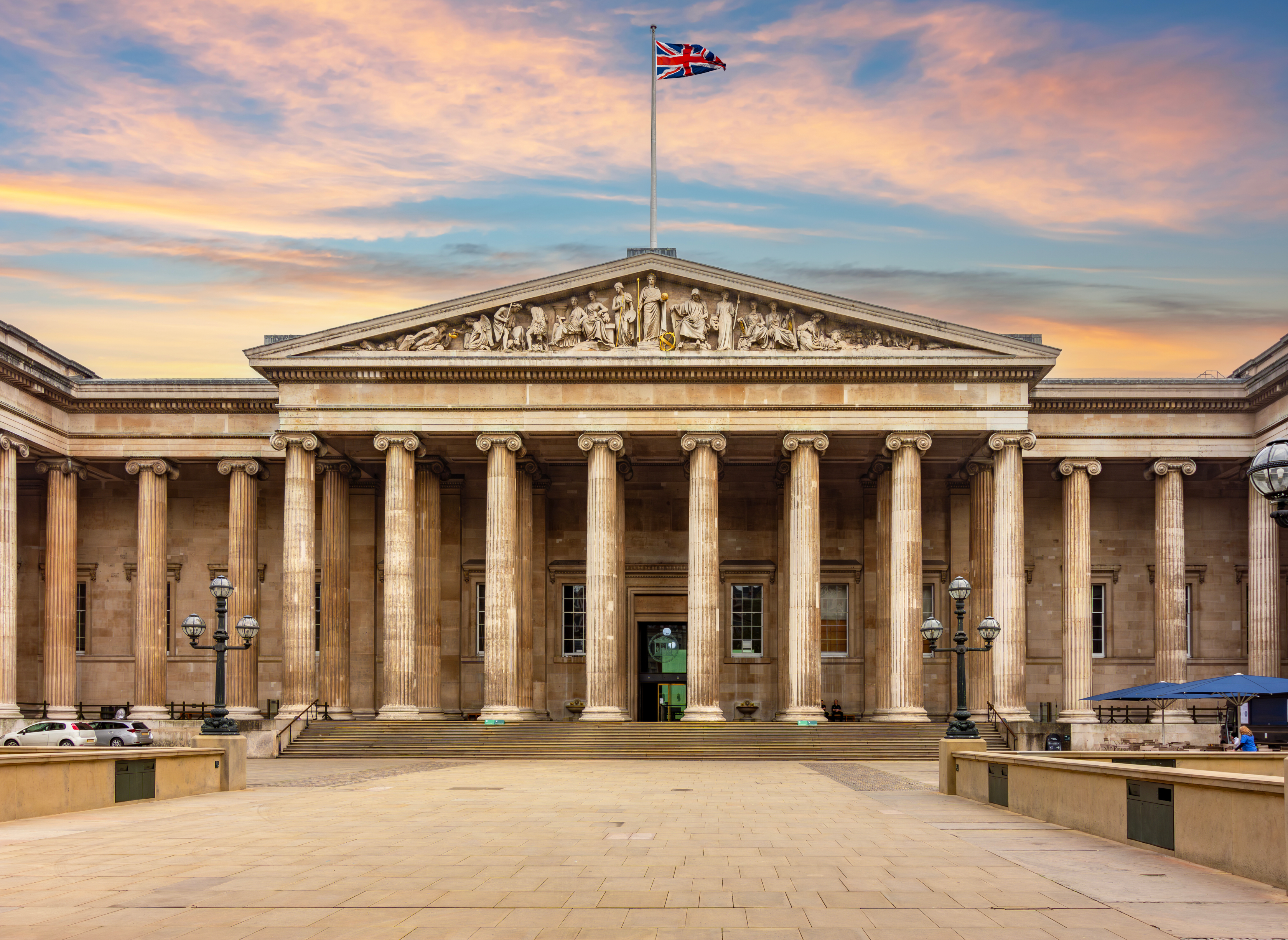
British Museum
This Bloomsbury museum houses the Rosetta Stone, the Parthenon sculptures, and the Assyrian lion hunts in one of the world’s largest collections of human history. Its main galleries cover Egypt, Greece, and Mesopotamia under one roof.
Time needed: About 2 to 3 hours
Entry: Free to access; some special exhibitions and events cost extra. Visit the official site for details.
Tip: Start at the Great Court, then explore one or two galleries to avoid a rushed visit.
Westminster Abbey
This Gothic abbey in the heart of Westminster has hosted coronations since 1066, as well as royal weddings, memorials, and burials throughout English history. Inside, the Poet’s Corner and Henry VII Chapel add major literary and architectural weight.
Time needed: About 1 to 2 hours
Entry: Adult tickets cost £30.00 ($40). The abbey is closed for sightseeing on Sundays. Visit the official site for details.
Tip: Visit after 12:00 pm for fewer tour groups in the nave and chapels.
Overlooked places in London
Eel Pie Island
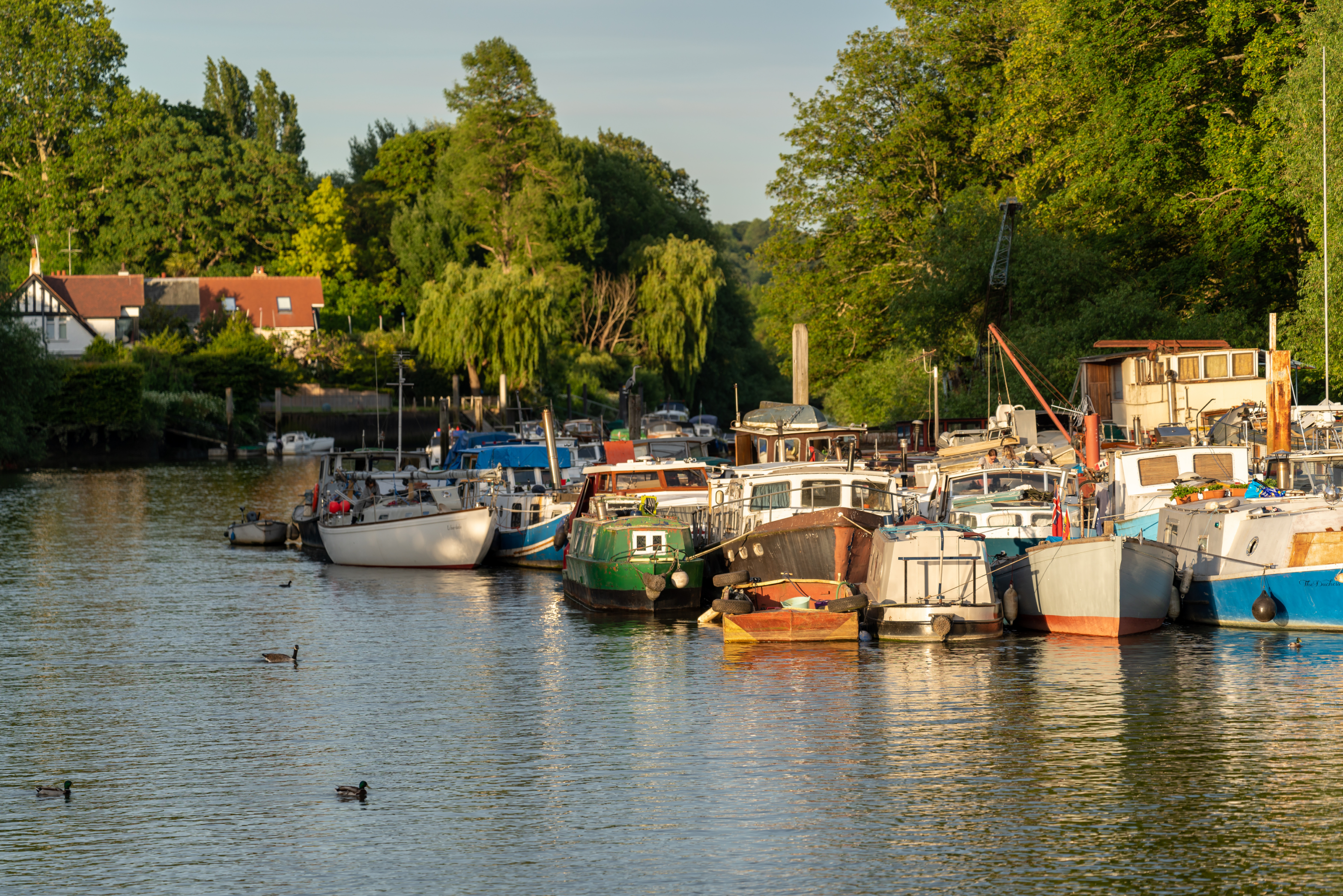
This is a private Thames island with a cluster of artists’ studios and a storied rock-and-roll past, reached by footbridge from Twickenham. Studios are open during Open Studios weekends, in July and December.
Time needed: About 1 hour
Entry: Free. The riverside walks to the footbridge are open at all times.
Tip: Check open-studio dates before you go, and arrive early for quieter streets.
Leighton House
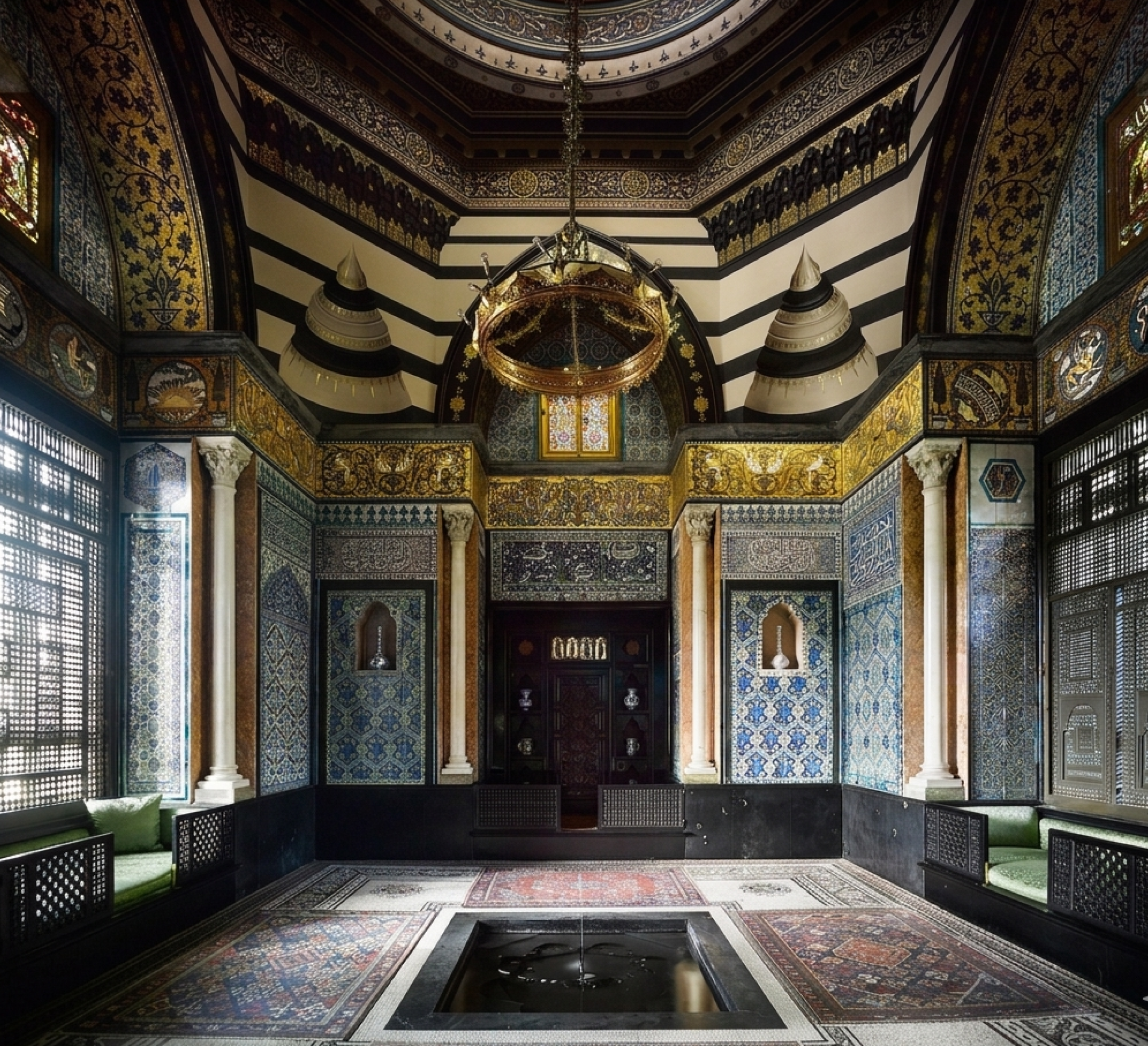
This former home of Frederic, Lord Leighton, packs a gilded Arab Hall, tiled courts, and Victorian art into a compact Kensington house. It requires a slow look at its architecture and room sequence.
Time needed: About 1 to 2 hours
Entry: Adult tickets are £14 ($18) and include guided tours. Visit the official site for details.
Tip: Book the first slot if you want the quietest visit.
What to eat in London

Many meals in London are built for pubs or cafés, where lunch and dinner can be simple and unhurried. They feature roast meats, fried fish, and pub pies, with gravy, potatoes, and battered textures.
Fish and chips
This is a crisp, battered fish with thick-cut fries, best when served hot at lunch or dinner. Poppies Fish and Chips is a classic London stop for a proper version.
Sunday roast
It consists of roasted beef or lamb with potatoes, Yorkshire pudding, vegetables, and gravy, usually served at Sunday lunch. The Guinea Grill has long been one of London’s standard-bearers for roasted beef.
Full English breakfast
A full English breakfast includes eggs, bacon, sausage, grilled tomato, mushrooms, beans, toast, and sometimes black pudding. Regency Café is a renowned London location for a full plate.
Pie and mash
This savory meat pie is made with mashed potatoes and parsley liquor. Restaurants serve it at midday or in the evening. Manze’s is one of the city’s best-known places for a traditional serving.
Best time to visit
As the seasons pass, London shifts from warm months perfect for walks and park time to colder months that favor museums, theaters, and short rides between indoor stops.
Best for: Parks, museum days, and long walks before summer crowds build
What you get: About 41°F to 64°F (5°C to 18°C), with moderate crowds and frequent changeable weather
Trade-offs: Rain can interrupt outdoor plans.
Best for: Late evenings, riverside walks, and open-air events
What you get: About 57°F to 75°F (14°C to 24°C), with the heaviest crowds and the longest daylight
Trade-offs: Popular sights book up early, and transport is crowded.
Best for: Gallery time, neighborhood walking, and museum visits
What you get: About 48°F to 66°F (9°C to 19°C), with manageable crowds and comfortable temperatures early in the season
Trade-offs: Days shorten quickly by late autumn.
Best for: Theaters, indoor attractions, and seasonal lights
What you get: About 48°F to 66°F (9°C to 19°C), with fewer crowds and comfortable temperatures early in the season
Trade-offs: Cold rain and short daylight can cut short outdoor plans.
A 5-day plan in London
A five-day London trip is a good option when it groups sights by district instead of treating the city as a loop of landmarks. This itinerary includes a visit to Bloomsbury, then Covent Garden and Westminster, the South Bank, the Tower, and a quieter final day.
Land at London Heathrow (LHR) and take a 15-minute ride to the center on the Heathrow Express or a 30-minute ride on the Elizabeth Line. If you arrive at London Gatwick (LGW), you can reach Victoria Station in about 30 minutes via the Gatwick Express. From London City (LCY), you can take a quick DLR or taxi ride to the center. After you arrive at your hotel, have an early dinner near Russell Square or the Strand before an early night.
Begin in Bloomsbury at the British Museum, explore the Great Court, and spend 2 to 3 hours inside. From there, it is about a 15-minute walk to Covent Garden, where you can pause for lunch and a short look at the square before continuing on foot, roughly 10 minutes, to Trafalgar Square. Finish the afternoon at the National Gallery area and have dinner nearby in Covent Garden, so you do not need a late cross-town trip after a full museum day.
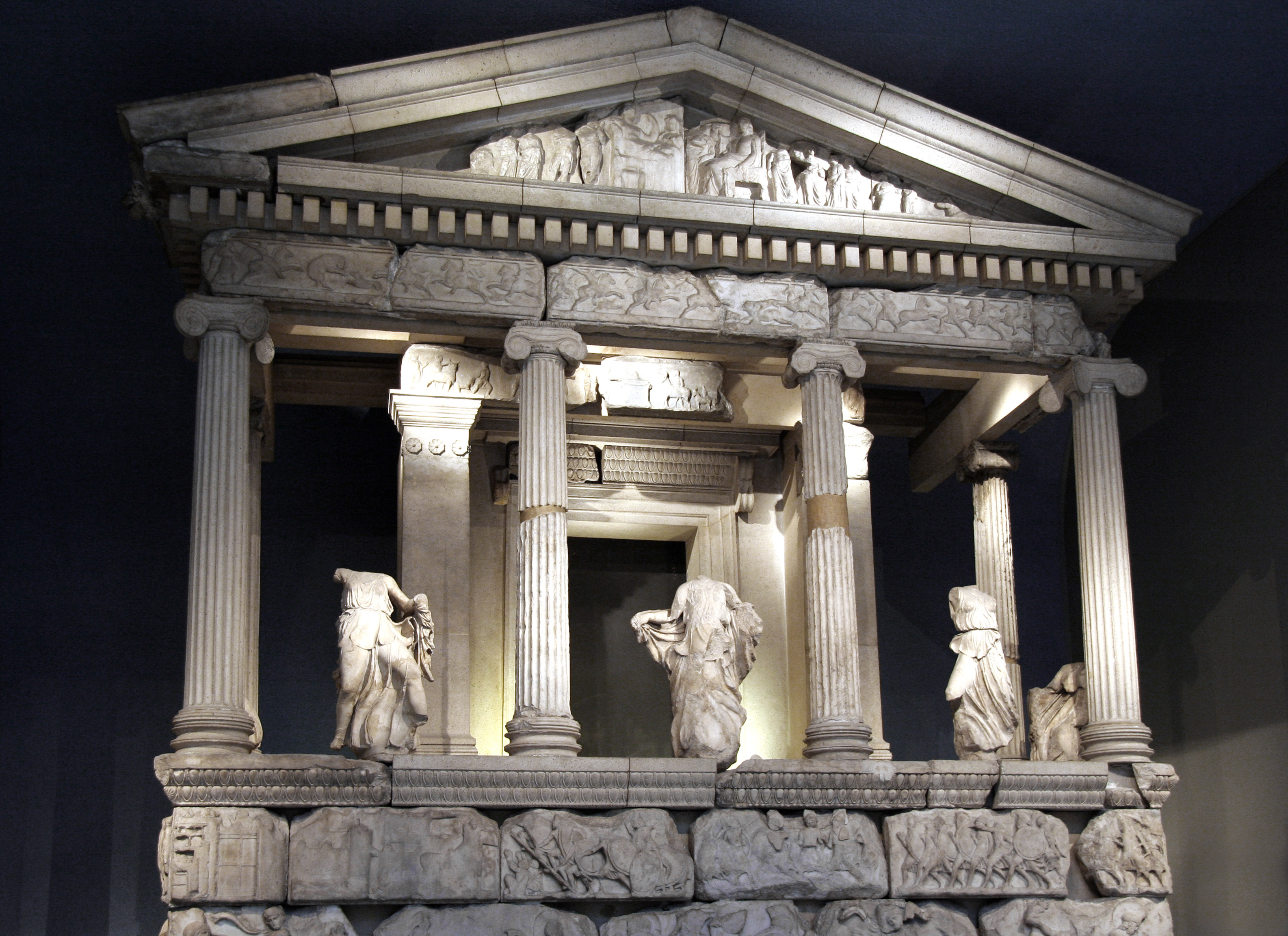
Start early at the Tower of London, where opening-time entry helps you beat the busiest midmorning wave, and expect about 2 to 3 hours on site. Afterward, cross the river and head west by transit or a long walk to Kensington, where Leighton House makes a quieter late-afternoon stop, 20 to 30 minutes from the Tower of London by taxi or 25 to 35 minutes by Underground and walking. If you want one more calm hour, end near the museum district cafés before dinner in South Kensington.
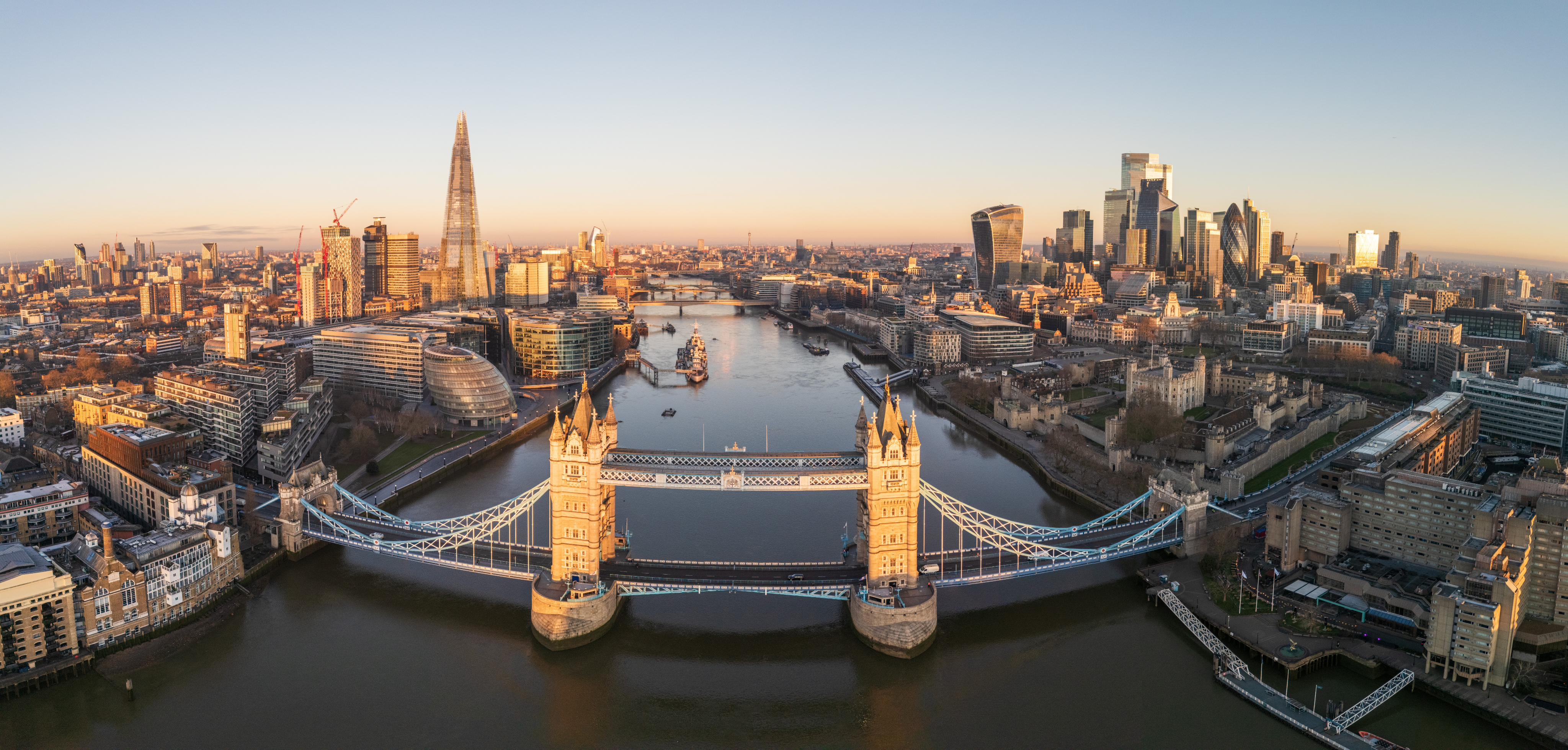
Westminster Abbey sets the tone for the morning, so arrive after 12:00 pm if you want fewer tour groups, then spend about 1 to 2 hours inside. From Westminster Abbey, it is roughly a 15-minute walk to the South Bank riverfront, where you can continue into Bankside for the Tate Modern and Shakespeare’s Globe. The walk between Tate Modern and Shakespeare’s Globe takes about 5 minutes on the river path, and the area gives you plenty of restaurant options for an early dinner before heading back to your hotel.
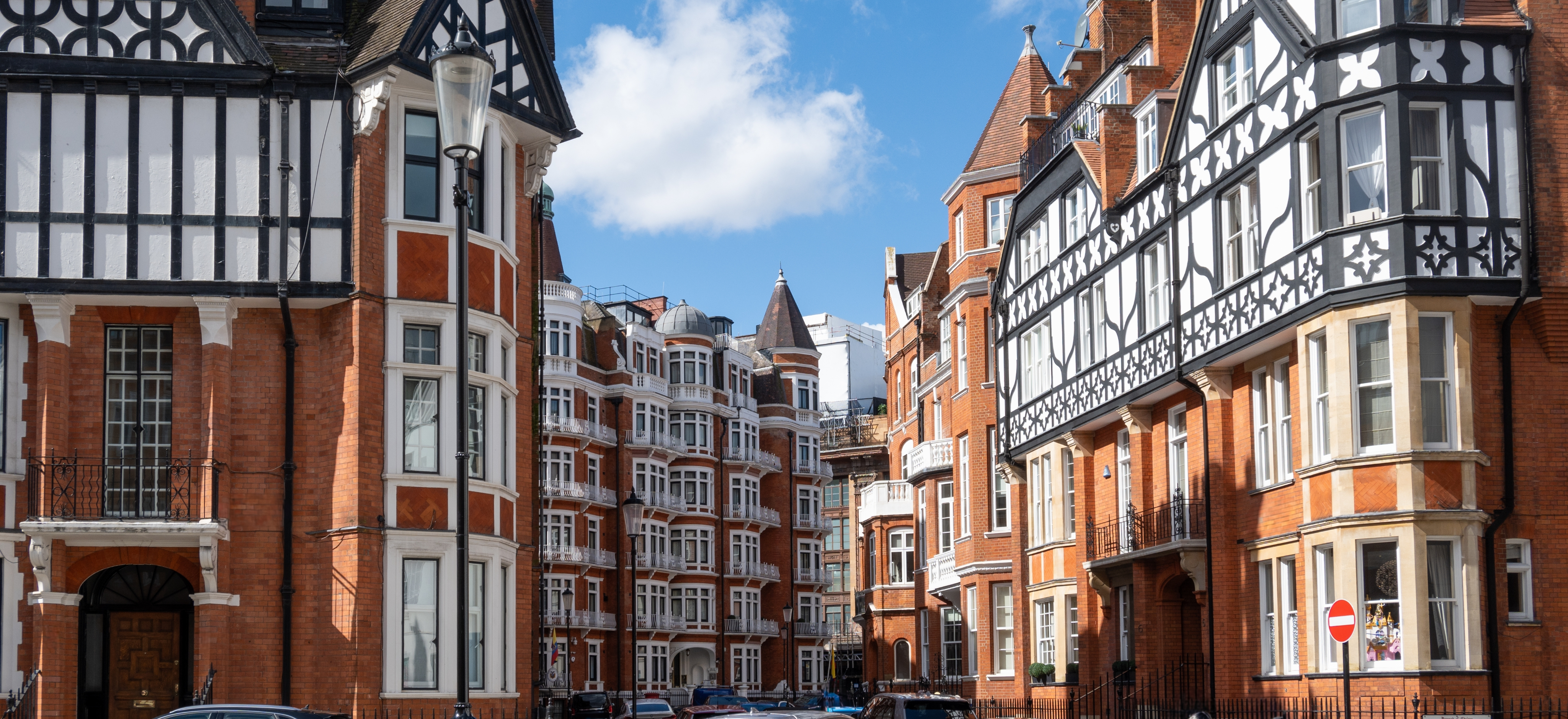
For a slower last day, make a stop in Bloomsbury at the British Museum or, if you prefer one more grand interior, revisit Westminster Abbey for a shorter look at the nave and chapel details. Then head to Covent Garden for shopping and a last walk through the market streets, where you can find compact souvenir and department stores. Finish with coffee in South Kensington or Bloomsbury, depending on where you are staying, and leave enough time for luggage pickup and a direct ride to the airport.
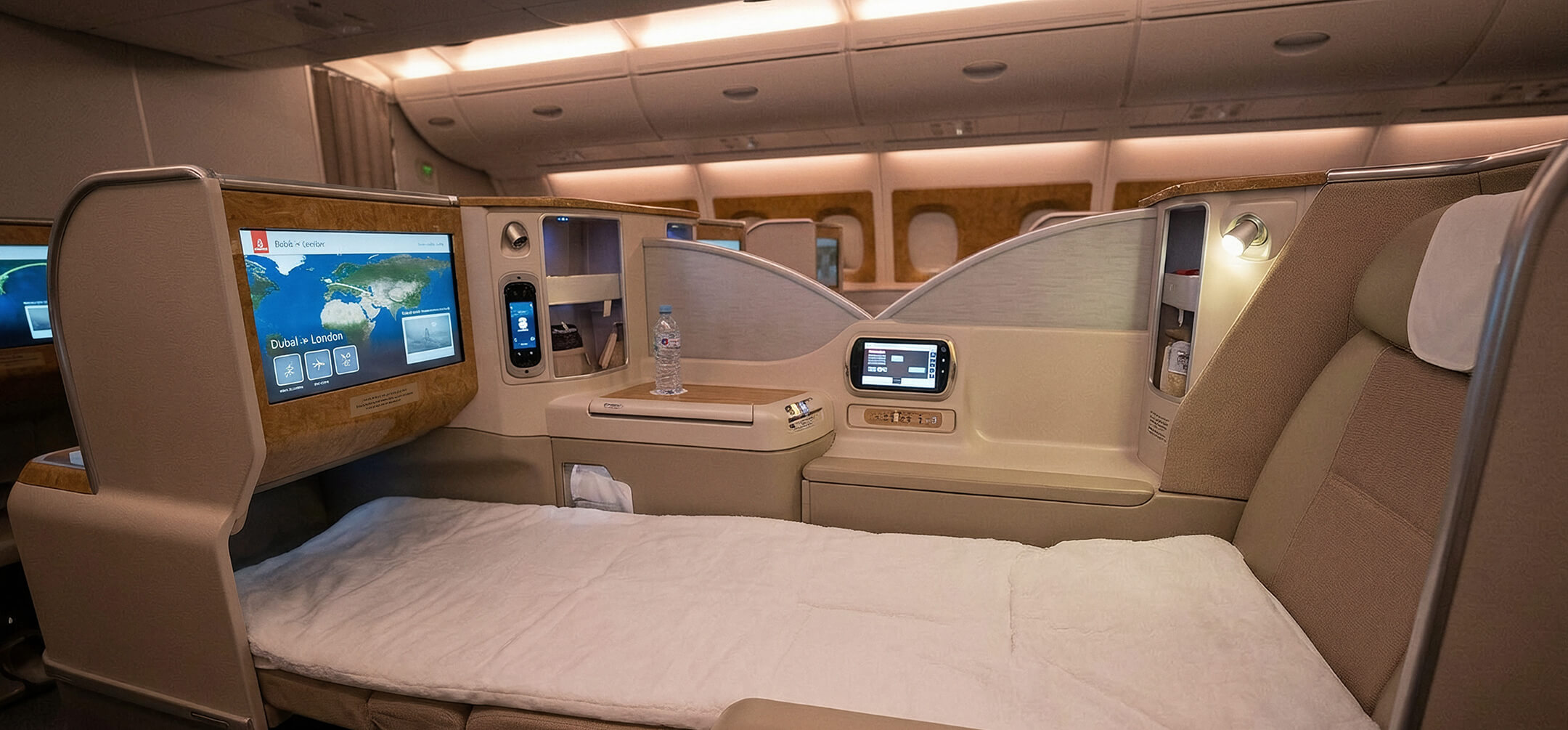
Business-class flights from the US to London
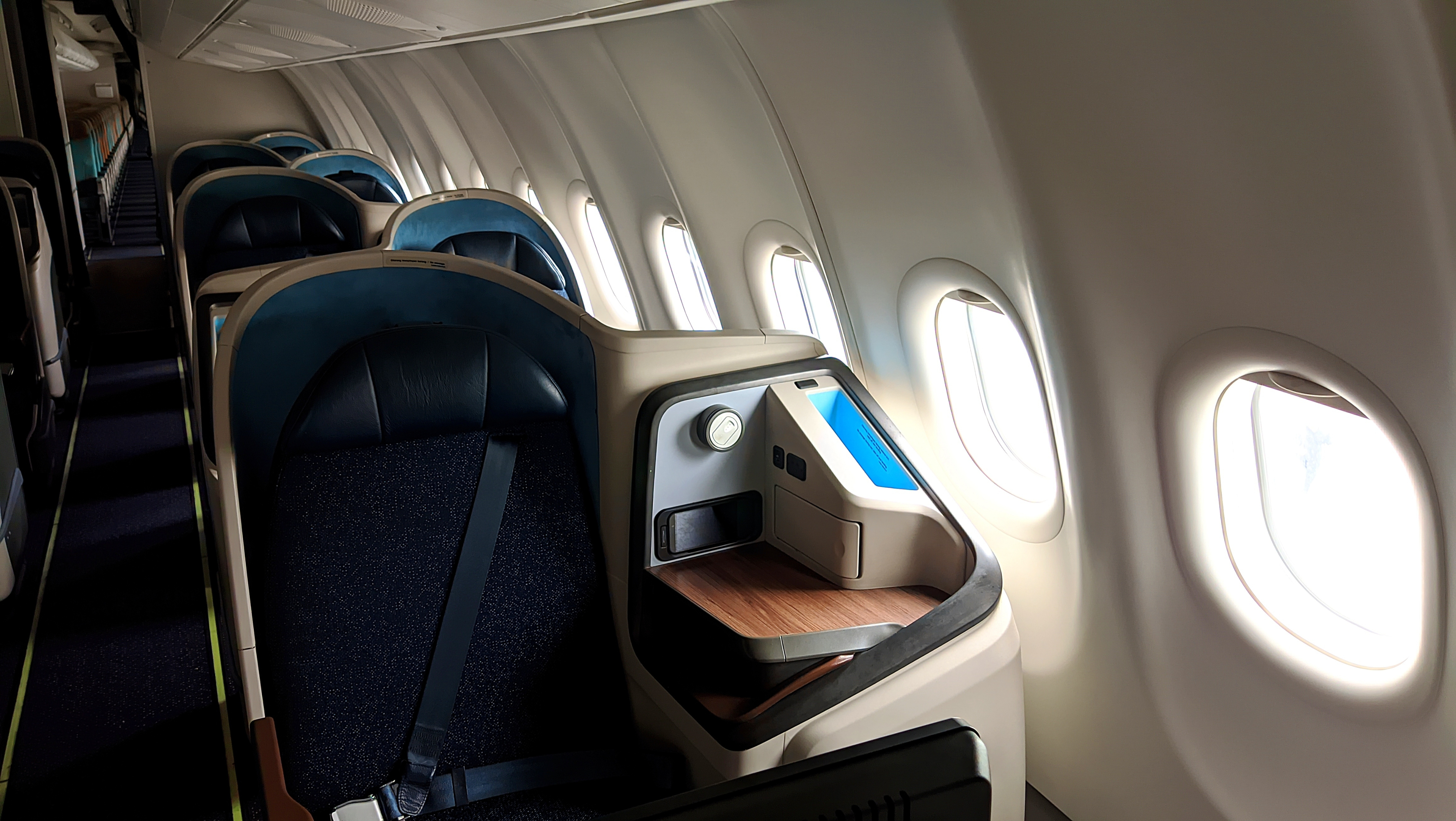
London is on one of the most competitive transatlantic routes, with nonstop flights from both US coasts and frequent one-stop alternatives.
New York (JFK) to London (LHR)
American Airlines, British Airways, Delta, JetBlue, Virgin Atlantic, and Aer Lingus all fly nonstop, with flight times averaging 7–7.5 hours. One-stop flights route through Paris (CDG), Amsterdam (AMS), Madrid (MAD), Dublin (DUB), or Reykjavik (KEF), adding 1–4 hours to the journey. Round-trip business-class fares typically range from $2,000 to $5,500.
Los Angeles (LAX) to London (LHR)
American Airlines, British Airways, United Airlines, and Virgin Atlantic offer nonstop flights on this route that take between 10 and 11 hours. One-stop itineraries connect through Paris (CDG), Amsterdam (AMS), Frankfurt (FRA), Madrid (MAD), or Doha (DOH), with total journey times of 12–18 hours. Round-trip business-class fares typically range from $2,500 to $6,500.
London reveals more when you stop rushing
A well-paced London trip gives each district a clear meaning: Bloomsbury for the British Museum, Westminster for the abbey, Bankside for the river, and South Kensington for a slower afternoon. The Tube handles cross-city rides, the Elizabeth line makes airport arrival easier, and a black cab can get you to your hotel after a day of exploration. If you are ready to start planning your trip to London, our AranGrant experts can help you find business-class flights and hotel deals that will make your trip to London both comfortable and memorable.