

Chapters:

Need help with your trip?
Our support team is available 24/7. Request a callback or call us directly at (833) 619-0908
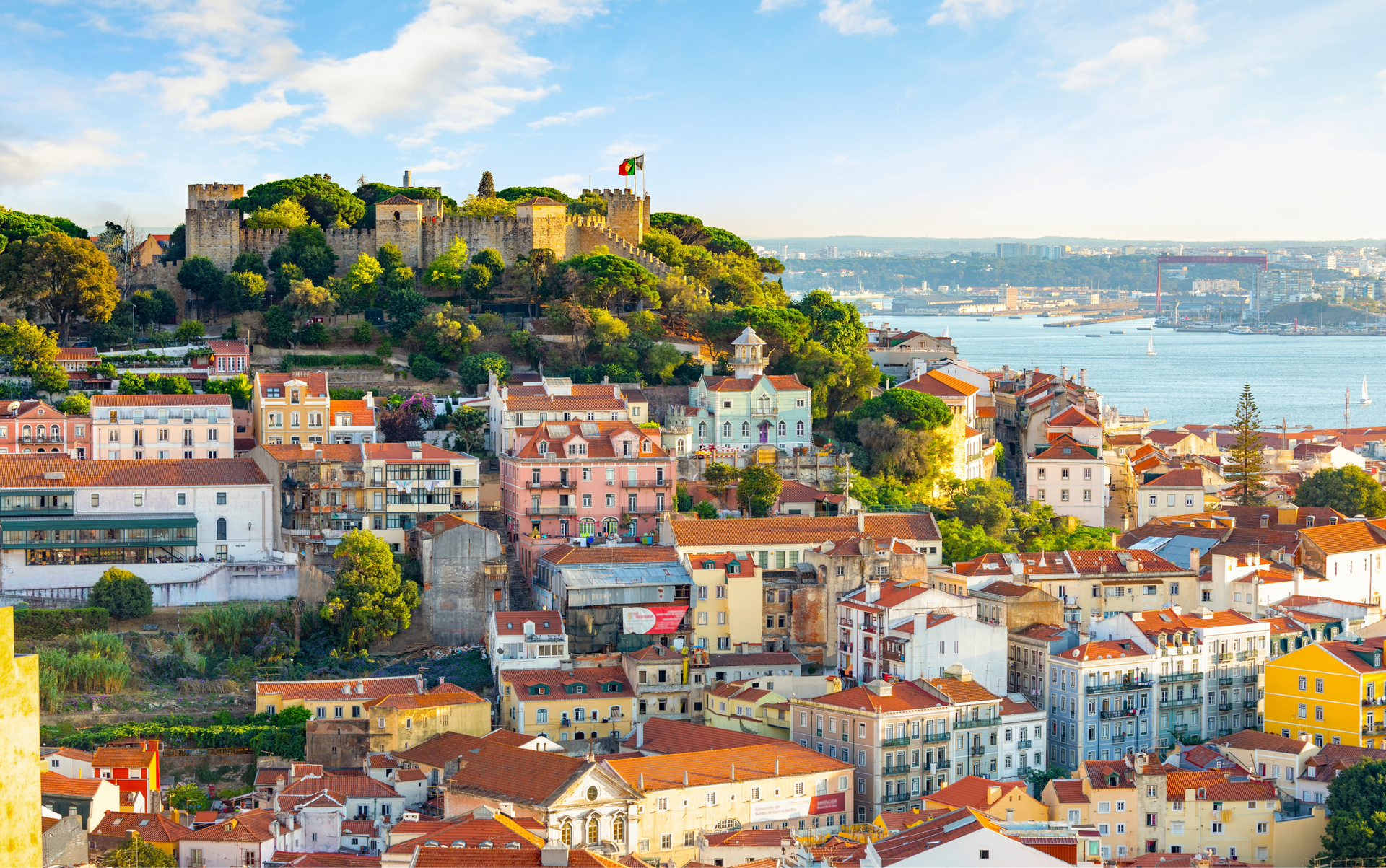
Lisbon’s main districts occupy different parts of the city, each with distinct terrain. Baixa occupies the flat center, Alfama rises on a hillside to the east, and Belém lines the waterfront roughly 20 minutes west of the historic core.
That geography makes the order of each day an important decision. Where you stay and how you group each day’s sights determine how much of the city you cover without long tram rides. Pairing Alfama and Belém in the same day, for example, leaves insufficient time for either: Jerónimos Monastery and Belém Tower each take one to two hours, and Alfama’s hillside lanes demand just as long.
The sections below cover where to stay, how to navigate the city, and what to see in Lisbon in five days.
Useful things to know

Main language(s): Portuguese
Olá (oh-LAH) – Hello
Por favor (pohr fah-VOR) – Please
Obrigado (oh-bree-GAH-doo) – Thank you
Fala inglês? (FAH-lah een-GLAYS?) – Do you speak English?
Quanto custa? (KWAHN-too KOOS-tah?) – How much does it cost?

Currency: Euro (EUR, €)

Cash and cards: Most hotels, chain cafés, supermarkets, and many taxis accept contactless cards, Apple Pay, and Google Pay. Keep about €20–€40 ($23–$46) in cash for small cafés, bakery purchases, market stalls, and public restrooms that charge a fee. Small shops may set a minimum card amount, often about €5–€10 ($6–$12).

Tipping: Tipping is not mandatory in Lisbon. In restaurants, locals often round up or leave about 5%–10% for good service, and small change is common for cafés and taxis.

Traditional food: Bacalhau à Brás (shredded cod with eggs and potatoes), Pastéis de nata (custard tarts), Sardinhas assadas (grilled sardines)

Water and coffee costs: A 16.9-ounce (0.5-liter) bottle of water costs from €0.80 to €2.00 ($0.90 to $2.30). You can get an espresso at a café for €0.80 to €1.50 ($0.90 to $1.70), and a cappuccino or galão for €1.50 to €3.00 ($1.70 to $3.40).

Taxis and ride apps: Uber, Bolt, and Free Now operate in Lisbon and at the airport. Fares change with demand and traffic, especially at peak arrival times. Use the pickup point shown in the app and ignore drivers offering rides, whether inside or outside the airport.

Plug and voltage: Type C and F sockets, 230V, 50Hz

Dining and shop opening hours: Breakfast in Lisbon is usually about 7:00 to 10:00 am. Lunch often runs from about 12:30 to 2:30 pm, and dinner is commonly served from about 7:30 to 10:30 pm, with later hours in busier areas. Many shops close for a midday break in some neighborhoods, and some restaurants close one day a week.

Emergency number: Call 112 for police, ambulance, and fire in Lisbon and elsewhere in Portugal.
Where to stay in Lisbon
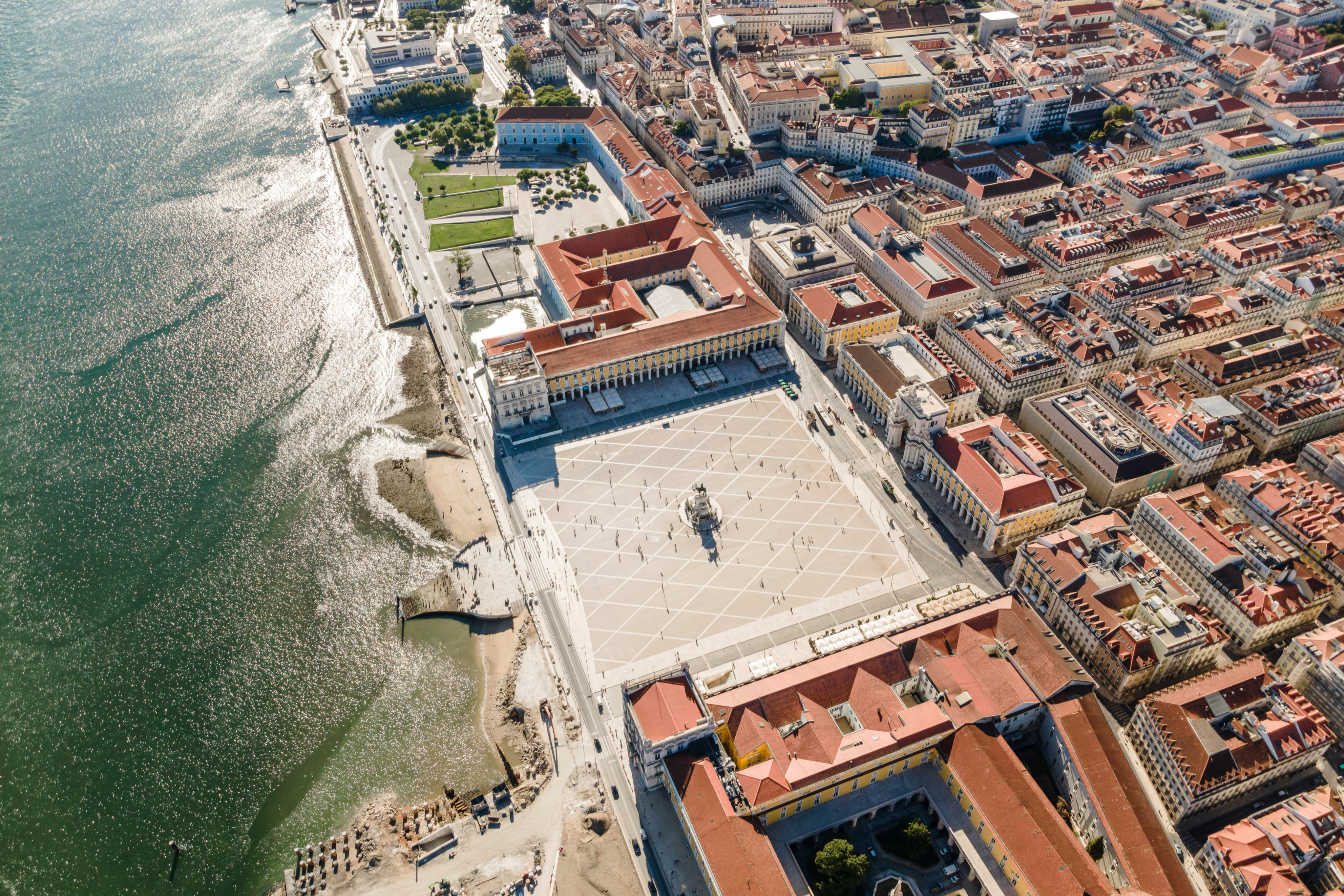
Lisbon’s center area places trams, metro stations, and the riverfront within easy reach. Travelers who want to explore the old city on foot can reach Chiado in about 8 minutes and the Tagus waterfront in under 5 minutes. Hotels occupy streets rebuilt after the 1755 earthquake.
Best for: First-time visits, tram access, and short walks to the river and the main squares
What to expect: Busy by day, active after dark, and generally lively on the main streets
Hotel prices: Usually about €140–€260 ($159–$295) per night for well-rated stays
Distance to major sights: Rossio and Praça do Comércio are within the neighborhood; Chiado is 8 minutes away on foot; Alfama is 15–20 minutes away.
Quietness: Daytime foot traffic is heavy, and evening noise can carry on central streets.
Main trade-off: Hotels can be more expensive compared to those in other areas, and street activity is high late into the evening.
Good to know: Choose Baixa if you want the easiest location for classic Lisbon sightseeing on foot.
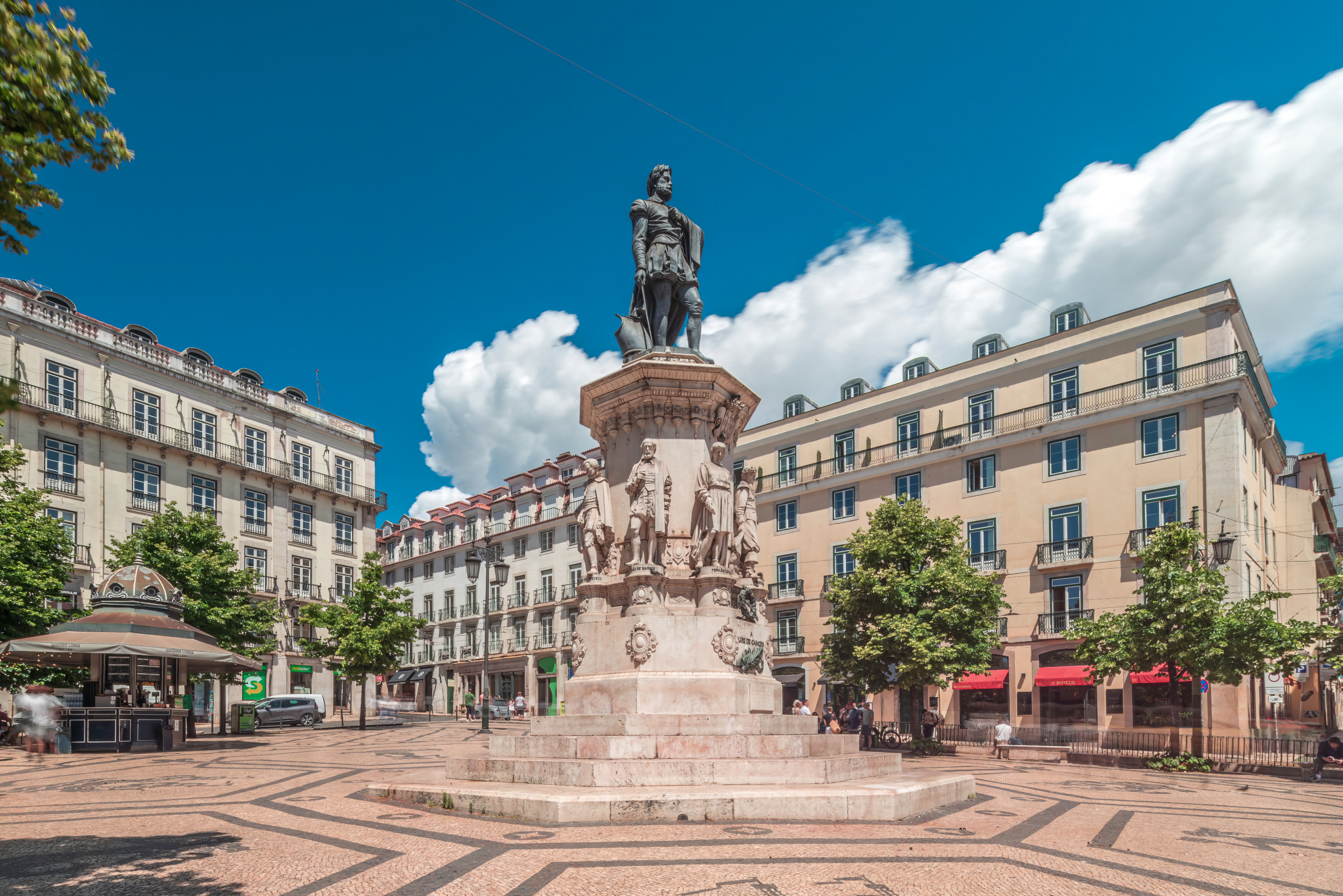
Chiado is located between Baixa and Bairro Alto, with theaters, bookstores, cafés, and the Santa Justa area close by. Its hilltop streets provide quick access to the metro at Baixa-Chiado and an easy downhill walk to the river, making it easy to go from downtown to the upper city.
Best for: Shopping, theater nights, and central walks between downtown and the upper old town
What to expect: Elegant storefront streets with steady daytime foot traffic and later evening dining
Hotel prices: From €170 to €320 ($193 to $364) per night for well-rated stays
Distance to major sights: Between 6 and 12 minutes on foot to Rossio and Praça do Comércio
Quietness: Moderate daytime activity, then more restaurant and bar noise after dinner
Main trade-off: Hotel rates are often higher than in nearby neighborhoods, and streets rise on hills.
Good to know: Pick Chiado if you want a central address with easy access to important sights and an urban café scene.
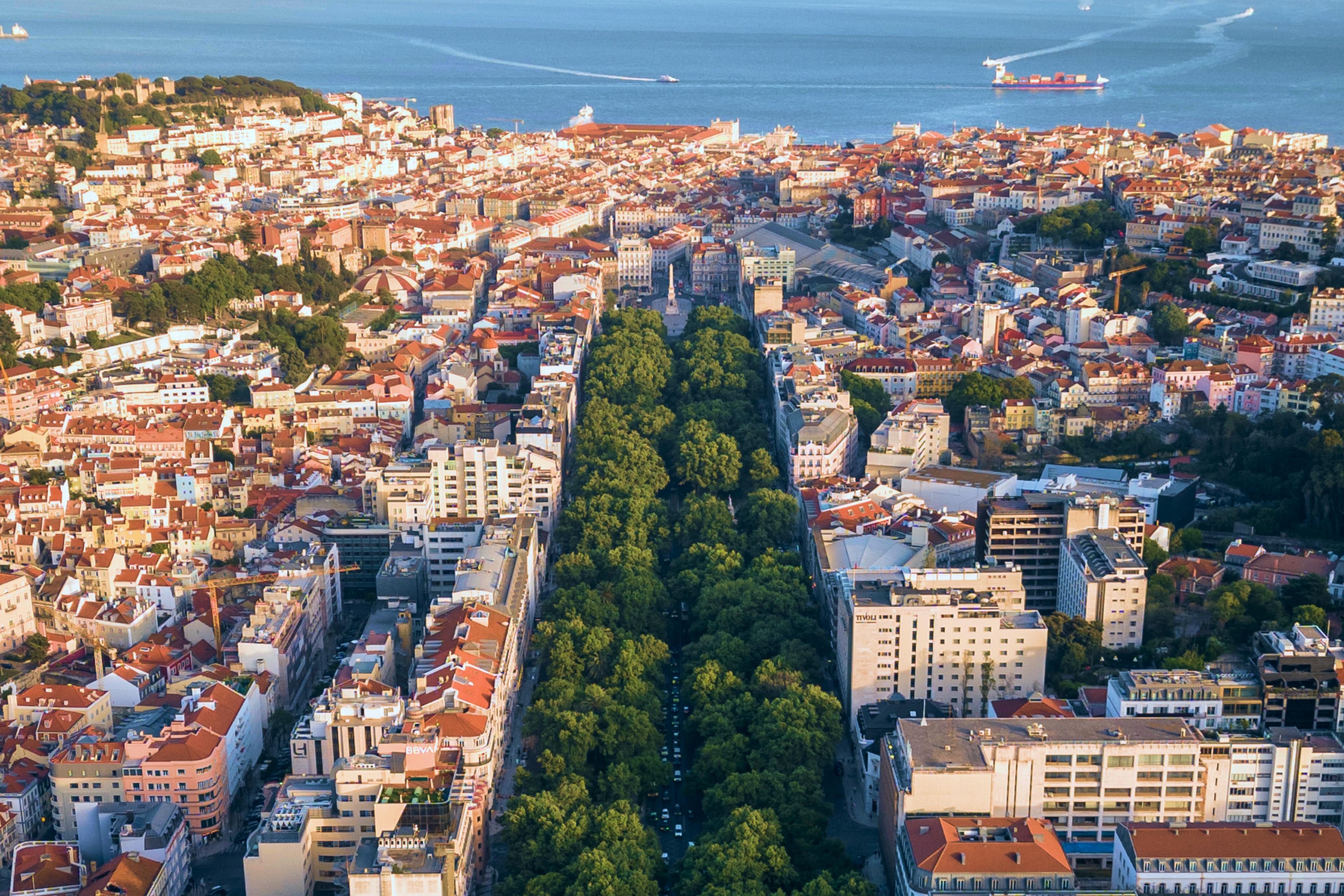
Avenida da Liberdade combines wide boulevards, luxury hotels, and direct access to the Avenida metro station. The avenue runs between Restauradores and Marquês de Pombal, so you can reach the historic center quickly and still stay a little outside the busiest side of the city.
Best for: Luxury stays, metro access, and a convenient location for access downtown and to the upper city
What to expect: Broad, orderly avenues with heavy daytime movement and calmer late-night streets
Hotel prices: Usually about €180–€360 ($205–$409) per night for well-rated stays
Distance to major sights: About 10 to 20 minutes on foot to Rossio and Baixa, or one metro stop
Quietness: The area is quieter than Baixa after dark, although there is still traffic along the avenue.
Main trade-off: This area is usually expensive, and it puts you just outside the most walkable old streets.
Good to know: Choose a hotel on Avenida da Liberdade if you want central access with quieter nights than downtown.
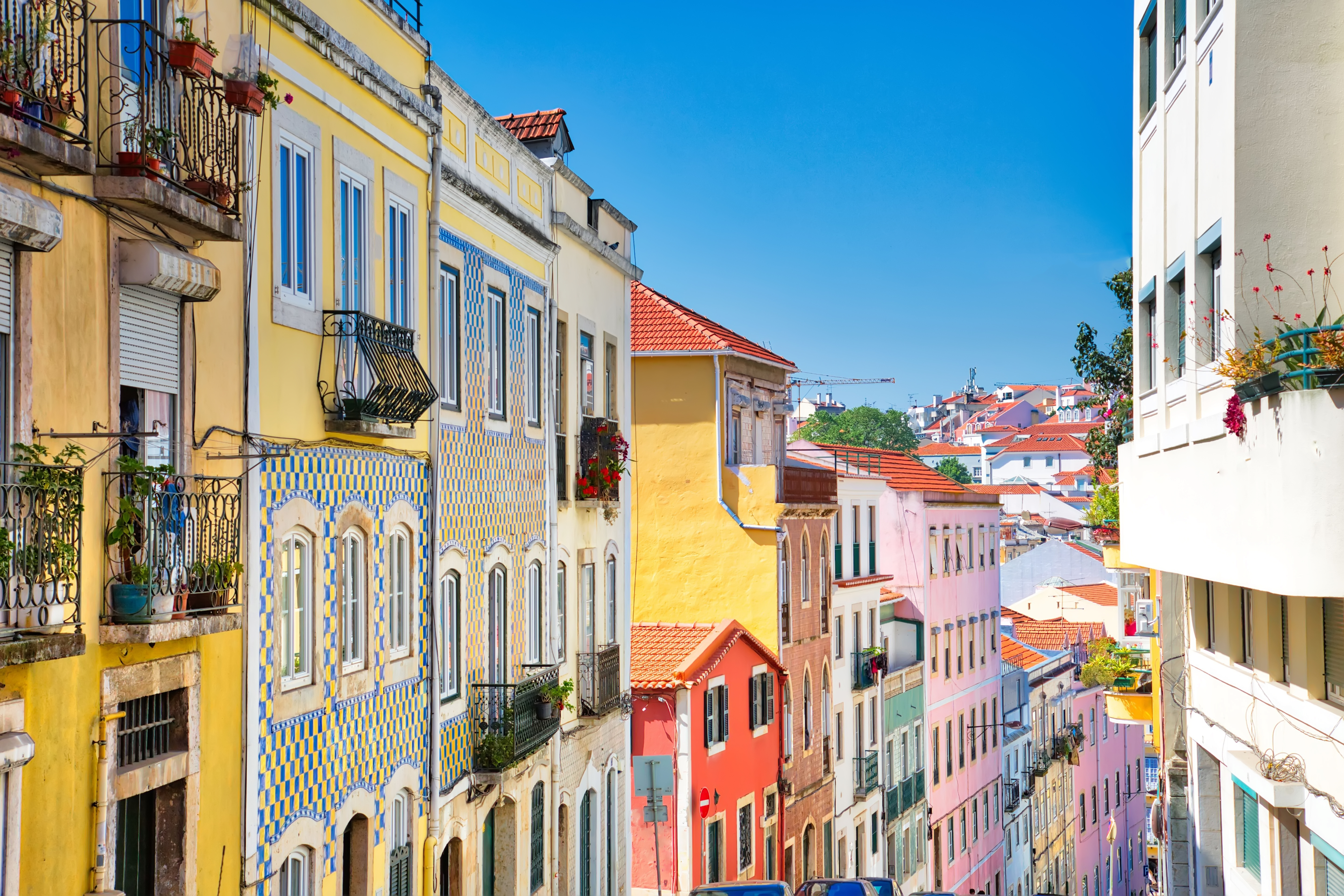
Alfama keeps narrow lanes, tiled facades, and viewpoints above the Tagus, with São Jorge Castle and the cathedral close by. It suits visitors who want Lisbon’s oldest atmosphere and do not mind steep streets. The Santa Apolónia and Tram 28 stations are nearby.
Best for: Historic atmosphere, castle visits, and viewpoint walks above the old center
What to expect: Narrow lanes, steep climbs, fado houses, and quieter streets after the dinner hour
Hotel prices: Roughly €120–€240 ($136–$273) per night for well-rated hotels
Distance to major sights: Between 5 and 15 minutes on foot to the cathedral and São Jorge Castle
Quietness: Busy with visitors in the day, then calmer in the upper lanes after late evening
Main trade-off: The hills and stairs make it harder to carry luggage to your accommodation than in the flat center area of the city.
Good to know: Choose Alfama if the historic setting is a priority over easy walking terrain.
Most visitors choose hotels in Baixa, Chiado, or Alfama. Martim Moniz is a busy, multicultural neighborhood, but solo travelers find it less comfortable after dark. Chelas, Prior Velho, and the area around Lisbon Airport have fewer attractions within walking distance.
Hotel deals
How to get around Lisbon efficiently
Lisbon Airport (LIS) is connected to the city center by metro, taxi, ride apps, buses, and trams.

Metro
for longer distances
The Red Line metro connects the airport to the city center. A ride costs €1.90 ($2.15); a reusable Navegante card costs €0.50 ($0.57). The journey to central stops such as Alameda or Baixa-Chiado usually takes 20–25 minutes. Trains run to key transfer points for the Green, Yellow, and Blue lines.

Bus and tram
for convenience
Carris runs Lisbon’s city buses and trams, including routes 744 and 783 from Lisbon Airport to central neighborhoods. A single ticket costs €1.90 ($2.15); 24-hour passes cost €7.25 ($8.25). Tram 28 runs to historic districts; buses cover wider areas. Airport rides take 20–40 minutes.

Taxi
for convenience or late hours
Lisbon taxis queue at official stands at the airport. The city meter starts at €3.25 ($3.70) by day, with higher night and luggage fees. A taxi to central Lisbon often costs €10–€20 ($11–$23); late-night or cross-river trips cost more. Drivers accept cash, and many also take card payments.
*Prices are based on rates updated as of June 2026 and may change at the time of travel.
Use the Metro for the cheapest transfer, taxis and ride apps for late rides or if you have multiple bags, and buses or trams between Baixa, Alfama, and Belém.
Iconic landmarks
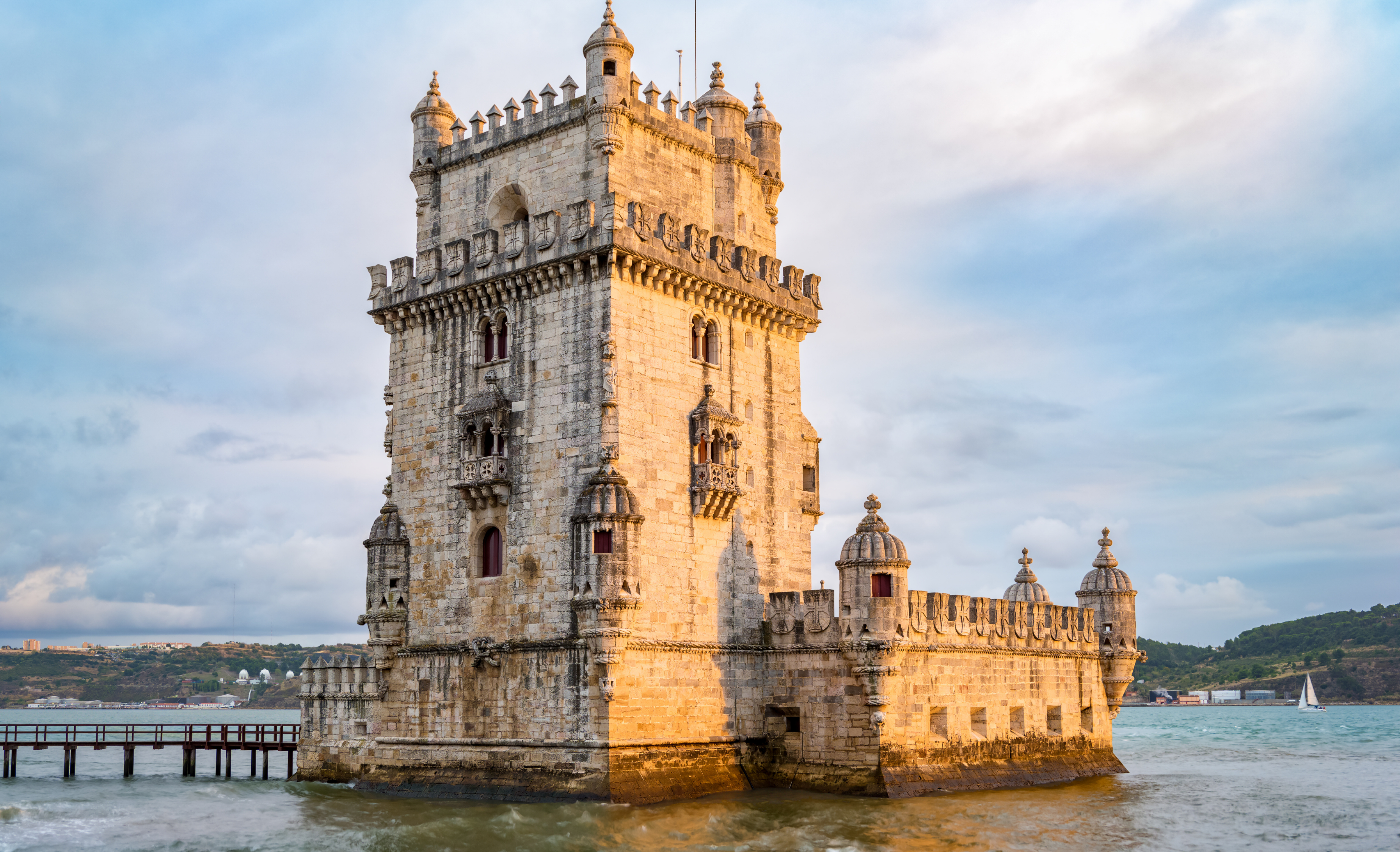
Belém Tower
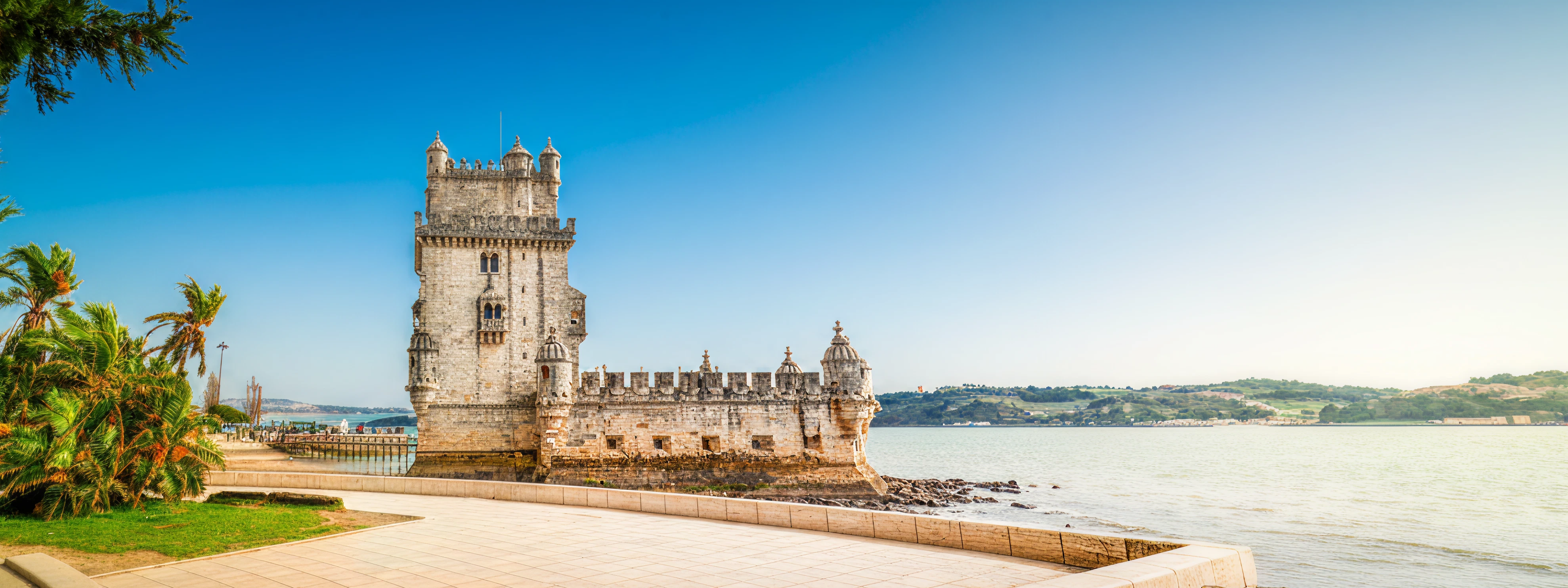
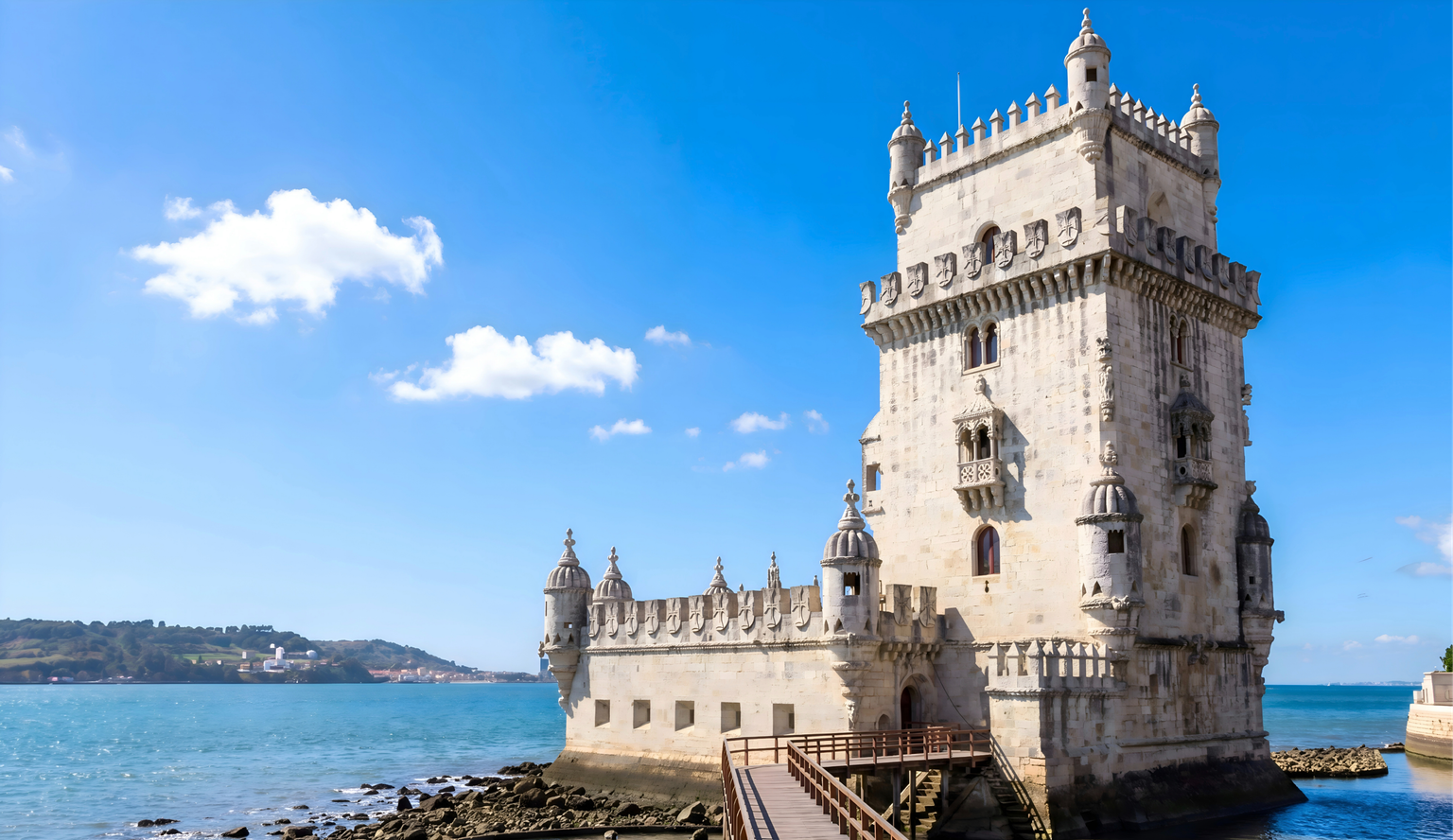
This 16th-century fortress stands on the Tagus River in Belém and is one of Lisbon’s signature Manueline landmarks. Its carved stone turrets, maritime details, and riverfront setting make it one of Lisbon’s essential landmarks.
Time needed: 45–60 minutes inside; 20–30 minutes for exterior viewing
Entry: Adult admission costs €8 ($9). Children enter free. Visit the official site for details. The tower is closed on Mondays.
Tip: Start early to avoid long lines and get better photos from the riverside path.
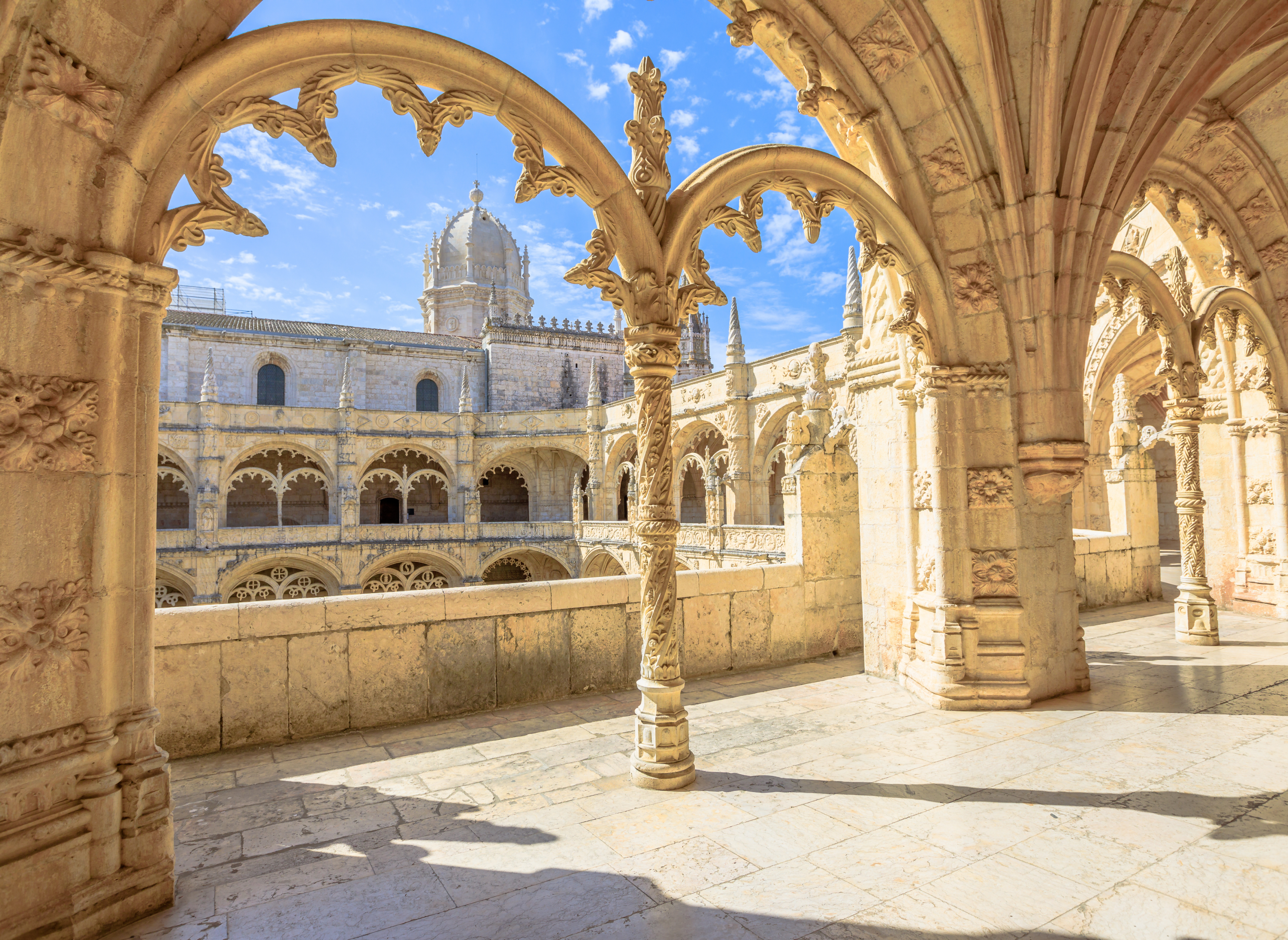
Jerónimos Monastery
Built from 1501 near the Tagus in Belém, Jerónimos Monastery is Lisbon’s most celebrated monastery and a UNESCO World Heritage site. The cloister is the highlight, with intricate stone tracery that reflects Portugal’s Age of Discovery wealth and ambition.
Time needed: About 1.5 to 2 hours
Entry: Adult admission costs €12–€18 ($14–$21). The monastery is closed on Mondays. Visit the official site for details.
Tip: Arrive near opening time to see the cloister with shorter lines and softer light.
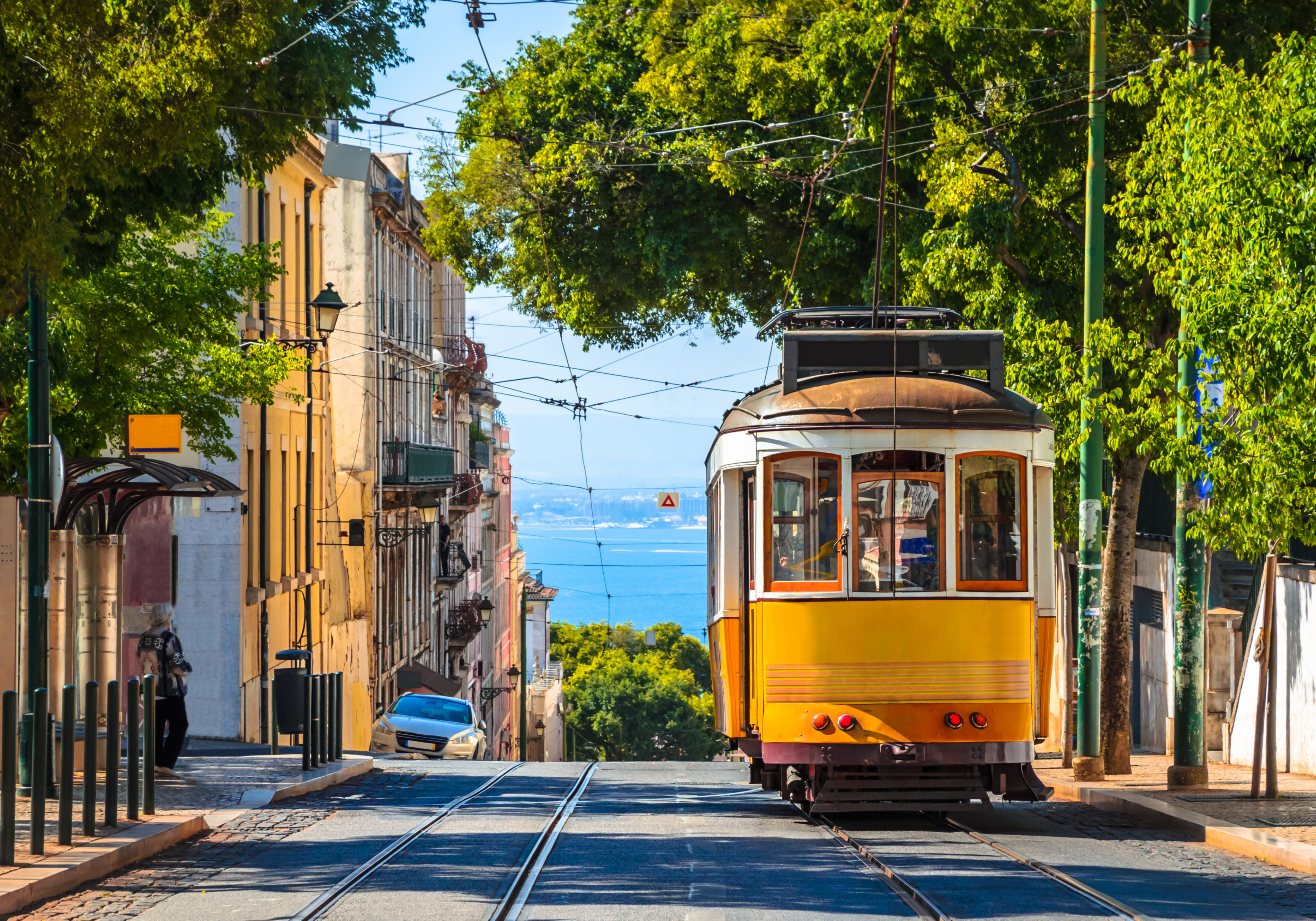
Alfama District
Alfama is Lisbon’s oldest neighborhood, a hillside maze of narrow lanes, tiled facades, and stairways that survived the 1755 earthquake. It is the city’s most atmospheric place for wandering, with viewpoints, small churches, and tram lines woven through the streets.
Time needed: About 2 to 4 hours
Entry: Free to walk through. Each museum and attraction charges separately. Visit the official site for details.
Tip: Visit in late afternoon, then stay for sunset views from a miradouro above the rooftops.
Overlooked sites worth visiting
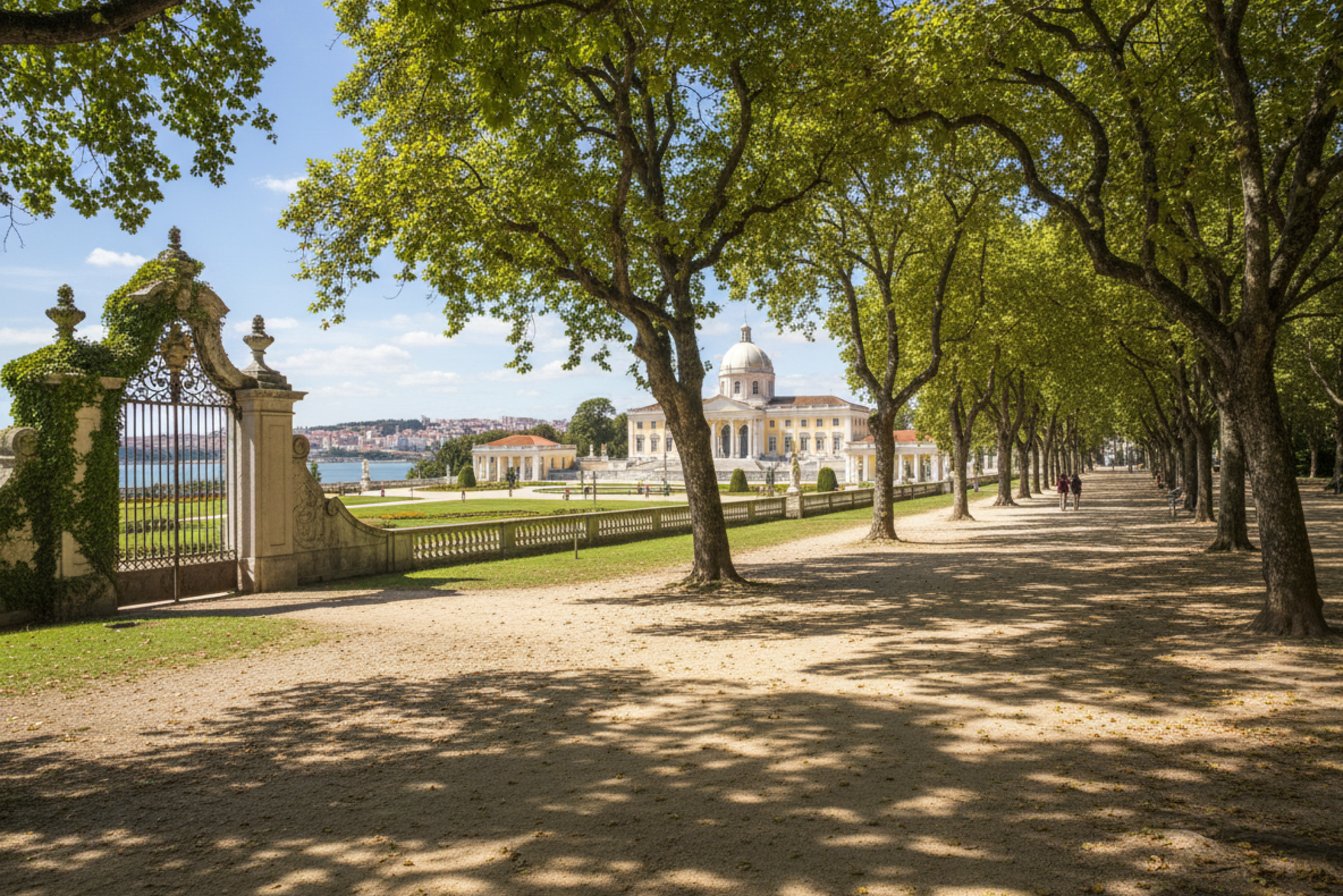
Tapada das Necessidades
This is a former royal estate with walled gardens, cactus beds, duck ponds, and quiet paths beside the 18th-century palace. It now houses the Ministry of Foreign Affairs and is not open to visitors.
Time needed: About 1–2 hours
Entry: The gardens beside the estate are open and free to enter.
Tip: Go in late afternoon for softer light and fewer people.

Palácio dos Marqueses de Fronteira
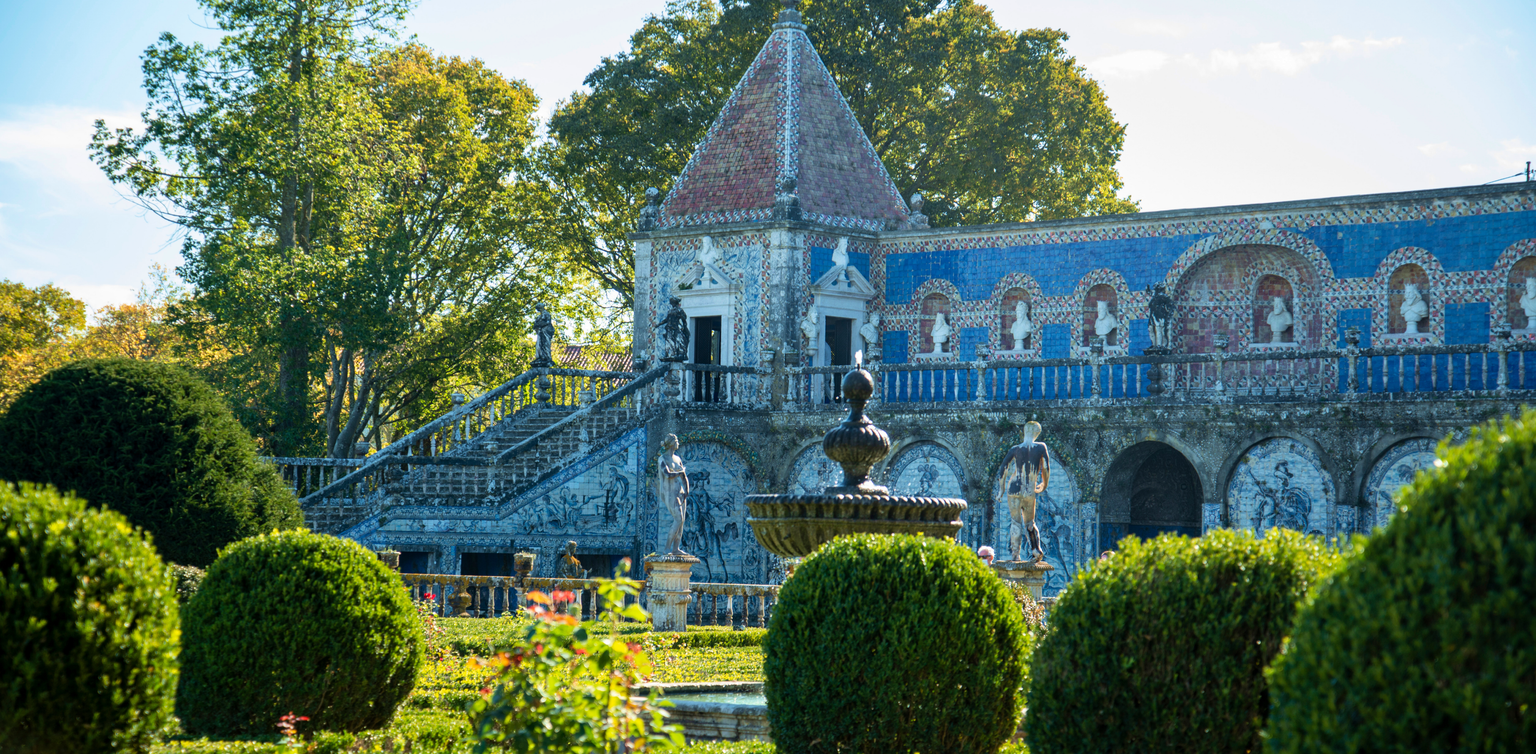
This 17th-century palace in Benfica has tiled gardens, formal rooms, and a Battle Room with fine decorative tilework. The palace is still owned by the descendants of the 1st Marquis of Fronteira.
Time needed: About 1–1.5 hours
Entry: Palace and gardens access costs €17 ($19). All interior visits are guided. Book in advance on the official website.
Tip: Take the metro to Jardim Zoológico (Blue Line), then bus 770 directly to the palace.
Traditional food

Lisbon’s food leans on cod, sardines, eggs, and pastry, with Bacalhau à Brás, Pastéis de Nata, and grilled fish. Meals often end with coffee or a pastry.
Bacalhau à Brás
Shredded salted cod, onions, shoestring potatoes, and eggs make this one of Lisbon’s most recognizable comfort dishes. Cervejaria Trindade is a historic Chiado restaurant with tiled dining rooms and a traditional Portuguese menu.
Pastéis de nata
These custard tarts are the city’s most famous sweet, with a crisp shell and caramelized top. Pastéis de Belém is the classic place in Lisbon for the style, and the shop still draws visitors for the original recipe tied to the monastery next door.
Sardinhas assadas
Grilled sardines are a classic Lisbon summer dish, available from June to September, served with bread, potatoes, or salad. Solar dos Presuntos is a long-running Lisbon restaurant that offers them.
Arroz de marisco
This seafood rice features shellfish, tomatoes, and garlic and is traditionally served as a leisurely meal to share. Cervejaria Ramiro is one of Lisbon’s most celebrated seafood restaurants.
Best time to visit Lisbon
Lisbon is mild for much of the year, but summer crowds, winter rain, and shoulder-season daylight change how long you want to stay in Baixa, Alfama, and Belém.
Best for: Walking in Baixa, Chiado, and Alfama in comfortable weather
What you get: About 57°F–72°F (14°C–22°C), with moderate crowds and spring breaks that can increase hotel demand
Trade-offs: Rain can still interrupt outdoor plans.
Best for: Long evenings, river walks, and open-air dining
What you get: About 61°F–84°F (16°C–29°C), with the largest crowds and the most cruise and day-trip traffic
Trade-offs: Heat and packed monuments can slow sightseeing.
Best for: Museum days, neighborhood walks, and Belém with fewer lines
What you get: About 58°F–79°F (14°C–26°C), with lighter crowds after peak summer and stable daylight in early autumn
Trade-offs: Rainshowers become more common later in the season.
Best for: Fewer visitors at indoor sights and lower hotel rates
What you get: About 46°F–60°F (8°C–16°C), with lighter crowds at major landmarks and shorter daylight hours
Trade-offs: Rain and early sunsets limit long outdoor days.
A realistic 5-day plan in Lisbon
The itinerary begins in the flat city center and includes walks through Chiado, Alfama, and Belém, as well as a quieter final morning in Benfica. Each day focuses on neighboring areas to reduce travel time and avoid backtracking.
Arrive at Lisbon Airport (LIS), then take a taxi to Baixa or Chiado. Taxi rides to central Lisbon cost €10–€20 ($11–$23) and take 15–25 minutes in normal traffic. Alternatively, you can take a 25-minute Metro ride to central stations for €1.90 ($2.15). If your hotel is in the old center, the Metro ride usually requires one transfer. You can spend the rest of the day on the flat riverfront in Baixa, where Rossio and Praça do Comércio are within a short walk of most hotels.
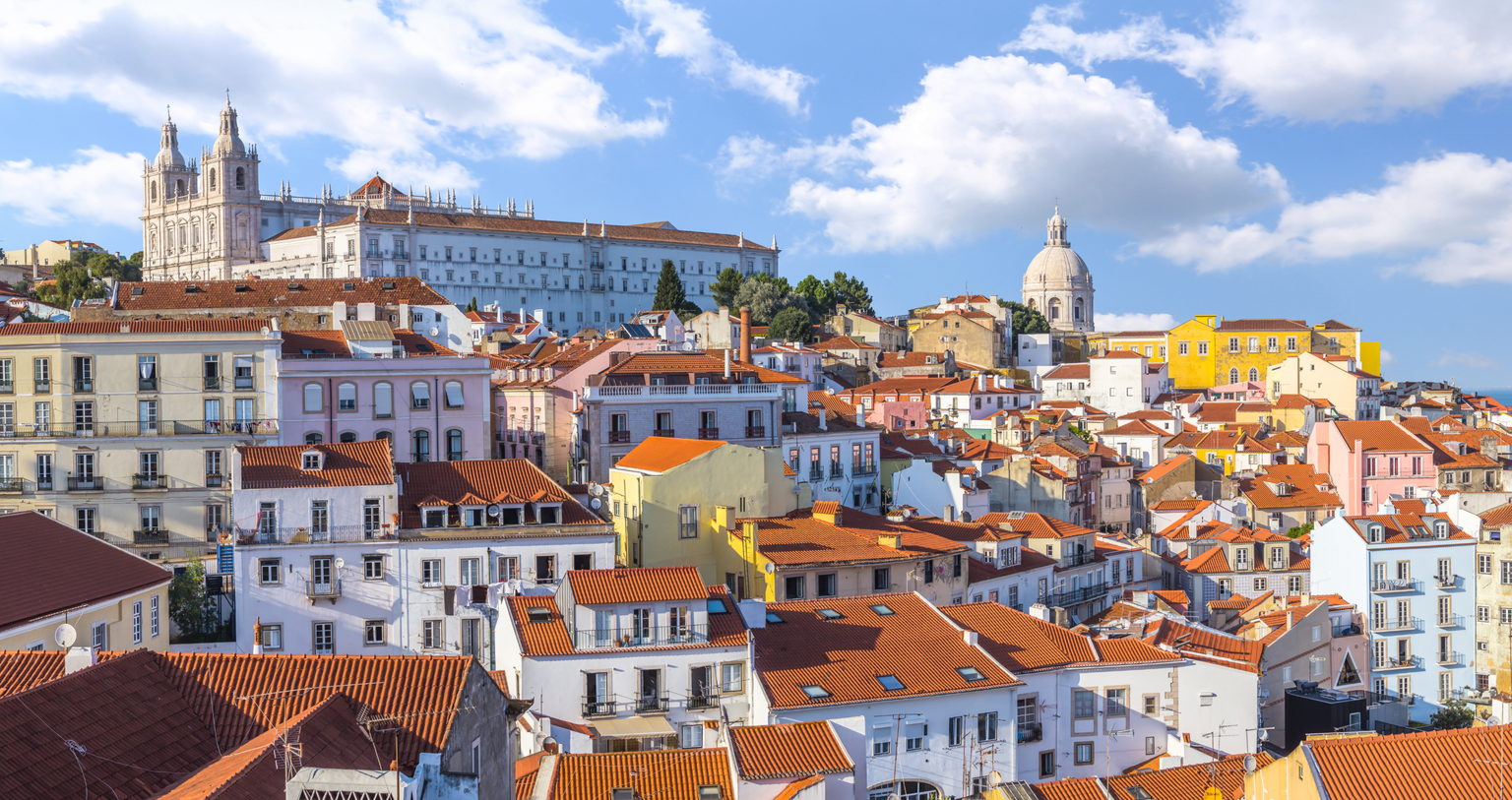
Start in Baixa and Chiado, where Rossio, Praça do Comércio, and the Santa Justa area are all a short walk from one another. Ride the Santa Justa Lift in the morning; a return ticket costs €5.30 ($6). Then cross into Chiado for cafés, bookstores, and theaters before lunch. Use the Baixa-Chiado station for the hill crossing to keep the route short. Spend 2–4 hours on this core loop, then finish with a river-facing walk back through the rebuilt downtown grid.
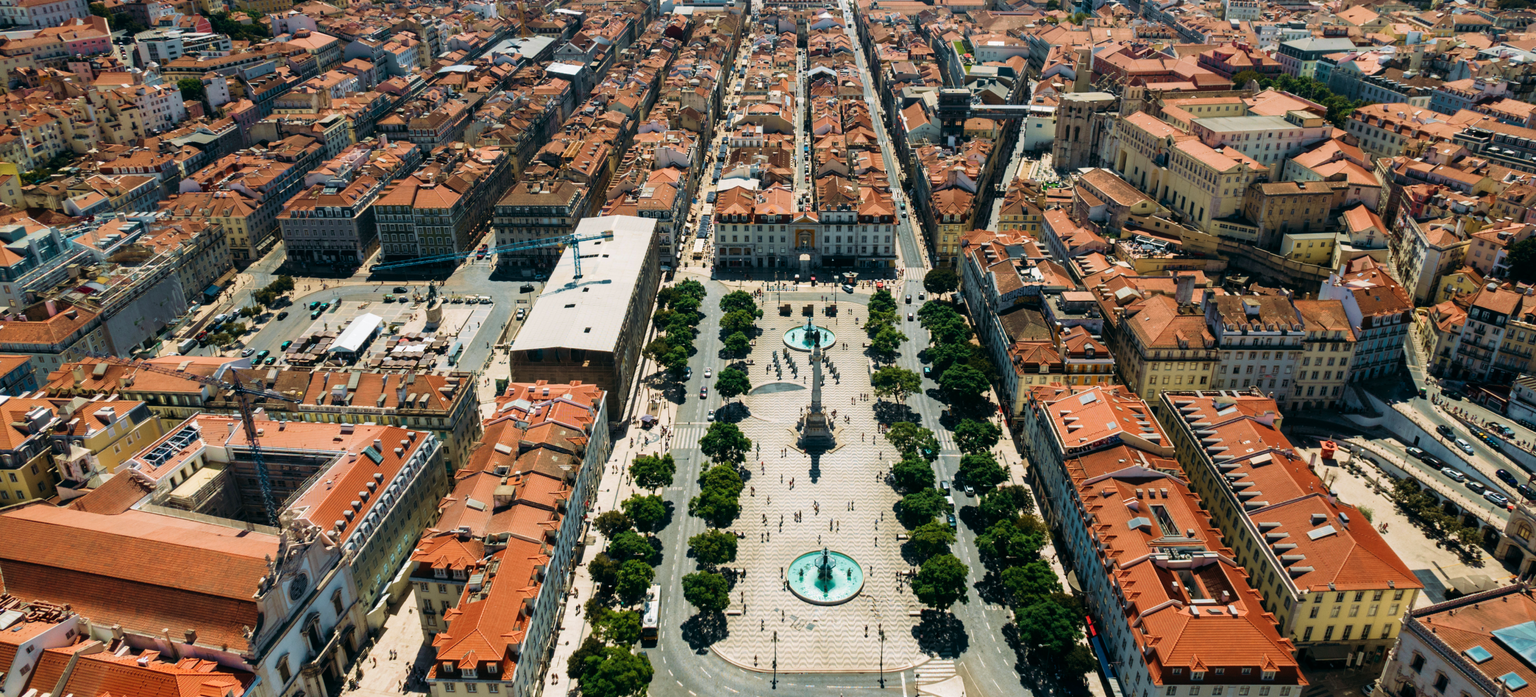
Head to Alfama for Lisbon’s oldest street pattern, where steep lanes, tiled facades, and viewpoints are close together. Pair São Jorge Castle with the cathedral area, then walk the district in the late afternoon, when the light reaches the miradouros. Admission to São Jorge Castle is €15 ($17); most visitors spend 1.5–2.5 hours there. A full wandering loop through Alfama District takes 2 to 4 hours. End at a viewpoint above the rooftops, where you can see the Tagus below the slope.
Take a tram or taxi west to Belém for the city’s best-known monuments in one waterfront district. Start at Jerónimos Monastery, which usually takes about 1.5 to 2 hours; confirm the current admission fee on the official site, as sources vary. Continue to Belém Tower, where the visit takes about 45–60 minutes and entry costs €8 ($9). Go early for lighter crowds at both sites, then spend the afternoon walking the waterfront between them.
Keep the final morning for the Palácio dos Marqueses de Fronteira in Benfica, a 17th-century palace with extraordinary gardens. Admission is €17 ($19), and all visits are guided tours. Take the Metro to Jardim Zoológico (Blue Line), then bus 770 directly to the entrance. Tapada das Necessidades is a short taxi ride away and free to enter, a calm, walled garden on the edge of Monsanto Park that suits a slow final hour. Then head to Lisbon Airport (LIS) for departure.
Business-class flights from the US to Lisbon

You can find flights to Lisbon from major US hubs, with nonstop options available from both coasts. The examples below show typical options from the East Coast and the West Coast in 2026.
New York (JFK) to Lisbon (LIS)
TAP Air Portugal operates nonstop business-class flights on this route, with a typical duration of 6 to 7 hours and round-trip prices ranging from $3,350 to $8,700. If you prefer a flight with a layover, you can take a flight with Azores Airlines via Ponta Delgada (PDL), with round-trip prices typically ranging from $2,400 to $4,000.
Los Angeles (LAX) to Lisbon (LIS)
TAP Air Portugal also operates nonstop flights from the West Coast, with a duration of approximately 11-12 hours and round-trip prices ranging from $6,900 to $11,900. For a one-stop option, British Airways operates flights via London Heathrow (LHR), with round-trip prices ranging from $4,500 to $13,900.
Lisbon’s hills, tiles, and river walks
A well-planned Lisbon trip begins in the flat streets of Baixa before climbing through Chiado and Alfama, then continues west to Belém for the monastery and tower, and finishes with the tiled gardens of Fronteira Palace in Benfica. Following that route reduces unnecessary backtracking and gives each district its own time in the itinerary, whether you travel by Metro, taxi, or tram. If you are planning a trip to Portugal from the US, our AranGrant experts can help you find flights and hotels that match your travel dates and preferences.







