

Chapters:

Need help with your trip?
Our support team is available 24/7. Request a callback or call us directly at (833) 619-0908
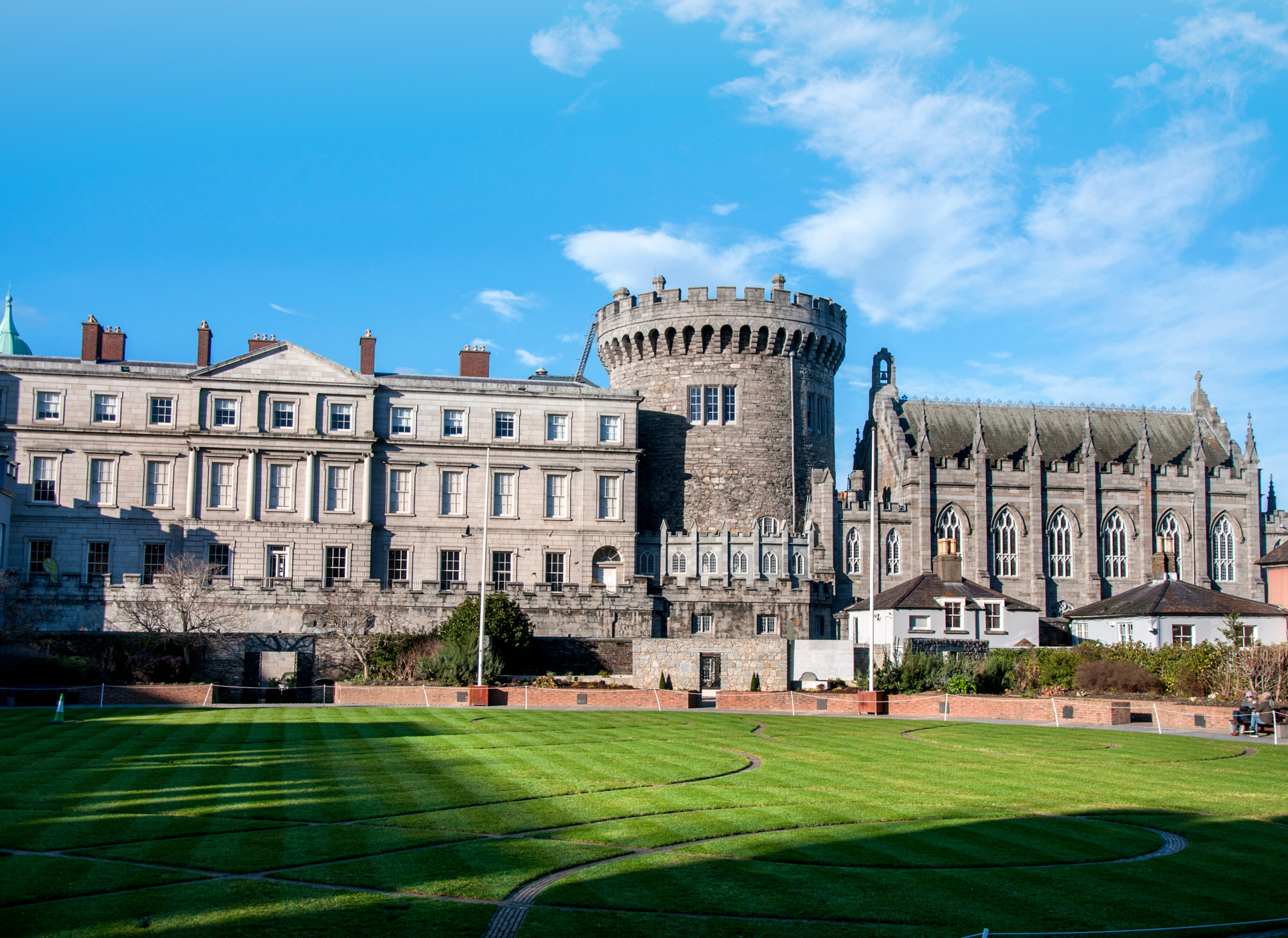
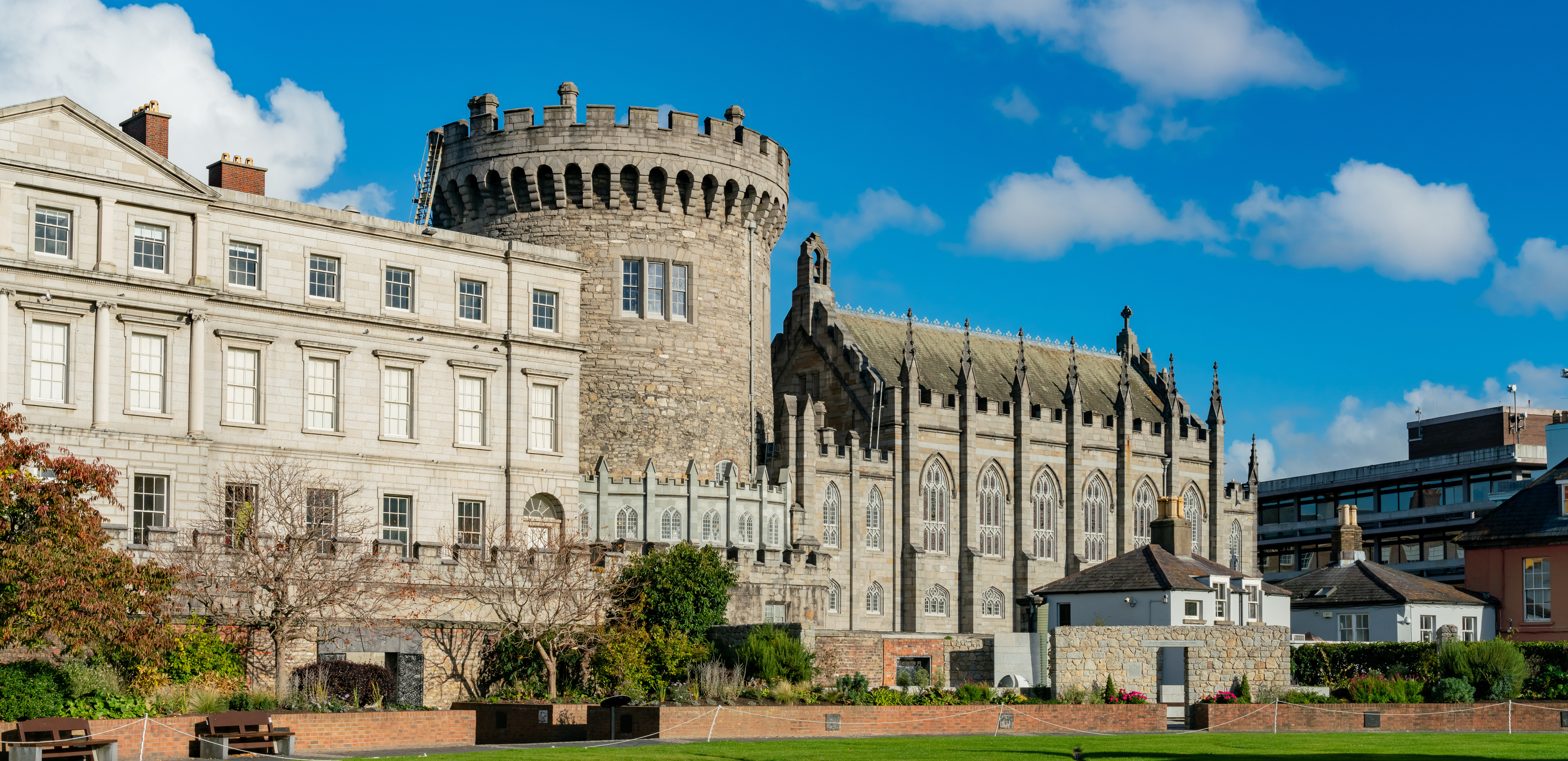
Dublin concentrates its most-visited landmarks within a walkable historic core. Trinity College, the Guinness Storehouse, St Patrick’s Cathedral, and Dublin Castle are all within a short distance of one another, as are the Georgian streets north and south of the Liffey.
However, this proximity does not automatically create a well-balanced itinerary. The real constraint in Dublin is time. The Guinness Storehouse and Trinity College each take two to three hours to visit, and Temple Bar is a network of streets and pubs where you might not notice the passage of time.
This guide brings those pieces together. Whether you are still planning your visit or have already booked flights, we will explain what to visit in Dublin, where to stay, and how to organize your time.
Useful things to know

Main language(s): Irish (Gaeilge) and English

Currency: Euro (EUR, €)

Cash and cards: Cards and contactless payments are accepted almost everywhere. Carry €20–€40 ($22–$44) in cash for small cafés, tips, markets, or public toilets.

Tipping: Leaving about 10% in restaurants is appreciated if service is not included. Rounding up is common in pubs, cafés, and taxis.

Traditional food: Irish stew, Dublin coddle, Boxty, Soda Bread, Seafood Chowder, and Colcannon are among the dishes most closely associated with Dublin.

Water and coffee costs: Bottled water usually costs €1.50–€2.50 ($1.65–$2.75), while an espresso typically costs €2.20–€3.20 ($2.40–$3.50).

Taxis and ride apps: Uber connects passengers with licensed taxis. Free Now and Bolt also operate in Dublin. Avoid unlicensed drivers.

Plug and voltage: Type G sockets with a standard voltage of 230V

Dining and shop opening hours: Breakfast is usually served from 7:00 am to 10:30 am, lunch from 12:00 pm to 2:30 pm, and dinner from 5:30 pm to 9:30 pm.

Emergency number: Dial 112 or 999 for police, ambulance, or fire services anywhere in Ireland.
Where to stay in Dublin
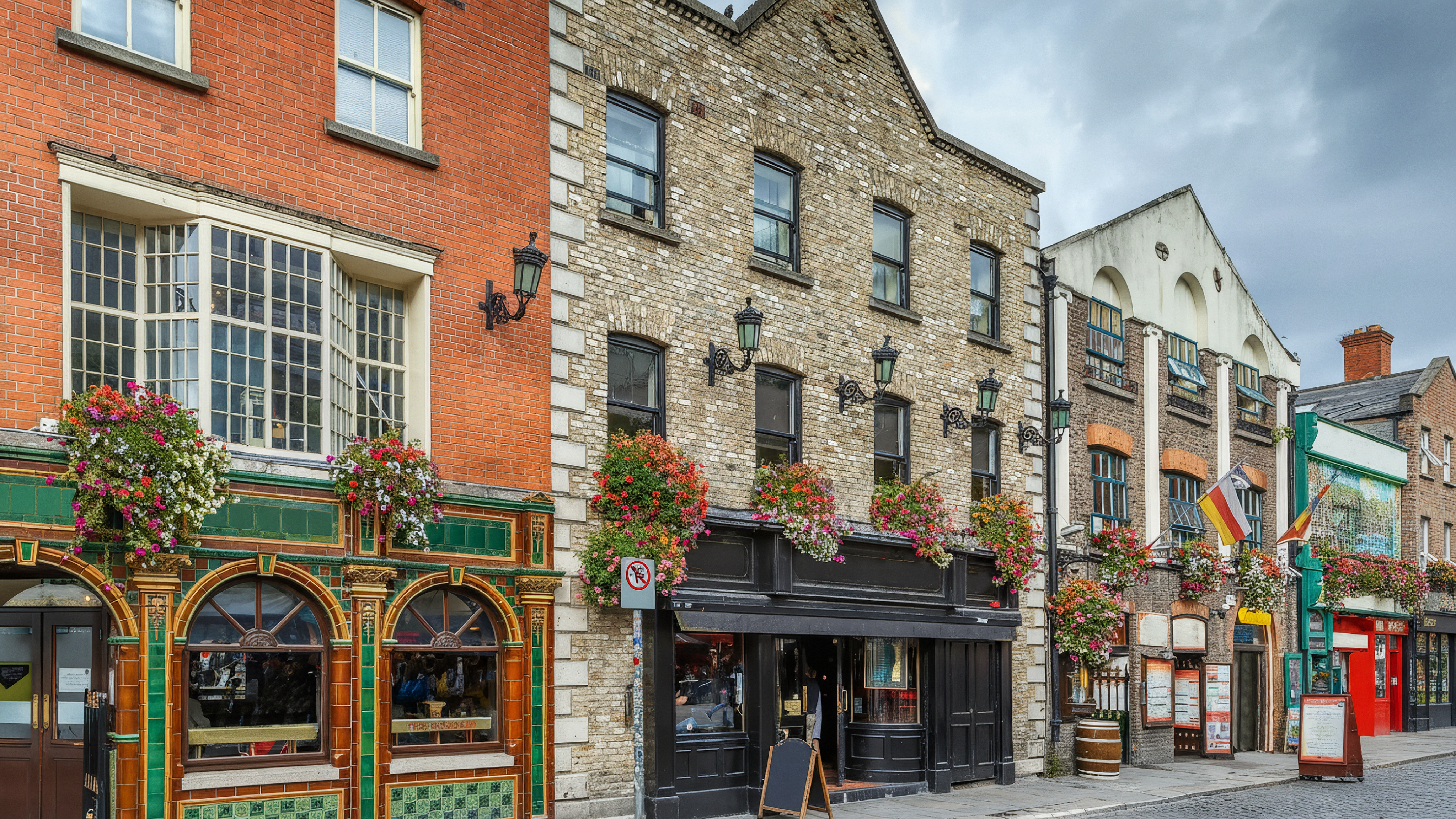
Temple Bar is close to Dublin’s nightlife area, the River Liffey, Trinity College, museums, and shopping streets. The district is busy from morning to late evening, but nearby side streets give travelers a quieter place to sleep without losing central access.
Best for: First-time visitors who want to experience the city’s nightlife, pubs, and short walks to major sights
What to expect: Crowded lanes, pub music, busy restaurants, and steady visitor traffic
Hotel prices: Expect prices of €190–€320 ($220–$370) per night at well-rated hotels.
Distance to major sights: Trinity College and Dublin Castle are 10–15 minutes away on foot.
Quietness: Lively all day; evenings can be noisy on pub streets.
Main trade-off: Higher prices and heavier crowds than most other areas
Good to know: Best for travelers who want a classic, central Dublin experience.
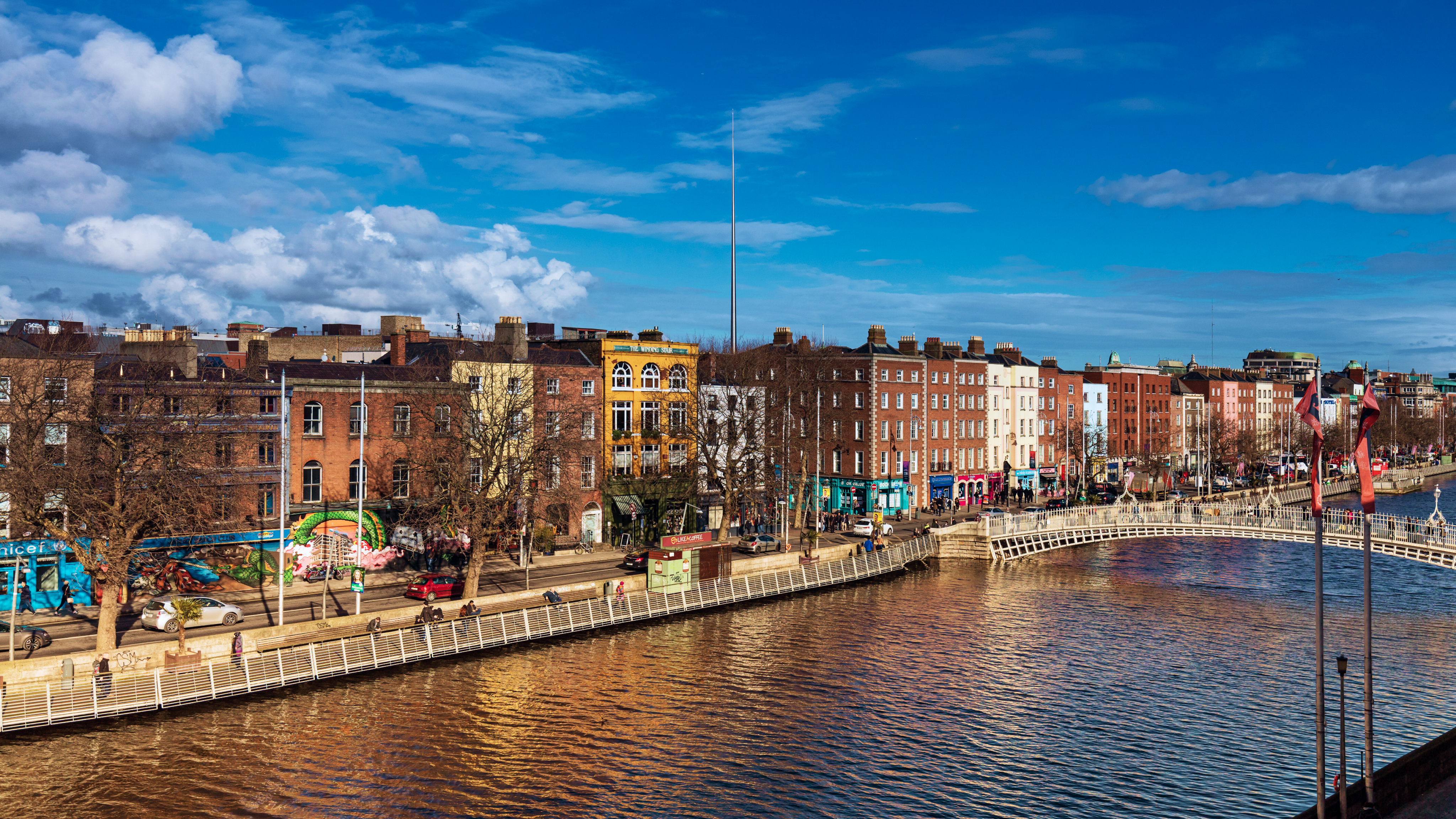
Grand Canal Dock brings together modern hotels, waterfront paths, restaurants, theaters, and newer apartments near the canals. The area offers travelers more space and a calmer evening while keeping museums, shopping streets, and central Dublin easily within reach.
Best for: Couples and business travelers who prefer modern hotels and waterfront walks
What to expect: Active but not frantic; daytime is busy near the waterfront and event locations.
Hotel prices: Usually from €150 to €270 ($175 to $315) per night
Distance to major sights: Rides to central sights take 15 to 30 minutes by tram, bus, or taxi.
Quietness: Evenings feel calm, except near theaters, restaurants, and event venues.
Main trade-off: You trade old-city atmosphere for newer buildings and wider streets.
Good to know: The area suits travelers attending concerts, theaters, or events near the waterfront.
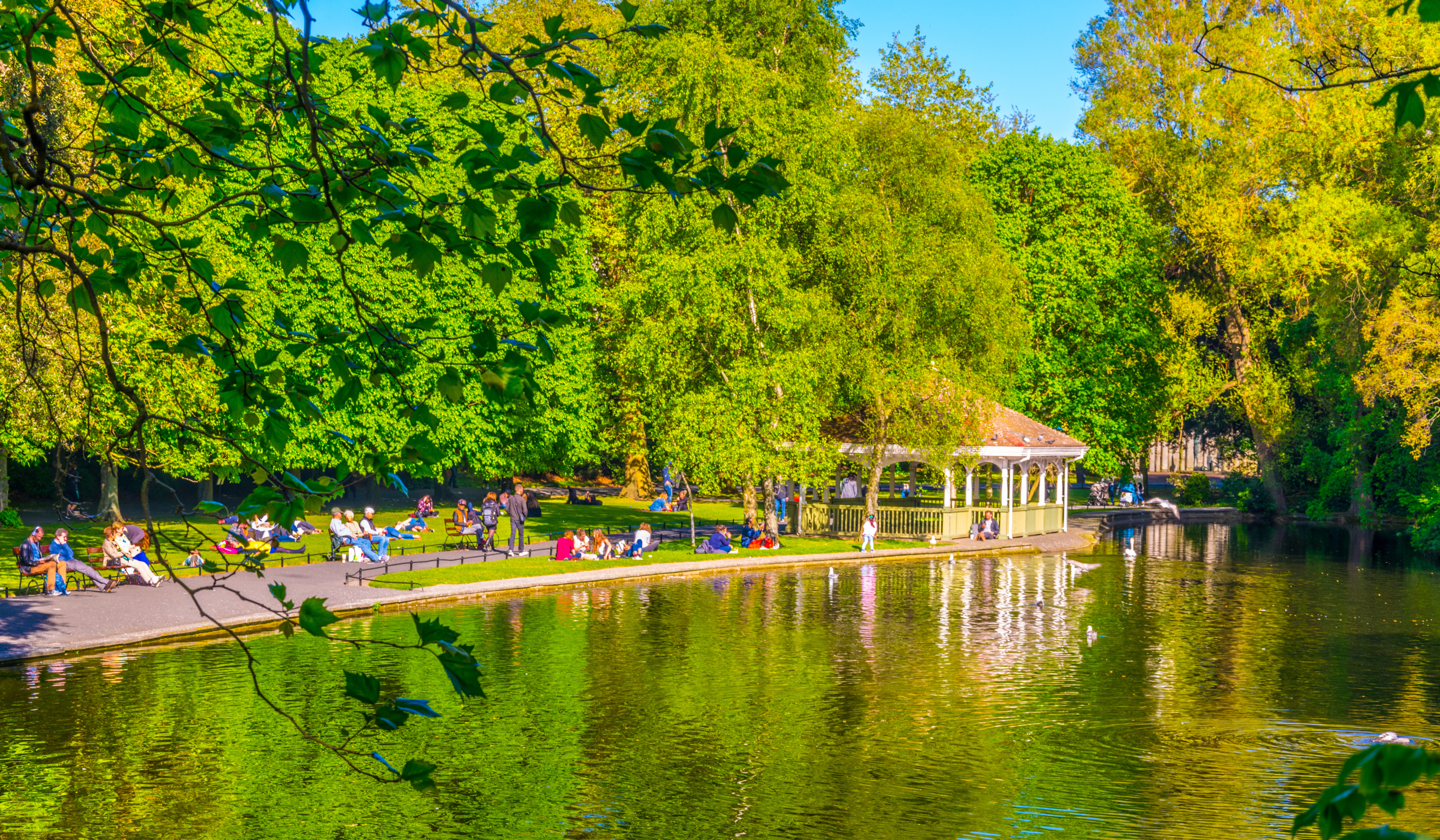
St Stephen’s Green is a polished central area with Georgian streets, museums, shops, historic churches, and one of Dublin’s best-known parks. It keeps sightseeing easy while offering a calmer feel than busy pub streets. There are also cafés and galleries nearby.
Best for: Sightseeing-focused travelers who want greenery and central access
What to expect: Park paths, shopping streets, museums, cafés, and daytime crowds
Hotel prices: Hotels cost €165–€290 ($190–$340) per night.
Distance to major sights: Many central museums, churches, and shopping streets are 8 to 18 minutes away.
Quietness: Active during the day; quieter after late evening dining.
Main trade-off: Hotels in this area can be pricier than those in the outer districts. The area is also busy on weekdays.
Good to know: Best suited for travelers who want central convenience without constant nightlife
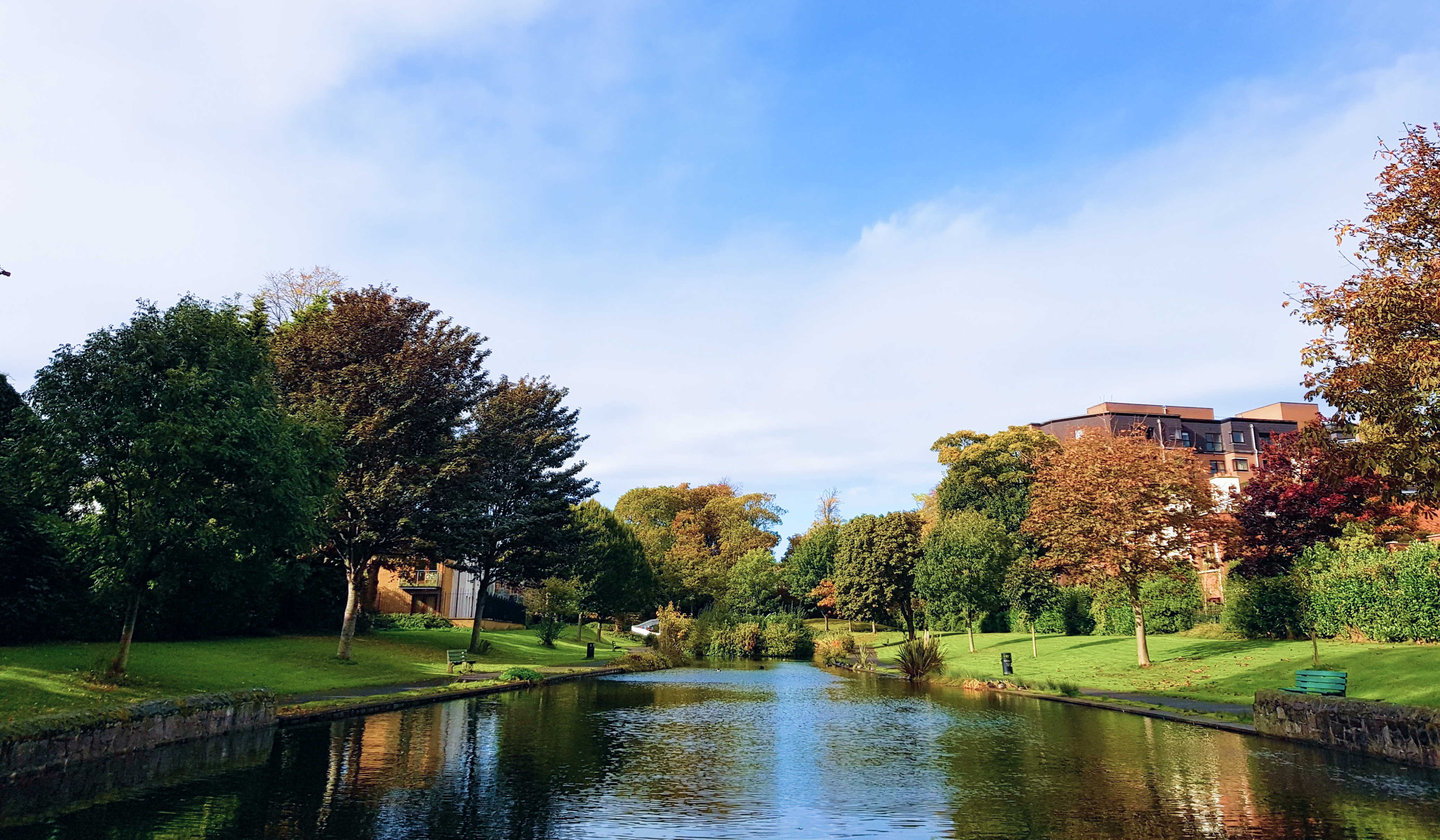
Ranelagh gives visitors a more local Dublin stay, with neighborhood pubs, independent restaurants, cafés, and leafy residential streets. Quick tram connections keep the center within reach, while the area feels easier to settle into after busy sightseeing days.
Best for: Travelers who want a local neighborhood feel and easy tram access
What to expect: Lively restaurant and pub energy, especially evenings and weekends
Hotel prices: Accommodation prices generally range from €130 to €230 ($150 to $270) per night.
Distance to major sights: About 10 to 15 minutes by tram to central landmarks; 20 to 30 minutes by bus to sights further out
Quietness: Generally calm late at night, with occasional noise near pubs and restaurant areas
Main trade-off: Not as walkable to every major sight as the central areas
Good to know: A good option if you want better dining nearby and quieter nights
Most visitors avoid far-out commuter areas such as Tallaght, Blanchardstown, Darndale, and parts of Lucan, since reaching central Dublin takes longer and adds extra transit time to each day.
Hotel deals
How to get around Dublin efficiently
Dublin feels easier to manage when you combine walking, short bus or Luas rides, and taxis for luggage, late hours, or longer neighborhood transfers.

Metro
for longer distances
Dublin’s DART suburban rail line connects the city center with coastal destinations such as Howth and Dún Laoghaire. Fares usually range from €2.00 to €2.60 ($2.20–$2.85), depending on distance and payment method. Buy tickets at station machines or use a Leap Card for discounted fares.

Bus and tram
for convenience
Dublin Bus and the Luas cover most central sightseeing areas and short cross-city trips. Fares usually cost €2.00–€2.60 ($2.20–$2.85). Use a Leap Card for lower prices, or buy Luas tickets at station machines before boarding. Google Maps and Citymapper help with route planning.

Taxi
for convenience or late hours
Taxis help late at night, with luggage, or when crossing between distant areas. From Dublin Airport to Temple Bar or St Stephen’s Green, expect about €25–€40 ($27–$44) and 25–45 minutes in normal traffic. Book through Free Now or Uber, or use an official taxi rank.
*Prices are based on rates updated as of June 2026 and may change at the time of travel.
Walk in the center, use bus or Luas for short cross-town trips, take DART for coastal visits, and use taxis for luggage or late hours.
Iconic landmarks
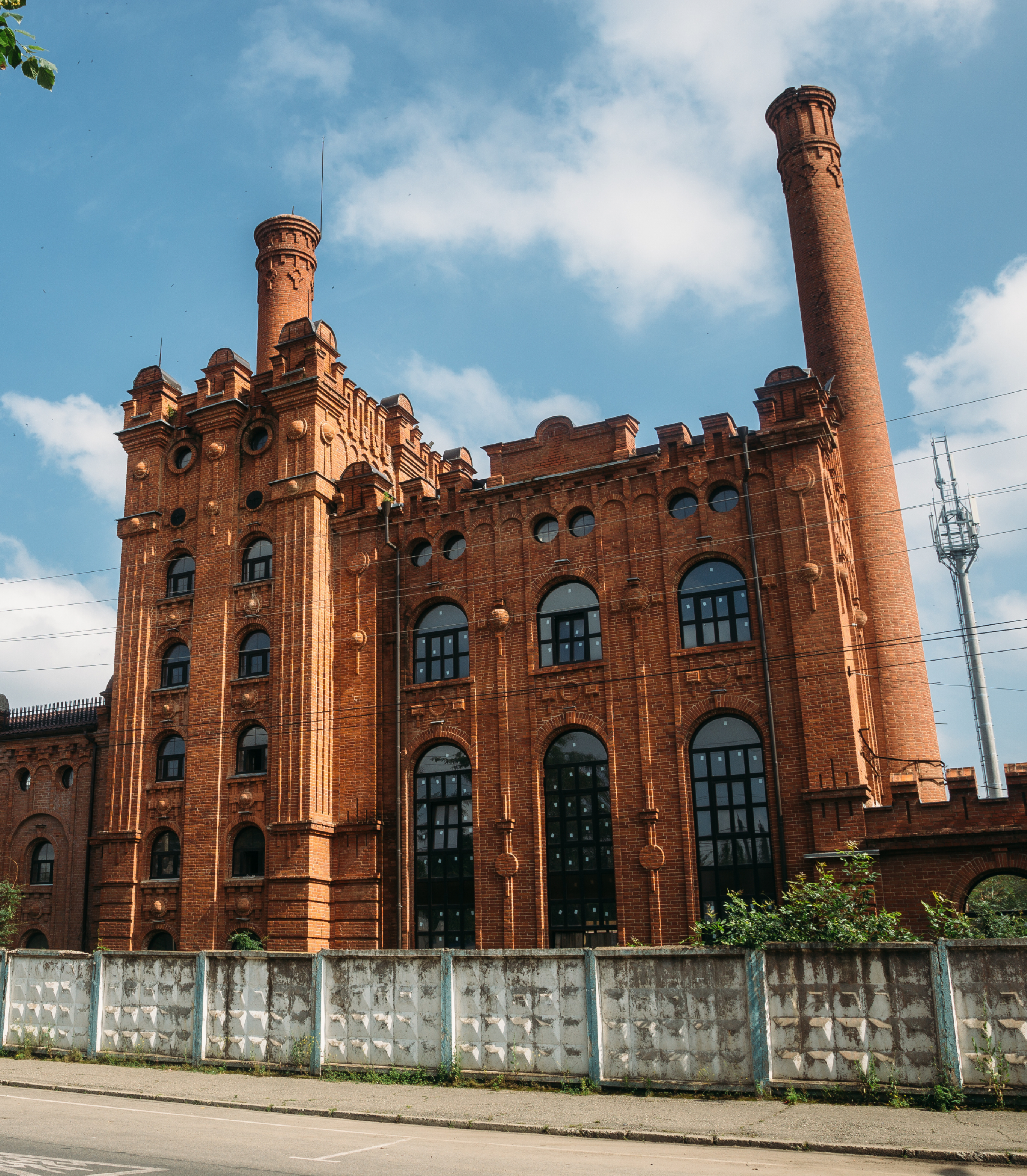
Guinness Storehouse
A Dublin must-see landmark, the Guinness Storehouse blends brewery heritage with modern views of the city. Walk through interactive exhibitions, then finish with a pint at the Gravity Bar for one of Dublin’s most memorable skyline moments.
Time needed: A visit usually lasts 2.5 hours.
Entry: Tickets range from €22–€39 ($25–$45), depending on the experience you choose. You can book tickets on the official site.
Tip: Book timed entry early, especially on weekends and holidays.
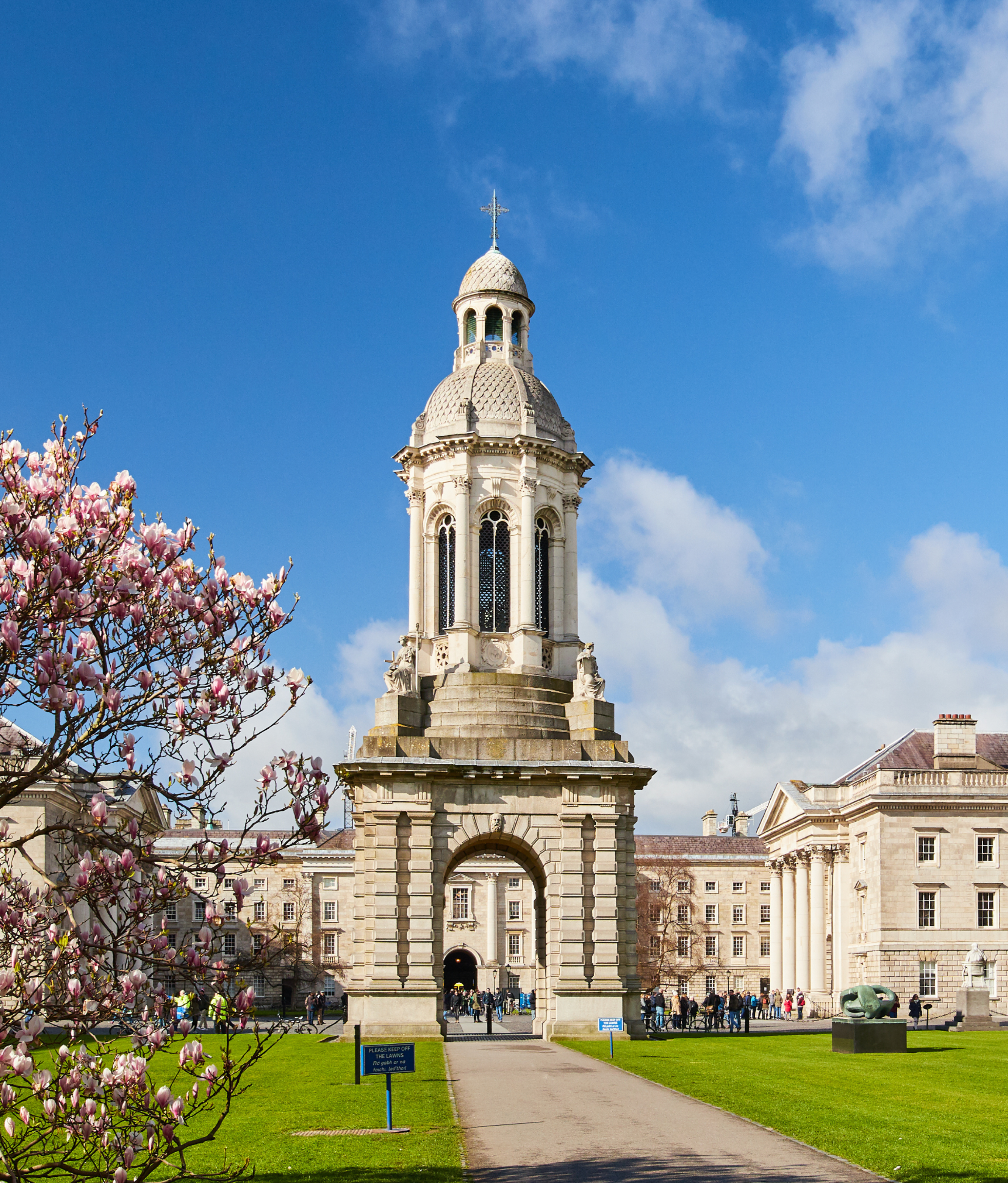
Trinity College Dublin and the Book of Kells
Trinity College is one of Dublin’s best-known historic sites, and the Book of Kells exhibition is the highlight. Explore grand campus spaces, see the famous illuminated manuscript, and enjoy a feel for Ireland’s academic and cultural history.
Time needed: Most visits take 1–2 hours.
Entry: Tickets are typically €25 ($29) for standard self-guided entry. You can book tickets on the official site.
Tip: Reserve Book of Kells tickets in advance to secure your time slot.
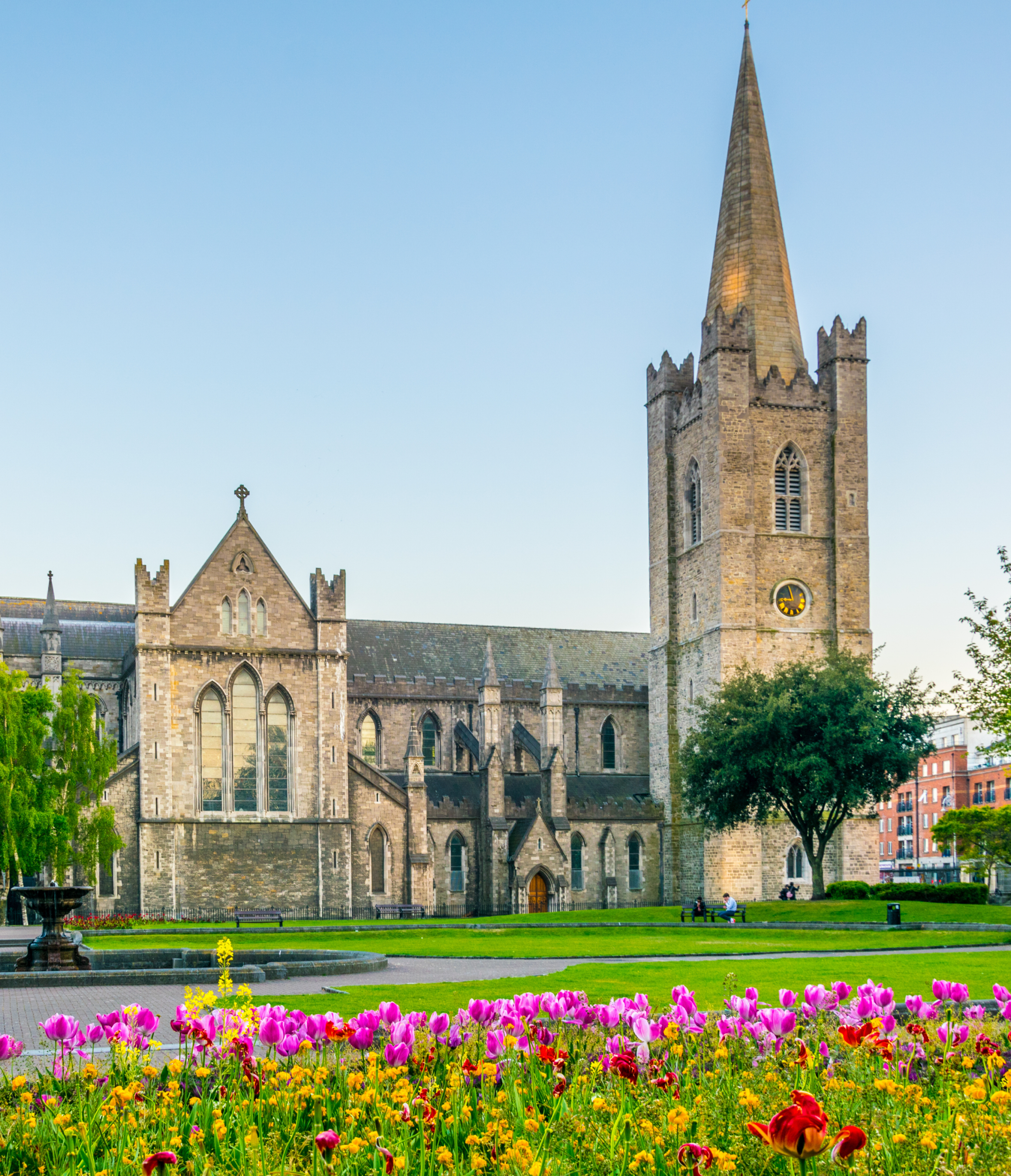
St Patrick’s Cathedral
St Patrick’s Cathedral is Dublin’s historic heart for church architecture and Irish heritage. Walk the length of the nave, explore the memorials, and consider the guided tour for deeper context around the cathedral’s 800-year history.
Time needed: An in-depth visit may take 2 hours.
Entry: Standard tickets for adults cost €11.50 ($)13. You can book tickets on the official site.
Tip: Book early if you want to go on a guided tour.
Overlooked sites worth visiting
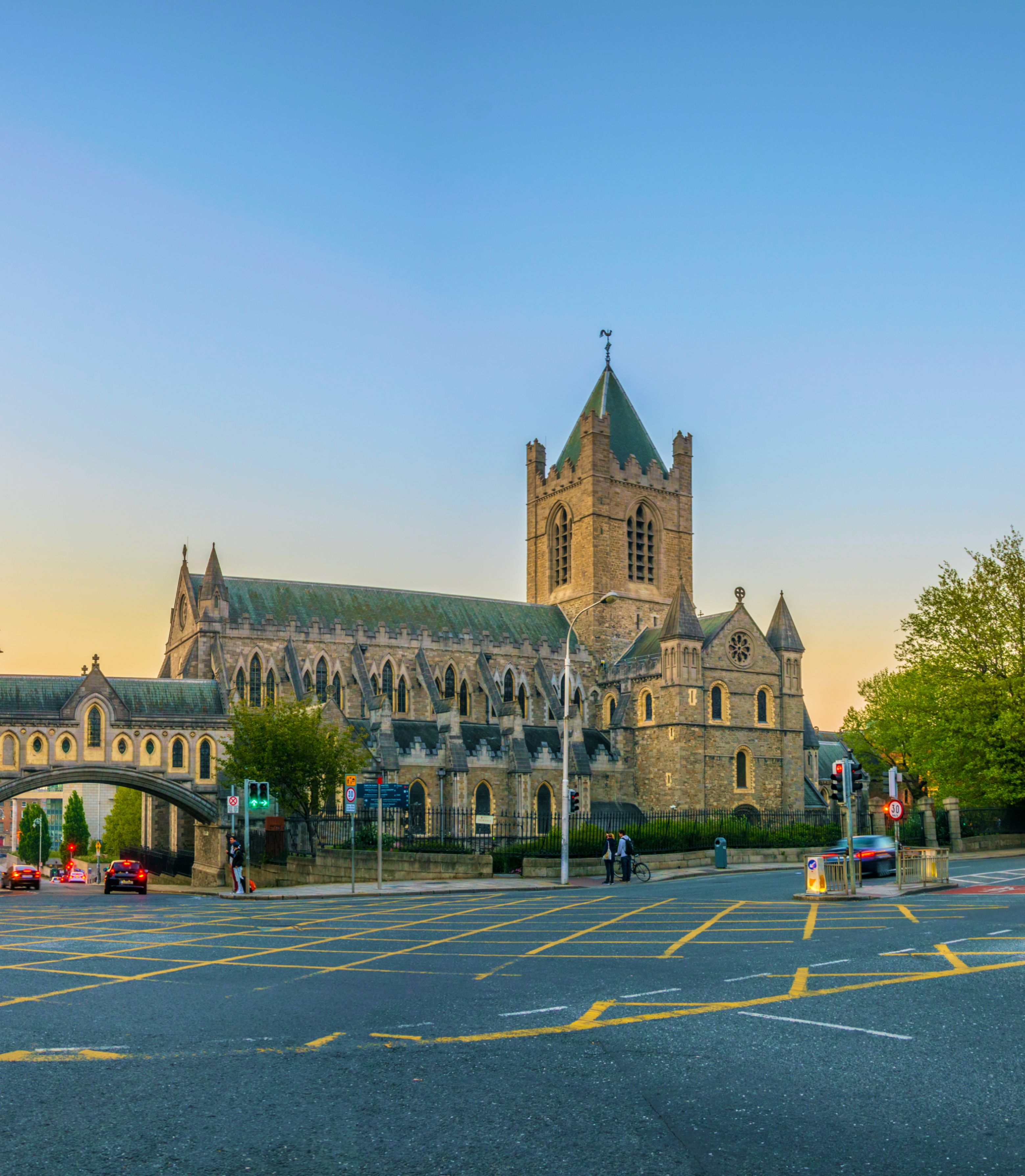
Dublinia and the Viking World (Christchurch)
This interactive Viking and medieval museum next to Christ Church Cathedral offers travelers access to hands-on exhibits, living history guides, and replica street scenes.
Time needed: Allow approximately 90 minutes for a full visit.
Entry: Adult tickets cost €16 ($18). No advance booking is required. Visit the official site for details.
Tip: Visit early. Guided tours run daily and are included in the ticket price.
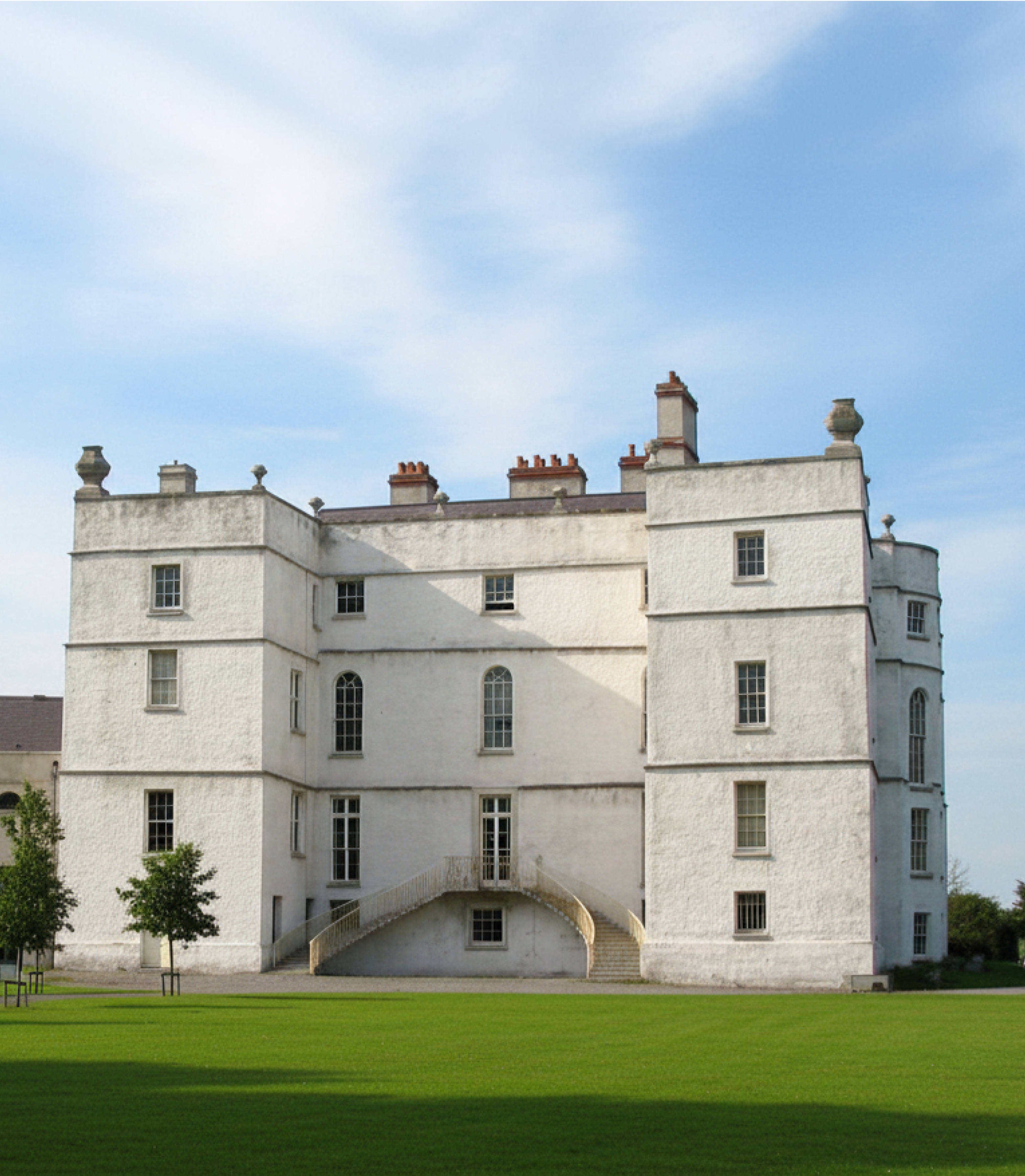
Rathfarnham Castle
A well-preserved Elizabethan fortified house in south Dublin, remodeled in the 18th century, with guided tours through Georgian-era rooms and period collections.
Time needed: Most visits take 1–2 hours.
Entry: Adult tickets cost €5 ($6), while children’s tickets are €3 ($3.40). No advance booking needed. Visit the official site for details.
Tip: Combine it with a walk in the adjacent Rathfarnham village for a fuller half-day outing.
Traditional food
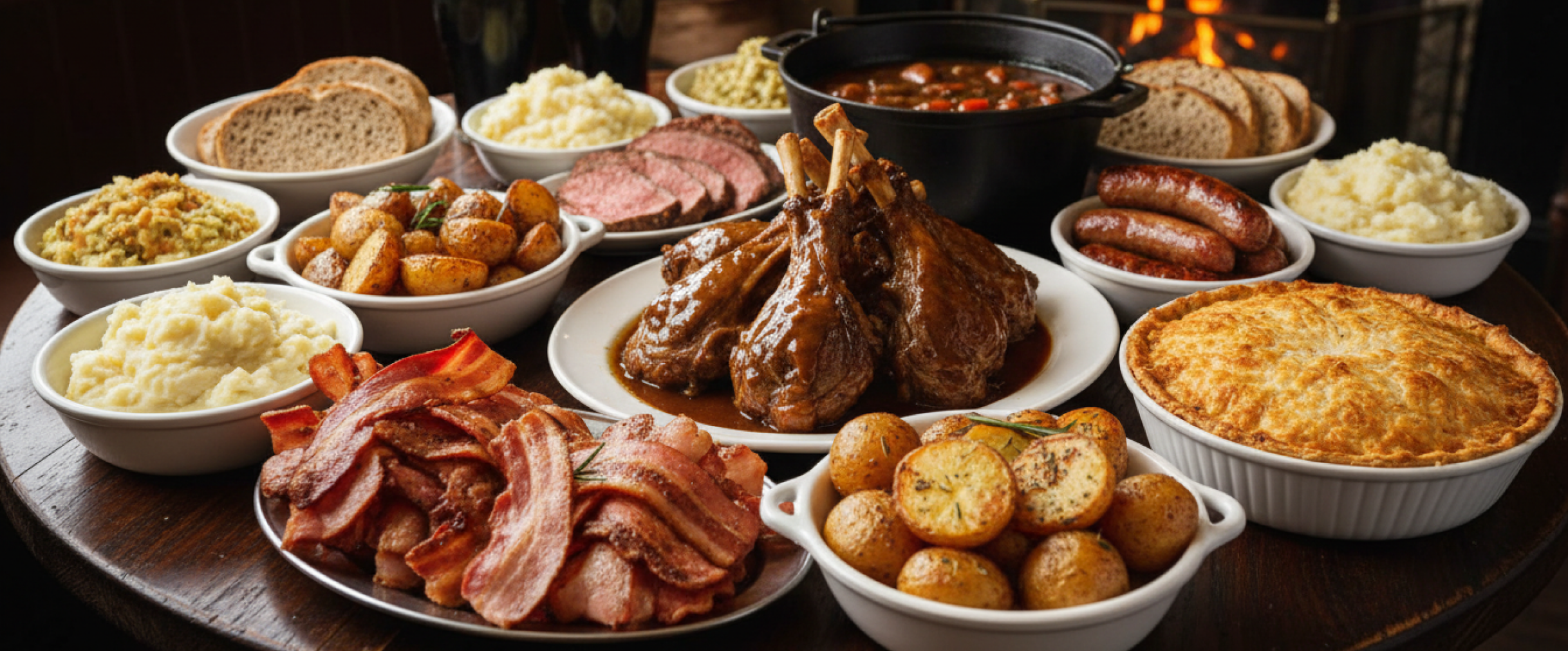
Dublin’s cooking features potatoes, lamb, beef, bacon, and sausages, shaped by long-standing pub and café traditions. Expect hearty, comforting flavors more than spice or delicacy.
Irish stew
This slow-cooked lamb or mutton with potatoes, onions, and a light herbed broth is Ireland’s national dish and a Dublin pub staple. The Brazen Head, one of the city’s oldest pubs, serves a well-regarded version with freshly baked soda bread.
Boxty
A pan-fried potato pancake made from grated raw and mashed potatoes, giving it a dense, slightly crisp texture. Gallagher’s Boxty House in Temple Bar has built its entire menu around the dish, serving it filled with stew, seafood, and other Irish staples.
Dublin coddle
A slow-cooked one-pot of bacon, pork sausages, potatoes, and onion — a working-class Dublin staple built from modest ingredients. The Hairy Lemon has served a reliable city-center version for years.
Seafood chowder
A creamy, filling soup of white fish, shellfish, and potatoes — a common Dublin lunch or starter. The Winding Stair, overlooking the Liffey, is consistently named among the best places for it in the city.
Best time to visit Dublin
Dublin has no true off-season, but the city feels markedly different depending on when you arrive.
Best for: Comfortable sightseeing days, outdoor walks, pub gardens, and museum visits
What you get: Temperatures between 7°C and 15°C (45–59°F), the year’s best sunshine hours, blooming parks, and manageable crowds before summer peaks.
Trade-offs: Rainshowers are common throughout, and cool evenings still call for layers.
Best for: Long daylight hours, outdoor dining, coastal walks, and the full range of events and festivals
What you get: Late sunsets, lively pub terraces, and the city at its most energetic time, with temperatures that range between 11–20°C (52–68°F)
Trade-offs: Higher hotel prices, heavier competition for restaurants and popular sights, and the most tourist traffic of the year
Best for: Comfortable walking weather, a quieter city pace, museums, and evening dining
What you get: Typical temperatures are from 6°C to 17°C (43–63°F), fewer crowds after summer, active cultural calendars, and easier access to major attractions
Trade-offs: Rain increases from October onward, and daylight shortens noticeably into November.
Best for: Quiet museums, cozy pubs, lower hotel prices, and Christmas atmosphere in December
What you get: Lightest crowds of the year and holiday markets in December, with temperatures between 3°C and 9°C (37–48°F)
Trade-offs: Cold, damp weather and limited daylight can slow plans down considerably.
A realistic 5-day plan in Dublin
Dublin doesn’t need to be rushed. Five days gives you enough time to move through the city at an easy pace: the historic core, a proper pub evening, a quieter neighborhood, and still room to sit somewhere and do nothing in particular.
Fly into Dublin Airport (DUB) and take an Aircoach or Dublin Express to the city center for around €9–€10 ($10–$11), or a taxi for €25–€40 ($27–$44). Buses take 35–60 minutes; taxis run 25–45 minutes, depending on traffic. Keep the first day easy: check in, walk your neighborhood, and have dinner near your hotel.
Start the day at Trinity College Dublin with the Book of Kells Experience, which includes the Long Room and a digital exhibition. Adult tickets cost €25 ($27), and visits take around 90 minutes. Book in advance, as timed entry sells out. From there, walk the nearby central streets and along the River Liffey, and consider adding Dublinia near Christchurch as an afternoon stop at €16 ($17) per adult.
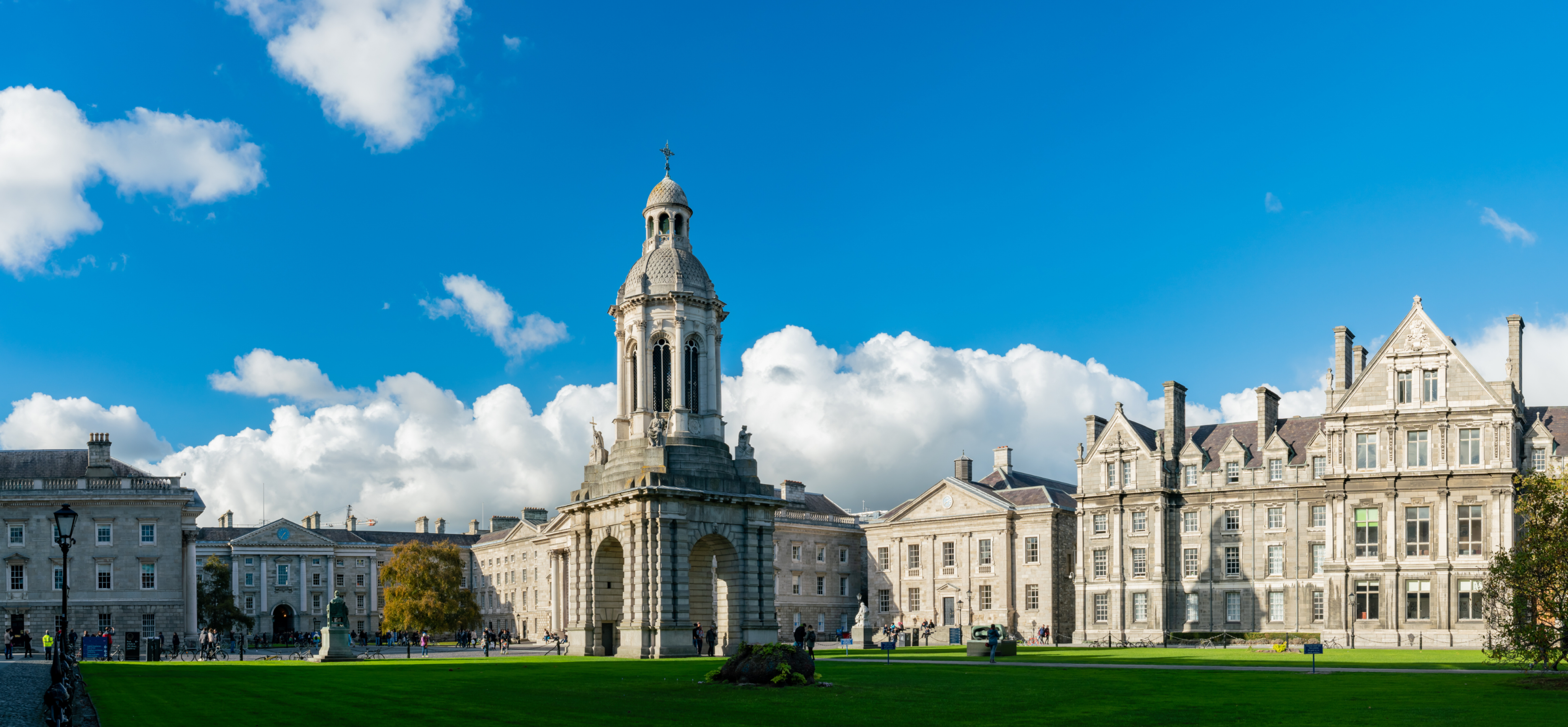
Plan this day around the Guinness Storehouse in the Liberties. Adult tickets for a standard experience range from €26 to €30 ($28–$33) depending on the time slot, and the visit takes 1.5–2 hours, ending with a complimentary pint at the panoramic Gravity Bar. Pair it with St Patrick’s Cathedral nearby, where adult entry is €11.50 ($12) and a visit takes 45–60 minutes.
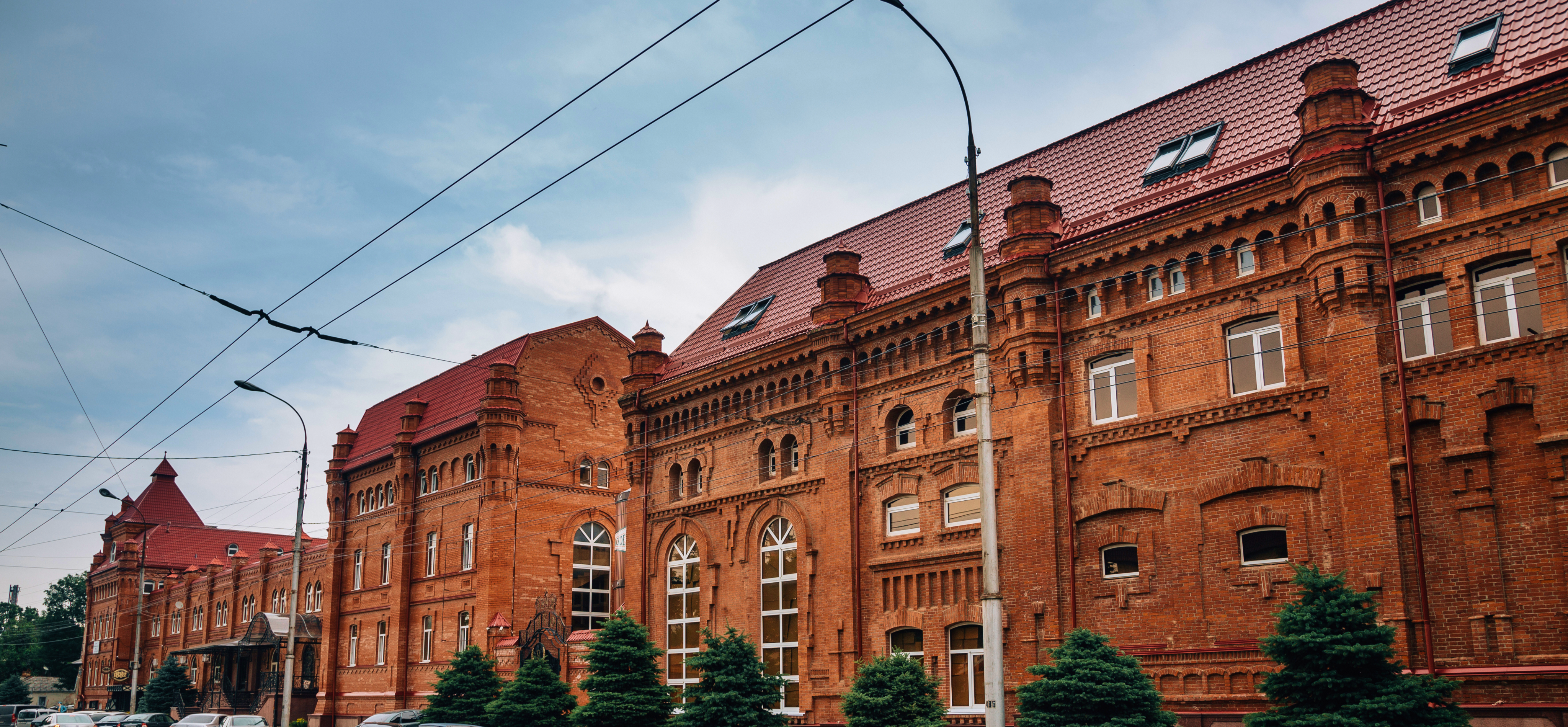
Use a slower day for a mix of central sightseeing and a quieter heritage stop. Start near St Stephen’s Green for museum access and easy walking, then head south to Rathfarnham Castle, an Elizabethan fortified house with guided tours at €5 ($5.50) per adult. It makes a satisfying contrast to the busier city-center landmarks.
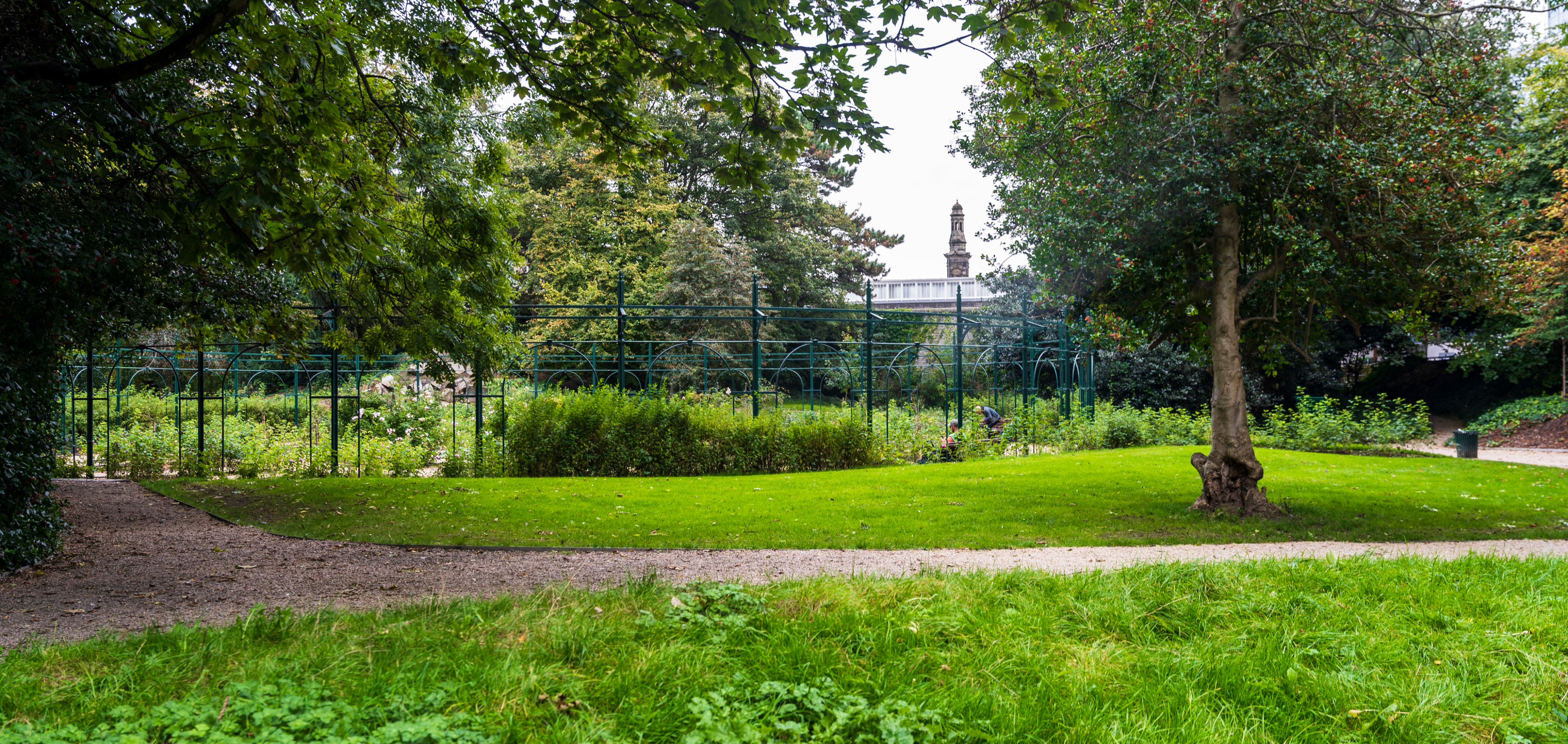
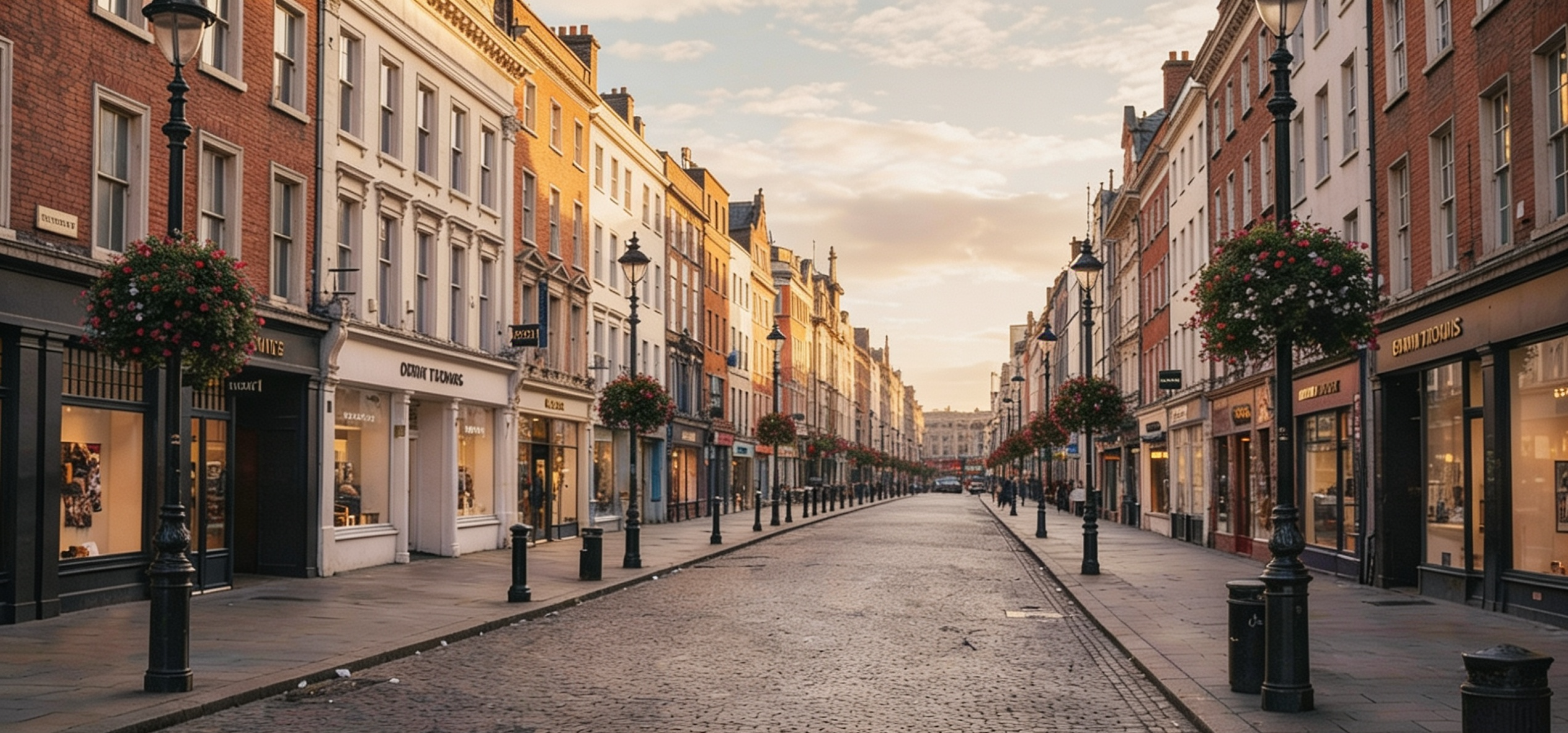
Keep the final day flexible for shopping along Grafton Street, a relaxed brunch, or a last walk by the Liffey. If staying in Dublin 2 or near St Stephen’s Green, leave your luggage with your hotel and depart without rushing. Plan to reach the airport 2.5–3 hours before an international flight.
Business-class flights from the US to Dublin
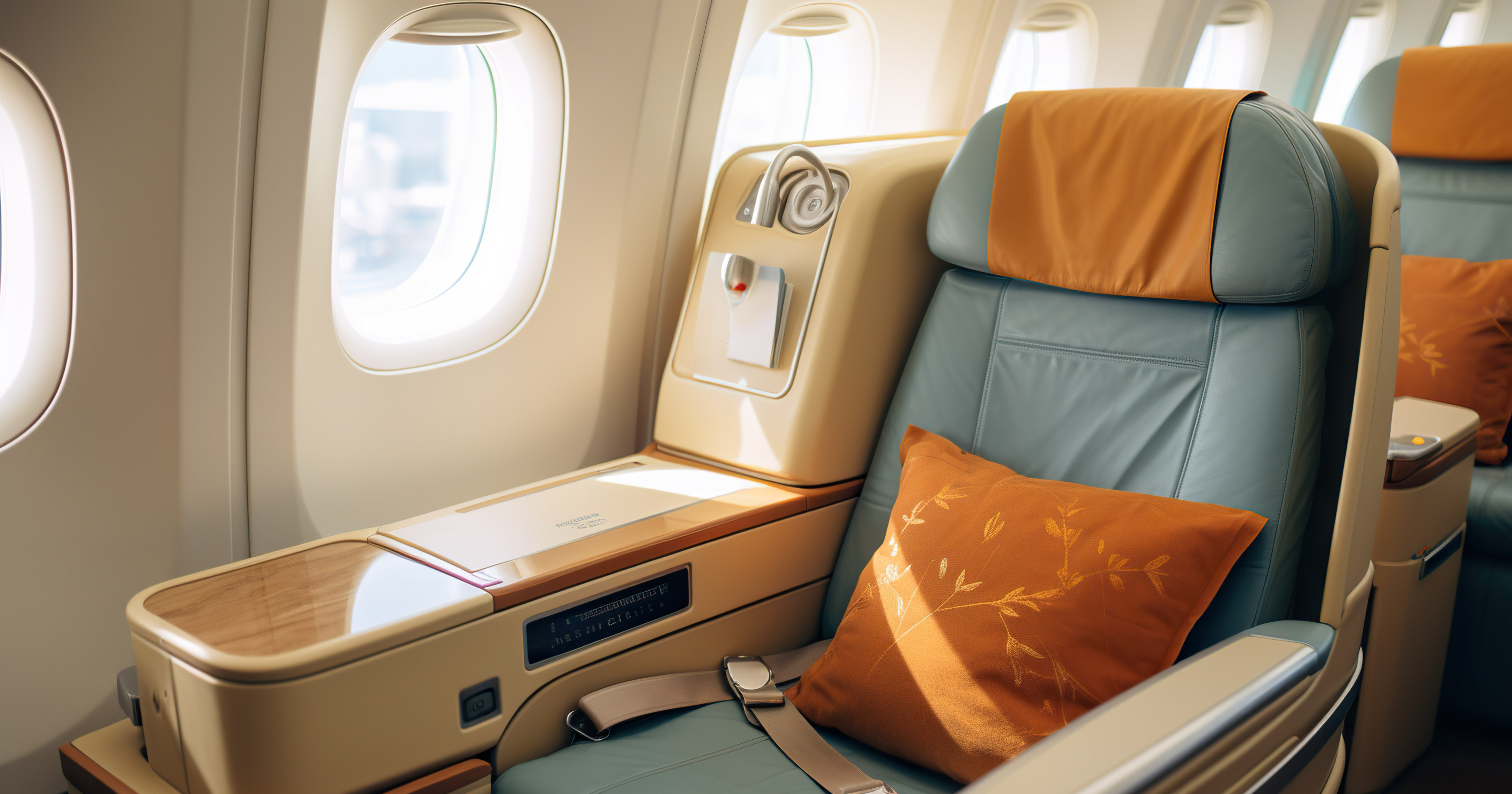
Dublin is well-connected to both US coasts. You can find nonstop flights to this destination both from New York and Los Angeles.
New York (JFK) to Dublin (DUB)
Aer Lingus, Delta, and JetBlue operate nonstop flights on this route. The flight takes 6 to 7 hours. Round-trip business-class prices typically start at $3,000 and can reach $5,100, with last-minute bookings reaching $6,200.
Los Angeles (LAX) to Dublin (DUB)
Aer Lingus is the only airline operating nonstop flights on this route, with a flight time of approximately 10 hours and 20 minutes. Round-trip tickets generally range between $6,100 and $9,800. If you book them right before departure, you can expect to pay $10,100.
Make the most of your five days in Dublin
Dublin reveals itself best when each day has a clear focus. A crowded schedule can turn the trip into a series of rushed pub stops, missed sights, and unnecessary detours, while a more deliberate plan gives you time to properly enjoy the museums, historic streets, waterfront walks, and neighborhoods.
If you are planning a trip to Dublin, our AranGrant experts can help you compare flights, choose a route that suits your schedule, and even recommend well-placed hotels, so you can enjoy your stay in the city.







