Chapters:

Need help with your trip?
Our support team is available 24/7. Request a callback or call us directly at (833) 619-0908
Tokyo is the largest city in the world and rarely feels like one. Each neighborhood has its own character and pace, from ancient temple streets in Asakusa to forested shrine walks in Harajuku, a food culture that rewards obsession, and a rail network that connects it all with a precision that still surprises first-time visitors. The city rewards curiosity more than planning, and almost every detour leads somewhere worth finding.
This guide covers where to stay, where to eat, how to get around, and how to plan a five-day trip through the city’s best neighborhoods and landmarks.
Useful things to know

Main language(s): Japanese
こんにちは (konnichiwa) – Hello / good afternoon
お願いします (onegaishimasu) – Please
ありがとうございます (arigatou gozaimasu) – Thank you
英語を話せますか? (eigo o hanasemasu ka?) – Do you speak English?
いくらですか? (ikura desu ka?) – How much does it cost?

Currency: Japanese yen (JPY, ¥)

Cash and cards: Cards and mobile payments are widely accepted in Tokyo. Still keep ¥5,000–¥10,000 ($31–$62) in cash for small cafés, temple donations, markets, and coin-operated restrooms.

Tipping: Tipping is not customary in Japan. Exceptional service is included in the price, and cash tips can cause confusion.

Traditional food: Sushi (vinegared rice with seafood), Ramen (noodle soup with broth), Tempura (battered fried seafood or vegetables)

Water and coffee costs: Bottled water usually costs ¥100–¥150 ($0.62–$0.93). Convenience-store coffee is often ¥150–¥250 ($0.93–$1.55), while espresso at cafés commonly costs roughly ¥300–¥500 ($1.85–$3.10).

Taxis and ride apps: Uber, GO, and DiDi all operate in Tokyo. At busy stations and airports, use only licensed taxis or pre-booked cars and avoid unofficial drivers.

Plug and voltage: Type A plug, 100V (50Hz)

Dining and shop opening hours: Breakfast is served from 7:00 am to 10:00 am, lunch from 11:00 am to 3:00 pm, and dinner from 5:00 pm to 10:00 pm. Most restaurants stop taking orders by 9:30 pm and close one day a week. Convenience stores stay open late.

Emergency number: Call 110 for police and 119 for fire or ambulance.
Where to stay in Tokyo
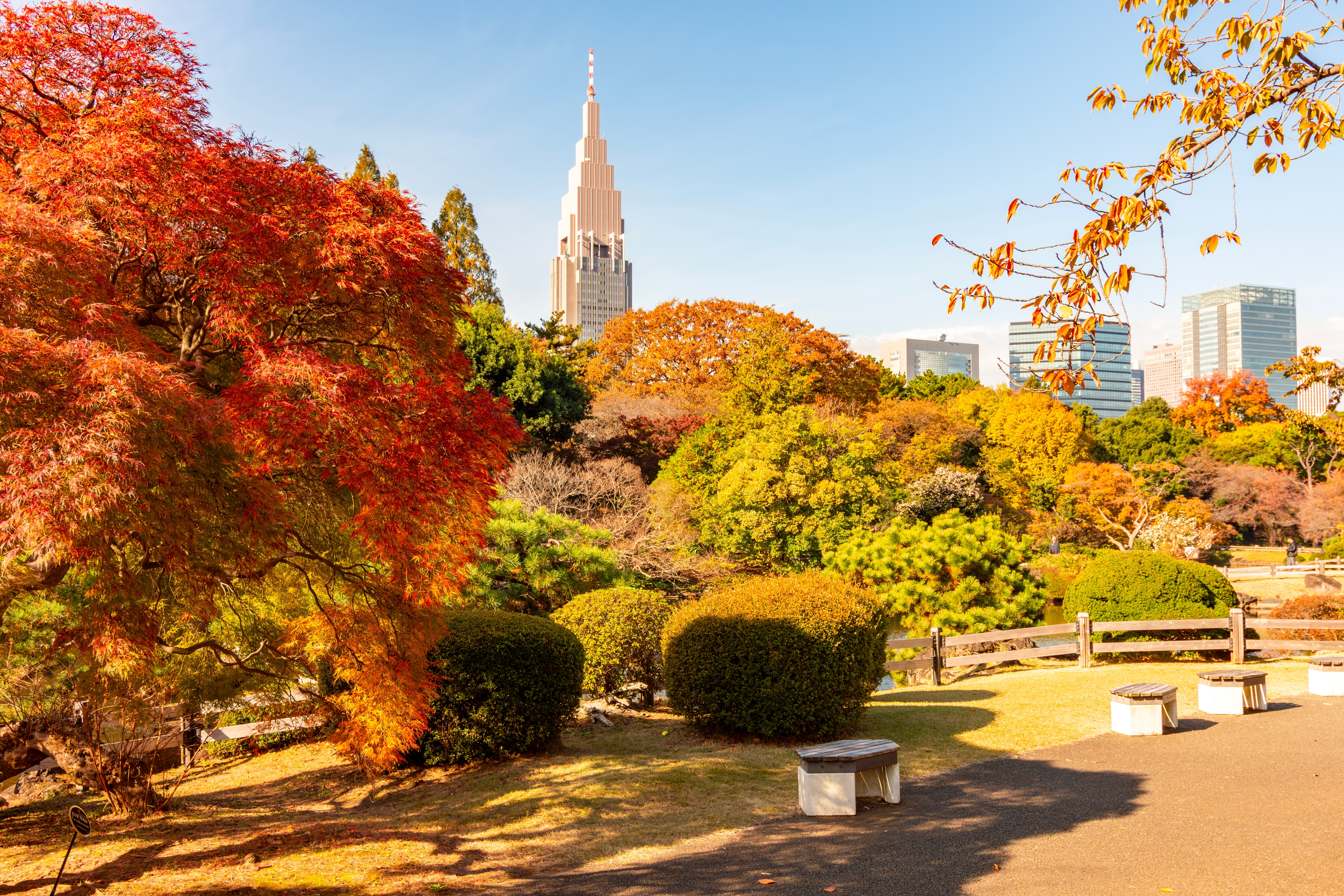
Shinjuku is Tokyo’s high-energy hub of skyscrapers and nightlife, centered around one of the world’s busiest train stations. The area has excellent transport connections and plenty of dining options, and offers quick access to Shibuya, Harajuku, and the Imperial Palace area.
Best for: First-time visits, sightseeing, and easy access to major landmarks
What to expect: Busy streets all day, packed stations, and vibrant nightlife
Hotel prices: Usually around ¥20,000–¥36,000 ($124–$222) per night for well-rated stays
Distance to major sights: About 20 to 30 minutes by train to central Tokyo sights
Quietness: Lively throughout the day; evenings can be noisy near entertainment zones.
Main trade-off: Some areas feel crowded, and hotels in the best locations can cost more than in other areas.
Good to know: It is a good choice if you want maximum convenience and a classic Tokyo atmosphere.
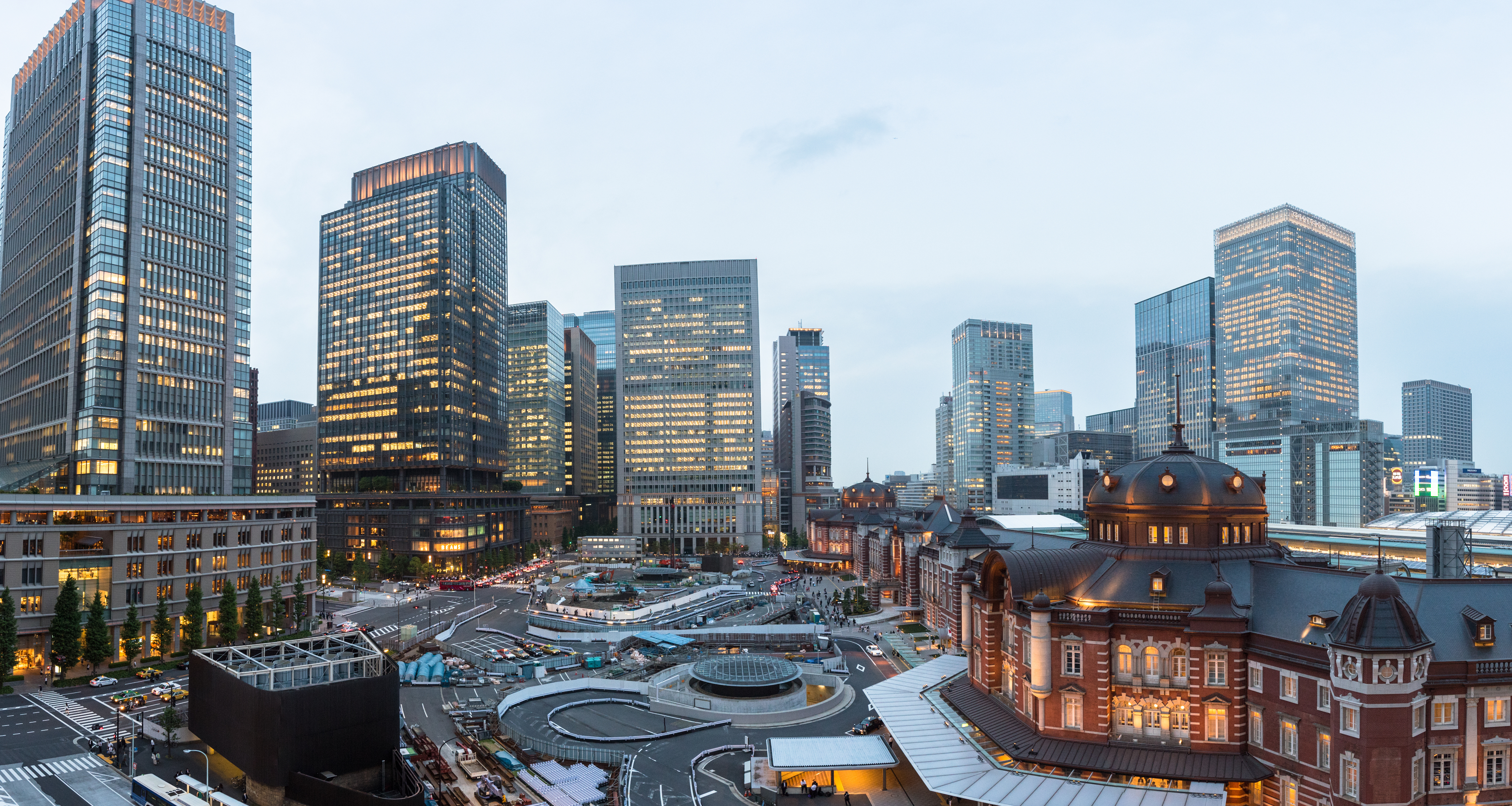
Ginza is a polished, central district known for upscale shopping, theaters, and wide avenues around Tokyo Station. It is a great location for visitors who want easy access to major museums and classic sights, with a calmer, more refined vibe than west-side nightlife.
Best for: Comfort-focused travelers, museum days, and upscale dining
What to expect: Elegant streets, brisk daytime activity, and a quieter feel after hours
Hotel prices: Most well-rated hotels charge ¥30,000–¥53,000 ($185–$330) per night
Distance to major sights: About 10 to 20 minutes by train or taxi to many central landmarks
Quietness: Active during the day; generally calmer in the evening
Main trade-off: Higher lodging costs and fewer “wander for cheap” bargains than other areas
Good to know: Best for travelers who want central comfort and refined city life
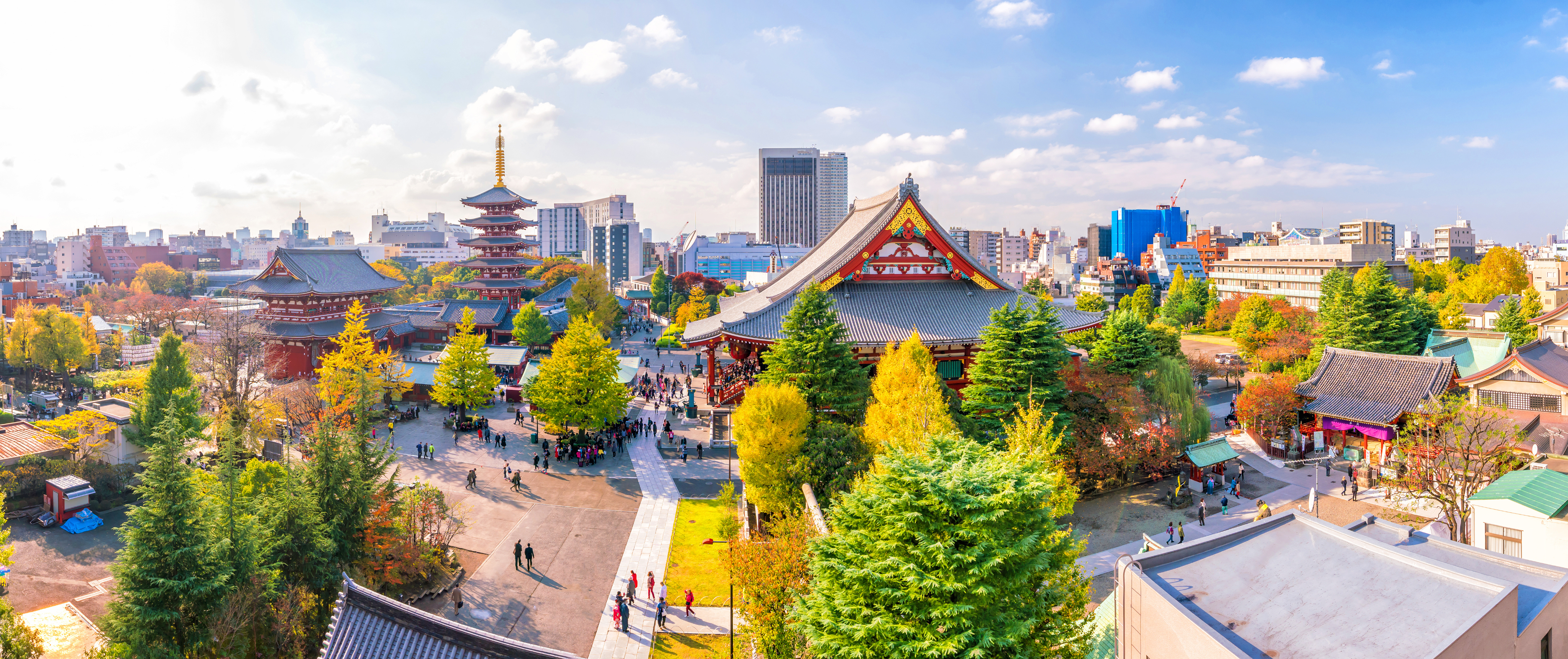
Asakusa is Tokyo’s historic postcard district near Senso-ji, with traditional streets, snack stalls, and river views. It’s an excellent base for cultural sightseeing, especially if you want a different rhythm from modern skyscraper neighborhoods.
Best for: Culture lovers, photographers, and budget-conscious travelers
What to expect: Historic atmosphere with steady crowds, especially around temple streets
Hotel prices: Expect to pay from ¥15,000 to ¥28,000 ($93 to $173) per night
Distance to major sights: 15–25 minutes on foot or a short transit to central spots
Quietness: Busy during day markets; quieter after evening crowds disperse
Main trade-off: The temple streets get crowded by midmorning, and hotel quality varies more here than in Shinjuku or Ginza.
Good to know: Best suited for travelers who want to stay in a walkable area, surrounded by Tokyo’s classic heritage
Avoid far-out residential districts with limited rail connections, such as Nerima, Adachi, Katsushika, and outer Ōta. Staying near stations served by only one line makes cross-city travel to sights and dinner noticeably slower.
Hotel deals
How to get around Tokyo efficiently
Tokyo is easiest to navigate when you combine walking with short train rides and the occasional taxi between neighborhoods.

Metro
for longer distances
Tokyo’s subway and JR lines are the easiest way to move between major districts. A single ride usually costs ¥180–¥330 ($1.10–$2.00). You can pay with a transport card such as Suica or PASMO. Most cross-city trips take 15–35 minutes.

Bus and tram
for convenience
Buses fill gaps outside rail coverage, but are slower. Flat fares are ¥210 ($1.30) on standard Toei city buses. They are convenient for short local hops in neighborhoods like Asakusa and Yanaka.

Taxi
for convenience or late hours
Taxis are reliable but expensive, with a ¥500 ($3.10) starting fare that rises quickly. A taxi ride within central Tokyo typically costs ¥1,500–¥4,000 ($9.30–$24.75), depending on distance. Save them for late nights or when the train requires too many transfers.
*Prices are based on rates updated as of June 2026 and may change at the time of travel.
Use trains for most journeys, buses for short rides to areas the rail does not reach, and taxis when speed is more important than cost.
Iconic landmarks
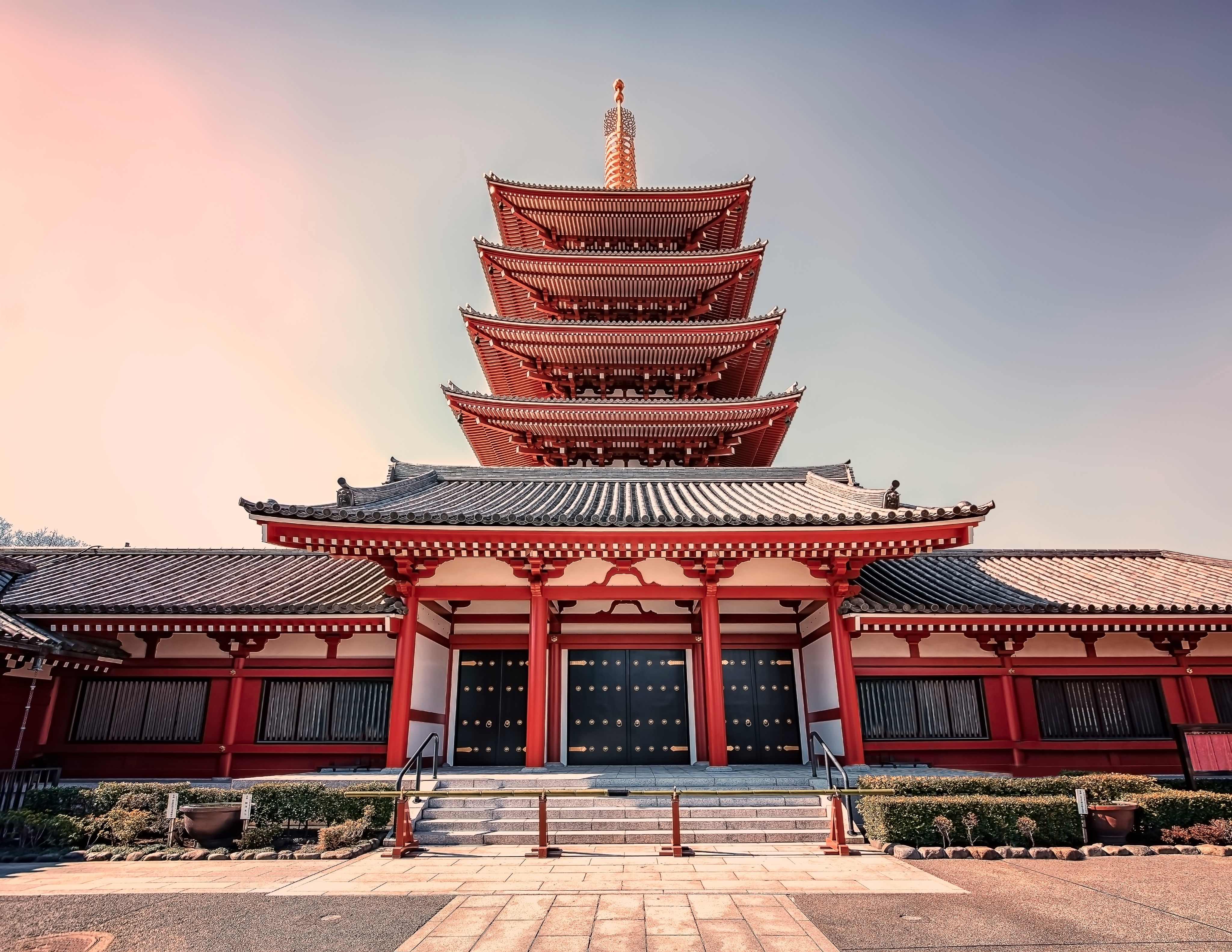
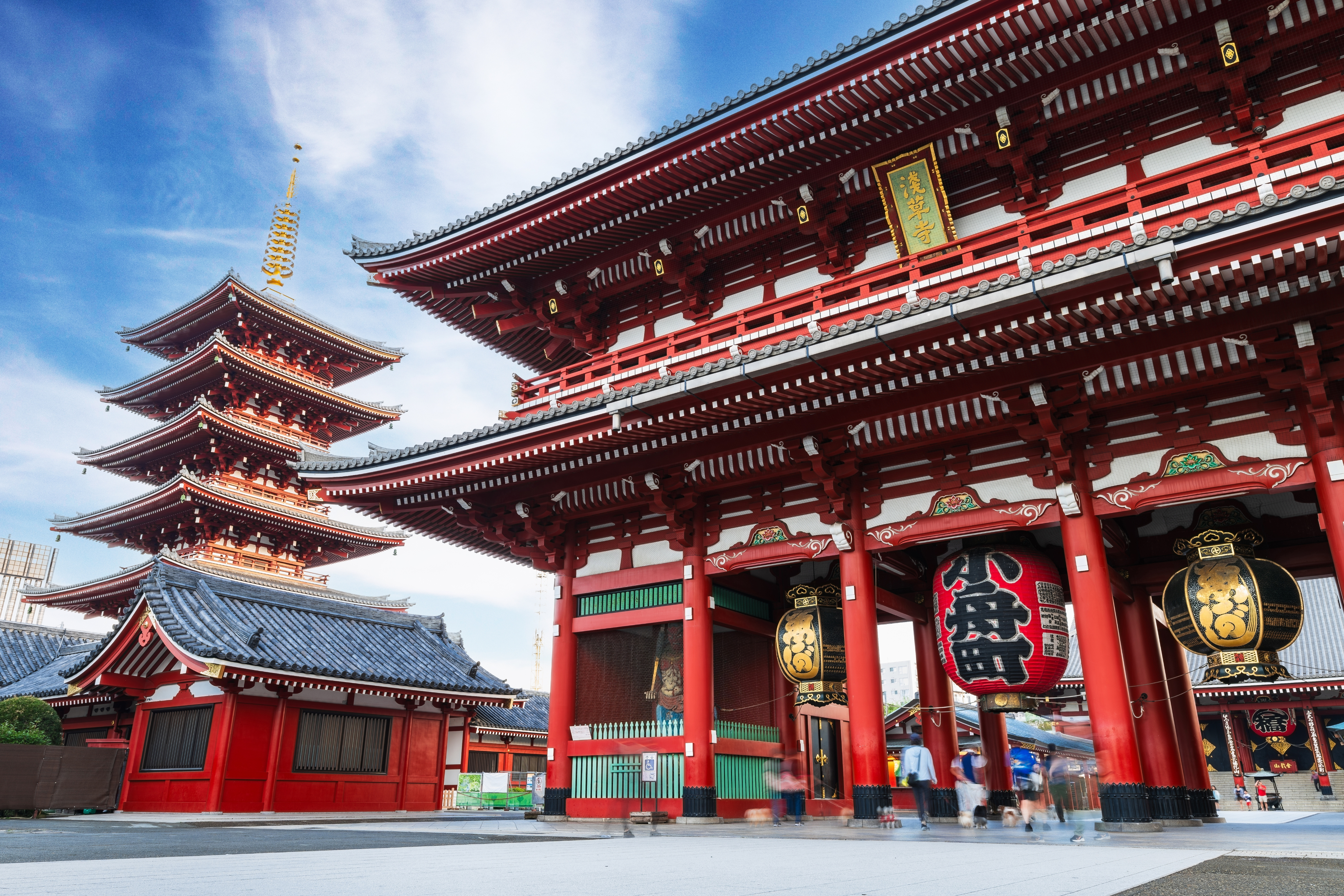
Senso-ji (Sensō-ji) and Nakamise-dori
Tokyo’s oldest temple in Asakusa is located behind the Kaminarimon gate, with Nakamise-dori, an 820-foot (250-meter) lane of snack stalls and shops, leading up to the main hall. Incense, lantern light, and active worship make it unlike anything else in the city.
Time needed: About 1 to 2 hours
Entry: Temple grounds are free; paid access varies for special areas. Visit the official site for details.
Tip: Visit it before 8:00 am to see the temple without crowds, and after dark to see the Kaminarimon lantern.
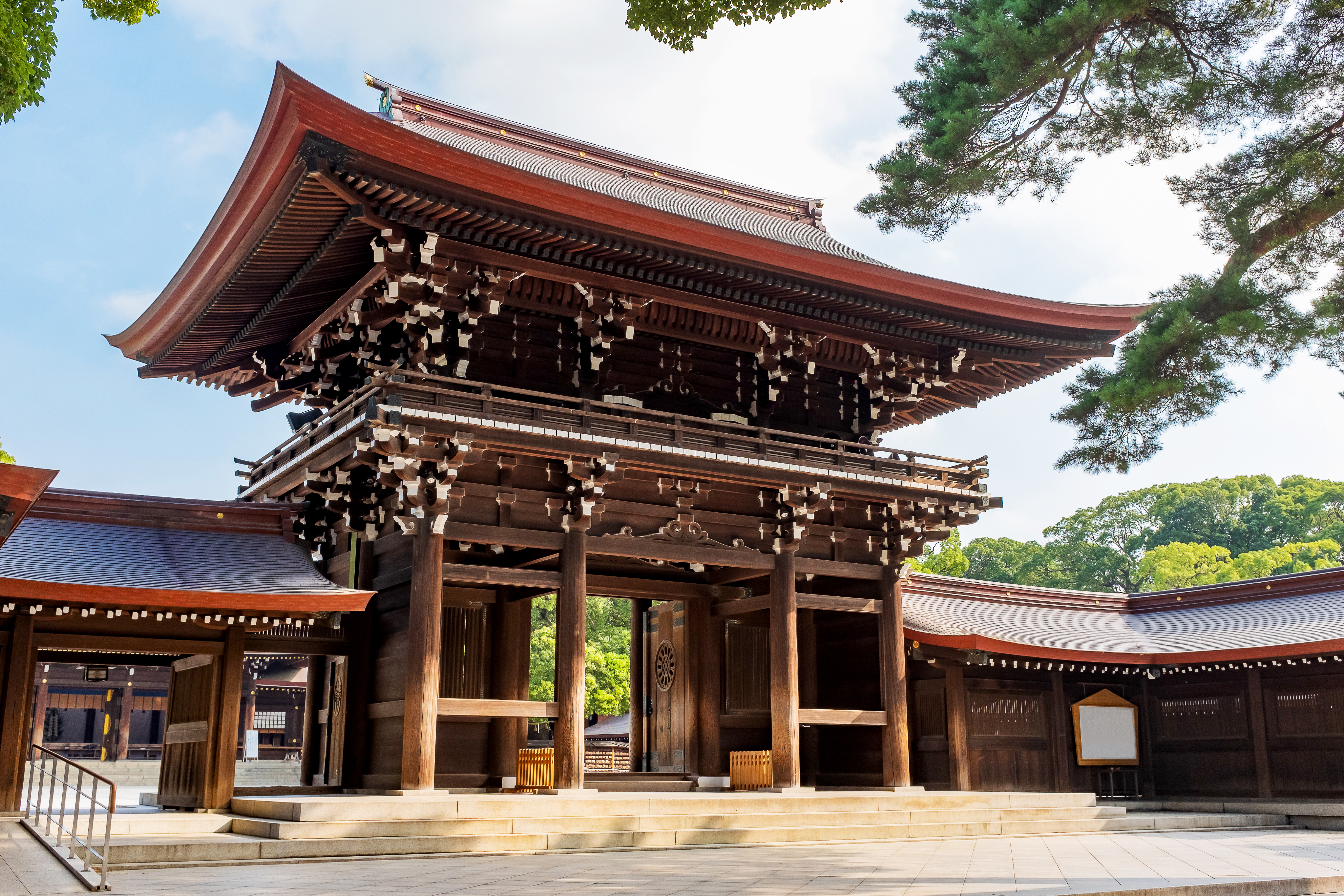
Meiji Jingu
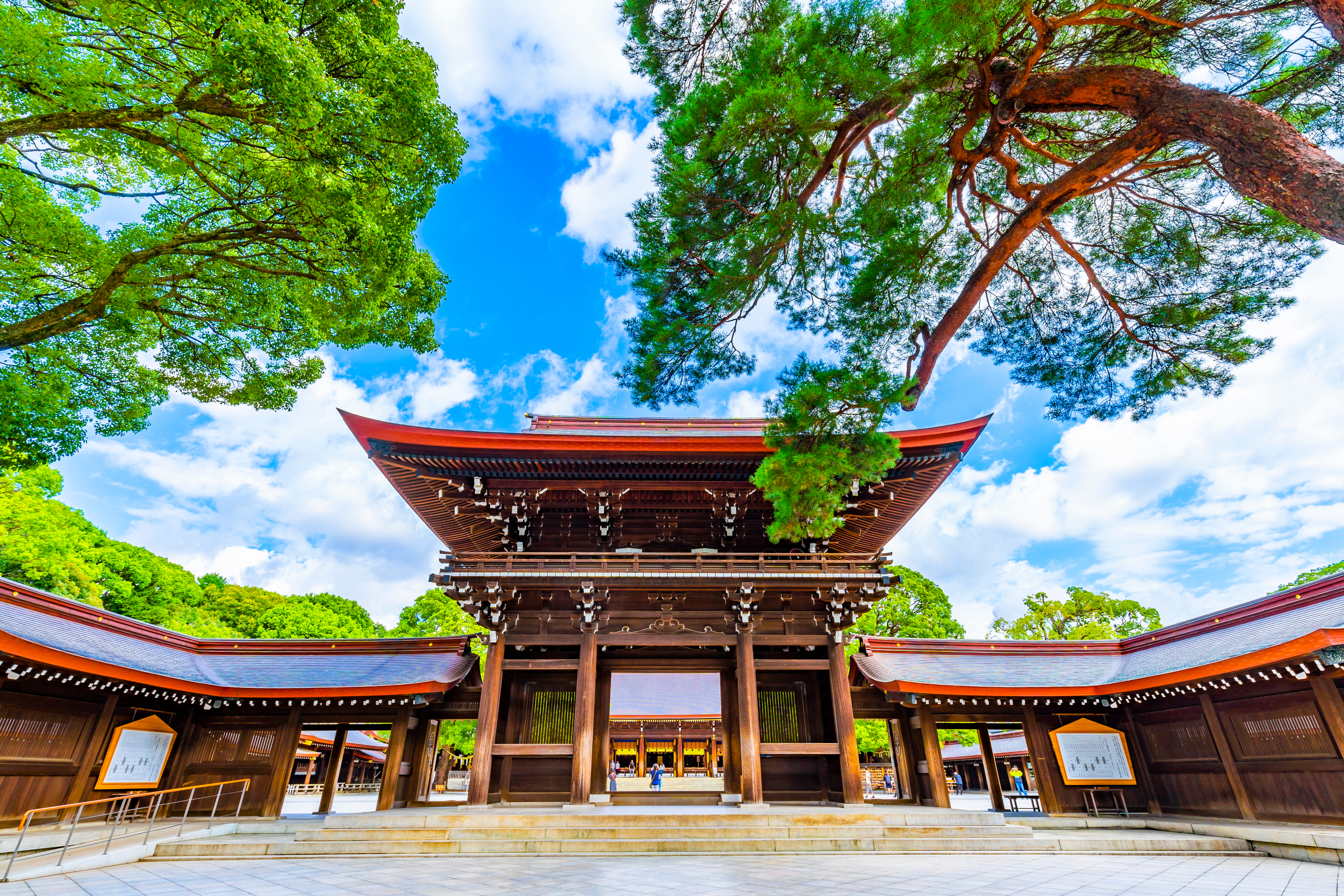
This is a serene Shinto shrine nestled within an ancient forest near Harajuku, with torii gates that lead into a deep, green escape from the city. Meiji Jingu is iconic for its atmosphere, Shinto rituals, and towering trees, making it a must between fashion streets and museums.
Time needed: About 1 to 2 hours
Entry: The main shrine area is free to access. Visit the official site for details.
Tip: Visit on a weekend morning to see a traditional Shinto wedding procession on the shrine grounds.
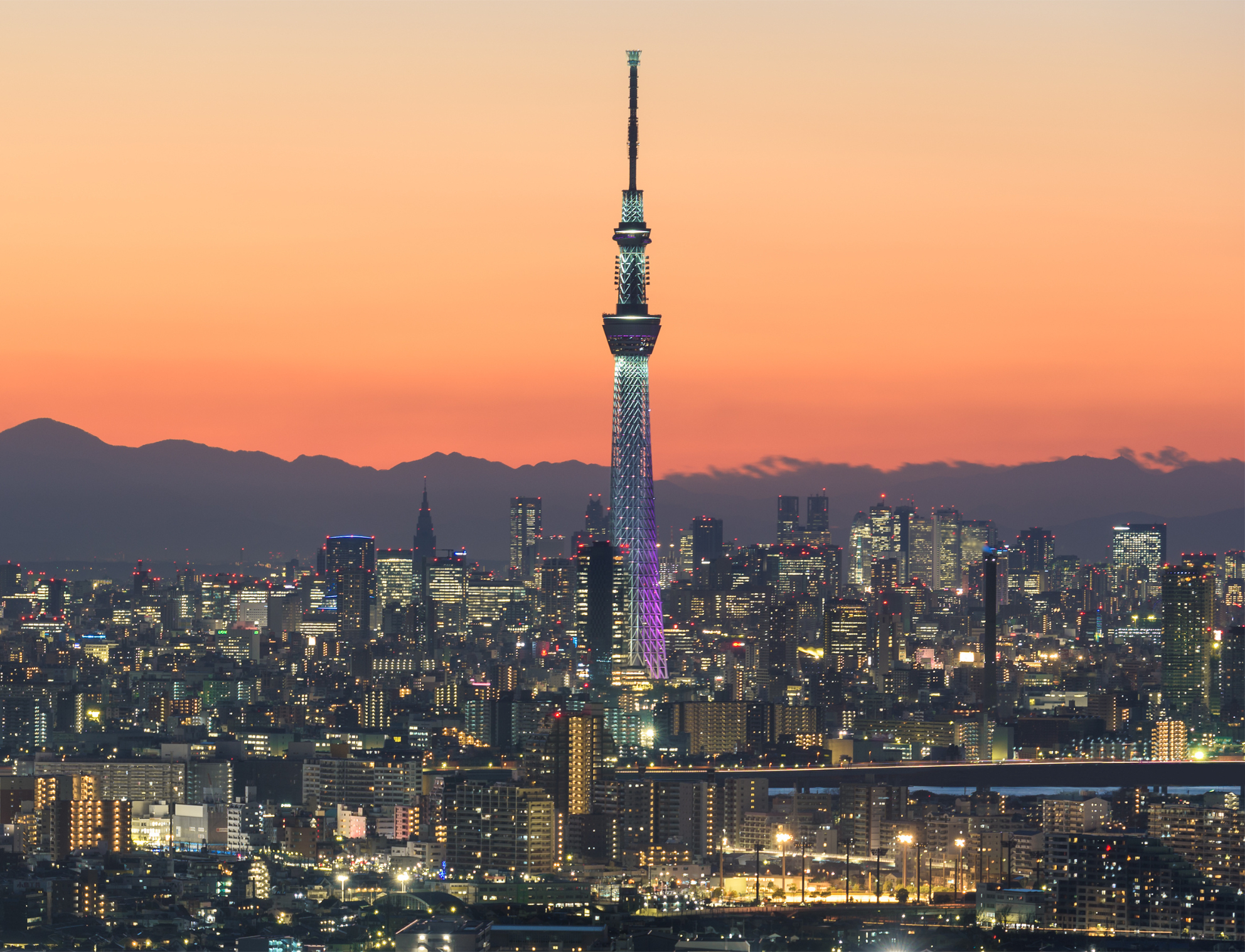
Tokyo Skytree
Tokyo Skytree is the city’s tallest tower, with sweeping views over the bay, skyline, and distant mountains on clear days. Its observation decks make it a top “wow” stop, and the surrounding Solamachi complex has shopping and dining areas.
Time needed: Most visits take 1.5 to 2.5 hours
Entry: Tickets vary by deck and time; expect to pay around ¥2,000–¥3,000 ($12–$19) Visit the official site for details.
Tip: You can explore over 300 shops and restaurants on the lower levels of the Solamachi complex.
Overlooked sites worth visiting
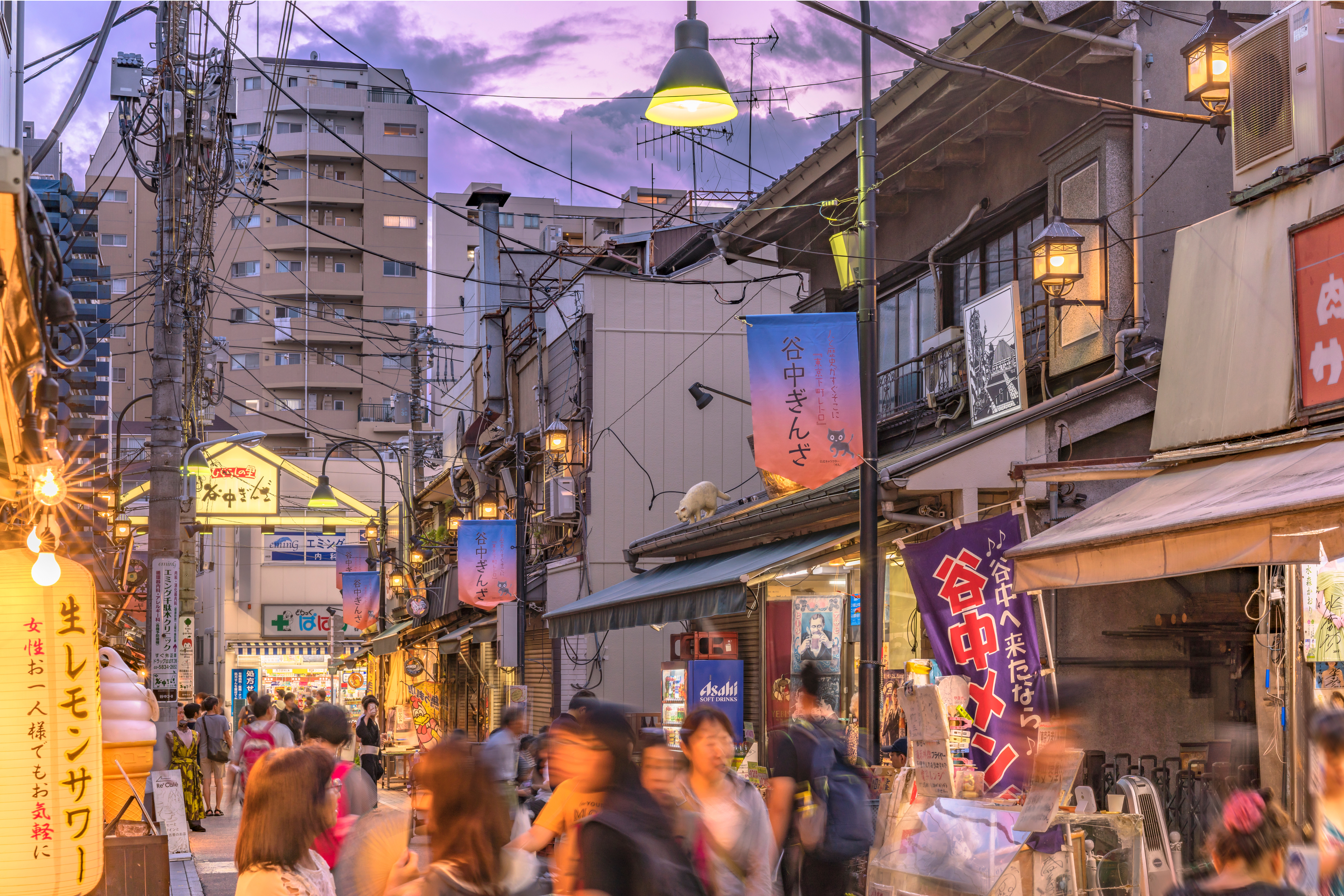
Yanaka Ginza (Yanaka shopping street)
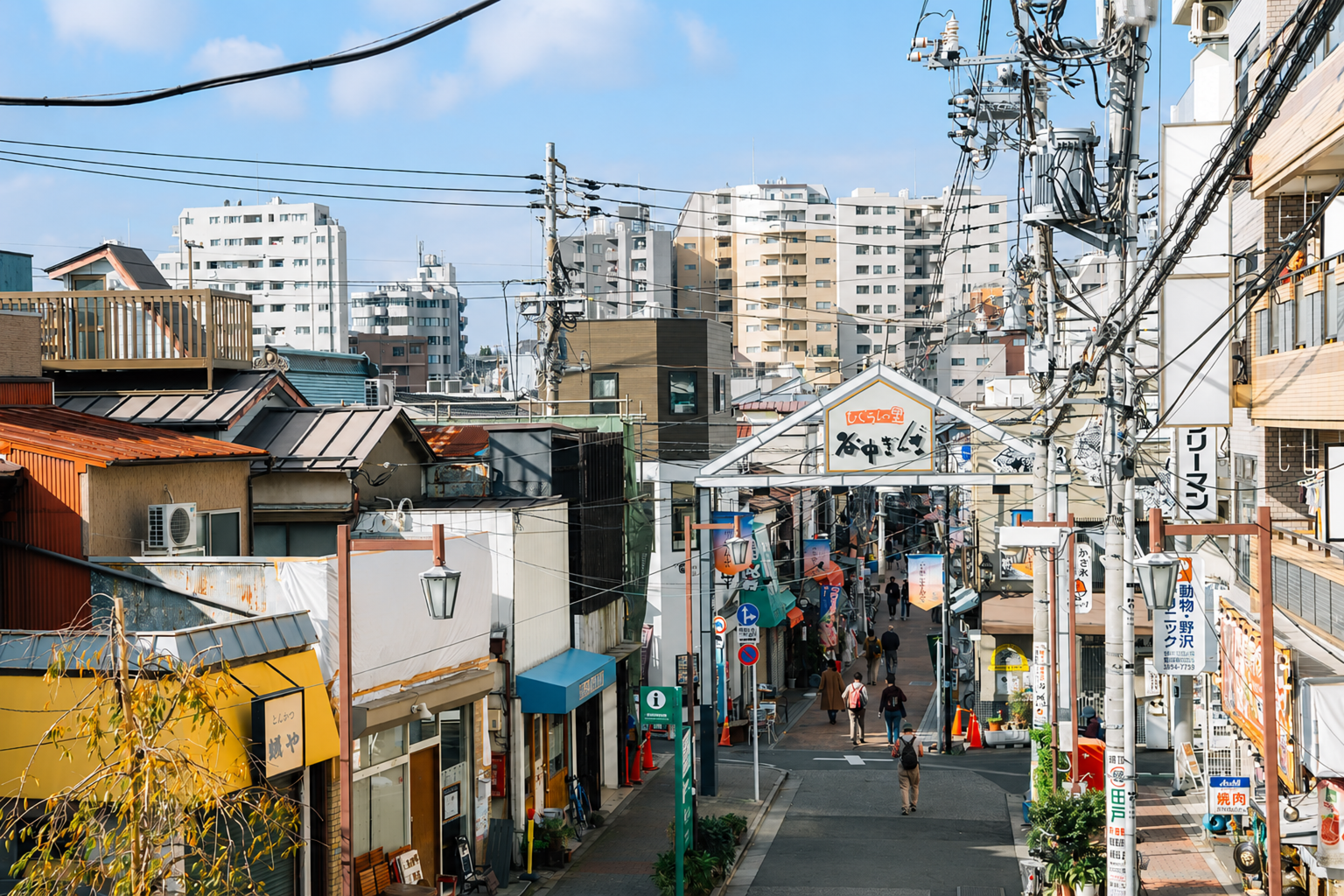
Yanaka Ginza is a preserved, old-style shopping street in Taito, famous for its charm and locally-run snack shops. It is an alternative to big-market areas and is great for wandering.
Time needed: About 1 to 2 hours
Entry: Free to enter
Tip: Visit midmorning so shops are open but the streets aren’t too crowded.
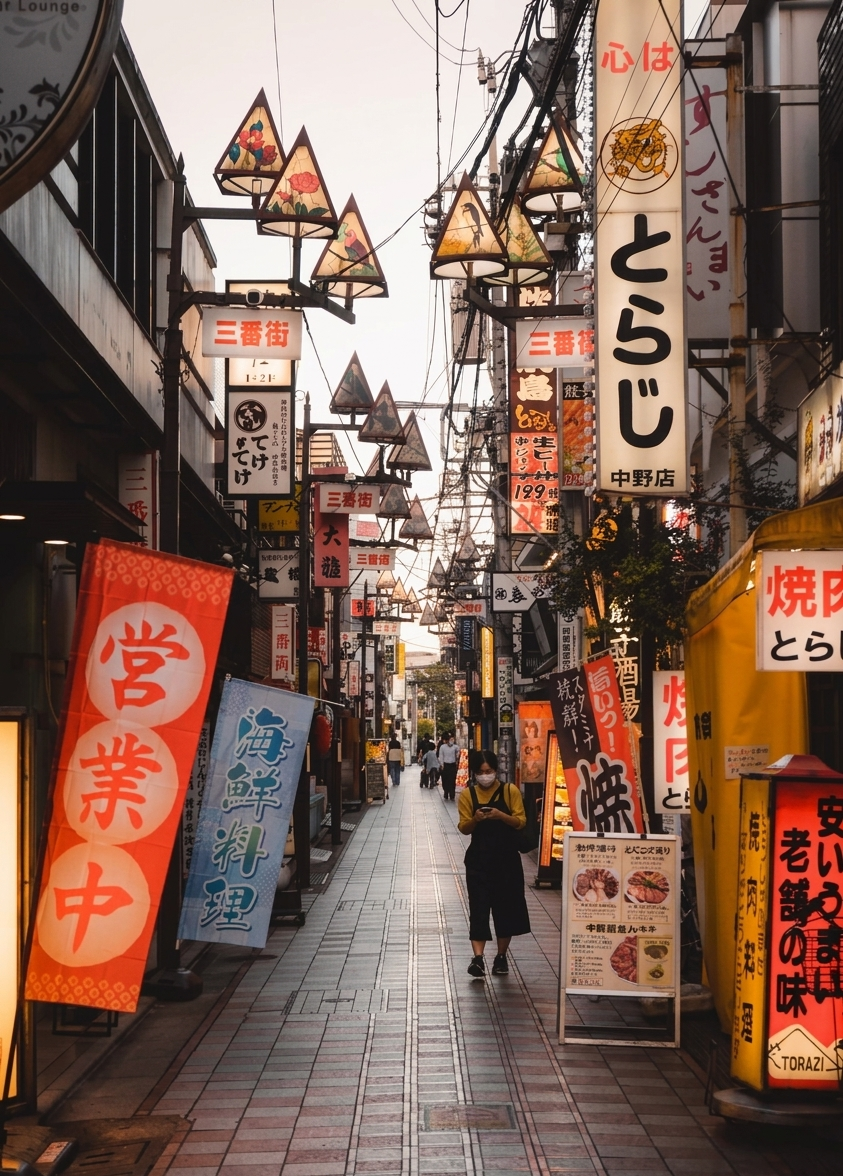
Nakano Broadway
Nakano Broadway is a dense indoor market with anime, manga, collectibles, and vintage electronics. It feels like a treasure hunt and is perfect for curious travelers who want a niche Tokyo experience.
Time needed: About 45 minutes to 1 hour
Entry: Free to enter Visit the official site for details.
Tip: Most individual shops inside do not accept cards, so it’s a good idea to bring cash.
Traditional food
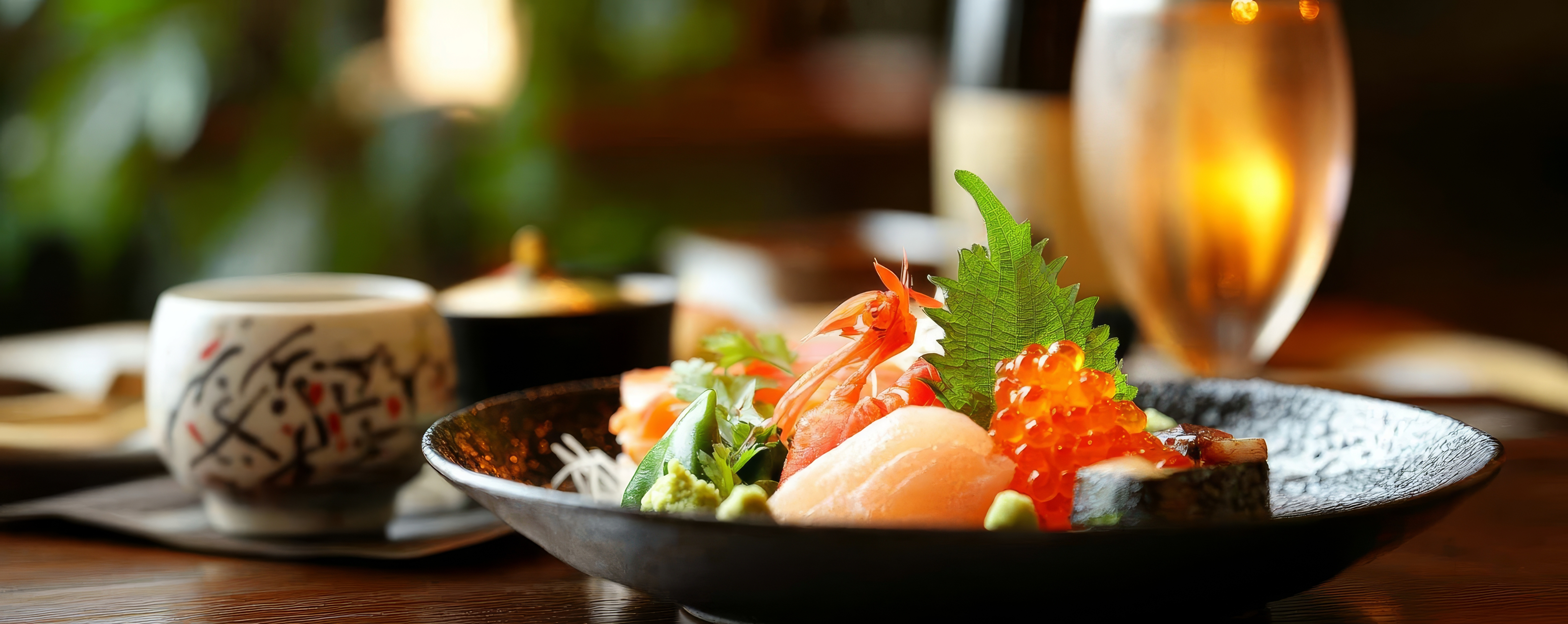
Tokyo has more restaurants than any other city in the world, and the standard at every level is high. Some of the best meals are served in places with six seats and no English menu.
Sushi
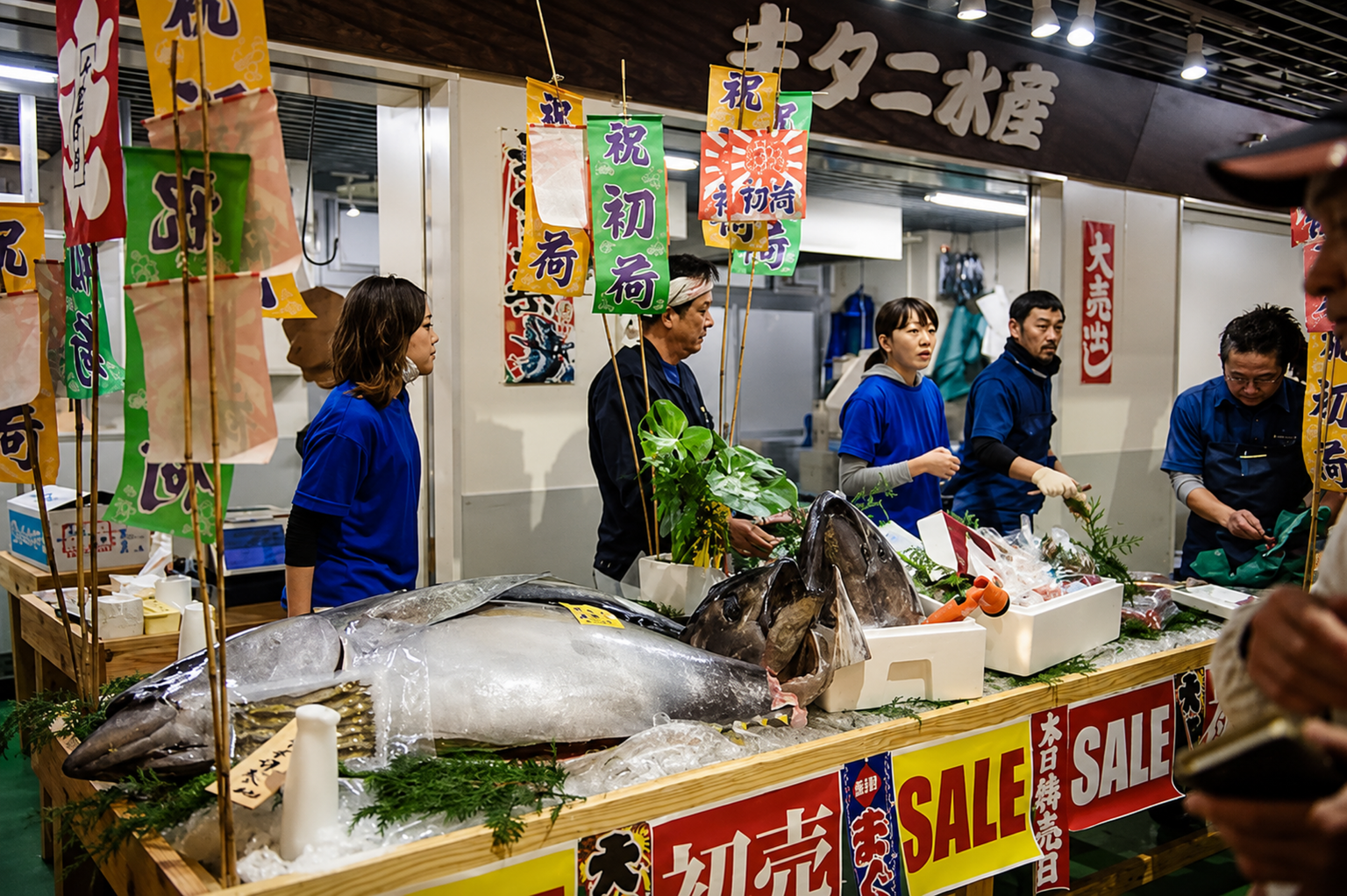
Tokyo’s sushi ranges from elegant counter service to relaxed neighborhood lunch spots, always centered on freshness and balance. Sushi Dai has served some of the city’s most famous market-style sushi at Toyosu for years.
Ramen
Ramen in Tokyo is precise and highly regional in style, with broth, noodles, and toppings calibrated to the shop’s house formula. Nakiryu restaurant is serving Michelin-recognized tantanmen and ramen in Tokyo.
Tempura
Tokyo-style tempura is light, crisp, and carefully timed so the batter stays delicate. Tsunahachi has served classic tempura in Shinjuku since 1924 and is still a reliable benchmark.
Unagi
Unagi is one of Tokyo’s classic comfort dishes: freshwater eel lacquered with tare sauce and served over rice. Nodaiwa in Higashi-Azabu is among the most respected unagi restaurants in the city.
Best time to visit Tokyo
Tokyo changes with the seasons in small but noticeable ways, from cherry blossoms and humid summers to bright autumn light and crisp winter air.
Best for: Cherry blossoms, comfortable walking weather, and clear days for temple and park visits
What you get: Temperatures usually range from 45–75°F (7–24°C), with moderate crowds and a noticeable peak during cherry blossom season.
Trade-offs: Popular parks, shrine areas, and train hubs can become crowded during sakura season.
Best for: Long evenings, festivals, and energetic neighborhood nights
What you get: Temperatures usually range from 66–90°F (19–32°C), with humid conditions and heavy local travel during holidays.
Trade-offs: Heat and humidity make midday sightseeing tiring, and the rainy season can disrupt outdoor plans.
Best for: Crisp air and colorful foliage in parks and on temple grounds
What you get: Temperatures usually range from 50–81°F (10–27°C), with clear skies, and comfortable walking weather through most of October and November.
Trade-offs: Some of the best leaf-viewing spots attract crowds on the weekend.
Best for: Clear skies, easier sightseeing, and a calmer pace in central districts
What you get: Temperatures usually range from 34–54°F (1–12°C), with lighter crowds except for the New Year period.
Trade-offs: Cold mornings and shorter daylight hours can limit outdoor walks.
A realistic 5-day plan in Tokyo
Tokyo is a city where ancient shrines sit beside neon-lit streets and world-class cuisine is always a few steps away. This five-day plan gives you a taste of it all, from temples and traditional neighborhoods to modern districts and hidden local gems.
Arrive at Haneda or Narita and keep the first day light. From Haneda, the Tokyo Monorail reaches central Tokyo in 15–20 minutes. Tickets cost ¥500 ($4). From Narita, a Narita Express train ride takes about 55 minutes to stations within the city center. A one-way ticket costs ¥3,070 ($21). After you check in at your hotel, take a walk to get a feel of the neighborhood, find a ramen or tempura counter for dinner, and go to bed early.
Arrive at Senso-ji before 9:00 am, when the lantern light is clean, and the crowds are thin. The temple grounds are free and take 1 to 2 hours to visit. Walk through Nakamise-dori and into the Asakusa backstreets toward the Sumida River, then head to Tokyo Skytree for a late-afternoon or sunset visit. Book timed tickets in advance and end the evening at Solamachi or a riverside spot in Asakusa.
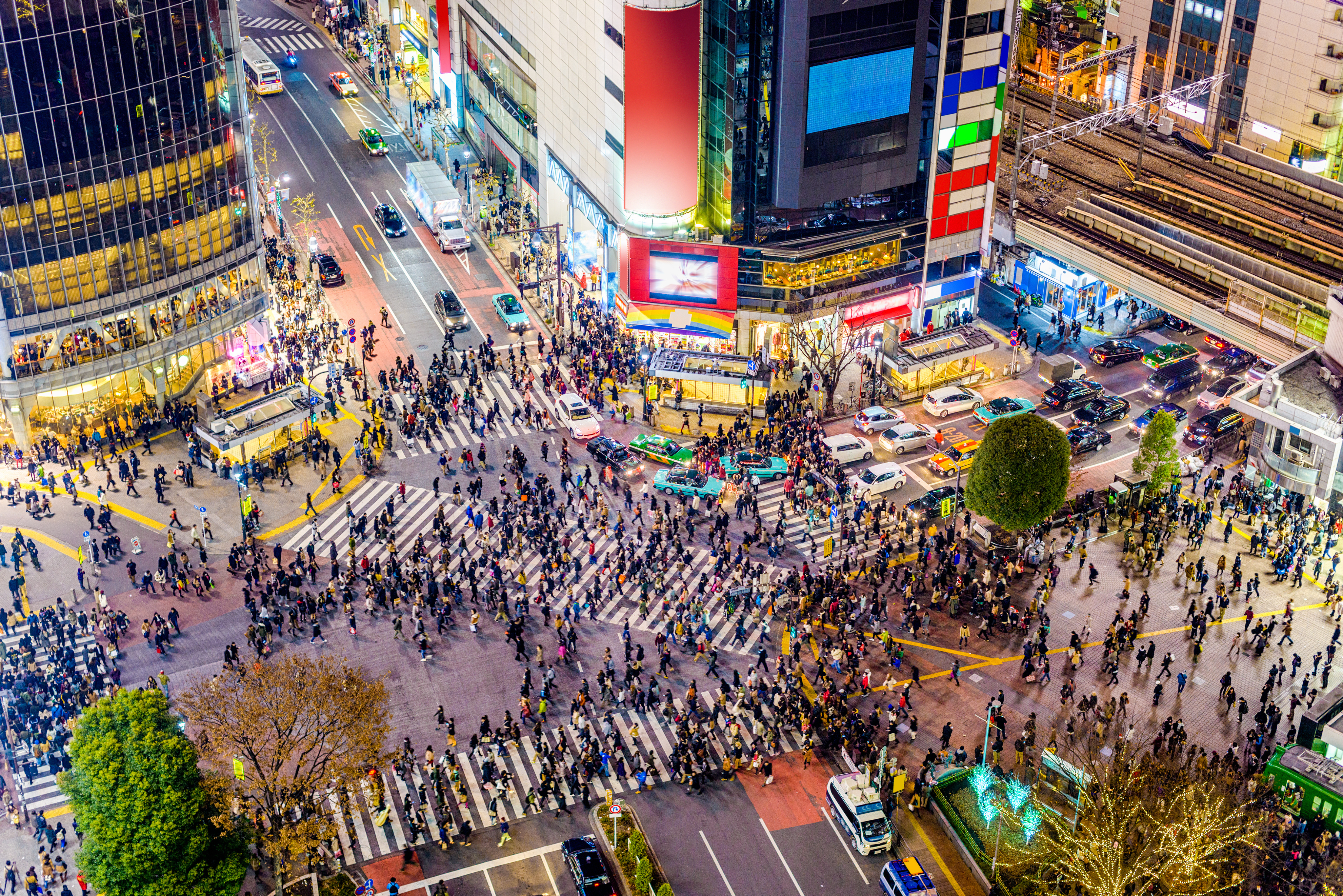
Start the morning at Meiji Jingu before tour groups arrive, allowing 1 to 2 hours for the forested shrine walk. Head south into Harajuku and Omotesando for coffee and shopping, then take the metro one stop to Shibuya. Walk the scramble crossing and find a café or terrace with a view over the intersection to watch the crowds below. Take the short train to Shinjuku for dinner at Tsunahachi on the main street, or explore the narrow alleys of Omoide Yokocho for standing bar food.
Take the train to Nippori for Yanaka Ginza mid-morning, when the shopping street is open and uncrowded. Plan 1 to 2 hours to walk the lane, pick up snacks, and look at the old storefronts. Head west to Nakano Broadway in the afternoon for its floors of anime figures, manga, and collectibles (free to enter, 1.5 to 2 hours). Return to Shinjuku for the evening and explore the narrow bar lanes of Golden Gai, or join the queue at Nakiryu for their Michelin-recognized tantanmen.
Toyosu Market opens at 5:00 am, and Sushi Dai starts at 5:30 am, with a queue that forms fast but moves quickly. The counter breakfast is worth the early start. If you prefer a slower morning, head to Ginza for a final walk and last shopping before heading to the airport.
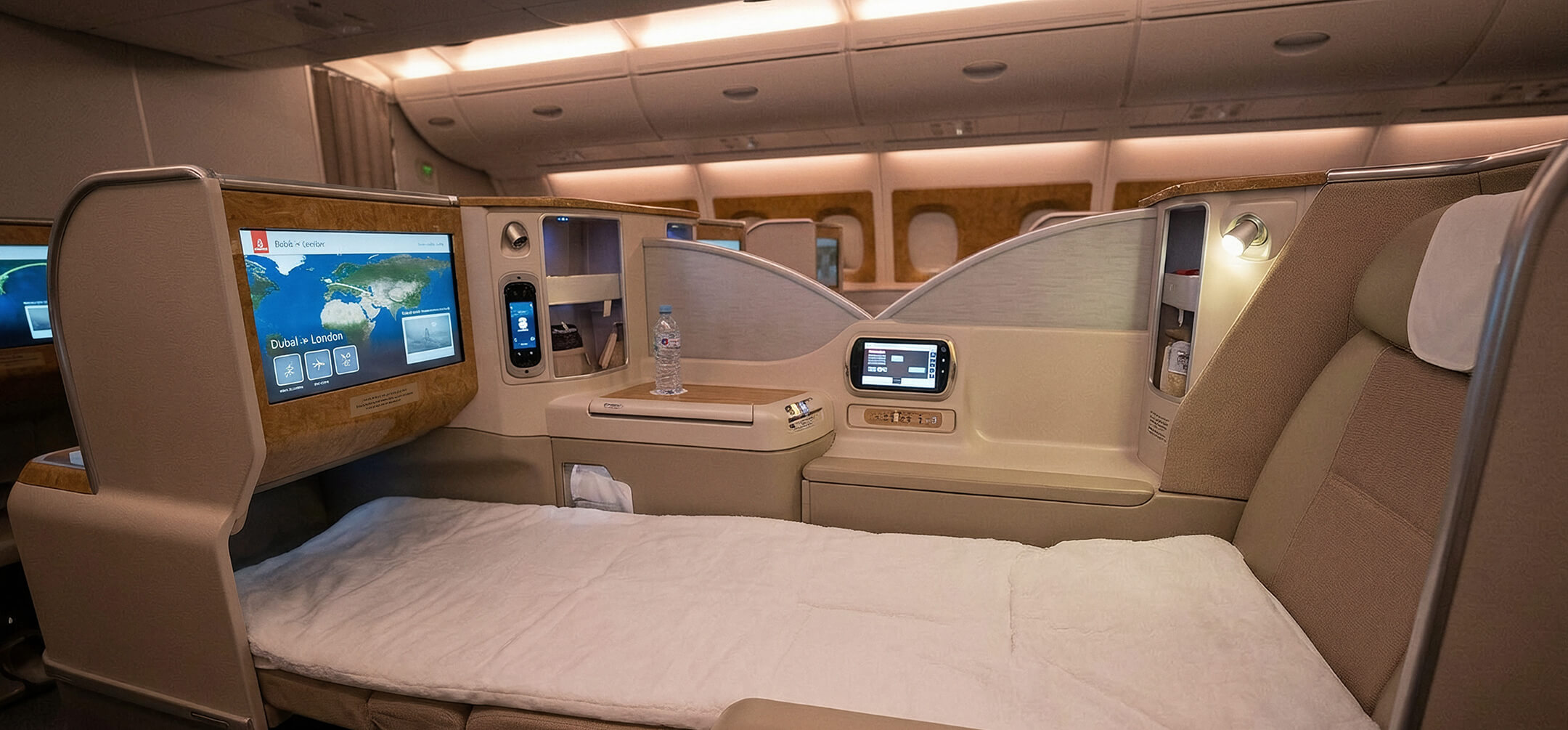
Business-class flights from the US to Tokyo

You can find business-class flights to Tokyo from major hubs across the US. The examples below show typical options from both the East Coast and West Coast in 2026.
New York (JFK) to Tokyo Haneda (HND)
ANA operates nonstop business-class flights from New York (JFK) to Tokyo Haneda (HND), with a flight time of 14 hours. Round-trip business-class fares typically start at $5,600 and can rise to $15,600 for last-minute bookings.
Los Angeles (LAX) to Tokyo Haneda (HND)
Japan Airlines operates nonstop flights from Los Angeles (LAX) to Tokyo Haneda (HND) in approximately 11.5 hours, roughly two hours shorter than the East Coast crossing. Business-class tickets generally range from $3,700 in the off-season to $11,000 during peak summer and Christmas travel.
Tokyo feels clearer when you slow the pace
Tokyo rewards the trip that gives it room. Each neighborhood has its own pace, and the city is dense enough that a well-structured day almost always turns up something worth staying for. If you are planning a trip to Tokyo, the AranGrant team can help you plan your route to Tokyo, find convenient flights, and make sure the first day sets the right tone for everything that follows on this five-day trip.