Chapters:

Need help with your trip?
Our support team is available 24/7. Request a callback or call us directly at (833) 619-0908
Mumbai trips often start with one South Mumbai landmark, a seafood lunch, and a cab ride that takes up the rest of the afternoon. Travelers also miss how much time they lose by bouncing between Colaba, Fort, and the western suburbs without a clear order.
The city is wide, traffic shifts are fast, and even short hops can run long. Fort’s lanes, Colaba’s waterfront, and Bandra’s cafe strips each need a different pace: jumping between them at random simply adds unnecessary delays.
This guide sets out a simple route through the city, with neighborhood choices, daily pacing, and transit notes arranged to match Mumbai’s distances.
Useful things to know

Main language(s): Marathi, Hindi, English
Namaskar (nah-mas-kar) – Hello / good morning
Kripaya (kri-pa-ya) – Please
Dhanyavaad (dhan-ya-vaad) – Thank you
Kya aap angrezi bolte hain? (kyah aap an-gre-zee bol-te hain) – Do you speak English?
Yeh kitne ka hai? (yeh kit-ne ka hai) – How much does it cost?

Currency: Indian rupee (INR, ₹)

Cash and cards: Cards are accepted at many hotels, restaurants, malls, and larger shops, and contactless payments via Google Pay work at terminals that support tap payments. Keep about ₹1,500–₹3,000 ($16–$32) in cash for small cafes, street snacks, tips, and public restrooms, with more if you plan to shop at neighborhood markets.

Tipping: Round up small bills in taxis and at casual eateries. Leave about 5%–10% at midrange restaurants and 10%–15% at upscale restaurants when service is not already included.

Traditional food: Vada pav (spiced potato fritter in a roll), pav bhaji (buttery vegetable mash with bread), Bombay sandwiches layered with chutney, and modak, a sweet coconut dumpling, are among classic street foods.

Water and coffee costs: A 16.9-ounce (500 ml) bottle of water usually costs about ₹10–₹40 ($0.11–$0.42), and an espresso at the bar is roughly ₹120–₹250 ($1.27–$2.64). Sit-down café prices are often higher.

Taxis and ride apps: Uber and Ola have designated pickup zones at the Mumbai airport. At Terminal 2, pickups are at P7 West. Do not agree to take rides with unofficial drivers near arrivals.

Plug and voltage: Type C/D/M socket, 230V

Dining and shop opening hours: Breakfast is usually served from 7:00 am to 10:00 am, lunch from 1:00 pm to 3:00 pm, and dinner starts at 8:00 pm. Street food stalls are still open after 10:00 pm. Many shops close on Sunday.

Emergency number: 112 is the national emergency line for police, ambulance, and fire.
Where to stay in Mumbai
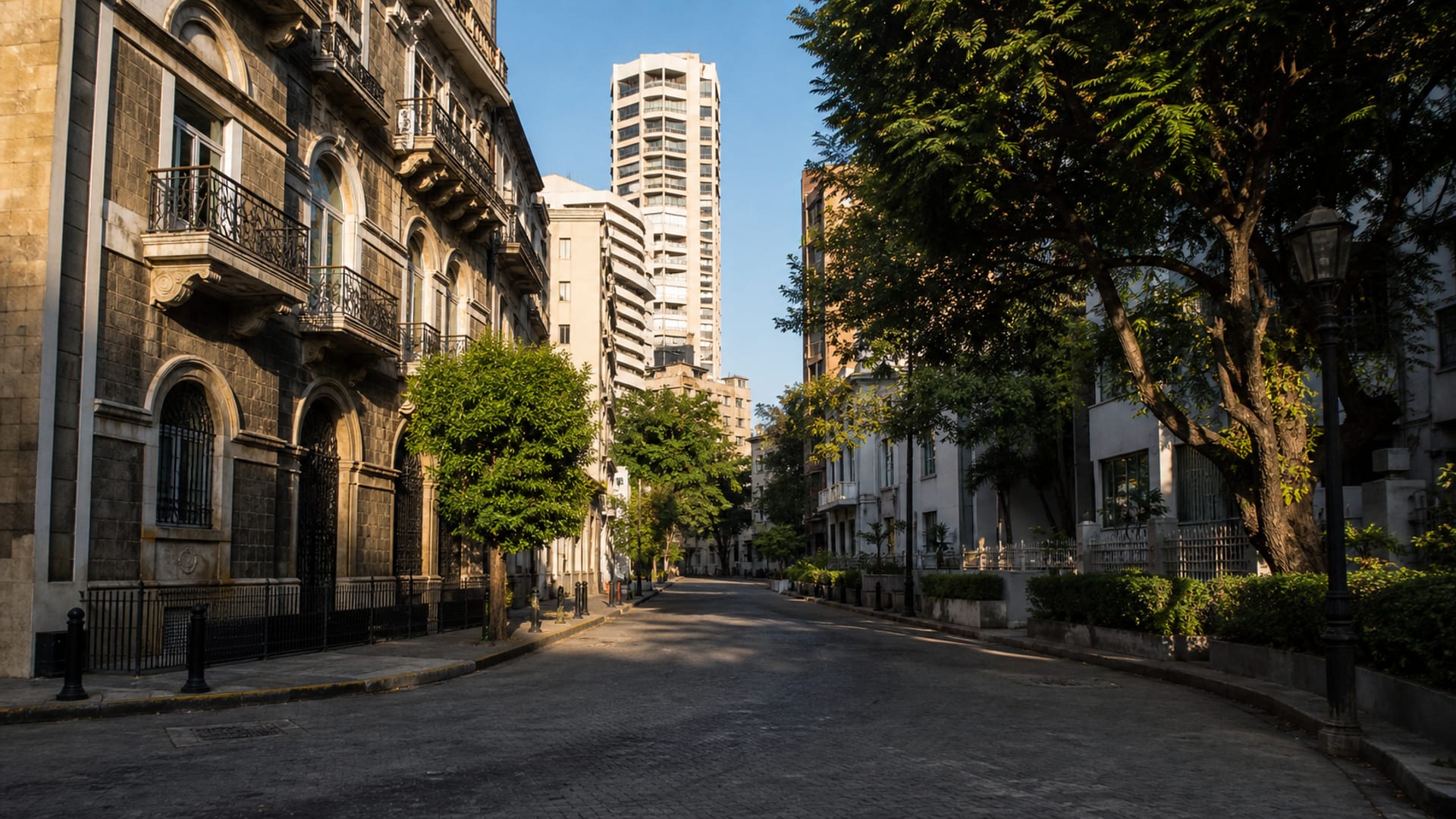
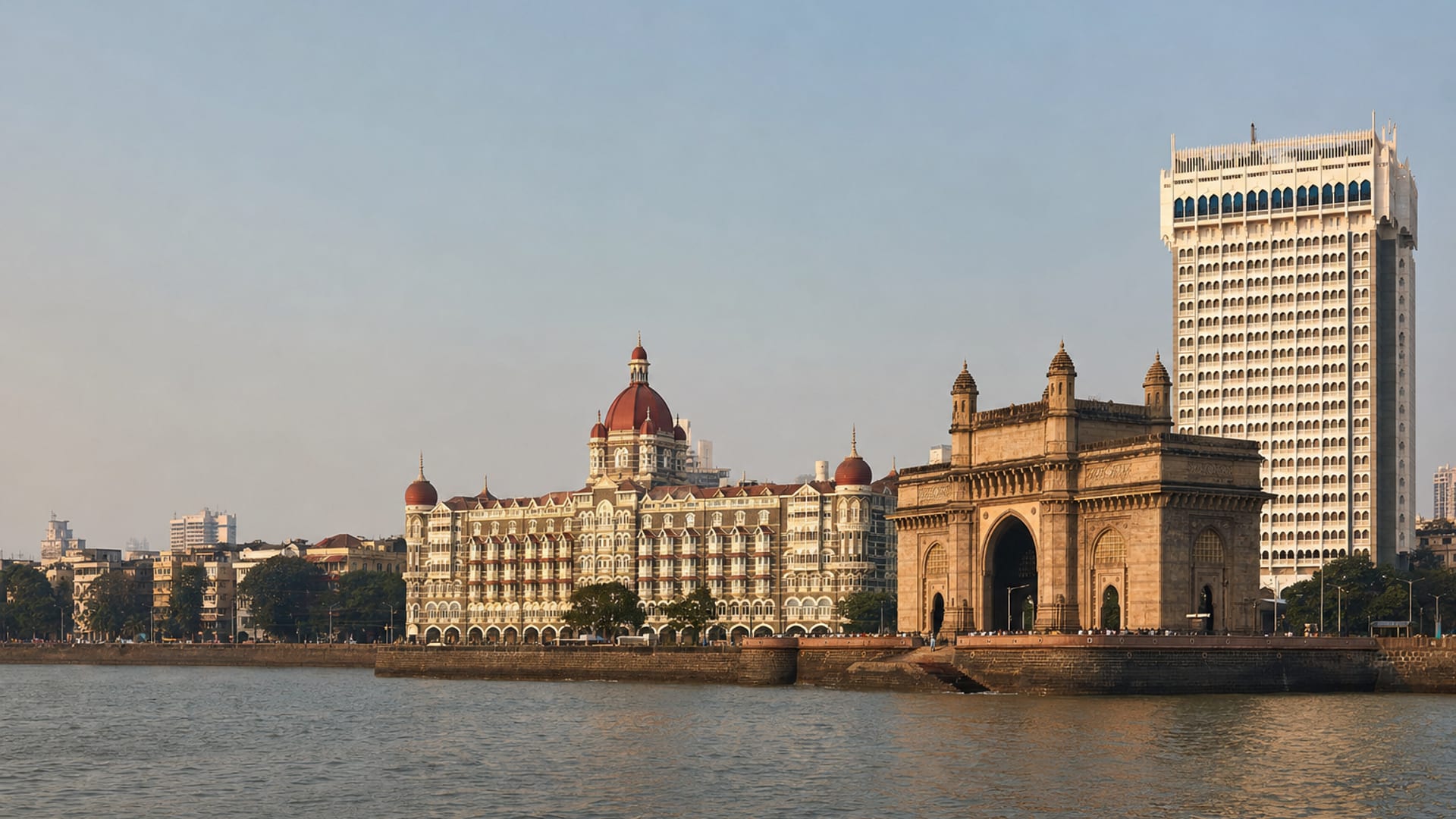
Colaba takes you by the Gateway of India, the Taj Mahal Palace, and the harbor promenade, with museums, cafes, and heritage buildings within walking distance. It suits travelers who want South Mumbai landmarks close and an easy start to sightseeing.
Best for: Heritage walks, first-time visits, and staying close to South Mumbai landmarks
What to expect: Busy sidewalks, steady tourist traffic, taxi movement, and frequent hawkers near the main sights.
Hotel prices: Usually about ₹8,000 to ₹20,000 ($85 to $211) per night for well-rated hotels
Distance to major sights: 5 to 10 minutes on foot to the Gateway of India; about 15 to 25 minutes by taxi to Marine Drive
Quietness: Lively through the day and evening, with late-night noise near the waterfront and main roads
Main trade-off: Rooms often cost more here than in inland districts, and the most central streets can be noisy after dark.
Good to know: If you want to move between major sights on foot, book early, since the best-known hotels here fill fast in peak season.
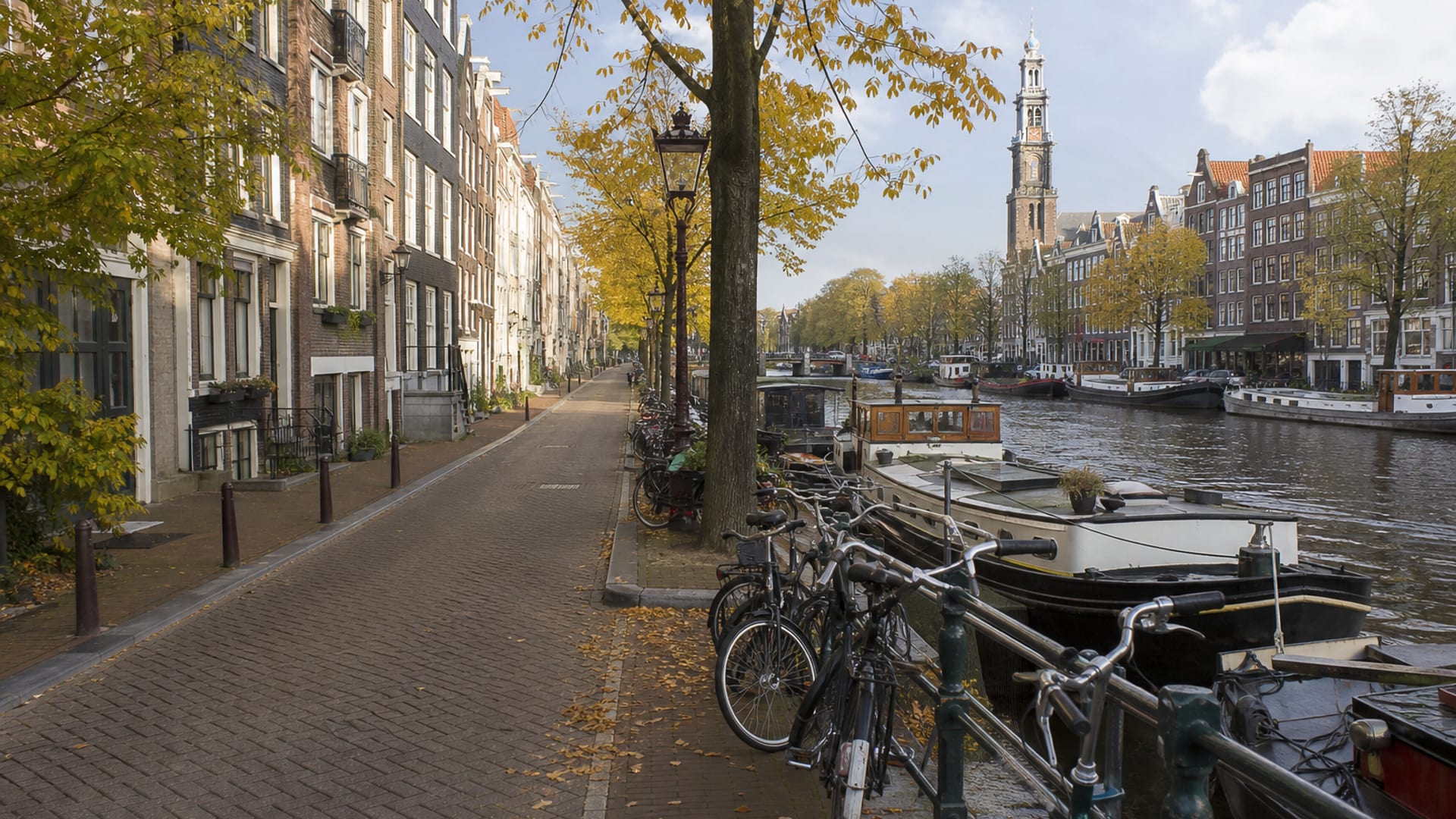
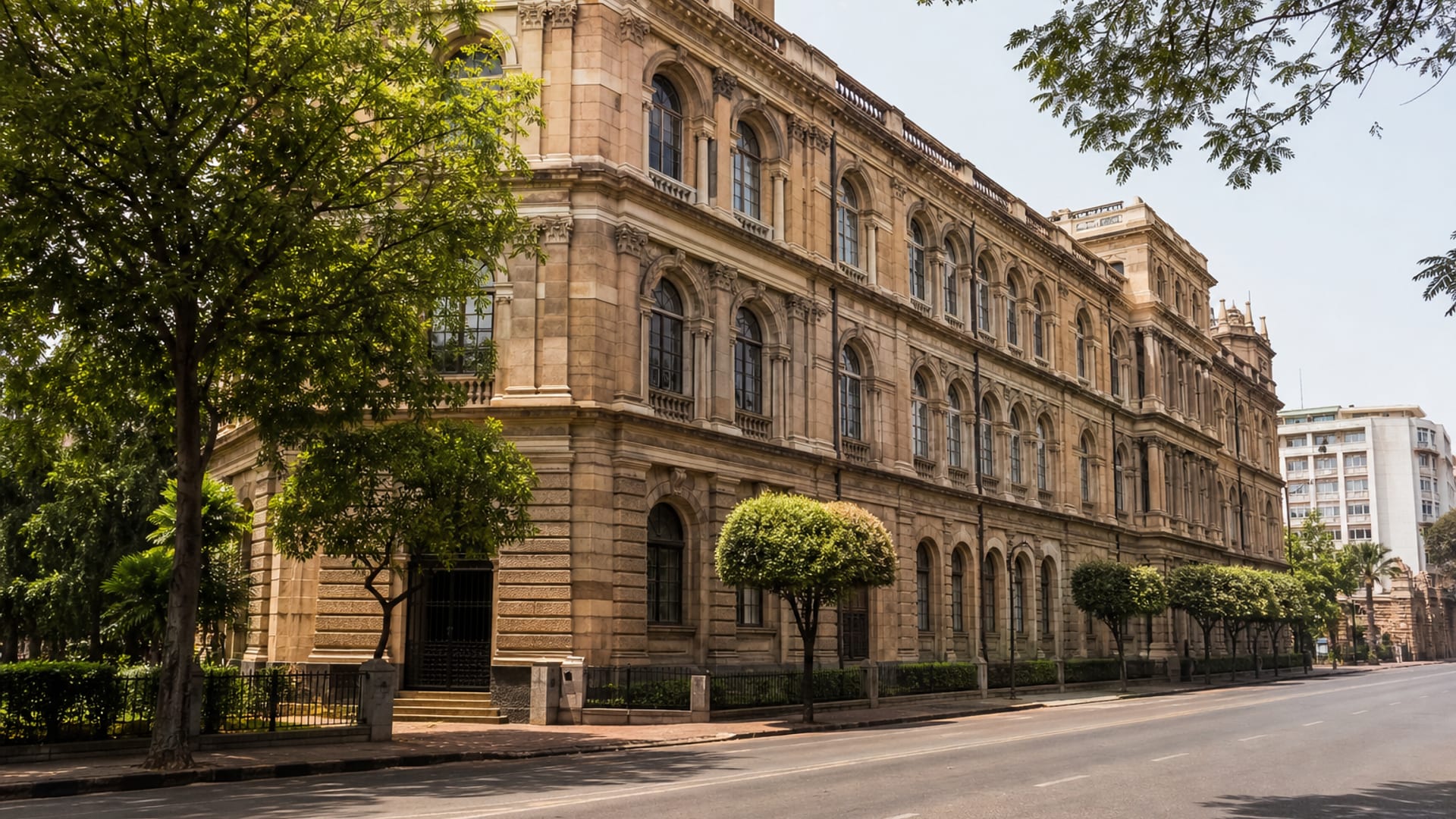
Fort is Mumbai’s historic business district, with colonial-era buildings, galleries, offices, and quick access to museums and the southern end of the city. It suits travelers who want a central base with strong daytime access to monuments and the CST area.
Best for: Architecture, museum visits, and travelers who want a central South Mumbai location
What to expect: Weekday office traffic, busy footpaths, and a mix of commuters, students, and lunch crowds
Hotel prices: Roughly ₹6,500 to ₹14,000 ($69 to $148) per night for well-rated stays
Distance to major sights: About 5 to 10 minutes by taxi to Gateway of India; 5 to 10 minutes on foot to Chhatrapati Shivaji Maharaj Terminus
Quietness: Busy and active during the day, then noticeably calmer after office hours.
Main trade-off: Evenings can feel quiet, and many of the best hotel choices are in old buildings with limited space.
Good to know: Check hotel access carefully, since traffic restrictions and one-way streets can add time to even short rides.
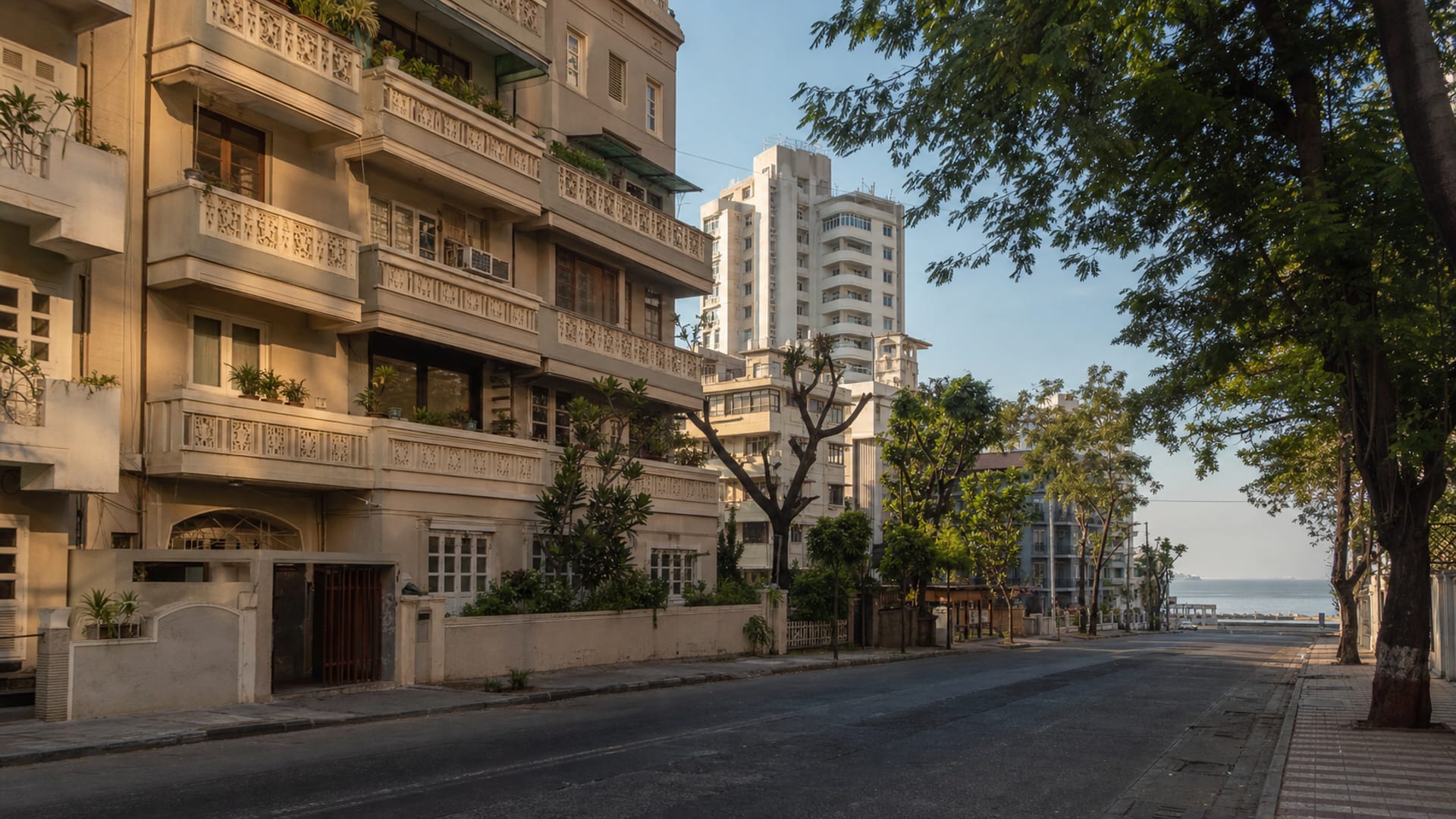
Bandra West is a dense, café-filled western suburb with shopping streets, restaurants, sea-facing promenades, and easy access to the Bandra rail and road corridors. It draws travelers who want dining and nightlife with a more neighborhood feel than South Mumbai.
Best for: Dining, nightlife, boutique shopping, and a western-suburb location
What to expect: Busy cafe strips, evening restaurant traffic, and a younger local crowd
Hotel prices: Usually about ₹7,000 to ₹16,000 ($74 to $169) per night for well-rated stays
Distance to major sights: Between 25 and 40 minutes by taxi to the Gateway of India; 15–25 minutes by taxi to Juhu Beach
Quietness: Animated late into the evening on the main roads, quieter on side streets after midnight
Main trade-off: It will take you longer to reach South Mumbai sights from this area, especially during peak traffic.
Good to know: Choose a hotel close to Linking Road or Carter Road if you want the most dining options within easy walking distance.
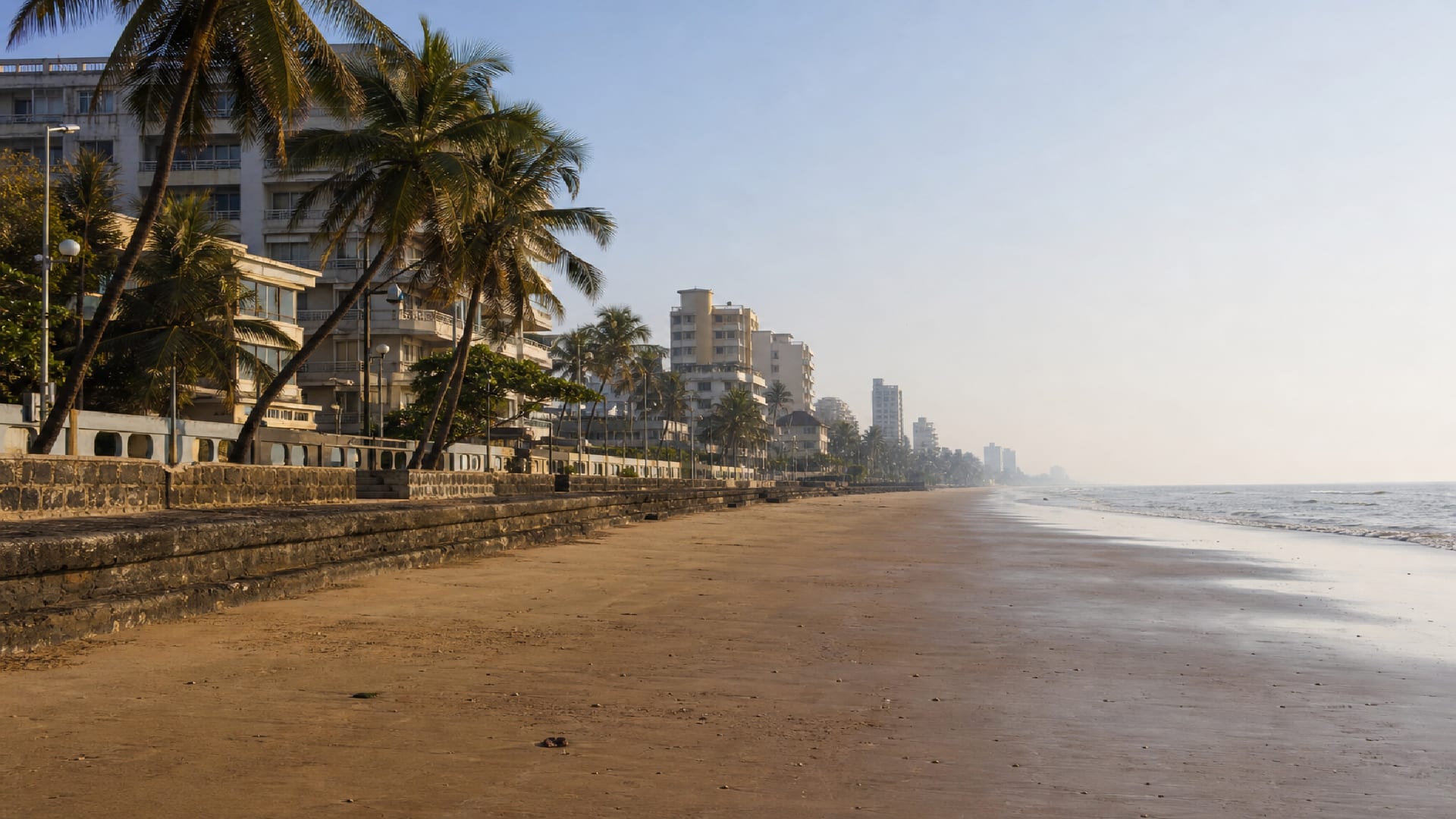
Juhu is a beachside western neighborhood known for its long shoreline, upscale hotels, and residential blocks near the city’s airport side. It suits travelers who want a more relaxed stay and do not mind the trip times to South Mumbai.
Best for: Beach vacations, airport access, and travelers who prefer a residential west-side neighborhood
What to expect: Wide roads, hotel traffic, evening beachgoers, and a mix of families and locals near the promenade
Hotel prices: Roughly ₹6,500 to ₹15,000 ($69 to $158) per night for well-rated stays
Distance to major sights: Between 15 and 45 minutes by taxi to Mumbai (BOM), depending on traffic; 35–60 minutes by taxi to the Gateway of India
Quietness: Calmer than the central city by day, with more activity near the beach and restaurants in the evening
Main trade-off: The shoreline setting comes with longer rides to South Mumbai attractions and heavier airport-area traffic at peak times.
Good to know: If you have an early flight, plan your transfer to the airport in advance, since rush-hour rides can take longer than expected.
Mira Road, Bhayandar, Mankhurd, and Virar are inconvenient for travelers, as they are far from South Mumbai, Colaba, and the main museum and shopping districts. Kurla has better transportation options but fewer hotels.
Hotel deals
Getting around Mumbai
Mumbai’s transport network combines metro, bus, and taxi options that together cover most areas visitors need to reach.

Metro
for longer distances
Mumbai’s metro has six operational lines. Line 3 (Aqua) runs from Aarey to Cuffe Parade via both airport terminals, BKC, Dadar, and Churchgate. The fares range from ₹10 to ₹50 ($0.11 to $0.53); NCMC smartcards and stored-value tickets are accepted.

Bus and tram
for convenience
BEST buses connect the airport with Andheri, Bandra, and South Mumbai. Fares vary from ₹10 to ₹65 ($0.11 to $0.69). You can pay in cash or with a Mumbai 1 Smartcard. Journey times can vary with traffic, often about 30 to 90 minutes. The service is less frequent at night.

Taxi
for convenience or late hours
Licensed taxis and app-based cabs use metered fares. From the airport, expect ₹350 to ₹1,000 ($3.7 to $10.5) to nearby suburbs and ₹700 to ₹2,500 ($7.5 to $26.5) to central South Mumbai, depending on traffic, tolls, and vehicle type. Most drivers take cash, and apps typically accept card payments.
*Prices are based on rates updated as of June 2026 and may change at the time of travel.
Use taxis or app cars for airport transfers, the metro for rides between landmarks, and walking for short distances in Colaba, Fort, and parts of Bandra West.
Iconic places in Mumbai
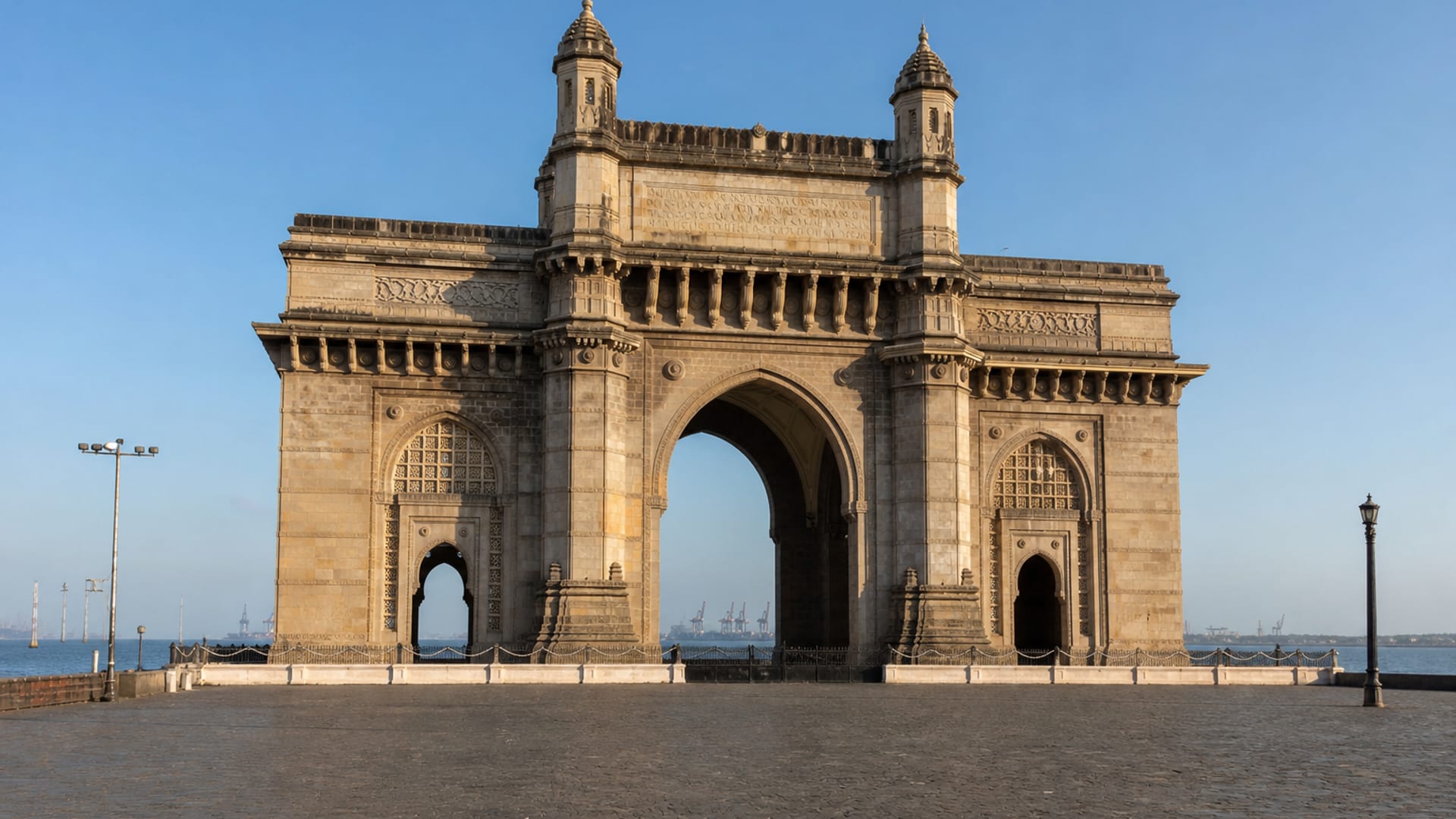
Gateway of India
Mumbai’s waterfront arch on Apollo Bunder opened in 1924 to mark the British royal visit of George V and Queen Mary. It anchors the Colaba harbor edge and faces the Taj Mahal Palace, with ferries, sea breeze, and heavy photo traffic throughout the day.
Time needed: About 30 to 45 minutes
Entry: Free to access. You can book ferry rides and nearby boat excursions at the harbor piers.
Tip: Go early for open views, then stay for the light on the harbor after sunset.
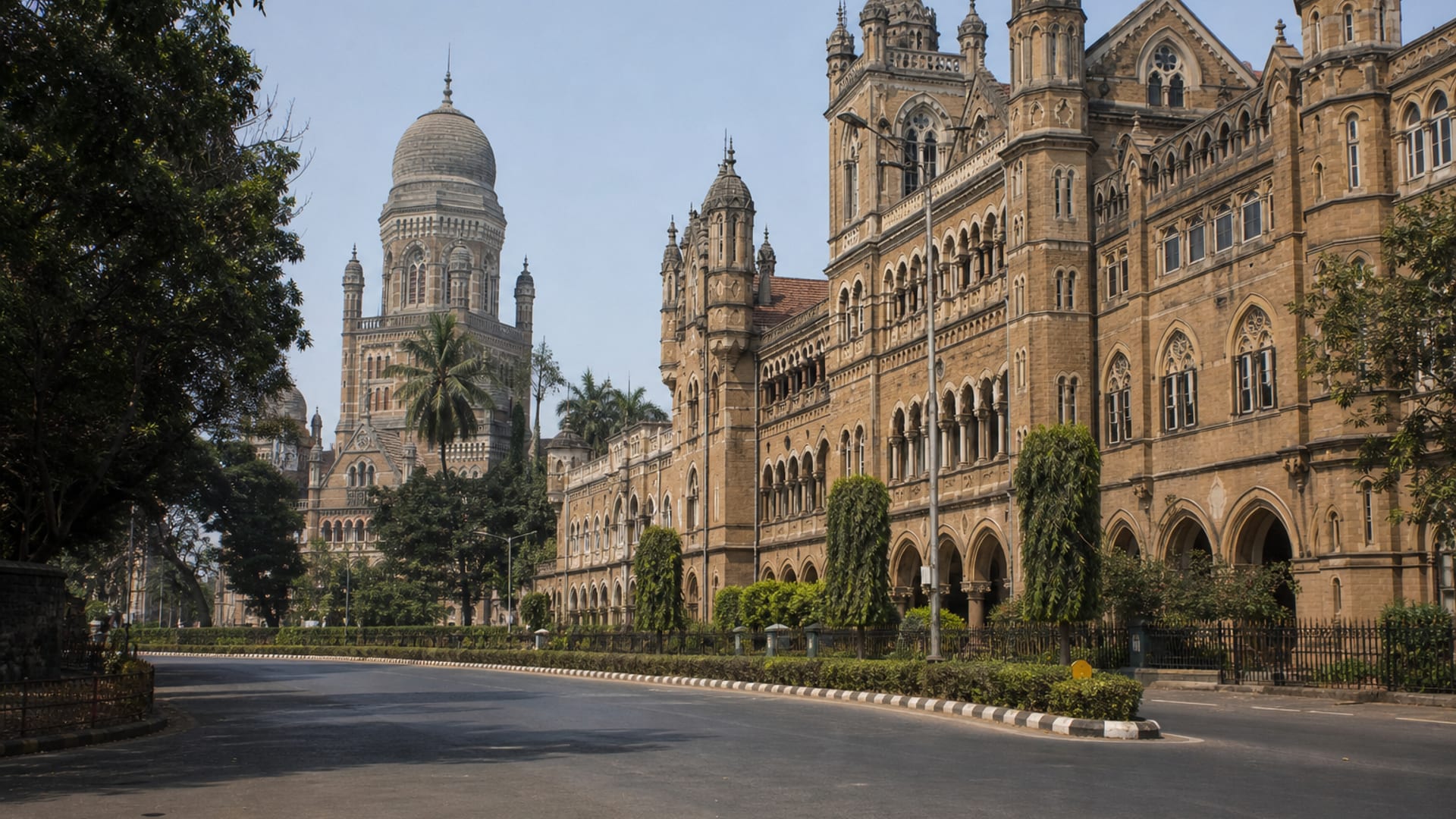
Chhatrapati Shivaji Maharaj Terminus
This UNESCO-listed railway station blends Victorian Gothic, Indian craftsmanship, and an active commuter hub in south Mumbai. The stone facade, carved detail, and clock tower make it one of the city’s most photographed buildings.
Time needed: About 45 to 60 minutes
Entry: The exterior viewing areas are free to access. To view the inside, you need to book a guided tour. Visit the official site for details.
Tip: Visit in daylight, because this is when the carving and dome look best.
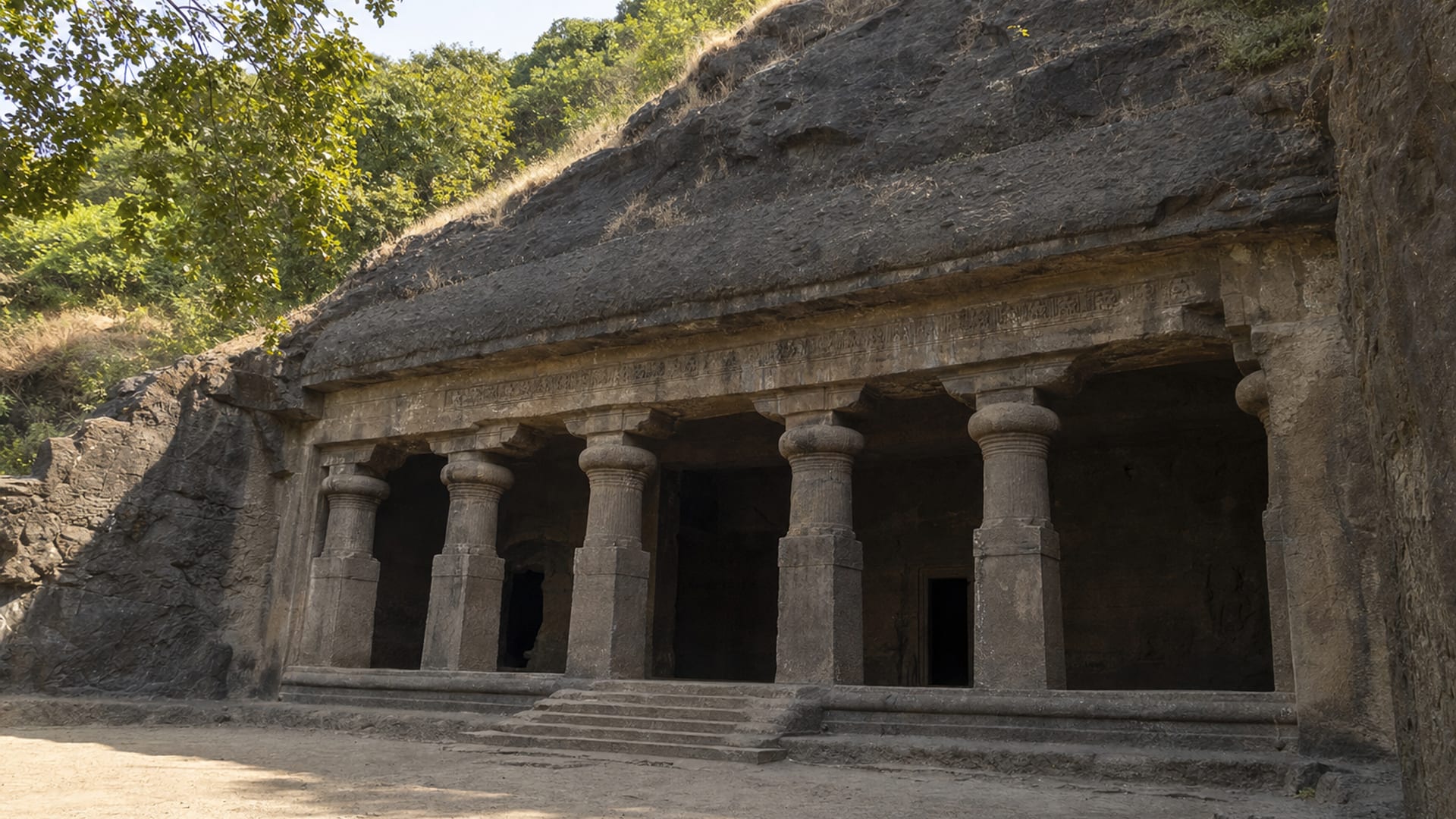
Elephanta Caves
On Elephanta Island, about 6 miles (10 km) by boat from the Gateway of India, these 6th- to 7th-century rock-cut temples center on Shiva. The main cave’s trimurti relief and colonnaded chambers make the site Mumbai’s most important ancient monument.
Time needed: About 2 to 3 hours (4 to 5 hours including the ferry rides)
Entry: Standard entry costs ₹600 ($6.35) for foreign visitors, plus a ferry fare. Visit the official site for details.
Tip: Take the first ferry of the morning, then climb the island path before the heat builds.
Overlooked places in Mumbai

Banganga Tank
An old stepped tank tucked into Walkeshwar, with shrines, washing ghats, and a pocket of calm in south Mumbai. Late afternoon brings shade on the steps and active temple visits.
Time needed: About 1 hour
Entry: The tank and surrounding ghats are public spaces, with no admission fee. Small temple offerings or donations are optional.
Tip: Visit near sunset for softer light on the steps.

Dr. Bhau Daji Lad Museum
Mumbai’s oldest city museum displays miniature clay models, dioramas, lithographs, and rare books about Mumbai’s history from the late 18th to early 20th century. The visit can be paired with the nearby Byculla zoo.
Time needed: About 1 to 2 hours
Entry: Standard tickets cost ₹100–₹200 ($1.05–$2.10) for foreign visitors. Visit the official site for details.
Tip: Go early on weekdays to avoid school-group visits.
What to eat in Mumbai
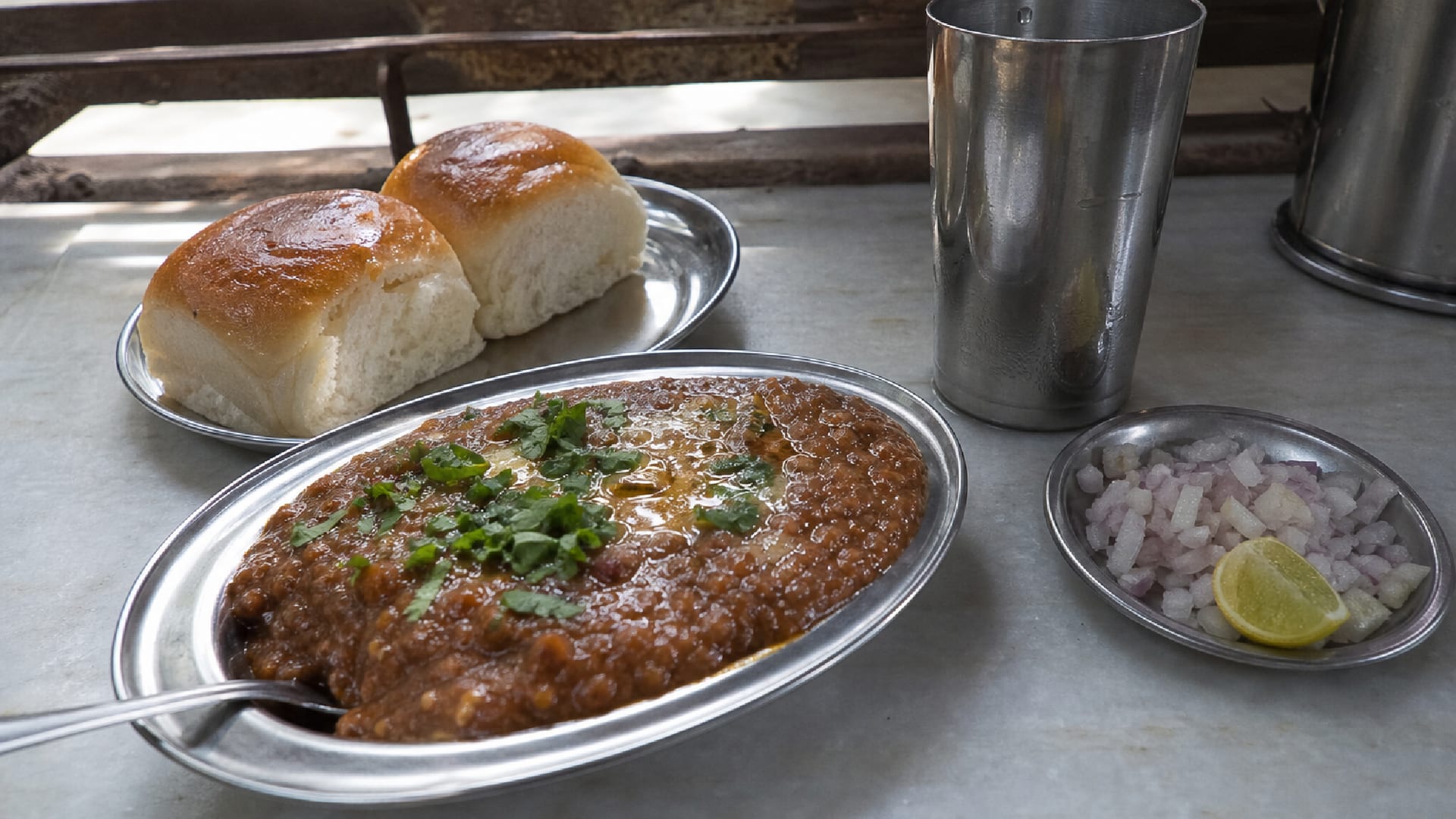
Mumbai’s food culture favors rice, potatoes, lentils, butter, sharp chutneys, and salty, tangy, spicy flavors. Street snacks are as important as sit-down meals.
Vada pav
A spiced potato fritter tucked into a soft bread roll with chutneys and fried green chilies, salty, tangy, and filling. Ashok Vada Pav is a classic Mumbai stop for it.
Pav bhaji
A thick mash of vegetables simmered with butter and spices, served with toasted buns. Sardar Pav Bhaji in Tardeo is one of the city’s best-known addresses for this dish.
Bombay sandwich
A layered vegetable sandwich with chutney, butter, boiled potatoes, cucumber, tomato, and chaat masala. Street stalls on B.T. Marg, Dhobi Talao, are a classic Mumbai setting for it.
Modak
A sweet steamed dumpling with a coconut and jaggery filling in a rice flour shell. It is often tied to festivals. Aaswad in Dadar is a renowned place where you can try it.
Best time to visit
Mumbai can be visited year-round, but humidity and monsoon rains change how far you want to roam and how much time you need to spend in traffic.
Best for: Walking in South Mumbai and taking harbor ferries
What you get: Temperatures that vary from 65°F to 88°F (18°C to 31°C), lighter crowds than in the monsoon season in summer, and clear sightseeing days
Trade-offs: Evenings can still feel warm compared with cooler northern cities.
Best for: Museum visits, short city walks, and early-day sightseeing
What you get: Temperatures often range from 75°F to 97°F (24°C to 36°C), with growing heat, and the crowds are manageable.
Trade-offs: Afternoons can become hot enough to shorten outdoor plans.
Best for: Indoor stops, food outings, and dramatic sea views between rainshowers
What you get: Temperatures range from 75°F to 91°F (24°C to 33°C), and there are fewer tourists but heavier local disruption due to rain.
Trade-offs: Downpours can slow road traffic and limit ferry schedules.
Best for: Waterfront time, sightseeing, and walks in cleaner after-rain air
What you get: Temperatures range from 68°F to 93°F (20°C to 34°C). The monsoon ends by mid-September, after which visitor numbers start to grow.
Trade-offs: Holiday periods in October and November can fill hotels and popular restaurants quickly.
A 5-day plan in Mumbai
Five days give you enough time to explore Mumbai’s waterfronts, take a ferry ride, visit a temple, and spend an entire day in the Western suburb. All you need to do is plan your sightseeing route so it doesn’t require multiple long rides per day.
Land at Mumbai (BOM) and take a prepaid taxi or rideshare car to Colaba or Fort. This can take 45–90 minutes and costs roughly ₹800 to ₹1,800 ($8.5 to $19), depending on traffic and time of day. If you want the most walkable location, check into Colaba near the Gateway of India or Fort near Chhatrapati Shivaji Maharaj Terminus. Then rest for a bit and have dinner near the hotel, with a simple meal on the Colaba Causeway or in a Fort cafe.
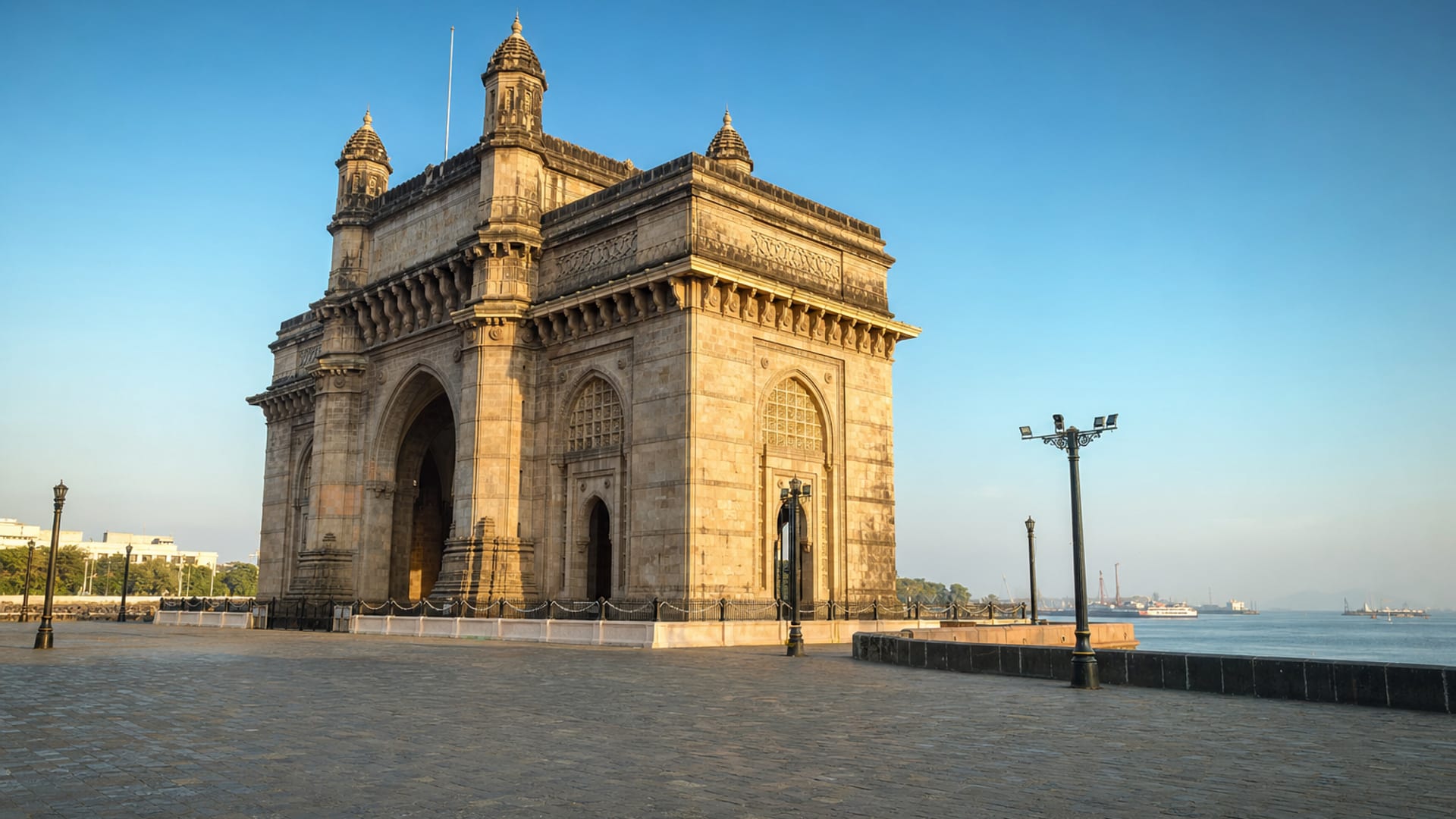
Start at Chhatrapati Shivaji Maharaj Terminus in daylight, then walk 10–15 minutes through Fort to nearby heritage streets and continue by taxi for another 10–15 minutes to the Gateway of India and the Colaba waterfront. Here, spend half an hour admiring the arch, then linger on the harbor edge before an easy lunch in Colaba; if the afternoon is clear, take a short ferry ride from the harbor piers or pause for tea near the Taj Mahal Palace before heading back.
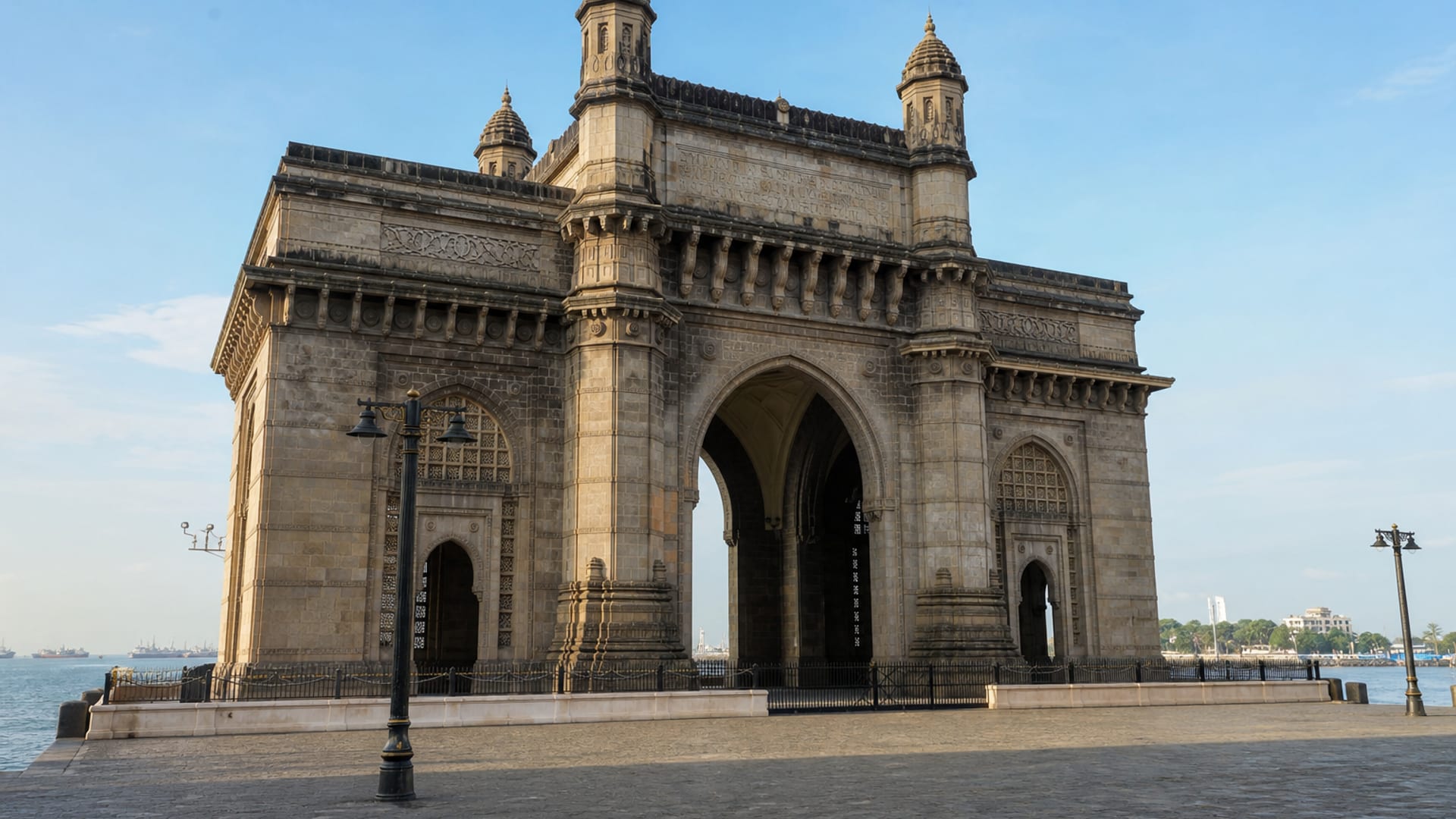
Begin with the Elephanta Island ferry from the Gateway of India piers, a trip that usually takes 1 hour each way, plus 2–3 hours on site. Return to South Mumbai, then head by taxi to Banganga Tank in Walkeshwar, which is 20–30 minutes from Colaba in normal traffic, and explore the steps, shrines, and shaded ghats before dinner back in Fort or Colaba.
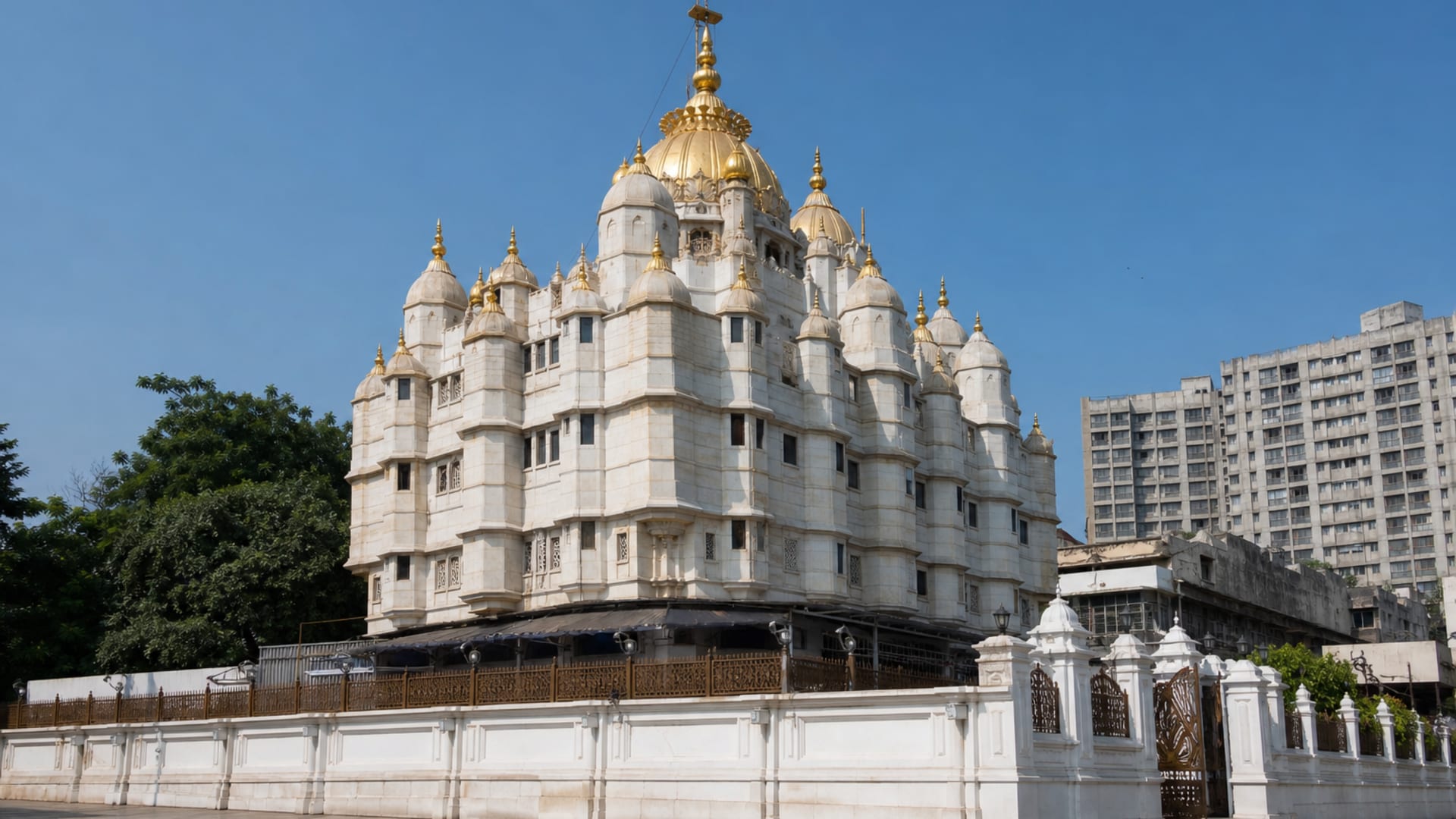
Bandra West gives the day a different pace. You can take a taxi there from Colaba or Fort; it takes 30–50 minutes, longer during rush hour. Walk the cafe streets near Linking Road, then move to Carter Road and the seafront for an afternoon promenade, with stops for shopping or coffee along the way; if you want to visit one more sight, stay the entire evening and have dinner in that neighborhood instead of crossing back into South Mumbai.
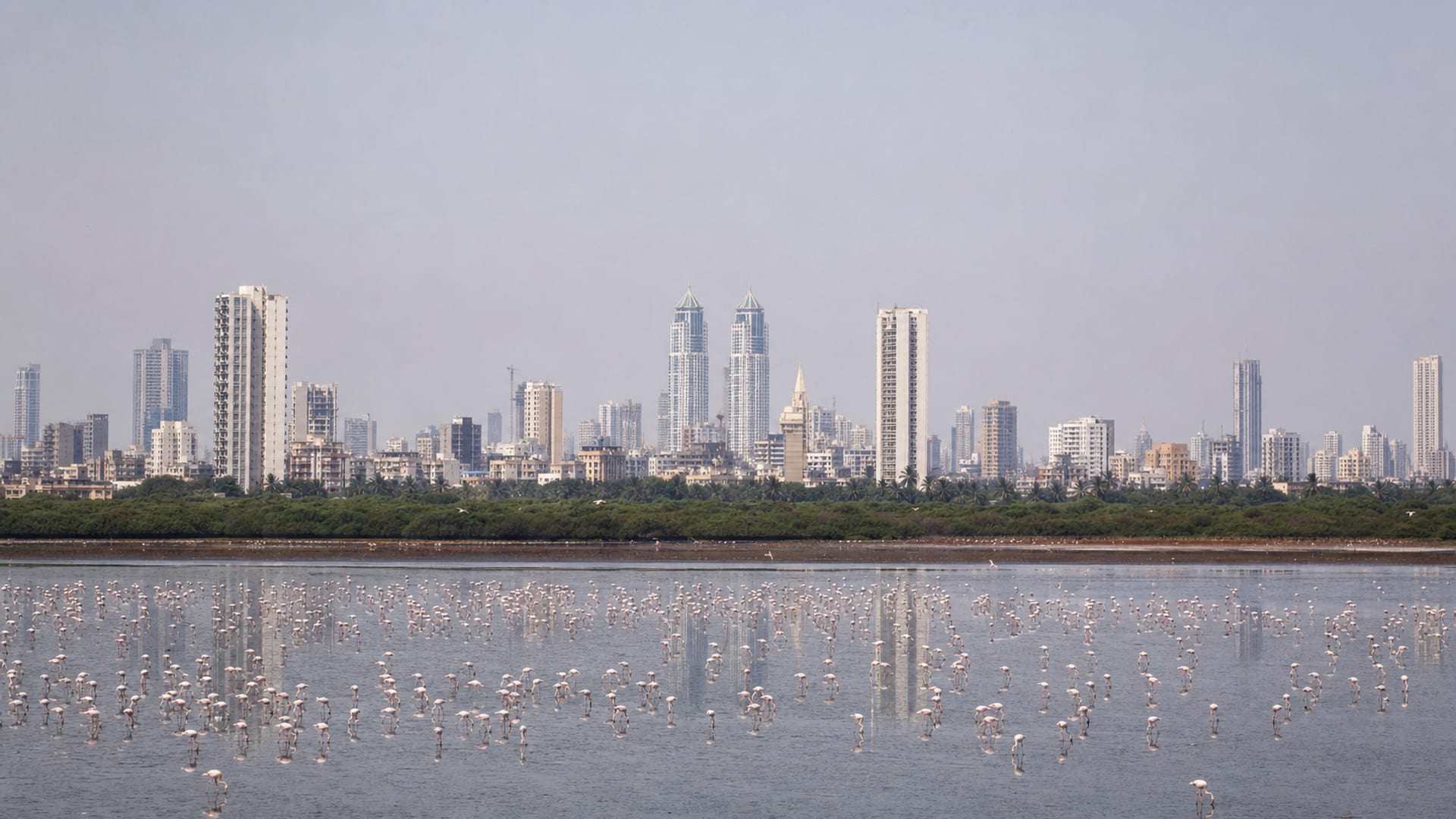
For a last day in Mumbai, head to the Dr. Bhau Daji Lad Museum in Byculla, which is 20–35 minutes by taxi from Colaba or Fort, and spend 1–2 hours inside before an unhurried lunch nearby. From there, continue to a few shops in Fort for books, textiles, or gifts, then end with coffee in Bandra West, or stay in South Mumbai and linger over a final tea near the heritage district before going to the airport.
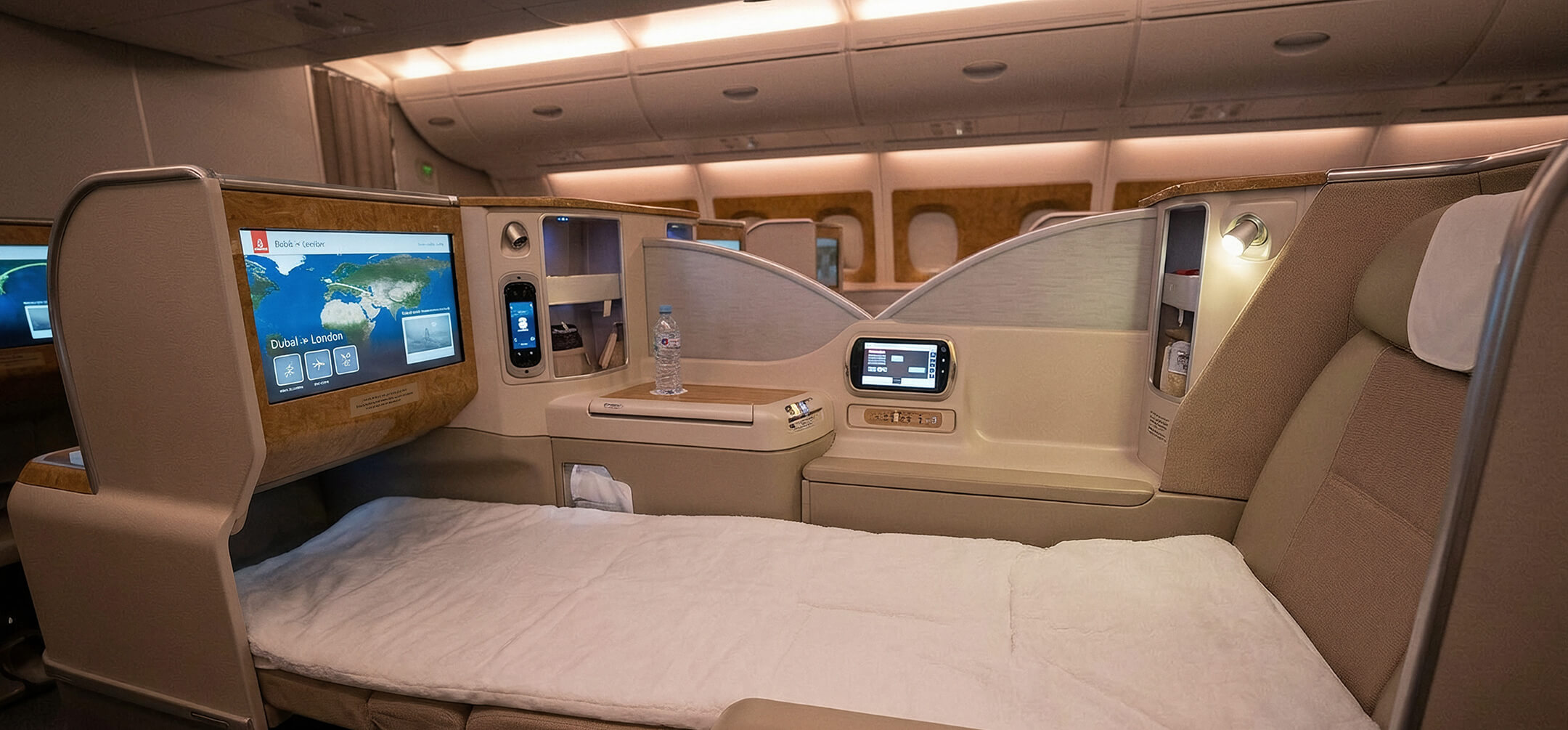
Business-class flights from the US to Mumbai
Long-haul flights to Mumbai (BOM) vary by route and stop pattern. You can find options both from the East and West Coasts of the US.
New York (JFK) to Mumbai (BOM)
Air India is the only carrier flying nonstop on this route, with a flight time of 15–16 hours. Airlines like Emirates, Etihad, and United Airlines offer one-stop flights to Mumbai via Dubai (DXB), Abu Dhabi (AUH), Doha (DOH), Frankfurt (FRA), or London (LHR), and often have lower fares. Round-trip business-class fares on this route typically range from $2,600 to $7,500.
Los Angeles (LAX) to Mumbai (BOM)
From LAX, there aren’t any nonstop flights to Mumbai (BOM). You can find one-stop flights with Emirates, Qatar Airways, Singapore Airlines, Cathay Pacific, and Air India, with layovers at Dubai (DXB), Doha (DOH), Singapore (SIN), Hong Kong (HKG), and Istanbul (IST). Total journey times generally vary between 19 and 24 hours. Round-trip business-class fares for such flights range from $4,300 to $7,000.
Mumbai opens up when you stop rushing
A deliberate Mumbai trip starts with a base in Colaba or Fort, then builds outward by taxi, ferry, and a few walkable blocks instead of constant cross-city moves. That lets you see the Gateway of India, CST, Elephanta Island, Banganga Tank, and a Bandra West evening without spending the whole week in traffic. If you want help shaping that balance, the AranGrant experts can help you plan the right route through Mumbai