

Chapters:

Need help with your trip?
Our support team is available 24/7. Request a callback or call us directly at (833) 619-0908
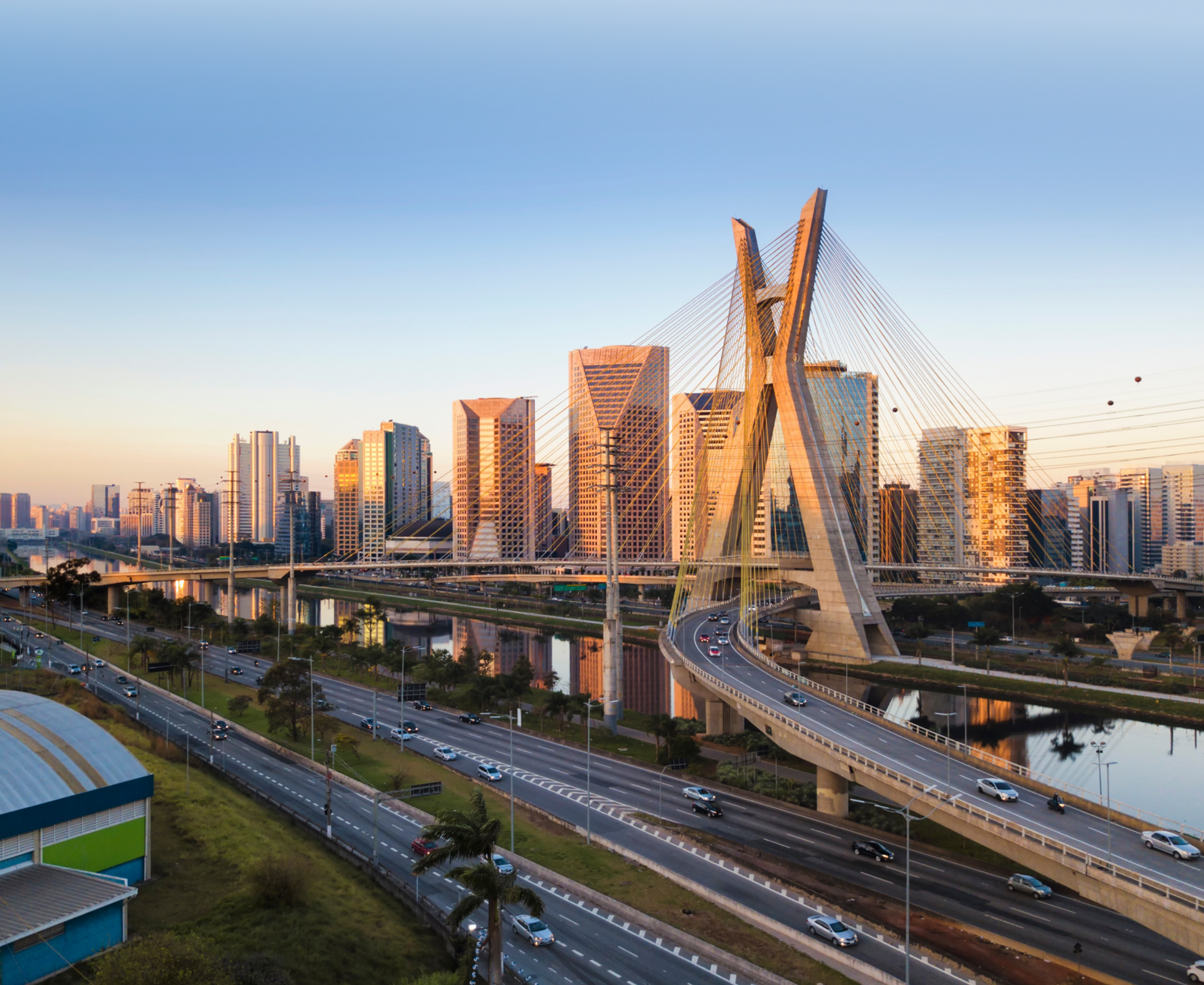
São Paulo’s neighborhoods are what give the city its character. Jardins offers tree-lined streets, high-end restaurants, and a calm that contrasts with the rest of the city. Bela Vista has historic cantinas, theaters, and metro access. Pinheiros draws visitors with design stores, street art, and a food culture shaped by decades of immigration from across Brazil and beyond.
Moving between those neighborhoods is where most itineraries lose time. São Paulo’s scale and traffic make unplanned crossings slow and unpredictable, and the city’s sights are not close to each other.
This guide groups the city’s main attractions by area and travel time, pairing major sights with nearby restaurants, parks, museums, and hotel districts, so you can explore as much as possible on each day of your trip.
Useful things to know

Main language(s): Portuguese
Olá (oh-LAH) – Hello
Por favor (por fah-VOR) – Please
Obrigado (oh-bree-GAH-doh) – Thank you
Você fala inglês? (voh-SEH FAH-lah een-GLEHZ?) – Do you speak English?
Quanto custa? (KWAHN-toh KOOS-tah?) – How much does it cost?

Currency: Brazilian real (BRL, R$)

Cash and cards: Card and contactless payments are widely accepted in hotels, malls, restaurants, and ride apps. Keep R$100–R$200 ($20–$40) in cash for bakeries, small cafés, markets, and occasional restroom fees.

Tipping: Tipping is not mandatory in São Paulo. Some restaurants include a service charge on the bill; if not, you can leave a 10% tip for good service. For taxis and rideshares, you can round up the amount.

Traditional food: Feijoada (black beans with pork, sausage), Pão de queijo (cheese bread balls), Pastel de feira (fried pastry with savory filling)

Water and coffee costs: A small bottle of water usually costs R$4–R$8 ($0.80–$1.55). An espresso is often R$6–R$10 ($1.15–$1.95), while cappuccinos and filtered coffee drinks cost slightly more.

Taxis and ride apps: Uber and 99 are the most common ride apps for airport transfers and late-night travel. Check the plate and driver name, and ignore unofficial drivers offering rides in terminals or on the street.

Plug and voltage: Type N/C socket, 127V, 60Hz. Some buildings supply 220V.

Dining and shop opening hours: Breakfast is usually between 7:00 am and 10:00 am. During lunch, between 11:30 am and 3:00 pm, many places offer set “prato feito” meals. Dinner is served from 7:00 pm to 11:00 pm.

Emergency number: Dial 190 for police, 192 for ambulance, and 193 for fire/rescue.
Where to stay in São Paulo
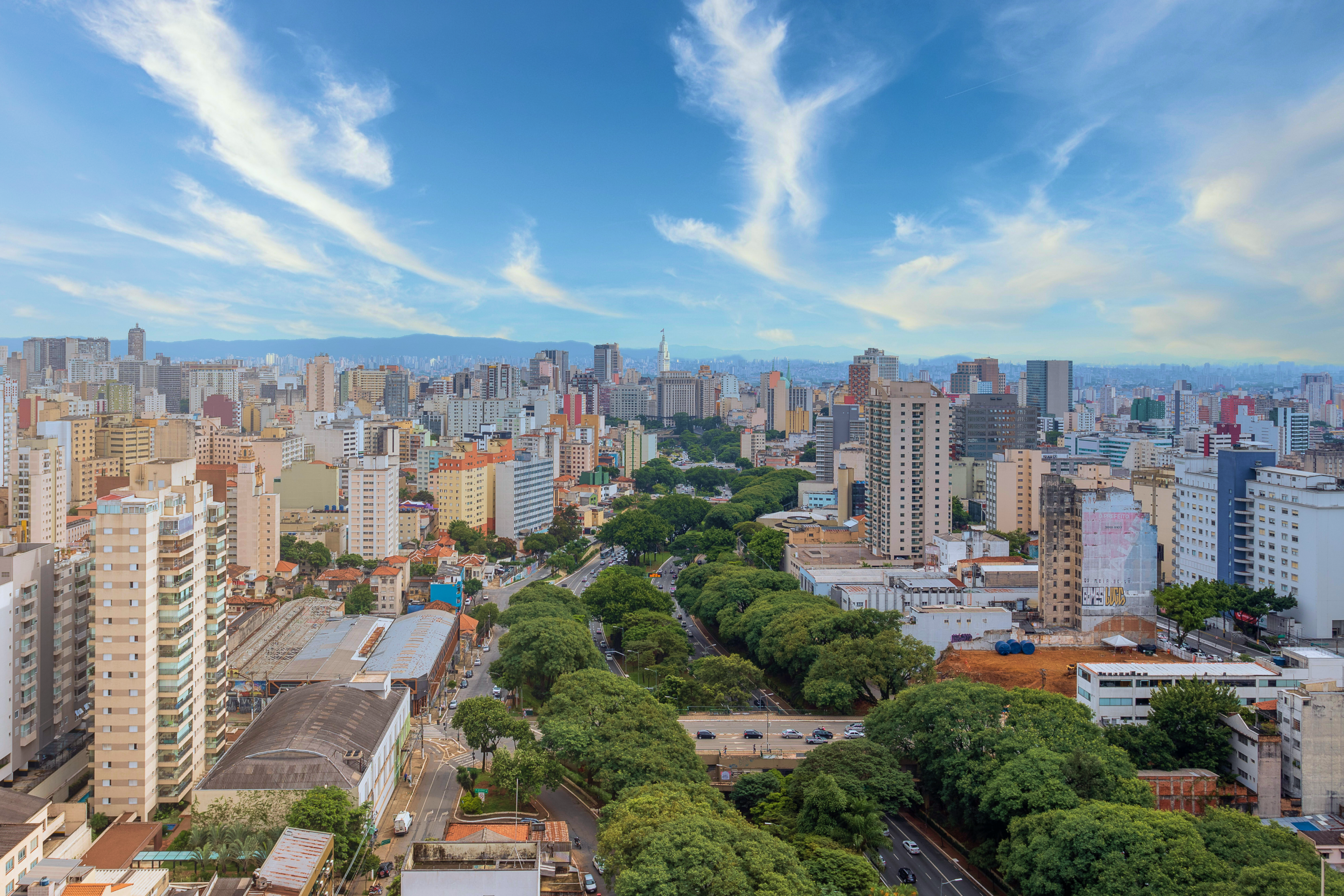
This is a traditional neighborhood north of Avenida Paulista, known locally as Bixiga, and historically associated with Italian immigrants. It combines cantinas, theaters, historic streets, metro access, and diverse dining options.
Best for: First-time visits, sightseeing, and easy access to major landmarks
What to expect: Busy streets and constant activity throughout the day, with nightlife nearby in the evening
Hotel prices: Usually around $65–$150 (R$340–R$775) per night for well-rated stays
Distance to major sights: About 15–25 minutes by metro or taxi to central landmarks
Quietness: Lively during the day; evenings can be energetic, depending on the block.
Main trade-off: More crowds and some noise near major avenues and nightlife corridors.
Good to know: This area suits travelers who want metro access, restaurants, and major sights within a short metro ride or taxi trip.
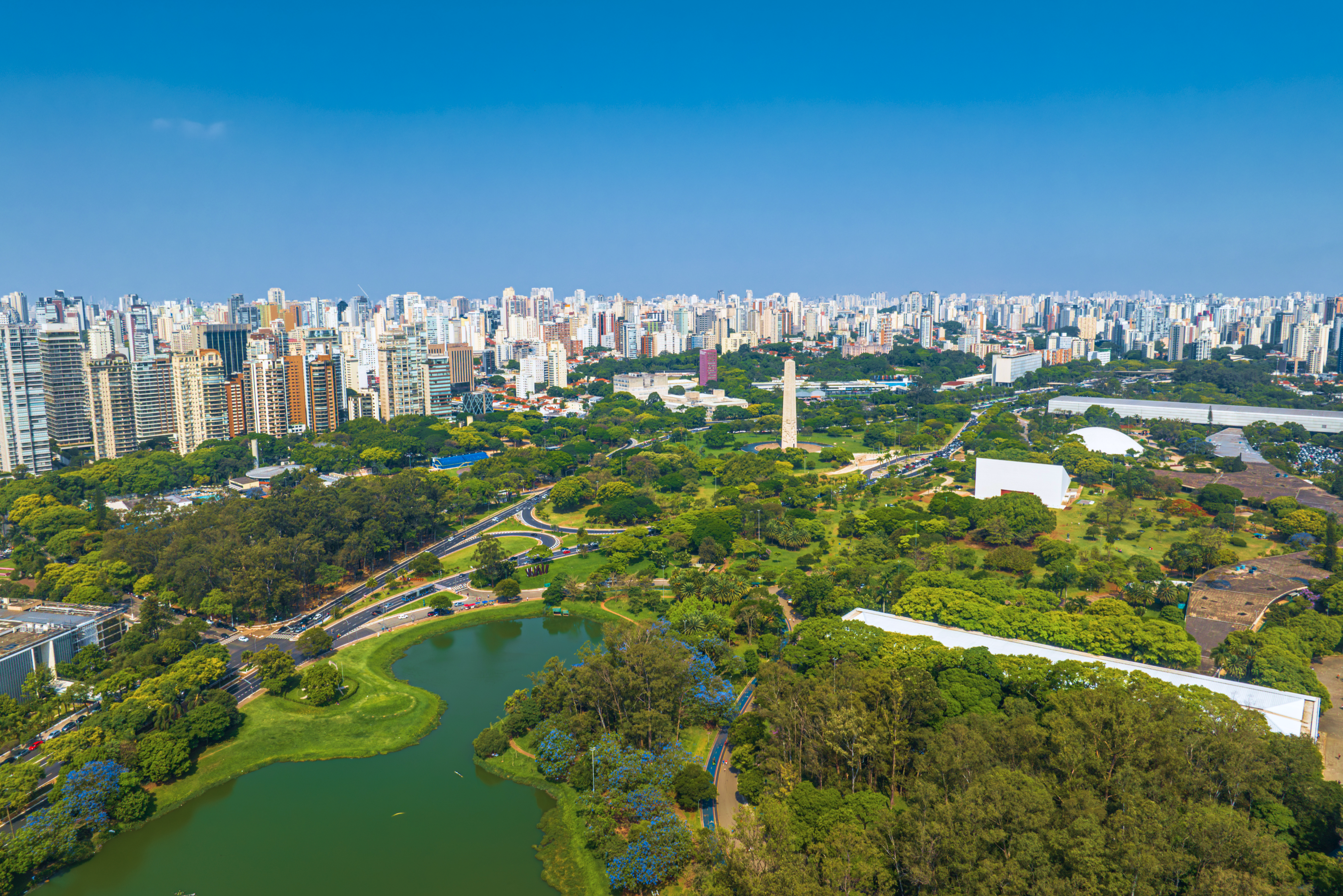
Jardins is an upmarket neighborhood south of Paulista Avenue, known for tree-lined streets, high-end boutiques, and polished restaurants. It is often considered the safest area in São Paulo.
Best for: Comfort-focused travelers who like upscale neighborhoods
What to expect: Elegant, relatively calm daytime ambiance with steady evening restaurant life
Hotel prices: Roughly $125–$295 (R$647–R$1,500) per night
Distance to major sights: Paulista Avenue and MASP are a 10–15 minute walk away; the historic downtown is about 25–35 minutes away by taxi or metro.
Quietness: Tends to be quieter overall; evenings are lively mainly around restaurants.
Main trade-off: Higher prices and less of the classic historic street atmosphere
Good to know: Consolação metro station gives easy access to both the green and blue lines, making other central districts easy to reach.
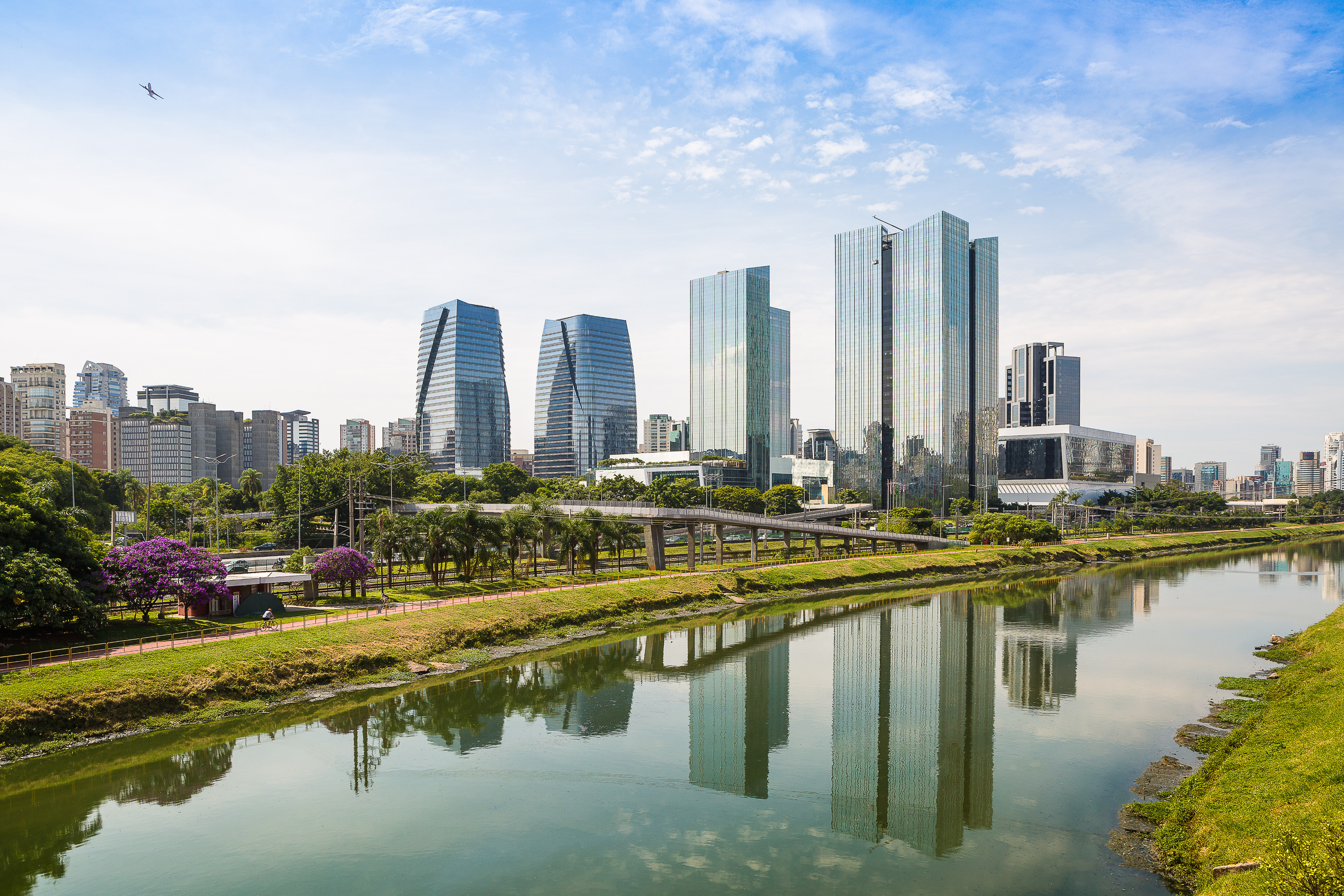
Pinheiros is a trendy, creative neighborhood west of the city center, popular for design stores, street art, and lively bars. It suits both food and culture enthusiasts. Parque Ibirapuera is a short taxi ride away, and the yellow metro line connects the area to the rest of the city.
Best for: Food and design enthusiasts, and travelers wanting a local vibe
What to expect: Vibrant and youthful, with lively weekends and steady weekday activity
Hotel prices: Usually around $85–$220 (R$440–R$1,140)per night for well-rated hotels
Distance to major sights: About 20–30 minutes by metro or taxi to major sights, with transfers needed on the metro for most destinations
Quietness: Active during the day; some streets can be lively late into the night.
Main trade-off: More nightlife energy in certain blocks; traffic can be heavy during rush hour.
Good to know: Pinheiros suits travelers who want to explore restaurants, design shops, bars, and a more local view of modern São Paulo.
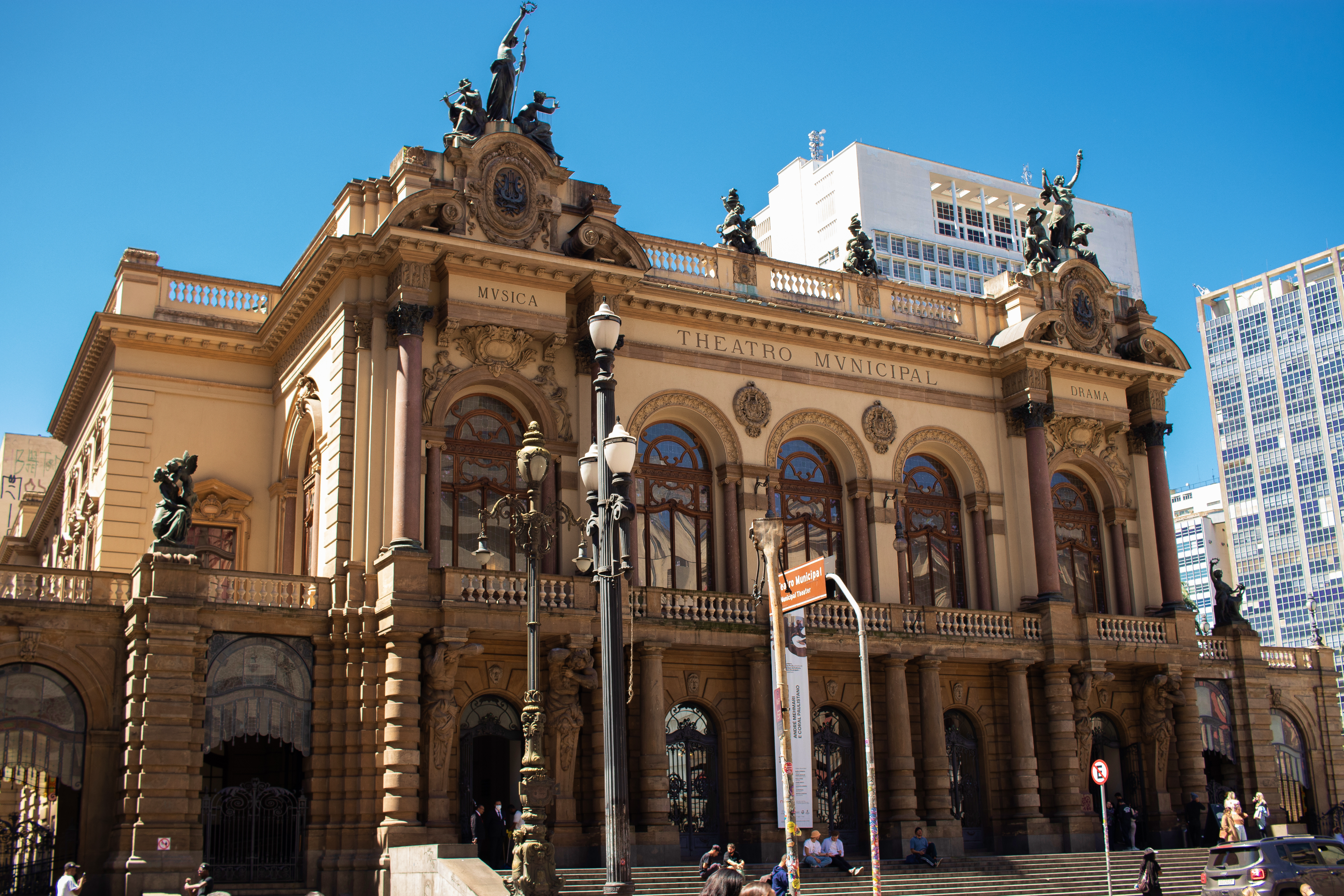
São Paulo’s historic core has grand buildings, museums, theaters, and major transit connections. It suits architecture and culture seekers who want to cover many sights on foot, but the area requires extra caution after dark and is best treated as a daytime destination from a nearby, safer location.
Best for: Sightseeing-heavy trips and travelers interested in museums and architecture
What to expect: Active and busy in daytime; streets quiet down quickly after business hours.
Hotel prices: Roughly $50–$110 (R$260–R$570) per night for well-rated stays
Distance to major sights: About 10–20 minutes on foot or a short transit to downtown sights
Quietness: Busy by day; many blocks feel significantly quieter and less safe after dark.
Main trade-off: Travelers avoid walking through the area after dark, and the zone near Luz station has serious safety concerns.
Good to know: Visit during daytime hours for the architecture and museums; use Uber or 99 instead of walking at night.
Most visitors choose central locations instead of peripheral neighborhoods such as Cidade Tiradentes, Guaianases, and Itaim Paulista. They also avoid areas with high petty-crime risk, including parts of Heliópolis and Capão Redondo.
Hotel deals
How to get around São Paulo efficiently
São Paulo is easy to navigate when you mix walking with metro and bus rides, and use taxis or rideshare apps for transfers between farther areas.

Metro
for longer distances
São Paulo’s metro is the fastest way to connect major areas such as Paulista, Centro, and Pinheiros. A single ride costs R$5.40 ($1.05) and is best for avoiding traffic on longer cross-city trips.

Bus and tram
for convenience
São Paulo relies on buses instead of trams. Fares are R$5.30 ($1.05) per ride, but buses can be slow during peak traffic. Buses help fill the gaps the metro does not cover, especially in neighborhoods beyond the main rail lines.

Taxi
for convenience or late hours
From central areas, most rides cost R$25–R$70 ($5–$14), while airport trips can be much higher depending on traffic. Use official taxi ranks or app-booked cars.
*Prices are based on rates updated as of June 2026 and may change at the time of travel.
The metro is best for rides across central districts, buses fill in routes the rail lines miss, and taxis or ride apps are convenient for direct transfers or late hours.
Iconic landmarks
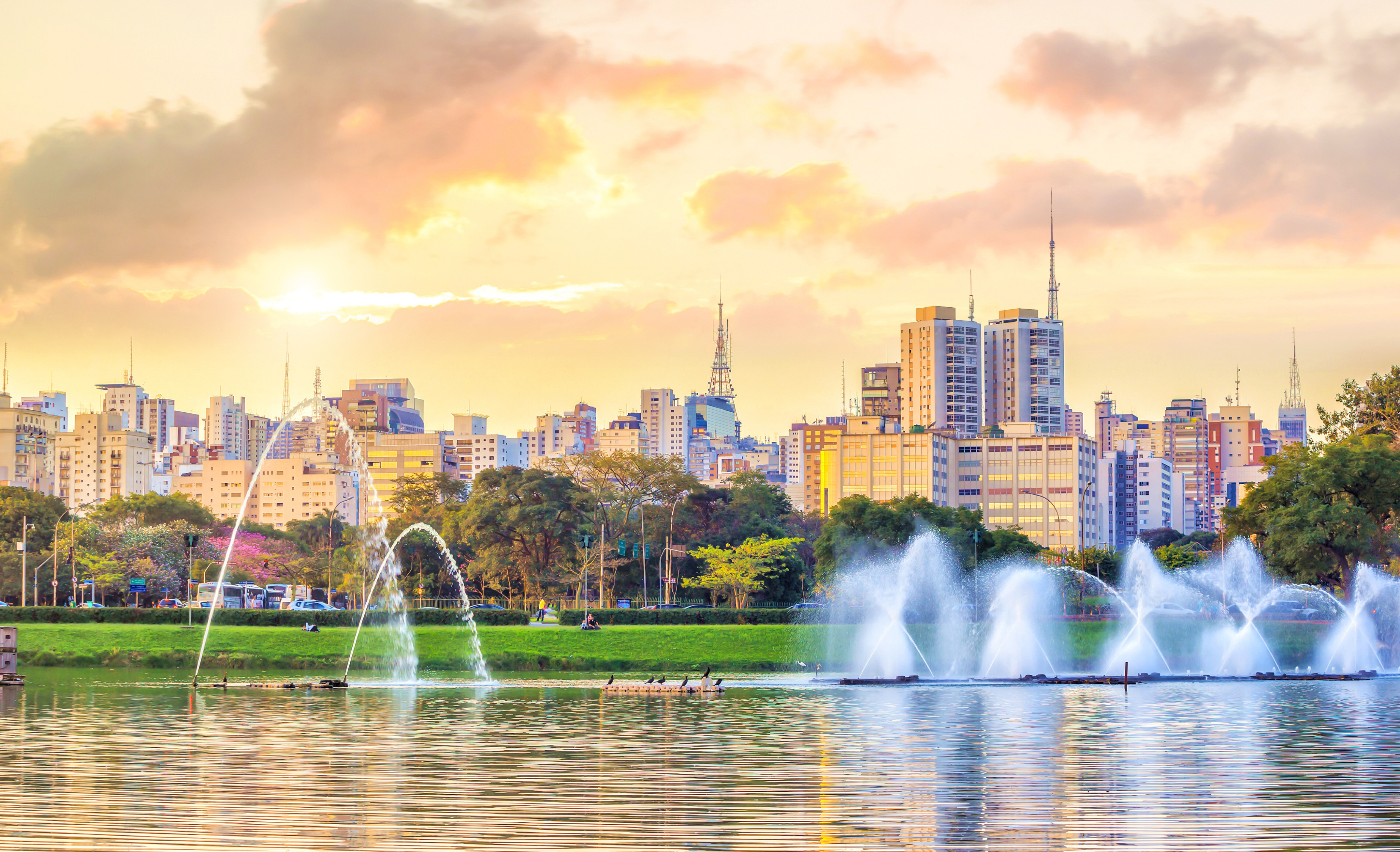
Parque Ibirapuera
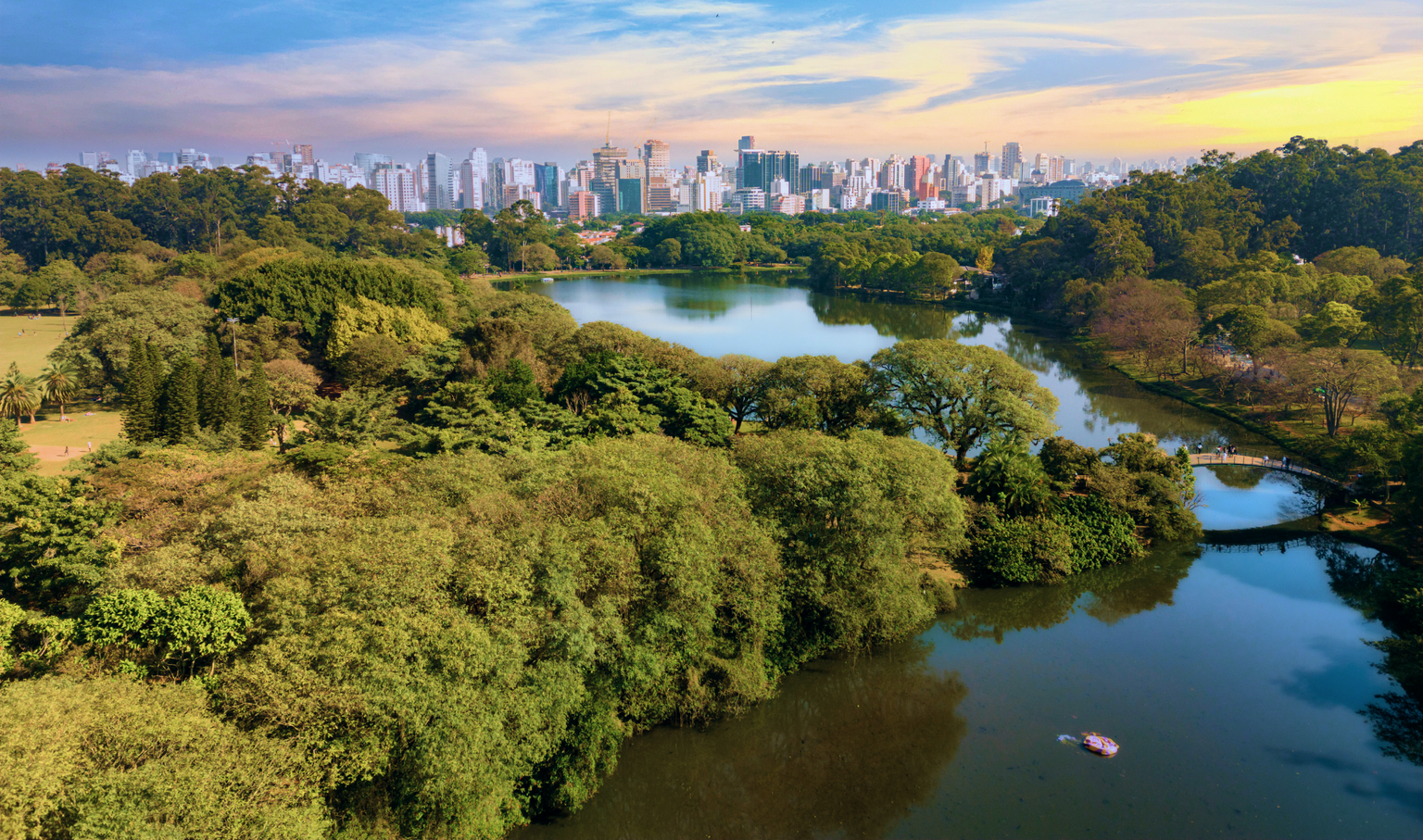
This is São Paulo’s most visited urban park, home to modernist architecture by Oscar Niemeyer, lakeside paths, and some of the city’s best museum stops. The park is ideal for a half-day visit, cycling, or combining culture with lakeside views in one place.
Time needed: About 2 to 4 hours
Entry: The park is free to access; museums inside it charge separately Visit the official site for details.
Tip: Go earlier in the day to avoid crowds and catch the softer morning light.
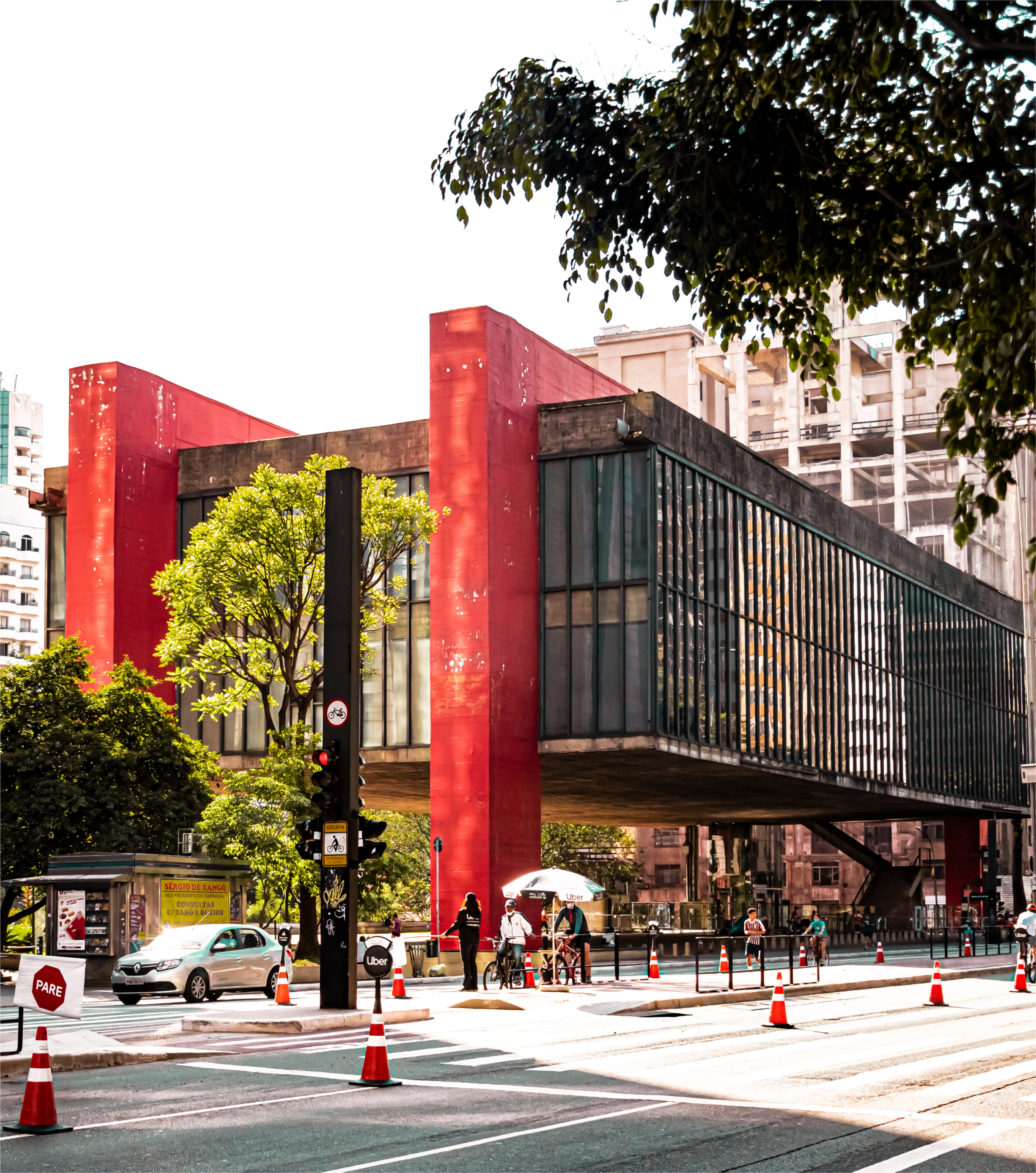
Museu de Arte de São Paulo (MASP)
MASP is a landmark in Latin American art, famous for its bold, open architecture and wide-ranging collection of Western, Brazilian, and international works. The free-span building frames the street view of Paulista Avenue and features galleries with rotating exhibitions.
Time needed: About 1.5 to 3 hours
Entry: Tickets cost R$75 ($14.50). Entry is free on Tuesdays and Fridays from 6:00 pm. Online booking is mandatory. Visit the official site for details.
Tip: For a quieter visit, go on a Wednesday or Thursday morning at opening time.
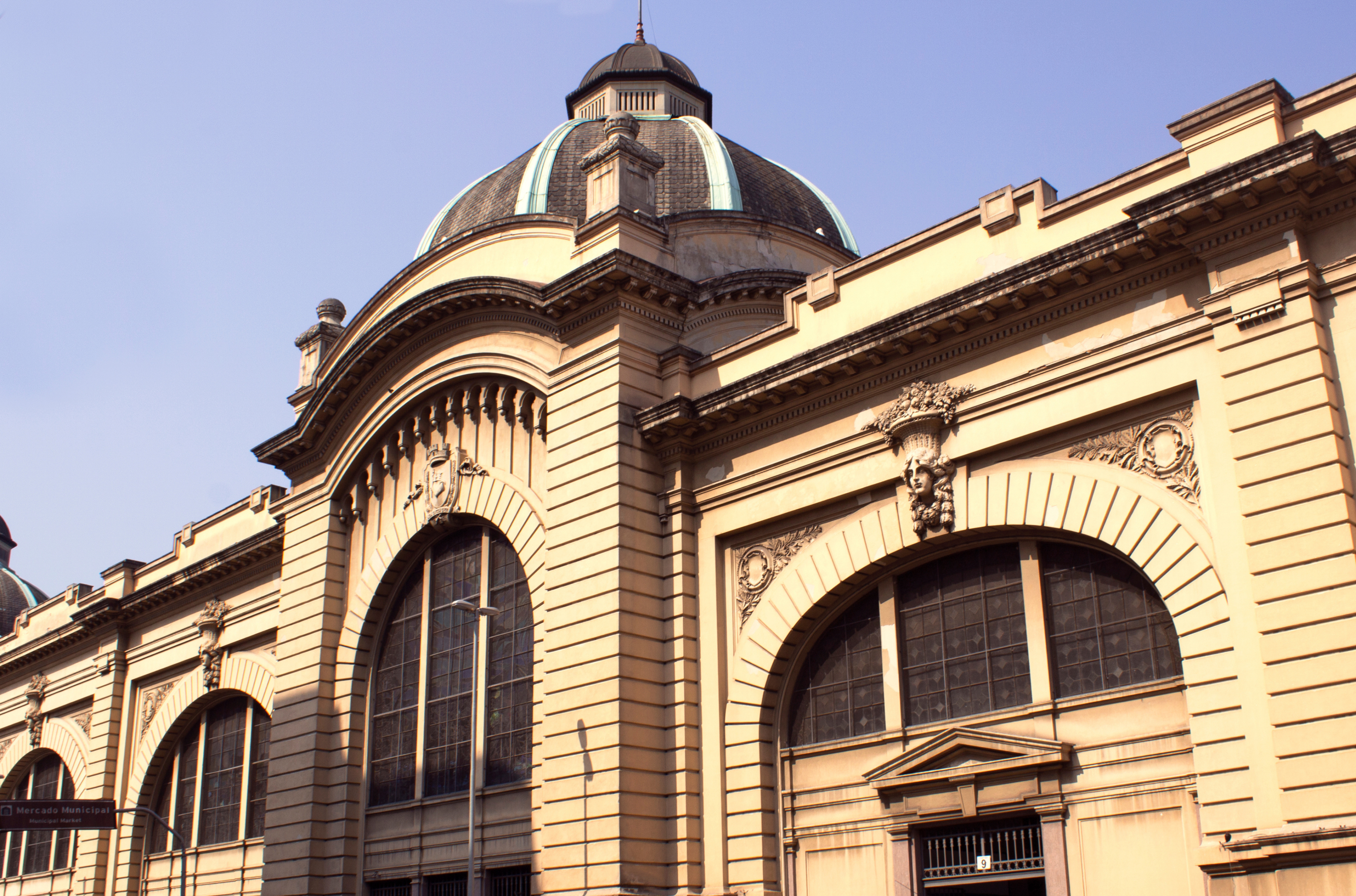
Mercado Municipal de São Paulo (Mercadão)
This is a classic São Paulo food destination housed in a historic building, famous for its vibrant stalls and iconic fruit-and-pasta counters. It’s the perfect place to sample local flavors like mortadella sandwiches, fresh produce, and Brazilian sweets.
Time needed: About 1 to 2 hours
Entry: Free to enter. Open Monday to Saturday 6:00 am–6:00 pm, Sunday 6:00 am–4:00 pm Visit the official site for details.
Tip: Arrive mid-morning to avoid the lunch rush and find shorter queues at the food counters.
Overlooked sites worth visiting
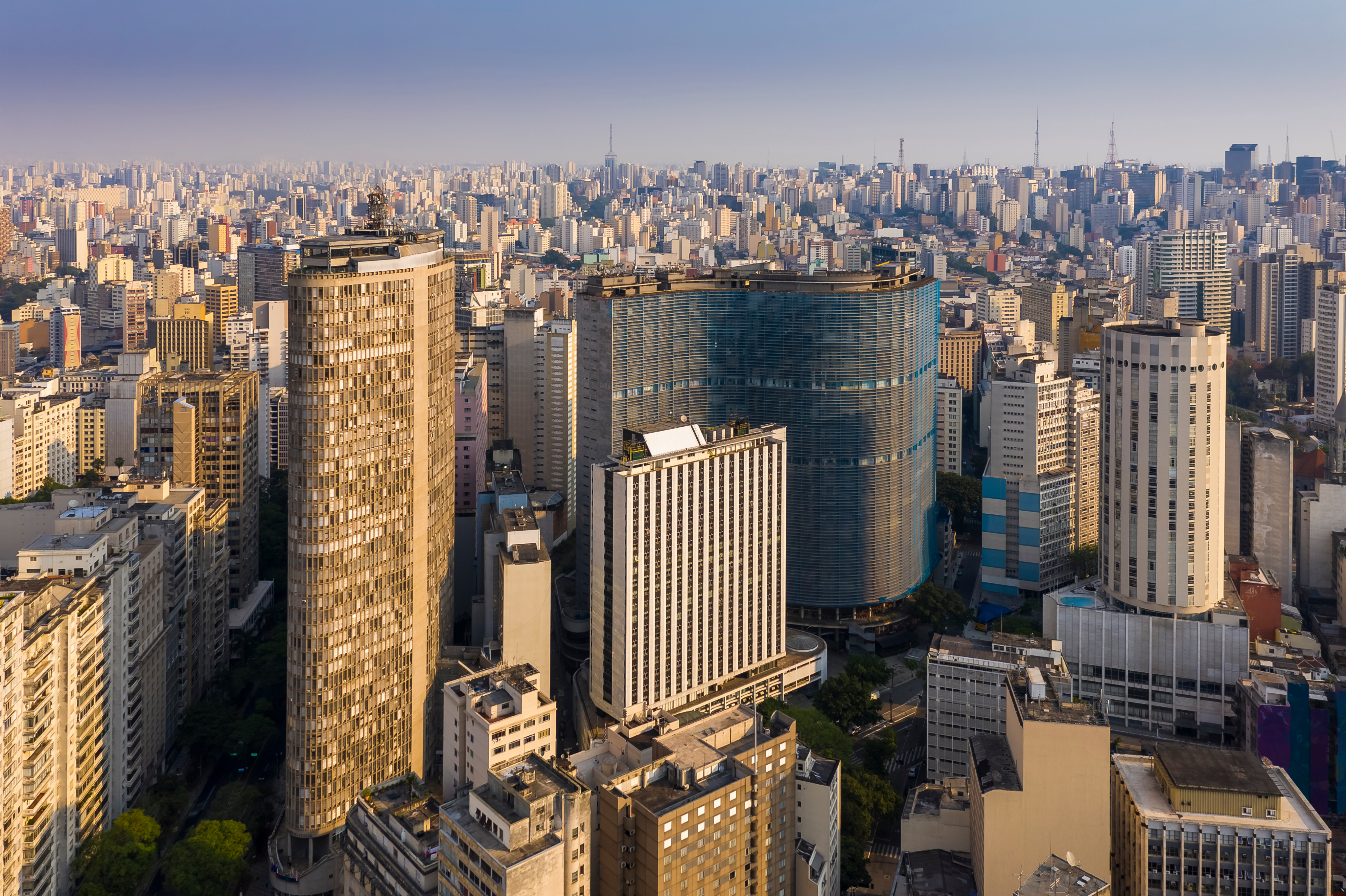
Edifício Copan (Oscar Niemeyer) — Mirante do Minhocão side views
Copan’s sinuous, wave-like facade is a landmark of Brazilian residential modernism designed by Oscar Niemeyer. Walk the surrounding blocks or head to the pedestrianized Minhocão for a broader view.
Time needed: About 45 minutes
Entry: Free. The ground floor is a public commercial area; the rooftop terrace is currently closed for renovation.
Tip: Visit in daylight and bring a zoom lens for the best detail shots.
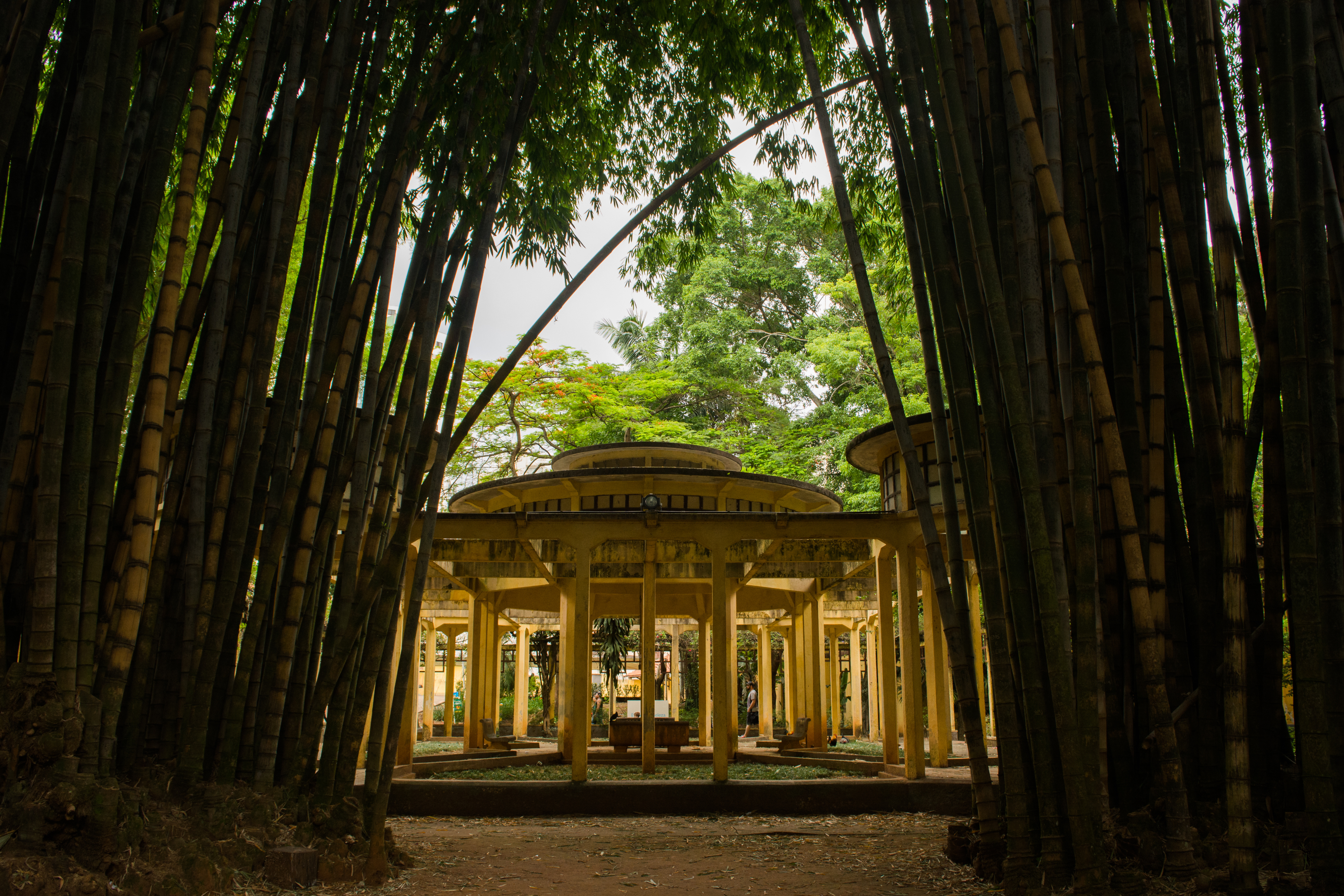
Parque da Água Branca
Água Branca has a distinctly rural feel, unusual for a major city, with peacocks, horses, and ducks roaming freely alongside walking trails, open lawns, a geological museum, and an aquarium.
Time needed: About 1 to 1.5 hours
Entry: Free to access. Open daily 6:00 am to 8:00 pm Visit the official site for details.
Tip: Go on weekdays for more peaceful trails and easier parking.
Traditional food
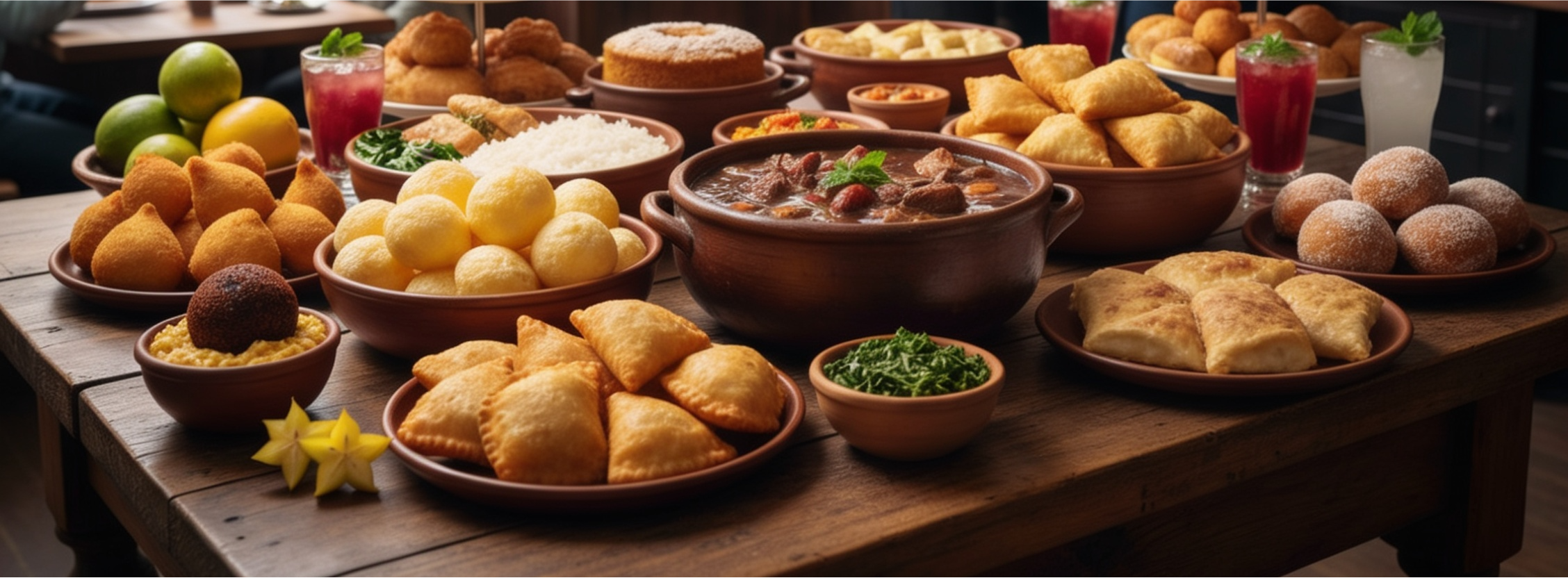
São Paulo’s food scene blends hearty Brazilian dishes with everyday café culture. Expect black beans, cheese bread, fried pastries, and meals that often reflect the city’s immigrant influences.
Feijoada
Feijoada is the city’s classic bean-and-meat stew, rich, savory, and best enjoyed as a long meal. Consulado Mineiro is one of São Paulo’s most recommended spots, specifically for feijoada.
Pão de queijo
Pão de queijo are small, chewy cheese breads that work for breakfast, coffee breaks, or an easy snack between sights. Casa do Pão de Queijo has multiple central locations and is the chain most closely associated with the dish in the city.
Pastel de feira
Pastel de feira is a crisp fried pastry with savory filling, commonly eaten at markets and street-food stalls. Mercadão has long been one of the city’s best-known places for this kind of quick, market-style bite.
Mortadella sandwich
The mortadella sandwich is one of São Paulo’s most famous market snacks, built for size and abundance. Hocca Bar inside Mercadão has served the city’s best-known version for years.
Best time to visit São Paulo
São Paulo’s seasons shift between warm, wet months and cooler, dry stretches, so the best timing depends on whether you prefer clear walking weather or fewer crowds.
Best for: Long evenings, outdoor dining, and lively city energy
What you get: Warm to hot, roughly 66°F–83°F (19°C–28°C), with frequent afternoon rain and fuller parks and restaurants. Temperatures can exceed 86°F (30°C).
Trade-offs: Heat, rainshowers, and heavier traffic can slow movement across the city.
Best for: Balanced sightseeing and comfortable neighborhood walking
What you get: Mild, about 56°F–82°F (13°C–28°C), with steadier weather and manageable crowd levels at major sights
Trade-offs: Some days can still feel warm, especially earlier in the season.
Best for: Clearer days for museum-heavy itineraries and urban walks
What you get: Cool to mild, about 54°F–73°F (12°C–23°C), with lower humidity and the driest months of the year
Trade-offs: Mornings and evenings can feel cooler than expected, and overnight temperatures sometimes reach 41°F (5°C).
Best for: Park walks, café stops, and broad city exploring
What you get: Mild to warm, roughly 57°F–79°F (14°C–26°C), with blooming green spaces and gradually increasing warmth toward November
Trade-offs: Late spring brings more frequent rainshowers and rising temperatures as the wet season approaches.
A realistic 5-day plan in São Paulo
This five-day plan follows the rhythm that makes São Paulo easy to navigate, with neighborhoods grouped by geography and pace. It keeps the main landmarks together and leaves the final day open for a lighter finish before departure.
Arrive at São Paulo–Guarulhos (GRU) or Congonhas (CGH), depending on your flight. From Guarulhos, a taxi or app ride to central areas like Bela Vista, Jardins, or Pinheiros costs roughly R$120–R$180 ($23–$35) and takes 45–90 minutes. The CPTM Line 13 train to Luz station is a faster option, taking about 30 minutes. From Congonhas, rides to central neighborhoods typically cost R$30–R$60 ($6–$12) in 15–30 minutes. Keep the first day light: check in, hydrate, and stay near your hotel area.
Start with MASP on Paulista Avenue, then walk or ride a short hop to nearby museum stops and the street life around Bela Vista and Jardins. Full adult tickets cost R$75 ($14.50). Entry is free on Tuesdays. Plan 1.5 to 3 hours inside, then leave time for a relaxed lunch and a walk along Paulista. If you want a stronger city overview, add the surrounding Avenida Paulista viewpoints and nearby cultural centers, all easy to combine in one afternoon.
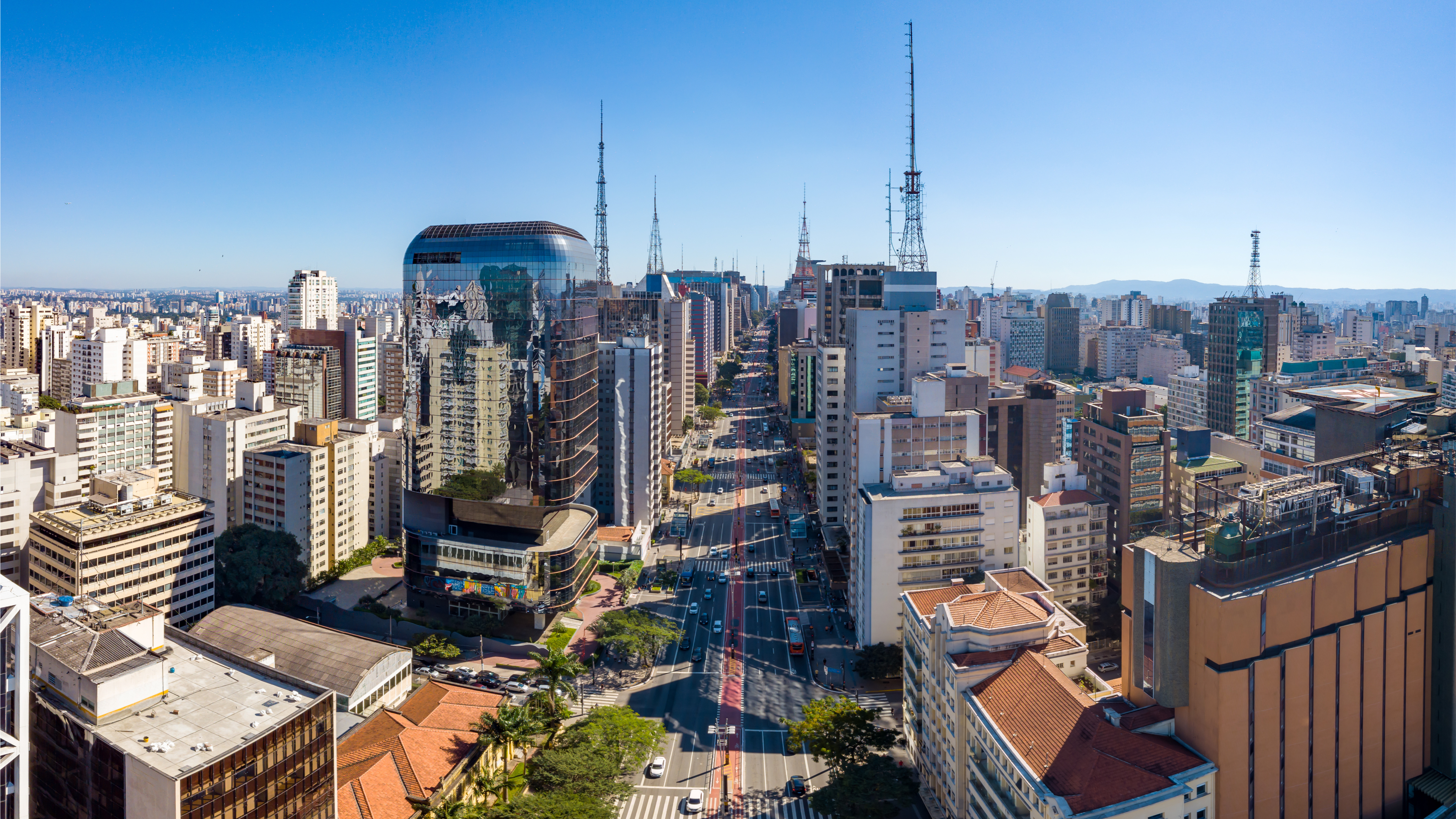
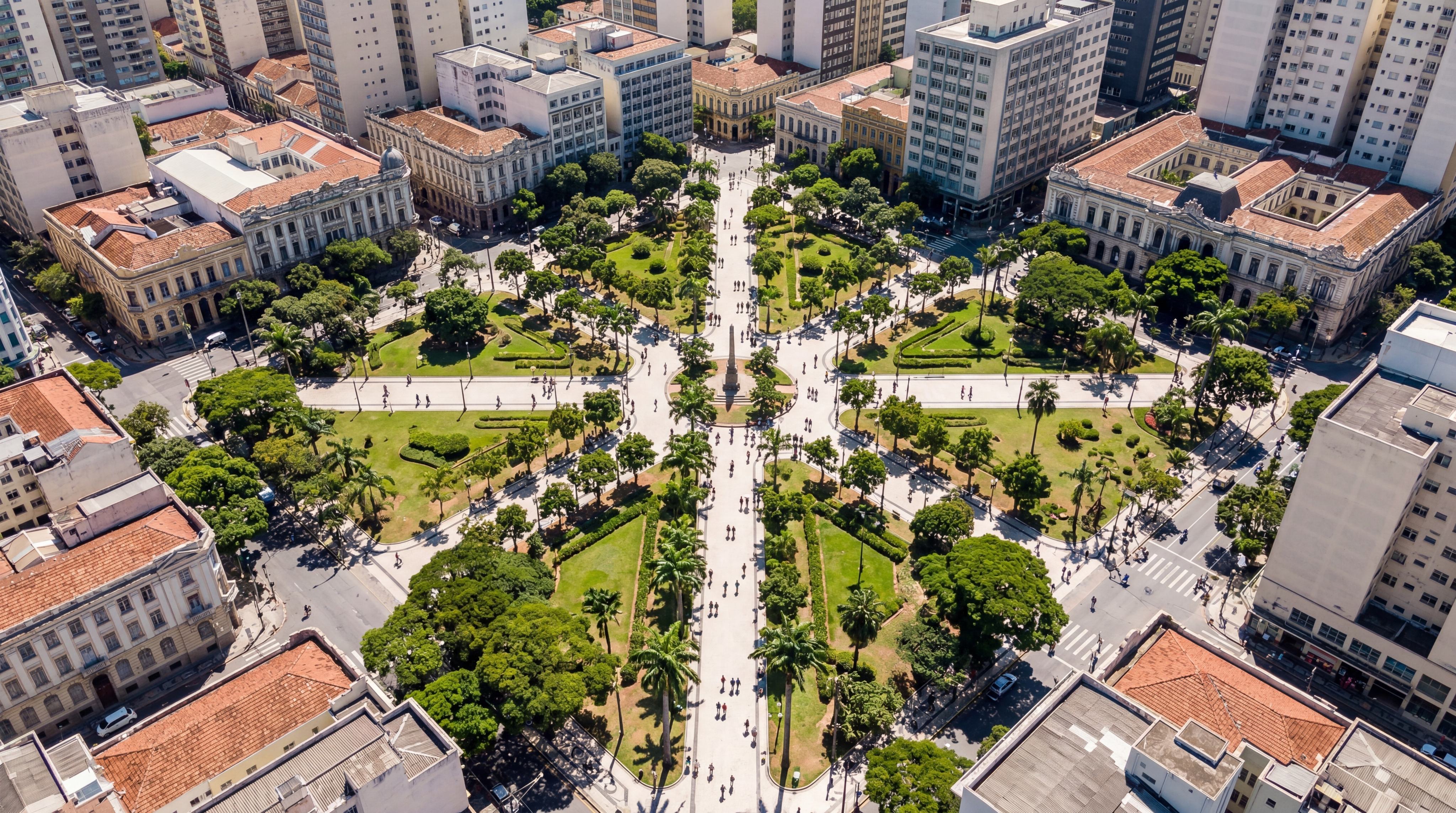
Spend the day in Centro Histórico, where São Paulo’s older architecture, landmarks, and transit connections are concentrated. Begin with breakfast at the Mercado Municipal; expect to spend R$20–R$50 ($4–$10) on food, depending on what you order. Then continue to the historic core for grand buildings, theaters, and square-to-square walking. If you like architecture, include the Copan surroundings for exterior views.
Dedicate this day to Parque Ibirapuera and the surrounding museum zone. The park is free to enter and is a good choice for 2 to 4 hours of walking, cycling, or simply relaxing by the lakes. Combine it with one or more nearby museum visits, then finish with dinner in Jardins or Pinheiros for an easy evening. If you prefer a quieter green option, Parque da Água Branca is a calmer alternative, but Ibirapuera is the city’s most iconic outdoor anchor and the best single focus for a full day.
Keep the last day flexible for shopping, coffee, or one final neighborhood walk in Jardins, Pinheiros, or Bela Vista. If your flight is later, use the morning for a relaxed brunch and a short taxi or ride-app transfer back to the airport. Leave extra time for traffic, especially on weekdays.
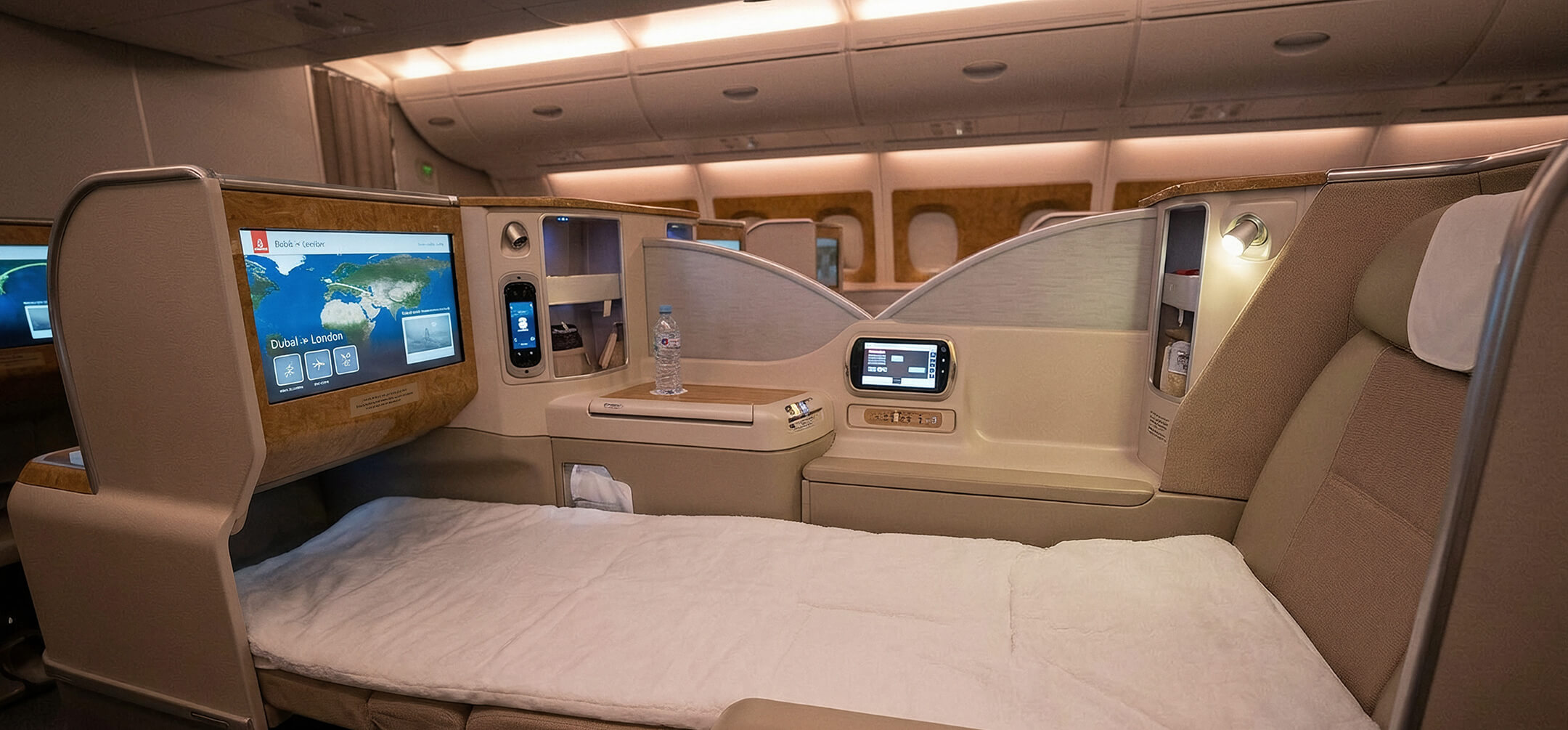
Business-class flights from the US to São Paulo
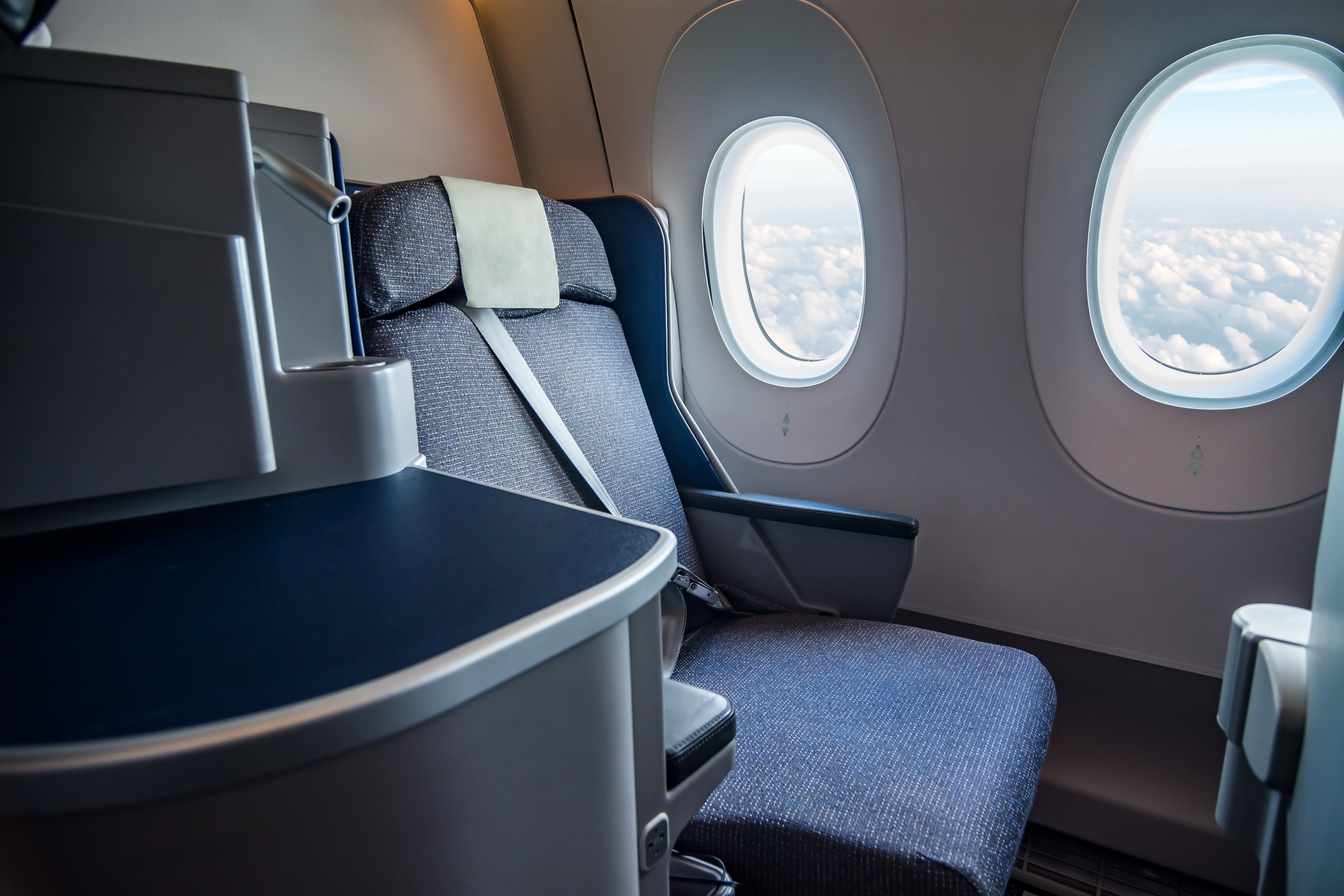
You can find flights to São Paulo from major US hubs, with nonstop options available from both the East and West Coasts.
New York (JFK) to São Paulo (GRU)
American Airlines, Delta Air Lines, and LATAM operate nonstop business-class flights on this route, with a typical duration of 9.5 to 10 hours. For a one-stop option, Avianca operates flights via Bogotá, with round-trip business-class prices typically ranging from $2,000 to $3,600.
Los Angeles (LAX) to São Paulo (GRU)
LATAM is the primary airline operating nonstop flights on this route, with a duration of approximately 11 hours and 40 minutes. For a one-stop option, Copa Airlines operates flights via Panama City (PTY). Round-trip business-class prices typically range from $3,700 to $5,200.
São Paulo at an easy pace
A well-structured plan in São Paulo is less about adding more stops and more about reducing the time lost between neighborhoods, meals, and transit. When you group sights by area and leave room for the city’s scale, the days feel calmer, and the city’s museums, food scene, and major sights become much easier to enjoy. If you are planning your trip to São Paulo, our AranGrant experts can help you review flight options, book hotels, and shape an itinerary that feels balanced from arrival to departure.