

Chapters:

Need help with your trip?
Our support team is available 24/7. Request a callback or call us directly at (833) 619-0908
Delhi is enormous, ancient, and genuinely varied. Mughal tombs, colonial avenues, medieval ruins, and food markets spread across a city that takes real distances to cross, and the contrasts between neighborhoods are as sharp as anything in Asia.
This guide covers where to stay, what to see, how to get around, and when to visit, so you can make the most of what Delhi has to offer.
Useful things to know

Main language(s): Hindi, English
नमस्ते (nah-muhs-tay) – Hello / good morning
कृपया (krip-ya) – Please
धन्यवाद (dun-ye-vaad) – Thank you
क्या आप अंग्रेज़ी बोलते हैं? (kya aap an-greh-zee bol-te hain) – Do you speak English?
यह कितने का है? (yeh kit-ne ka hai) – How much does it cost?

Currency: Indian rupee (INR, ₹)

Cash and cards: Cards and Google Pay are accepted at hotels, restaurants, and malls. Keep ₹1,500–₹3,000 ($16–$32) in cash for street food, tips, and markets.

Tipping: Round up small bills and leave about 5%–10% in restaurants when service is not already included. Porters, drivers, and hotel staff often receive a small cash tip for extra help.

Traditional food: Butter chicken, chole bhature, ghee-fried paranthe, and slow-cooked mutton nihari are the dishes that define Delhi’s cuisine.

Water and coffee costs: A small bottle of water usually costs about ₹20-₹40 ($0.21-$0.42), and an espresso at a bar or counter café is roughly ₹120-₹250 ($1.27-$2.65).

Taxis and ride apps: Uber and Ola are available across Delhi. Book through the app, confirm the plate number at pickup, and expect higher fares during rush hours and late at night.

Plug and voltage: Type C, D, and M socket, 230V

Dining and shop opening hours: Restaurants serve breakfast between 8:00 am and 10:30 am, lunch between 1:00 pm and 3:00 pm, and dinner between 8:00 pm and 11:00 pm. Street stalls are open late. Small shops may be closed on Mondays.

Emergency number: 1112 is India’s all-in-one emergency number for police, ambulance, and fire.
Where to stay in Delhi
Connaught Place is one of New Delhi’s clearest landmarks: a circular district of white arcades, traffic, shops, offices, restaurants, and metro entrances. It gives visitors a useful first look at the city’s scale, pace, and daily rhythm.
Best for: First-time visits, central transit access, dining, and a wide choice of hotels
What to expect: White colonnades, old cinema fronts, cafés, bars, bookstores, global brands, street vendors, and a busy evening scene
Hotel prices: Usually about $90–$220 (₹8,500–₹20,800) per night for well-rated hotels
Distance to major sights: About 10–15 minutes by taxi or rideshare car to India Gate, about 5–8 minutes by metro to Old Delhi
Quietness: Active through the day and into the evening; some side streets are quieter after office hours.
Main trade-off: Hotel rates are higher than in outer neighborhoods, and the busiest blocks can feel crowded and noisy late into the evening.
Good to know: Choose a room on a side street or upper floor if you want to reduce street noise without giving up the central location.
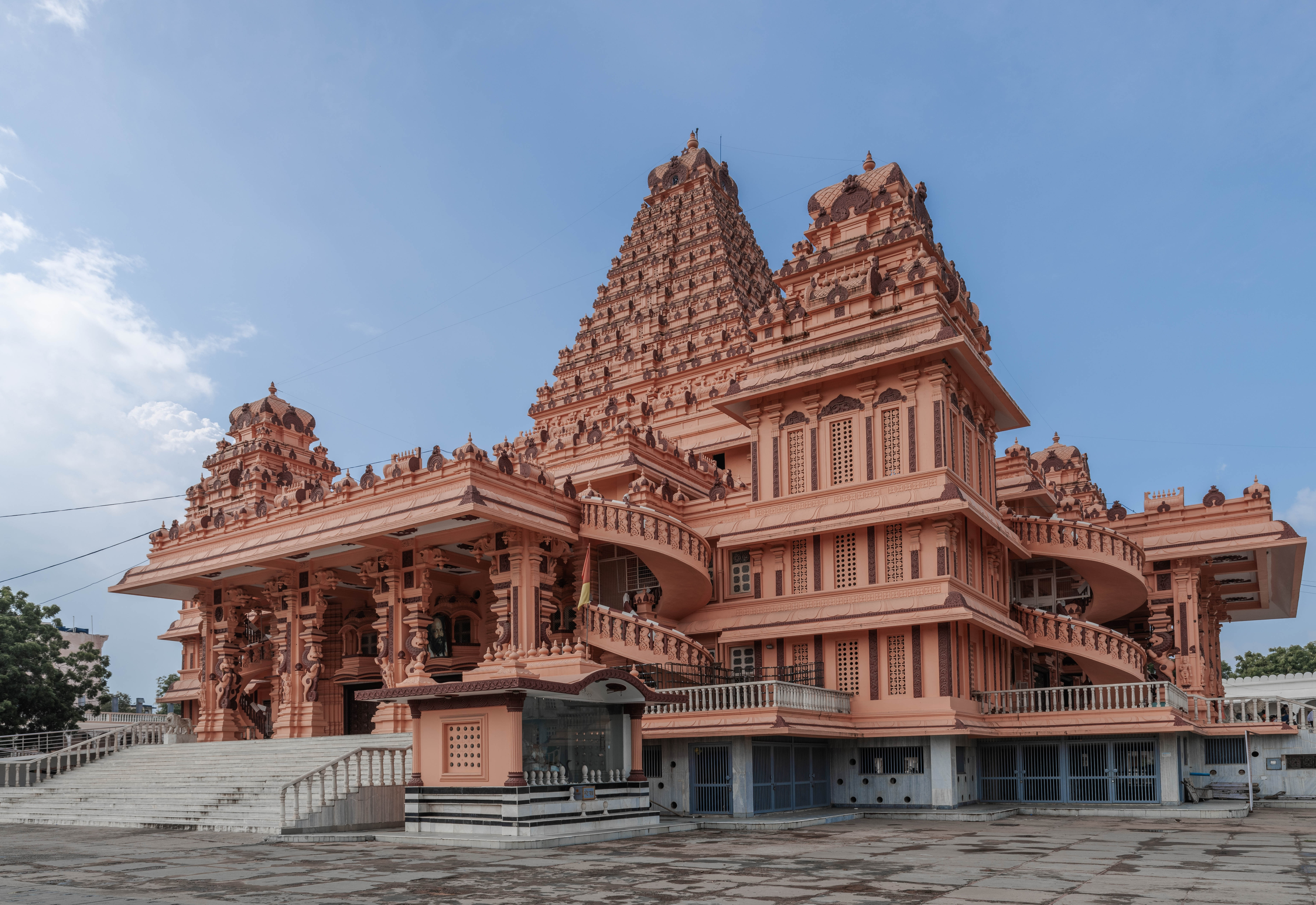
South Delhi is where Delhi feels greener, calmer, and more spread out, with polished markets, cafés, parks, galleries, and residential colonies such as Defence Colony, Greater Kailash, and Green Park. It suits visitors who want space and easy rides across the city.
Best for: Upscale hotels, longer stays, fine dining, boutiques, galleries, and visitors who want a quieter base with good access to central Delhi
What to expect: Tree-lined avenues, neighborhood markets, and steady local traffic, with lively restaurant strips in the evening
Hotel prices: Roughly $70–$180 (₹6,600–₹17,000) per night
Distance to major sights: About 15 to 25 minutes by taxi to India Gate, about 20 to 35 minutes by taxi to Qutub Minar
Quietness: Quieter than the central business districts by day; evenings can get lively near cafe and market streets.
Main trade-off: You give up some walkability to the main monument cluster, so most sightseeing starts with a taxi or metro ride.
Good to know: Pick a hotel close to a metro station if you plan to move between Old Delhi, central Delhi, and the southern monument belt.

Aerocity is Delhi’s airport-side hotel district, built for arrivals, departures, conferences, and short stays. It has polished hotels and restaurants, but its real advantage is the short ride to Indira Gandhi International Airport (DEL).
Best for: Airport stopovers, business trips, and early morning or late-night flights
What to expect: Wide roads, large hotels, restaurant clusters, and a steady stream of airport travelers and corporate guests
Hotel prices: From $80 to $200 (₹7,600 to ₹18,900) per night
Distance to major sights: About 5–10 minutes by taxi to Delhi (DEL), about 25–40 minutes by taxi to India Gate
Quietness: Calm in the daytime for an airport district; evenings become more active around hotel bars and restaurants.
Main trade-off: You stay far from most sightseeing areas, so visits to central Delhi require taxi rides.
Good to know: Do not use it as your main location if you plan to spend most of the day in Old Delhi, since the commute can be long due to traffic.
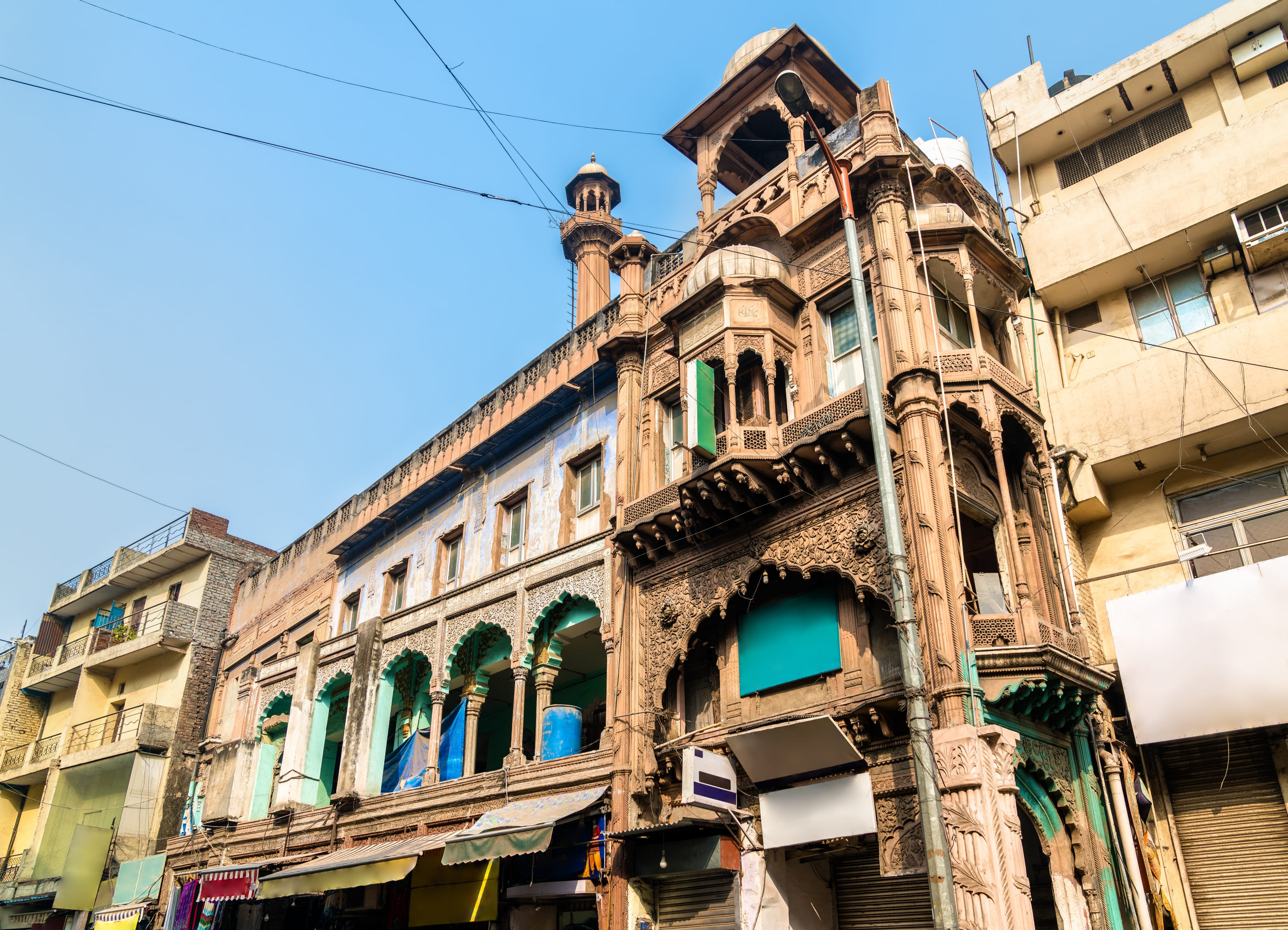
Paharganj is Delhi’s long-running budget-travel district beside New Delhi Railway Station, with guesthouses, cafés, travel desks, and low room rates packed into narrow lanes. It suits travelers who want to stay close to the train stations and keep hotel costs low.
Best for: Low-cost hotels, train travel, short stays
What to expect: Cramped lanes, affordable guesthouses, rooftop cafés, rickshaws, and street food stalls
Hotel prices: Usually about $20–$60 (₹1,900–₹5,700) per night for well-rated stays
Distance to major sights: About 10 minutes on foot to New Delhi station, about 10–15 minutes by taxi to India Gate
Quietness: Noisy and active most of the day; some streets quiet down late at night, but not all.
Main trade-off: The streets are crowded, and the area feels rougher than Delhi’s main hotel districts.
Good to know: Check recent reviews for room cleanliness and lane access, since hotel quality varies block by block.
Avoid Jahangirpuri, Burari, Narela, Bawana, and Alipur for short Delhi stays. These areas put you far from the main sights, limit hotel and dining choices, and often add long rides back from central Delhi or South Delhi.
Hotel deals
Getting around Delhi
Getting around Delhi takes planning: the city is large, traffic is heavy, and travel times can change sharply between neighborhoods and times of day.

Metro
for longer distances
The Delhi Metro connects the airport with New Delhi station, Connaught Place, Old Delhi, and many South Delhi areas. The Airport Express takes about 15 minutes from Indira Gandhi International Airport (DEL), while general metro fares range from ₹11 to ₹75 ($0.12 to $0.80).

Bus and tram
for convenience
DTC and cluster buses cover most of Delhi, but the airport area has limited direct links, so most visitors use buses for shorter hops to nearby neighborhoods. Fares are usually about ₹5–₹25 ($0.05–$0.26) and are paid on board, with day-to-day frequency varying by route, traffic, and time of day.

Taxi
for convenience or late hours
Uber, Ola, and licensed taxis are useful for door-to-door trips across Delhi, especially at night or between areas the Metro does not link directly. Central rides often cost ₹570 to ₹1,900 ($6 to $20), while longer trips to south or east Delhi can reach ₹950–₹2,400 ($10–$25).
*Prices are based on rates updated as of June 2026 and may change at the time of travel.
Use the metro for central routes, ride apps or licensed taxis for transfers between landmarks, and buses only for short trips.
Iconic places in Delhi
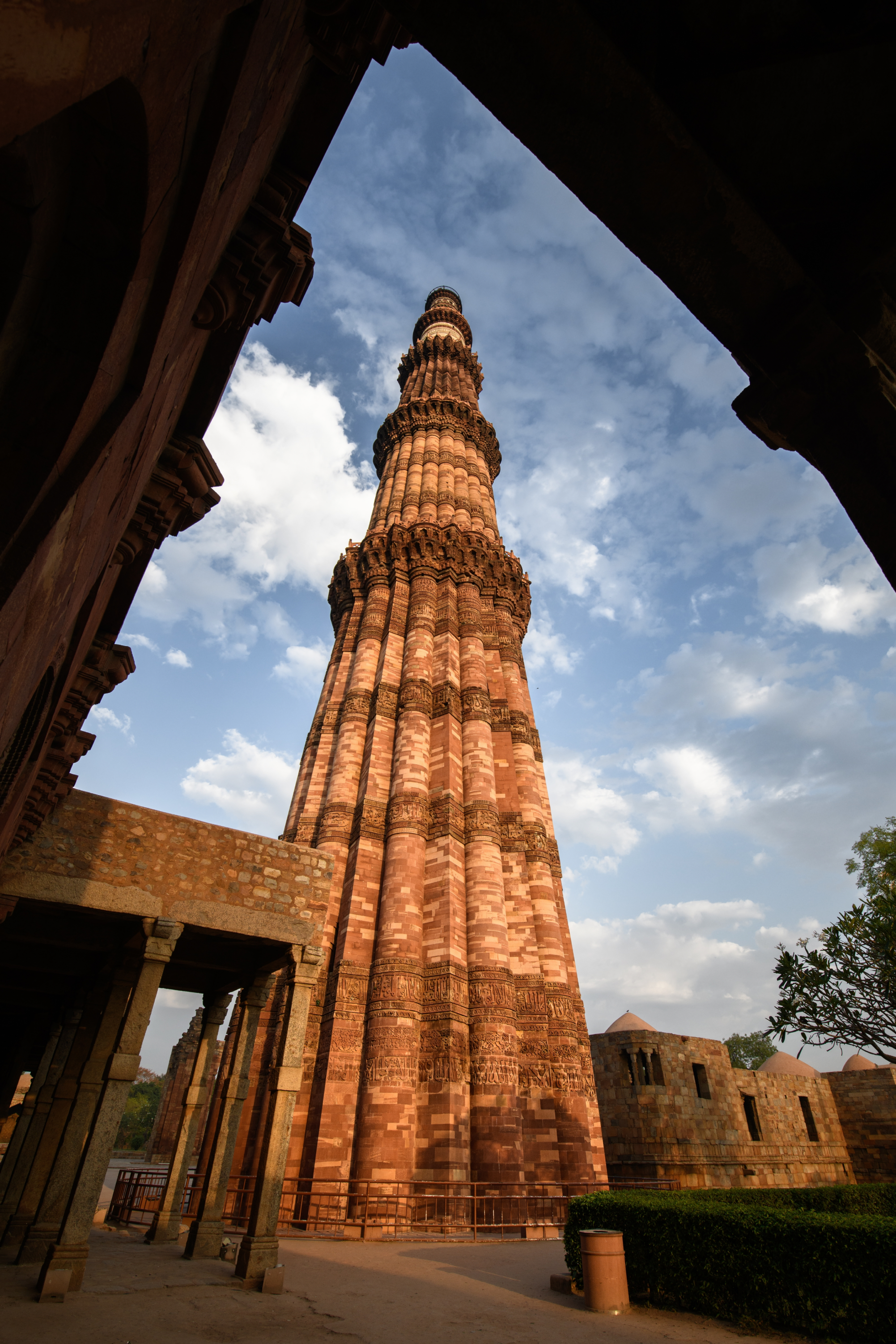
Qutub Minar
This 12th-century minaret rises 73 meters inside a complex of early Indo-Islamic ruins, including the Quwwat-ul-Islam Mosque and the Iron Pillar. The site traces Delhi’s shift from Rajput to Sultanate power.
Time needed: About 1 to 2 hours
Entry: A standard ticket is ₹600 ($6.50) for foreign visitors. Camera fees may apply Visit the official site for details.
Tip: Visit in the morning for cooler weather and cleaner light on the red sandstone.
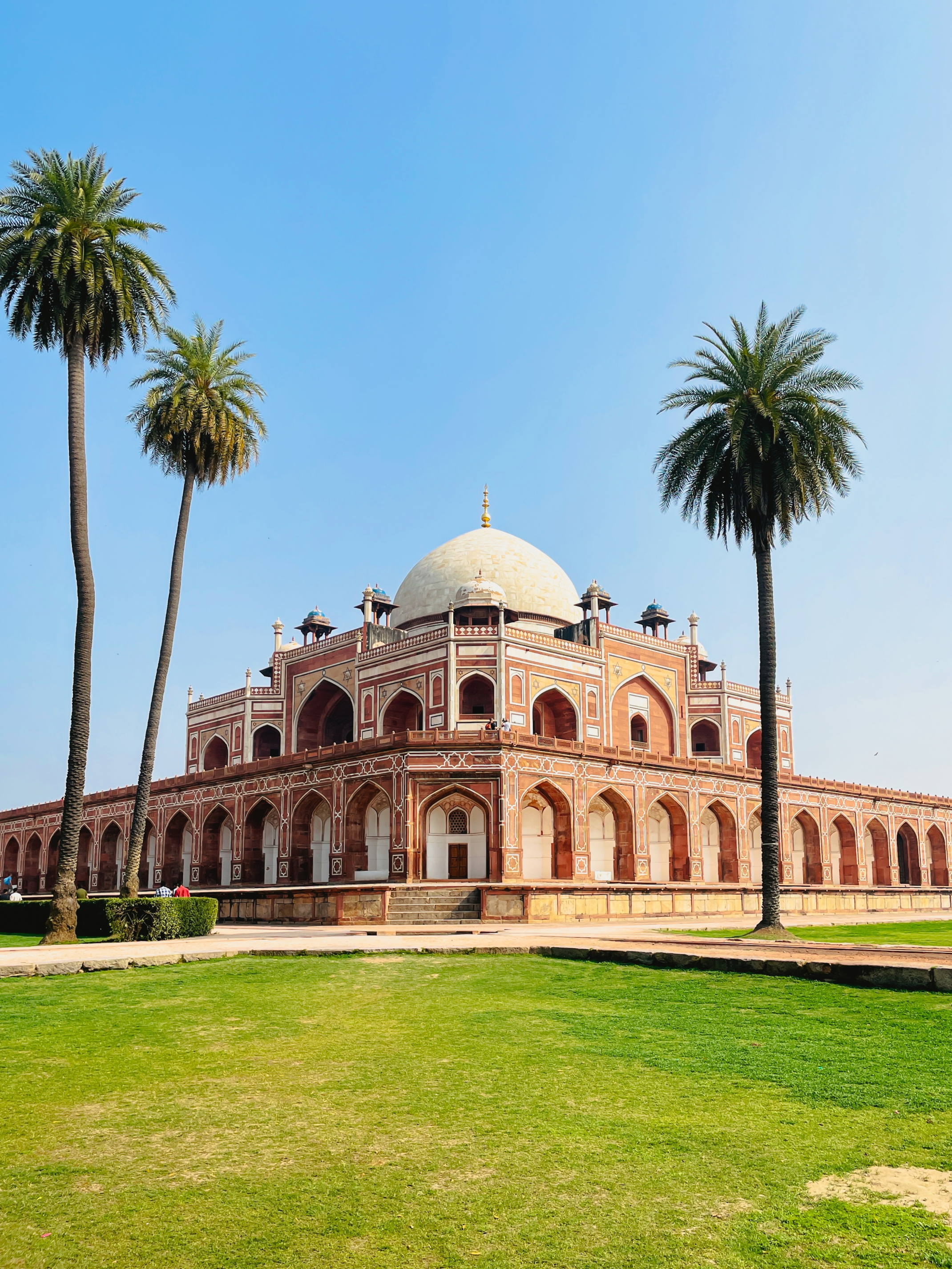
Humayun's Tomb
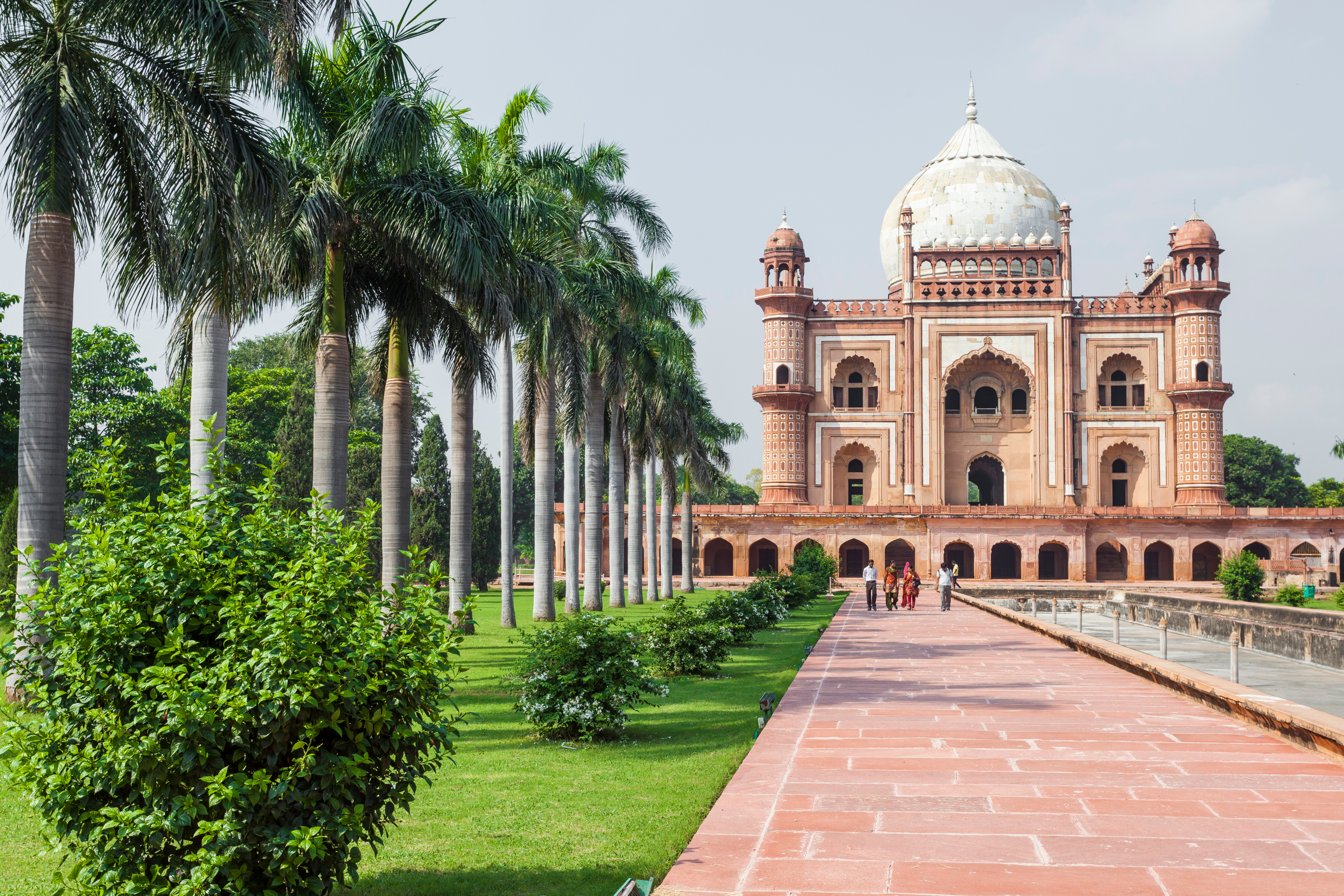
Built in the 16th century, this Mughal tomb set among lush gardens inspired later imperial architecture, including the Taj Mahal. Its red sandstone and white marble details make it one of Delhi’s finest monuments.
Time needed: About 1.5 to 2.5 hours
Entry: Tickets cost ₹600 ($6.50) for foreign visitors. Photography is free, but filming costs ₹25 ($0.30) Visit the official site for details.
Tip: Go early, before the gardens fill and the marble takes on harsh midday glare.
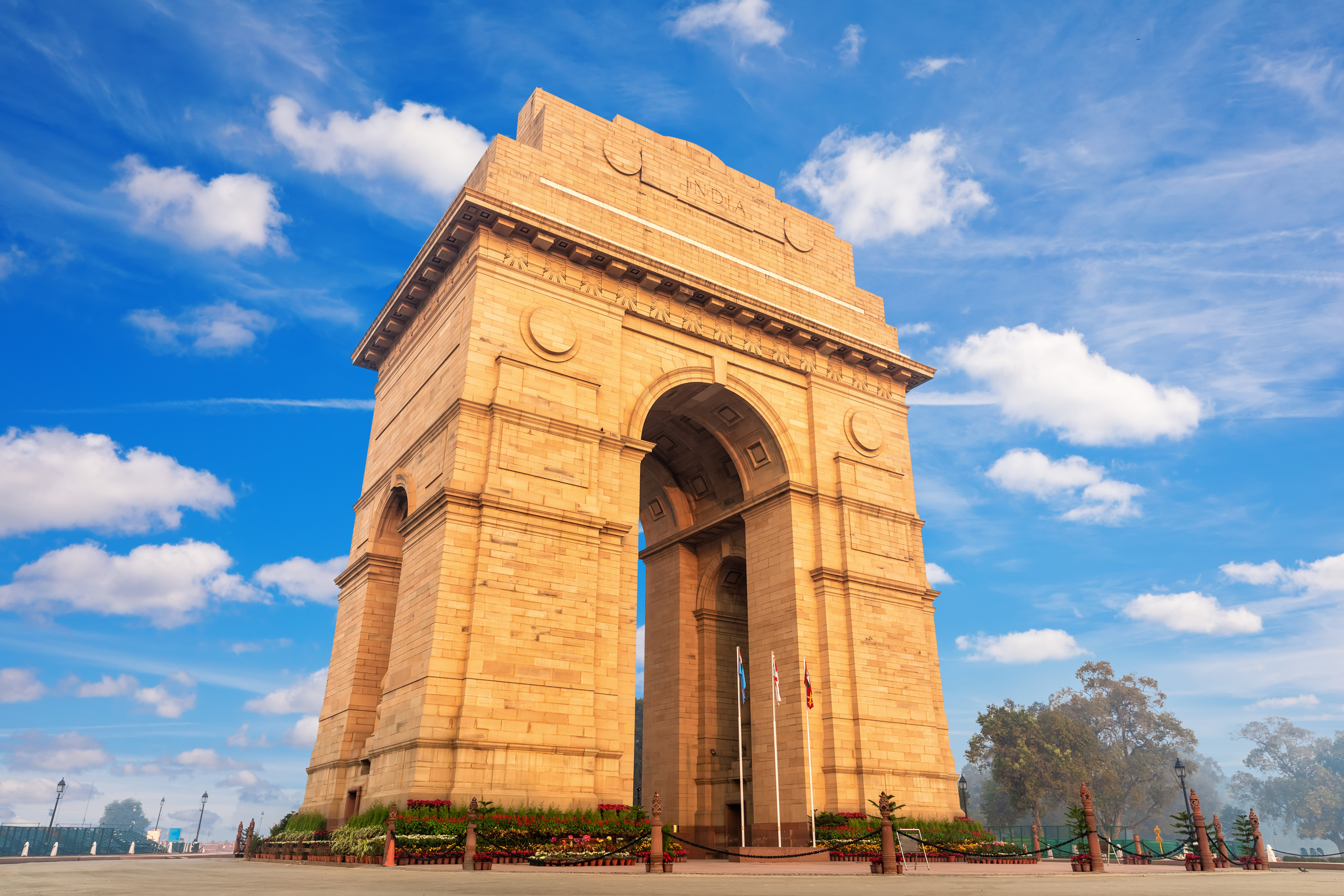
India Gate
This 42-meter war memorial stands on Rajpath, now Kartavya Path, and honors soldiers of the British Indian Army. The broad lawns, evening illumination, and nearby avenues make it one of central Delhi’s most visited landmarks.
Time needed: About 45 minutes to 1 hour
Entry: Free to access; no timed entry is required. Visit the official site for details.
Tip: Arrive early if you want fewer people on the lawns and take photos.
Overlooked places in Delhi
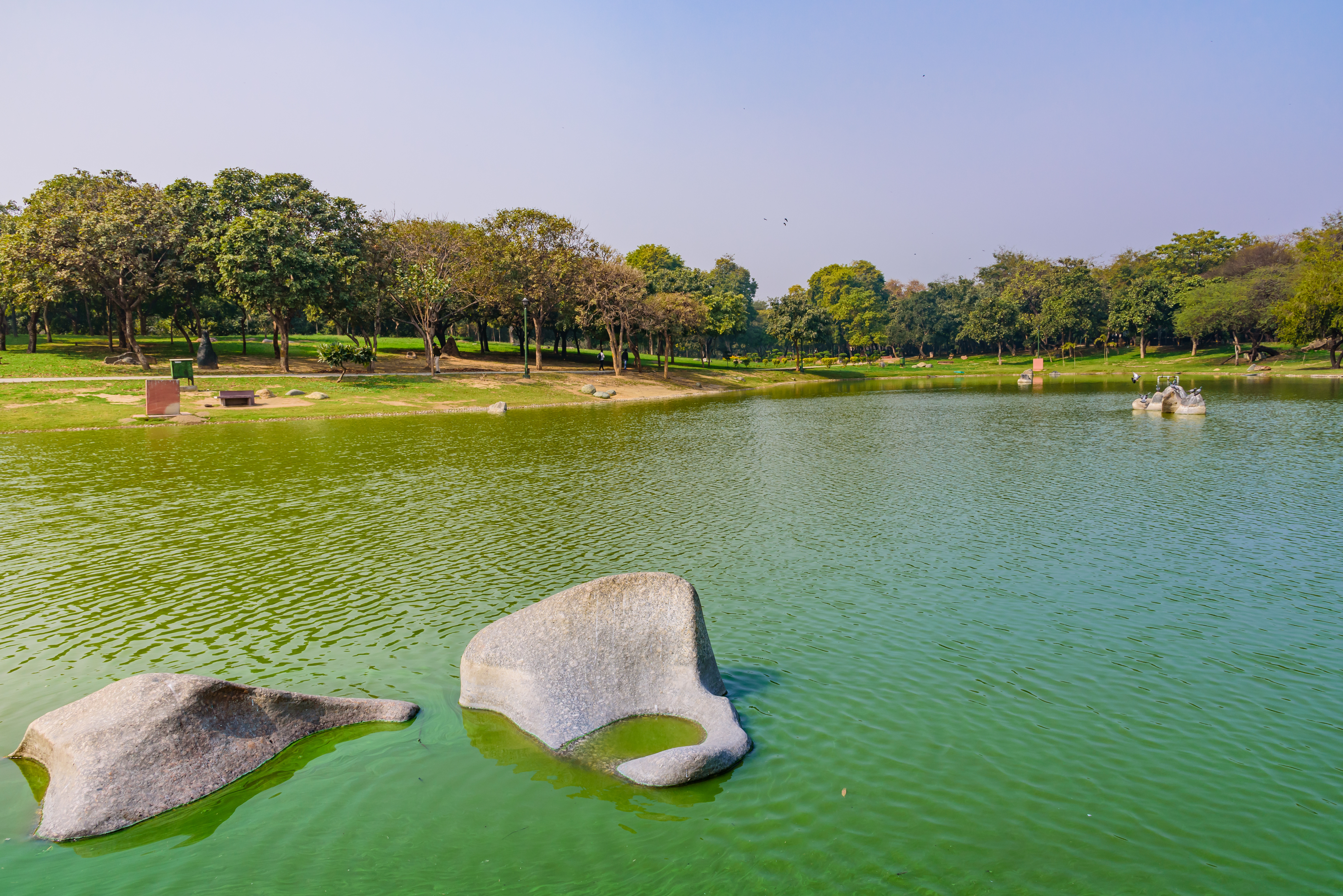
Sanjay Van
This large forest patch on Delhi’s southwest edge has peacocks, birdlife, and quiet trails around the lake and ruins. Early mornings bring the best light.
Time needed: About 1.5 to 2.5 hours
Entry: Entry is via public park gates, and there is no admission fee for walking trails, birdwatching areas, or the lake edge.
Tip: Bring water, since facilities are limited inside the woodland.

Sanskriti Museums
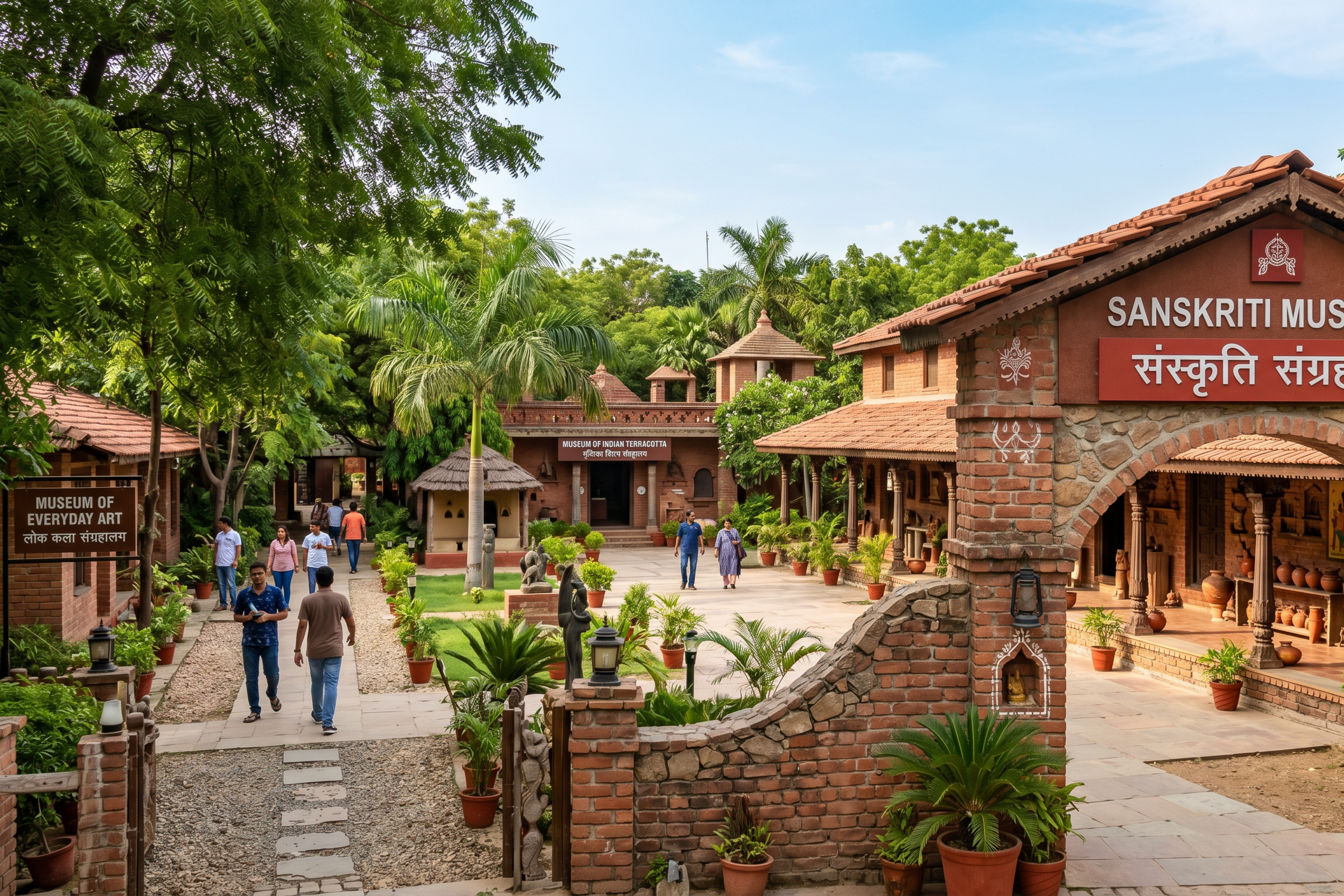
These Museums in Anandagram showcase folk art in a cluster of galleries and courtyards. The collection shows how Indian craft traditions use material, pattern, and regional techniques.
Time needed: About 1 to 2 hours
Entry: Entry is free. Check the museum desk for any temporary exhibit charges or restricted areas.
Tip: Visit on a weekday afternoon for quieter galleries.
What to eat in Delhi

Delhi’s food features North Indian breads, rich gravies, kebabs, lentils, chaat, sweets, and Mughlai cooking, with Old Delhi markets and newer restaurant districts showing different sides of the city.
Butter chicken
Butter chicken combines tandoori chicken with a creamy tomato gravy made with butter, cream, and mild spices. Moti Mahal Delux is a classic Delhi place to try it.
Chole bhature
Spicy chickpeas with puffed fried bread, usually eaten for breakfast or brunch with tangy pickles on the side. Sita Ram Diwan Chand is one of Delhi’s best-known stops for it.
Paranthe
Stuffed flatbreads deep-fried in ghee, filled with potato, paneer, radish, or mixed vegetables, crisp outside and soft inside. Paranthe Wali Gali street in Old Delhi is the canonical place to try them.
Nihari
Nihari is a slow-cooked mutton stew with a thick, spiced gravy and deep richness from the meat and marrow. One of the most famous places to try it is Kallu Nihari in New Delhi.
Best time to visit
Delhi changes noticeably from season to season, so timing can shape how comfortable the city feels and how much time visitors want to spend outdoors.
Best for: Monument visits, long walks, street food stops, and full sightseeing days
What you get: Cooler weather, usually about 46–72°F (8–22°C), which makes outdoor sightseeing more comfortable than in Delhi’s hotter months
Trade-offs: Early mornings can feel cold, and haze can reduce visibility, especially later in winter
Best for: Market walks and visits to open-air monuments in the first half of the season
What you get: About 68–104°F (20–40°C), with March still comfortable and May already hot
Trade-offs: Heat builds quickly, so late-spring sightseeing needs early starts and longer breaks.
Best for: Museums, indoor markets, long meals, and short sightseeing plans
What you get: About 75–95°F (24–35°C), with humid days and rain that can arrive suddenly
Trade-offs: Heavy rain can slow traffic, flood some streets, and interrupt outdoor visits.
Best for: Long walks, open-air monuments, market visits, and evening meals outdoors
What you get: About 60–95°F (16–35°C), with lively crowds as the weather improves and festival travel picks up
Trade-offs: Festival periods can bring heavier crowds, higher hotel rates, and busier roads.
A 5-day plan in Delhi
This five-day itinerary keeps each day focused on one part of Delhi, so the route feels easier to follow. It starts near the airport, moves through South Delhi and central Delhi, and ends the final day in a simple, light way before departure.
Land at Indira Gandhi International Airport (DEL), then take a pre-booked taxi, Uber, or Ola to Aerocity. The ride usually takes 5 to 10 minutes and costs about ₹470–₹1,400 ($5–$15), depending on traffic and vehicle type. Check into a nearby hotel, drink plenty of water, and have dinner somewhere close to the hotel. Aerocity has enough restaurants for an easy first evening without a longer ride into the city.
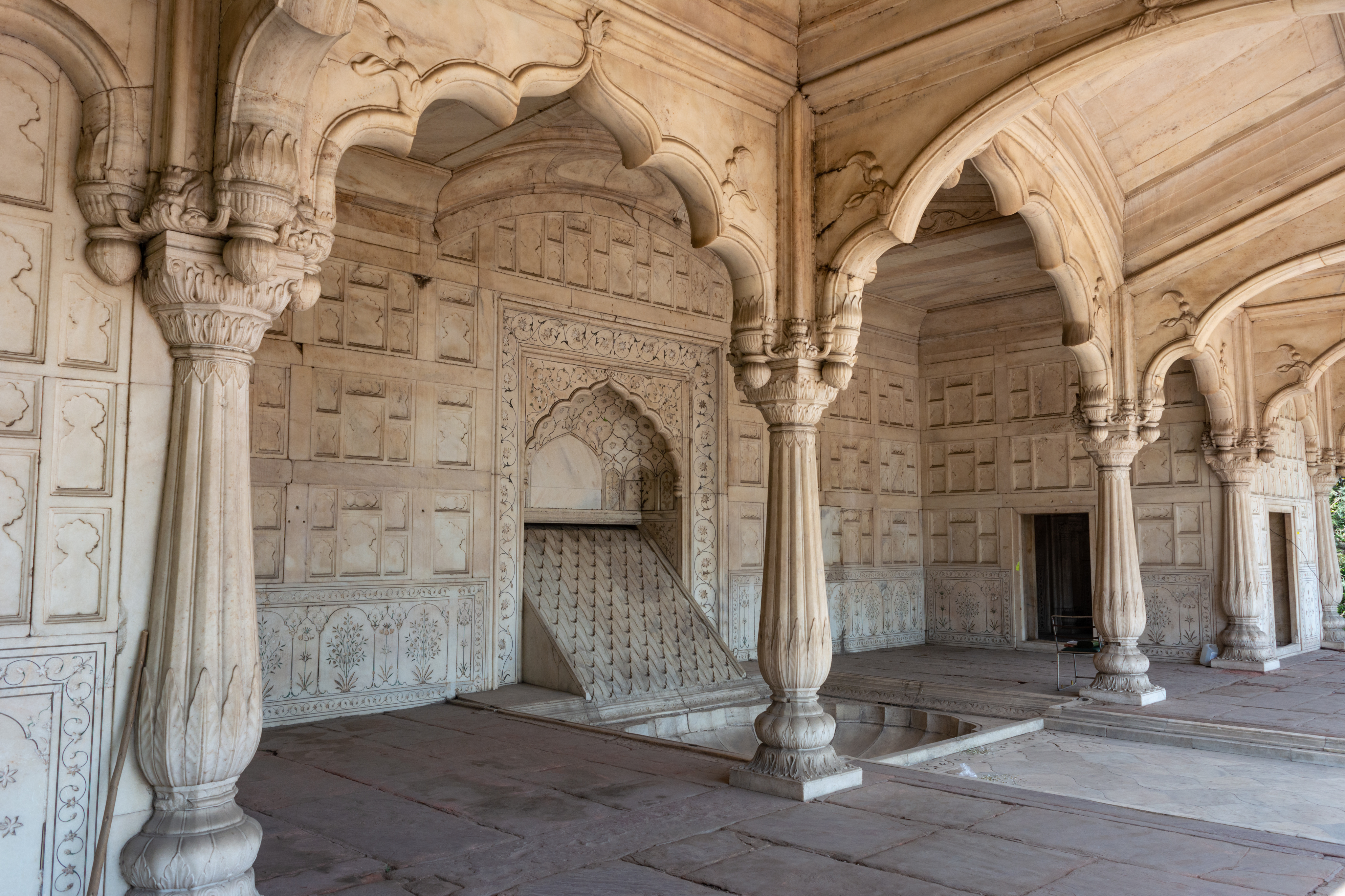
Start the morning at Qutub Minar in South Delhi, before the heat and tour groups arrive. Plan 1 to 2 hours for the complex, then take a taxi to Humayun’s Tomb, usually about 15 to 25 minutes away. Spend the slower part of the afternoon in the gardens and around the tomb’s marble and red sandstone details. Continue to India Gate for the evening, when Kartavya Path feels most active, and the memorial is lit. Finish with dinner in Connaught Place, about 10 minutes away by taxi.
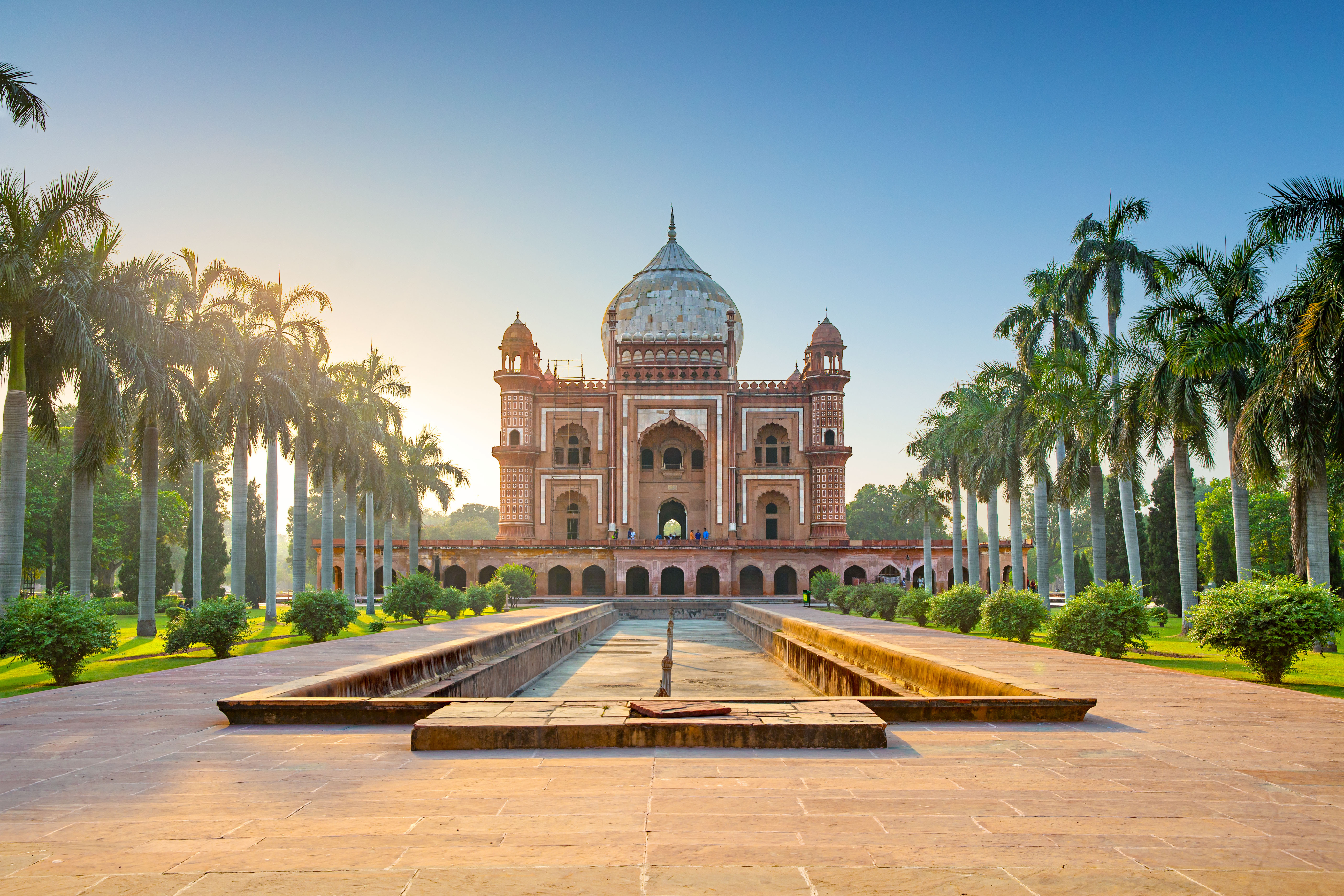
Begin in Old Delhi, where Chandni Chowk, Jama Masjid, and the Red Fort show the city’s street life and Mughal-era landmarks. Go early, before the streets become harder to move through due to crowds. After lunch, continue to Connaught Place for cafés, shops, bookstores, and a slower walk under the white colonnades. Use a taxi between Old Delhi and Connaught Place, then continue on foot once you reach the inner circle.
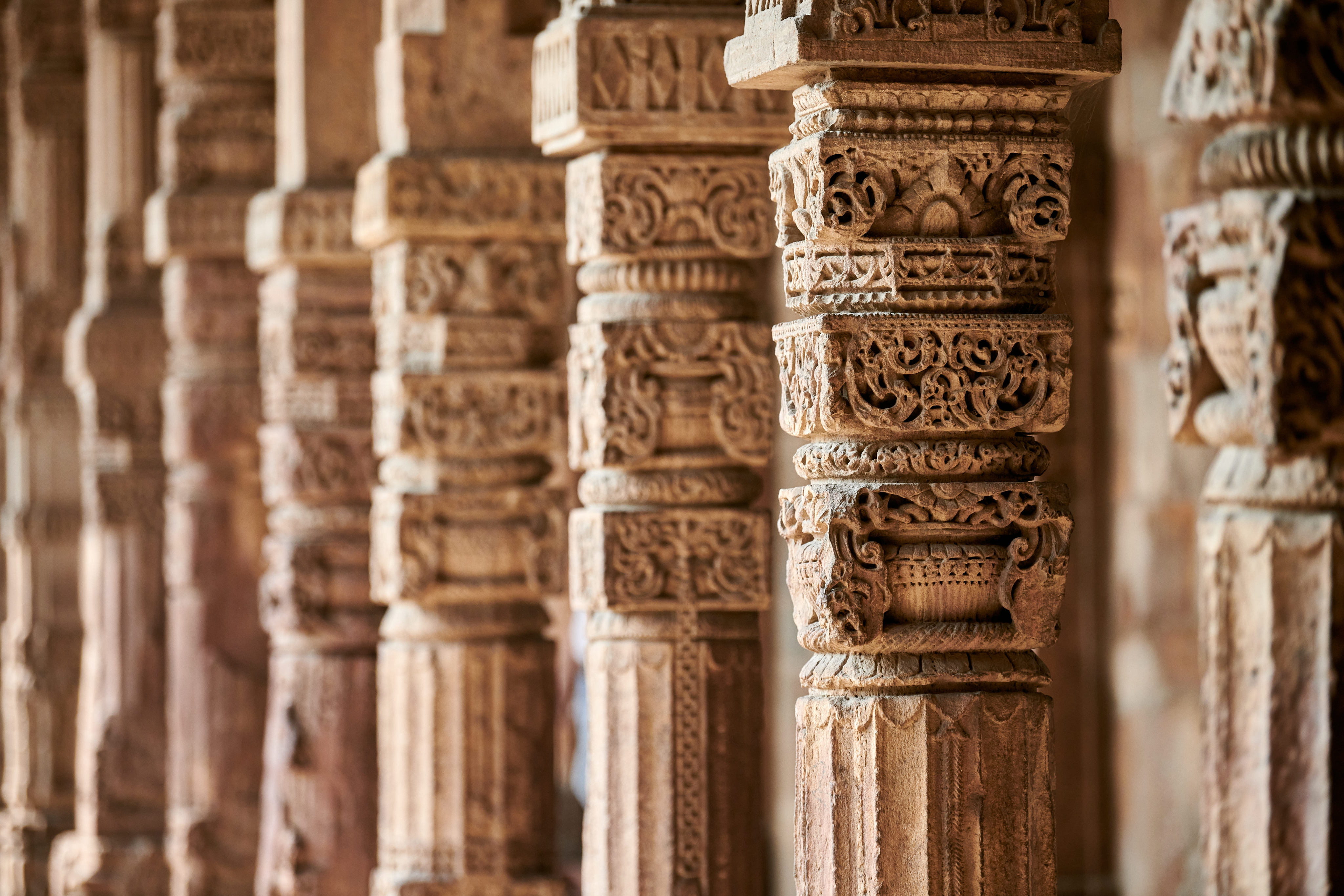
Start at the Sanskriti Museums in Anandagram, where small galleries display folk art, terracotta, and textiles around quiet courtyards. Plan 1 to 1.5 hours there, then continue to South Delhi for the rest of the day. Greater Kailash, Defence Colony, and Green Park have cafés, boutiques, neighborhood markets, and restaurants, so the afternoon feels less rushed after the museum visit. Return to Aerocity after dinner.
Keep the final day light, with no long cross-city route before the flight. Use the morning for a late breakfast, a short café visit, or gift shopping in Aerocity, then have lunch close to the hotel. If departure time allows, add a spa appointment or one final meal in the hotel district. Leave early for Indira Gandhi International Airport (DEL), especially before an evening flight, when traffic around the airport corridor can slow down.
Business-class flights from the US to Delhi

You can find business-class flights to Delhi from major hubs across the US. Below are some route options from the East Coast and West Coast in 2026.
New York (JFK) to Delhi (DEL)
American Airlines operates nonstop business-class flights from New York (JFK) to Delhi (DEL). The trip takes 14 and a half hours. Round-trip business-class fares usually start at $5,500 and can rise to $12,500 for last-minute bookings.
Los Angeles (LAX) to Delhi (DEL)
KLM operates business-class flights from Los Angeles (LAX) to Delhi (DEL) with a layover in Amsterdam (AMS). The trip lasts approximately 21 hours, depending on the layover time. Fares start at roughly $5,200 and can climb to $13,200 when your departure is close.
Planning Delhi by district
Delhi needs a clear route. Major sights are spread across different parts of the city, and traffic can add time to the trip between stops. Choose the hotel area first, then plan each day around nearby monuments, markets, museums, and restaurants. And before your city itinerary takes shape, our travel experts at AranGrant can help you find convenient business-class flights from the US to Delhi, so your trip starts in comfort.