

Chapters:

Need help with your trip?
Our support team is available 24/7. Request a callback or call us directly at (833) 619-0908
Amsterdam is easiest to enjoy when museums, canal walks, and meals follow a logical rhythm. A morning at Museumplein often naturally leads to canal walks and dinner in the Canal Ring or the Jordaan. The easiest mistake is treating the center as a quick checklist, only to lose time to crowded rooms, timed entries, and repeated crossings of the canals.
That approach can work on paper, but Amsterdam rewards a more considered sequence. Distances are short, yet the most visited places fill early, and a poorly planned day can turn a simple walk into a string of waits, detours, and repeated tram rides.
This guide organizes the city into a simple five-day sequence, highlighting neighborhoods, attractions, food stops, seasonal context, and flight notes that cover everything worth knowing before arriving to the city.
Everything you need to know about Amsterdam

Main language(s): Dutch
Hallo (HAH-loh) – Hello
Alstublieft (AHL-stoo-bleeft) – Please
Dank u wel (dahnk oo vel) – Thank you
Spreekt u Engels? (spraykt oo EN-gels) – Do you speak English?
Hoeveel kost het? (hoo-vayl kohst huht) – How much does it cost?

Currency: Euro (EUR, €)

Cash and cards: Cards are accepted almost everywhere in Amsterdam: hotels, museums, restaurants, supermarkets, and most shops. Apple Pay and Google Pay work widely. It is worth keeping €10–€20 in cash for small cafés, market stalls, and the occasional public restroom that does not take cards.

Tipping: Rounding up small bills and taxi fares is common. In restaurants, leave about 5%–10% for good service if a service charge is not already included.

Traditional food: Poffertjes, stroopwafels, haring, and stamppot are among the traditional Dutch dishes most closely associated with Amsterdam.

Water and coffee costs: A small bottle of water usually costs €2–€3 ($2–$3) at a shop or kiosk. Espresso at the bar runs €3–€5 ($3–$5); table service in cafés is typically a euro or two more.

Taxis and ride apps: Uber, Bolt and Free Now operate in Amsterdam. Taxis are easy to find at official ranks, but it is best to use a licensed cab or app-based ride instead of accepting unsolicited offers at the airport.

Plug and voltage: Type C/F socket, 230V, 50Hz

Dining and shop opening hours: Breakfast is typically served between 8:00 am and 10:00 am, lunch from 12:00 pm to 2:00 pm, and dinner starts at 6:00 pm, with kitchens closing at 10:00 pm–11:00 pm. Shops open Monday and Sunday from noon, Tuesday to Saturday from 10:00 am, and are open until 9:00 pm on Thursdays.

Emergency number: Dial 112 for police, fire, and ambulance.
Where to stay in Amsterdam
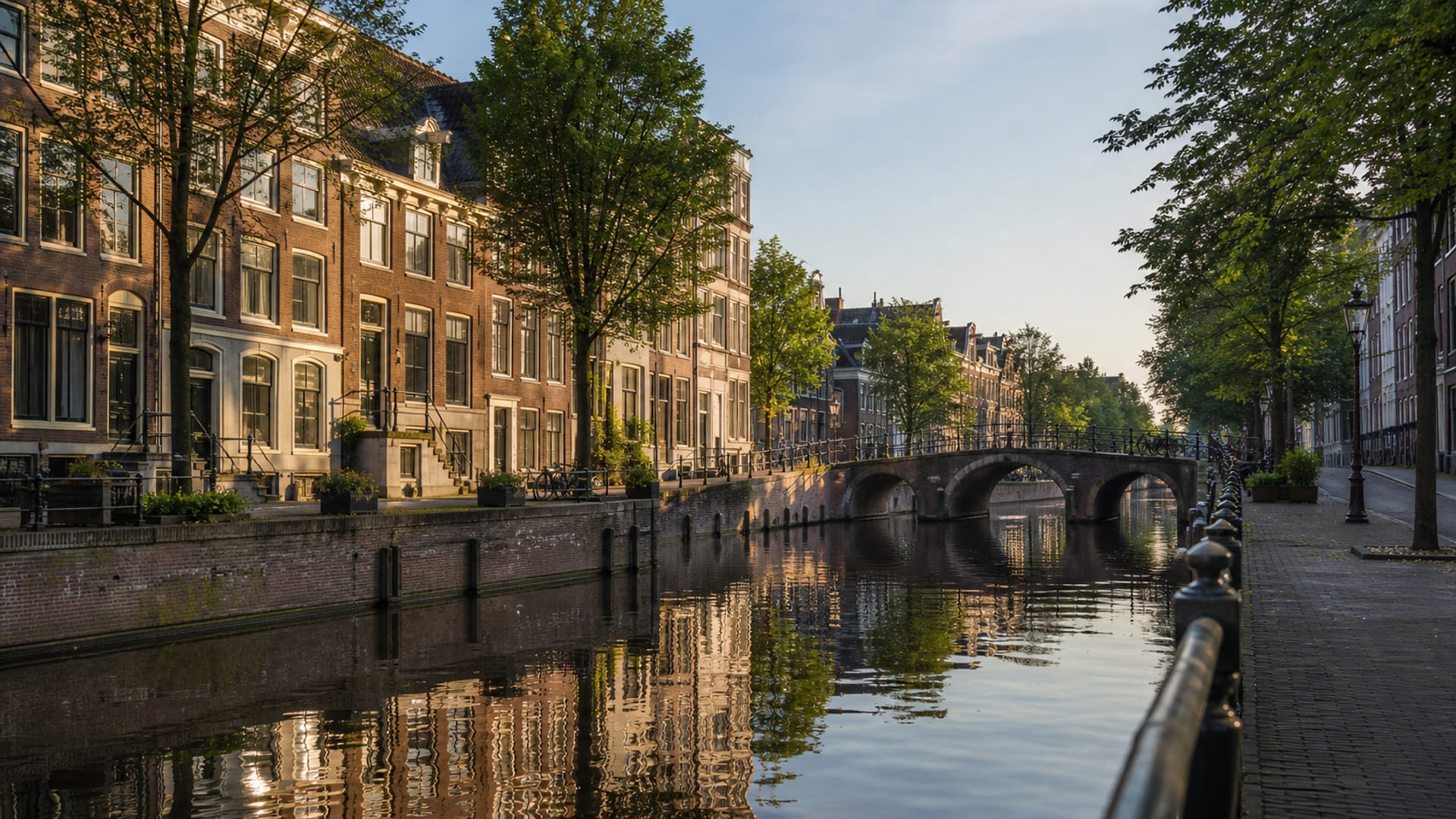
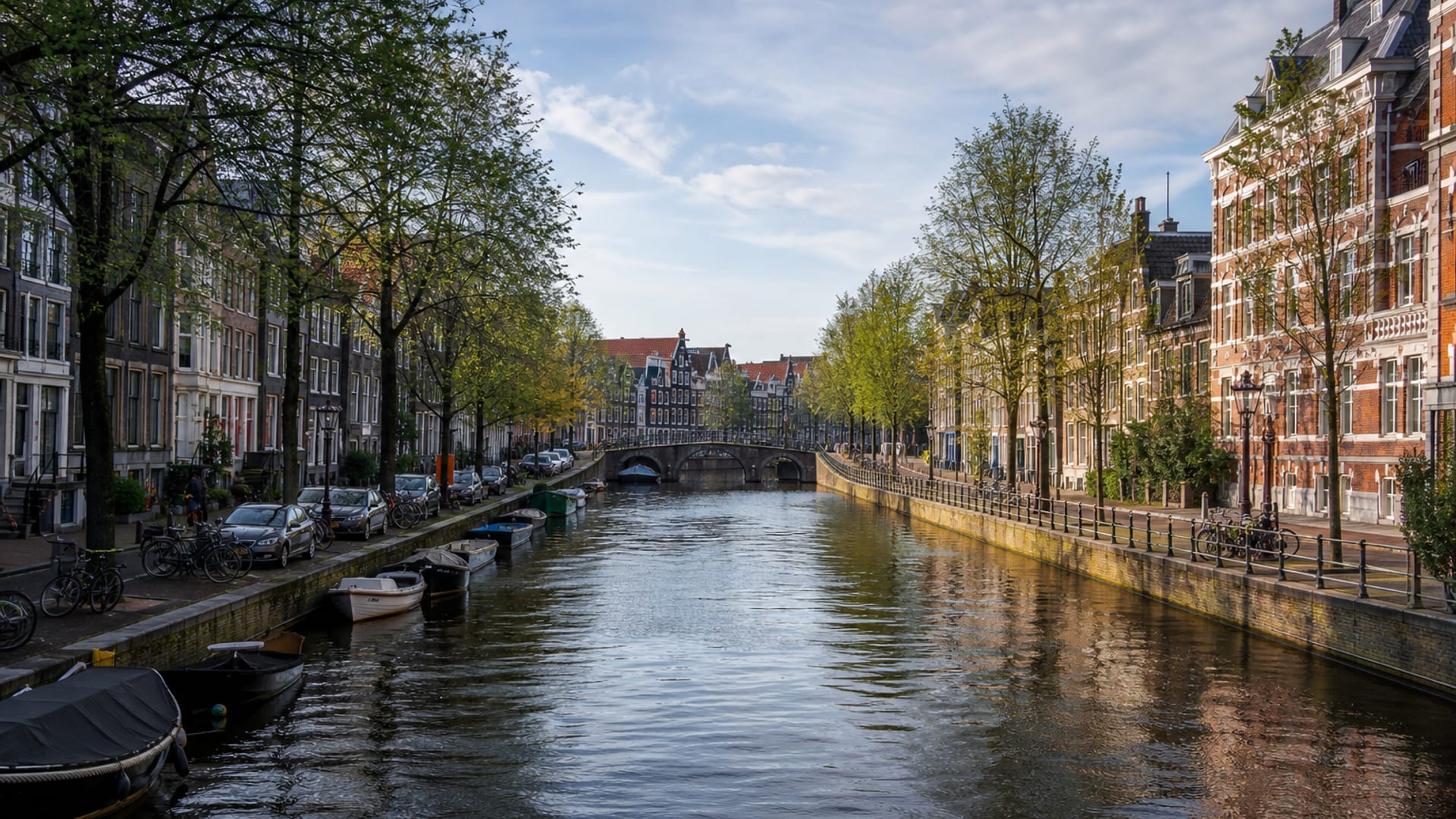
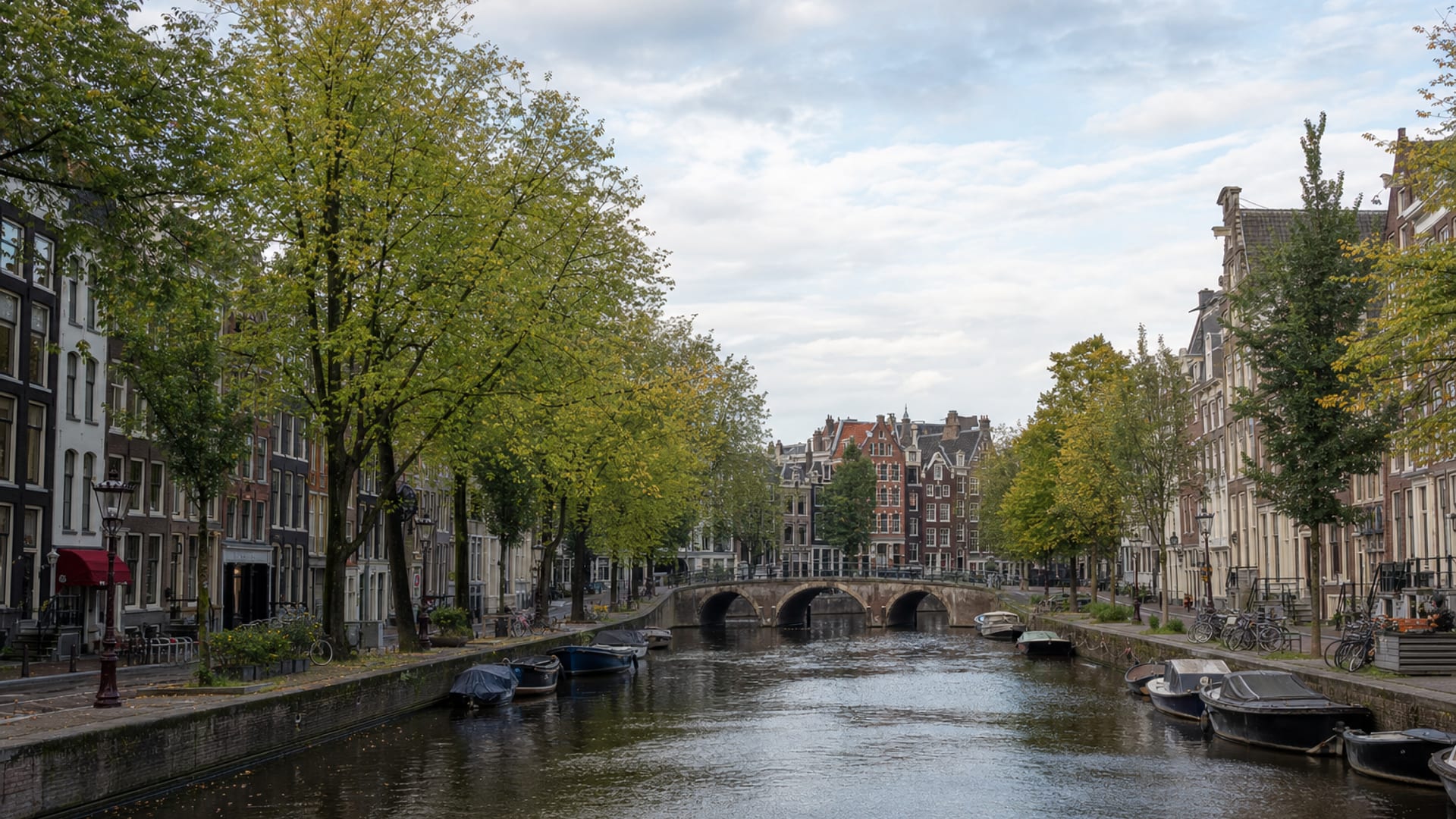
The Canal Ring centers on the 17th-century canals, townhouse blocks, and bridges that define Amsterdam’s historic core. It puts museums, classic architecture, and many of the city’s most walkable streets within easy reach.
Best for: First-time stays, canal-side walks, museums, and classic central access
What to expect: Busy streets, steady foot traffic, and many visitors moving between shops, cafes, and canals
Hotel prices: Usually about 220€ to 450€ ($240 to $490) per night for well-rated stays
Distance to major sights: The Anne Frank House is within the neighborhood; Museumplein is about 10–15 minutes by tram.
Quietness: Quieter late at night than by day, but canal-facing streets and hotel zones still see activity into the evening
Main trade-off: The most central addresses often cost more, and some buildings have steep stairs or smaller rooms.
Good to know: Book early if you want a canal-view room, since the best-positioned places sell out well before peak weekends.
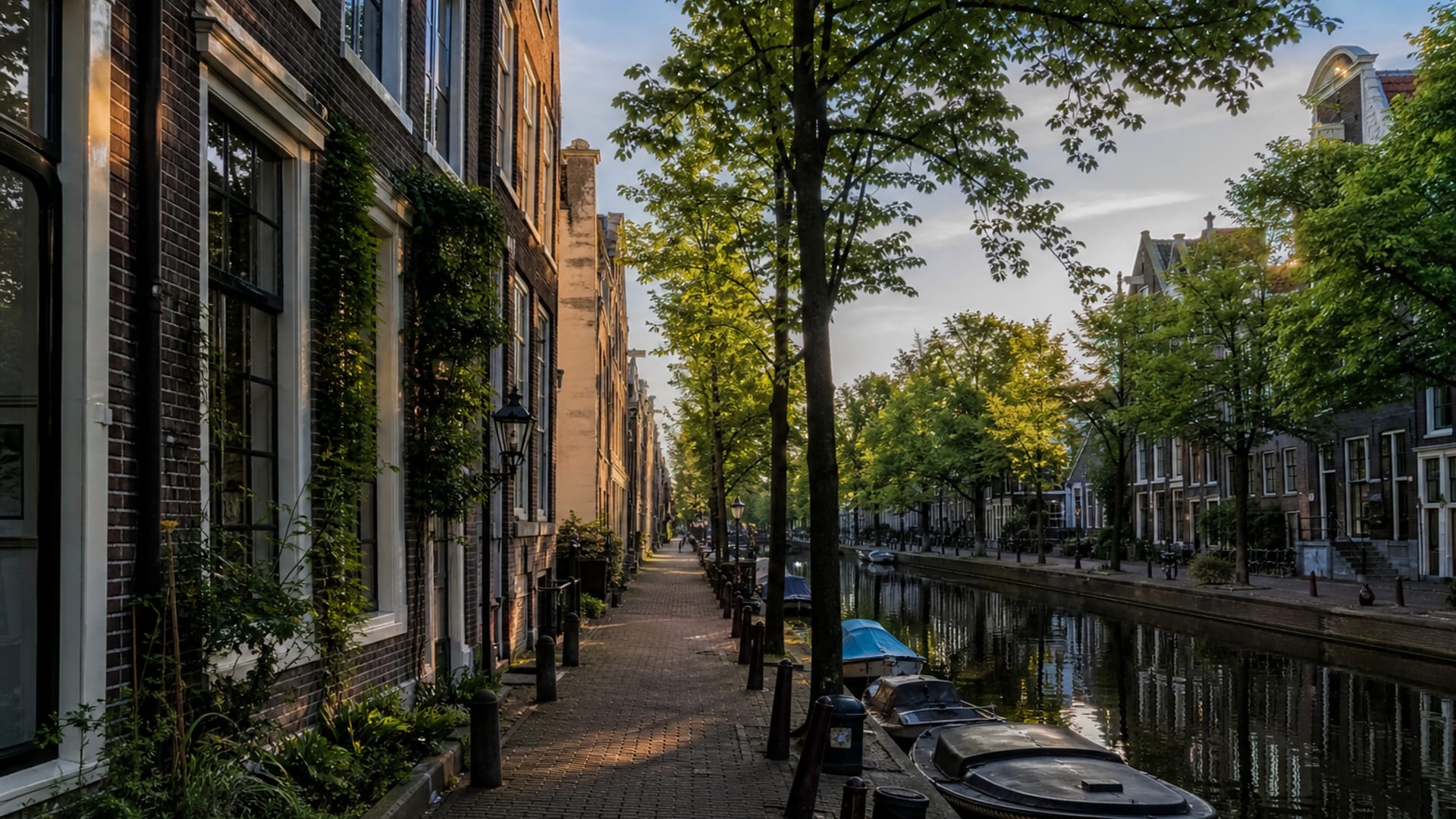
Jordaan is a compact western neighborhood of narrow streets, independent shops, and canal houses just beyond the historic core. It suits travelers who want a local-feeling base with easy walking access to central Amsterdam.
Best for: Couples, slow-paced wandering, cafes, galleries, and a central but residential base
What to expect: Lively daytime streets, neighborhood cafes, and a lighter evening scene than the main canal belt
Hotel prices: Roughly 200€–380€ ($220–$415) per night for well-rated stays
Distance to major sights: The Anne Frank House is right on the neighborhood’s eastern edge; Museumplein is about 10–15 minutes by tram.
Quietness: Calmer in the morning and late evening, with more neighborhood life and pedestrian traffic during the day
Main trade-off: Many streets are narrow, so rooms can be small and the best locations command higher rates.
Good to know: There are fewer large hotels than in other areas, so apartment-style stays and small boutique properties book out fast.
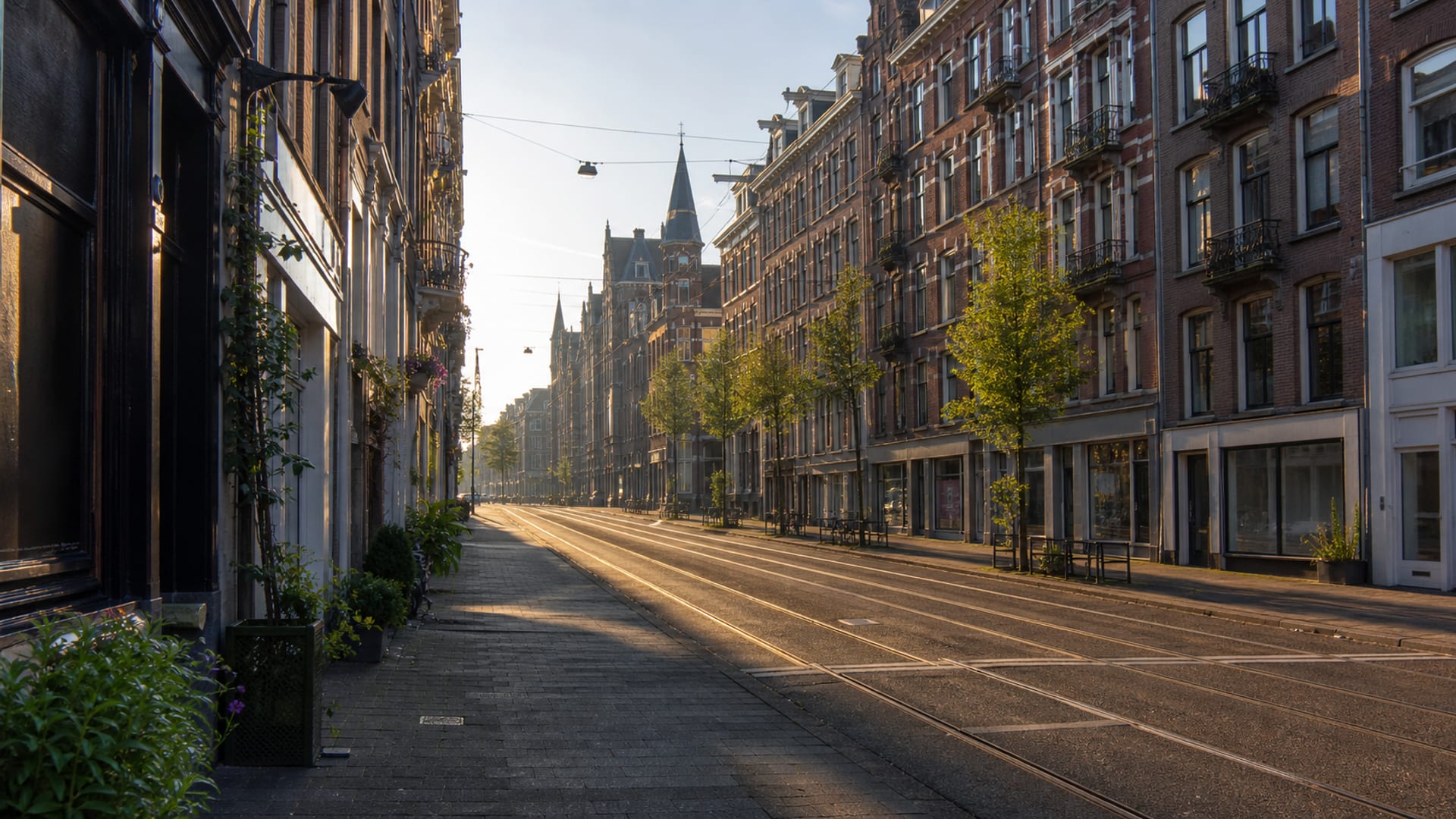
De Pijp sits south of the center and mixes cafe streets, market life, and dense late-afternoon dining. It gives you quick access to Museumplein and a well-used residential grid with more local activity than the canal districts.
Best for: Food-focused trips, younger travelers, Museumplein access, and neighborhood dining
What to expect: Crowded market days, busy terraces, and a strong evening restaurant scene along the main streets
Hotel prices: Usually about 170€–320€ ($185–$350) per night for well-rated stays
Distance to major sights: About 15 minutes on foot to Museumplein; about 20 minutes by transit to the Anne Frank House
Quietness: Noisier by day and evening around main streets, with quieter side streets after dinner.
Main trade-off: You trade direct canal-core proximity for more restaurants and a slightly longer walk to the old center.
Good to know: If you want the quietest room, avoid a stay directly above the busiest café strips or the market streets.
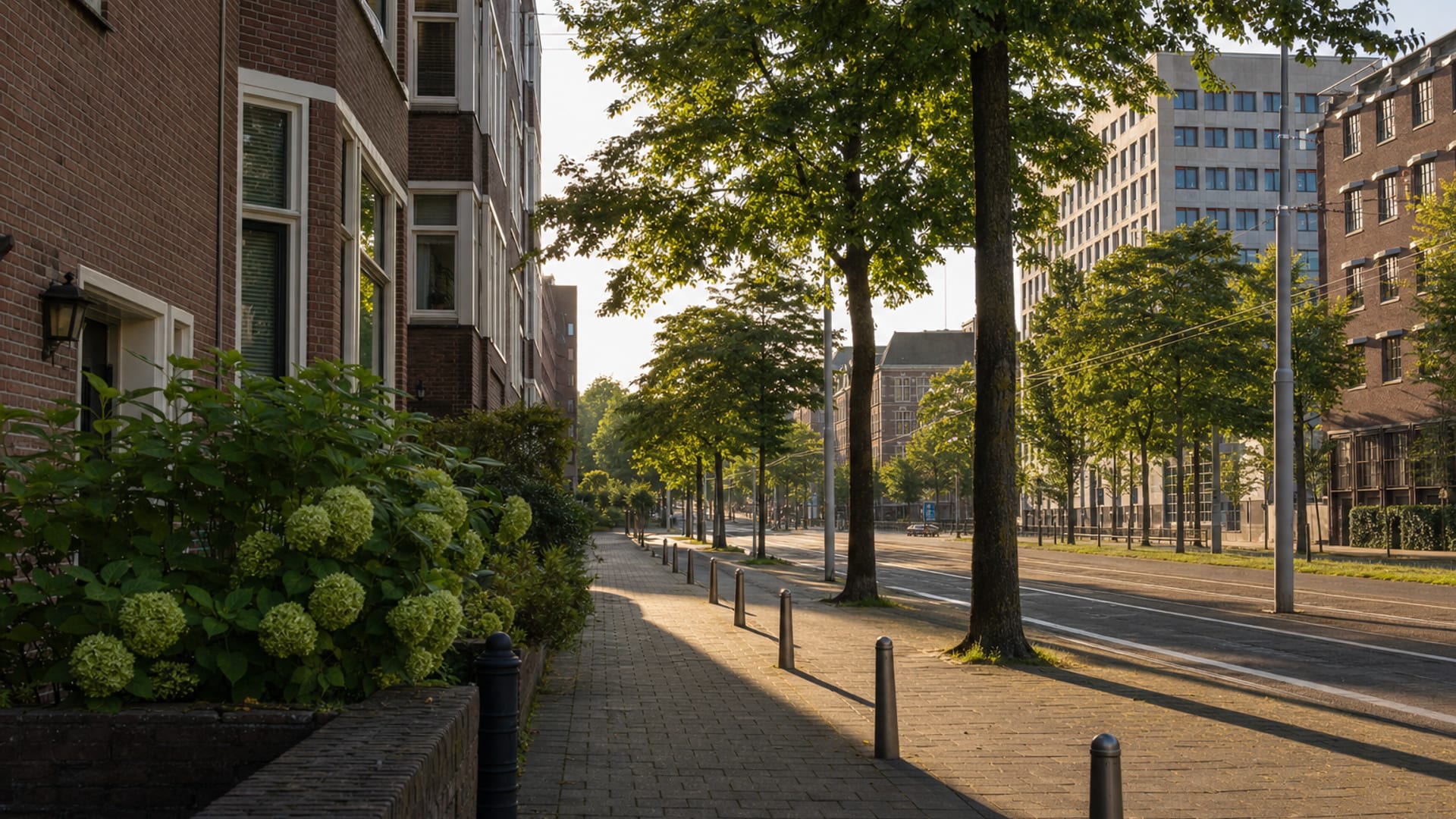
Amsterdam Zuid covers the area south of the center, including modern business streets, high-end shopping, and access to major museums. It suits travelers who want larger hotels and a less crowded setting than the old town.
Best for: Business travel, upscale hotels, transit access, and quieter nights
What to expect: Broader streets, fewer tourists on side streets, and a more residential or office-heavy atmosphere
Hotel prices: From 180€ to 400€ ($195 to $435) per night for well-rated stays
Distance to major sights: About 15 minutes by transit to Museumplein; about 25 minutes by transit to the Anne Frank House
Quietness: Quieter than the center both day and evening, with more activity near shopping streets and stations
Main trade-off: You will spend more time reaching the canal belt and the oldest sights than you would from the historic core.
Good to know: Choose a hotel near a tram or metro stop to reduce travel time across the district.
Most first-time visitors stay near the Canal Ring, Museumplein, or Jordaan. Bijlmermeer, Nieuw-West, and Amsterdam Zuidoost are less convenient, with longer transit times to central sights, museums, and restaurants.
Hotel deals
Getting around Amsterdam
Amsterdam’s GVB trams, metro lines, taxis, and ride apps each serve different kinds of trips, and the best choice changes quickly once you leave the canal belt.

Metro
for longer distances
Amsterdam’s metro has five GVB lines; four connect Centraal Station to the south, east, Bijlmer, and suburbs, while Line 50 bypasses Centraal. A 1-hour ticket costs €3.40 ($3.75) and is valid on the metro, tram, and bus. OV-chipkaart taps work across all modes.

Bus and tram
for convenience
Trams handle most central trips; buses cover Noord, Sloterdijk, and the outer districts. A 1-hour ticket costs €3.40 ($3.75) and a 24-hour pass is €10 ($11). Trams 2, 4, 5, 12, and 13 cover visitor corridors, and night buses run after the trams stop.

Taxi
for convenience or late hours
Licensed taxis use meters; a ride from Schiphol to the center typically costs €40–€75 ($44–$82). Use an official rank or book by app, and look for a blue license plate. Short inner-city trips usually cost €13–€20 ($14–$22).
*Prices are based on rates updated as of June 2026 and may change at the time of travel.
Walk for the central canals, use trams for most neighborhood crossings, take the metro for faster hops to Zuid or Bijlmer, and reserve taxis for late arrivals.
Iconic places in Amsterdam
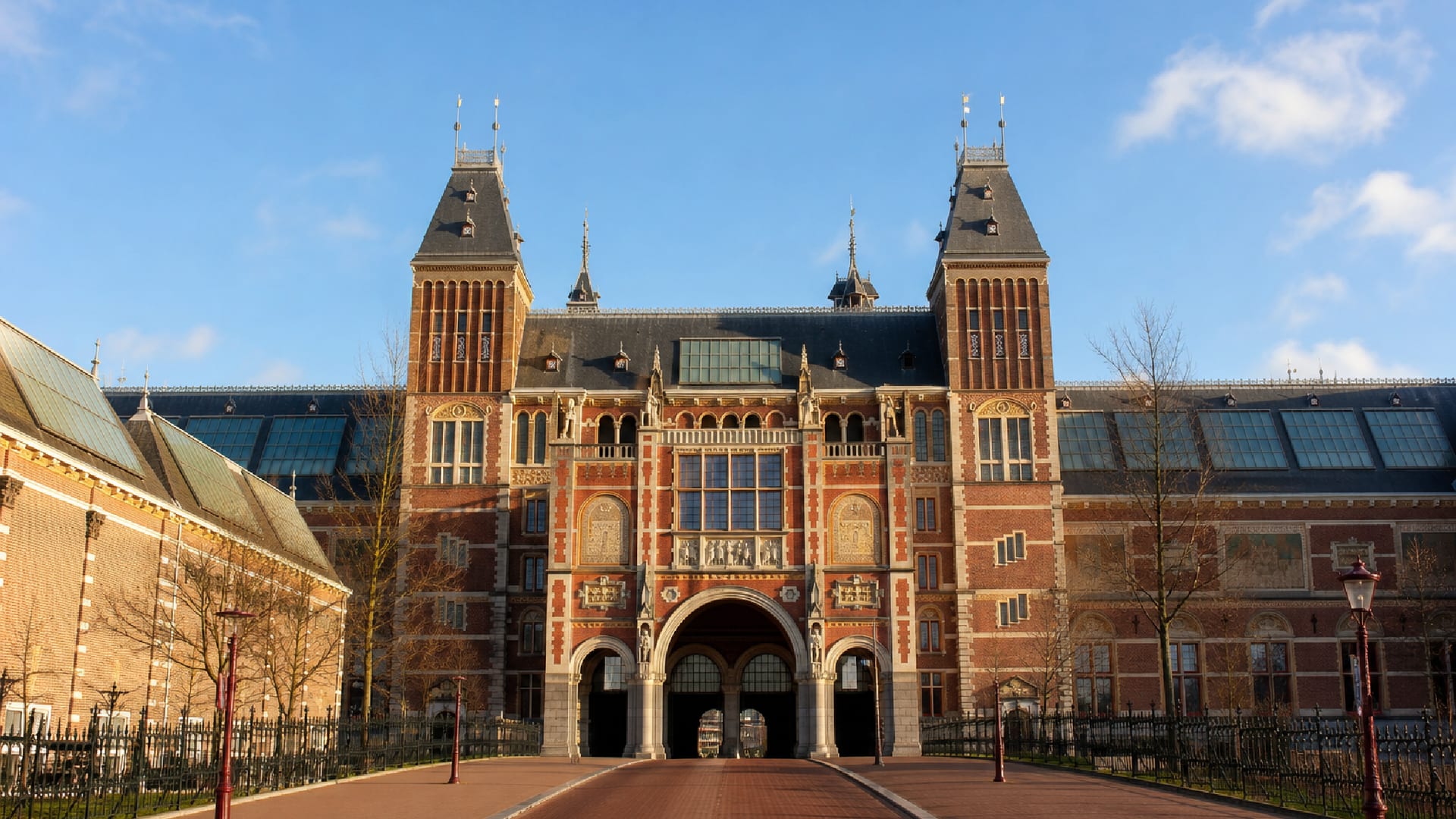
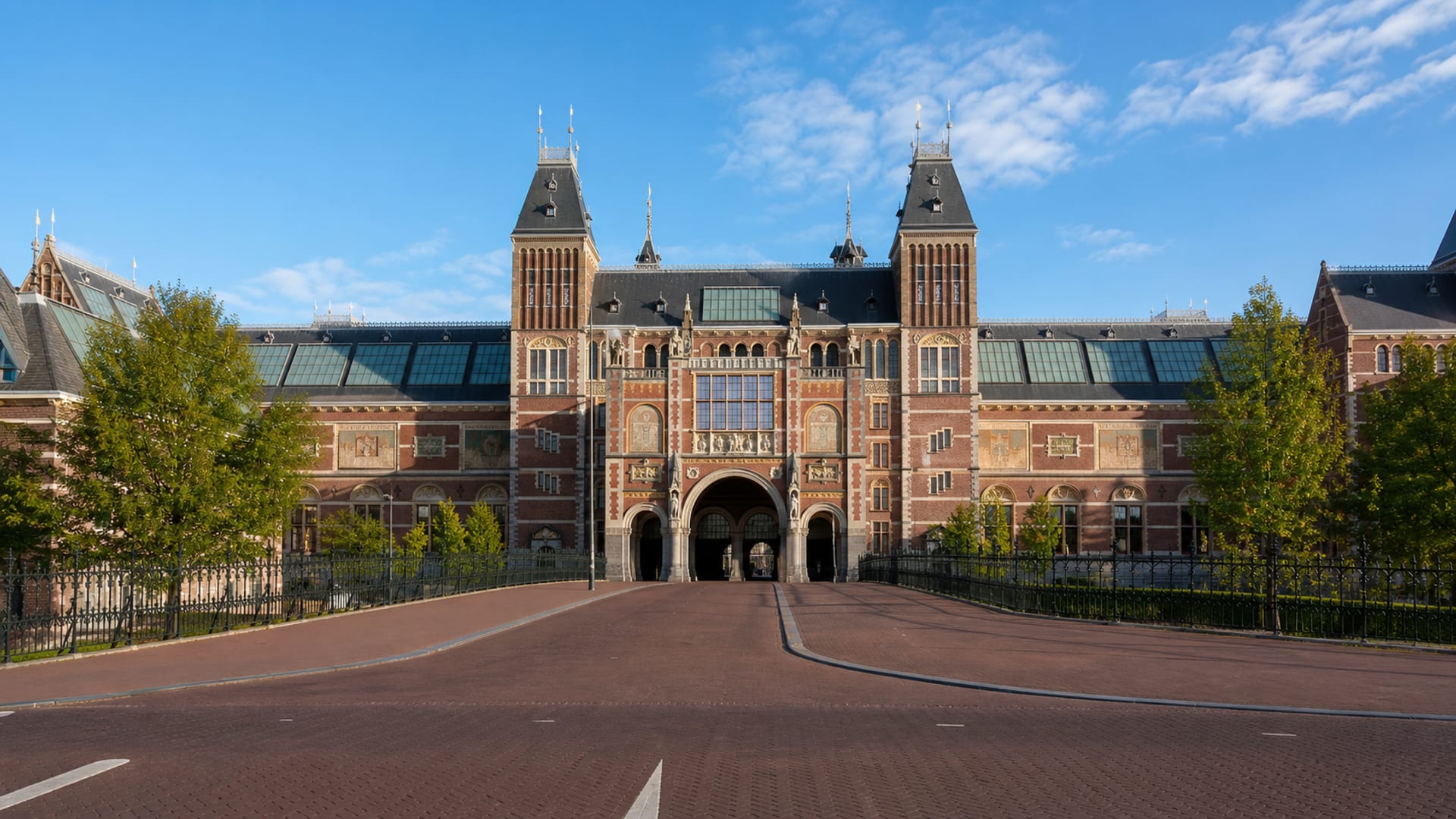
Rijksmuseum
Rijksmuseum Amsterdam’s national museum traces Dutch art and history from the Middle Ages to the present day, with the Night Watch as its anchor. The building itself is worth exploring for its tiled courtyards and grand central hall.
Time needed: About 2 to 3 hours
Entry: Standard tickets cost €22.50 (~$25); entry is free for ages 18 and under. Timed-entry tickets must be booked online in advance. Some special exhibitions require separate tickets; visit the official site for details.
Tip: Arrive near opening to see the main galleries before they fill up.
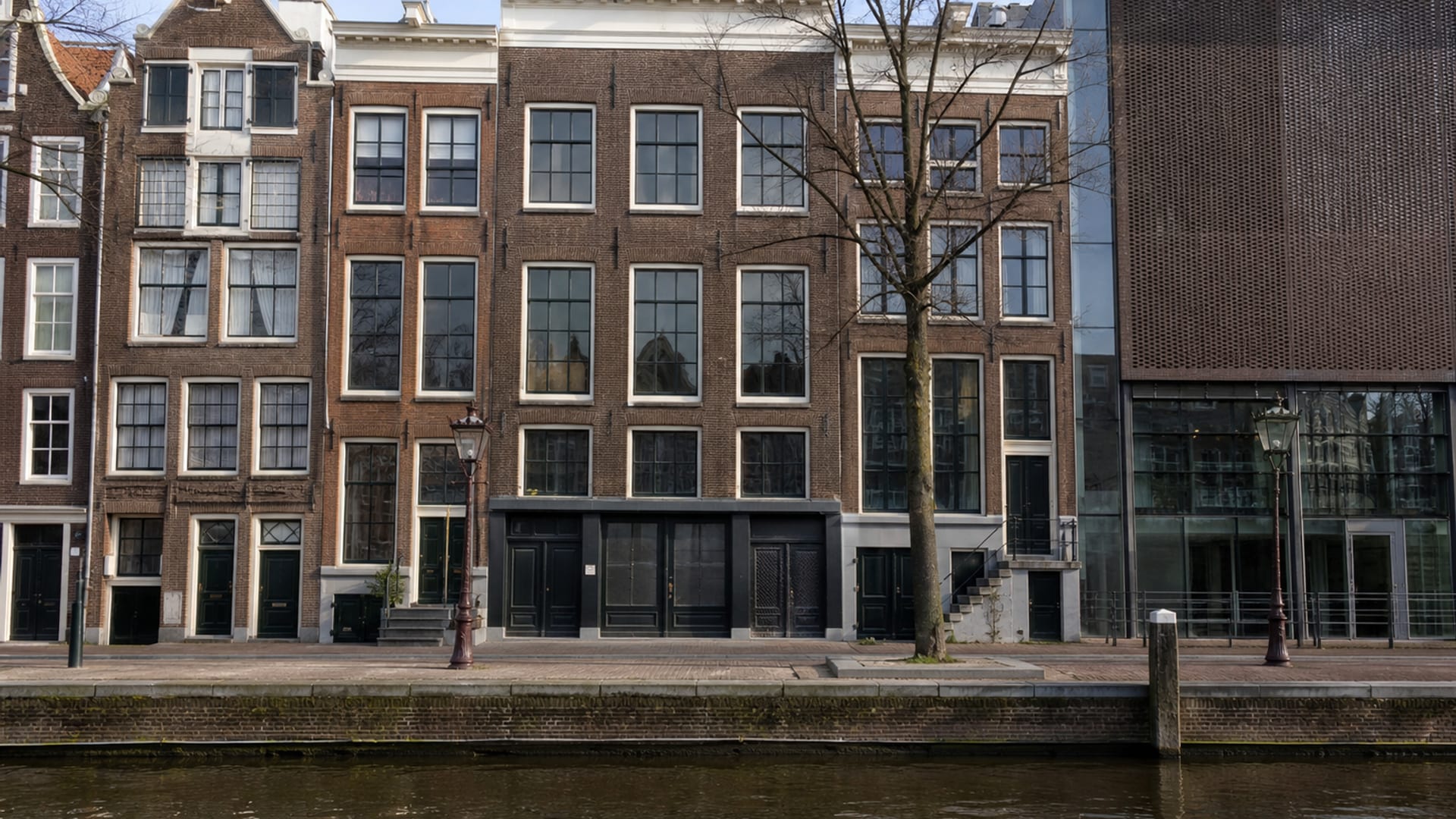
Anne Frank House
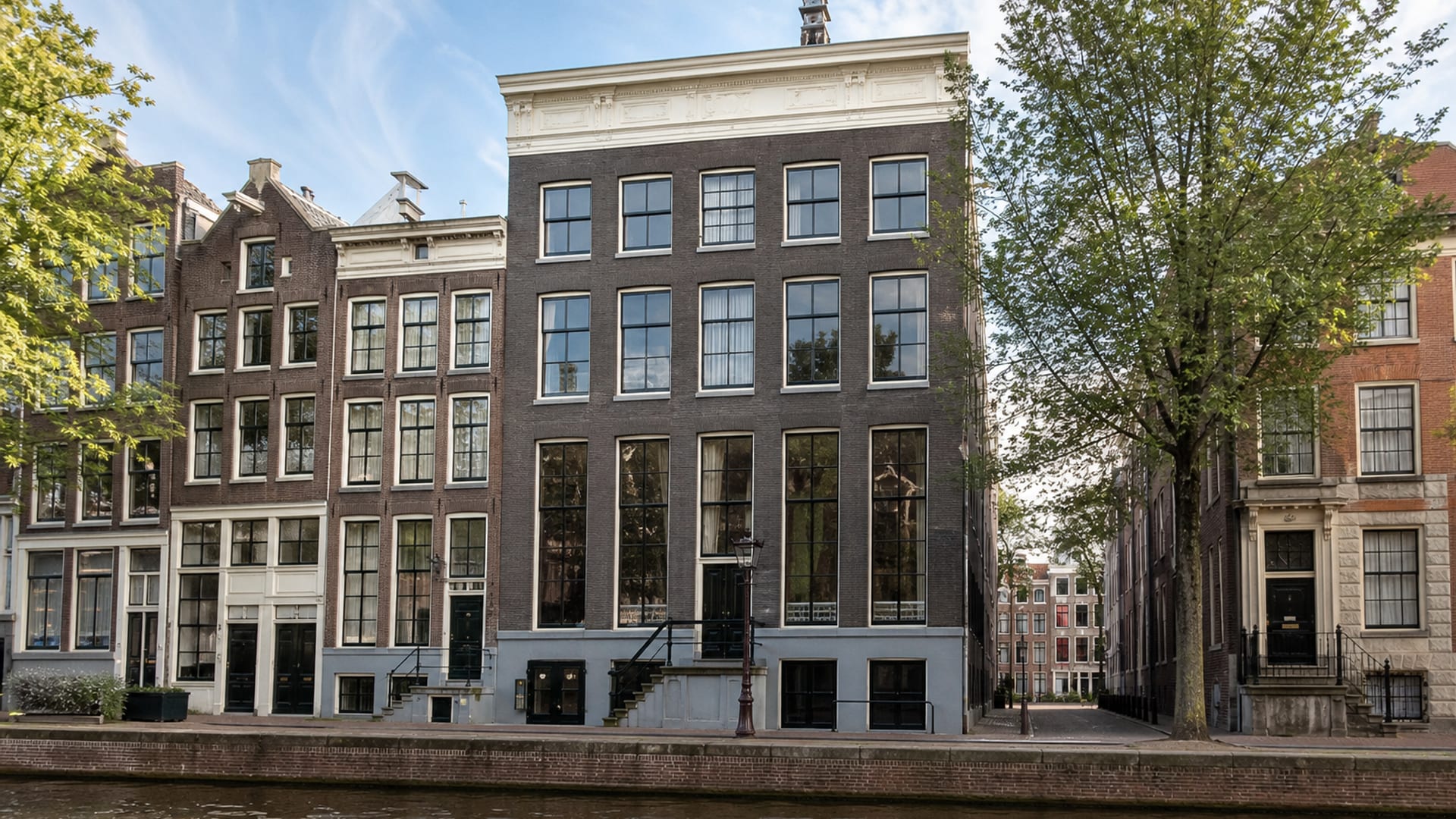
This canal-side house preserves the rooms where Anne Frank, her family, and four others hid during the Nazi occupation. The visit combines the concealed annex, original objects, and a concise historical presentation.
Time needed: About 1 hour to 1.5 hours
Entry: Adult tickets cost €16.50 ($18); youth tickets (ages 10–17) cost €7 ($8). Entry is by timed ticket only. Visit the official site for details.
Tip: Go early in the day, then have a quiet walk along the Prinsengracht.
Van Gogh Museum
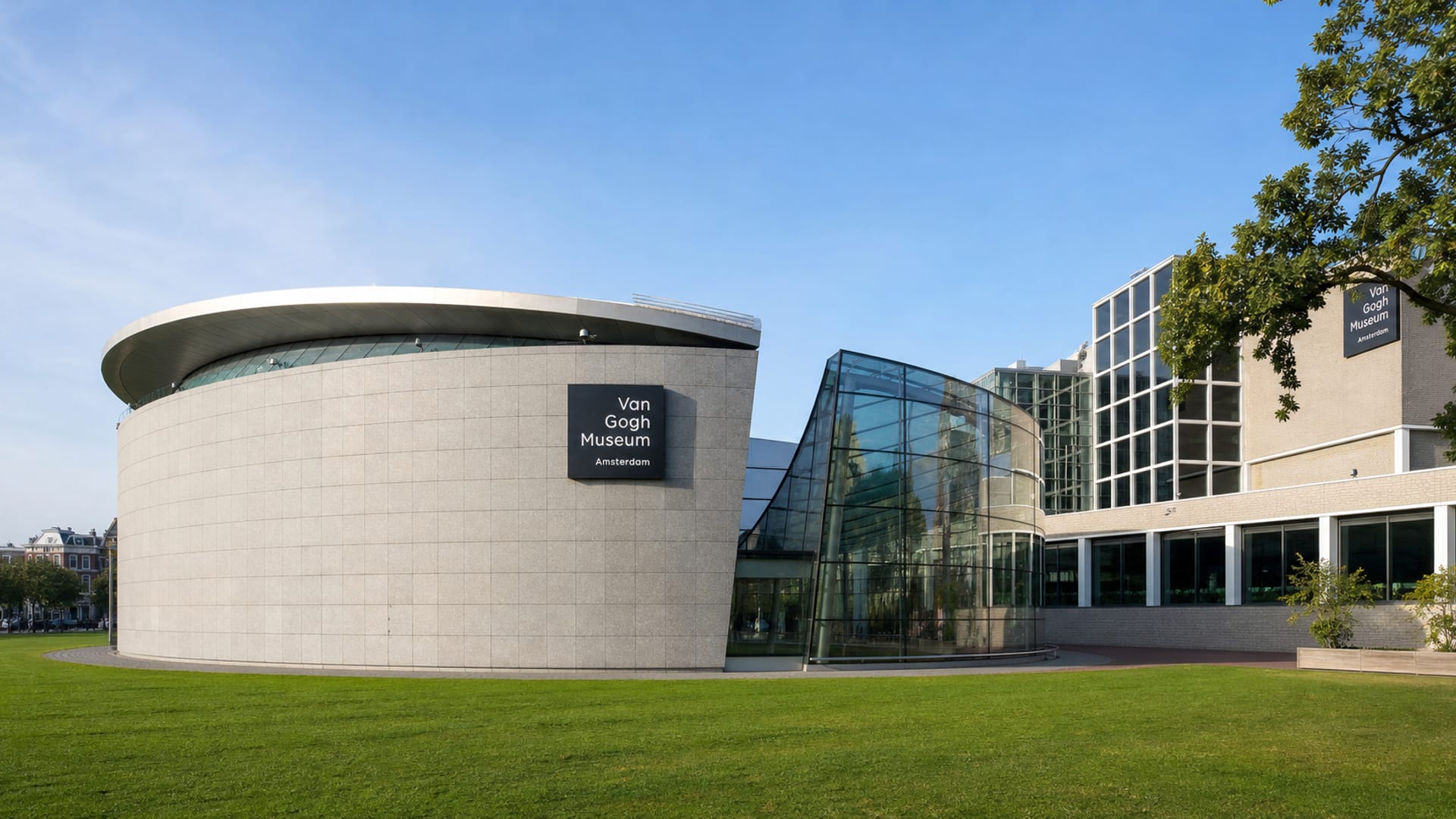
This museum holds the world’s largest Van Gogh collection, with self-portraits, Sunflowers, and letters that trace his career. The galleries also place his work beside painters who shaped his choices and style.
Time needed: About 1.5 to 2 hours
Entry: Standard tickets cost €25 ($27); ages 17 and under enter free. Timed-entry tickets are required for all visitors. Visit the official site for details.
Tip: Start with the upper floor, where the best-known paintings usually attract the longest lines.
Overlooked places in Amsterdam

Amsterdamse Bos
A broad man-made forest on the south-west edge of Amsterdam, extending into Amstelveen, with a rowing lake, open meadows, and long bike paths. The trails let you vary from a short visit to a half-day outing.
Time needed: About 2 to 4 hours
Entry: Free to access. Some activities, such as canoe hire, the goat farm, or the climbing park, charge a fee, but the paths and picnic areas do not.
Tip: Arrive early for empty paths and softer light over the lake.

Ons' Lieve Heer op Solder
A 17th-century canal house with a hidden attic church, preserved in the old merchant quarters. The rooms are compact, and the route shows how Catholic worship fits inside a Protestant city center.
Time needed: About 1 hour
Entry: Adult tickets cost €18 ($20). Reduced rates apply for children and Amsterdam City Card holders. Audio guides are included Visit the official site for details.
Tip: Visit mid-morning to avoid tour groups and the narrow stair bottlenecks.
What to eat in Amsterdam
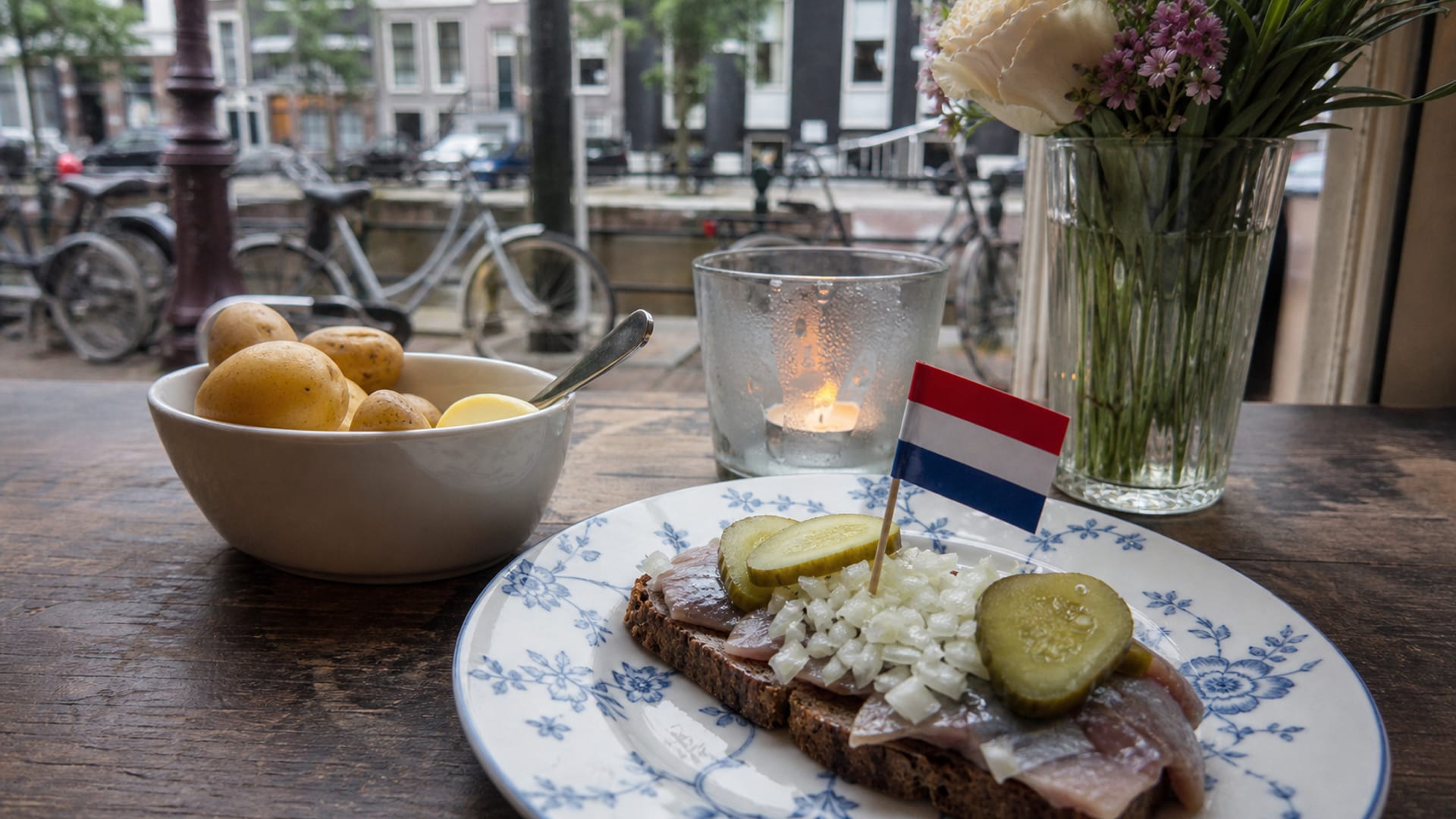
Traditional Amsterdam dishes often feature potatoes, herring, cheese, butter, and sweet baked goods. Poffertjes, stroopwafels, and stamppot are among the city’s best-known examples.
Poffertjes
Small yeasted pancakes cooked in butter, then served warm with powdered sugar and a little extra butter. Find them at the dedicated poffertjes stalls along Albert Cuyp Market, where vendors make them fresh throughout the day.
Stroopwafel
Two thin waffle cookies sandwiched with caramel syrup, crisp at first and chewy inside. Van Wonderen Stroopwafels serves a polished version that many visitors seek out with coffee or tea.
Haring
Lightly cured herring with chopped onions and pickles, salty and silky, often eaten as a quick lunch or street snack. Stubbe’s Haring is one of the city’s best-known stops for it.
Stamppot
Mashed potatoes folded with vegetables such as kale or endive, often served with smoked sausage and built for colder weather. Moeders on Rozengracht is a dependable place to try it in a traditional setting.
Best time to visit
Amsterdam changes most in the shoulder seasons, when canal walks and museum days stay comfortable, while winter offers less daylight, fewer crowds, and more indoor activities.
Best for: Tulips, mild canal walks, and long museum days
What you get: About 45 to 63°F (7 to 17°C), with moderate crowds that build toward May
Trade-offs: Rain can interrupt outdoor plans.
Best for: Late evenings, bike rides, and terrace dining
What you get: About 54°F to 72°F (12°C to 22°C), with the highest crowds and the busiest hotel prices
Trade-offs: Popular sights need earlier booking.
Best for: Quieter museums, clear walking days, and market browsing
What you get: About 39°F to 65°F (4°C to 18°C), with lighter crowds in September and more rain later
Trade-offs: Weather becomes less predictable by November.
Best for: Indoor sightseeing, canals in low light, and warm Dutch food
What you get: About 34 to 43°F (1 to 6°C), with the smallest crowds outside holiday weeks
Trade-offs: Cold wind and short days limit long outdoor plans.
A 5-day plan in Amsterdam
Five days in Amsterdam is enough to cover the major museums, main canals, and key neighborhoods without rushing. This plan keeps the first day light, prioritizes major attractions, and saves time for a walk through the old center before departure.
Land at Amsterdam (AMS), then take a taxi or train to the center. The train to Amsterdam Centraal takes about 15–17 minutes and costs around €5.50–€7 ($6–$8); a taxi takes 25–45 minutes depending on traffic and costs roughly €40–€75 ($44–$82). If you are staying in the Canal Ring or Jordaan, check in, take time to settle in, and keep dinner close to your hotel, with a simple canal-side meal near Prinsengracht or in Jordaan, so you do not overdo the first night.
Start early at the Rijksmuseum, where an opening-time entry helps avoid the busiest galleries. After about 2 to 3 hours inside, walk 5 minutes across Museumplein to the Van Gogh Museum for a second museum visit without a long cross-city transfer. From there, continue about 10 to 15 minutes on foot into De Pijp for lunch and a later coffee stop, then return toward Museumplein by tram or a 20-minute walk from the southern end of the neighborhood if you want one more look at the square before dinner.
Morning at the Anne Frank House works best when you book a timed ticket and arrive near opening, then spend about 1 to 1.5 hours inside. When you finish, you are already at the edge of Jordaan, as the museum sits directly on Prinsengracht, the neighborhood’s eastern boundary. Spend the rest of the morning on the canal-side streets, small shops, and quieter side passages that make up the neighborhood, then stay for lunch before walking into the Canal Ring for dinner.
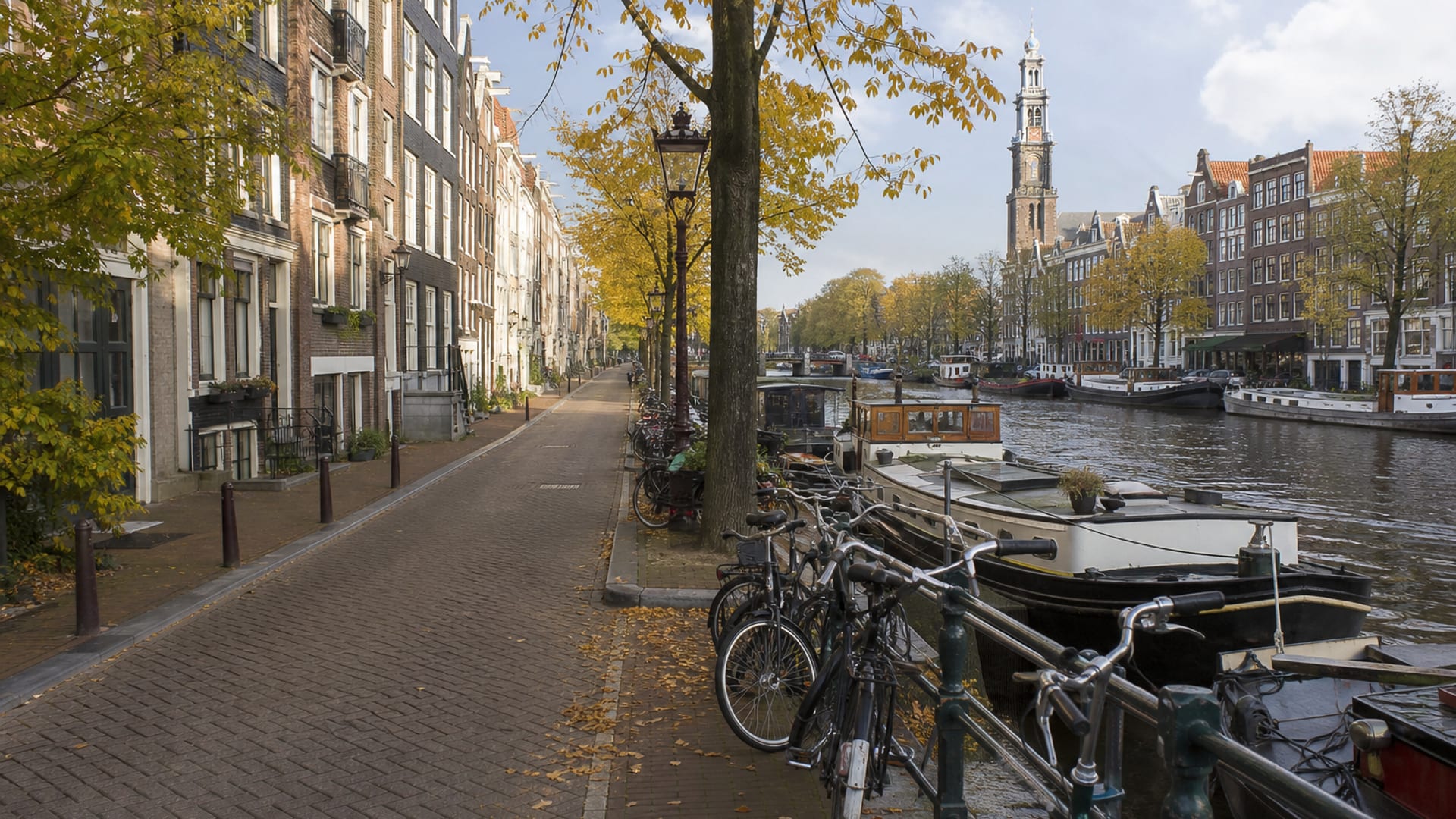
Head southwest to Amsterdamse Bos, about 20 to 30 minutes by tram or metro from the center. Plan 2 to 4 hours there for the lakes, meadows, and long paths, then return by transit to Museumplein in roughly 20 to 30 minutes if you want a late museum stop, or stop in De Pijp for a relaxed dinner. If the weather is clear, the open water and wooded areas provide a noticeably different setting from the canal districts.
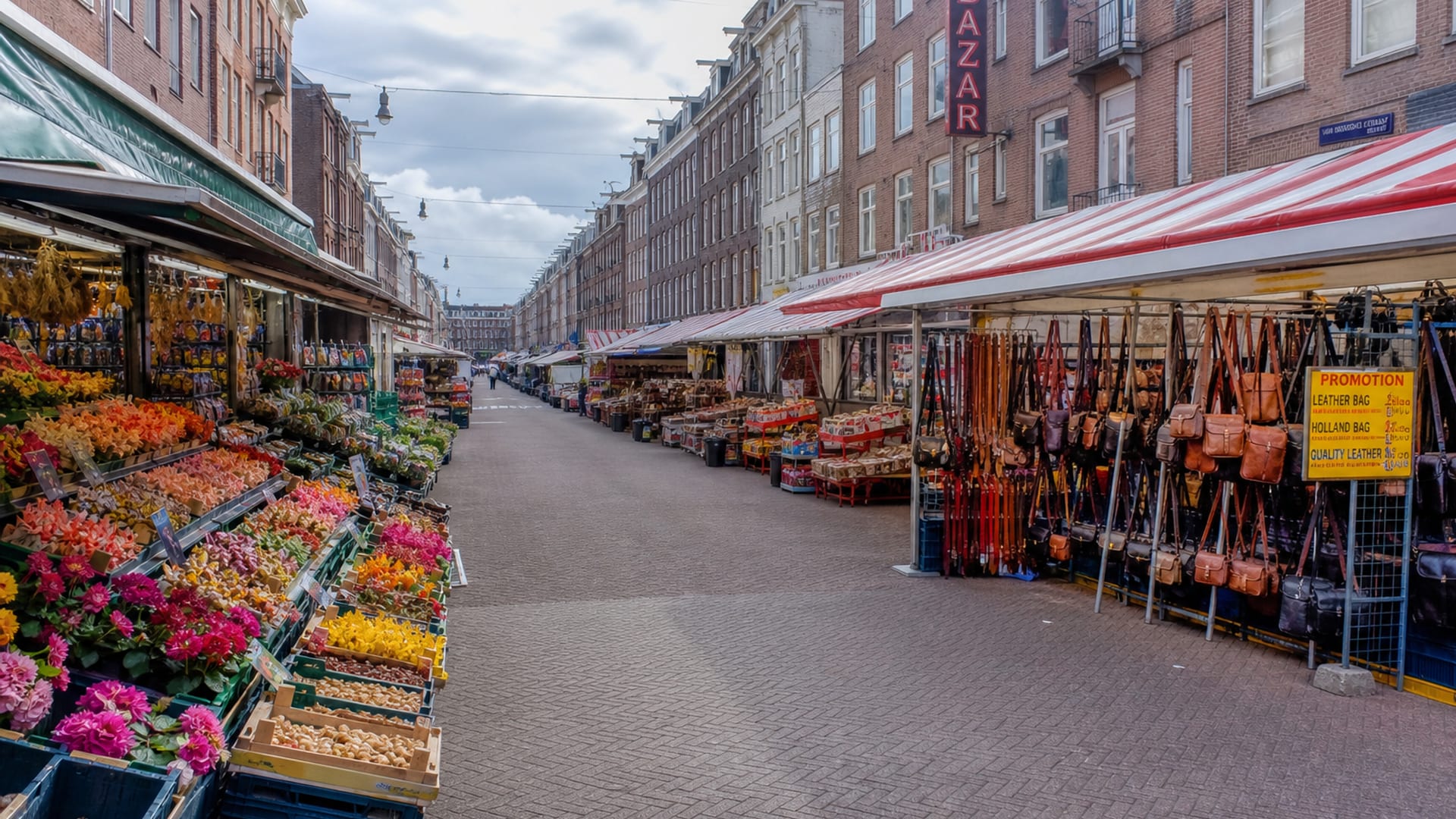
For a final day, begin with Ons’ Lieve Heer op Solder in the old center, then spend the rest of the morning in the Canal Ring so your final hours remain concentrated in one part of the city. From there, head to De Pijp for a late lunch, browse the neighborhood streets, and finish with coffee or a pastry near the market before you collect bags and go to Amsterdam (AMS).
Business-class flights from the US to Amsterdam
You can find flights to Amsterdam from major hubs across the United States. The examples below show typical options from both the East Coast and the West Coast in 2026.
New York (JFK) to Amsterdam (AMS)
KLM and Delta Air Lines operate nonstop business-class flights on this route, with a typical duration of around 7 to 7.5 hours and round-trip prices ranging from $4,100 to $10,500. If you prefer a layover, Icelandair operates one-stop flights via Keflavik International Airport (KEF), with round-trip tickets between $3,600 and $4,300.
Los Angeles (LAX) to Amsterdam (AMS)
KLM is the only airline operating nonstop flights on this route, with a duration of approximately 10.5 hours and round-trip fares ranging from $4,400 to $13,300. For a one-stop option, Lufthansa and United Airlines operate one-stop flights via Frankfurt Airport (FRA), with prices ranging from $4,000 to $9,300.
Amsterdam by canal, tram, and time
A well-planned Amsterdam trip lets you group nearby sights into logical days: the Rijksmuseum and Van Gogh Museum on one day, the Anne Frank House and Jordaan on another, then Amsterdamse Bos when you want open space. Most journeys require only a tram ride, a short metro trip, or a walk. If you want to shape the trip around these neighborhoods, AranGrant experts can help you match flights and timing to your travel dates.